Muhammara Dip
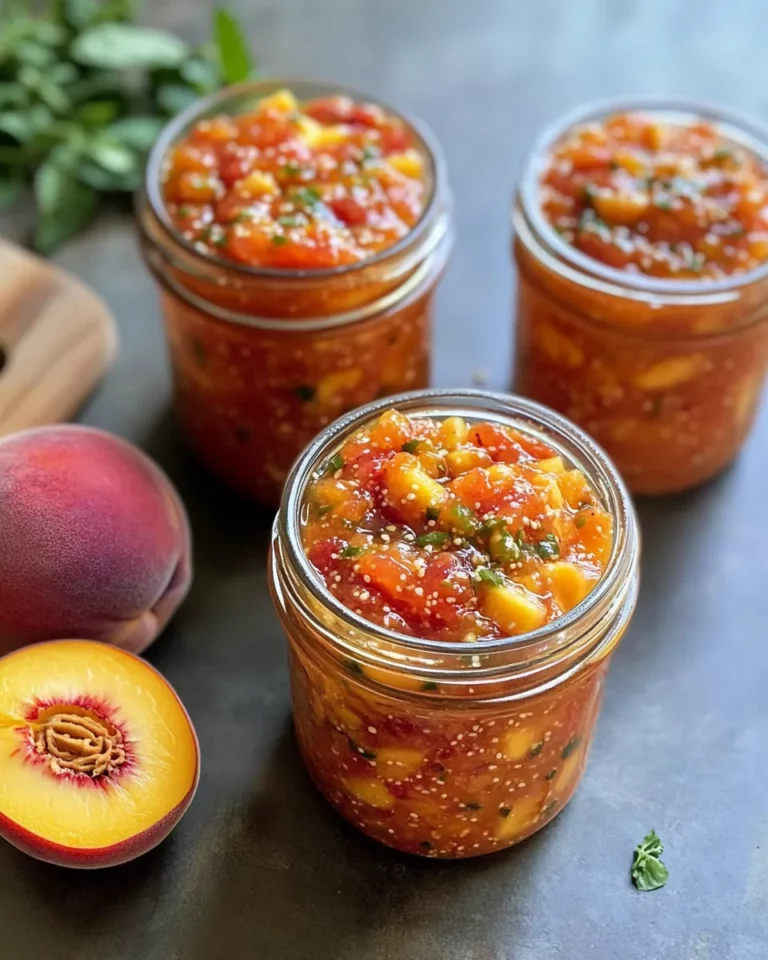
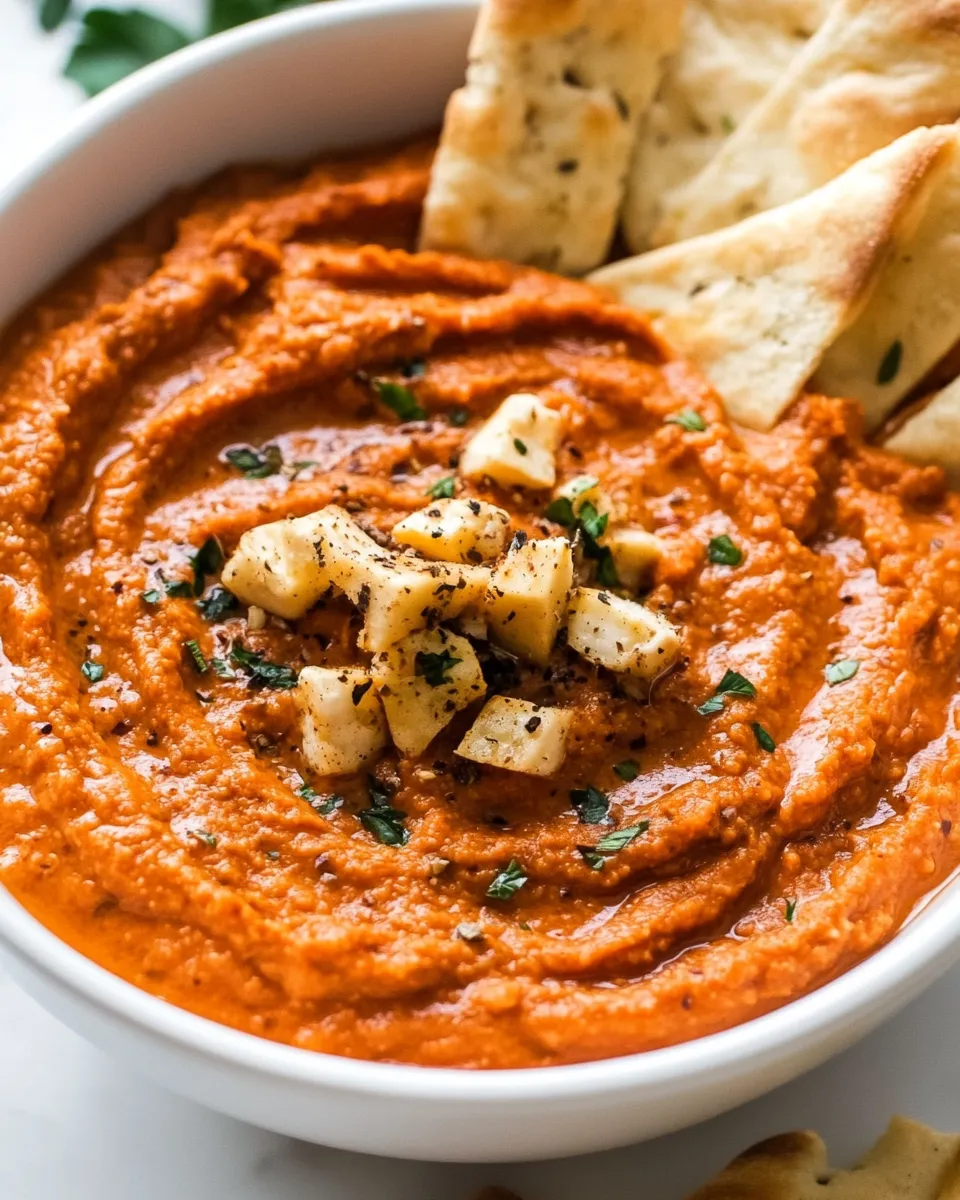
I fell in love with muhammara the first time I tasted it at a bustling market stall—smoky, slightly sweet, and unapologetically nutty. This version is intentionally straightforward, built around blistered red peppers and toasted walnuts, with pantry-friendly flavors like tahini, cumin, and a whisper of pomegranate molasses. It’s a dip that works hard: it brightens a snack board, dresses a sandwich, and saves the day when you need an elegant appetizer with zero fuss.
In this post I’ll walk you through the exact steps I use, from charring the peppers to getting the right texture in the food processor. I’ll also share practical tips for toasting walnuts, rescuing a watery batch, and swapping ingredients when something’s missing. No fluff—just reliable guidance so your muhammara comes out vivid and balanced every time.
If you’ve never made it before, expect a short learning curve with big rewards. The char from the peppers is the backbone. Toasted walnuts add depth. Little touches—like drying the pepper flesh and choosing a bold pomegranate molasses—make the difference between “good” and “textbook” muhammara. Let’s get to it.
Ingredient Checklist

Ingredients
- 3-4 red bell peppers — the key smoky, sweet base; choose firm, evenly colored peppers.
- ½ cup walnuts, shelled — preferably toasted; provide richness and body.
- ?? cup dried breadcrumbs — bind and thicken the dip; adjust slightly for texture.
- 1 tablespoon tahini — adds creaminess and a subtle sesame background.
- 1 teaspoon tomato paste — deepens color and umami.
- 1 teaspoon pomegranate molasses — gives sweet-tart complexity; a signature flavor.
- 1 teaspoon ground cumin — warm, aromatic spice to anchor the profile.
- ½ teaspoon salt — start here and adjust to taste.
- ¼ teaspoon ground black pepper — a gentle heat and brightness.
- ¼ cup extra virgin olive oil — silkens the paste and carries flavor.
Stepwise Method: Muhammara Dip
- Roast the bell peppers using one of these methods:
- Stovetop: Place whole peppers directly over a gas flame or in a hot cast-iron skillet and turn with tongs until the skins are blackened and blistered on all sides (about 8–12 minutes).
- Oven: Preheat oven to 360°F (180°C). Place whole peppers on a sheet pan, roast 10 minutes, then move the pan under the broiler for a few minutes with the peppers peel-side up until the skins are blistered and charred.
- Remove the hot peppers from the heat, transfer them to a bowl, and cover tightly with plastic wrap. Let them steam for 10–15 minutes—this makes the skins much easier to peel.
- When the peppers are cool enough to handle, peel off and discard the skins. Remove and discard the stems, seeds, and large membranes. Pat the pepper flesh dry with paper towels if it seems very wet.
- If your walnuts are not already toasted, toast the ½ cup shelled walnuts: dry-toast in a skillet over medium heat, stirring, until fragrant and lightly browned (about 3–5 minutes), or spread on a sheet pan and toast in the oven a few minutes. Let cool.
- Place the peeled peppers in a food processor. Add the toasted walnuts, the dried breadcrumbs, 1 tablespoon tahini, 1 teaspoon tomato paste, 1 teaspoon pomegranate molasses, 1 teaspoon ground cumin, ½ teaspoon salt, ¼ teaspoon ground black pepper, and ¼ cup extra virgin olive oil.
- Process the mixture until smooth, stopping to scrape down the sides of the bowl as needed. Pulse or blend to reach your preferred texture (a smooth paste).
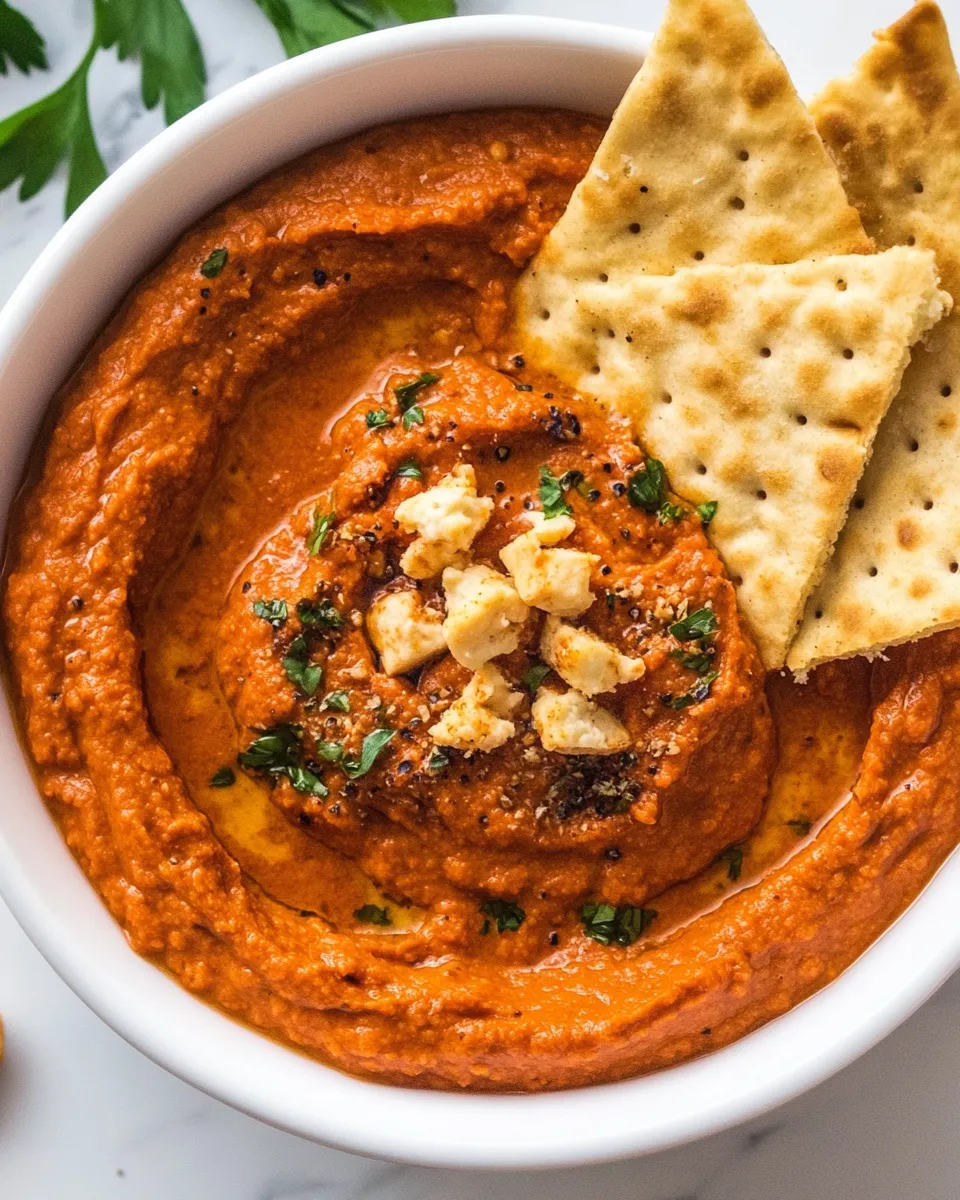
- Transfer the muhammara to a serving bowl. Garnish with extra walnuts and fresh herbs if desired. Serve with pita bread or chips.
Why This Recipe is a Keeper
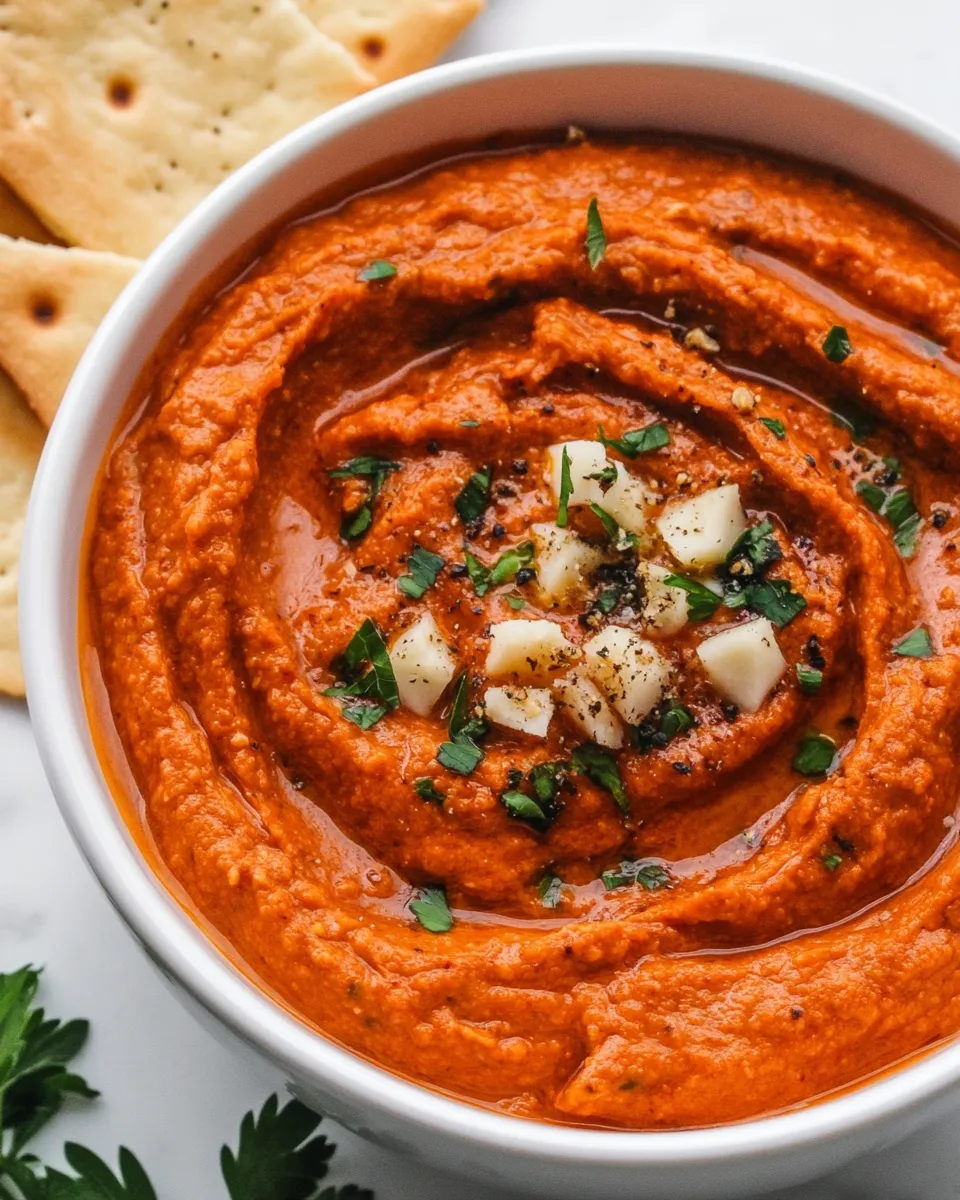
This muhammara recipe balances three things I always aim for: straightforward technique, bold flavor, and flexible use. The roasting step is simple but transformative—charred skins add that almost-smoky depth without complicated equipment. Toasted walnuts give the dip weight and a toasty backbone that tahini and oil then round into a luscious paste.
It’s also forgiving. Texture is adjustable—pulse a few extra times for a chunky spread or blend until silky for a smooth dip. A little pomegranate molasses changes the whole melody of flavors: it’s the bright, sour-sweet note that keeps muhammara from tasting flat. Once you make it a couple of times, the ratios will feel instinctive.
Smart Substitutions
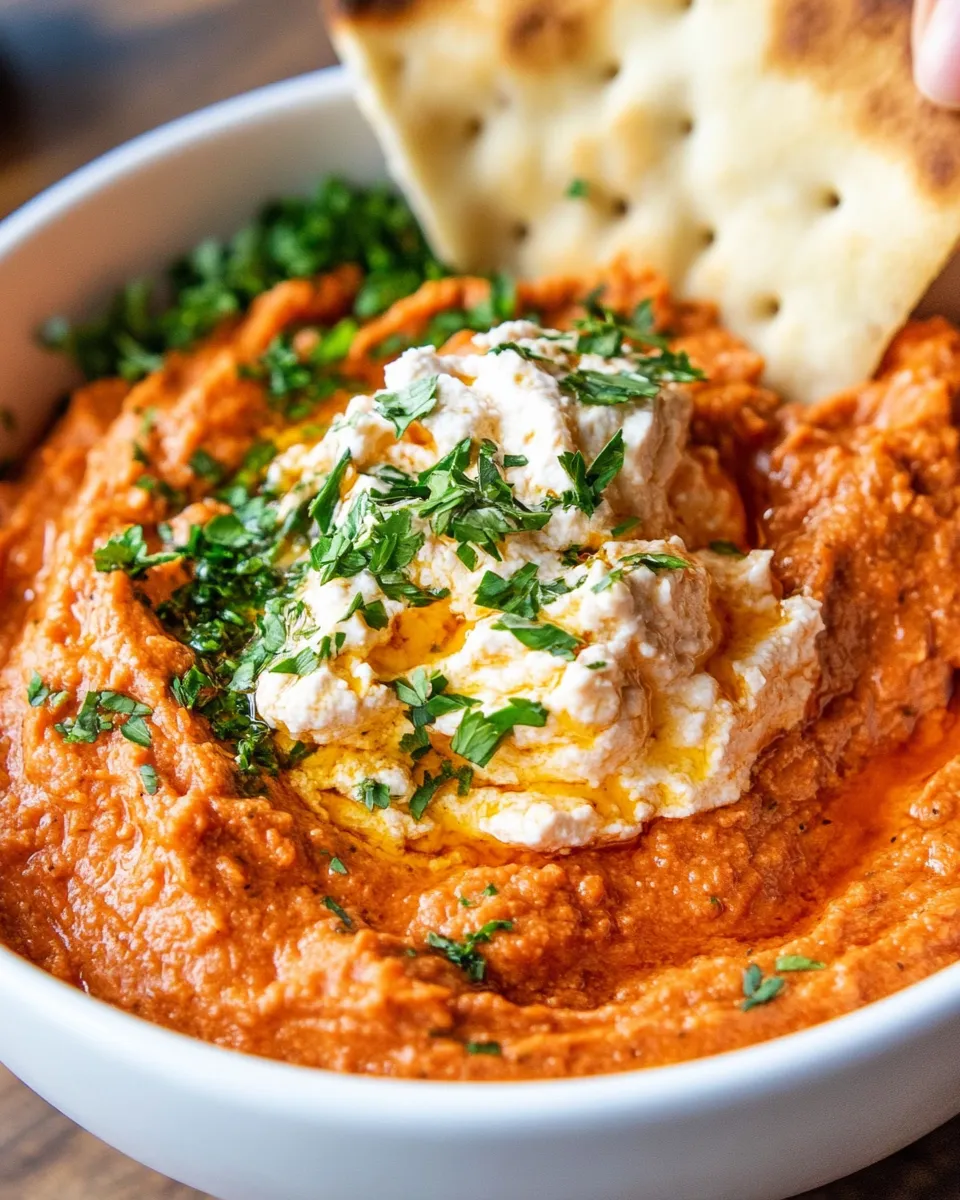
Life happens. Substitute thoughtfully so the final dip stays true to its character.
If you’re out of walnuts, use toasted almonds as the closest swap for nutty depth, but expect a slightly different texture. No pomegranate molasses? A small splash (start with ½ teaspoon) of balsamic vinegar plus a pinch of sugar can approximate that sweet-tart lift—taste as you go. If tahini isn’t on hand, you can omit it; add a little more olive oil for creaminess and a teaspoon of peanut or almond butter only if you don’t mind a flavor shift.
Essential Tools for Success
You don’t need a long tool list, but a few items make a world of difference:
– A gas stove or broiler for charring peppers gives the best smoky result; a cast-iron skillet works fine on an electric range.
– A good food processor is key to getting a consistent texture. A blender can work, but stop and scrape often.
– Paper towels and a bowl with plastic wrap for steaming the peppers; that steam is what loosens the skins without burning your fingers.
Avoid These Mistakes
Don’t make these common missteps.
1) Skimping on charring. Under-charred peppers yield a sweeter but flatter dip; the slight bitterness from charring balances the sweetness and pomegranate tang. 2) Blending while peppers are too wet. Excess water dilutes flavor and forces you to overuse breadcrumbs; pat the pepper flesh dry if it’s dripping. 3) Over-toasting walnuts. They should be fragrant and lightly browned; burnt nuts add a bitter note you can’t easily fix.
Tailor It to Your Diet
Vegetarian and vegan eaters will be happy—this recipe is plant-based as written. To reduce fat, cut the olive oil slightly and increase breadcrumbs to compensate for body; texture will be drier, so serve soon after making. For a nut-free version, replace walnuts with equal measure of toasted, shelled sunflower seeds—expect a different but still pleasant profile.
Cook’s Commentary
I prefer to roast peppers directly over flame when possible. The blistering is faster and the smoky notes are more pronounced. That said, the oven route is excellent when you’re handling a crowd or want to avoid the flare-ups of a stovetop charring. I always toast the walnuts separately—even pre-toasted store-bought ones benefit from a quick minute in a dry pan to wake their oils.
When processing, I pulse first to combine the nuts and peppers, then blend continuously to reach a silky finish. If you like a looser dip for drizzling, add another tablespoon of olive oil. If you want more grip for spreading, add a few more breadcrumbs by the teaspoon.
Save for Later: Storage Tips
Refrigerate muhammara in an airtight container for up to 5 days. A thin film of olive oil on top helps preserve color and flavor—press the oil on before sealing. To freeze, spoon into a freezer-safe container, leaving an inch of headspace; it will keep for about 2 months. Thaw overnight in the fridge, then stir and correct seasoning if needed—freeze-thaw can mute brightness slightly, so a squeeze of lemon or a dash more pomegranate molasses can revive it.
Top Questions & Answers
Q: Can I roast the peppers ahead of time?
A: Yes. Roast and peel the peppers, then refrigerate in a sealed container for up to 48 hours before making the dip. Pat them dry before processing to avoid a watery result.
Q: My muhammara is too thin—what can I do?
A: Stir in a few more breadcrumbs or an extra tablespoon of toasted walnuts, processing briefly after each addition until you reach the desired body.
Q: It’s too dry—how do I loosen it?
A: Add olive oil a teaspoon at a time while pulsing. Tahini can also add silkiness. Warm the oil slightly if it’s very cold; cold oil can firm up the texture.
Q: Can I make this without a food processor?
A: It’s possible but more labor-intensive. Finely chop toasted walnuts and peppers, then mash together with a fork or mortar and pestle, stirring in oil and tahini to bind. The texture will be chunkier.
Q: Serving ideas?
A: Serve with warm pita, crisp vegetable sticks, grilled meats, or as a spread on sandwiches and grain bowls. It’s versatile—treat it like a flavorful, Middle Eastern-style condiment.
Time to Try It
Make this muhammara when you want a dip that reads as special but won’t sabotage your evening. The roasting and toasting steps add just a little effort with a large payoff. Follow the steps here, taste as you go, and tweak tiny bits—salt, breadcrumbs, oil—until it sings for you. Once you’ve made it a couple of times you’ll have your own preferred texture and balance. Enjoy the bold, smoky results.
Muhammara Dip
Ingredients
Ingredients
- ?3-4 red bell peppers
- ?1/2 cupwalnutsshelled – preferably toasted
- ??cupdried breadcrumbs
- ?1 tablespoontahini
- ?1 teaspoontomato paste
- ?1 teaspoonpomegranate molasses
- ?1 teaspoonground cumin
- ?1/2 teaspoonsalt
- ?1/4 teaspoonground black pepper
- ?1/4 cupextra virgin olive oil
Instructions
Instructions
- Roast the bell peppers using one of these methods: - Stovetop: Place whole peppers directly over a gas flame or in a hot cast-iron skillet and turn with tongs until the skins are blackened and blistered on all sides (about 8–12 minutes). - Oven: Preheat oven to 360°F (180°C). Place whole peppers on a sheet pan, roast 10 minutes, then move the pan under the broiler for a few minutes with the peppers peel-side up until the skins are blistered and charred.
- Remove the hot peppers from the heat, transfer them to a bowl, and cover tightly with plastic wrap. Let them steam for 10–15 minutes—this makes the skins much easier to peel.
- When the peppers are cool enough to handle, peel off and discard the skins. Remove and discard the stems, seeds, and large membranes. Pat the pepper flesh dry with paper towels if it seems very wet.
- If your walnuts are not already toasted, toast the ½ cup shelled walnuts: dry-toast in a skillet over medium heat, stirring, until fragrant and lightly browned (about 3–5 minutes), or spread on a sheet pan and toast in the oven a few minutes. Let cool.
- Place the peeled peppers in a food processor. Add the toasted walnuts, the dried breadcrumbs, 1 tablespoon tahini, 1 teaspoon tomato paste, 1 teaspoon pomegranate molasses, 1 teaspoon ground cumin, ½ teaspoon salt, ¼ teaspoon ground black pepper, and ¼ cup extra virgin olive oil.
- Process the mixture until smooth, stopping to scrape down the sides of the bowl as needed. Pulse or blend to reach your preferred texture (a smooth paste).
- Transfer the muhammara to a serving bowl. Garnish with extra walnuts and fresh herbs if desired. Serve with pita bread or chips.
Equipment
- Food Processor
Notes
Either roast your own bell peppers at home, or you can buy jarred roasted bell peppers.