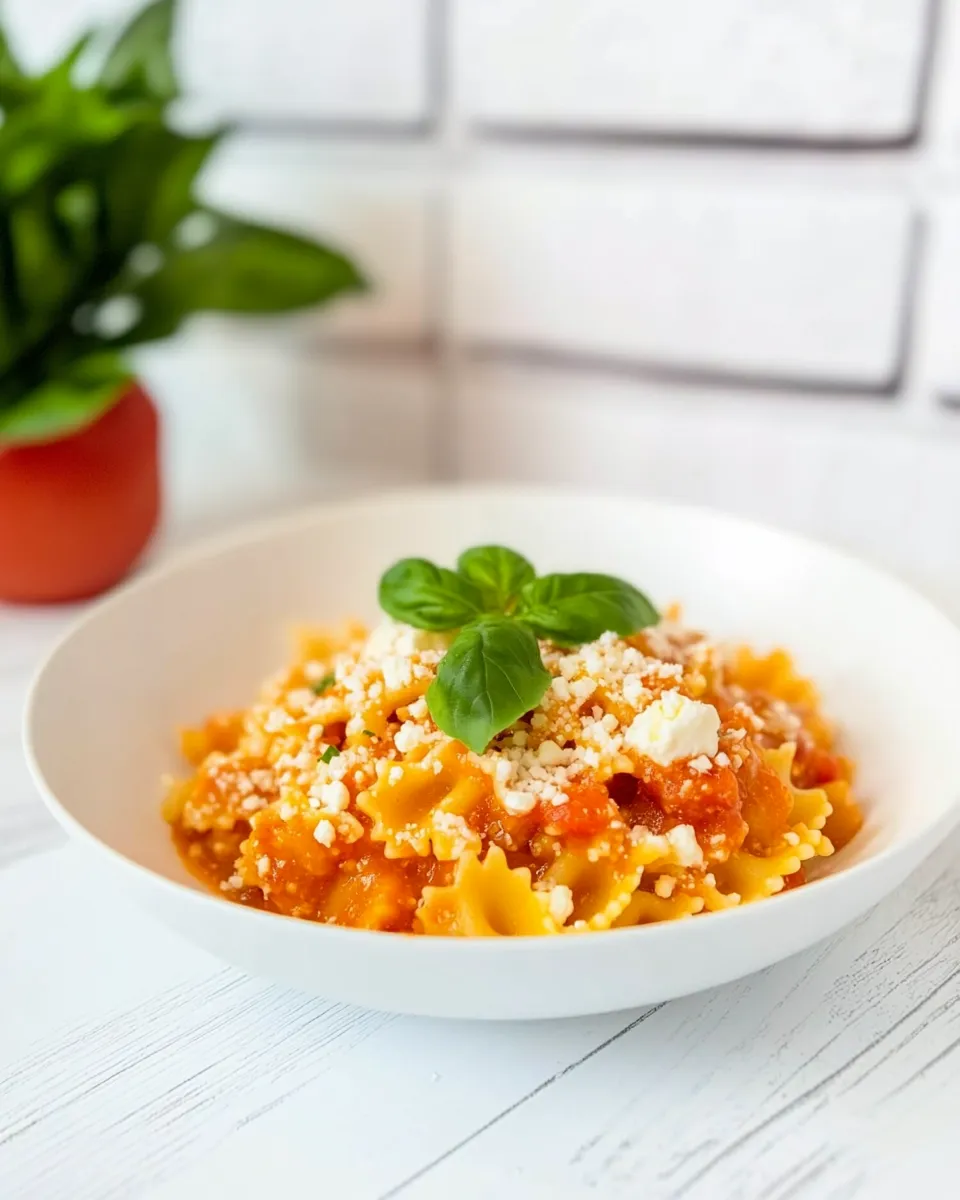
Mafaldine Pasta with Napoletana Sauce
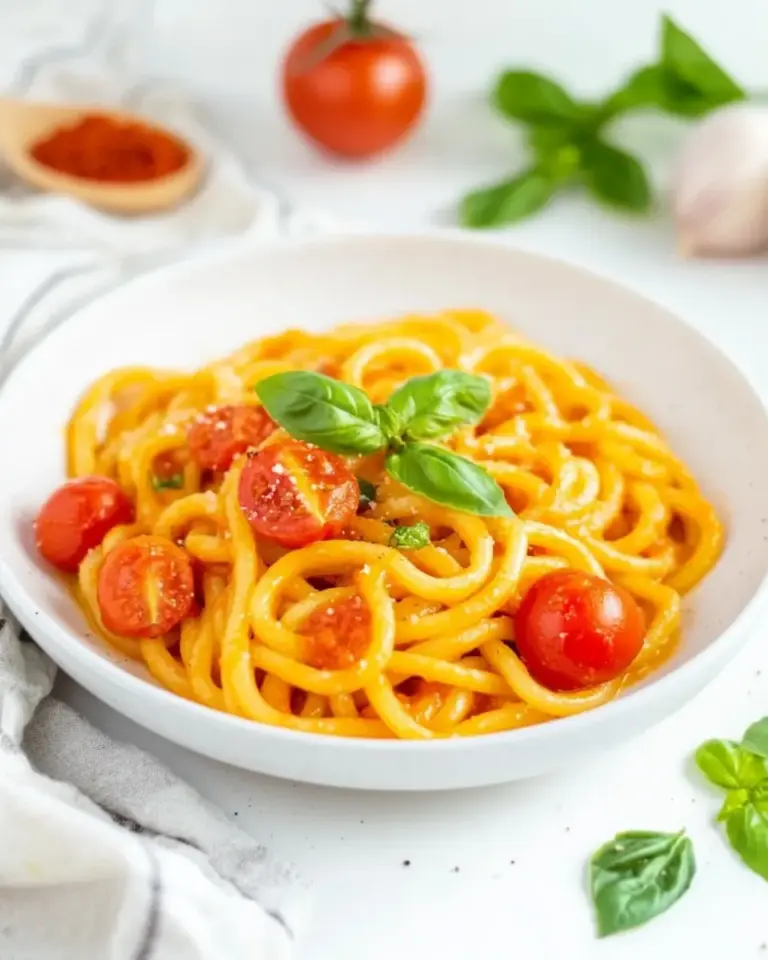
There’s something comforting and downright joyful about a bowl of tomato-scented pasta that feels both uncomplicated and special. This Mafaldine Pasta with Napoletana Sauce is built on pantry-friendly ingredients and honest technique: long, ribboned mafaldine noodles tossed in a bright, slow-simmered tomato sauce and finished with a dollop of ricotta. It’s rustic, approachable, and perfect for weeknights or a relaxed weekend dinner when you want real flavor without fuss.
The sauce is pure tomato-forward goodness: canned whole plum tomatoes (or datterini if you prefer a slightly sweeter, fruitier profile), a single medium-large onion finely minced to melt into the sauce, a drizzle of extra-virgin olive oil, and fresh basil to perfume the simmering tomatoes. The ricotta adds a creamy, cool contrast that turns each forkful into something silky. Follow the clear, step-by-step directions below to make this the kind of meal you’ll find yourself craving again and again.
Why this version works

Mafaldine’s frilly edges catch the sauce beautifully, so every bite is flavorful. Using whole canned tomatoes gives you control over texture and sweetness—crush them by hand or with a spoon while they cook to keep the sauce rustic and substantial. Finely minced onion dissolves into the base, providing depth without large pieces getting in the way of the sauce’s smoothness. Fresh basil adds a final lift, and the ricotta provides balance and richness without masking the tomato’s brightness.
Ingredients
- 1 medium-large onion, finely minced
- 2 cans whole plum tomatoes (15 oz / 400 g each), or canned datterini tomatoes
- 2 tablespoons extra-virgin olive oil
- 8 fresh basil leaves
- Sea salt and black pepper to taste
- 17.06 oz mafalda pasta
- 8.8 oz ricotta cheese, approx 1 US cup
Equipment
- Large sauté pan or medium saucepan with lid
- Large pot for boiling pasta
- Wooden spoon or silicone spatula
- Colander
- Measuring spoons and cups
Prep at a glance
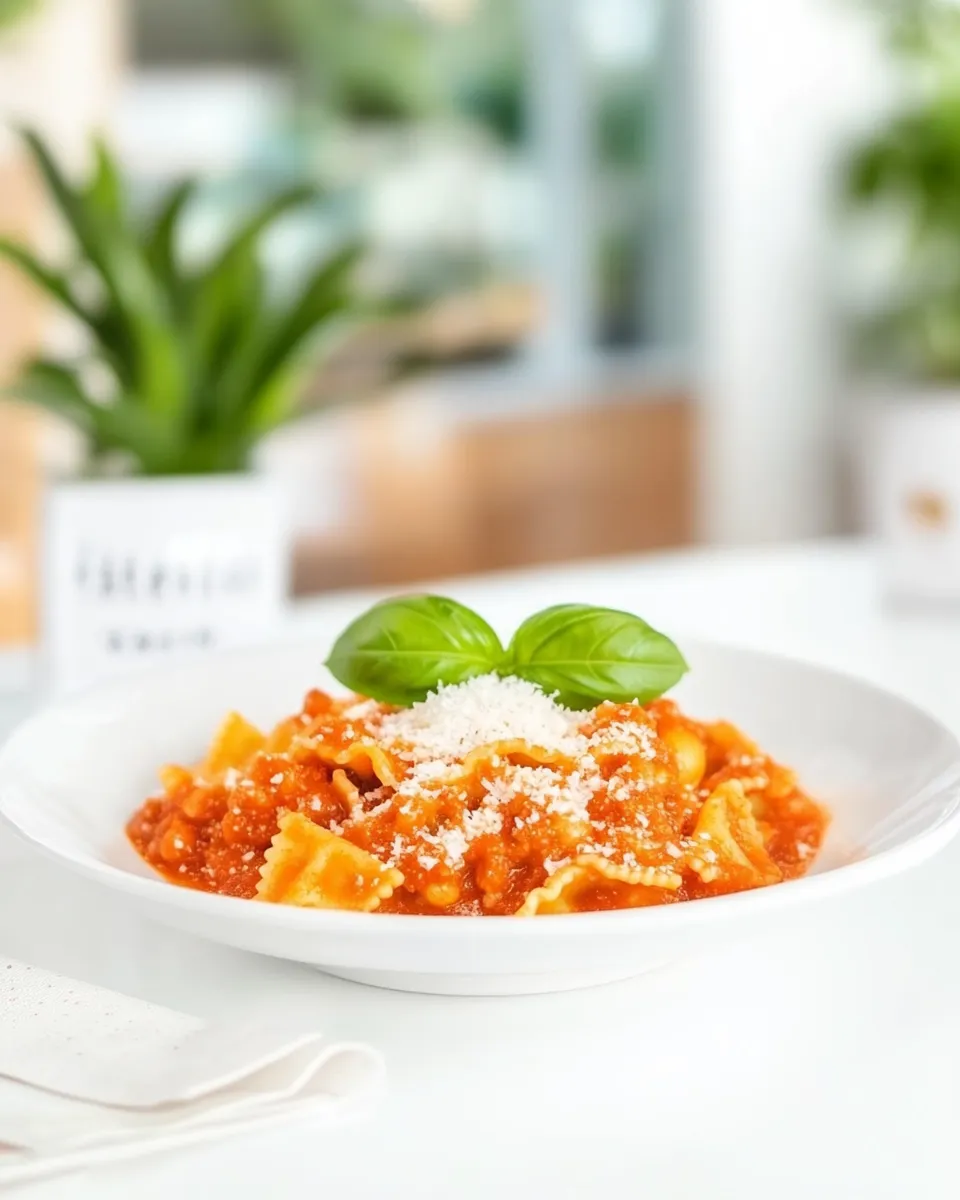
- Finely mince the onion so it can melt into the sauce during the simmer.
- Open the canned tomatoes and have a spoon ready to crush them in the pan.
- Bring a large pot of salted water to a boil for the mafaldine so you can time everything to come together.
- Rinse and pat dry basil leaves; set ricotta on the counter so it’s slightly less cold and spreads easier.
Step-by-step Directions
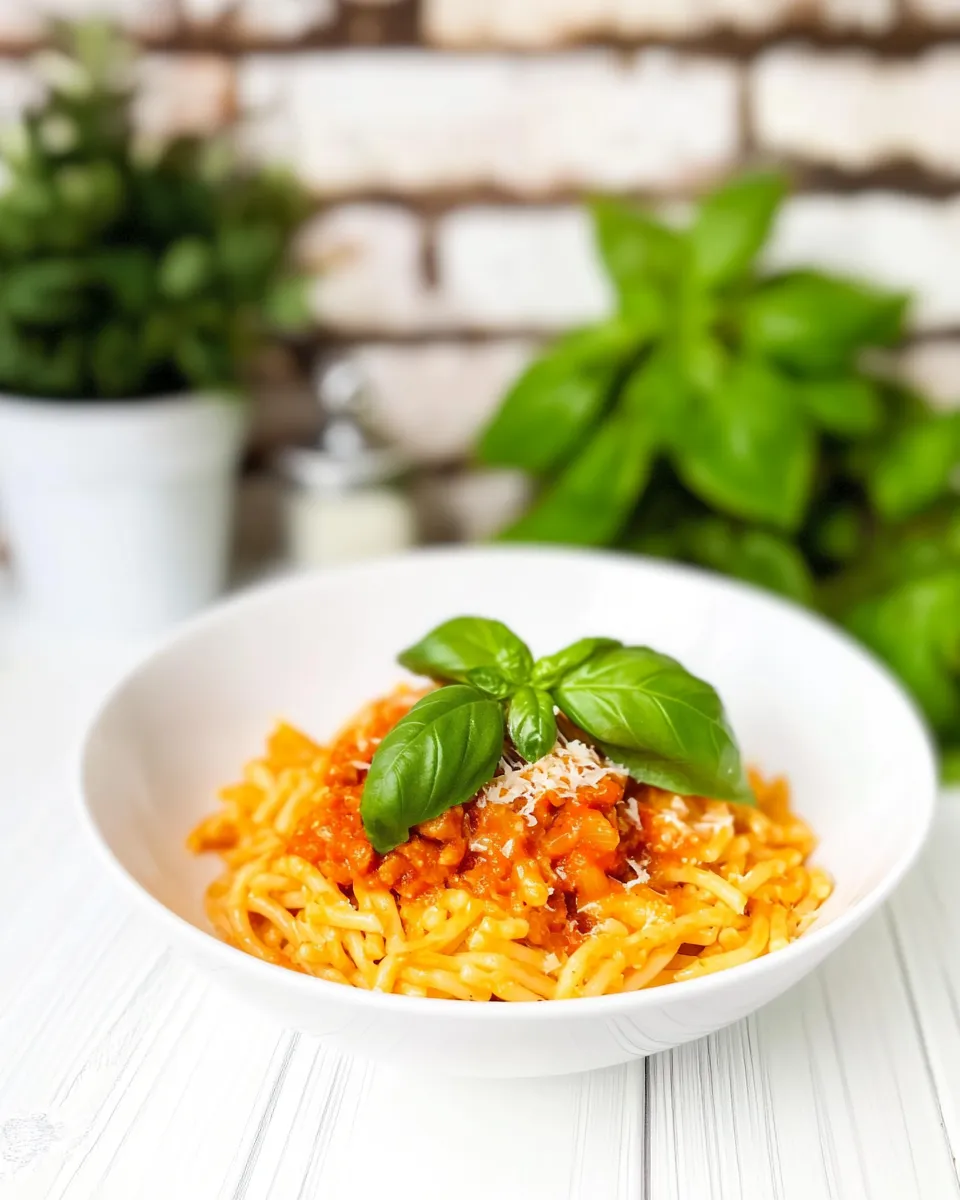
Follow these steps in order. I’ve kept the original ingredient quantities exactly as listed so your result is what the recipe intends: vibrant, balanced, and perfectly sauced.
- Heat the oil and sweat the onion: Place a large sauté pan or medium saucepan over medium heat and add 2 tablespoons of extra-virgin olive oil. When the oil shimmers, add the finely minced medium-large onion. Cook gently, stirring frequently, until the onion is soft and translucent but not browned, about 6–8 minutes. The goal is to dissolve the onion’s sweetness into the oil and form a flavorful base.
- Add the tomatoes: Pour both cans of whole plum tomatoes (15 oz / 400 g each) or canned datterini tomatoes into the pan with the softened onion. If you prefer a chunkier sauce, crush some of the tomatoes with the back of a spoon as they go into the pan; for a smoother texture, break them up more thoroughly. Stir to combine so the onion and tomato juices mingle.
- Bring sauce to a simmer: Increase the heat slightly to bring the tomato mixture up to a gentle simmer. Once simmering, reduce the heat to low so the sauce maintains a steady but gentle bubbling. This low simmer concentrates the tomato flavor without burning.
- Add basil and season: Tear or roughly chop the 8 fresh basil leaves and stir them into the sauce. Season the sauce with sea salt and freshly ground black pepper to taste. Start conservatively with salt—you can always add more after tasting once the pasta and sauce are combined.
- Simmer until thickened: Let the sauce simmer gently, uncovered or partly covered, for about 20–30 minutes, stirring occasionally. The sauce should reduce and thicken while the flavors concentrate. If you notice it drying out too much, add a small splash of reserved pasta water later when combining.
- Cook the mafaldine: While the sauce simmers, bring a large pot of water to a rolling boil. Generously salt the water (it should taste like the sea). Add 17.06 oz mafalda pasta and cook according to package instructions until al dente—tender with a slight bite at the center. Mafaldine can be a slightly wider ribbon, so ensure it cooks evenly by stirring occasionally.
- Reserve pasta water, then drain: Before draining, scoop out about 1 cup of the pasta cooking water and set it aside. Drain the mafaldine in a colander, shaking gently to remove excess water.
- Finish the sauce and combine: Taste the tomato sauce and adjust seasoning with additional sea salt and black pepper as needed. If the sauce seems too thick, stir in a few tablespoons of the reserved pasta water to reach a silky consistency. Add the drained mafaldine directly to the pan with the sauce. Toss gently and thoroughly for 1–2 minutes over low heat so the pasta absorbs the sauce and everything melds together. If the sauce needs loosening, add more of the reserved pasta water, a splash at a time.
- Plate and add ricotta: Transfer portions of the sauced mafaldine to serving plates or a large serving bowl. Spoon about 8.8 oz ricotta cheese (approximately 1 US cup) in dollops atop the pasta, or serve it alongside so diners can add as much as they like. The ricotta’s cool creaminess contrasts with the warm, bright tomato sauce for a luxurious mouthfeel.
- Final garnish and serve: Tear a few extra basil leaves and scatter them over the plated pasta for color and aroma. Finish with a crack of black pepper and an optional drizzle of extra-virgin olive oil if desired. Serve immediately while hot.
Troubleshooting and tips
- Onion texture: Finely mincing the onion is key so it melts into the sauce; if the pieces are large, they’ll stand out rather than harmonize.
- Tomato variety: Whole plum tomatoes give a classic texture and flavor. Datterini tomatoes are a sweet, juicy alternative—either choice works well, but crushing whole tomatoes by hand while cooking makes the sauce feel homemade.
- Controlling acidity: If your tomatoes taste too bright or acidic, a tiny pinch of sugar can balance them. Add sparingly and taste as you go.
- Using pasta water: Starchy pasta water is the secret to a glossy, clingy sauce. Add it in small amounts until you reach the desired consistency.
- Make ahead: The sauce can be made a day ahead and reheated gently. Add a splash of pasta water while reheating if it has thickened too much.
Serving suggestions
This Mafaldine Pasta with Napoletana Sauce shines with simple sides: a crisp green salad dressed with lemon and olive oil, crusty bread to sop up every last drop, or a platter of roasted vegetables. For a light finish, serve a citrusy fruit salad or thin slices of melon to cleanse the palate.
Storage
Store leftover pasta and sauce together in an airtight container in the refrigerator for up to 3 days. When reheating, add a splash of water and warm gently on the stovetop to revive the sauce and keep the mafaldine supple. Ricotta can be stored in a separate container for up to 3 days; add fresh dollops when serving to preserve its creamy texture.
Recipe notes
- The recipe uses the exact ingredient amounts as listed so you’ll get consistent results. If you scale the recipe up or down, scale all ingredients proportionally.
- Mafaldine is a wider ribbon with decorative edges—if you can’t find it, substitute another long pasta like pappardelle or fettuccine, but the texture and sauce cling will change slightly.
- For a slightly smoky touch, finish with a few drops of high-quality extra-virgin olive oil just before serving.
Why I love this dish
This Mafaldine Pasta with Napoletana Sauce is the kind of dish that feels like a warm hug: simple ingredients that sing because they’re treated with patience and respect. The finely minced onion disappears into the sauce and enriches it, the canned tomatoes provide a concentrated tomato flavor you can count on, and the ricotta adds a creamy contrast that elevates the whole plate. It’s elegant enough for someone you want to impress and relaxed enough for every night.
Make it when you want something true and satisfying without elaborate technique. You’ll end up with a bowl of comfort that tastes like home—and it’s so delightfully easy to prepare that it’ll become a go-to in your recipe rotation.
Enjoy your Mafaldine Pasta with Napoletana Sauce, and don’t forget to pause for a long, slow first bite.

Mafaldine Pasta with Napoletana Sauce
Ingredients
- 1 medium-large onion finely minced
- 2 cans (15 oz / 400 g each) whole plum tomatoes or canned datterini tomatoes, with their juice
- 2 tablespoons extra-virgin olive oil
- 8 leaves fresh basil divided
- sea salt to taste
- black pepper to taste
- 17.06 oz mafaldine pasta
- 8.8 oz ricotta cheese about 1 US cup, drained
Instructions
- Heat 2 tablespoons of extra-virgin olive oil in a skillet over medium-low heat. Add the finely minced onion and cook, stirring occasionally, until translucent, about 4–5 minutes.
- Add the canned whole plum tomatoes with their juice to the skillet and gently break them up with a wooden spoon. Season with 5–6 of the basil leaves and salt and pepper to taste.
- Cover the skillet and simmer the sauce on low for 15 minutes, stirring occasionally, until it is creamy but still slightly chunky.
- Meanwhile, bring a large pot of lightly salted water to a boil. Add the mafaldine pasta and cook according to package directions until al dente; for firmer pasta, drain 2–3 minutes before the package time. Reserve 2 tablespoons of the pasta cooking water, then drain the pasta.
- Remove the tomato sauce from the heat and stir in the remaining basil leaves. Drain any excess liquid from the ricotta and add the ricotta to the sauce with 2 tablespoons of the reserved pasta water; stir until combined and smooth. Taste and adjust seasoning with salt and pepper.
- Fold the cooked mafaldine into the sauce until evenly coated. Drizzle with a little extra-virgin olive oil if desired and serve immediately.
Equipment
- Skillet or sauté pan
- Large Pot
- Wooden Spoon
- Colander
- Measuring Spoons
- Can opener
Notes
- If the canned tomatoes taste bitter, halve and de-seed them before cooking.
- If the sauce tastes too acidic, add a bay leaf while it simmers or a pinch of sugar.