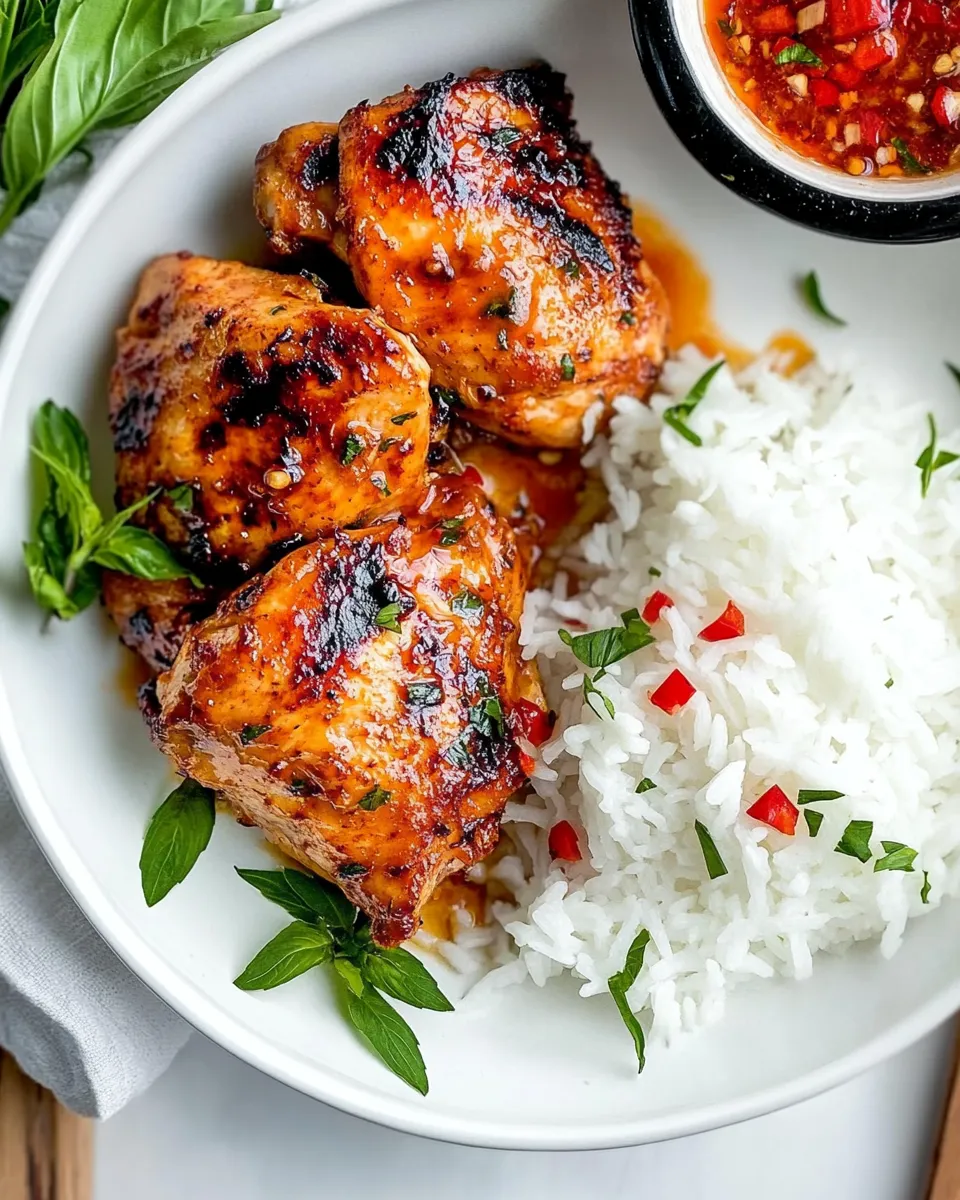
Lemongrass Chicken
This recipe is one of those weeknight wins that feels special without demanding a full day in the kitchen. Bright lemongrass, warm ginger, and a hit of Thai red curry work together to create a sticky, savory glaze that clings to juicy chicken thighs. It’s bold, aromatic, and straightforward — the kind of meal I reach for when I want dinner to taste like I tried a little harder than I did.
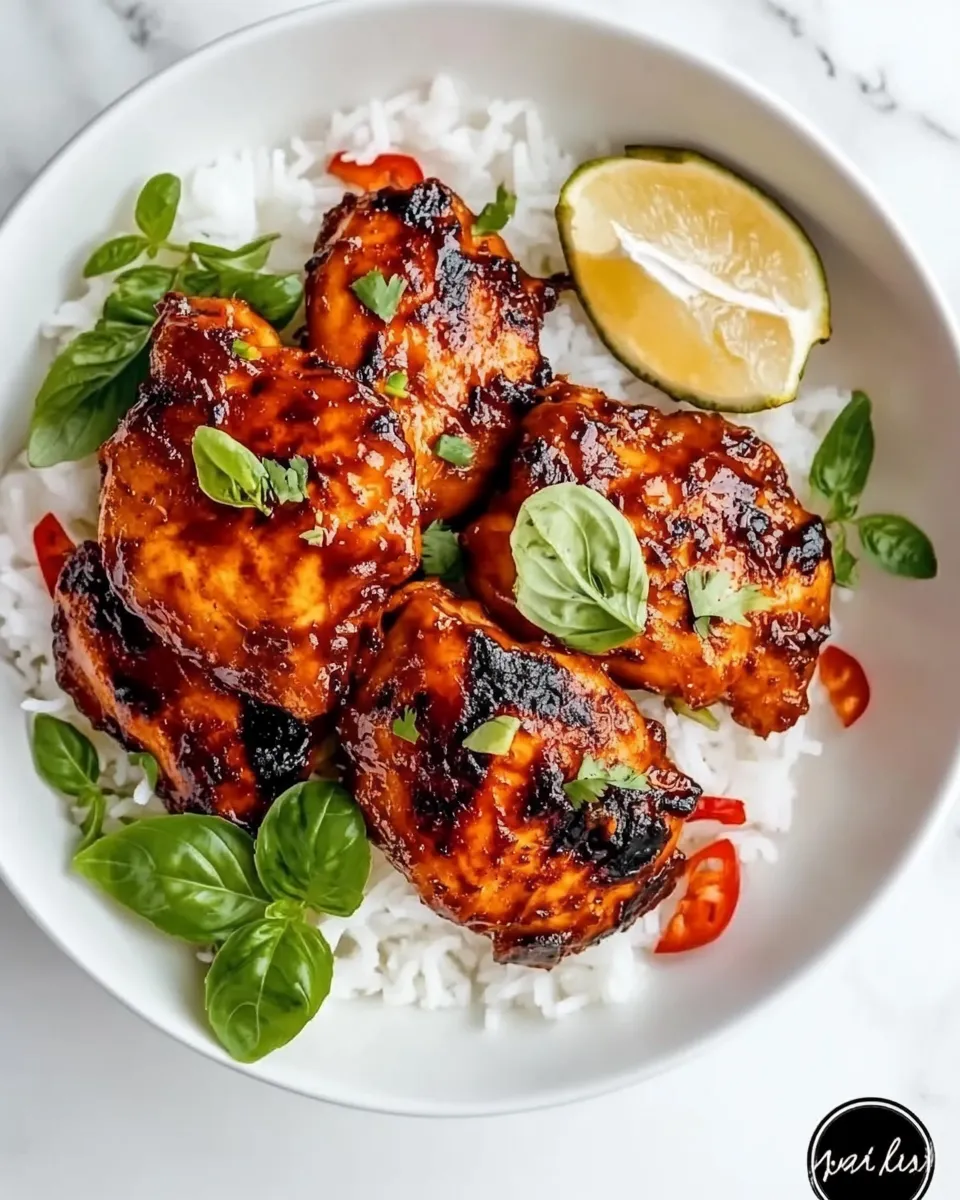
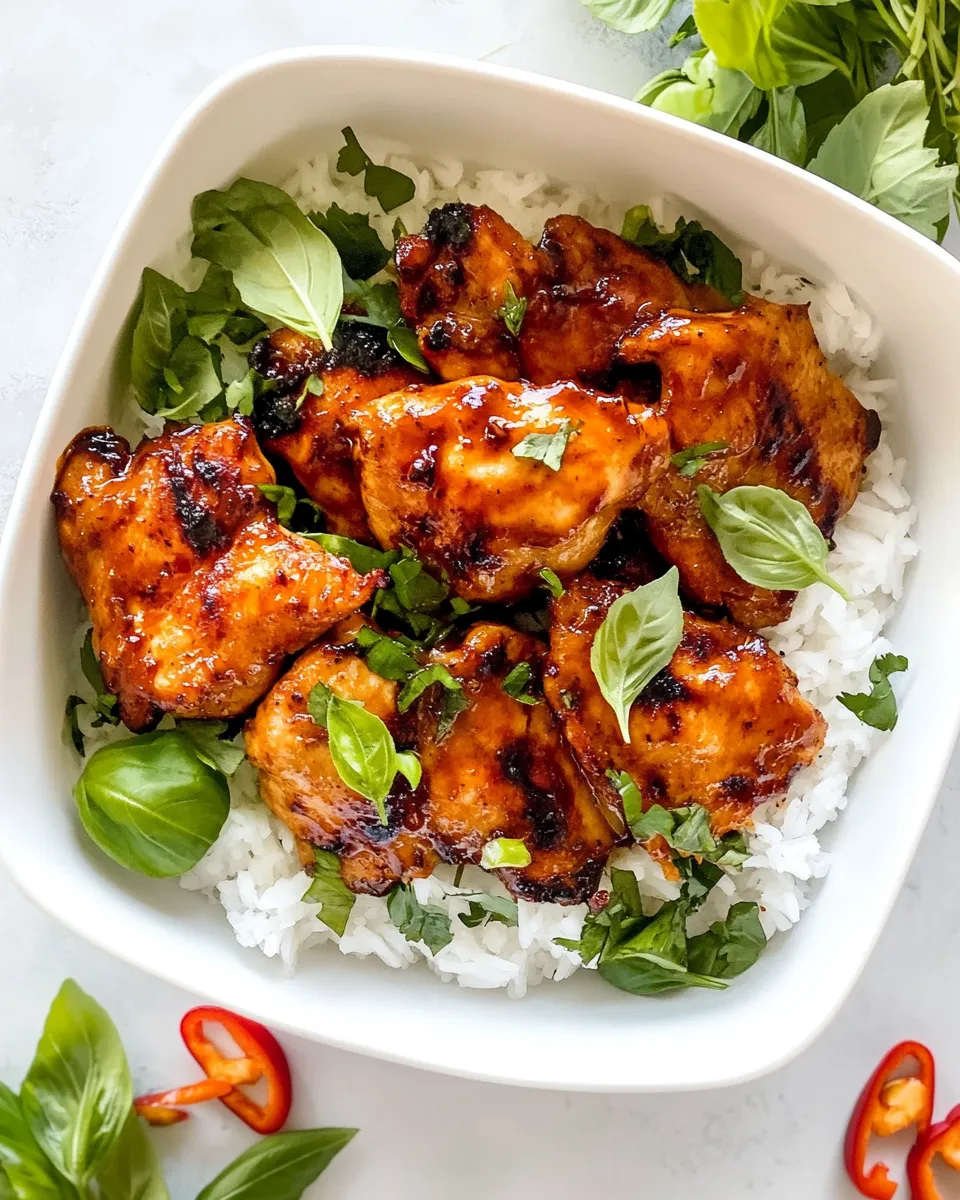
I test small adjustments so you don’t have to: a reserved bit of marinade becomes the finishing glaze, a rack over a rimmed pan keeps the chicken from sitting in juices, and an instant-read thermometer takes the guesswork out of doneness. The result is caramelized edges with tender meat inside. Serve it simply with lettuce leaves and lime wedges for bright contrast.
If you love Southeast Asian flavors but want a recipe that’s practical, this one is for you. Short hands-on time, flexible marinating window, and straightforward tools. Let’s get into the details so you can make a reliable, delicious Lemongrass Chicken tonight.
What You’ll Need

Ingredients
- 8 medium boneless, skinless chicken thighs — the best balance of fat and flavor for juicy roasting.
- 2 stalks lemongrass (or substitute 2 tablespoons lemongrass paste), tender white parts only, finely grated with a microplane zester (see Notes for how to prepare) — main aromatic; provides the lemony, herbal backbone.
- ½ small yellow onion, finely chopped — sweetness and body for the marinade.
- 4 cloves minced garlic — savory depth and aroma.
- 2 tablespoons freshly grated ginger — peppery warmth that lifts the other flavors.
- 1 tablespoon Thai red curry paste — concentrated flavor and gentle heat.
- 1 tablespoon Asian sweet chili sauce — sweet-heat and glossy finish for the glaze.
- 3 tablespoons fish sauce — umami and saltiness; the backbone of the savory profile.
- 1 tablespoon soy sauce — additional savory balance and color.
- 1 tablespoon freshly squeezed lime juice — acidity to brighten and balance richness.
- 2 tablespoons brown sugar — feeds caramelization and rounds out the flavors.
- 1½ teaspoons sea salt — seasoning for the marinade and chicken.
- 1 teaspoon freshly ground black pepper — simple heat and spice.
- 2 tablespoons olive oil — helps emulsify the marinade and promotes browning.
- 6 lime wedges — for serving; a squeeze finishes the dish.
- 2 cups your favorite small-leaf lettuce — a fresh vehicle for the chicken or a simple side.
- 2 chopped green onions — for garnish and a fresh oniony finish.
Method: (Lemongrass Chicken)
- Pat the chicken thighs dry with paper towels and set aside.
- Prepare the lemongrass: trim away any tough outer layers and use only the tender white parts; finely grate them with a microplane zester. (Or use the 2 tablespoons lemongrass paste from the ingredient list as a substitute.)
- In a large bowl, combine the prepared lemongrass, finely chopped yellow onion, minced garlic, freshly grated ginger, Thai red curry paste, Asian sweet chili sauce, fish sauce, soy sauce, lime juice, brown sugar, sea salt, black pepper, and olive oil. Stir until evenly combined.
- Measure out and transfer 1/4 cup of the marinade to a small, covered container and refrigerate. This is the reserved glaze for finishing the chicken.
- Add the chicken thighs to the remaining marinade in the large bowl. Turn or toss the chicken so each piece is evenly coated. Cover the bowl and refrigerate for at least 30 minutes and up to 4 hours.
- About 10–15 minutes before you plan to cook, preheat the oven to 400°F. Line a rimmed baking pan with foil or parchment and set a rack on the pan.
- Remove the chicken thighs from the marinade, letting excess drip back into the bowl, then discard any marinade that touched the raw chicken. Arrange the thighs in a single layer on the rack with space between pieces.
- Roast the chicken in the preheated oven. After 15 minutes, flip each thigh and return to the oven.
- During the last few minutes of roasting, brush the chicken with the reserved 1/4 cup marinade and return to the oven so the glaze cooks and caramelizes slightly. Use an instant-read thermometer inserted into the thickest part of a thigh to check doneness — the chicken is done at 165°F.
- Transfer the cooked chicken to a serving platter and let rest briefly. Serve hot with the small-leaf lettuce, a sprinkling of the chopped green onions, and lime wedges for squeezing.
Top Reasons to Make Lemongrass Chicken
- Fast and impressive: minimal active time, maximum flavor payoff.
- Layered aromatics: lemongrass, ginger, garlic, and red curry paste create complexity with little effort.
- Flexible serving: it works with rice, noodles, or wrapped in lettuce for a lighter option.
- Reliable texture: boneless thighs stay juicy through roasting, and the reserved glaze adds glossy caramelization.
- Short marination window: at least 30 minutes gives noticeably better flavor, but you don’t need an overnight plan.
Easy Ingredient Swaps
- Fresh lemongrass ↔ 2 tablespoons lemongrass paste — both are included in the ingredient list as options; use the paste if you don’t have time to prep stalks.
- Thai red curry paste — reduce the amount slightly if you want milder heat; it’s the main spice source in the recipe.
- Asian sweet chili sauce — adjust down for less sweetness; it also contributes to the glaze’s shine.
- Chicken thighs — use fewer pieces if serving a smaller household; the marinade proportions will still coat well.
- Lime juice — add an extra squeeze at the end from the included lime wedges if you want brighter acidity.
Recommended Tools
- Microplane zester — for finely grating the tender lemongrass and ginger.
- Large mixing bowl — to combine the marinade and marinate the chicken.
- Small covered container — to reserve 1/4 cup of marinade for glazing.
- Rimmed baking pan + wire rack — keeps chicken elevated so air circulates and skinless thighs brown evenly.
- Instant-read thermometer — the simplest way to ensure the thighs reach 165°F without overcooking.
- Tongs and a pastry brush — to flip and glaze the chicken during roasting.
- Parchment or foil — for easier cleanup under the rack.
Watch Outs & How to Fix
- Too salty: the fish sauce is concentrated. If you taste the raw marinade and it seems strong, remember flavors mellow with cooking. If you’ve already salted the marinade to excess, add a splash more lime juice to balance before cooking or serve with extra lettuce to cut the salt perception.
- Burning glaze: sugar and sweet chili sauce can caramelize quickly. If the glaze darkens too fast, tent the pan loosely with foil and lower the oven temperature by 25°F for the final minutes.
- Undercooked thighs: use an instant-read thermometer to confirm 165°F in the thickest part. If pieces finish at different times, hold done pieces loosely covered while the rest finish.
- Flat flavor after roasting: finish with a squeeze of the included lime wedges and a sprinkle of chopped green onions to refresh flavors and add brightness.
- Mushy texture from too-long marinating: acid (lime) and salt can change texture if left far beyond the recommended 4 hours. Stick to the 30 minutes to 4-hour window for best texture.
Spring–Summer–Fall–Winter Ideas
- Spring: serve with lightly dressed greens and a handful of fresh herbs (mint, cilantro) for contrast — the included small-leaf lettuce works well for wraps.
- Summer: slice and pile on chilled rice noodle salad or use as a protein for grain bowls; finish with extra lime and thinly sliced cucumber for cooling crunch.
- Fall: pair with roasted sweet potatoes or a warm grain pilaf; the caramelized glaze complements autumnal flavors.
- Winter: comfort-forward plate — serve over steamed jasmine rice with a simple sauté of greens on the side and an extra spoonful of warm glaze.
Cook’s Commentary
I make this recipe when I want strong flavors without a fuss. Lemongrass gives a bright citrusy note that’s different from just using lime. The technique of reserving a bit of marinade for glazing is small but impactful — it intensifies flavor and creates that appealing lacquered finish. Roasting on a rack helps the heat circulate and avoids soggy bottoms, which matters with skinless thighs.
Don’t skip the resting step. Letting the chicken rest briefly after roasting allows juices to settle and prevents them from running out the moment you slice. If you’re short on time, a 5-minute rest still makes a difference.
Freezer-Friendly Notes
- Freezing raw, marinated chicken: you can marinate the thighs in the larger batch (after step 3) and then transfer the bowl contents to a freezer-safe bag, reserving the 1/4 cup glaze separately in the refrigerator. Freeze for up to 2 months. Thaw overnight in the refrigerator before cooking and discard any thawed marinade that contacted the raw chicken — reserve fresh glaze from the refrigerated portion for finishing.
- Freezing cooked chicken: cool completely, then shred or leave whole and wrap tightly. Freeze up to 3 months. Reheat gently in a 300°F oven until warmed through, brushing with a little extra reserved glaze or a splash of lime to restore moisture.
- Avoid freezing chicken in the reserved glaze — keep the 1/4 cup reserved glaze refrigerated and use within 24–48 hours; if you froze the main marinated chicken, make a fresh glaze from a small splash of soy, lime, and sweet chili (if available) after thawing.
Common Qs About Lemongrass Chicken
- Can I use chicken breasts instead of thighs? Yes, but breasts cook faster and can dry out. Reduce roasting time and check with an instant-read thermometer for 165°F. Thighs are more forgiving and recommended for this recipe.
- What if I don’t have fresh lemongrass? The ingredient list already offers an alternative: use 2 tablespoons lemongrass paste as a direct substitute. It saves prep and still delivers the signature flavor.
- Is this spicy? The Thai red curry paste and sweet chili sauce add heat, but it’s moderate. Reduce the curry paste amount to tone down the spice if preferred.
- Can I grill instead of roast? Yes. Grill over medium heat, turning once, and glaze during the last few minutes. Watch carefully so the sugars in the glaze don’t flare up.
- How long can the marinated chicken sit in the fridge? Marinate for at least 30 minutes and up to 4 hours as directed. Beyond that, the texture may change due to the acidic and salty components.
Time to Try It
This is a dependable recipe to add to your rotation when you want bold, fragrant dinner without endless prep. Start the marinade while you tidy up the day; preheat the oven as you set the table; finish with a bright squeeze of lime and scatter the green onions on top. Simple steps, clear technique, and a result that tastes like effort — but doesn’t require an entire evening. Give Lemongrass Chicken a go this week and let the flavors do the talking.
Lemongrass Chicken
Ingredients
Ingredients
- 8 mediumboneless skinless chicken thighs
- 2 stalkslemongrass or substitute 2 tablespoons lemongrass paste, tender white parts only, finely grated with a microplane zester (see Notes for how to prepare)
- 1/2 smallyellow onion finely chopped
- 4 clovesminced garlic
- 2 tablespoonsfreshly grated ginger
- 1 tablespoonThai red curry paste
- 1 tablespoonAsian sweet chili sauce
- 3 tablespoonsfish sauce
- 1 tablespoonsoy sauce
- 1 tablespoonfreshly squeezed lime juice
- 2 tablespoonsbrown sugar
- 1 1/2 teaspoonssea salt
- 1 teaspoonfreshly ground black pepper
- 2 tablespoonsolive oil
- 6 lime wedges
- 2 cupsyour favorite small-leaf lettuce
- 2 chopped green onions
Instructions
Instructions
- Pat the chicken thighs dry with paper towels and set aside.
- Prepare the lemongrass: trim away any tough outer layers and use only the tender white parts; finely grate them with a microplane zester. (Or use the 2 tablespoons lemongrass paste from the ingredient list as a substitute.)
- In a large bowl, combine the prepared lemongrass, finely chopped yellow onion, minced garlic, freshly grated ginger, Thai red curry paste, Asian sweet chili sauce, fish sauce, soy sauce, lime juice, brown sugar, sea salt, black pepper, and olive oil. Stir until evenly combined.
- Measure out and transfer 1/4 cup of the marinade to a small, covered container and refrigerate. This is the reserved glaze for finishing the chicken.
- Add the chicken thighs to the remaining marinade in the large bowl. Turn or toss the chicken so each piece is evenly coated. Cover the bowl and refrigerate for at least 30 minutes and up to 4 hours.
- About 10–15 minutes before you plan to cook, preheat the oven to 400°F. Line a rimmed baking pan with foil or parchment and set a rack on the pan.
- Remove the chicken thighs from the marinade, letting excess drip back into the bowl, then discard any marinade that touched the raw chicken. Arrange the thighs in a single layer on the rack with space between pieces.
- Roast the chicken in the preheated oven. After 15 minutes, flip each thigh and return to the oven.
- During the last few minutes of roasting, brush the chicken with the reserved 1/4 cup marinade and return to the oven so the glaze cooks and caramelizes slightly. Use an instant-read thermometer inserted into the thickest part of a thigh to check doneness — the chicken is done at 165°F.
- Transfer the cooked chicken to a serving platter and let rest briefly. Serve hot with the small-leaf lettuce, a sprinkling of the chopped green onions, and lime wedges for squeezing.
Equipment
- Microplane zester
- Large Bowl
- small covered container
- rimmed baking pan
- rack
- Instant-read thermometer
- foil or parchment
Notes
To prepare fresh lemongrass:
First remove any tough outer leaves, to reveal the tender interior leaves. Then use a microplane zester to finely grate only the tender white parts, which is usually about the bottom third of the stalk. If you can’t find fresh lemongrass, substitute with 2 to 3 tablespoons fresh lemongrass paste – this is a very easy way to get that beautiful lemongrass flavor!