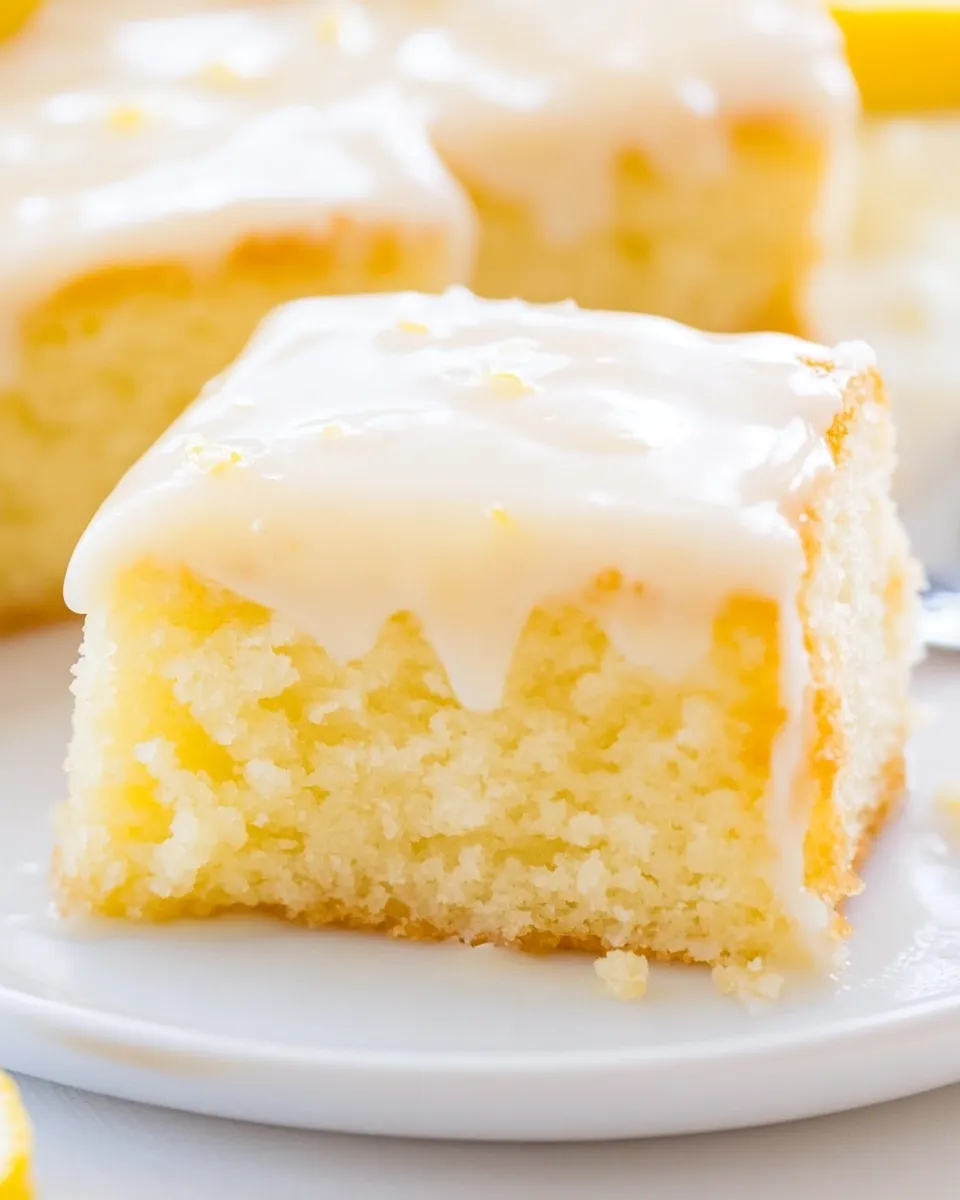
Lemon Buttermilk Cake with Lemon Glaze
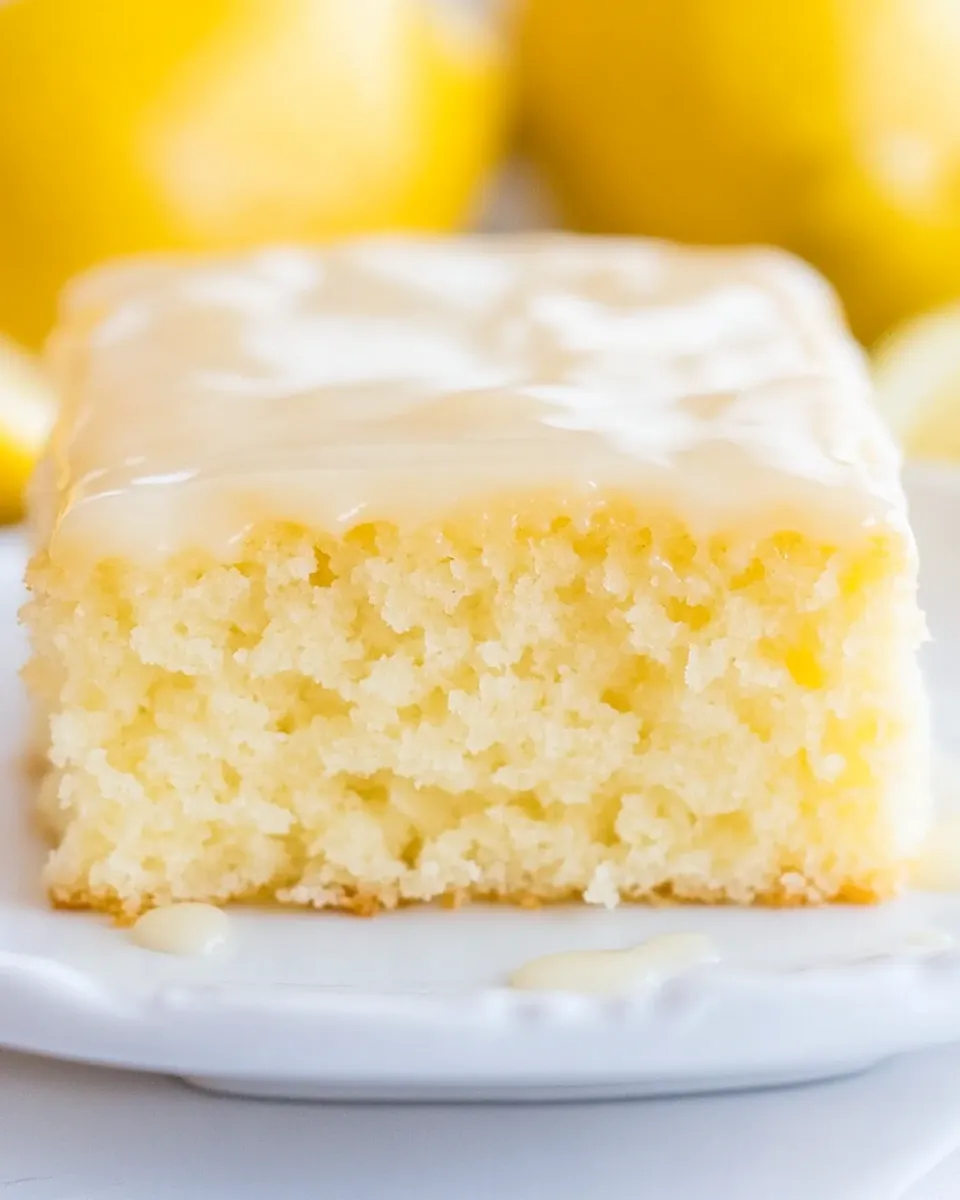
This cake is a real weekday-to-weekend kind of dessert: straightforward, bright, and forgiving. It takes less than an hour of active work, but it delivers a moist, tangy crumb and a glossy lemon glaze that keeps each bite lively. I reach for this recipe when I want something that feels special without a fuss.
The batter comes together in two bowls — dry and wet — and a few simple techniques make a big difference: zest for intense lemon aroma, buttermilk and sour cream for tender crumb, and a light hand when combining the two so the cake stays soft. The glaze is sugar-forward but balanced by lemon juice; you can adjust the consistency easily to suit your preference.
I’ll walk you through the ingredient reasoning, step-by-step directions, common mistakes and fixes, and storage tips so your Lemon Buttermilk Cake with Lemon Glaze comes out reliably every time. Expect practical notes, not fluff. Let’s get to it.
Ingredient Checklist

- 1 1/4 cups all-purpose flour — provides structure; measure by spooning into the cup and leveling for accuracy.
- 3/4 cup granulated sugar — sweetens and helps tenderize; room-temperature mixing isn’t required for this quick batter.
- 2 teaspoons baking powder — the leavening agent that gives the cake its lift; make sure it’s fresh.
- pinch salt, optional and to taste — enhances flavor and balances sweetness; use if your diet allows.
- 1 tablespoon lemon zest — concentrated lemon flavor; zest before juicing the lemons so you don’t waste any.
- 1 large egg — binds ingredients and adds richness; bring to room temperature if you can for even mixing.
- 1/2 cup buttermilk — adds tang and acidity, which reacts with the baking powder for tenderness.
- 1/3 cup sour cream, lite is okay (plain Greek yogurt may be substituted) — adds moisture and richness; Greek yogurt swap will give similar texture.
- 1/4 cup lemon juice — brightens the batter and reinforces the lemon flavor; freshly squeezed is best.
- 3 tablespoons canola or vegetable oil — keeps the crumb tender and moist; neutral flavored oil lets the lemon shine.
- 2 teaspoons lemon extract, vanilla extract may be substituted — boosts lemon aroma; use vanilla if you prefer a subtler citrus note.
- 2 cups confectioners’ sugar — forms the base of the glaze; sift if it’s lumpy for a smoother finish.
- 1/3 cup lemon juice, or as necessary for consistency — thins the glaze and adds sharpness; add in small increments until pourable.
- 1 tablespoon lemon zest, or to taste — layered lemon flavor in the glaze; optional, but it adds visual flecks and aroma.
Lemon Buttermilk Cake with Lemon Glaze: From Prep to Plate
- Preheat the oven to 350°F (175°C). Line an 8-by-8-inch baking pan with aluminum foil and spray the foil with cooking spray; set the prepared pan aside.
- In a large bowl, whisk together 1 1/4 cups all-purpose flour, 3/4 cup granulated sugar, 2 teaspoons baking powder, and a pinch of salt if using.
- Add 1 tablespoon lemon zest to the dry ingredients and whisk to combine; set the dry mixture aside.
- In a separate bowl, whisk together 1 large egg, 1/2 cup buttermilk, 1/3 cup sour cream, 1/4 cup lemon juice, 3 tablespoons oil, and 2 teaspoons lemon extract until smooth.
- Pour the wet mixture into the dry mixture. Stir gently with a spoon or fold with a spatula until just combined — small lumps are fine. Do not overmix.
- Transfer the batter to the prepared pan and smooth the top lightly. Bake for about 28 to 31 minutes, or until the center is set and a toothpick inserted in the center comes out clean or with a few moist crumbs.
- Remove the pan from the oven and place it on a wire rack. Let the cake cool in the pan while you make the glaze.
- In a medium bowl, whisk together 2 cups confectioners’ sugar, 1/3 cup lemon juice, and 1 tablespoon lemon zest until smooth. If the glaze is too thick, add more lemon juice a little at a time until pourable; if it becomes too thin, add more confectioners’ sugar a little at a time until you reach the desired consistency.
- Pour the glaze evenly over the cake (the cake can be glazed while still slightly warm). Smooth the glaze lightly if needed. Allow the glaze to set and the cake to cool in the pan for at least 1 hour (or cover loosely with foil and chill overnight) before slicing and serving.
- Store leftovers in an airtight container at room temperature for up to 5 days, or freeze for up to 4 months.
Why Cooks Rave About It
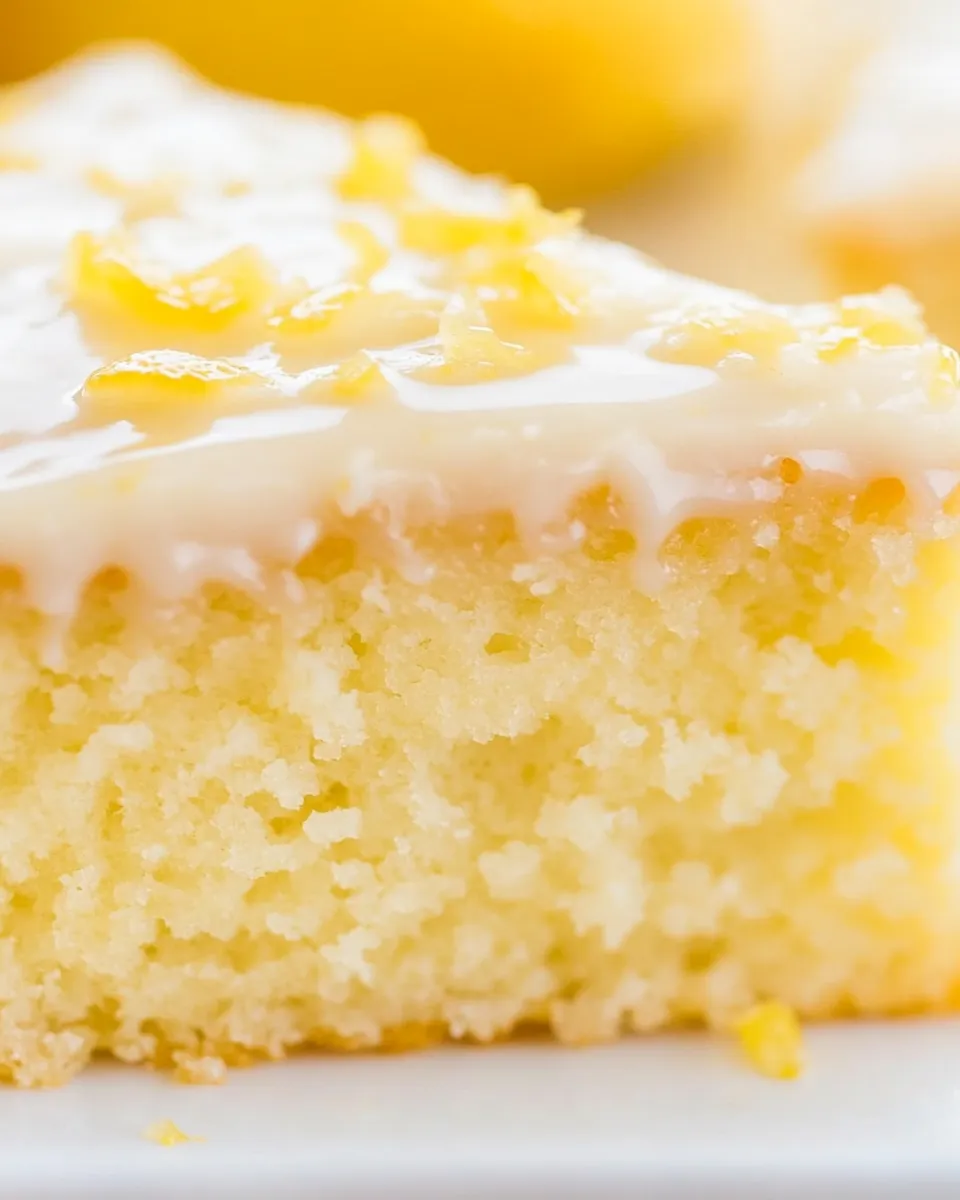
This cake hits a sweet spot: simple technique, bright flavor, and a tender crumb. The combination of buttermilk and sour cream keeps the cake moist for days, while lemon zest and juice deliver fresh citrus notes without tasting artificial. It’s fast enough for an afternoon bake, yet elegant enough to bring to a potluck or serve with tea.
The glaze does more than sweeten. It seals moisture into the cake’s surface and gives every slice a glossy finish that makes a small pan feel celebratory. People like recipes they can rely on; this one is forgiving to minor timing and mixing differences, and it responds well to small adjustments.
Allergy-Friendly Substitutes
If you need to adapt this recipe, here are tested, practical swaps that preserve texture and flavor as much as possible.
- Dairy-free — Replace buttermilk with a plant milk plus 1/2 tablespoon lemon juice (let it sit briefly), and swap sour cream for a dairy-free plain yogurt. Use a neutral vegetable oil as listed.
- Egg-free — For a single cake, try 1/4 cup unsweetened applesauce or 3 tablespoons aquafaba (chickpea brine) in place of the large egg. Note: crumb may be slightly denser.
- Gluten-free — Use a 1-to-1 gluten-free all-purpose blend that includes xanthan gum, and measure by weight if possible. Bake time can be similar but test with a toothpick.
- Lower-fat — The recipe already supports lite sour cream; you can use lite sour cream or plain Greek yogurt. The cake will be slightly less rich, but still moist thanks to the oil and buttermilk.
- Swap extracts — The recipe notes vanilla can stand in for lemon extract; this softens the citrus punch but keeps the cake aromatic.
Must-Have Equipment
- 8-by-8-inch baking pan (lined with foil)
- Measuring cups and spoons
- Mixing bowls (one large for dry, one medium for wet)
- Whisk and spatula
- Cooking spray or pan release
- Wire rack for cooling
- Toothpick or cake tester
- Small bowl for glaze mixing
Pitfalls & How to Prevent Them
Common issues are easy to avoid with a few habits.
- Overmixing — Stir only until the dry and wet components come together. Small lumps are fine. Overmixing develops gluten and leads to a tougher cake.
- Dense or under-risen cake — Check baking powder freshness and measure the leavening correctly. Level your measuring spoons and don’t double-dip.
- Undercooked center — Bake 28–31 minutes; begin checking at 28 minutes. A toothpick should come out clean or with a few moist crumbs, never wet batter.
- Glaze too thin or too thick — Adjust with small additions of lemon juice to thin, or confectioners’ sugar to thicken. Make changes a teaspoon at a time.
- Sticking to the pan — Line the pan with foil and spray it well as directed. Let the cake cool sufficiently before lifting out to prevent tearing if you plan to remove it from the pan.
Make It Diet-Friendly
Two straightforward approaches keep this cake compatible with dietary goals while preserving texture.
- Reduce added sugar — The cake’s crumb relies on the sugar listed, but you can reduce the glaze amount or skip glazing to cut sugar per serving. Note: reducing granulated sugar in the batter will slightly affect texture and browning.
- Lower-calorie swaps — Use lite sour cream as the recipe allows. For more aggressive calorie reduction, try a sugar substitute suited for baking (follow manufacturer guidance), keeping in mind these can change mouthfeel and bake chemistry.
- Portion control — Cut smaller slices and serve with fresh berries or a dollop of yogurt to make each serving feel satisfying without extra glaze.
Flavor Logic
Understanding why each ingredient is present helps you tweak the recipe confidently.
- Lemon zest — Zest contains the essential oils that deliver the brightest, most immediate lemon aroma. That little tablespoon goes a long way.
- Lemon juice — Provides acidity that brightens flavor and interacts with the leavening slightly; it also flavors the glaze intensely.
- Buttermilk + sour cream — Together they add acidity and fat for a tender, moist crumb. The lactic tang complements the lemon so the cake tastes layered, not flat.
- Oil — Oil keeps the cake soft even after refrigeration. Butter would firm up when chilled; oil keeps the texture pliable.
- Lemon extract — A concentrated hit of citrus aroma; especially effective if lemons aren’t at their peak.
- Confectioners’ sugar in the glaze — Dissolves smoothly and gives the glaze its characteristic sheen; its fine texture prevents graininess.
Make-Ahead & Storage
Make-Ahead Options
You can bake the cake and glaze it while it’s slightly warm, then let it set and store. The directions note you can also cover loosely with foil and chill overnight — this often improves sliceability and flavor melding.
Storage
Store leftovers in an airtight container at room temperature for up to 5 days. If you need longer storage, slice and freeze portions in a single layer, wrapped well, for up to 4 months. Thaw in the refrigerator or at room temperature before serving.
FAQ

Can I use vanilla instead of lemon extract? Yes. The recipe lists vanilla as a substitute. Use the same amount (2 teaspoons) for a softer citrus profile.
Can I make this as cupcakes? You can — bake in a standard muffin tin lined with paper cups, and reduce baking time. Start checking at 18–20 minutes. Cupcakes will bake faster due to smaller volume.
Why add both lemon zest and lemon extract? Zest gives fresh citrus oils and texture; extract amplifies overall lemon aroma. Together they provide depth that one alone may not achieve, especially if lemons are less aromatic.
My glaze is grainy. What went wrong? If the confectioners’ sugar wasn’t sifted or has absorbed moisture, it can feel grainy. Whisk thoroughly, and if needed, pass the glaze through a fine mesh before pouring.
Can I halve the recipe? Yes. Use a smaller pan or scale by volume. Halving a recipe works well here; just watch the baking time and check for doneness earlier.
Final Bite
This Lemon Buttermilk Cake with Lemon Glaze is a dependable recipe that rewards minimal effort with bright, textured results. It’s a good one to commit to memory: quick prep, a small pan that feeds a few, and a glaze that turns simple cake into something a bit celebratory. Follow the simple ordering and mixing rules — measure carefully, fold gently, and don’t rush the glaze — and you’ll have a cake that keeps well and earns compliments.
Slice it for coffee, share it at a small gathering, or wrap a piece for a friend. It’s the kind of cake that travels well and tastes like you spent more time on it than you did. Happy baking.

Lemon Buttermilk Cake with Lemon Glaze
Ingredients
Ingredients
- 1 1/4 cupsall-purpose flour
- 3/4 cupgranulated sugar
- 2 teaspoonsbaking powder
- pinchsalt optional and to taste
- 1 tablespoonlemon zest
- 1 large egg
- 1/2 cupbuttermilk
- 1/3 cupsour cream lite is okay (plain Greek yogurt may be substituted)
- 1/4 cuplemon juice
- 3 tablespoonscanola or vegetable oil
- 2 teaspoonslemon extract vanilla extract may be substituted
- 2 cupsconfectioners’ sugar
- 1/3 cuplemon juice or as necessary for consistency
- 1 tablespoonlemon zest or to taste
Instructions
Instructions
- Preheat the oven to 350°F (175°C). Line an 8-by-8-inch baking pan with aluminum foil and spray the foil with cooking spray; set the prepared pan aside.
- In a large bowl, whisk together 1 1/4 cups all-purpose flour, 3/4 cup granulated sugar, 2 teaspoons baking powder, and a pinch of salt if using.
- Add 1 tablespoon lemon zest to the dry ingredients and whisk to combine; set the dry mixture aside.
- In a separate bowl, whisk together 1 large egg, 1/2 cup buttermilk, 1/3 cup sour cream, 1/4 cup lemon juice, 3 tablespoons oil, and 2 teaspoons lemon extract until smooth.
- Pour the wet mixture into the dry mixture. Stir gently with a spoon or fold with a spatula until just combined — small lumps are fine. Do not overmix.
- Transfer the batter to the prepared pan and smooth the top lightly. Bake for about 28 to 31 minutes, or until the center is set and a toothpick inserted in the center comes out clean or with a few moist crumbs.
- Remove the pan from the oven and place it on a wire rack. Let the cake cool in the pan while you make the glaze.
- In a medium bowl, whisk together 2 cups confectioners’ sugar, 1/3 cup lemon juice, and 1 tablespoon lemon zest until smooth. If the glaze is too thick, add more lemon juice a little at a time until pourable; if it becomes too thin, add more confectioners’ sugar a little at a time until you reach the desired consistency.
- Pour the glaze evenly over the cake (the cake can be glazed while still slightly warm). Smooth the glaze lightly if needed. Allow the glaze to set and the cake to cool in the pan for at least 1 hour (or cover loosely with foil and chill overnight) before slicing and serving.
- Store leftovers in an airtight container at room temperature for up to 5 days, or freeze for up to 4 months.
Equipment
- 1(8×8 inch) Baking Pan
- 3 Mixing Bowls
- 1 Wire Rack
Notes
*This lemon buttermilk cake should be made with real buttermilk for the best results.
You
could
sour regular milk with
1/2 tablespoon lemon juice or white vinegar mixed with 1/2 cup of 2% or whole milk
, let it stand for 5 to 10 minutes, and then use it in the recipe.
You can use
powdered buttermilk
instead and prepare it as instructed on the package.