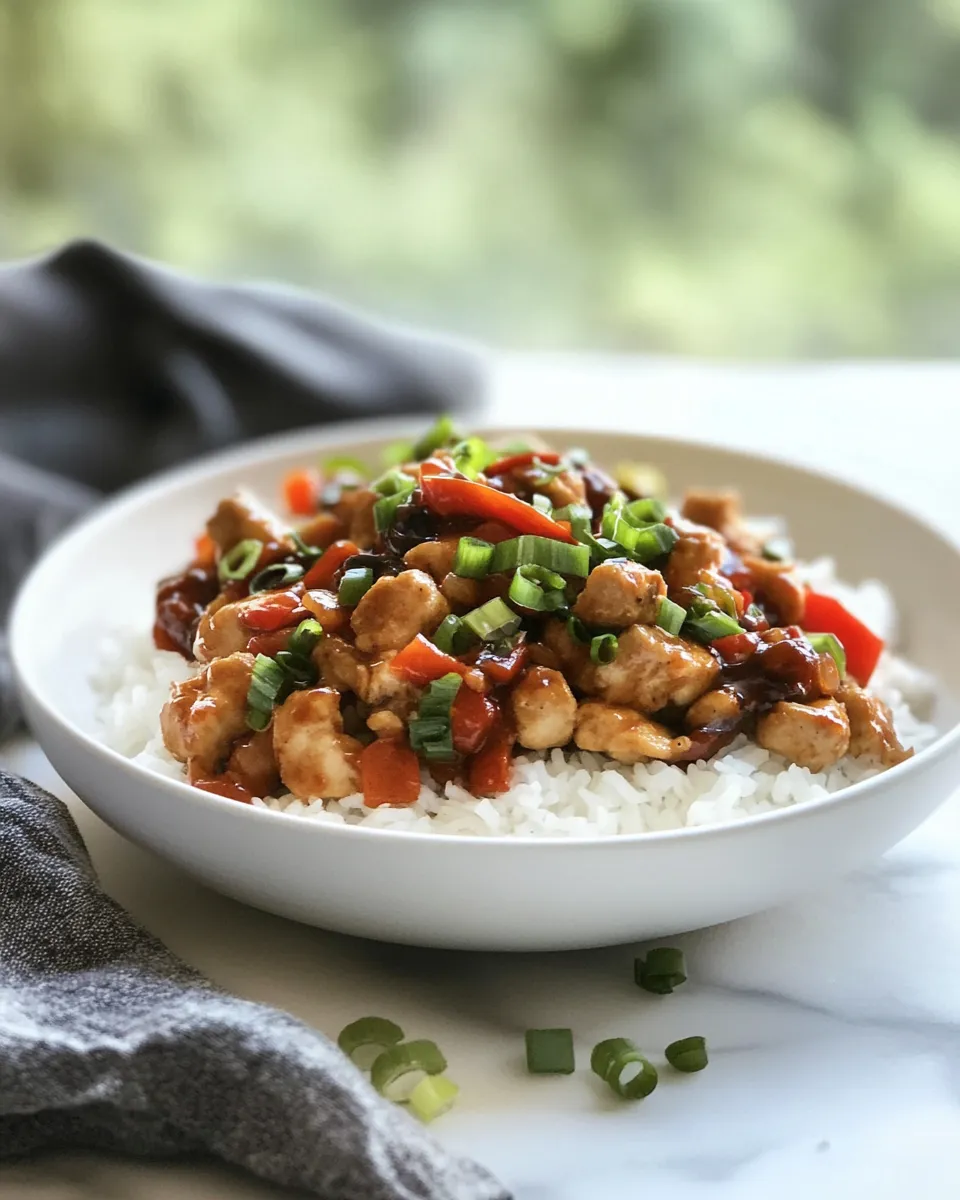
Kung Pao Chicken (Family Favorite!)
This version of Kung Pao Chicken is the one my family asks for on busy weeknights and when friends drop by unexpectedly. It’s straightforward, forgiving, and hits the sweet-salty-umami triangle I want in a stir-fry. There’s a little heat from dried chiles, crunch from peanuts, and a glossy sauce that clings to every bite.
I keep the method compact: sauté the aromatics, brown the chicken, whisk a quick cornstarch slurry with the sauces, and finish with scallions and peanuts. The whole thing comes together in under 30 minutes on the stovetop. No complicated steps, no exotic gear, just dependable flavor.
What to Buy

- 2 tablespoons olive oil — for stir-frying and getting a nice sear on the chicken.
- 1/2 large yellow onion, diced (about 1 1/4 cups) — sweetness and body; dice uniformly so it cooks evenly.
- 1 whole red bell pepper, diced — color, crunch and mild sweetness; keeps texture contrast with the chicken.
- 1 pound chicken tenders or boneless, skinless breasts — bite-sized pieces cook quickly; tenders are slightly more forgiving but breasts work fine.
- salt & pepper to taste — basic seasoning for the chicken and final adjustment.
- red dried chiles* to taste — the primary chile element; add more or fewer depending on how spicy you like it.
- 3 scallions, sliced thin — bright finish and mild onion flavor; slice on a bias if you like the look.
- 1/4 cup salted and roasted peanuts — provide crunch and a toasty counterpoint to the sauce.
- 1/2 cup cold water — used to make the cornstarch slurry that thickens the sauce.
- 2 tablespoons hoisin sauce — adds depth, sweetness and a touch of complexity.
- 2 tablespoons soy sauce — salty, savory backbone of the sauce.
- 1 1/2 tablespoons granulated sugar — balances the savory and acidic notes.
- 1/2 tablespoon cornstarch — thickening agent; mixes with cold water to make a slurry.
- 1/2 tablespoon Worcestershire sauce — unexpected umami lift that layers under the hoisin and soy.
- 1/2 tablespoon sesame oil — finishing oil; small amount adds a toasty aroma.
- 1 clove garlic, minced — aromatic; use fresh for the best flavor.
- 1/2 teaspoon ground ginger — warm, slightly spicy note; powdered keeps prep quick.
Kung Pao Chicken Made Stepwise
- Heat 2 tablespoons olive oil in a large skillet over medium heat.
- Add the 1/2 large diced yellow onion and the diced red bell pepper to the skillet and sauté until softened, about 4–5 minutes.
- While the vegetables are cooking, cut 1 pound chicken tenders (or boneless, skinless breasts) into bite-sized pieces and season with salt and pepper to taste.
- Push the vegetables to the side of the skillet (or transfer them briefly to a plate) and add the chicken in a single layer. Cook, stirring occasionally, until the chicken is browned and cooked through, about 6–8 minutes.
- In a small bowl, whisk 1/2 cup cold water with 1/2 tablespoon cornstarch until smooth. Add 2 tablespoons hoisin sauce, 2 tablespoons soy sauce, 1 1/2 tablespoons granulated sugar, 1/2 tablespoon Worcestershire sauce, 1/2 tablespoon sesame oil, 1 clove minced garlic, and 1/2 teaspoon ground ginger; whisk until combined.
- Pour the sauce into the hot skillet with the chicken and vegetables and add red dried chiles to taste. Stir to combine.
- Bring the mixture to a simmer and cook, stirring, until the sauce thickens and coats the chicken and vegetables, about 1–2 minutes.
- Stir in the sliced scallions and 1/4 cup salted and roasted peanuts and cook 30 seconds more to warm them through.
- Taste and adjust salt and pepper if needed. Serve immediately (suggested: over white rice).
Why This Recipe Works
The formula here is straightforward and reliable. The initial sauté softens the onion and pepper and builds a mild base. Browning the chicken in a single layer creates Maillard flavor — those browned bits carry savory depth into the sauce. The cornstarch slurry (cold water + cornstarch) is the secret to a glossy, clingy sauce that coats everything without being gluey.
Hoisin and soy provide the savory-sweet backbone while Worcestershire unexpectedly adds an extra umami lift that brightens the overall profile. Sesame oil at the end perfumes the dish without overpowering it. Finally, the roasted peanuts give a necessary textural contrast and a toasty note that rounds each bite.
International Equivalents
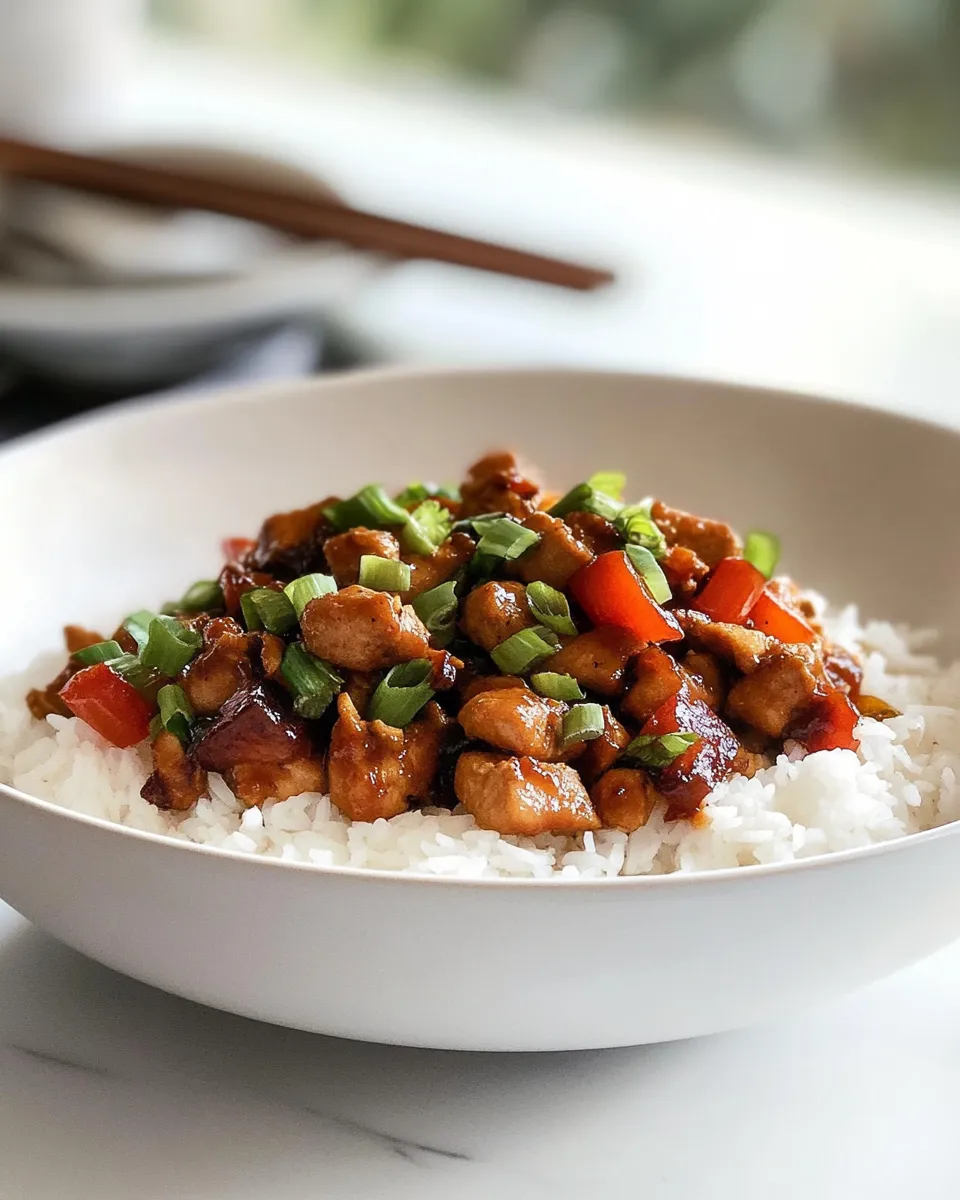
Kung Pao Chicken is rooted in Sichuan cuisine, where the original version uses Sichuan peppercorns for a numbing heat and typically includes scallions and chiles. In American and international kitchens it often becomes a sweeter, less numbing stir-fry — the version here matches that family-friendly tradition.
You’ll find similar stir-fries around the world: Chinese-American cashew or almond chicken, Thai cashew chicken with a different spice profile, and various quick wok dishes that pair a protein with vegetables and a glossy sauce. They share the same mechanics: high heat, quick cook, and a thickened sauce to tie everything together.
Tools of the Trade

- Large skillet or wok — a wide surface lets you sear the chicken in a single layer.
- Sharp chef’s knife — for uniform chicken bites and even vegetable pieces.
- Cutting board — keep one for protein and one for produce if possible.
- Small bowl and whisk or fork — to make the cornstarch slurry and combine the sauce.
- Spatula or wooden spoon — for stirring without scraping the pan.
- Measuring spoons and cups — accurate amounts make a consistent sauce.
Watch Outs & How to Fix
Sauce too thin: simmer a minute longer. If it still won’t thicken, make a tiny additional slurry (1/2 teaspoon cornstarch mixed into 1 tablespoon cold water) and stir it in off heat to avoid clumping. Sauce too thick: stir in a splash of hot water or additional soy to loosen it.
Chicken dry or overcooked: reduce the chicken pieces’ size slightly or shorten the cook time by a minute. If it’s already dry, a quick toss in a little warm broth or sauce can help rehydrate the meat when reheating.
Vegetables limp: cook them just until softened but still bright. If they finish before the chicken, remove them to a plate and add back at the end to keep texture crisp.
Too salty: balance with a small pinch of sugar or a squeeze of citrus if you have it. If the soy/hoisin made it too salty, add a splash of water and a touch more sugar to even it out.
Fresh Takes Through the Year
Spring and summer: add snap peas, thin asparagus, or extra bell peppers for brightly colored crunch. Finish with a handful of chopped fresh herbs if you want a lighter, fresher touch.
Fall and winter: bulk up with broccoli florets or small cauliflower pieces — blanch them briefly if you want them fully tender. You can also use slightly heartier peppers or even carrots sliced thin.
Holiday/comfort tweak: swap half the peanuts for cashews for a richer, softer crunch, or fold in roasted sweet potato cubes for a sweeter, seasonal edge.
Pro Perspective
Work mise en place: have the sauce whisked and waiting before you start cooking. Stir-fries move fast; you don’t want to scramble to measure while the chicken browns. Pat the chicken pieces dry before seasoning — moisture hinders browning. Use medium-high heat and don’t overcrowd the pan; if the pan is crowded, cook in batches to keep the sear.
When you add the cornstarch slurry, make sure it’s well-mixed with cold water — lumps are harder to break up once hot. Finish with the scallions and peanuts at the end so their texture and color stay fresh and bright.
Storing, Freezing & Reheating
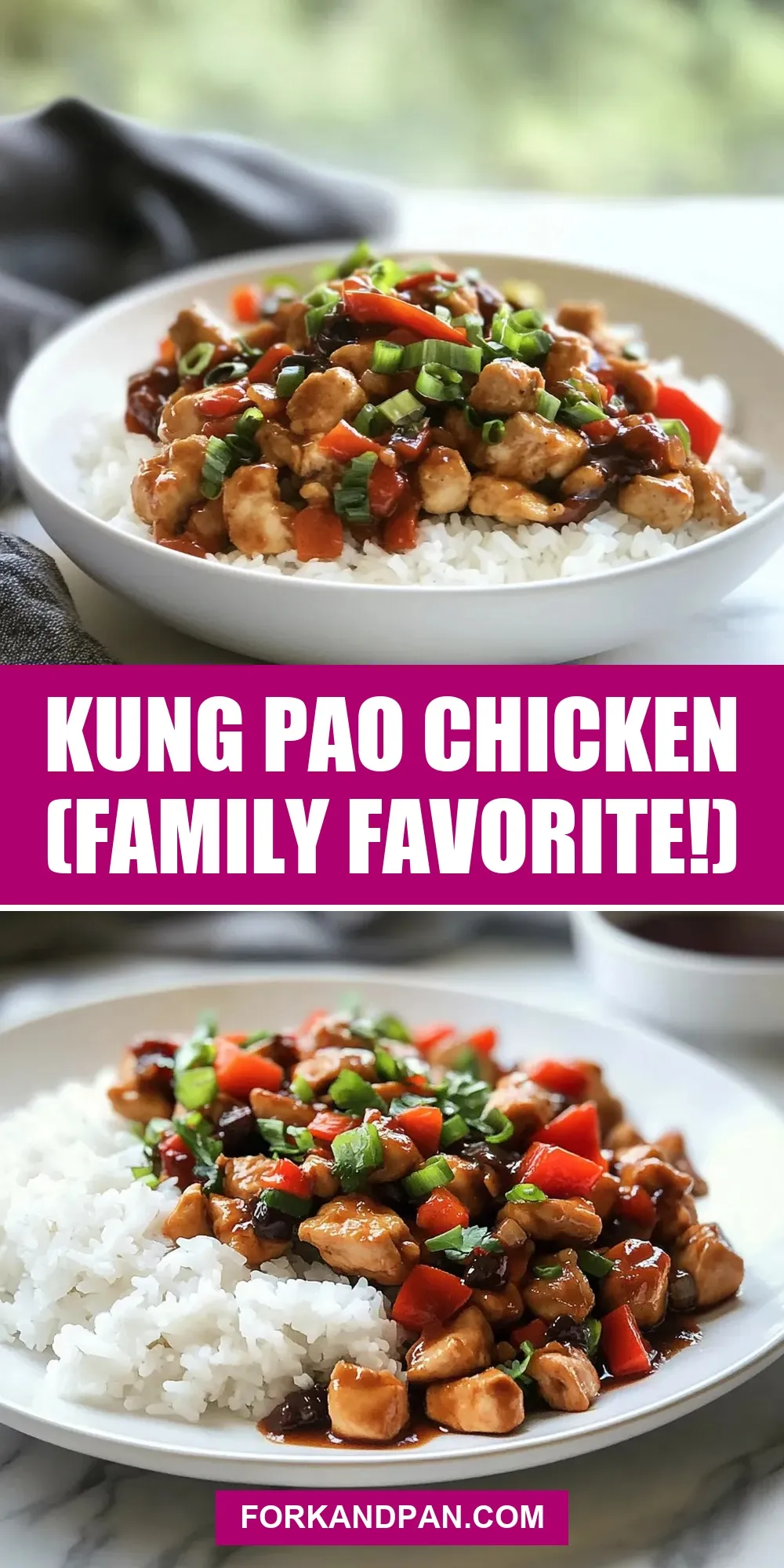
Refrigerator: cool quickly and store in an airtight container for up to 3–4 days. The sauce will settle and the peanuts may soften slightly over time.
Freezer: you can freeze portions in airtight containers for up to 2 months. Thaw overnight in the fridge before reheating.
Reheating: for best texture, reheat gently in a skillet over medium heat with a splash of water or broth to revive the sauce. Microwaving works for convenience; stir halfway through to heat evenly. If frozen, fully thaw before reheating to avoid uneven temperature and rubbery chicken.
Top Questions & Answers
- Is this very spicy? — Not unless you load up on the red dried chiles. Start with a small amount and taste; you can always add more.
- Can I use chicken breast instead of tenders? — Yes. Cut into uniform, bite-sized pieces so they cook evenly. Pat pieces dry before searing.
- Can I swap the peanuts? — Cashews or almonds work, but you’ll shift the flavor and texture. Keep them roasted and salted for best contrast.
- Can I make this gluten-free? — Use a gluten-free soy sauce or tamari and check your hoisin for a gluten-free label; some brands contain wheat.
- Can this be made vegetarian? — Substitute firm tofu or seitan and adjust cook time; press tofu to remove excess water and brown it first.
In Closing
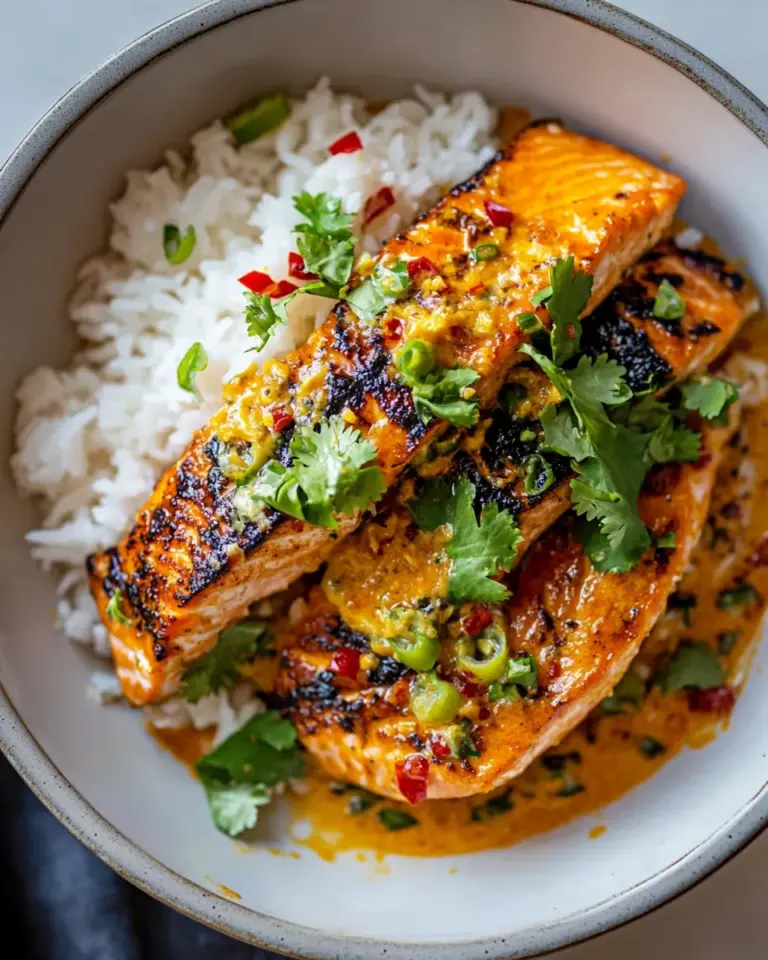
This Kung Pao Chicken is a practical, family-friendly weeknight star. It balances quick prep with dependable flavor and teaches a few useful stir-fry techniques — browning, slurry thickening, and finishing for crunch and brightness. Keep the basic formula in mind and adapt with seasonal vegetables or different nuts. Serve it over steamed white rice, and you have a complete meal that’s fast, satisfying, and loved by most palates.
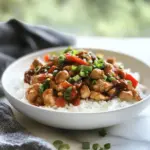
Kung Pao Chicken (Family Favorite!)
Ingredients
Ingredients
- 2 tablespoonsolive oil
- 1/2 largeyellow oniondiced about 1 1/4 cups
- 1 wholered bell pepperdiced
- 1 poundchicken tendersor boneless skinless breasts
- salt & pepperto taste
- red dried chiles*to taste
- 3 scallionssliced thin
- 1/4 cupsalted and roasted peanuts
- 1/2 cupcold water
- 2 tablespoonshoisin sauce
- 2 tablespoonssoy sauce
- 1 1/2 tablespoonsgranulated sugar
- 1/2 tablespooncorn starch
- 1/2 tablespoonWorcestershire sauce
- 1/2 tablespoonsesame oil
- 1 clovegarlicminced
- 1/2 teaspoonground ginger
Instructions
Instructions
- Heat 2 tablespoons olive oil in a large skillet over medium heat.
- Add the 1/2 large diced yellow onion and the diced red bell pepper to the skillet and sauté until softened, about 4–5 minutes.
- While the vegetables are cooking, cut 1 pound chicken tenders (or boneless, skinless breasts) into bite-sized pieces and season with salt and pepper to taste.
- Push the vegetables to the side of the skillet (or transfer them briefly to a plate) and add the chicken in a single layer. Cook, stirring occasionally, until the chicken is browned and cooked through, about 6–8 minutes.
- In a small bowl, whisk 1/2 cup cold water with 1/2 tablespoon cornstarch until smooth. Add 2 tablespoons hoisin sauce, 2 tablespoons soy sauce, 1 1/2 tablespoons granulated sugar, 1/2 tablespoon Worcestershire sauce, 1/2 tablespoon sesame oil, 1 clove minced garlic, and 1/2 teaspoon ground ginger; whisk until combined.
- Pour the sauce into the hot skillet with the chicken and vegetables and add red dried chiles to taste. Stir to combine.
- Bring the mixture to a simmer and cook, stirring, until the sauce thickens and coats the chicken and vegetables, about 1–2 minutes.
- Stir in the sliced scallions and 1/4 cup salted and roasted peanuts and cook 30 seconds more to warm them through.
- Taste and adjust salt and pepper if needed. Serve immediately (suggested: over white rice).
Equipment
- Large Skillet
- Small Bowl
Notes
*red dried chiles can add a lot of heat but can be hard to find. If you are wanting a spicier dish and don’t want to add the chiles, sprinkle in cayenne pepper to taste. Start with 1/8 teaspoon, taste and adjust.