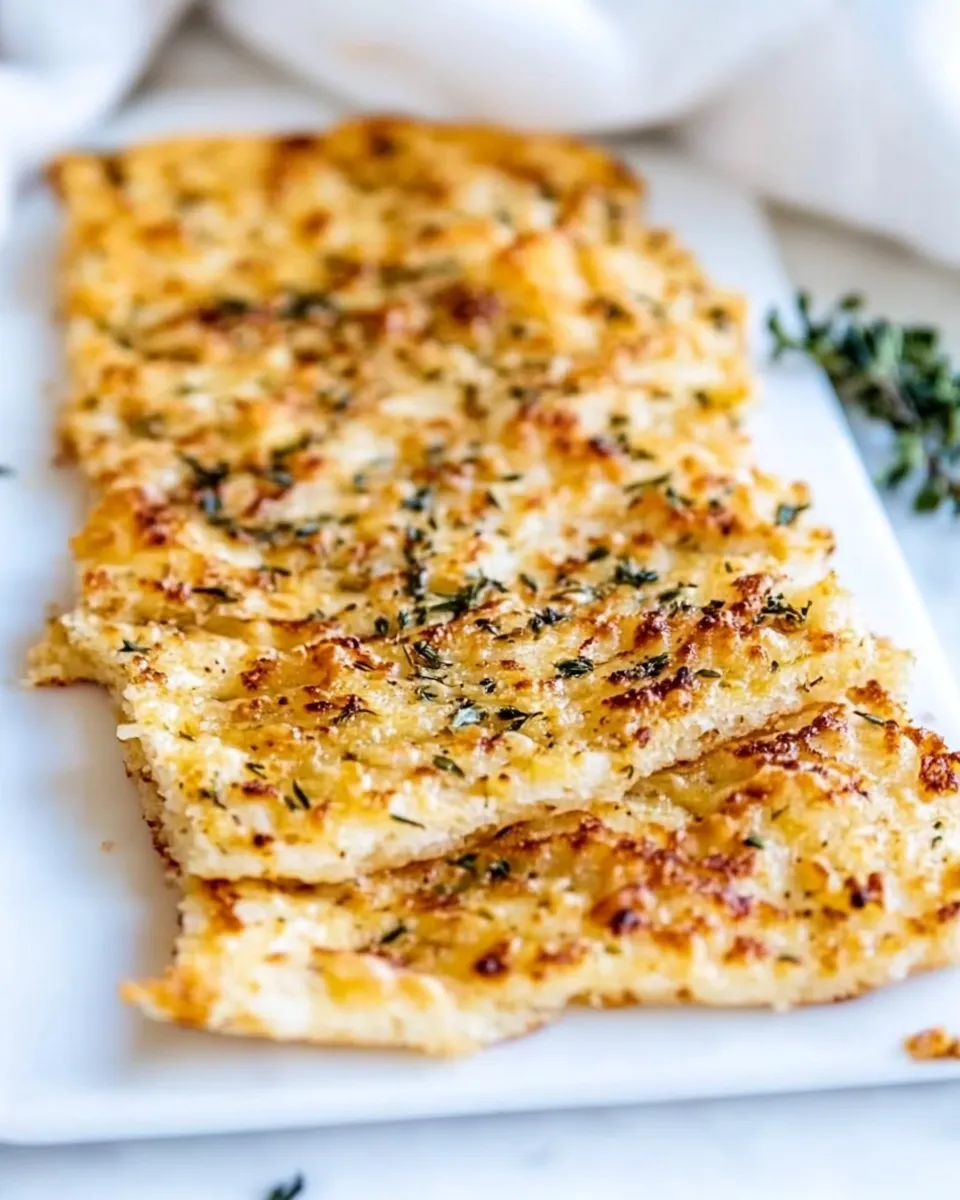
Keto Flatbread- 3 Ingredients only!
This recipe is one of those small wins that makes weekday life easier and keeps dinner interesting. It’s simple, fast, and forgiving—exactly what I reach for when I want a low-carb wrap or a quick base for a hot sandwich. The flatbreads come out thin, pliable, and neutral-tasting so you can dress them up or keep them plain.
I test recipes the way I live: kitchen-first, fuss-free. You don’t need a full pantry to make these work—just the four items listed below and a steady low heat. I’ll walk you through the precise method I used so you can repeat it with confidence.
Expect about 20 minutes from start to finish for four flatbreads, with minimal cleanup. I include tips on what to watch for, how to store leftovers, and quick answers to the questions I get most when I post this on social. Let’s get practical.
What Goes Into Keto Flatbread

Ingredients
- 1/4cupcoconut flour — the primary dry base; it soaks up liquid and gives structure, but it’s very absorbent so measure carefully.
- 2teaspoonbaking powder — provides gentle lift and helps the flatbread set without becoming dense.
- 12largeegg whitescan use cartoned egg whites — binder and main liquid; use carton whites if that’s easier for you.
- 1teaspoonspices of choicesalt, pepper, etc. — simple seasoning; adjust the mix of salt and pepper to your taste.
Make Keto Flatbread: A Simple Method
- In a large mixing bowl, whisk together the coconut flour, baking powder, and the 1 teaspoon of spices (salt, pepper, etc.) until evenly combined and free of lumps.
- Pour the 12 egg whites into the dry mixture and whisk until the batter is smooth and uniform, scraping the sides of the bowl as needed.
- Let the batter sit 1–2 minutes to allow the coconut flour to absorb some liquid and thicken slightly.
- Preheat a large nonstick skillet or well‑seasoned frying pan over low heat until warm (about 1–2 minutes). Do not add any ingredients not listed in the recipe.
- Divide the batter into four equal portions. Pour one portion into the center of the skillet and gently spread it into a roughly 6–8 inch round with the back of a spoon or a spatula.
- Cover the pan immediately with a lid and cook on low heat until bubbles form around the edges and the top looks set, about 2–3 minutes.
- Remove the lid, flip the flatbread carefully with a spatula, and cook the second side for 1–2 minutes more, until set and lightly golden.
- Transfer the cooked flatbread to a plate or cooling rack and repeat steps 5–7 with the remaining batter to make four flatbreads total.
- Allow the flatbreads to cool completely before using.
Why This Keto Flatbread Stands Out
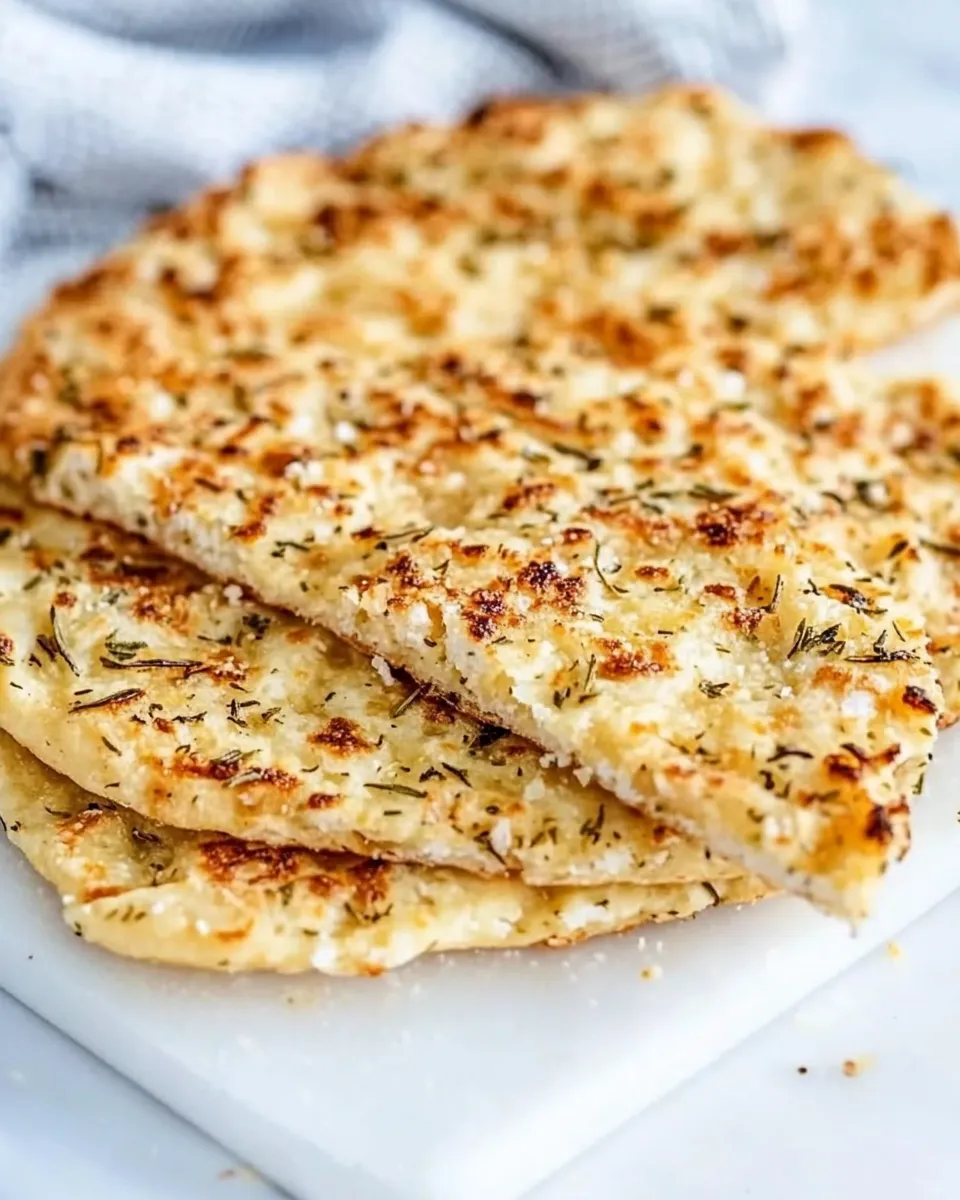
It’s a remarkable little recipe because it trims the ingredient list down to essentials without sacrificing usefulness. Coconut flour gives structure and a mild, slightly sweet backbone; egg whites bind everything and keep the fat content low; baking powder lifts the texture just enough so the flatbreads aren’t rubbery.
Everything happens on low heat, which is key. Low, steady heat prevents scorching and lets the interior set gently while the exterior just gets a touch of color. The lid traps steam and helps the top set without needing oil or extra fats.
Finally, the neutral flavor is an advantage: these flatbreads work for savory wraps, quick pizzas, or as a light side for soups. They don’t compete with fillings or toppings.
If You’re Out Of…
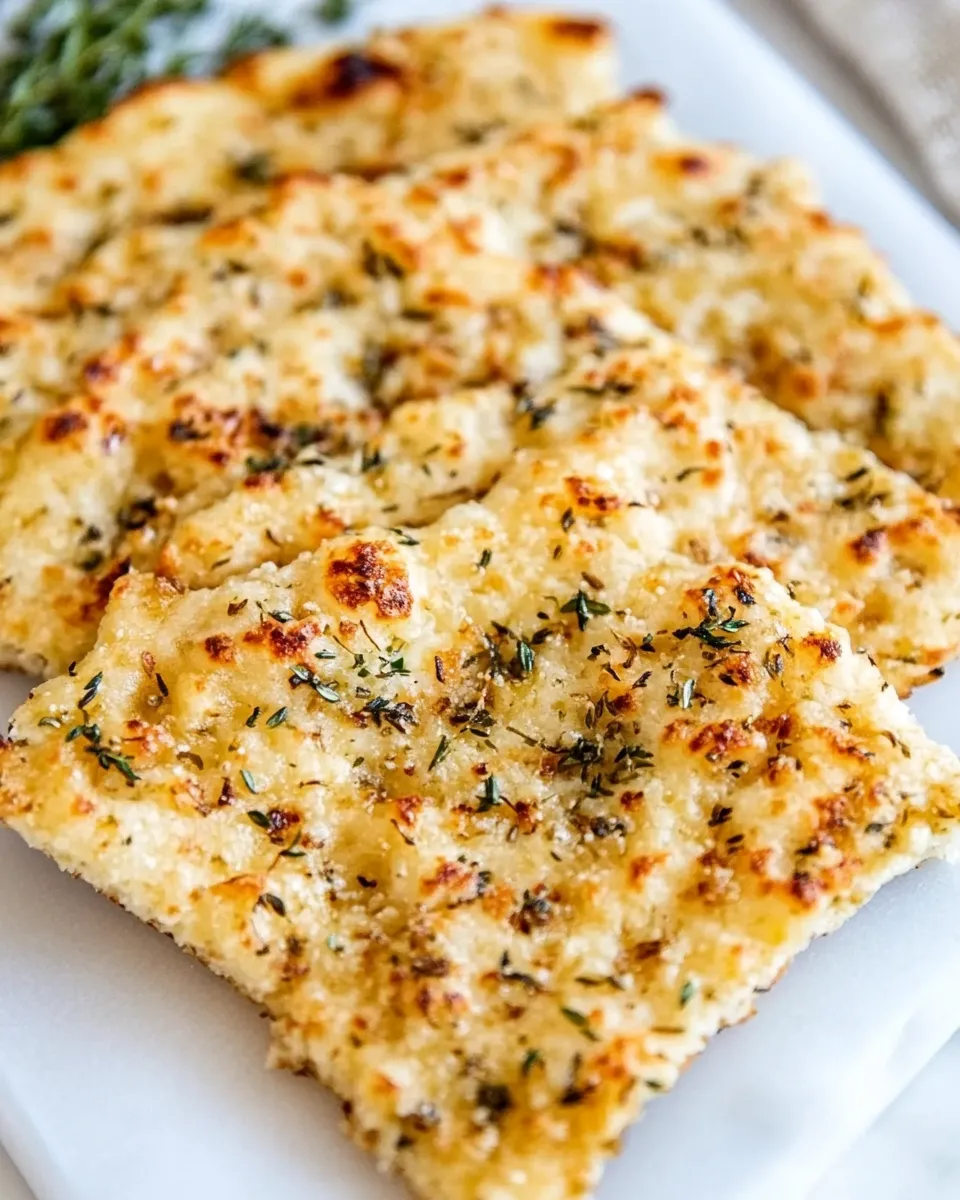
If you don’t have one of the listed items, pause before improvising. This recipe depends heavily on coconut flour’s absorbency and egg whites’ binding. Swapping in a different flour or whole eggs will change the batter’s hydration and the cooking behavior.
Short guidance:
- If you’re out of the 1 teaspoon of spices, use just salt or skip the seasoning and add more at serving time.
- If you don’t have cartoned egg whites but have whole eggs, the recipe will behave differently—use caution and expect a different texture (see Popular Questions for more on whole eggs).
- If coconut flour isn’t available, I recommend postponing rather than substituting—this recipe was developed specifically for coconut flour’s properties.
Equipment & Tools
- Large mixing bowl — to whisk dry and wet ingredients together comfortably.
- Whisk or fork — for smoothing lumps and creating a uniform batter.
- Measuring cups and spoons — coconut flour is unforgiving; accurate measurement matters.
- Large nonstick skillet or well‑seasoned frying pan — a reliable nonstick surface prevents sticking without added fat.
- Spatula and spoon — for spreading batter and flipping the flatbreads cleanly.
- Lid for the skillet — essential to trap steam and cook the top gently.
- Plate or cooling rack — to rest the flatbreads while you finish the batch.
Pitfalls & How to Prevent Them
Under- or overcooked centers: Cook on low and cover with a lid. The lid is not optional; it sets the top without burning the bottom. Watch for bubbles and a set surface before flipping.
Sticking to the pan: Use a true nonstick or a well‑seasoned pan. Avoid adding oil because the recipe’s instructions explicitly say not to add ingredients outside the list. If your pan is old or reluctant, consider using a different pan rather than oil.
Tears when flipping: Wait until the top is set and the edges release slightly. Use a thin spatula and slide it fully under the flatbread before flipping. Work in small, gentle motions.
Batter too thick or too thin: Coconut flour absorbs quickly. Measure the coconut flour carefully; if your batter seems extremely thick after the 1–2 minute rest it might need a little whisking to rehydrate. Conversely, if it’s runny right away (unlikely with coconut flour), make sure measurements were accurate.
Health-Conscious Tweaks
Keep it lean: The recipe as written is very low in fat because it uses egg whites. That’s ideal if you want a light, protein-forward flatbread.
Sodium control: The single teaspoon of spices includes salt; reduce the salt if you’re watching sodium and season at the table instead.
Protein boost at serving: Serve these flatbreads with grilled chicken, smoked salmon, or a spread of hummus (if carbs allow) to balance out the meal. Because the base is neutral, you can add protein-rich toppings without changing the cooking method.
Testing Timeline
First run (recommended): Take 25–30 minutes for the first attempt. That gives you time to measure precisely, cook slowly, and learn the pan’s behavior.
- Prep and mixing: 5 minutes — measure and whisk ingredients; let batter rest 1–2 minutes.
- Preheat pan: 1–2 minutes on low to get a gentle heat.
- Cook time: About 3–5 minutes per flatbread (2–3 minutes covered, then 1–2 minutes after flipping).
- Cool time: Let flatbreads cool completely before using — 5–10 minutes. Cooling firms them and makes them easier to handle.
On subsequent attempts you’ll be able to shave off time; the method becomes second nature after one batch.
Storing Tips & Timelines
Cool completely before storing — this prevents condensation and soggy flatbreads. Once cooled, stack them with parchment paper between each to prevent sticking.
- Refrigerator: Store in an airtight container for up to 4 days.
- Freezer: For longer storage, stack between pieces of parchment, wrap tightly, and freeze for up to 1 month. Thaw in the refrigerator and reheat gently in a dry skillet on low.
- Reheating: Reheat on low in a nonstick skillet for a minute per side until warmed through. Avoid microwaving for extended periods; it can make them rubbery.
Popular Questions
Q: Can I use whole eggs instead of egg whites?
A: The recipe was developed for egg whites. Whole eggs introduce yolk fat and change texture and hydration. If you use whole eggs, expect a denser, more yellow flatbread and shorter shelf stability. I haven’t provided precise adjustments here because that requires retesting measurements.
Q: Can I pan-fry them with oil or butter to get crisp edges?
A: The method calls for no added ingredients while cooking. Lightly adding fat would change the nutrition and behavior; if you choose to add a small amount of oil for crispness, do it cautiously and on medium-low heat to avoid rapid browning.
Q: Why does coconut flour make the batter thicken so fast?
A: Coconut flour is extremely absorbent. That’s why the script includes a short rest to let the flour hydrate. Accurate measurement and the rest are the key controls here.
Final Bite
This Keto Flatbread recipe gives you a reliable, low-carb base with minimal fuss. It’s designed to be repeatable and forgiving when you follow the low-heat, covered-cooking method. Once you get the hang of spreading the batter and flipping gently, these become a staple—quick wraps, pizza bases, or a simple vehicle for proteins and greens.
Make a test batch, note your pan’s behavior, and enjoy the convenience. If you want ideas for toppings or serving suggestions next time, I’ll share my favorites—simple combinations that keep the meal balanced and interesting.

Keto Flatbread- 3 Ingredients only!
Ingredients
Ingredients
- 1/4 cupcoconut flour
- 2 teaspoonbaking powder
- 12 largeegg whitescan use cartoned egg whites
- 1 teaspoonspices of choicesalt pepper, etc.
Instructions
Instructions
- In a large mixing bowl, whisk together the coconut flour, baking powder, and the 1 teaspoon of spices (salt, pepper, etc.) until evenly combined and free of lumps.
- Pour the 12 egg whites into the dry mixture and whisk until the batter is smooth and uniform, scraping the sides of the bowl as needed.
- Let the batter sit 1–2 minutes to allow the coconut flour to absorb some liquid and thicken slightly.
- Preheat a large nonstick skillet or well‑seasoned frying pan over low heat until warm (about 1–2 minutes). Do not add any ingredients not listed in the recipe.
- Divide the batter into four equal portions. Pour one portion into the center of the skillet and gently spread it into a roughly 6–8 inch round with the back of a spoon or a spatula.
- Cover the pan immediately with a lid and cook on low heat until bubbles form around the edges and the top looks set, about 2–3 minutes.
- Remove the lid, flip the flatbread carefully with a spatula, and cook the second side for 1–2 minutes more, until set and lightly golden.
- Transfer the cooked flatbread to a plate or cooling rack and repeat steps 5–7 with the remaining batter to make four flatbreads total.
- Allow the flatbreads to cool completely before using.
Equipment
- Large Mixing Bowl
- Whisk
- large nonstick skillet or well-seasoned frying pan
- Spatula
- Lid
- plate or cooling rack
Notes
Flatbreads can be refrigerated for up to a week. You can freeze the flatbread for up to 2 months.