
How to Freeze Waffles
Freezing waffles is one of those kitchen shortcuts that genuinely changes weekday mornings. Make a double batch on the weekend and you’ll have crisp, hot waffles ready in minutes. The method is straightforward, and the payoff is consistent breakfasts with minimal fuss.
This guide walks through the exact steps for cooking waffles and freezing them so they reheat crisp and not soggy. I’ll cover why each step matters, common mistakes to avoid, and practical reheating tips so your frozen waffles taste as good as freshly made.
Keep this as your go-to reference: the recipe and freezing steps are precise, easy to follow, and designed to work with any standard waffle iron. Let’s get you set up for quick breakfasts that still feel special.
Ingredient List

- 1 cup all-purpose flour — provides structure and gives a tender crumb.
- 1 cup white whole wheat flour — adds a bit more fiber and a mild nuttiness without making waffles heavy.
- 1/2 teaspoon baking soda — helps with lift and browning.
- 1 teaspoon baking powder — gives additional lift and crispness.
- 1 teaspoon salt — balances sweetness and enhances flavor.
- 3 tablespoons sugar — promotes browning and a touch of sweetness.
- 3 large eggs (beaten) — bind the batter and help with structure and color.
- 2 ounces unsalted butter (melted) — adds richness and helps the exterior crisp up.
- 2 cups buttermilk (at room temperature) — tenderizes the crumb and reacts with the baking soda for lift.
Freeze Waffles, Made Easy
- Preheat your waffle iron according to the manufacturer’s instructions.
- In a medium bowl whisk together 1 cup all-purpose flour, 1 cup white whole wheat flour, 1/2 teaspoon baking soda, 1 teaspoon baking powder, 1 teaspoon salt, and 3 tablespoons sugar until evenly combined.
- In a separate bowl combine the 3 large eggs (beaten), 2 ounces unsalted melted butter, and 2 cups buttermilk (at room temperature); whisk until uniform.
- Pour the wet ingredients into the dry ingredients and stir gently until just combined; small lumps are okay—do not overmix. Let the batter rest for 5 minutes.
- When the waffle iron is fully heated, cook the batter according to your waffle iron’s instructions: pour the appropriate amount of batter, close the iron, and cook until the waffles are golden brown and crisp.
- Transfer cooked waffles to a wire rack to cool completely; do not stack while still warm (stacking will trap steam and make them soggy).
- To freeze: arrange the completely cooled waffles in a single layer on a baking sheet and place in the freezer until firm (about 1–2 hours).
- Once firm, transfer the waffles to an airtight, freezer-safe container or resealable freezer bag (separate layers with parchment or wax paper if stacking). Label with the date and return to the freezer.
- Reheat frozen waffles from frozen in a toaster, toaster oven, or oven until heated through and crisp.
What Makes This Recipe Special
This approach combines two flours—standard all-purpose and white whole wheat—to strike a balance between tenderness and a subtle grainy depth. The buttermilk and baking soda interaction gives an immediate lift and a slightly tangy background note that keeps the waffles from tasting flat after freezing. Folding beaten eggs and melted butter into room-temperature buttermilk ensures an even batter and a golden, crisp exterior.
Equally important are the handling steps: resting the batter briefly, cooling on a wire rack, and flash-freezing single layers. Those small, deliberate moves prevent steam buildup and sogginess, so you reclaim that fresh-from-the-iron texture when reheating.
What to Use Instead

If you need to swap ingredients or adapt to what’s on hand, consider these straightforward substitutions and their trade-offs:
- All-purpose flour — can be swapped for pastry flour for a more delicate waffle, but expect a slightly softer edge.
- White whole wheat flour — regular whole wheat flour works but will produce a denser, nuttier waffle; use slightly less if you don’t want heaviness.
- Buttermilk — plain yogurt thinned with a little water or milk approximates buttermilk’s acidity; the texture will be similar.
- Unsalted melted butter — use a neutral oil (like canola) in equal measure if you need a dairy-free option; you’ll lose a bit of buttery flavor.
- Eggs — for an egg-free version, try a commercial egg replacer or a flaxseed “egg” (1 tablespoon ground flax + 3 tablespoons water per egg), though texture will differ slightly.
Must-Have Equipment
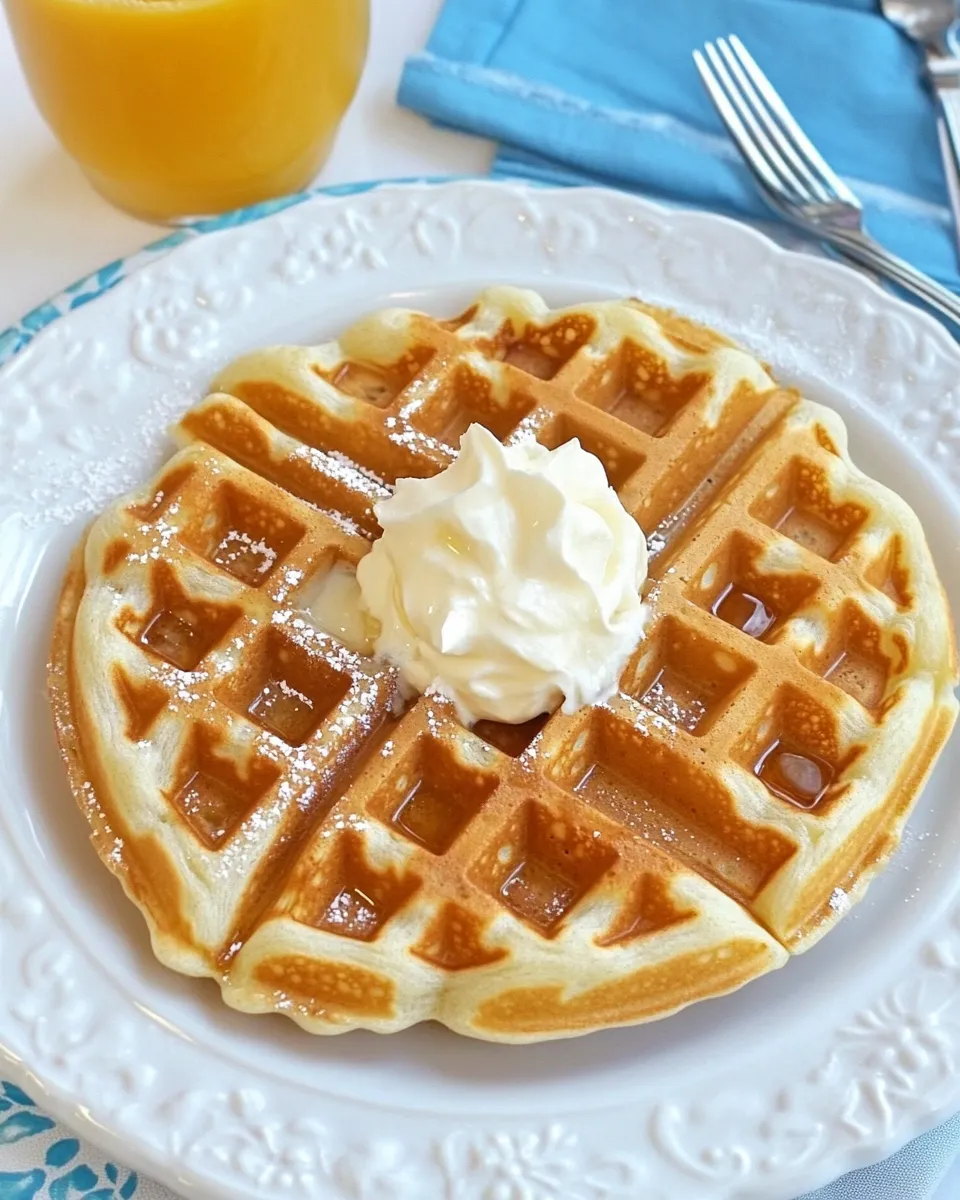
- Waffle iron — the primary tool; follow the manufacturer’s settings for heat and batter amount.
- Mixing bowls — one for dry ingredients and one for wet to keep the process clean and efficient.
- Whisk and spatula — whisk to combine, spatula to fold without overmixing.
- Wire rack — essential for cooling waffles without trapping steam.
- Baking sheet (flat) — for flash-freezing the single layer of waffles so they firm up quickly and separately.
- Parchment or wax paper — to separate waffles when stacking in the freezer bag or container.
- Airtight freezer bags or containers — for long-term storage and to prevent freezer burn.
Pitfalls & How to Prevent Them
Common mistakes are easy to avoid once you know what to watch for.
- Stacking warm waffles — the biggest cause of soggy reheated waffles. Cool completely on a wire rack before freezing.
- Skipping the flash-freeze — if you load a stack of warm or soft waffles straight into a bag, they’ll freeze together. Firm them up on a baking sheet first.
- Overmixing the batter — causes tough waffles. Stir until just combined; small lumps are fine.
- Underheating the waffle iron — waffles won’t crisp properly, so allow the iron to reach the recommended temperature.
- Not labeling packages — write the date on the bag or container so you use oldest waffles first and avoid freezer mystery items.
Spring–Summer–Fall–Winter Ideas
Waffles are a flexible platform. Here are seasonal serving ideas that work well with frozen waffles, reheated until crisp.
- Spring — top with lightly macerated strawberries, a dollop of yogurt, and a sprinkle of lemon zest for brightness.
- Summer — layered with fresh peaches or berries and a scoop of vanilla ice cream for a quick dessert waffle.
- Fall — warm apple compote, a dusting of cinnamon, and toasted pecans make these waffles cozy and comforting.
- Winter — serve with warm maple syrup, browned butter, and a scattering of toasted nuts or a smear of nut butter for richness.
What Could Go Wrong
Here are the scenarios that most commonly derail frozen waffles, and how to handle them:
- Soggy texture after reheating — usually from trapped steam during cooling or thawing before reheating. Solution: always cool completely and reheat directly from frozen in a toaster or 400°F oven until crisp.
- Freezer burn or off flavors — caused by poor sealing. Use airtight bags, squeeze out as much air as possible, or vacuum-seal for best results.
- Waffles stuck together — happens when waffles aren’t flash-frozen. If they’re already stuck, separate gently with a butter knife and re-freeze on a single layer.
- Uneven reheating — a microwave will warm but won’t crisp. Use a toaster, toaster oven, or oven for even heat and proper texture.
Meal Prep & Storage Notes
Plan ahead and your freezer will be a breakfast lifesaver.
- Flash-freeze on a baking sheet — arranging cooled waffles in a single layer ensures they firm up separately (about 1–2 hours) so you can stack them later without sticking.
- Packaging — transfer firm waffles to a resealable freezer bag or airtight container. Place parchment or wax paper between waffles if stacking.
- Label and date — use the oldest first. For best quality, consume within 2–3 months; they remain safe longer but may lose crispness and flavor.
- Reheating — toast directly from frozen for 2–4 cycles depending on your toaster, or bake at 400°F on a wire rack set over a sheet pan for 8–12 minutes until hot and crisp. Avoid thawing before reheating to prevent sogginess.
- Batch size — waffles freeze well in batches. Make enough for 5–10 breakfasts, and store in portions that match your family’s morning routine.
Ask the Chef
Q: Can I freeze waffles that were made with toppings already on them (like berries or syrup)?
A: No. Freeze waffles plain. Toppings like fruit, syrup, or whipped cream add moisture and will make waffles soggy during freezing and thawing. Add toppings after reheating.
Q: How long can I keep waffles in the freezer before they go bad?
A: For peak flavor and texture, aim to eat them within 2–3 months. They remain safe longer if kept frozen solid, but quality declines over time.
Q: Can I reheat frozen waffles in the microwave?
A: You can, but they’ll be soft. For crispness, use a toaster, toaster oven, or oven. If using the microwave, finish with a quick toaster or oven crisping if possible.
Q: My waffles stuck to the iron—what should I do next time?
A: Make sure the iron is hot before adding batter, use a touch of oil or butter if your iron isn’t nonstick, and don’t lift the lid while cooking. Also follow the iron manufacturer’s guidance for batter amount.
Wrap-Up
Freezing waffles is a simple, practical technique that saves time without sacrificing texture or flavor—if you follow the small but crucial steps. Cool completely, flash-freeze single layers, store airtight, and reheat from frozen for best results. With a reliable batter and a little organization, you’ll have crisp, delicious waffles ready whenever you want them.
Make a batch, label it, and enjoy the convenience. Breakfasts will feel effortless, and you’ll get consistent results each time.

How to Freeze Waffles
Ingredients
Ingredients
- 1 cupall-purpose flour
- 1 cupwhite whole wheat flour
- 1/2 teaspoonbaking soda
- 1 teaspoonbaking powder
- 1 teaspoonsalt
- 3 tablespoonssugar
- 3 large eggsbeaten
- 2 ouncesbutterunsalted and melted
- 2 cupsbuttermilk at room temperture
Instructions
Instructions
- Preheat your waffle iron according to the manufacturer's instructions.
- In a medium bowl whisk together 1 cup all-purpose flour, 1 cup white whole wheat flour, 1/2 teaspoon baking soda, 1 teaspoon baking powder, 1 teaspoon salt, and 3 tablespoons sugar until evenly combined.
- In a separate bowl combine the 3 large eggs (beaten), 2 ounces unsalted melted butter, and 2 cups buttermilk (at room temperature); whisk until uniform.
- Pour the wet ingredients into the dry ingredients and stir gently until just combined; small lumps are okay—do not overmix. Let the batter rest for 5 minutes.
- When the waffle iron is fully heated, cook the batter according to your waffle iron’s instructions: pour the appropriate amount of batter, close the iron, and cook until the waffles are golden brown and crisp.
- Transfer cooked waffles to a wire rack to cool completely; do not stack while still warm (stacking will trap steam and make them soggy).
- To freeze: arrange the completely cooled waffles in a single layer on a baking sheet and place in the freezer until firm (about 1–2 hours).
- Once firm, transfer the waffles to an airtight, freezer-safe container or resealable freezer bag (separate layers with parchment or wax paper if stacking). Label with the date and return to the freezer.
- Reheat frozen waffles from frozen in a toaster, toaster oven, or oven until heated through and crisp.
Equipment
- Waffle Iron
- Measuring Cups and Spoons
- Medium Bowl
- Separate Bowl
- Whisk
- Wire Rack
- Baking Sheet
- freezer
- airtight freezer-safe container or resealable freezer bag
- parchment or wax paper
- Toaster or oven
Notes
Cook the waffles and let them completely cool on a backing rack. Once they are cool, place them on a baking sheet lined with parchment paper. Flash freeze for about two hours then remove them from the freezer, and put them in individual freezer bags or airtight containers. This is where a Foodsaver comes in super handy! I took the parchment paper and slide them between each waffle. Some I packed with four and others six or eight.
To
REHEAT
In the oven, preheat oven to 350 degrees. Place waffles on a baking sheet and warm for 10-15 minutes.
In a toaster, place frozen waffle in toaster and heat for 1-2 minutes. This will vary depending on the setting of your toaster.