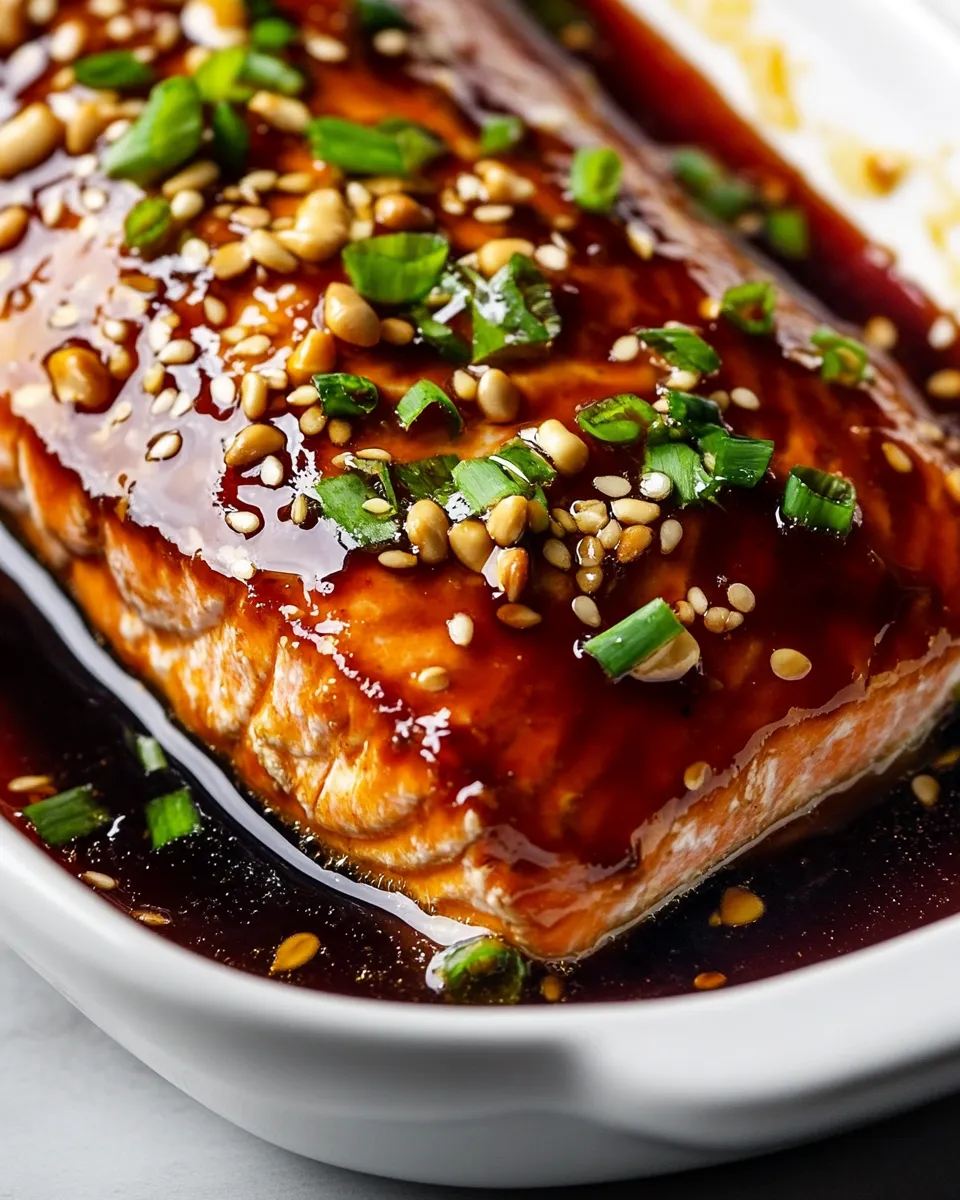
Honey Soy Salmon
This Honey Soy Salmon balances sweet, salty, and a touch of heat while keeping the salmon tender and flaky. It’s a weeknight-friendly sheet-pan meal: the salmon and broccoli cook together, and a quick pan-reduced glaze finishes the dish. The cashew crust gives every bite a satisfying crunch without hiding the fish.
I keep this recipe in my rotation because the steps are straightforward and forgiving. The marinade both seasons and tenderizes the fillets, and the short bake time preserves moisture. If you want a last-minute, impressive dinner, this is it—no complicated techniques, just attention to timing and a hot oven.
Below you’ll find a clear ingredient list with notes, step-by-step instructions that match the original method, and practical tips for substitutions, equipment, and troubleshooting. Read the little things section if you want the cashews to stay crunchy or the glaze to be glossy.
Ingredient Breakdown

Ingredients
- 5 (4-6 oz. each) salmon fillets, skin removed — The main protein; choose similar thickness for even cooking.
- 4 cups broccoli florets — Roasts quickly and pairs with the glaze; cut florets to uniform size.
- 2 tablespoons olive oil — Coats the broccoli so it roasts rather than steams.
- 1/4 teaspoon McCormick® salt — Seasoning for the broccoli and overall balance.
- 1/8 teaspoon McCormick® pepper — Light pepper note for the broccoli.
- 1/2 cup raw UNSALTED cashews, finely chopped* — Adds crunchy texture and nutty flavor for the crust.
- 1 tablespoon butter — Enriches and slightly thickens the finishing glaze.
- 1/4 cup low sodium soy sauce — Salty backbone of the honey soy sauce; low sodium keeps it from overpowering.
- 3 tablespoons honey plus more for brushing — Sweetener and glue for the cashew crust; brush on before pressing cashews.
- 2 tablespoons Asian sweet chili sauce (like Mae Ploy) — Adds sweet-heat and body to the sauce.
- 1 tablespoon rice vinegar — Gives a bright acid note to balance sweetness.
- 1 tablespoon quality hoisin sauce (like Lee Kum Kee or Kikkoman) — Deep, savory-sweet flavor and thickness for the sauce.
- 1/2-1 teaspoon Asian hot chili sauce (like Mae Ploy) — Adjust for heat tolerance; starts mild at 1/2 tsp.
- 1/2 teaspoon McCormick Garlic Powder — Convenient garlic flavor that disperses evenly in the sauce.
- 1/4 teaspoon McCormick® Ground Ginger — Warm, aromatic note that complements soy and honey.
- 1/4 teaspoon McCormick® onion powder — Rounds out umami and background flavor in the glaze.
Honey Soy Salmon — Do This Next
- Preheat oven to 400°F. Line a baking sheet with foil and spray the foil with nonstick cooking spray.
- In a medium bowl, whisk together the Honey Soy Sauce ingredients: 1/4 cup low sodium soy sauce, 3 tablespoons honey, 2 tablespoons Asian sweet chili sauce, 1 tablespoon rice vinegar, 1 tablespoon hoisin sauce, 1/2–1 teaspoon Asian hot chili sauce, 1/2 teaspoon McCormick® Garlic Powder, 1/4 teaspoon McCormick® Ground Ginger and 1/4 teaspoon McCormick® onion powder.
- Remove 1/4 cup of the mixture and place it in a shallow dish or a resealable plastic bag. Add the 5 salmon fillets (4–6 oz. each) to that reserved 1/4 cup, turning to coat. Marinate 30–60 minutes at room temperature. (Do not reuse this marinade for cooking or glazing after it has contacted raw fish; discard after removing the salmon.)
- While the salmon marinates, place the broccoli on the prepared baking sheet. Toss the broccoli with 2 tablespoons olive oil, 1/2 tablespoon of the remaining Honey Soy Sauce (from the bowl), 1/4 teaspoon McCormick® salt and 1/8 teaspoon McCormick® pepper. Spread the broccoli into a single layer in a row on the left side of the pan.
- Remove the salmon from the reserved marinade and pat each fillet dry with paper towels.
- Brush the top of each salmon fillet with approximately 1 tablespoon honey. Press the honey-coated side of each fillet into the 1/2 cup finely chopped raw unsalted cashews so the cashews adhere. Turn each fillet over and press additional cashews into any bare spots as needed.
- Place the cashew-coated salmon fillets on the baking sheet next to the broccoli in a single layer (cashew side up).
- Bake at 400°F for about 12–15 minutes, or until the salmon is cooked through and flakes easily with a fork. Cooking time will vary with fillet thickness.
- When the salmon has only a few minutes left to bake, make the glaze: Pour the remaining sauce (the sauce left in the bowl after reserving 1/4 cup for the salmon and using 1/2 tablespoon for the broccoli) into a small saucepan. Bring it to a simmer over medium heat and cook until it is thick enough to coat the back of a spoon.
- Remove the glaze from heat and stir in 1 tablespoon butter until melted and incorporated. If you want a thicker glaze, simmer longer before adding the butter; if the glaze becomes too thick, stir in a little water to reach the desired consistency.
- Serve the salmon with the Honey Soy Glaze spooned over or served on the side. (If you prefer the cashews to stay crunchy, serve the glaze on the side.)
Why This Recipe Is Reliable
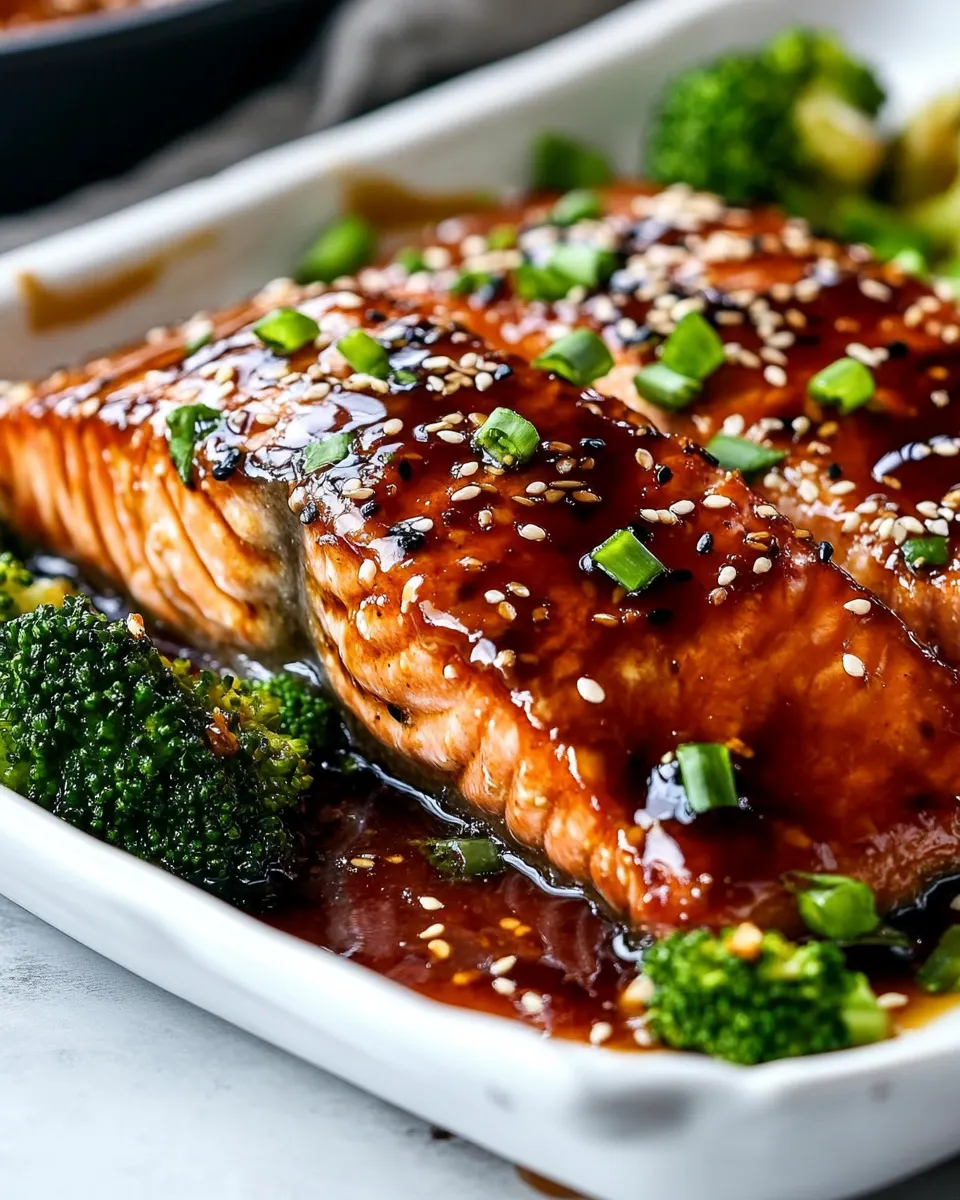
This method is dependable because it separates stages: a brief marinade, a quick high-heat bake, and a final glaze reduction. Marinating with a reserved portion flavors the fish without wasting the cooked glaze. Patting the salmon dry before adding honey prevents the cashews from sliding off; the honey acts as natural adhesive and caramelizes gently in the oven.
The temperature and timing are forgiving. 400°F gives even browning on the cashew crust while keeping the interior moist, and the 12–15 minute range covers typical fillet thicknesses. The glaze is cooked separately, so it’s safe from raw-fish contamination and you can adjust thickness without affecting the main bake.
Texture-Safe Substitutions
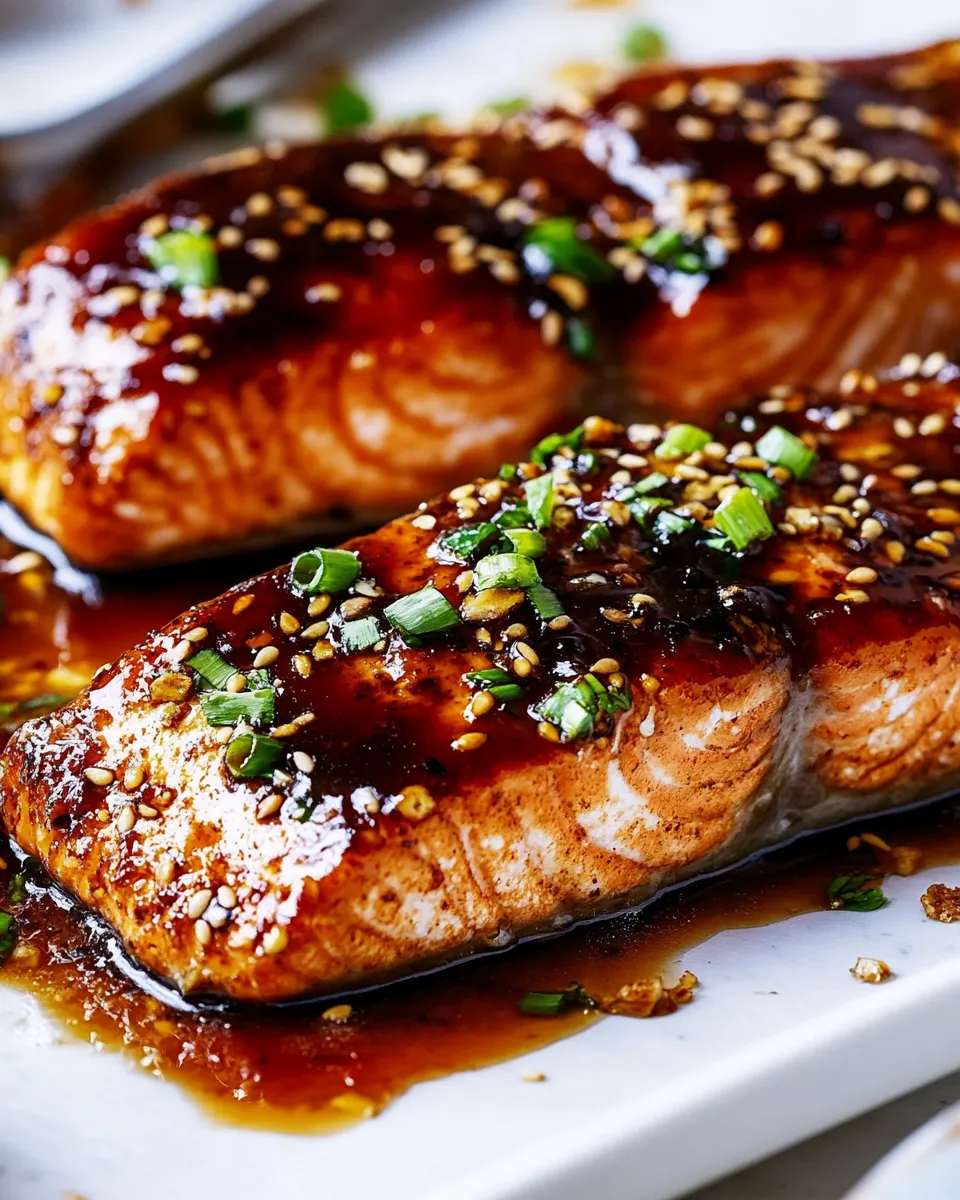
If you need to change textures for dietary needs or preferences, focus on maintaining contrast: a soft, flaky salmon with a crunchy topping and crisp-tender broccoli.
- Nut-free option: omit the cashews and brush the fillets with extra honey before baking for a slightly sticky, caramelized top.
- Softer topping: skip the cashews and sprinkle 1–2 tablespoons of cooked panko crumbs over the honey-brushed fillets in the last 4–5 minutes of baking (watch closely).
- Less sweet or less sticky: reduce the honey used for brushing; the glaze still provides sweetness when spooned on at the end.
Gear Up: What to Grab
Use a rimmed baking sheet so juices don’t spill. Foil makes cleanup easy and protects the pan from sticky glaze. A small saucepan is required to reduce the remaining sauce into a glossy glaze. Keep a silicone brush or spoon handy for brushing honey, and have a shallow dish or resealable bag ready for marinating the salmon in the reserved 1/4 cup sauce.
Helpful extras: a digital instant-read thermometer if you like precision (salmon is done at 125–130°F for medium), and a nonstick spray so the cashews don’t stick to the foil. Finely chop the cashews on a cutting board or pulse briefly in a food processor—either works.
Things That Go Wrong
Here are the most common issues and how to avoid them:
- Cashews slide off: This happens when the salmon surface is too wet. Pat the fillets dry before brushing honey and pressing on the cashews. Apply firm pressure so the nuts adhere.
- Broccoli steams instead of roasts: Overcrowding or tossing it wet causes steaming. Spread florets in a single layer with space around each piece and use room-temperature broccoli.
- Glaze becomes grainy or burns: Reduce over low-to-medium heat and watch carefully. If it starts to darken quickly, lower the heat. Stir in 1 tablespoon butter off the heat to smooth it.
- Salmon overcooks: Fillet thickness varies—check at the 12-minute mark. Remove when it flakes easily and still feels slightly springy.
In-Season Flavor Ideas
When produce is at its peak, lean into fresh, bright accents. Thinly sliced spring onions or blanched sugar snap peas add a crunchy freshness alongside roasted broccoli. A squeeze of fresh lemon or lime just before serving cuts through the glaze’s sweetness and lifts the whole plate.
In cooler months, pair the salmon with roasted root vegetables instead of broccoli—roasted carrots and parsnips will stand up to the sweet-salty glaze. For a touch of herb freshness, a scattering of chopped cilantro or parsley right before serving brightens the dish.
Little Things that Matter
Small details make a big difference: always reserve the 1/4 cup of sauce for the raw salmon and don’t use it later for glazing. Let the marinated fillets sit at room temperature for 30–60 minutes as instructed—this helps them cook evenly. Press the cashews gently but firmly; a loose crust will fall apart during baking.
When glazing, add the butter off the heat to avoid separating the glaze. If you want crunch, serve the glaze on the side; if you want stickiness and sheen, spoon it over the fillets right away.
Keep It Fresh: Storage Guide
Cool leftovers to room temperature within two hours, then refrigerate in an airtight container for up to 3 days. Store the salmon and broccoli together or separately if you anticipate reheating the broccoli to maintain texture. The glaze can be stored in a small sealed container alongside the fish.
To reheat, warm gently in a 300°F oven for 8–10 minutes so the cashews don’t burn and the salmon heats through without drying out. If you reheated and the glaze has thickened, stir in a splash of water and warm briefly on the stove to loosen it.
Troubleshooting Q&A
Q: My cashews lost their crunch after glazing. What happened?
A: The glaze adds moisture. If you want maximum crunch, serve the glaze on the side or add it at the table. Alternatively, toast the cashews lightly before chopping to help them hold up better in the oven.
Q: The glaze is too thin or too thick. How do I fix it?
A: To thicken, simmer a bit longer until it coats the back of a spoon before adding butter. To thin, stir in a teaspoon of water at a time until you reach the desired consistency. Add the butter after adjusting thickness.
Q: The salmon tastes too salty.
A: Use lower-sodium soy sauce (the recipe already specifies low sodium). Reduce the reserved marinade time slightly and avoid adding extra salt elsewhere. Balance saltiness with a squeeze of citrus at the end.
Q: My broccoli is limp or soggy.
A: Roast in a single layer and avoid crowding. Increase oven temperature slightly if needed, or roast broccoli on a separate sheet so it gets direct heat and browning.
Make It Tonight
This menu is fast: start by mixing the sauce, reserve 1/4 cup for the fillets, and toss your broccoli while the salmon marinates. Prep the cashews while the oven preheats. The hands-on time is minimal and the payoff is a dinner that looks like you spent an hour on it.
One-pan cleanup, bold flavors, and a crunchy top make this Honey Soy Salmon a reliable go-to. Follow the steps, watch the glaze, and enjoy a balanced weeknight meal that’s both simple and satisfying.
Honey Soy Salmon
Ingredients
Ingredients
- 5 4-6 oz. eachsalmon filletsskin removed
- 4 cupsbroccoli florets
- 2 tablespoonsolive oil
- 1/4 teaspoonMcCormick® salt
- 1/8 teaspoonMcCormick® pepper
- 1/2 cuprawUNSALTED cashews finely chopped*
- 1 tablespoonbutter
- 1/4 cuplow sodium soy sauce
- 3 tablespoonshoney plus more for brushing
- 2 tablespoonsAsian sweet chili saucelike Mae Ploy
- 1 tablespoonsrice vinegar
- 1 tablespoonquality hoisin saucelike Lee Kum Kee or Kikkoman
- 1/2-1 teaspoonAsian hot chili saucelike Mae Ploy
- 1/2 teaspoonMcCormick Garlic Powder
- 1/4 teaspoonMcCormick® Ground Ginger
- 1/4 teaspoonMcCormick® onion powder
Instructions
Instructions
- Preheat oven to 400°F. Line a baking sheet with foil and spray the foil with nonstick cooking spray.
- In a medium bowl, whisk together the Honey Soy Sauce ingredients: 1/4 cup low sodium soy sauce, 3 tablespoons honey, 2 tablespoons Asian sweet chili sauce, 1 tablespoon rice vinegar, 1 tablespoon hoisin sauce, 1/2–1 teaspoon Asian hot chili sauce, 1/2 teaspoon McCormick® Garlic Powder, 1/4 teaspoon McCormick® Ground Ginger and 1/4 teaspoon McCormick® onion powder.
- Remove 1/4 cup of the mixture and place it in a shallow dish or a resealable plastic bag. Add the 5 salmon fillets (4–6 oz. each) to that reserved 1/4 cup, turning to coat. Marinate 30–60 minutes at room temperature. (Do not reuse this marinade for cooking or glazing after it has contacted raw fish; discard after removing the salmon.)
- While the salmon marinates, place the broccoli on the prepared baking sheet. Toss the broccoli with 2 tablespoons olive oil, 1/2 tablespoon of the remaining Honey Soy Sauce (from the bowl), 1/4 teaspoon McCormick® salt and 1/8 teaspoon McCormick® pepper. Spread the broccoli into a single layer in a row on the left side of the pan.
- Remove the salmon from the reserved marinade and pat each fillet dry with paper towels.
- Brush the top of each salmon fillet with approximately 1 tablespoon honey. Press the honey-coated side of each fillet into the 1/2 cup finely chopped raw unsalted cashews so the cashews adhere. Turn each fillet over and press additional cashews into any bare spots as needed.
- Place the cashew-coated salmon fillets on the baking sheet next to the broccoli in a single layer (cashew side up).
- Bake at 400°F for about 12–15 minutes, or until the salmon is cooked through and flakes easily with a fork. Cooking time will vary with fillet thickness.
- When the salmon has only a few minutes left to bake, make the glaze: Pour the remaining sauce (the sauce left in the bowl after reserving 1/4 cup for the salmon and using 1/2 tablespoon for the broccoli) into a small saucepan. Bring it to a simmer over medium heat and cook until it is thick enough to coat the back of a spoon.
- Remove the glaze from heat and stir in 1 tablespoon butter until melted and incorporated. If you want a thicker glaze, simmer longer before adding the butter; if the glaze becomes too thick, stir in a little water to reach the desired consistency.
- Serve the salmon with the Honey Soy Glaze spooned over or served on the side. (If you prefer the cashews to stay crunchy, serve the glaze on the side.)
Equipment
- Baking Sheet
- Foil
- Mixing Bowl
- Small Saucepan
- shallow dish or resealable plastic bag
- Paper Towels
Notes
*I like to roast my raw cashews before chopping for even more flavor. Roast at 400 degrees F for approximately 7 minutes, stirring occasionally. You can chop your cashews in your food processor for super quick chopping.
**Cooking time will vary depending on the size and thickness of your salmon fillets. Roast until the salmon is cooked through and flakes easily, 4 to 6 minutes for every 1/2-inch thickness of salmon. An instant-read thermometer into the thickest part of the fillet should read 120°F to 130°F for medium-rare or 135°F to 145°F for more well-done.