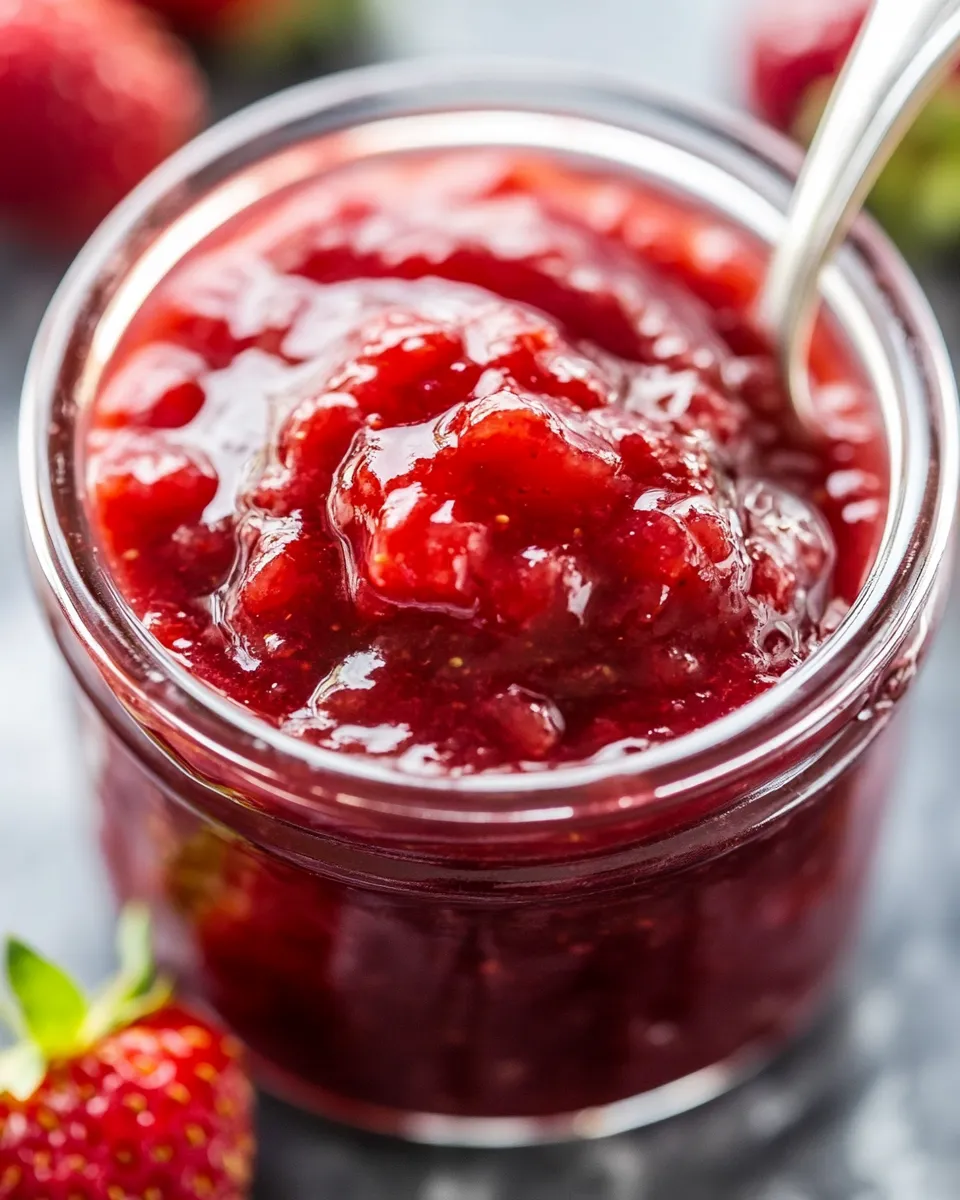
Homemade Strawberry Sauce
Bright, simple, and wildly useful: this strawberry sauce is the kind of thing I keep thinking I’ll make “someday,” and then suddenly I’m spooning it over yogurt at 8 a.m. and drizzling it on ice cream at 8 p.m. It’s focused on flavor, not fuss — just strawberries, sugar, lemon, and a little cornstarch to give it that glossy finish.
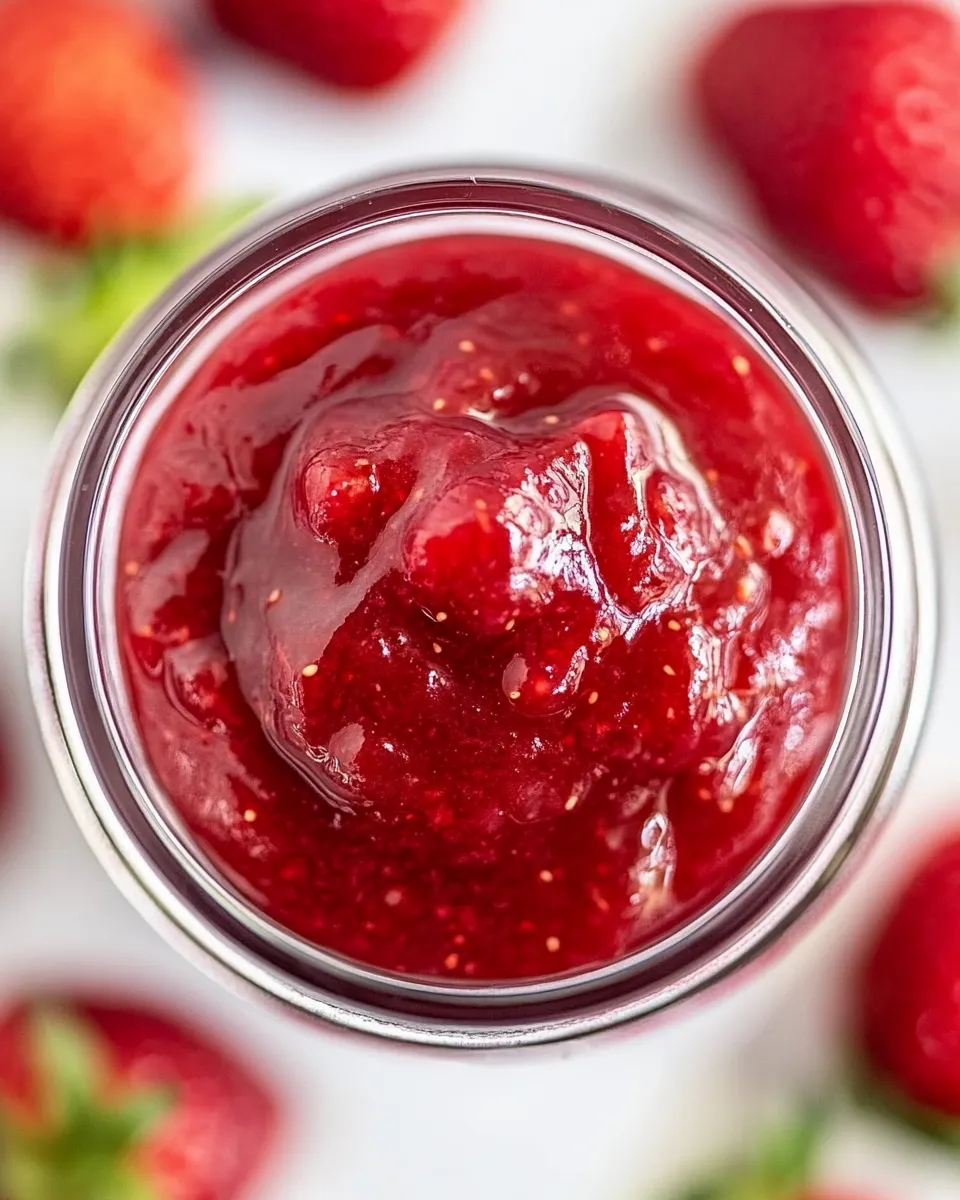
I like this recipe because it hits a sweet spot between jam and syrup. It’s loose enough to pour, but thick enough to coat a spoon. You’ll find it makes short work of breakfasts, desserts, cocktails, and quick gifts in a jar. The technique is forgiving, and the result is always fresh and vibrant.
Ingredient Rundown

Before you start, here’s a quick, practical look at what’s on the stove and why it matters. Strawberries are the star — their water and natural pectin will do a lot of the work. Sugar sweetens and helps extract juices. Lemon juice brightens the flavor and balances the sweetness. Cornstarch is the thickening agent that transforms the simmering fruit into a glossy sauce, and just a little water turns it into a smooth slurry so it blends in without lumps.
Measure carefully and keep an eye on the heat. Low–medium cooking lets the strawberries break down and release their juices slowly, while a short burst of higher heat after the slurry goes in activates the thickener quickly. With these small, deliberate steps you get a sauce that’s balanced, shiny, and not overcooked.
Ingredients
- 3 cups (430 grams) strawberries — fresh is best; hull and halve them so they cook evenly.
- ½ cup (100 grams) granulated sugar — sweetens and helps draw out the berry juices.
- 3 tablespoons lemon juice — brightens the flavor and balances sweetness; fresh is preferable.
- 2 tablespoons cornstarch — thickener; makes the sauce glossy and scoopable.
- 1 tablespoon water — used to make the cornstarch slurry so it mixes smoothly.
Mastering Homemade Strawberry Sauce: How-To
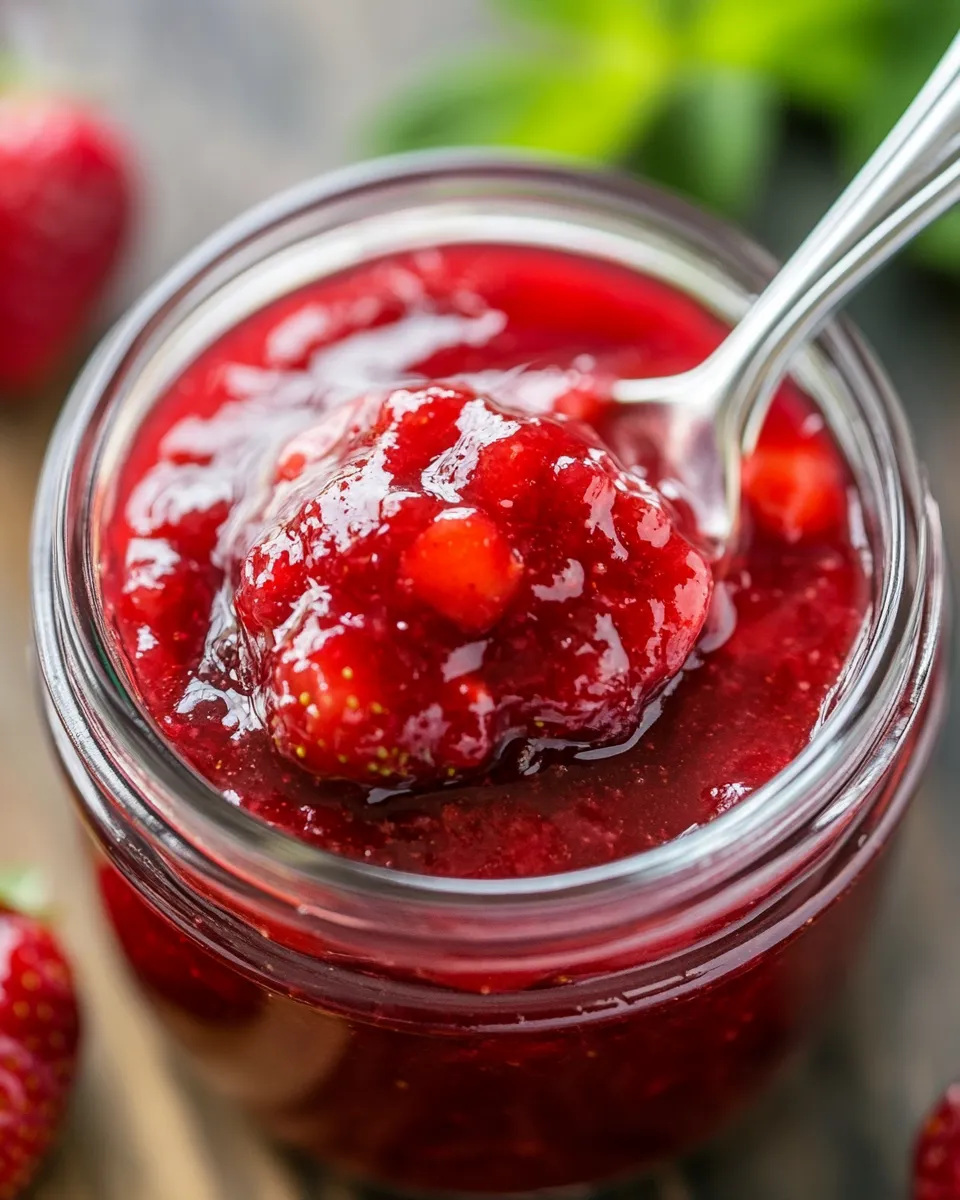
- If using fresh strawberries, wash briefly, hull (remove the stems), and halve them. Measure 3 cups (430 grams) strawberries and put them into a medium saucepan.
- Add ½ cup (100 grams) granulated sugar and 3 tablespoons lemon juice to the saucepan; stir to combine.
- Cook over low–medium heat, stirring occasionally so the fruit doesn’t stick or burn. Cook about 12–15 minutes, until the strawberries are very soft and have released a lot of liquid.
- While the strawberries cook, make the cornstarch slurry: mix 2 tablespoons cornstarch with 1 tablespoon water until smooth.
- Increase the heat to medium, pour the slurry into the saucepan, and stir constantly until the sauce thickens and becomes glossy (about 1–2 minutes). Make sure the slurry is fully incorporated and there are no lumps.
- Remove the saucepan from the heat and let the sauce cool for 5–10 minutes (it will thicken further as it cools).
- Transfer the cooled strawberry sauce to a jar or airtight container and store it in the refrigerator.
Why This Recipe Belongs in Your Rotation
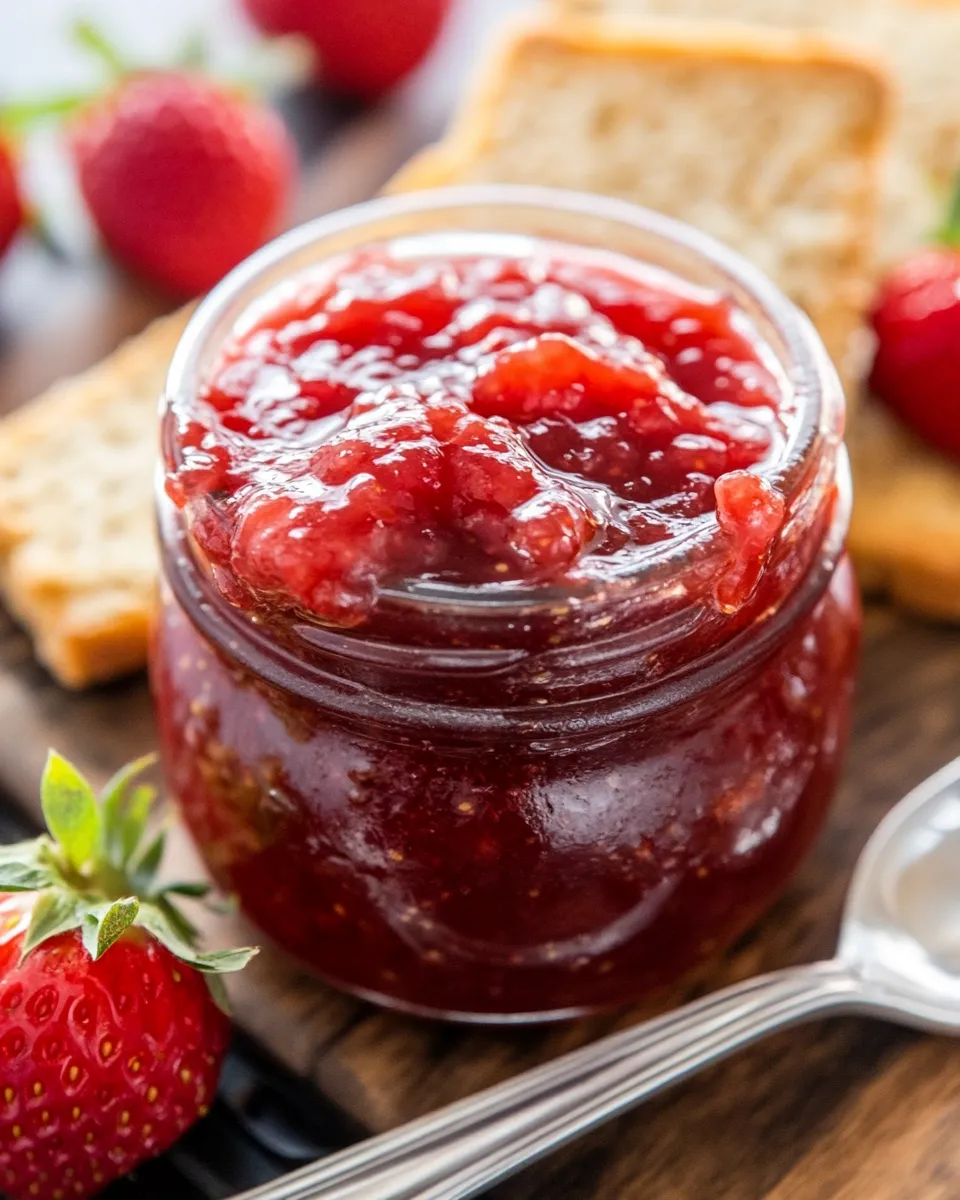
This sauce is one of the most useful staples you can keep in the fridge. It takes less than thirty minutes from start to finish, uses pantry-stable sugar and common tools, and turns plain things into showstoppers. Plain pancakes? Instantly better. Oatmeal? A spoonful of brightness. Spoon it over cheesecake or swirl it into cocktails. It’s also a great way to use up a big bowl of strawberries before they go soft.
The flavor is straightforward and clean: ripe strawberry with a citrus lift from the lemon. There’s no pectin jam hardness and no gelatinous aftertaste — just fresh fruit goodness with a shopper-friendly ingredient list. That balance between quick and reliable makes it a repeatable recipe you can trust for everyday and occasions alike.
Smart Substitutions
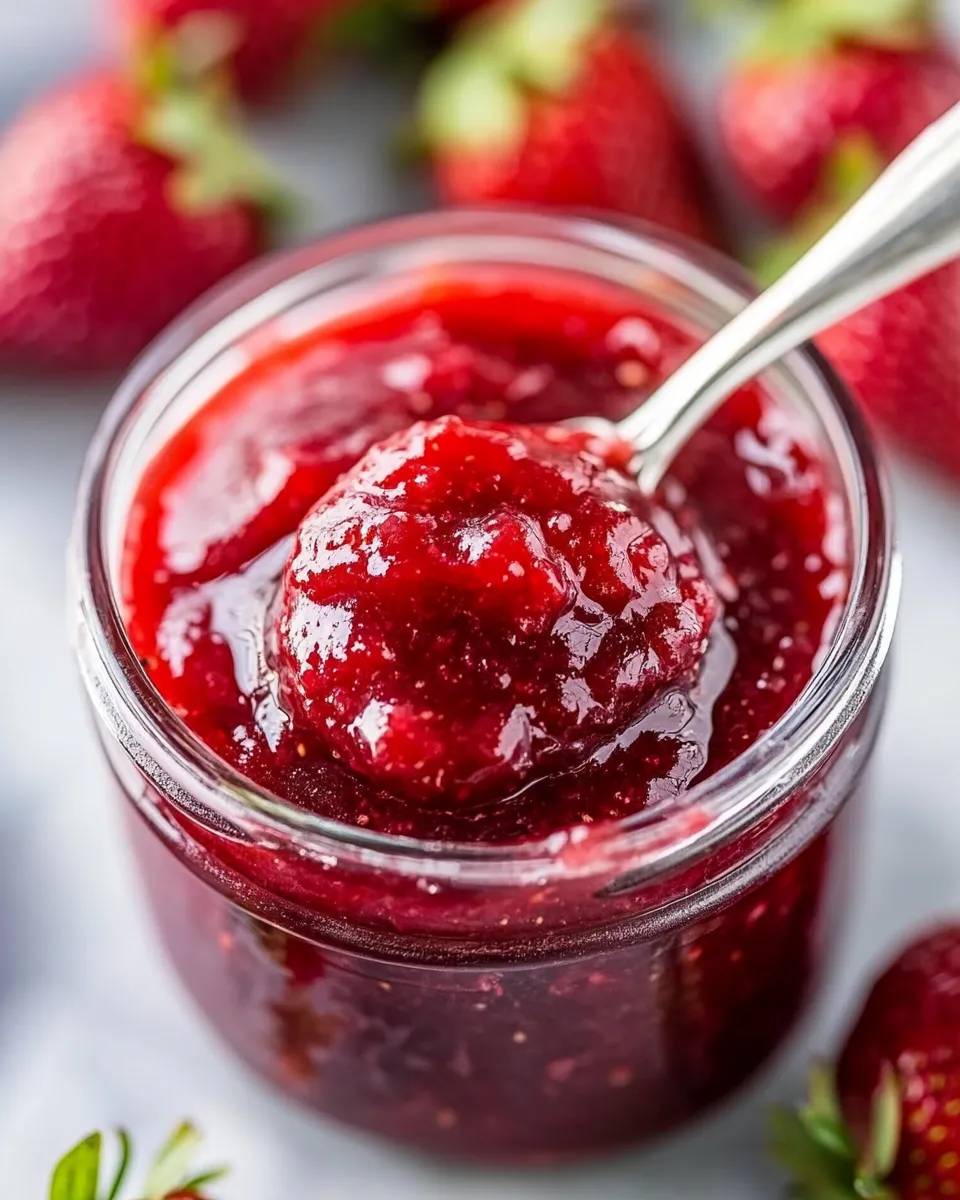
- Sweetener: If you prefer less refined sugar, you can try maple syrup or honey in small amounts, but they will change the flavor and the liquid balance. Reduce added liquid elsewhere slightly if using syrup.
- Lemon Juice: Lime juice will work if you want a slightly different citrus note. Bottled lemon juice can be used in a pinch, but fresh is brighter.
- Thickener: If you don’t have cornstarch, arrowroot works as a one-to-one substitute and gives a clear, glossy finish. If using arrowroot, add it off the heat and bring to a quick simmer — it thickens faster.
- Fruit: If strawberries are out of season, frozen strawberries work well. Thaw and drain a bit before cooking, and expect slightly more liquid so cook a little longer to concentrate.
Cook’s Kit
Tools that make this easy
- Medium saucepan — roomy enough for bubbling without spilling.
- Wooden spoon or heatproof spatula — for stirring and scraping the bottom.
- Measuring cups and spoons or a kitchen scale — for accurate sugar and fruit amounts.
- Small bowl or cup — to mix the cornstarch slurry.
- Jar or airtight container — for storage once cooled.
Steer Clear of These
Heat that’s too high will scorch the fruit and create bitter notes. Keep the initial simmer at low–medium and stir occasionally. When you add the slurry, increase the heat only enough to activate the thickener; vigorous boiling can break down the sauce and thin it again.
A common mistake is adding the cornstarch dry. That will create lumps. Always dissolve the cornstarch in the tablespoon of water first, then whisk it into the hot fruit while stirring. Also don’t skip the short cooling period: the sauce sets a bit as it cools and you’ll get a better texture if you wait before transferring to storage.
Seasonal Adaptations
Spring and early summer are peak strawberry time — use the ripest, sweetest berries you can find. In late season or cooler months, frozen strawberries are reliable and surprisingly good here. If your berries are very sweet, pull back on the sugar by a tablespoon or two; if they’re tart, keep the sugar as written and the lemon will help lift the flavor.
For winter warmth, stir in a small pinch of ground cinnamon or a half-teaspoon of vanilla after removing the sauce from the heat. In summer, fold in a tablespoon of chopped fresh basil or mint just before cooling for a bright, herbaceous twist.
What I Learned Testing
Over multiple runs, the easiest way to control texture was to watch the liquid reduction carefully. If you stop at 12 minutes with very juicy berries, the sauce will be looser; at 15 minutes it’s thicker and richer. I found the 12–15 minute window gives you control, and the cornstarch slurry lets you dial in the final gloss without overcooking the fruit.
I also learned to resist the urge to blitz everything smooth. Leaving some strawberry pieces gives the sauce character — a mix of whole-flower berry fragments and softened fruit feels homemade. If you need it completely smooth for a dessert topping, a quick pass through a blender or immersion blender after cooling does the trick.
Save It for Later
Stored in an airtight container, this sauce keeps in the refrigerator for about a week. For longer storage, freeze in small portions: ice cube trays or silicone molds are perfect for single-serve amounts. Once frozen, pop the cubes into a zip-top bag and keep them for up to three months. Thaw in the fridge or gently warm on the stove before using.
Pro tip: label jars with the date. Fresh fruit sauces are best enjoyed within their first week for the brightest flavor.
FAQ
-
Can I use frozen strawberries?
Yes. Thaw them first and drain off any excess water, then follow the recipe. You may need to cook a little longer to achieve the same concentration of flavor.
-
What if the sauce is too thin?
If it’s thin after cooling, return it to a low heat and simmer a few minutes to reduce. Or make another small cornstarch slurry (same ratio: 1 part cornstarch to ½ part water) and add it slowly while stirring until you reach the desired thickness.
-
Can I make this sugar-free?
You can try replacing sugar with a liquid sweetener, but the texture and flavor will change. Sugar helps extract juices and contributes body; if you remove it, expect a thinner sauce and a different mouthfeel.
-
Is the lemon juice necessary?
Lemon juice balances the sweetness and brightens the strawberry flavor. If you must omit it, do consider adding a splash of another acid like a mild vinegar or lime, but start small and taste as you go.
-
Can I can this sauce for shelf-stable storage?
The recipe is designed for refrigeration. If you want to can it, follow tested, safety-approved canning procedures and acidity guidelines — that requires adjustments and processing times beyond this recipe.
Ready to Cook?
Keep the ingredients simple and your attention steady. Prep the berries, measure the sugar and lemon, and have the slurry ready before the fruit reaches full softness. Stir gently, watch the heat, and you’ll have a glossy, bright strawberry sauce in under half an hour.
Make a batch this weekend. Use it on breakfast pancakes, spoon it over plain yogurt, or package it in a jar for a small, delicious gift. It’s an easy recipe that rewards small care with consistent, lovely results.
Homemade Strawberry Sauce
Ingredients
Ingredients
- ?3 cups 430 gramsstrawberries
- ?1/2 cup 100 gramsgranulated sugar
- ?3 tablespoons 3 tablespoonslemon juice
- ?2 tablespoons 2 tablespoonscornstarch
- ?1 tablespoon 1 tablespoonwater
Instructions
Instructions
- If using fresh strawberries, wash briefly, hull (remove the stems), and halve them. Measure 3 cups (430 grams) strawberries and put them into a medium saucepan.
- Add ½ cup (100 grams) granulated sugar and 3 tablespoons lemon juice to the saucepan; stir to combine.
- Cook over low–medium heat, stirring occasionally so the fruit doesn’t stick or burn. Cook about 12–15 minutes, until the strawberries are very soft and have released a lot of liquid.
- While the strawberries cook, make the cornstarch slurry: mix 2 tablespoons cornstarch with 1 tablespoon water until smooth.
- Increase the heat to medium, pour the slurry into the saucepan, and stir constantly until the sauce thickens and becomes glossy (about 1–2 minutes). Make sure the slurry is fully incorporated and there are no lumps.
- Remove the saucepan from the heat and let the sauce cool for 5–10 minutes (it will thicken further as it cools).
- Transfer the cooled strawberry sauce to a jar or airtight container and store it in the refrigerator.
Equipment
- Medium Saucepan
- Measuring Cups
- Measuring Spoons
- spoon or whisk
- Jar or Airtight Container
Notes
You can either leave the strawberry sauce a little bit chunky and that works great for pies and cakes. Or you can blend it using an immersion blender or in a blender for a smooth strawberry sauce.
Store in a sealed jar in the fridge for up to 1 week, or freeze for up to 6 months.