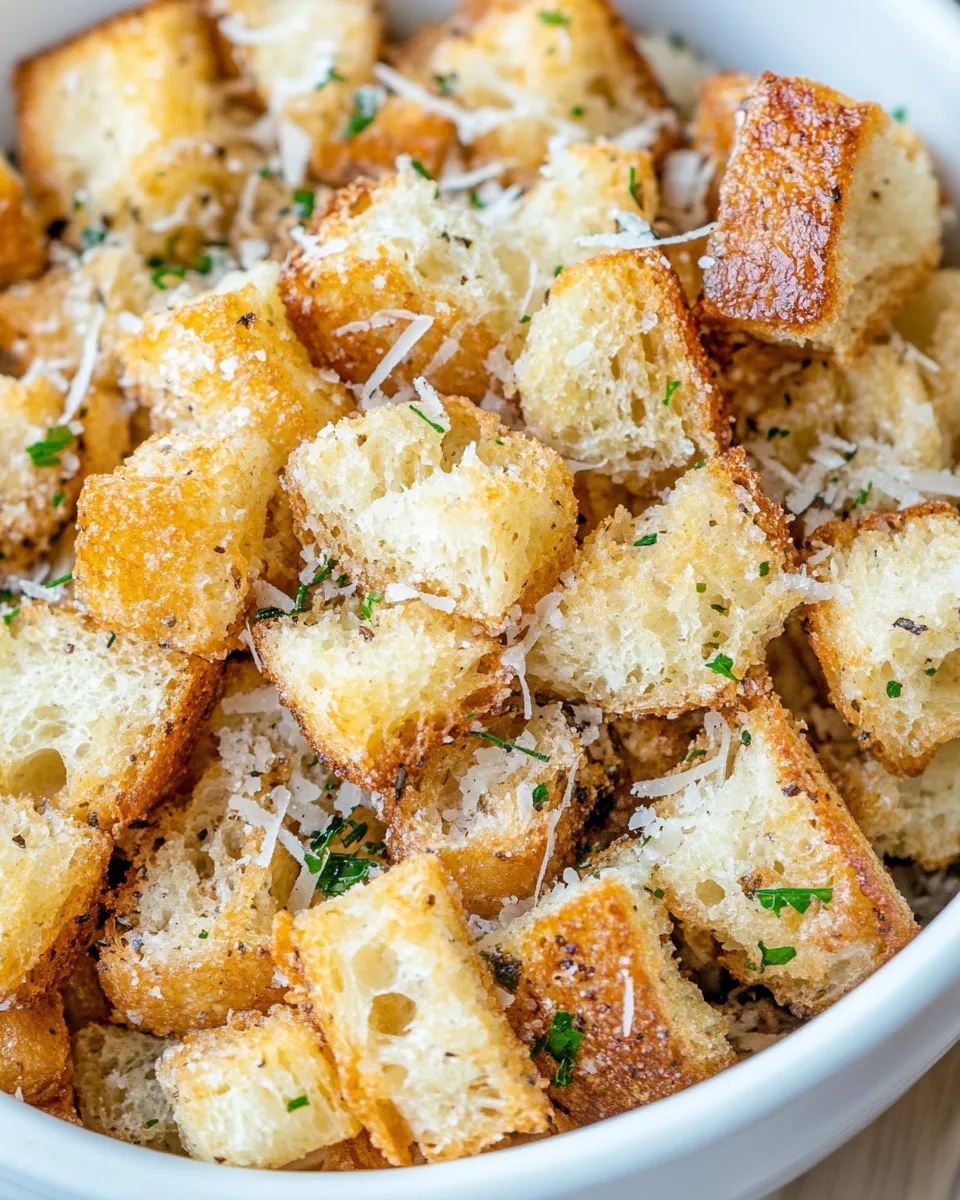
Homemade Croutons
Croutons are the small, crunchy detail that turns a simple salad into something interesting, or a bowl of soup into a meal. They’re one of those easy kitchen projects that rewards patience and a few basic ingredients. You don’t need special skills—just a bit of time and a hot oven.
These Homemade Croutons are forgiving. They take stale bread or fresh loaves and turn them into a pantry-ready crunch. The recipe below is straightforward, reliable, and built so you can tweak texture and color without changing the basic method.
I kept the seasoning simple because a good crouton should support, not steal, the dish it tops. You’ll learn where the flavor comes from, what to watch for in the oven, and small adjustments that make a big difference. Let’s get into it.
Ingredient Breakdown

Simple ingredients, clear roles. Keep these on hand and you’ll have croutons in under half an hour.
- 8 ounces bread (gluten-free, if needed) — the foundation. Stale or day-old bread holds up best; fresh will work if it’s fairly firm.
- 3 tablespoons extra virgin olive oil — provides fat for crisping and flavor. It helps the seasonings stick and promotes even browning.
- 1/4 teaspoon garlic powder — delivers savory depth without raw garlic’s moisture.
- 1/2 teaspoon dried oregano — a warm, herbal note that pairs with salads and soups.
- 1/2 teaspoon fine sea salt — seasons the croutons throughout; use fine salt so it distributes evenly.
Homemade Croutons Cooking Guide
- Preheat the oven to 350°F (175°C).
- Cut 8 ounces bread into roughly 1-inch (2.5 cm) cubes.
- Put the bread cubes into a large mixing bowl.
- Pour 3 tablespoons extra virgin olive oil over the bread cubes and toss the cubes until the oil is distributed as evenly as possible.
- Sprinkle 1/4 teaspoon garlic powder, 1/2 teaspoon dried oregano, and 1/2 teaspoon fine sea salt over the oiled cubes, then toss again until the seasonings are evenly distributed.
- Spread the seasoned bread cubes in a single layer on a large baking sheet.
- Bake at 350°F for 15 minutes. Remove the baking sheet, stir or turn the cubes so they brown evenly, then return the sheet to the oven and bake about 5 more minutes, or until the croutons are lightly golden and crisp to the touch.
- Let the croutons cool completely on the pan before using. Store any leftovers in an airtight container at room temperature for up to 2 weeks.
Top Reasons to Make Homemade Croutons
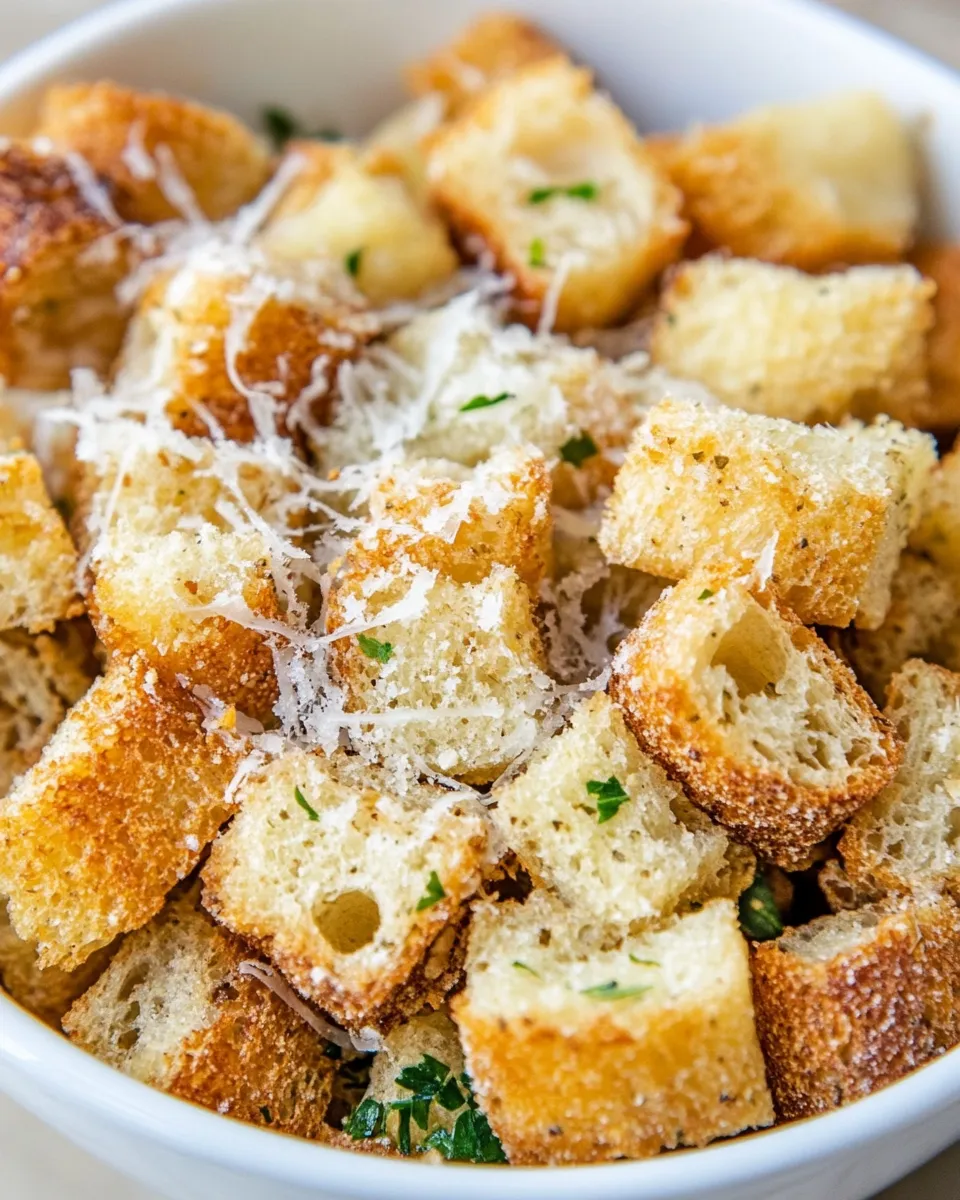
Store-bought croutons are fine in a pinch, but making your own gives you control over texture and flavor. They’re fresher, crunchier, and free from unnecessary preservatives or overly bold seasonings that can overpower a dish.
Waste reduction is another big reason. Turning leftover bread into croutons saves food and stretches your grocery dollar. Kitchens that cook regularly will always have some end-of-loaf pieces that are perfect for this.
Finally, homemade croutons are versatile. With this simple base you can complement leafy green salads, add texture to creamy soups, or use them as a crunchy garnish on roasted vegetables. Because the seasoning is subtle, they adapt to different cuisines and plates without clashing.
Flavor-Forward Alternatives
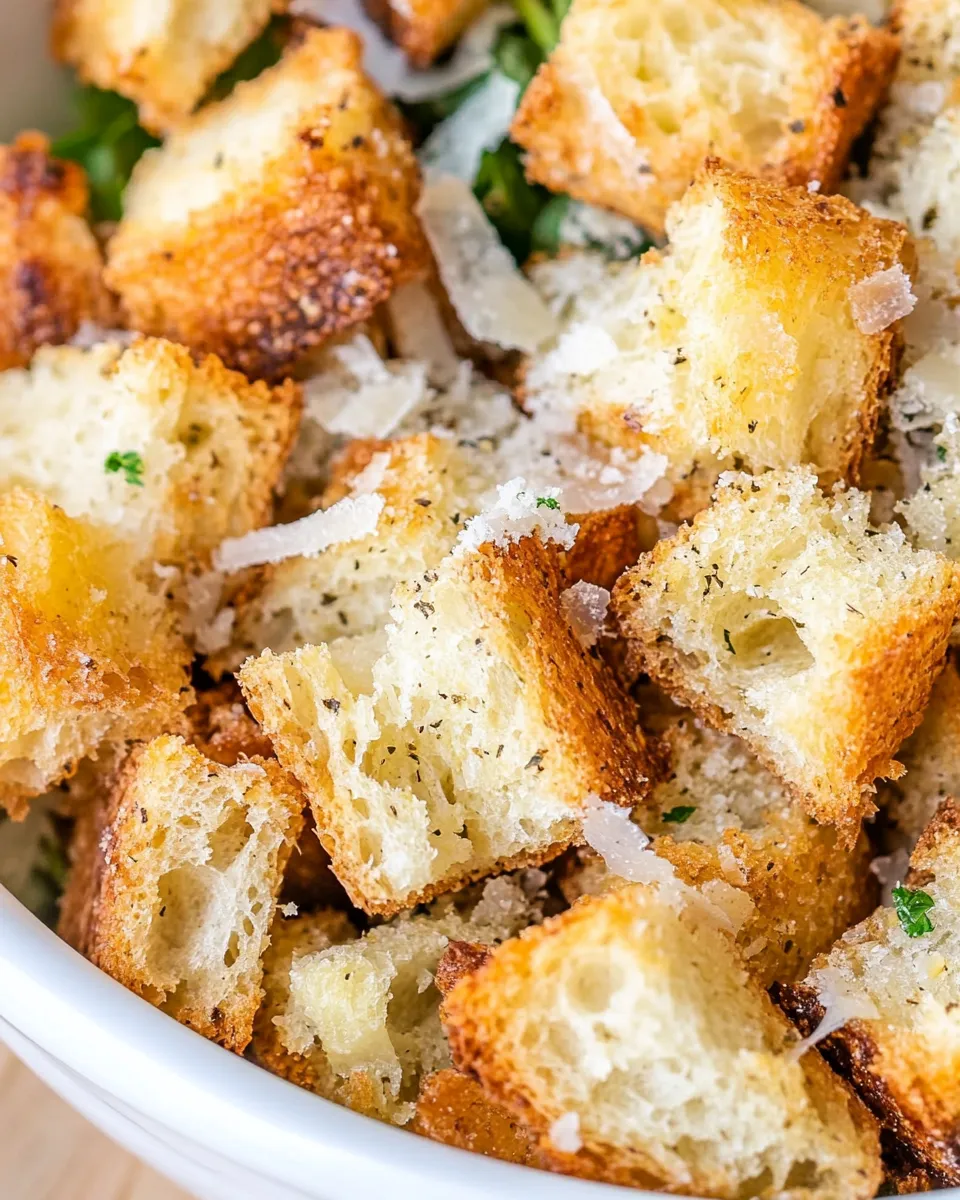
This recipe leans on a classic trio: garlic powder, oregano, and salt. If you want to vary flavor while staying within the spirit of the ingredients list, consider these approaches that don’t require new pantry items.
- Change the bread style. A sturdier loaf will yield a chewier interior; an airy loaf will crisp up faster. Different breads will change the flavor profile more than changing spices.
- Adjust the cube size. Smaller cubes crisp through and brown quickly; larger cubes keep a softer center. Size shifts the eating experience without altering ingredients.
- Alter the oil distribution. Toss more thoroughly for uniform color; leave some pieces with lighter coating for milder bites. How you oil the cubes affects texture and mouthfeel.
Gear Up: What to Grab
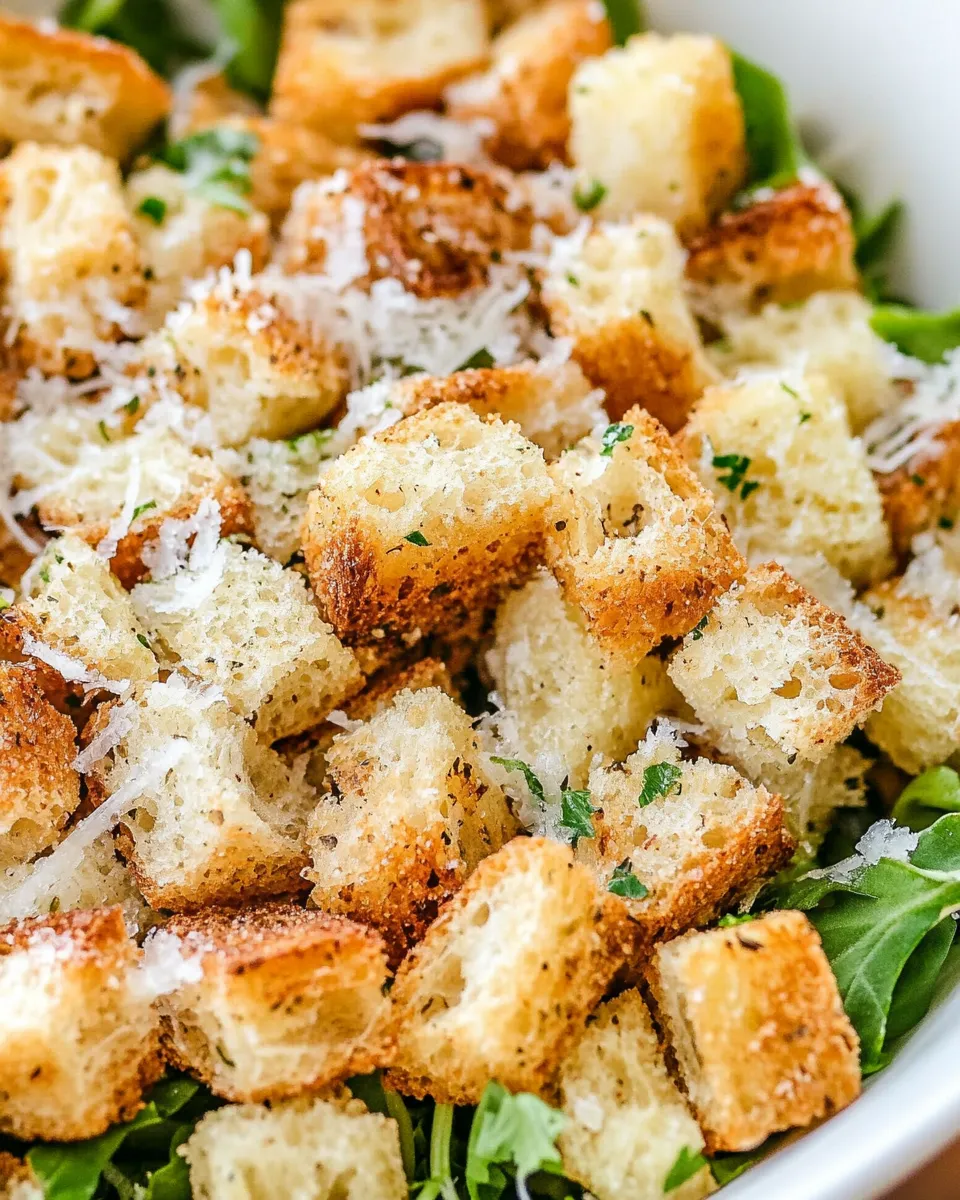
Minimal tools. Good results come from simple gear and a little attention.
- A sharp knife and cutting board — for even 1-inch cubes.
- A large mixing bowl — gives you space to toss oil and seasonings evenly.
- A large baking sheet — spread cubes in a single layer so they brown rather than steam.
- An oven set to 350°F (175°C) — consistent heat is key. A reliable oven thermometer helps if your oven runs hot or cool.
- A spatula or large spoon — for turning the cubes halfway through baking.
Problems & Prevention
Crisp but not burnt, golden but not dry. These are the common balance points—and how to manage them.
- Uneven browning: Spread cubes in a single layer with a bit of space between pieces. Overcrowding leads to steaming instead of crisping.
- Soggy interior: If your bread is very fresh and soft, cut cubes a bit larger and give them extra time in the oven. Stale bread makes crisper croutons faster.
- Burned edges: If edges brown before the centers are crisp, remove the darker pieces and let the rest finish. Stirring at the 15-minute mark, as the recipe directs, evens out color.
- Flat flavor: Toss the cubes again after the first turn if seasonings didn’t seem to coat evenly. A quick re-toss locks in flavor before the final bake.
Fresh Takes Through the Year
Croutons move between seasons easily because they’re mostly texture. In spring and summer, use them sparingly on light salads so they don’t overwhelm bright vegetables. In fall and winter, pile them into hearty soups or autumnal grain bowls where their crunch balances richer mouthfeels.
Think about temperature contrast. Hot soup with cool croutons is pleasant when the croutons are added just before serving. For chilled salads, room-temperature croutons keep their crunch and won’t wilt delicate greens.
Pro Tips & Notes
Cutting and sizing
Try to keep the cubes roughly 1 inch (2.5 cm). Consistent sizing ensures the whole batch finishes at the same time. Slight variations are fine—just watch the oven at the end.
Oil distribution
Pour the oil evenly over the top, then use your hands or a large spoon to move cubes around. You want an even sheen, not puddles. If some cubes look dry, give them a light toss before baking.
Baking rhythm
The mid-bake stir is important. It exposes new surfaces and produces an even golden color. Fifteen minutes first, then check and stir, then bake about five more minutes. Keep an eye during the last few minutes; carryover heat on the pan can continue to brown them slightly after you remove the sheet.
Prep Ahead & Store
Follow the last step of the Cooking Guide: let the croutons cool completely on the pan, then store leftovers in an airtight container at room temperature for up to 2 weeks. Proper cooling prevents trapped steam, which would soften them in storage.
If you plan to prep ahead for a party, make them the day before and keep the container sealed. If they soften slightly, a quick 5–7 minute reheat in a 325°F oven on a baking sheet will refresh the crispness—watch closely so they don’t darken too much.
Common Questions
Can I use any bread? Yes. The recipe uses 8 ounces of bread; sturdier breads hold up better. If you need gluten-free, the ingredient list allows that substitution.
Do I have to use extra virgin olive oil? The guide calls for 3 tablespoons extra virgin olive oil. It provides flavor and helps browning. If your pantry differs, the method still applies: coat the cubes evenly and follow the bake times.
How do I know when they’re done? Look for a light golden color and a crisp texture when cooled. They will firm up as they cool on the pan, so pull them when they’re lightly golden rather than deep brown.
Before You Go
These Homemade Croutons are one of the simplest, most useful things you can make in the kitchen. They take basic ingredients and a short oven session to produce something that elevates many meals. Keep the method in your back pocket—once you’ve made them a few times you’ll instinctively know the small tweaks that suit your pantry and taste.
If you try the recipe, note what bread you used and whether you liked the texture. Small changes—cube size, oven time, or how thoroughly you toss the oil—give consistent, repeatable results. Use the cooling and storage guidance so the crunch lasts. Enjoy the extra lift they bring to salads, soups, and bowls.
Homemade Croutons
Ingredients
Ingredients
- 8 ouncesbread gluten-free, if needed
- 3 tablespoonsextra virgin olive oil
- 1/4 teaspoongarlic powder
- 1/2 teaspoondried oregano
- 1/2 teaspoonfine sea salt
Instructions
Instructions
- Preheat the oven to 350°F (175°C).
- Cut 8 ounces bread into roughly 1-inch (2.5 cm) cubes.
- Put the bread cubes into a large mixing bowl.
- Pour 3 tablespoons extra virgin olive oil over the bread cubes and toss the cubes until the oil is distributed as evenly as possible.
- Sprinkle 1/4 teaspoon garlic powder, 1/2 teaspoon dried oregano, and 1/2 teaspoon fine sea salt over the oiled cubes, then toss again until the seasonings are evenly distributed.
- Spread the seasoned bread cubes in a single layer on a large baking sheet.
- Bake at 350°F for 15 minutes. Remove the baking sheet, stir or turn the cubes so they brown evenly, then return the sheet to the oven and bake about 5 more minutes, or until the croutons are lightly golden and crisp to the touch.
- Let the croutons cool completely on the pan before using. Store any leftovers in an airtight container at room temperature for up to 2 weeks.
Equipment
- Large Mixing Bowl
- Baking Sheet
- Oven
Notes
This recipe makes roughly 2 cups of croutons, so the nutrition information is for approximately 1/4 cup. This is just an estimate, and not a guarantee.