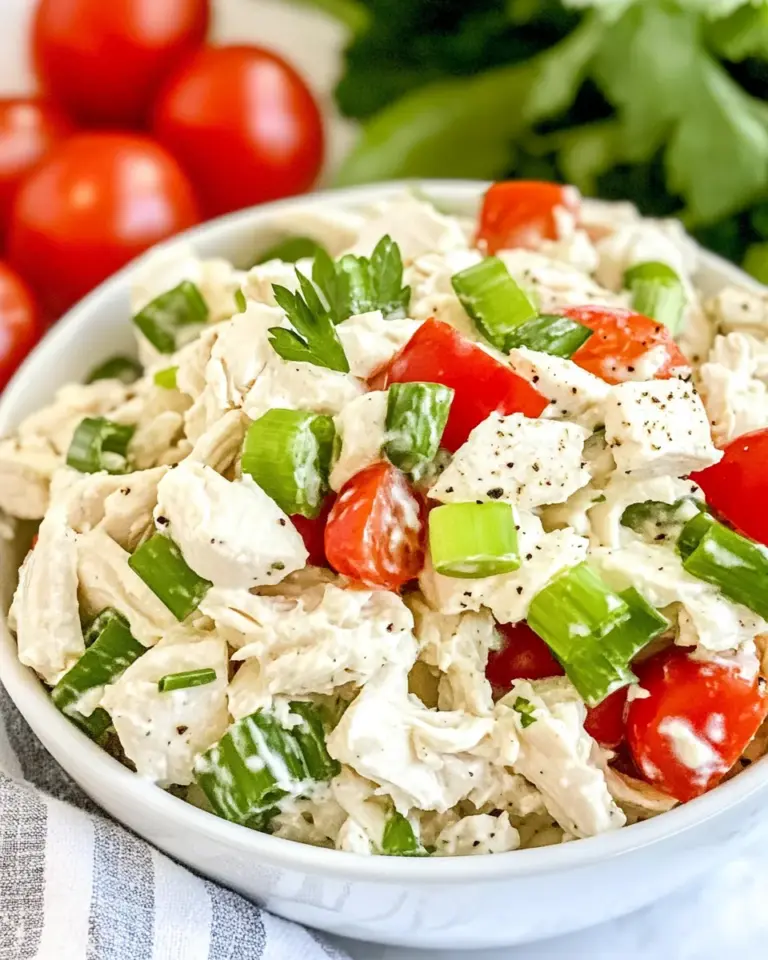

Homemade Caesar Salad Dressing
I love a good Caesar. The tang, the garlic, the salty parmesan and that bright lemon finish—it’s comfort and crunch ally in one. Making the dressing at home is surprisingly quick and rewarding. Once you know the little rhythm of assembling the ingredients, you can tweak it to fit your salad, your mood, or whatever pantry staples you have on hand.
This recipe keeps things straightforward: mayonnaise for body, a little Greek yogurt for tang and creaminess, anchovy paste for that savory backbone, and grated Parmesan to bring everything home. There are no raw eggs to fuss with, no blender required—just a bowl, a whisk, and a little patience to adjust to taste.
Below I walk you through the ingredients and the exact steps, plus practical tips for storage, substitutions, and common mistakes to avoid. Use these notes to make the dressing your own or to keep it reliably classic every time.
Ingredient Breakdown

Ingredients
- ½ cup mayo — the creamy base that gives the dressing body and helps it cling to the lettuce.
- ¼ cup plain Greek yogurt, or sour cream — adds tang and lightens the mayo; Greek yogurt is higher in protein and gives a fresher flavor.
- 1 ½ tsp anchovy paste — concentrated umami that gives Caesar its signature savory depth; a little goes a long way.
- 2 tbsp lemon juice, or more to taste — brightens and balances the richness; add gradually and taste as you go.
- 2 tsp Worcestershire sauce — a complex boost of sweetness, tang, and umami that complements the anchovy paste.
- 3 tbsp grated Parmesan cheese — salty, savory, and essential for texture and classic flavor.
- ¾ tsp salt — seasons the dressing; note that Parmesan and anchovy paste are salty, so taste before adding more.
- ½ tsp minced garlic — gives a fresh, aromatic bite; use more or less depending on how garlicky you like it.
- ¼ tsp black pepper — adds warmth and a subtle bite to balance the acidity.
- water — used to thin the dressing to your preferred consistency, added a tablespoon at a time.
Caesar Salad Dressing Made Stepwise
- Put ½ cup mayo, ¼ cup plain Greek yogurt (or sour cream), 1½ tsp anchovy paste, 2 tbsp lemon juice, 2 tsp Worcestershire sauce, 3 tbsp grated Parmesan cheese, ¾ tsp salt, ½ tsp minced garlic, and ¼ tsp black pepper into a bowl.
- Whisk the ingredients together until smooth and well combined, scraping the sides of the bowl as needed.
- Taste the dressing and, if desired, adjust the flavor by adding more lemon juice and/or a little more salt or pepper; whisk again after any adjustment.
- Gradually add water, 1 tbsp at a time, whisking after each addition, until the dressing reaches your preferred consistency.
- Transfer the dressing to an airtight container, seal, and refrigerate. Store in the fridge for up to 2 weeks.
- Stir or shake the dressing before serving.
Those six steps are all you need. The first step brings everything together in one bowl so the flavors meld early. Whisking until smooth emulsifies the mayo and yogurt with the lemon and sauces—this is what gives you a silky finish that clings to leaves. Tasting and adjusting is the most important part: lemon brightens and salt sharpens, so tweak to your preference. Adding water slowly lets you control whether the dressing coats the leaves like a paste or pours like a light vinaigrette.
Why You’ll Love This Recipe

This version balances luxury and practicality. Using mayonnaise keeps the dressing stable and creamy without raw eggs, while Greek yogurt cuts richness with a clean tang and adds a protein lift. Anchovy paste and Worcestershire give classic Caesar umami without the fuss of fillets, and Parmesan adds the familiar salty, nutty note.
It’s versatile: use it on a classic romaine salad with croutons, drizzle it over grilled vegetables, dress a chicken sandwich, or toss it with roasted potatoes for a savory side. Also, it stores well—the flavor hangs on and often improves after a day as the ingredients marry.
Finally, it’s fast. You can have a full batch whisked together in under ten minutes and be ready for dinner, which is why I keep a jar in my fridge almost always.
Healthier Substitutions

If you want to trim calories or adjust fat without losing creaminess, there are a few respectful swaps you can try:
– Swap full-fat mayo for a light mayo to shave calories, though texture will be slightly thinner. – Replace the mayo entirely with extra Greek yogurt for a tangier, lower-fat dressing; expect a looser mouthfeel and add a touch more lemon or Worcestershire to round it out. – Use low-sodium Worcestershire and a lighter hand with salt to control sodium. – Increase the yogurt and reduce mayo by small increments until you find a balance you like—this keeps the dressing creamy but lighter.
Setup & Equipment
You don’t need special gear. I use a medium mixing bowl, a sturdy whisk, a microplane or fine grater for the Parmesan, a good measuring spoon set, and an airtight jar or container for storage. If you prefer, a mason jar with a lid and a fork works for whisking in a pinch and makes storage simple.
Steer Clear of These
– Don’t skip tasting. Salt and lemon interact with the other ingredients; add them slowly and taste. – Avoid pouring water in all at once. Thin the dressing gradually so you don’t overshoot the consistency. – Don’t overdo anchovy paste—its strength varies by brand. Start with the listed amount and increase only if you want a stronger umami note. – If you’re using pre-grated Parmesan, note that it’s often drier and saltier than freshly grated, so taste before adding extra salt.
Allergy-Friendly Swaps
If someone at the table has allergies or dietary restrictions, there are reasonable swaps that keep the spirit of the dressing:
– Dairy-free: Use a plant-based mayo and a dairy-free yogurt alternative. Add nutritional yeast for a cheesy flavor in place of Parmesan—start small and taste. – Fish/seafood allergy or vegetarian: Omit anchovy paste. To replace the savory depth it provides, add a small splash of soy sauce or a finely chopped, rinsed caper or two for briny complexity; if avoiding soy, try a tiny pinch of kelp granules for a sea-like umami (use sparingly). – Gluten-free: This recipe is naturally gluten-free, but double-check your Worcestershire sauce as some brands contain gluten. Use a certified gluten-free Worcestershire or substitute with balsamic vinegar plus a dash of soy-free tamari if needed.
If You’re Curious
Quick facts and little clarifications that come up when people try homemade Caesar:
– Anchovy paste vs. anchovy fillets: Paste is concentrated and blends smoothly into the dressing. Fillets can be mashed and used instead, but paste is faster and more consistent. – Why both mayo and yogurt?: Mayo provides the emulsified body while yogurt lightens the texture and adds brightness without risk from raw eggs. – Parmesan: Freshly grated melts better into the dressing and carries more flavor than pre-grated powdered versions.
Prep Ahead & Store
Make-ahead is one of this dressing’s strengths. Follow the recipe steps, then refrigerate the sealed dressing. The source directions recommend storing it in the fridge for up to 2 weeks—use within that window for best flavor and food safety. Keep it cold and always give it a good stir or shake before serving; separation is normal and whisking brings it back together.
If you plan to use the dressing for an event, make it a day ahead to let the flavors meld. If it seems too thick after chilling, whisk in a tablespoon of water at a time to loosen it. Never leave the dressing out at room temperature for long periods—return it to the fridge between servings.
Handy Q&A
Q: Can I omit anchovy paste? A: Yes. You’ll lose some of the dressing’s traditional umami, but you can compensate with a touch more Worcestershire or a pinch of finely chopped capers for brininess.
Q: How long does this dressing last? A: Store in the refrigerator for up to 2 weeks as noted above. Always use clean utensils to avoid contamination and smell/taste before using if it’s been stored for several days.
Q: Can I double the recipe? A: Absolutely. Keep the ratios the same and whisk in a bowl large enough to combine everything. Transfer to sealed containers for storage.
Q: Will leftovers separate? A: Yes—whisking or shaking will re-emulsify the dressing. If it’s gotten very separated, a quick whisk with a tablespoon of water helps reintegrate the ingredients.
The Last Word
This Caesar dressing is an easy, reliable way to bring restaurant-style flavor to your salads and plates at home. It’s forgiving, quick, and stores well, making it a pantry friend for weeknight dinners and weekend entertaining alike. Start with the amounts in the recipe, taste as you go, and don’t be afraid to make small adjustments to match your personal preference. Keep a jar in the fridge—it makes turning ordinary greens into something special effortless.
If you try it, tell me how you like to serve it: tossed with crisp romaine and croutons, spooned over grilled chicken, or even as a dip for crudité. Happy whisking!

Homemade Caesar Salad Dressing
Ingredients
Ingredients
- 1/2 cupmayo
- 1/4 cupplain Greek yogurt or sour cream
- 1 1/2 tspanchovy paste
- 2 tbsplemon juice or more to taste
- 2 tspWorcestershire sauce
- 3 tbspgrated parmesan cheese
- 3/4 tspsalt
- 1/2 tspminced garlic
- 1/4 tspblack pepper
- water
Instructions
Instructions
- Put ½ cup mayo, ¼ cup plain Greek yogurt (or sour cream), 1½ tsp anchovy paste, 2 tbsp lemon juice, 2 tsp Worcestershire sauce, 3 tbsp grated Parmesan cheese, ¾ tsp salt, ½ tsp minced garlic, and ¼ tsp black pepper into a bowl.
- Whisk the ingredients together until smooth and well combined, scraping the sides of the bowl as needed.
- Taste the dressing and, if desired, adjust the flavor by adding more lemon juice and/or a little more salt or pepper; whisk again after any adjustment.
- Gradually add water, 1 tbsp at a time, whisking after each addition, until the dressing reaches your preferred consistency.
- Transfer the dressing to an airtight container, seal, and refrigerate. Store in the fridge for up to 2 weeks.
- Stir or shake the dressing before serving.
Equipment
- Bowl
- Whisk
- Airtight container
- Refrigerator