Hibiscus Elderberry Ginger Tea
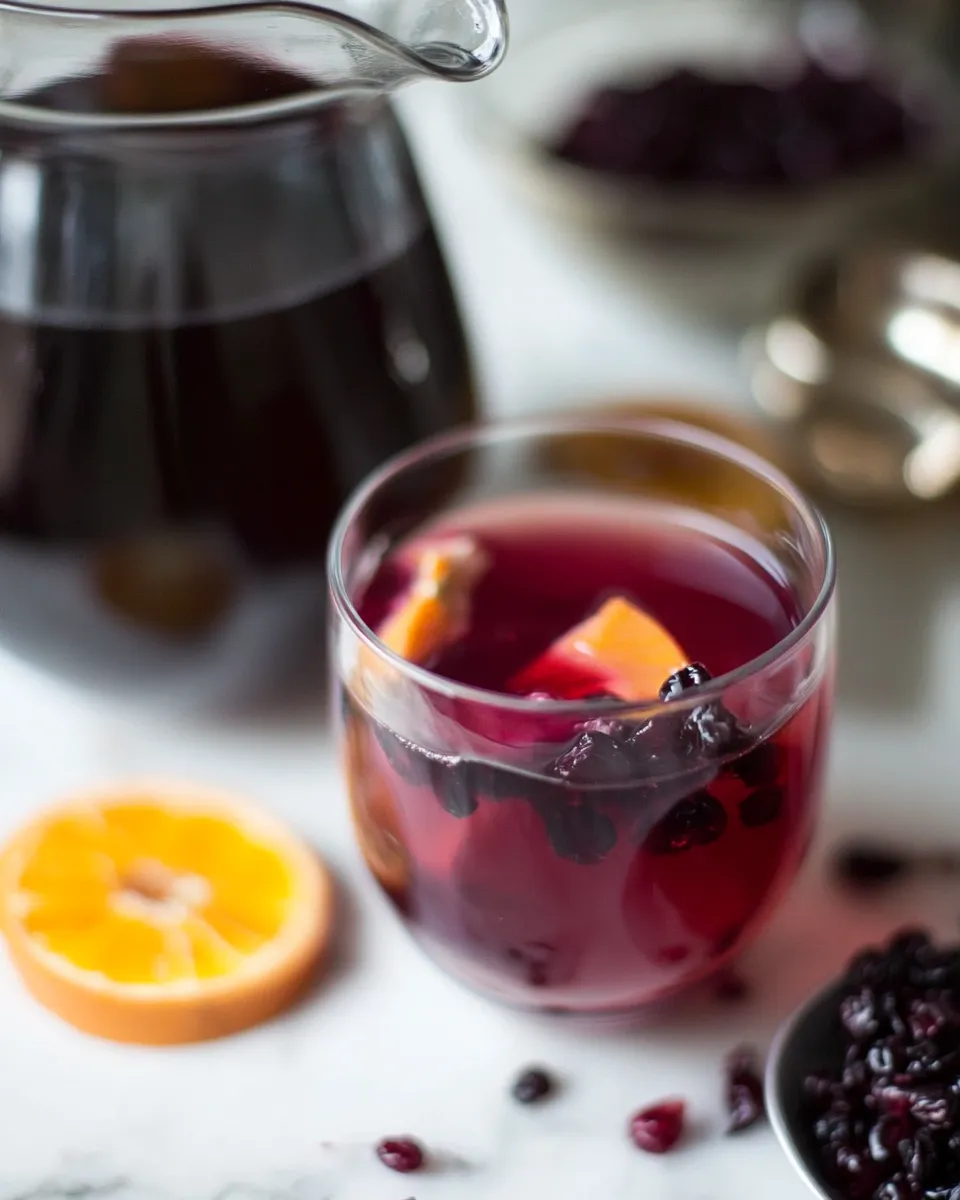
I make this hibiscus elderberry ginger tea all year long. It’s tart, deep, and warming in equal measure — a drink that brightens a hot afternoon and stabilizes a chilly evening. The color is the first thing that gets people to the table, and the flavor keeps them there.
What I love about this blend is how straightforward it is. Few ingredients, minimal hands-on time, and real flexibility for sweetening and strength. It works as a chilled pitcher at a barbecue and as a warmed, soothing cup when you’re under the weather.
Below you’ll find the exact ingredient list and step-by-step directions I use, plus practical tips, storage advice, and sensible variations so you can make it your own without guessing at quantities or technique.
What’s in the Bowl

This recipe leans on three bold players: hibiscus for bright tartness and color, elderberries for a rounded fruitiness, and ginger for warmth and bite. Orange peel and cinnamon are optional, but they mellow and sweeten the edge without adding sugar. The result is a versatile concentrate you can sip straight, dilute, or sweeten to taste.
Ingredients
- 8 cups water — base for steeping and the solvent that pulls flavor and color from the botanicals.
- 1/4 cup dried hibiscus flowers — provides tartness, vivid red color, and floral citrus notes.
- 1/4 cup elderberries — adds depth and fruity body; dried elderberries rehydrate and flavor the brew.
- 2 tbsp fresh ginger, minced or grated — gives a fresh, spicy lift and warmth.
- 2 cinnamon sticks, optional — softens tartness with gentle woody sweetness if you choose to include them.
- 1/4 cup fresh orange peels, about 1/2 orange, or 1 tbsp dried orange peel — bright citrus aromatics; use fresh for lively oils or dried for convenience.
- agave or other sweetener to taste — sweeten after steeping so you control the balance between tart and sweet.
Hibiscus Elderberry Ginger Tea: Step-by-Step Guide
- Place 8 cups water in a large pot and bring to a boil.
- Remove the pot from the heat. Add 1/4 cup dried hibiscus flowers, 1/4 cup elderberries, 2 tablespoons fresh ginger (minced or grated), 1/4 cup fresh orange peels (about 1/2 orange) or 1 tablespoon dried orange peel, and 2 cinnamon sticks (optional). Stir to combine.
- Cover the pot with a lid and let the mixture steep for about 30 minutes.
- After steeping, strain the tea into a large pitcher, discarding the solids.
- Taste the tea and sweeten with agave or another sweetener to taste, stirring until dissolved.
- If the tea is too strong, dilute with cold water to your preferred strength.
- Chill the pitcher in the refrigerator before serving.
Why I Love This Recipe
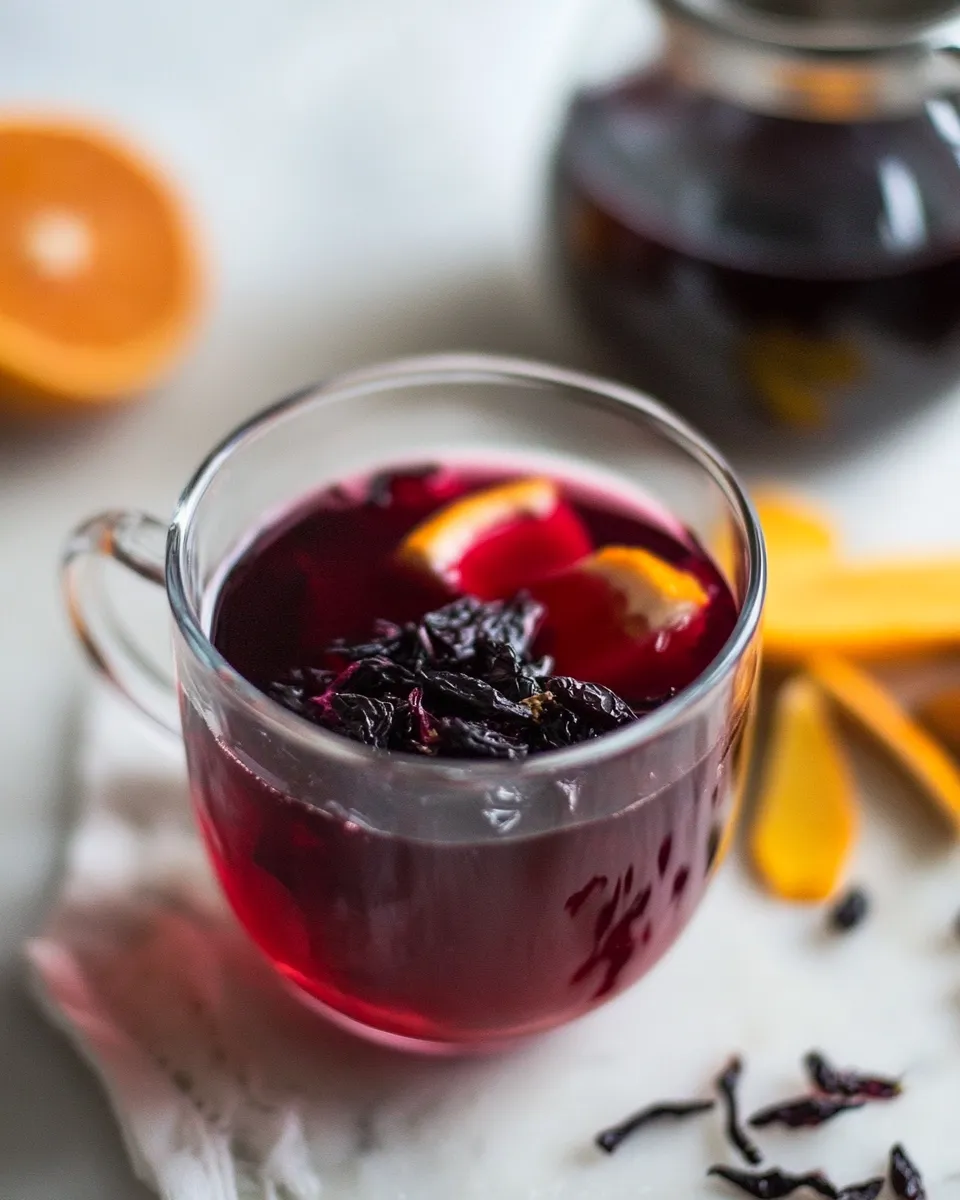
This tea is a reliable crowd-pleaser because it balances tart, sweet, and spicy without being cloying. Hibiscus gives you immediate brightness; elderberries add fruity depth that keeps the profile from feeling one-note. Ginger ties the whole thing together with a clean spice that doesn’t interfere with the tea’s color or clarity.
It’s economical too. Dried hibiscus and elderberries store well and make multiple batches. Once you have the basics on hand, you can turn out a pitcher in under an hour — most of that time is hands-off steeping.
Another upside: control. You steep first, then sweeten to taste and dilute if needed. That makes it easy to tune for kids, for guests who prefer mild drinks, or for those wanting a concentrated cordial to mix into cocktails or sparkling water.
International Equivalents
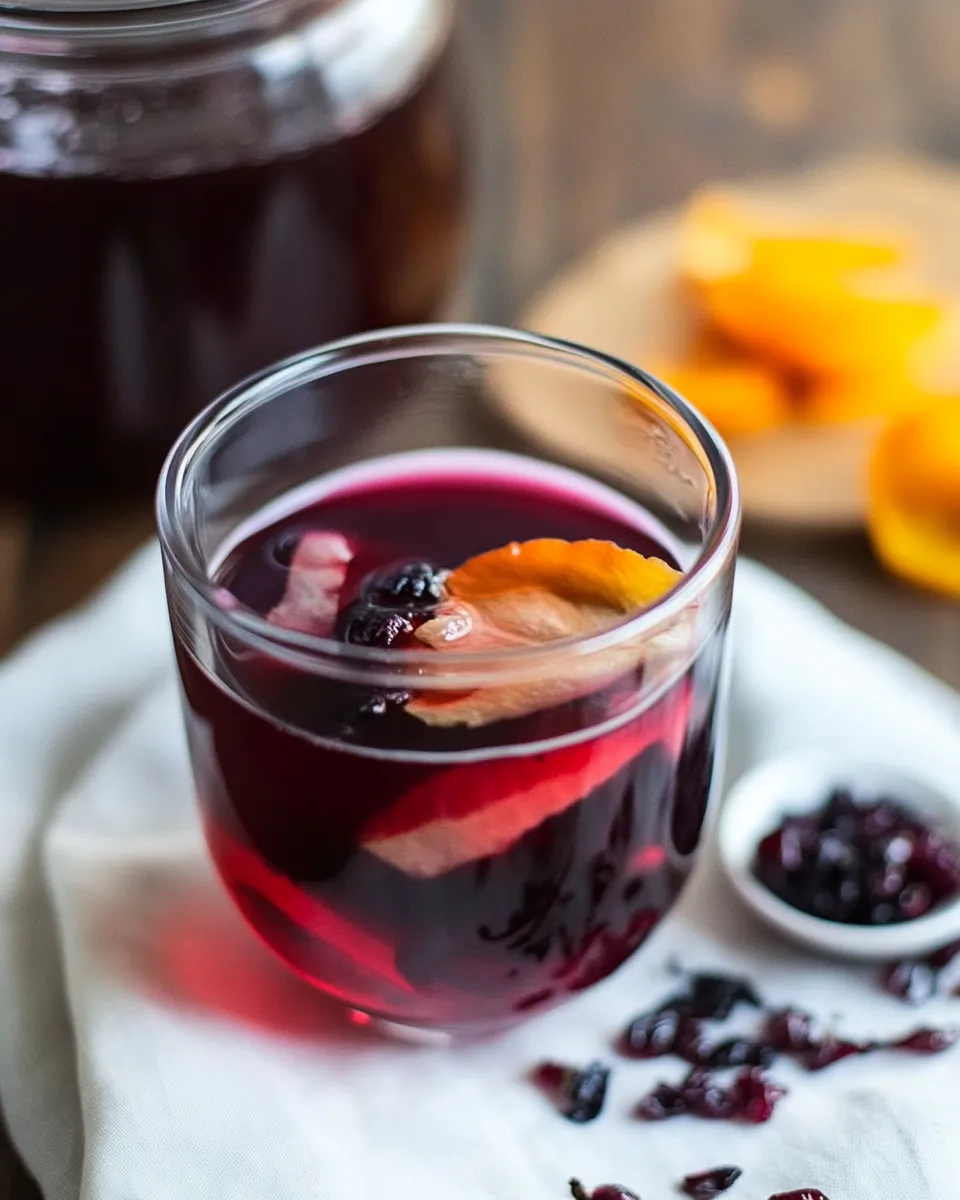
The hibiscus component is familiar worldwide. In North Africa and the Middle East, a similar drink goes by names like karkade and is often served sweetened. In Mexico and across Latin America, agua de jamaica is the hibiscus infusion you’ll find at street stands and family tables. Elderberry is less common in those exact drinks, but the idea of combining tart floral with warming spice exists in many cultures.
This tea is essentially a hybrid: hibiscus-forward like Jamaica or karkade, rounded by elderberry like a European fruit infusion, and given a ginger kick that nods to Asian and Caribbean traditions. The format — steep, strain, sweeten, chill — is a global, time-tested technique.
Equipment Breakdown
- Large pot — for bringing the 8 cups of water to a boil and steeping the ingredients.
- Lid for the pot — keeps volatile aromatics from escaping during steep.
- Fine-mesh strainer or sieve — to separate flowers, berries, peels, and cinnamon from the liquid.
- Large pitcher — for mixing, chilling, and serving the strained tea.
- Measuring cups and spoons — for accurate ingredient amounts.
- Peeler or zester (if using fresh orange peel) — to remove just the bright outer skin without the bitter pith.
- Grater or knife for the ginger — either works; grate for a finer distribution, mince for a chunkier presence.
Easy-to-Miss Gotchas
- Steeping time matters. Thirty minutes gives good extraction without turning the brew excessively astringent. Longer steeping will increase bitterness from the hibiscus.
- Don’t overdo the pith. If you use fresh orange peel, peel only the orange’s colored skin; the white pith underneath is bitter and can muddy the flavor.
- Strain thoroughly. Small pieces of hibiscus or elderberry left in the pitcher will continue to infuse and can alter the flavor and texture over time.
- Sweeten after steeping. Adding sweetener before tasting can lead you to over-sweeten because the liquid tastes tarter hot than cold.
- Optional cinnamon sticks are exactly that: optional. They soften the tartness, but if you want a purely bright herbal drink, leave them out.
Year-Round Variations
Keep the ingredient list the same but change how you serve and tweak strength to suit the season:
- Summer pitcher: steep as written, sweeten lightly, dilute to taste, and serve over ice. Add extra cold water if you prefer a milder sip.
- Winter warm-up: make the batch and reheat gently on the stove (don’t boil). Serve warm in mugs for a soothing, spiced beverage.
- Cordial concentrate: halve the water for a concentrated syrup-style infusion. Chill and dilute at serving — this saves fridge space and is handy for cocktails or soda mixers.
- Adjust the ginger: double it for more bite, or reduce it if you want a softer, fruit-forward cup. The rest of the ingredients stay the same.
If You’re Curious
Is dried elderberry safe? The recipe uses dried elderberries, which are standard for infusions. Proper drying and rehydration in hot water is the normal method used in many elderberry preparations. If you have specific health concerns, check with a trusted source or healthcare professional.
Can I use fresh hibiscus or elderberry? This recipe specifies dried hibiscus flowers and dried elderberries. Fresh botanicals have different water content and flavor concentration, so they would require recalculating amounts and likely longer simmering. Stick to the listed dried ingredients for predictable results.
Why remove the pot from heat before adding the botanicals? Pouring the boiling water off heat and then adding the ingredients allows for a gentler extraction. It preserves aromatics and reduces the risk of over-extracting tannins. Covering while steeping keeps the volatile oils and aromas in the pot.
Make-Ahead & Storage
Make this in a large batch and store it chilled. Once strained and sweetened, the tea keeps neatly in the refrigerator for about 4–5 days. Keep it covered in a sealed pitcher or airtight container to maintain freshness and prevent absorption of other fridge odors.
If you want longer storage, freeze portions in ice cube trays or freezer-safe containers. Thaw in the fridge or add frozen cubes to sparkling water for instant spritzers. If you make a concentrate, refrigerate it for the same length of time and dilute at serving.
Quick Questions
- Can I omit the cinnamon? Yes. The cinnamon sticks are optional and only mellow the tartness; omit them for a brighter, sharper profile.
- What sweetener works best? The recipe suggests agave, but you can use any sweetener you prefer. Add it after steeping and taste as you go.
- Is it better hot or cold? Both. It’s excellent chilled as an iced tea and very comforting warmed with a little extra ginger.
- Can kids drink this? Yes, once sweetened to taste and cooled. Adjust the ginger to make it milder if needed.
Ready, Set, Cook
This is a tea you can make confidently. Measure, boil, steep, strain, sweeten, and chill — the method is simple and repeatable. Start with the exact ingredients listed here and then adjust ginger and sweetness until it fits your household’s taste. I keep a jar of the dried herbs in the pantry and a pitcher in the fridge most weeks. Try it once as written and then make it yours.
When you do make it, pour a small cup first, taste it, and adjust. That single act of tasting before serving saves a lot of “too sweet” or “too strong” guesses. Cheers to a reliable, flavorful brew you can lean on any season.
Hibiscus Elderberry Ginger Tea
Ingredients
Ingredients
- 8 cupswater
- 1/4 cupdried hibiscus flowers
- 1/4 cupelderberries
- 2 tbspfresh ginger minced or grated
- 2 cinnamon sticks optional
- 1/4 cupfresh orange peels about 1/2 orange, or 1 tbsp dried orange peel
- agave or other sweetener to taste
Instructions
Instructions
- Place 8 cups water in a large pot and bring to a boil.
- Remove the pot from the heat. Add 1/4 cup dried hibiscus flowers, 1/4 cup elderberries, 2 tablespoons fresh ginger (minced or grated), 1/4 cup fresh orange peels (about 1/2 orange) or 1 tablespoon dried orange peel, and 2 cinnamon sticks (optional). Stir to combine.
- Cover the pot with a lid and let the mixture steep for about 30 minutes.
- After steeping, strain the tea into a large pitcher, discarding the solids.
- Taste the tea and sweeten with agave or another sweetener to taste, stirring until dissolved.
- If the tea is too strong, dilute with cold water to your preferred strength.
- Chill the pitcher in the refrigerator before serving.
Equipment
- Large Pot
- Lid
- Strainer
- Pitcher
- Refrigerator