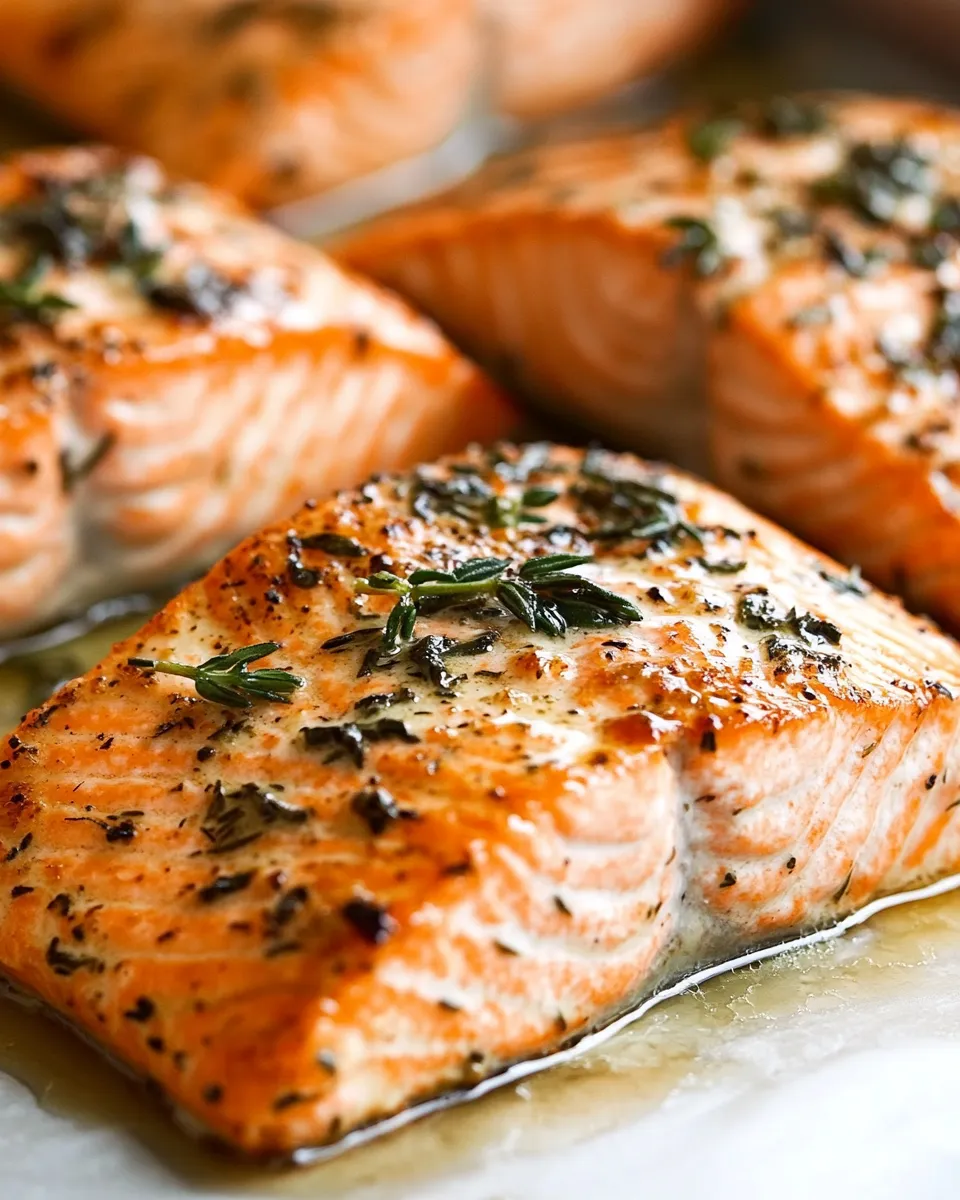
Herb Butter Salmon
This is the salmon recipe I reach for when I want something simple, satisfying, and reliably delicious. It’s fast to pull together, forgiving on timing, and the herb butter adds a fresh, bright finish that makes the fillet feel special without fuss. If you’re short on time but still want a dinner that tastes like you cared, this one fits the bill.
Broiling gets a lovely edge on the top while keeping the inside moist — especially when you remove the fish and spoon that lemony herb butter over it at the end. The method is straightforward and works with a single rimmed baking sheet and a small bowl. You’ll notice the difference that fresh parsley and dill make, even though the ingredient list is short.
Read through the steps once, set the oven and prep the herb butter while the salmon cooks. The whole thing comes together fast, and the results are worth it: crisp-tipped, tender salmon with a glossy, aromatic finish. No unnecessary steps. Just tasty, reliable cooking.
Gather These Ingredients

Everything here is pantry-friendly or easy to pick up at the market. I list the ingredients exactly as used in the recipe so you can shop and prep without guessing.
Ingredients
- 1 ½ – 2 pounds wild-caught salmon — the main protein; wild-caught gives a firmer texture and more pronounced flavor.
- 1 tablespoon olive oil — used to lightly coat the tops so seasoning adheres and the surface sears under the broiler.
- ¼ cup melted butter — the base of the herb butter; provides richness and helps the herbs bloom.
- 1 tablespoon lemon juice — brightens the butter and cuts through the fat.
- 1 tablespoon chopped parsley — fresh parsley adds color and a clean herbal note.
- 1 teaspoon chopped dill — dill pairs naturally with salmon; a little goes a long way.
- 1 clove garlic, minced — gives a savory lift; mince fine so it mixes evenly into the butter.
- Salt and pepper — season generously; they’re essential for bringing out the salmon’s flavor.
Herb Butter Salmon: How It’s Done
- Preheat the oven on broil and move the top rack so the salmon will be about 6 inches from the heat source.
- Pat the 1 ½–2 pounds wild-caught salmon dry with paper towels. Cut the fillet into individual portions and place them on a rimmed baking sheet, skin-side down if the skin is attached.
- Brush the tops of each portion with the 1 tablespoon olive oil, then season generously with salt and pepper.
- Broil the salmon 5–8 minutes, depending on thickness; start checking at 5 minutes. The salmon is done when it flakes easily and is cooked to your preferred doneness (it’s better to undercook slightly than overcook).
- While the salmon broils, stir together ¼ cup melted butter, 1 tablespoon lemon juice, 1 tablespoon chopped parsley, 1 teaspoon chopped dill, and 1 clove garlic (minced) in a small bowl.
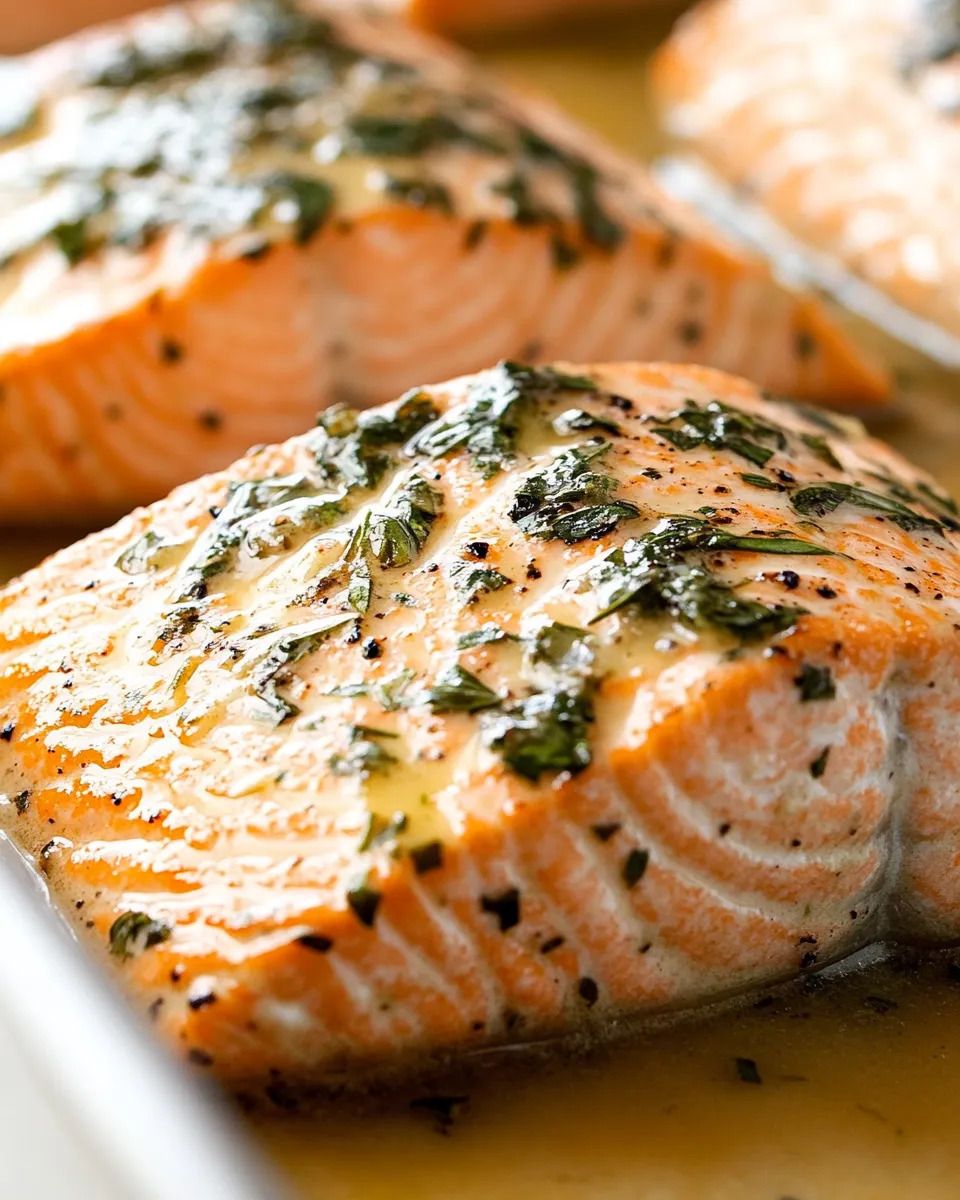
- Remove the salmon from the oven, brush the tops with the herb butter mixture, and serve warm.
Reasons to Love Herb Butter Salmon
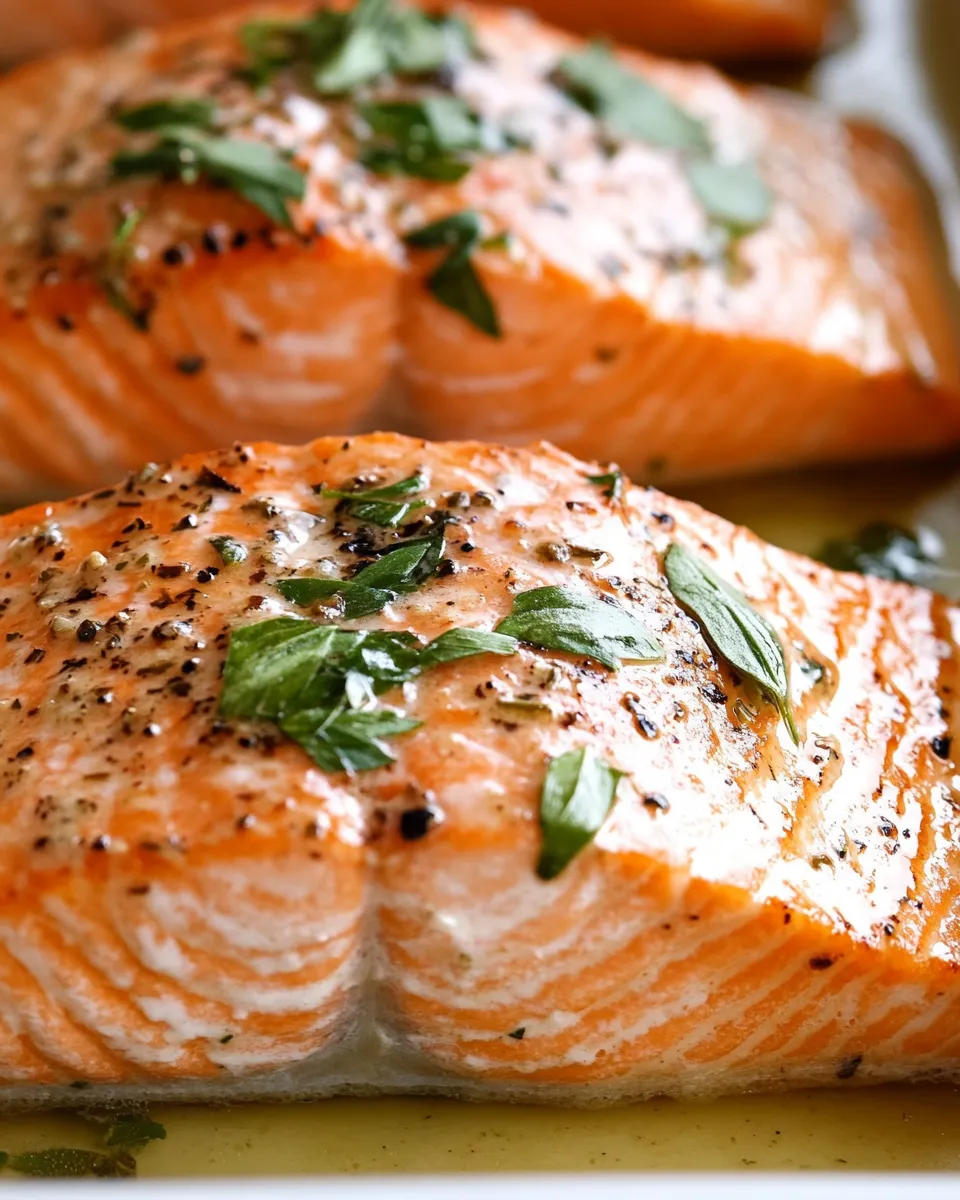
- Speed: From oven to plate in under 20 minutes for most fillets.
- Flavor balance: The butter brings richness, lemon cuts through it, and parsley/dill add freshness.
- Flexible doneness: Broiling lets you control how set or rosy you want the center.
- Minimal cleanup: One rimmed sheet and one small bowl — easy weeknight win.
- Impressive results: Simple technique, restaurant-style finish.
Healthier Substitutions
- Replace part or all of the melted butter with extra-virgin olive oil to reduce saturated fat. The flavor will shift but remain lovely with lemon and herbs.
- Use less butter — try 2 tablespoons melted butter combined with 2 tablespoons olive oil — for a lighter finish while preserving gloss and flavor.
- Choose farmed salmon if wild-caught isn’t available, but be mindful that texture and fat content will differ; adjust cook time accordingly.
- For a lower-sodium option, season lightly with salt and finish with a squeeze of fresh lemon to enhance flavor without relying on salt.
Toolbox for This Recipe
- Rimmed baking sheet — contains juices and makes cleanup simple.
- Small bowl — to mix the herb butter.
- Pastry brush or spoon — for brushing the oil and later the herb butter onto the fillets.
- Paper towels — for patting the salmon dry, which helps it sear better under the broiler.
- Sharp knife — to portion the fillet into even pieces so they cook uniformly.
- Oven mitts and timer — essential safety gear when working with the broiler.
Slip-Ups to Skip
- Don’t skip patting the salmon dry. Moisture on the surface steams the fish and prevents that lightly crisped exterior you want from broiling.
- Avoid crowding the pan. Give portions a little space so hot air can circulate and the tops broil evenly.
- Don’t walk away during broiling. Broilers are intense; five minutes can be perfect, eight minutes can be very well done.
- Don’t skip the lemon juice in the butter. It’s key for balancing richness; without it the butter tastes flat.
- Avoid applying herb butter before broiling. The herbs and garlic can scorch; adding it after keeps flavors bright and fresh.
Smart Substitutions
- Parsley swap: If you don’t have parsley, substitute cilantro for a different green note, or use chives for a mild oniony hint.
- Dill alternatives: Tarragon or a small pinch of fennel fronds give a similar anise-like lift if dill isn’t on hand.
- Garlic options: Use ¼ teaspoon garlic powder if you don’t have fresh garlic, but reduce slightly to avoid a harsh bite.
- Acid: Swap lemon juice for a splash of white wine vinegar in a pinch; it will brighten the butter though the flavor will be sharper.
Cook’s Notes
Thickness determines cook time. A 1-inch thick portion will likely be done around 5–6 minutes under a typical broiler. Thicker pieces — 1½ inches or more — need the full 7–8 minutes and a check for flakiness. If you prefer salmon slightly underdone in the center, pull at the earlier end of the range; it will continue to carryover cook a little once out of the oven.
If your fillet has skin and you like it, place it skin-side down on the sheet. The skin helps protect the flesh and can crisp under the broiler if it’s dry and not crowded. For easier serving, use a thin spatula to lift the flesh away from the skin after broiling.
Let the herb butter sit at room temperature while the salmon cooks so it remains fluid and glossy when brushed over the hot fillets. If your butter firms up, microwave it for a few seconds to loosen it; you want it pourable but not hot.
Storing, Freezing & Reheating
- Refrigerate: Store cooked salmon in an airtight container for up to 3 days. Keep the herb butter separate if you prefer to reheat without it and brush it on right before serving.
- Freeze: For longer storage, wrap individual portions tightly in plastic wrap and freeze for up to 2 months. Thaw overnight in the refrigerator before reheating.
- Reheat gently: Warm leftovers in a 275°F oven (135°C) on a baking sheet for 8–10 minutes, or until warmed through. High heat will dry the fish. Alternatively, reheat in a covered skillet over low heat with a splash of water and finish with fresh herb butter.
Reader Questions
Q: Can I use the same recipe on a grill?
A: Yes. Preheat the grill to medium-high, oil the grates, and cook skin-side down until the salmon releases easily, then flip briefly if desired. Finish by brushing the herb butter on off the heat so it stays fresh.
Q: What if I only have frozen salmon?
A: Thaw it overnight in the fridge before cooking. Pat it very dry to remove excess moisture, then follow the broiling instructions. Frozen-to-cooked without thawing will generally produce uneven results.
Q: Can I make the herb butter ahead of time?
A: Yes. Mix it and refrigerate in a sealed container for up to 2 days. Rewarm gently before brushing onto hot salmon. If refrigerated, the butter will firm — let it come to room temperature so it’s easy to spread.
Q: Is broiling the only method?
A: No. You can pan-sear the salmon skin-side down, then finish in a hot oven for a minute or two, or bake at 400°F until done. The broiler, however, gives the quickest sear on top and a nice finish for the herb butter.
In Closing
This Herb Butter Salmon recipe is short on steps but big on payoff. Clean flavors, minimal cleanup, and flexible timing make it a weekday hero and a weeknight showstopper. Keep the herbs fresh, watch the broiler closely, and you’ll have a moist, flavorful fillet every time. Enjoy it with a simple salad, roasted vegetables, or a scoop of rice — and don’t forget to spoon any leftover herb butter over the sides.

Herb Butter Salmon
Ingredients
Ingredients
- 1 1/2 – 2 poundswild caught salmon
- 1 tablespoonolive oil
- 1/4 cupmelted butter
- 1 tablespoonlemon juice
- 1 tablespoonchopped parsley
- 1 teaspoonchopped dill
- 1 clovegarlicminced
- Salt and pepper
Instructions
Instructions
- Preheat the oven on broil and move the top rack so the salmon will be about 6 inches from the heat source.
- Pat the 1 ½–2 pounds wild-caught salmon dry with paper towels. Cut the fillet into individual portions and place them on a rimmed baking sheet, skin-side down if the skin is attached.
- Brush the tops of each portion with the 1 tablespoon olive oil, then season generously with salt and pepper.
- Broil the salmon 5–8 minutes, depending on thickness; start checking at 5 minutes. The salmon is done when it flakes easily and is cooked to your preferred doneness (it’s better to undercook slightly than overcook).
- While the salmon broils, stir together ¼ cup melted butter, 1 tablespoon lemon juice, 1 tablespoon chopped parsley, 1 teaspoon chopped dill, and 1 clove garlic (minced) in a small bowl.
- Remove the salmon from the oven, brush the tops with the herb butter mixture, and serve warm.
Equipment
- Oven Broiler
- Rimmed Baking Sheet
- Paper Towels
- Small Bowl
- Basting Brush
Notes
Feel free to swap the parsley and dill for any herb you prefer!
While this dish is best to enjoy when freshly prepared, leftovers will keep well for
up to 3 days
. Transfer cooled leftover salmon to a sealed container and store in the refrigerator.