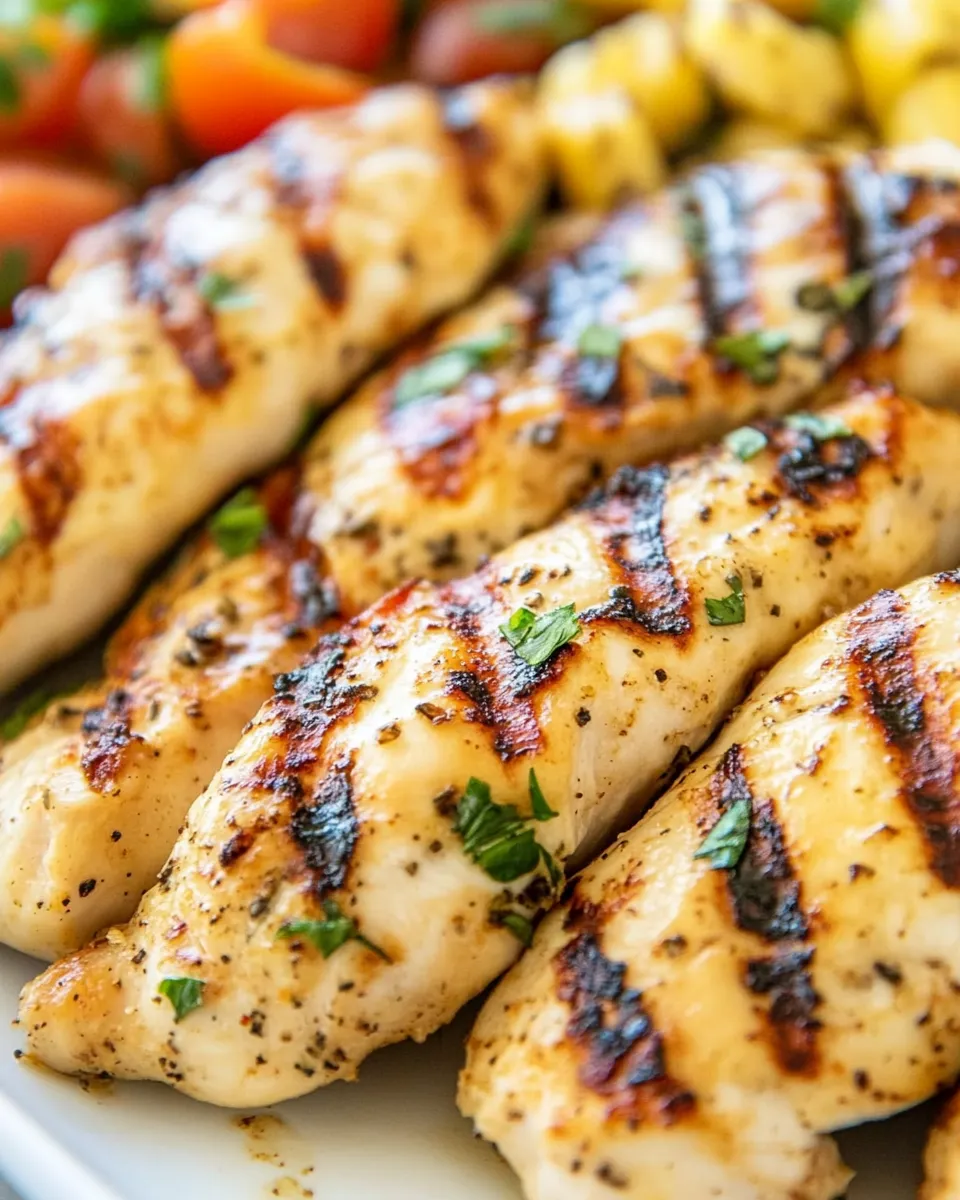
Grilled Chicken Tenders
I love recipes that work weeknight to weekend, and these grilled chicken tenders are one of those dependable dishes. They come together with a handful of pantry staples, grill up fast, and reward you with juicy, slightly charred bites every time. No fuss, just good technique and a straightforward marinade.
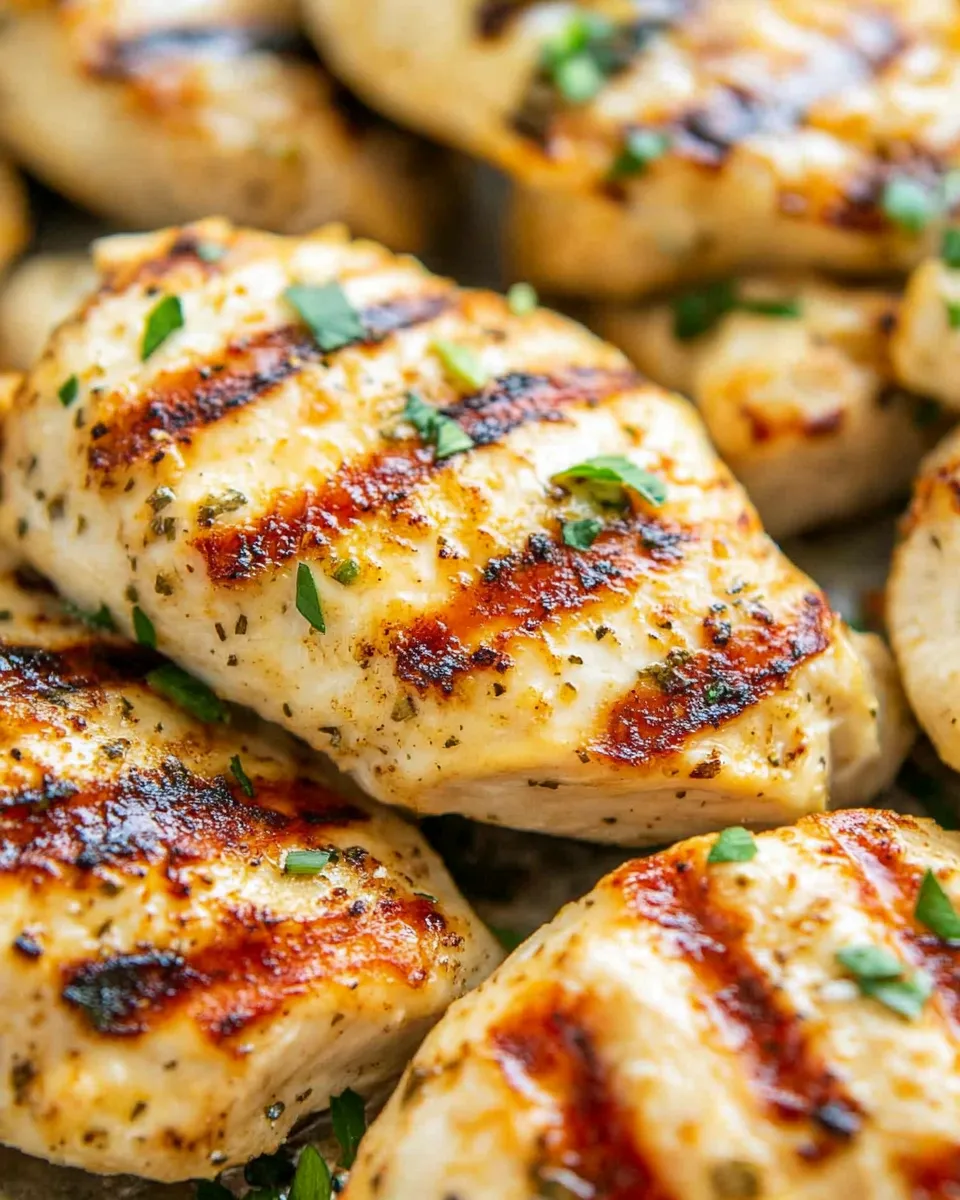
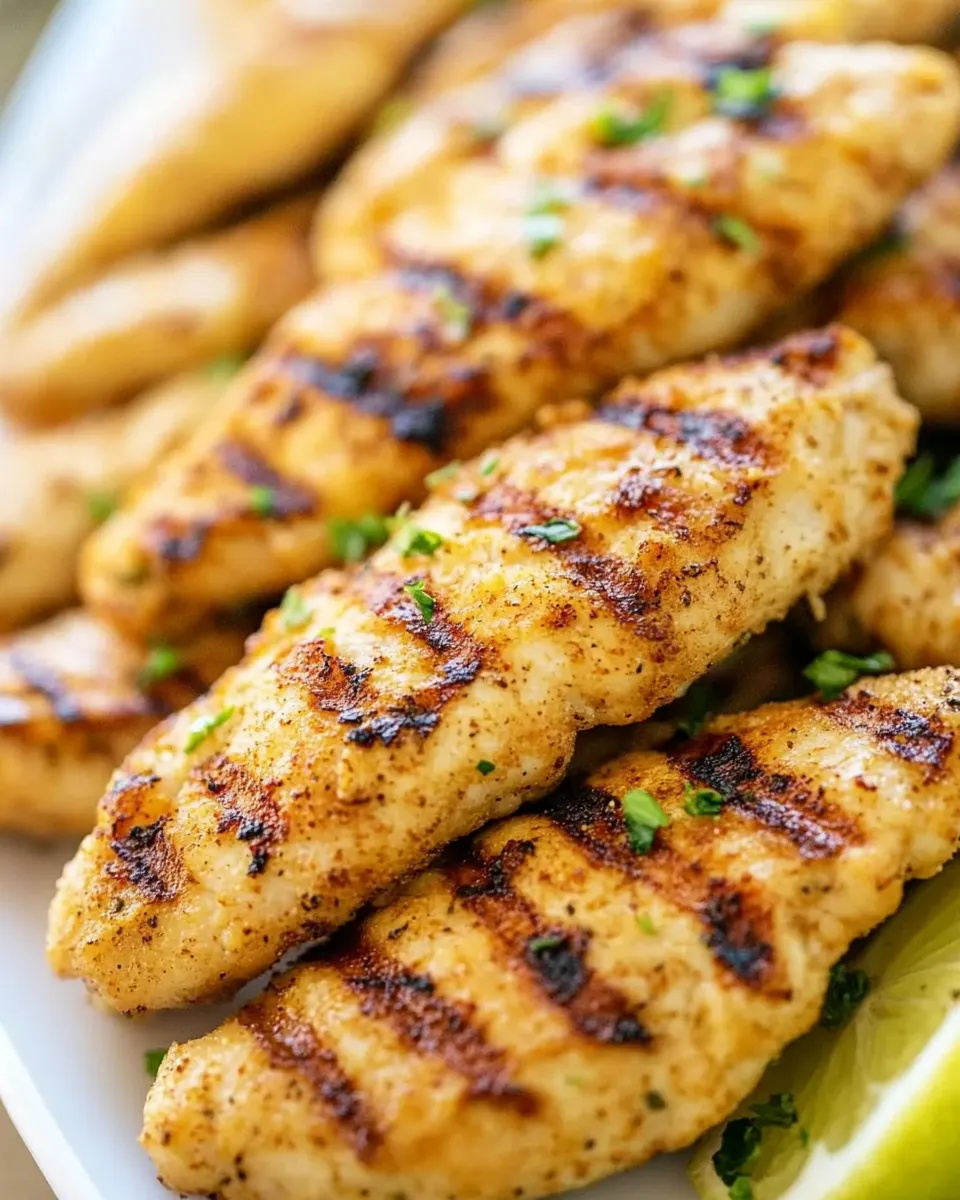
Whether you’re feeding a hungry family, packing a protein-rich lunch, or building a plate of salads and sides, these tenders adapt easily. The bright lemon and dried herbs in the marinade keep the flavor clean and fresh, while the quick grill gives you those pleasing grill marks and a smoky edge.
Below you’ll find the ingredient rundown, the exact step-by-step method I use, troubleshooting pointers, and simple swaps if you need them. Read it through, grill with confidence, and expect reliable results.
Ingredient Rundown

Ingredients
- 1 pound (450 g) chicken tenders — they’re called mini chicken fillets in the UK; main protein that cooks quickly and stays tender when not overcooked.
- 2 tablespoons olive oil — carries the marinade, helps with browning, and prevents sticking on the grill.
- 2 tablespoons lemon juice — adds brightness and mild acidity to tenderize slightly and lift the overall flavor.
- 1 teaspoon dried thyme — offers a gentle herbal backbone; dried works well because it concentrates flavor.
- 1 teaspoon dried oregano — brings an earthy, slightly peppery note that pairs beautifully with lemon and thyme.
- ½ teaspoon salt — seasons the meat; adjust to taste but this amount seasons the pound of chicken without overpowering.
- ¼ teaspoon ground black pepper — a bit of warmth and contrast; freshly ground if you have it.
Step-by-Step: Grilled Chicken Tenders
- In a large mixing bowl, add 2 tablespoons olive oil, 2 tablespoons lemon juice, 1 teaspoon dried thyme, 1 teaspoon dried oregano, ½ teaspoon salt, and ¼ teaspoon ground black pepper. Whisk until well combined.
- Add 1 pound (450 g) chicken tenders to the bowl and toss or stir until each piece is evenly coated in the marinade. Cover the bowl with plastic wrap and refrigerate for at least 30 minutes and up to 8 hours.
- When ready to cook, preheat your grill or grill pan to medium-high heat. Remove the chicken from the fridge while the grill heats. Discard any remaining marinade that contacted the raw chicken.
- Lightly oil the grill grates or the surface of the grill pan (you may use a small amount of the olive oil from the marinade or a little extra oil). Place the chicken tenders on the preheated grill in a single layer.
- Grill the tenders 3–5 minutes on the first side without moving them, then flip and grill 3–5 minutes on the second side, until cooked through (about 6–10 minutes total, depending on the size of the tenders). Chicken is done when juices run clear and the internal temperature reaches 165°F (74°C).
- Remove the chicken from the grill and let the tenders rest for 3–5 minutes before serving.
Why This Recipe is a Keeper
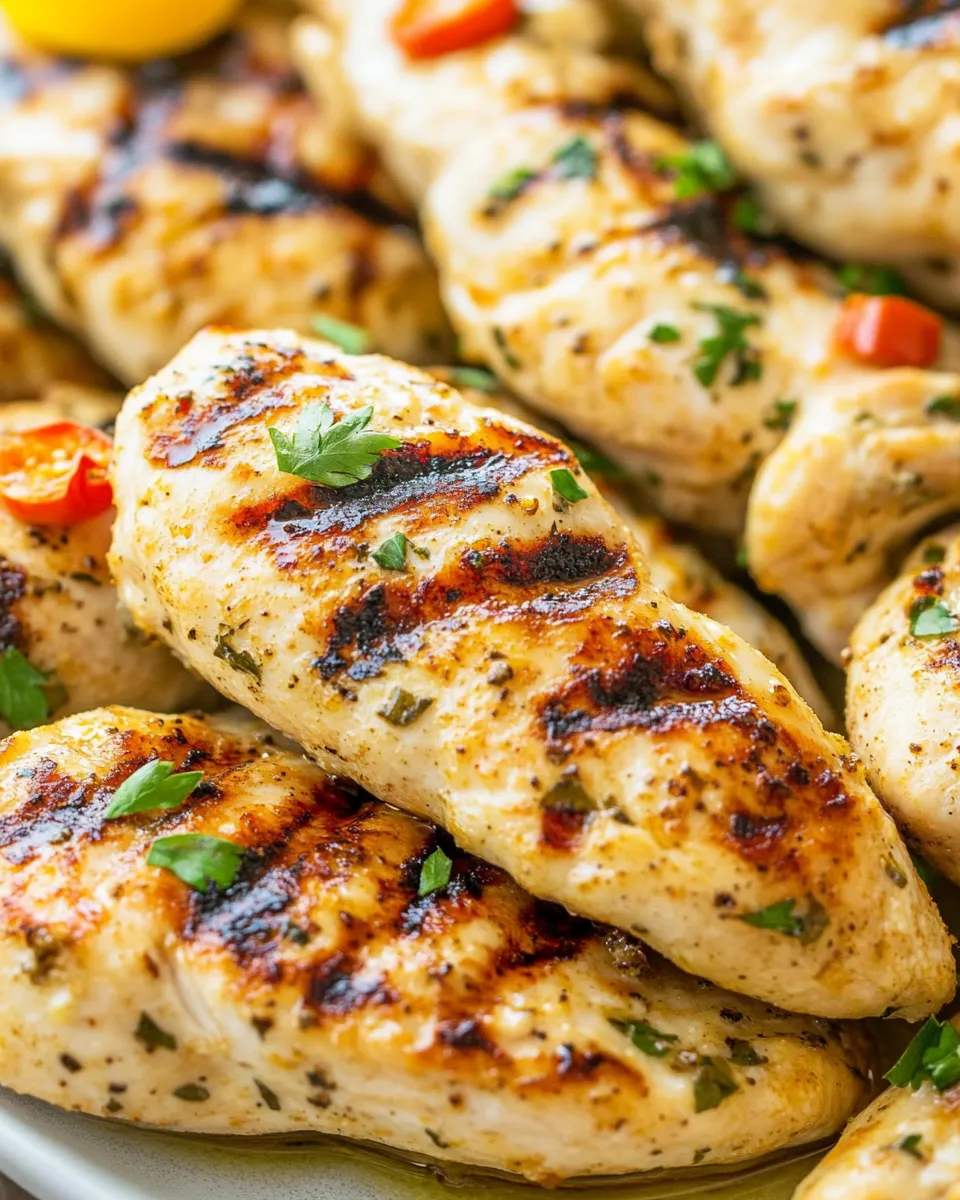
There are a few reasons I keep coming back to this recipe. First, it’s fast: the active hands-on time is minimal and the total cook time is short. For busy nights, that matters. Second, the ingredients are pantry-friendly. Olive oil, dried herbs, lemon juice, salt, and pepper are staples in most kitchens, so you rarely need a special trip to the store.
Third, the technique is forgiving. Marinating for as little as 30 minutes gives you good flavor, and the tenders are small enough that they cook through quickly without drying out—provided you watch the time and let them rest. Finally, the results are versatile. Serve the tenders with greens, tuck them into wraps, or slide them onto skewers for an easy party platter.
Vegan & Vegetarian Swaps
If you want the same flavor profile without chicken, try a few plant-based options that hold up to the marinade and grill:
- Firm tofu: press it to remove excess moisture, slice into strips roughly the size of tenders, and marinate. Grill carefully to get color without breaking pieces.
- Seitan or store-bought plant-based chicken strips: use the same marinade and grill until crisped at the edges.
- Thick-cut portobello or cauliflower steaks: brush with marinade and grill for a hearty alternative that soaks up the herbs and lemon.
Before You Start: Equipment
Getting the right tools together saves time and stress. You don’t need fancy equipment, but a few basics help:
- Grill or grill pan: A hot, clean surface gives color and char. A ridged grill pan works well indoors.
- Large mixing bowl: Enough room to toss the tenders in marinade without splashing.
- Tongs: For flipping without piercing the meat, which keeps juices inside.
- Instant-read thermometer: The most reliable way to confirm doneness—look for 165°F (74°C).
- Plastic wrap or an airtight container: For marinating in the fridge.
Troubles You Can Avoid
Common errors are easy to prevent once you know them. Here’s what to watch for:
- Overcrowding the grill: If you place tenders too close together they steam instead of sear. Give each piece a bit of breathing room.
- Cooking straight from the fridge: Let the chicken sit at room temperature for 5–10 minutes while the grill heats; extreme cold can cause uneven cooking.
- Using the leftover marinade: Don’t reuse marinade that has contacted raw chicken unless you boil it first. The instructions call for discarding it; follow that for safety.
- Skipping the rest: Cutting immediately after grilling lets juices run out. A 3–5 minute rest keeps the meat juicy.
Smart Substitutions
Need to swap something out? These swaps maintain balance without changing technique or quantities.
- Olive oil — swap with another neutral oil of similar smoke point if you prefer (avocado or light vegetable oil). The marinade needs oil to carry flavor and help with grilling.
- Lemon juice — use lime juice for a slightly different citrus note, or a splash of vinegar (white wine or apple cider) if citrus isn’t available.
- Dried thyme and oregano — use an Italian herb blend if that’s what you have, but keep the total dried herb amount similar (about 2 teaspoons total).
- Salt and pepper — adjust to taste, but stay close to the given amounts for balanced seasoning on 1 pound of chicken.
Insider Tips
Marinating
Marinate for at least 30 minutes to let flavors penetrate. If you’re short on time, even 15–20 minutes gives a noticeable lift; if you have time, 2–4 hours is ideal. Avoid marinating much beyond 8 hours, as the acid in lemon juice can start to change the texture of the meat.
Grilling
Preheat thoroughly. A properly hot grill gives you quick sear and those caramelized edges. Oil the grates right before placing tenders down to prevent sticking. Resist the urge to move them for the first 3–5 minutes—that’s how you get clean grill marks.
Temperature
Use an instant-read thermometer to check the thickest part of a tender. Aim for 165°F (74°C). If you don’t have a thermometer, check that juices run clear and there’s no pink in the center, but a thermometer is the most reliable method.
Storage & Reheat Guide
Leftovers are convenient and reheat well if you follow a few rules. Store cooled tenders in an airtight container in the refrigerator for up to 3–4 days. For longer storage, freeze in a single layer on a tray, then transfer to a freezer-safe bag for up to 2 months.
To reheat: thaw in the fridge if frozen, then warm gently. Reheating options:
- Oven: 350°F (175°C) for 10–12 minutes covered with foil to retain moisture.
- Stovetop: briefly re-sear in a skillet over medium heat, about 2–3 minutes per side, until warmed through.
- Microwave: okay for quick reheats—cover and use short intervals to avoid drying. Finish with a quick sear if you want crisp edges.
Reader Questions
Q: Can I use bone-in chicken instead?
A: You can, but bone-in pieces need longer, gentler cooking and won’t follow the timing in the step-by-step. Adjust to reach the correct internal temperature—expect 20–30 minutes depending on size and grill heat.
Q: Is it safe to marinate longer than 8 hours?
A: Because the marinade contains lemon juice, I don’t recommend going beyond 8 hours. Extended acid exposure can change the texture, making the exterior mushy.
Q: Can I skip the oil?
A: The oil helps distribute flavor, prevents sticking, and aids browning. If you must cut it, add a very light brush of oil on the grill grates before cooking and understand the exterior may not brown as well.
Q: How do I add smoky flavor if using a grill pan indoors?
A: Use a high-smoke-point oil, let the pan get hot, and add a light char. For a deeper smoky note, finish with a tiny sprinkle of smoked paprika in the marinade (add to the dry herbs) or use a splash of liquid smoke sparingly.
Hungry for More?
If you enjoyed these tenders, try serving them with a quick herb yogurt sauce, chopping them into a grain bowl, or layering them in a pita with crisp vegetables. They pair well with grilled vegetables, a simple green salad, or a lemony rice pilaf. Make a double batch and you’ll have a week’s worth of easy meals—just toss into salads, wraps, or pasta for fast, satisfying plates.
Grill on, and if you try this recipe, tell me how you served it—I love hearing about favorite combos and small tweaks that work in real kitchens.

Grilled Chicken Tenders
Ingredients
Ingredients
- ?1 pound 450 gchicken tendersthey're called mini chicken fillets in the UK
- ?2 tablespoonsolive oil
- ?2 tablespoonslemon juice
- ?1 teaspoondried thyme
- ?1 teaspoondried oregano
- ?1/2 teaspoonsalt
- ?1/4 teaspoonground black pepper
Instructions
Instructions
- In a large mixing bowl, add 2 tablespoons olive oil, 2 tablespoons lemon juice, 1 teaspoon dried thyme, 1 teaspoon dried oregano, ½ teaspoon salt, and ¼ teaspoon ground black pepper. Whisk until well combined.
- Add 1 pound (450 g) chicken tenders to the bowl and toss or stir until each piece is evenly coated in the marinade. Cover the bowl with plastic wrap and refrigerate for at least 30 minutes and up to 8 hours.
- When ready to cook, preheat your grill or grill pan to medium-high heat. Remove the chicken from the fridge while the grill heats. Discard any remaining marinade that contacted the raw chicken.
- Lightly oil the grill grates or the surface of the grill pan (you may use a small amount of the olive oil from the marinade or a little extra oil). Place the chicken tenders on the preheated grill in a single layer.
- Grill the tenders 3–5 minutes on the first side without moving them, then flip and grill 3–5 minutes on the second side, until cooked through (about 6–10 minutes total, depending on the size of the tenders). Chicken is done when juices run clear and the internal temperature reaches 165°F (74°C).
- Remove the chicken from the grill and let the tenders rest for 3–5 minutes before serving.
Equipment
- Large Mixing Bowl
- Grill or Grill Pan
- Plastic Wrap
Notes
Serve these grilled chicken tenders with a simple salad, pasta, in tacos, rice, or in sandwiches.