Greek Flan-Milk Pie (Galatopita)
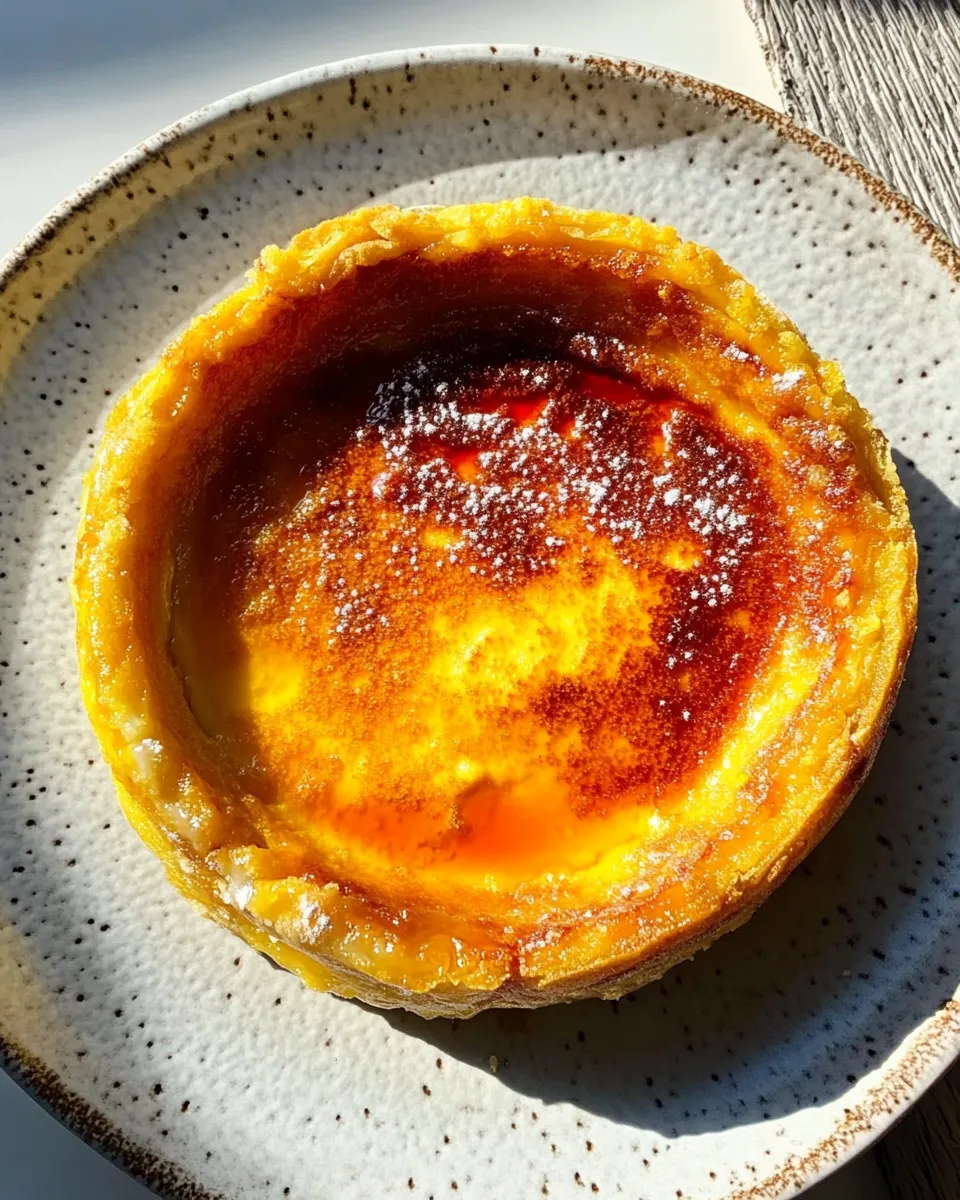
Galatopita is one of those unassuming Greek desserts that quietly wins every table. It’s basically a milk custard baked until the edges are set and the center still has a gentle wobble. The result is silky, lightly scented with vanilla and lemon, and finished with an egg wash that gives the top a soft golden sheen.
This version is compact — designed for a 14 cm (5½ in) pastry ring — and relies on a short ingredient list and a few simple techniques: tempering the egg, activating the starches, and blending to remove any graininess. Timing and attention to heat matter more than exotic ingredients.
I’ll keep this practical: clear ingredient notes, exact step-by-step directions (copied from the tested source), troubleshooting points, recommended tools, and storage tips so your first Galatopita comes out the way it should — creamy in the center, clean at the edges, and ready to share.
The Essentials

What this recipe delivers: a small, single-layer milk custard baked in a steel pastry ring. It’s not a layered pie; there’s no pastry crust — the focus is purely on the silky custard. The texture is owed to semolina and cornstarch working together to thicken while butter and lemon zest add body and brightness.
Key facts at a glance:
– Oven: 170 °C (338 °F)
– Pan: 14 cm (5½ in) steel pastry ring on a baking sheet
– Finish: egg wash on top, baked 35–45 minutes until edges are firm
Plan for cooling time: the recipe instructs to cool completely to room temperature before removing the ring. That final set and slice benefit from patience.
Greek Flan-Milk Pie (Galatopita): From Prep to Plate
- Preheat the oven to 170 °C (338 °F). Place a 14 cm (5½ in) steel pastry ring on a baking sheet. Line the bottom with aluminum foil and cover the foil with baking paper; set aside.
- Divide the sugar into two equal portions.
- In a medium saucepan, combine the 400 ml milk and one portion of the sugar. Heat over medium heat, stirring occasionally, until the milk is hot and steaming but not boiling. Remove from heat if it reaches a full boil.
- In a mixing bowl, whisk together 1 egg, the remaining portion of the sugar, the 25 g fine semolina, the 12 g cornstarch, and the 5 ml vanilla extract until smooth and lump-free.
- Temper the egg mixture: while whisking constantly, slowly pour a little of the hot milk into the egg mixture to warm it. Continue adding the hot milk gradually until the egg mixture is warmed and well combined.
- Pour the tempered egg mixture back into the saucepan with the remaining milk. Return to medium heat and cook, stirring constantly, until the mixture thickens and comes to a gentle boil. Continue stirring and cook about 1 minute more to fully activate the starches, then remove from heat.
- Off the heat, stir in the 25 g butter and the zest of 1/2 lemon until the butter is fully melted and incorporated. Allow the custard to cool until it is warm to the touch (not hot).
- Transfer the warm custard to a blender and blend briefly until very smooth and free of graininess. Alternatively, whisk vigorously until smooth.
- Pour the smooth custard into the prepared pastry ring on the baking sheet, smoothing the top with a spatula.
- In a small bowl, beat the 1/2 egg with the 10 ml milk to make the egg wash. Brush the egg wash evenly over the surface of the custard.
- Bake in the preheated oven for 35–45 minutes, until the top is set and the edges are firm (the center may still have a slight wobble).
- Remove from the oven and let cool completely to room temperature before removing the ring. Serve at room temperature.
Ingredients
- 400 ml milk — the main body; whole milk gives the best mouthfeel.
- 80 gr sugar — split into two portions; sugar sweetens and helps with texture.
- 1 egg — beaten into the dry mix; provides structure and silkiness.
- 5 ml vanilla extract — flavor anchor; vanilla rounds the custard.
- 25 gr semolina, fine — adds subtle body and a slight grain that dissolves with proper blending.
- 12 gr cornstarch — starch thickener; activates with heat for a stable custard.
- 25 gr butter (82% fat) — folded in off the heat for richness and gloss.
- 1/2 lemon zest — brightens the custard; don’t use the white pith.
- 1/2 egg — for the egg wash; gives a gentle golden top.
- 10 ml milk — mixed with the half egg for the egg wash.
Why It’s Crowd-Pleasing
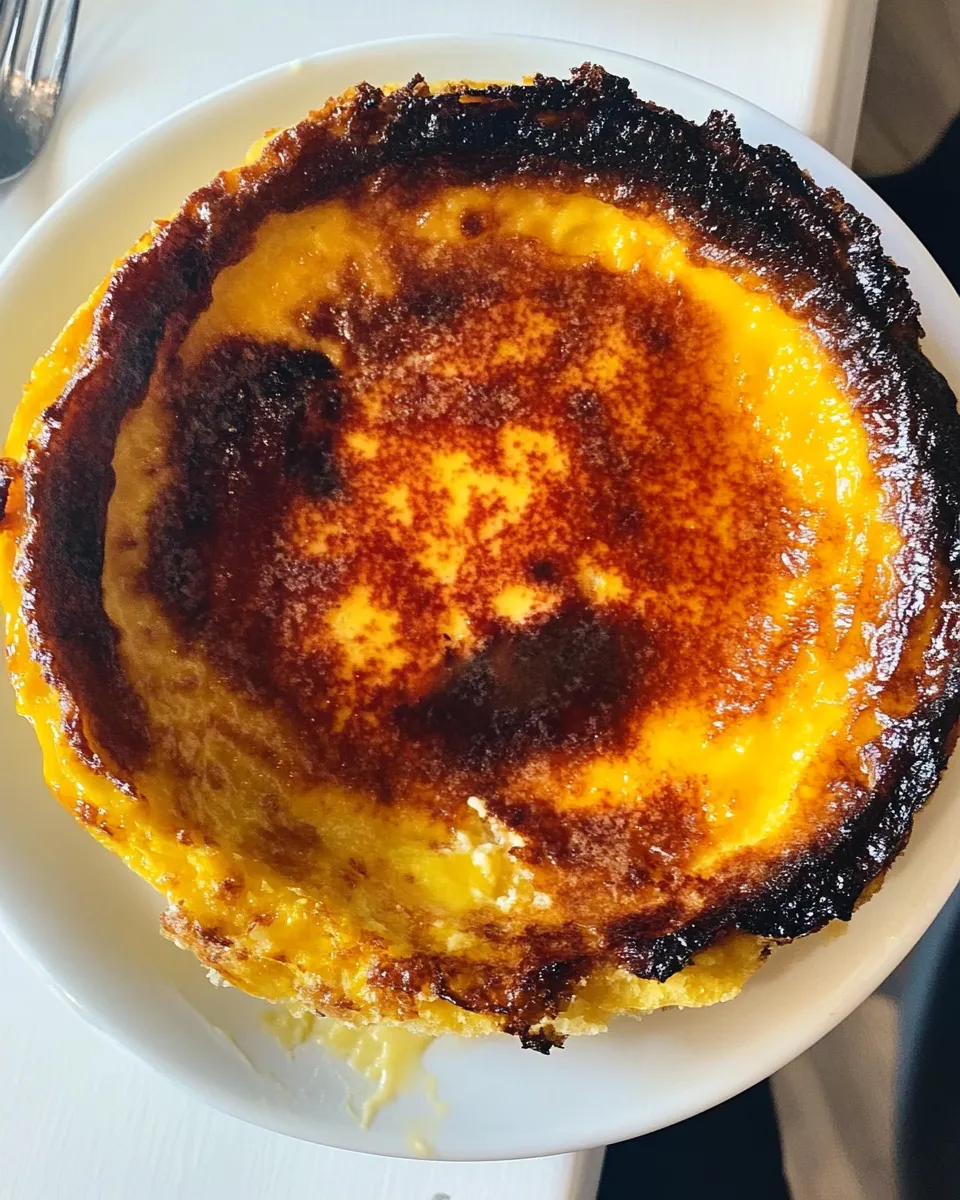
Galatopita hits a few universal notes: creamy texture, mild sweetness, and a fresh citrus lift. It’s comforting without being heavy; the edge firmness makes it easy to slice and serve, while the slightly wobbly center reads as decadent.
Because it’s made in a small ring, it’s both intimate and versatile — perfect for a small dinner party or a special dessert when you don’t want a large cake. The flavors are gentle, so it pairs well with coffee, tea, or a simple berry compote.
Budget & Availability Swaps
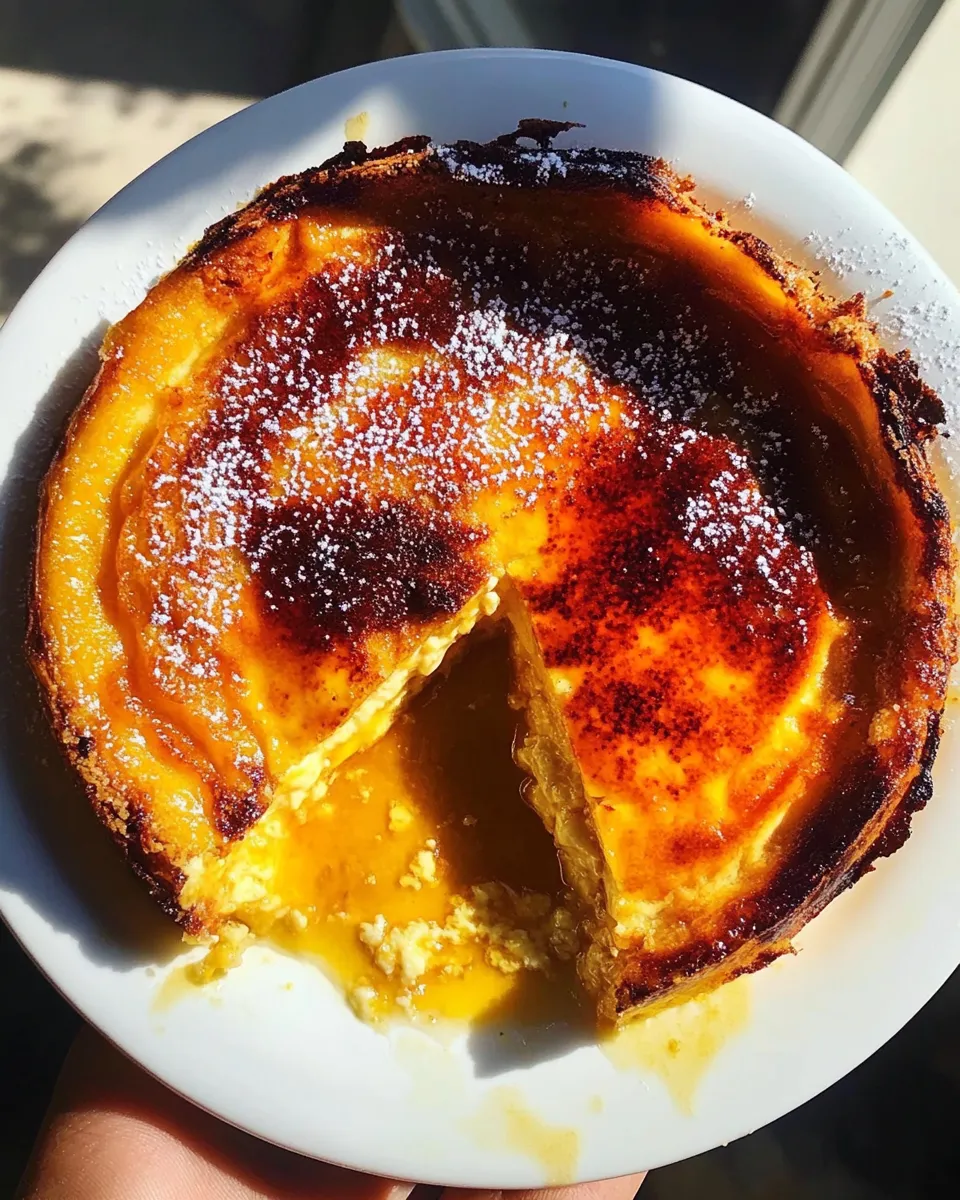
If you can’t find fine semolina, you can use the smallest grind available — blend briefly after cooking to smooth texture. Cornstarch is a common pantry ingredient; potato starch will work similarly if needed, but adjust by small amounts and keep an eye on thickness as you cook.
Whole milk is ideal, but if you only have lower-fat milk, expect a slightly lighter mouthfeel. For butter, use the nearest quality solid butter you have; margarine will change flavor and texture noticeably.
Recommended Tools
- 14 cm (5½ in) steel pastry ring — this recipe’s set and shape depend on it.
- Baking sheet lined with foil and baking paper — protects the baking sheet and makes ring removal cleaner.
- Medium saucepan — for heating the milk and cooking the custard.
- Mixing bowl and whisk — for combining egg, starches, and sugar.
- Spatula — to smooth the custard in the ring.
- Small bowl and pastry brush — for the egg wash.
- Blender or sturdy whisk — for achieving a silky, grain-free custard.
Mistakes Even Pros Make
1) Rushing the tempering step. Pouring hot milk too fast into the egg mix cooks the egg and creates lumps. Go slowly while whisking.
2) Letting the milk boil fully. Boiling milk can change the flavor and lead to a film or scorching on the bottom; remove it at steaming.
3) Not activating the starches long enough. Once it reaches a gentle boil, continue stirring for about a minute. Undercooked starch leaves a runny custard.
4) Skipping the blending. Semolina can leave a slightly grainy texture unless you blend briefly while the custard is warm. A short pulse in the blender makes a big difference.
5) Pulling the pie from the ring too soon. Cooling to room temperature allows the custard to set fully and yields cleaner slices.
Allergy-Friendly Swaps
Dairy-free: Use a full-fat plant milk (oat or soy work best for creaminess) and a vegan butter substitute measured equally. Texture will vary slightly.
Egg-free: Commercial egg replacers are the most reliable for baked custards. If you need to avoid eggs entirely, look for a specialist vegan custard recipe — this one relies on the egg for structure, so a straight swap without additional testing may not set the same way.
Gluten-sensitive: Semolina contains gluten. A fine corn semolina alternative or a very finely ground rice flour can be tested, but you may need to increase blending to smooth texture. Cornstarch remains the primary thickener.
Author’s Commentary
I love this Galatopita because it’s a small, honest dessert that rewards careful technique. The ingredient list reads like a pantry checklist and yet the end result feels special. I often make it when I want something elegant without a lot of fuss. The lemon zest is small but essential — it lifts the milkiness and keeps each bite bright.
When I teach this to friends, I stress two things: temper the egg slowly and blend the warm custard. Those two steps solve most issues and turn a decent result into a silky, professional one.
Keep-It-Fresh Plan
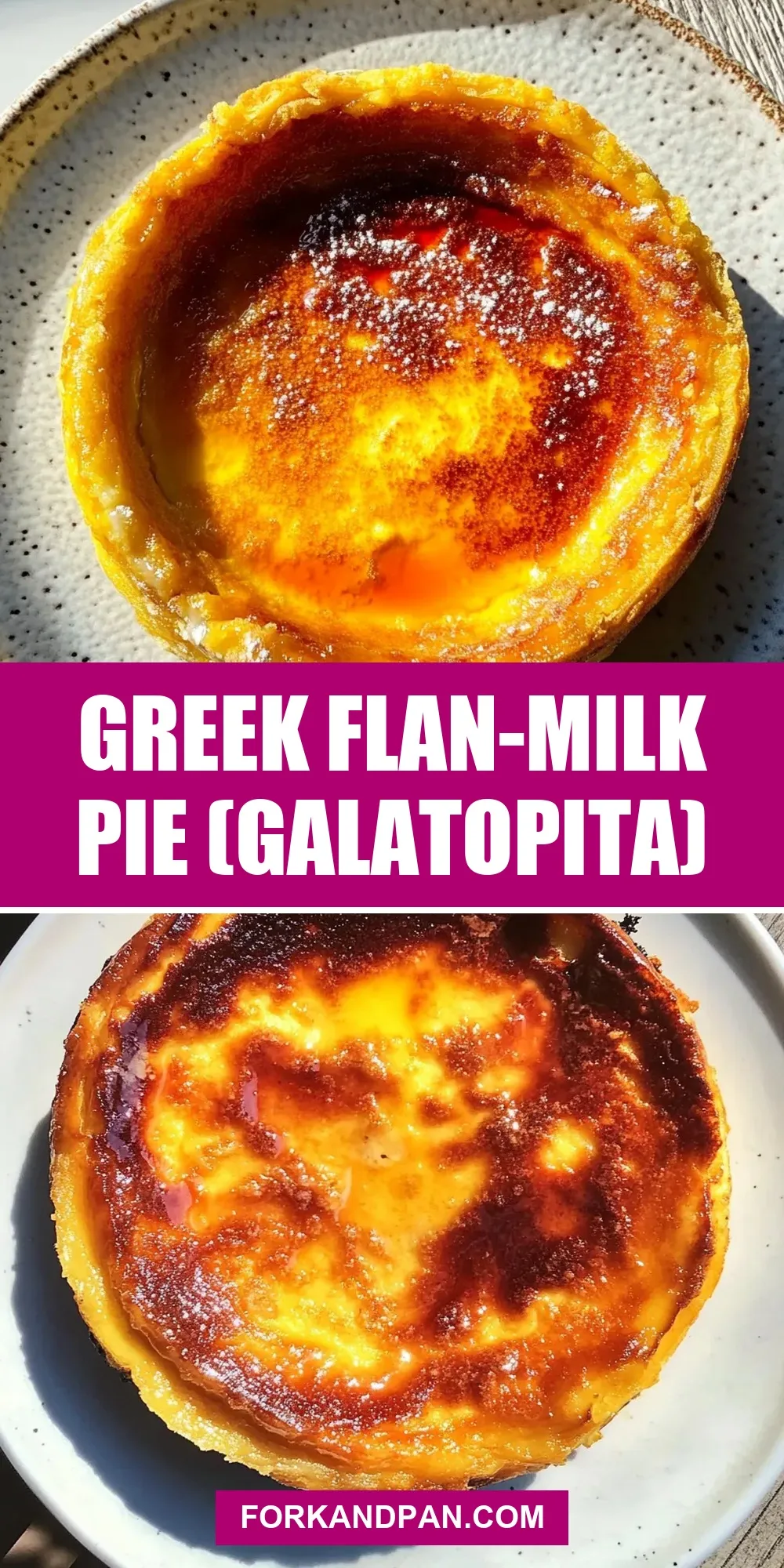
Store leftovers covered in the fridge for up to 3–4 days. Because the recipe calls to serve at room temperature, take the pie out of the fridge about 30–60 minutes before serving to let it come back to a pleasant texture. Do not freeze — custard textures degrade when frozen and thawed.
If you’ve cut slices, place parchment between layers and wrap loosely; this avoids condensation and keeps the surface from becoming sticky.
Reader Questions
Q: Can I make this in a larger pan?
A: Yes, but watch the depth of the custard. A larger diameter with the same volume will be thinner and will bake faster; reduce baking time and watch for edge set. To maintain the same thickness, scale the recipe proportionally.
Q: My custard was slightly grainy even after blending. Why?
A: Graininess usually comes from semolina granules or under-activated starch. Make sure you cook to a gentle boil and stir for the extra minute, then blend while warm. If your semolina is on the coarser side, blending longer helps.
Q: Can I skip the egg wash?
A: You can, but the egg wash gives the top a delicate sheen and light color. Without it, the surface will be paler and less glossy.
Before You Go
If you try this Galatopita, tell me how it turned out: did you keep the texture silky or push it firmer? Small changes — milk type, semolina grind, cooling time — have big effects, and sharing those adjustments helps others succeed. Enjoy the simple comfort of a proper Greek milk pie.

Greek Flan-Milk Pie (Galatopita)
Ingredients
Ingredients
- 400 mlmilk
- 80 grsugar
- 1 egg
- 5 mlvanilla extract
- 25 grsemolina fine
- 12 grcornstarch
- 25 grbutter82% fat
- 1/2 lemon zest
- 1/2 egg
- 10 mlmilk
Instructions
Instructions
- Preheat the oven to 170 °C (338 °F). Place a 14 cm (5½ in) steel pastry ring on a baking sheet. Line the bottom with aluminum foil and cover the foil with baking paper; set aside.
- Divide the sugar into two equal portions.
- In a medium saucepan, combine the 400 ml milk and one portion of the sugar. Heat over medium heat, stirring occasionally, until the milk is hot and steaming but not boiling. Remove from heat if it reaches a full boil.
- In a mixing bowl, whisk together 1 egg, the remaining portion of the sugar, the 25 g fine semolina, the 12 g cornstarch, and the 5 ml vanilla extract until smooth and lump-free.
- Temper the egg mixture: while whisking constantly, slowly pour a little of the hot milk into the egg mixture to warm it. Continue adding the hot milk gradually until the egg mixture is warmed and well combined.
- Pour the tempered egg mixture back into the saucepan with the remaining milk. Return to medium heat and cook, stirring constantly, until the mixture thickens and comes to a gentle boil. Continue stirring and cook about 1 minute more to fully activate the starches, then remove from heat.
- Off the heat, stir in the 25 g butter and the zest of 1/2 lemon until the butter is fully melted and incorporated. Allow the custard to cool until it is warm to the touch (not hot).
- Transfer the warm custard to a blender and blend briefly until very smooth and free of graininess. Alternatively, whisk vigorously until smooth.
- Pour the smooth custard into the prepared pastry ring on the baking sheet, smoothing the top with a spatula.
- In a small bowl, beat the 1/2 egg with the 10 ml milk to make the egg wash. Brush the egg wash evenly over the surface of the custard.
- Bake in the preheated oven for 35–45 minutes, until the top is set and the edges are firm (the center may still have a slight wobble).
- Remove from the oven and let cool completely to room temperature before removing the ring. Serve at room temperature.
Equipment
- Oven
- 14 cm (5½ in) pastry ring
- Baking Sheet
- Aluminum Foil
- Parchment Paper
- Saucepan
- Mixing Bowl
- Whisk
- Spatula
- Blender (optional)
- Small Bowl
- Pastry brush