Gluten-Free Meatballs
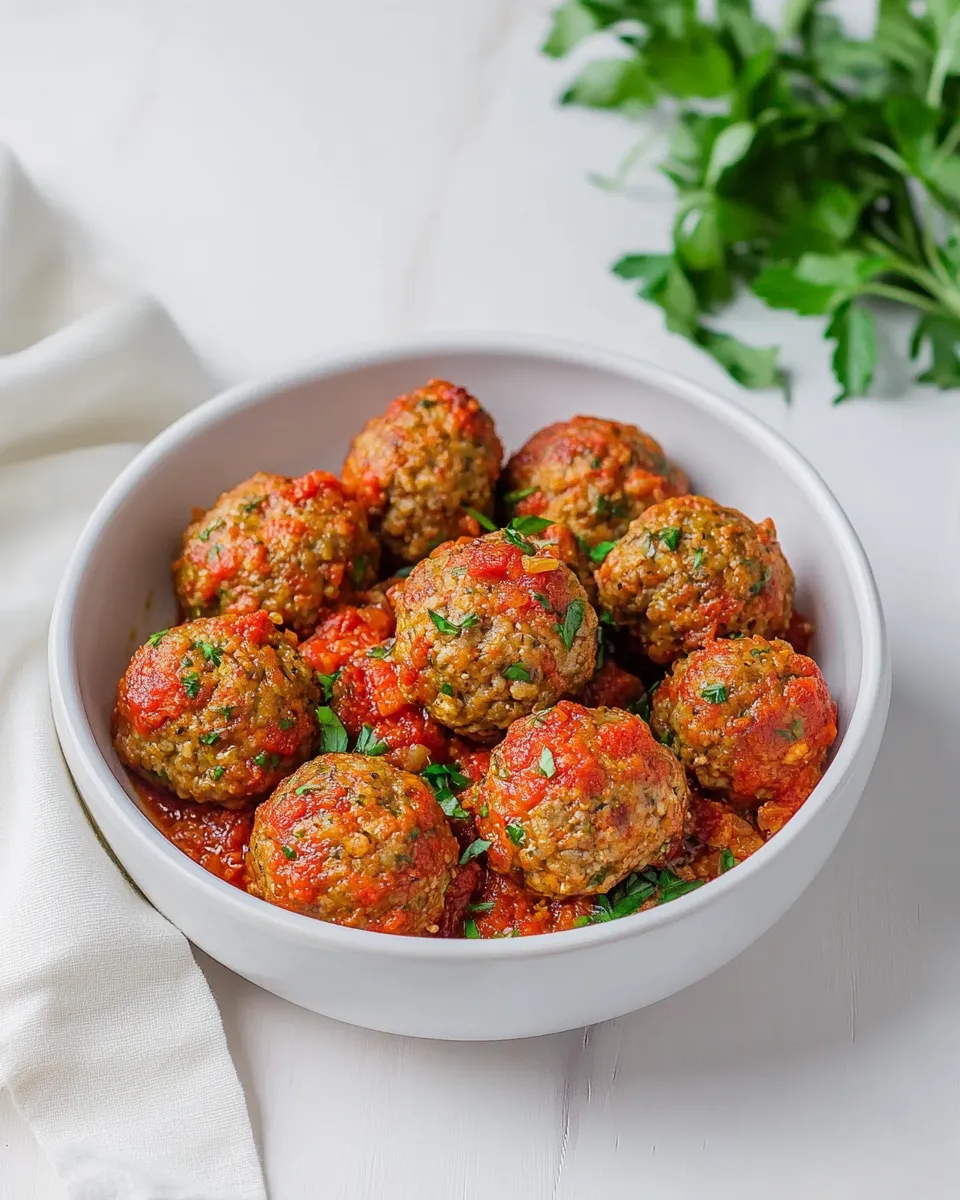
These gluten-free meatballs are the kind of recipe I reach for on busy weeknights and when friends drop by last minute. They’re straightforward, forgiving, and rooted in familiar flavors—ground beef, Parmesan, garlic, and a little parsley for brightness. The result is tender, well-seasoned meatballs that pair with sauce, salad, or just a stack of napkins and good conversation.
I test small changes until they reliably work, because you deserve consistent results without fuss. This recipe balances texture and flavor while staying strict about gluten-free pantry choices. Follow the method closely the first time, then make it yours.
What Goes In

- 1 pound lean ground beef — the base; lean keeps fat manageable while still staying tender.
- ½ cup gluten-free breadcrumbs — binder and texture; use a labeled gluten-free variety to avoid cross-contact.
- ¼ cup grated Parmesan cheese — adds savory depth and helps with binding.
- 1 large egg — the glue that holds the meatballs together; room temperature mixes more evenly.
- 2 tablespoons fresh parsley (finely chopped) — bright herb note; chop fine so it distributes evenly.
- 1 teaspoon garlic powder — concentrated garlic flavor without the moisture of fresh garlic.
- 1 teaspoon onion powder — rounds out the savory base; powder keeps mixture dry enough to shape.
- ½ teaspoon salt — seasons the meat; adjust carefully if using salted cheese.
- ¼ teaspoon black pepper — a touch of heat and aroma.
- ¼ teaspoon dried oregano — Italian-style herb lift; crush between your fingers before adding to wake up the oils.
The Method for Gluten-Free Meatballs
- Preheat the oven to 400°F and line a baking sheet with parchment paper.
- In a large bowl add: 1 pound lean ground beef, ½ cup gluten-free breadcrumbs, ¼ cup grated Parmesan cheese, 1 large egg, 2 tablespoons fresh parsley (finely chopped), 1 teaspoon garlic powder, 1 teaspoon onion powder, ½ teaspoon salt, ¼ teaspoon black pepper, and ¼ teaspoon dried oregano.
- Gently mix the ingredients with clean hands or a spoon until just combined—do not overwork the meat.
- Form the mixture into 1½-inch meatballs by scooping or pinching portions and rolling them between your palms. Place the meatballs on the prepared baking sheet, spaced evenly apart.
- Bake in the preheated oven for 20–25 minutes, or until an instant-read thermometer inserted into the center of a meatball registers 165°F.
- Remove from the oven and let the meatballs sit briefly before serving.
Why Gluten-Free Meatballs is Worth Your Time
These meatballs come together fast and deliver consistent texture and flavor. Baking instead of frying keeps hands cleaner, reduces splatter, and gives you evenly cooked meatballs without extra oil. The oven method also frees you to prepare sauce, a side salad, or clean up while they cook.
There’s no complicated technique or special equipment needed—just careful mixing and even shaping. If you follow the timing and internal temperature guidelines, you’ll get juicy, fully cooked meatballs every time. For anyone avoiding gluten, the swap to certified gluten-free breadcrumbs is simple and doesn’t sacrifice the classic meatball experience.
Vegan & Vegetarian Swaps
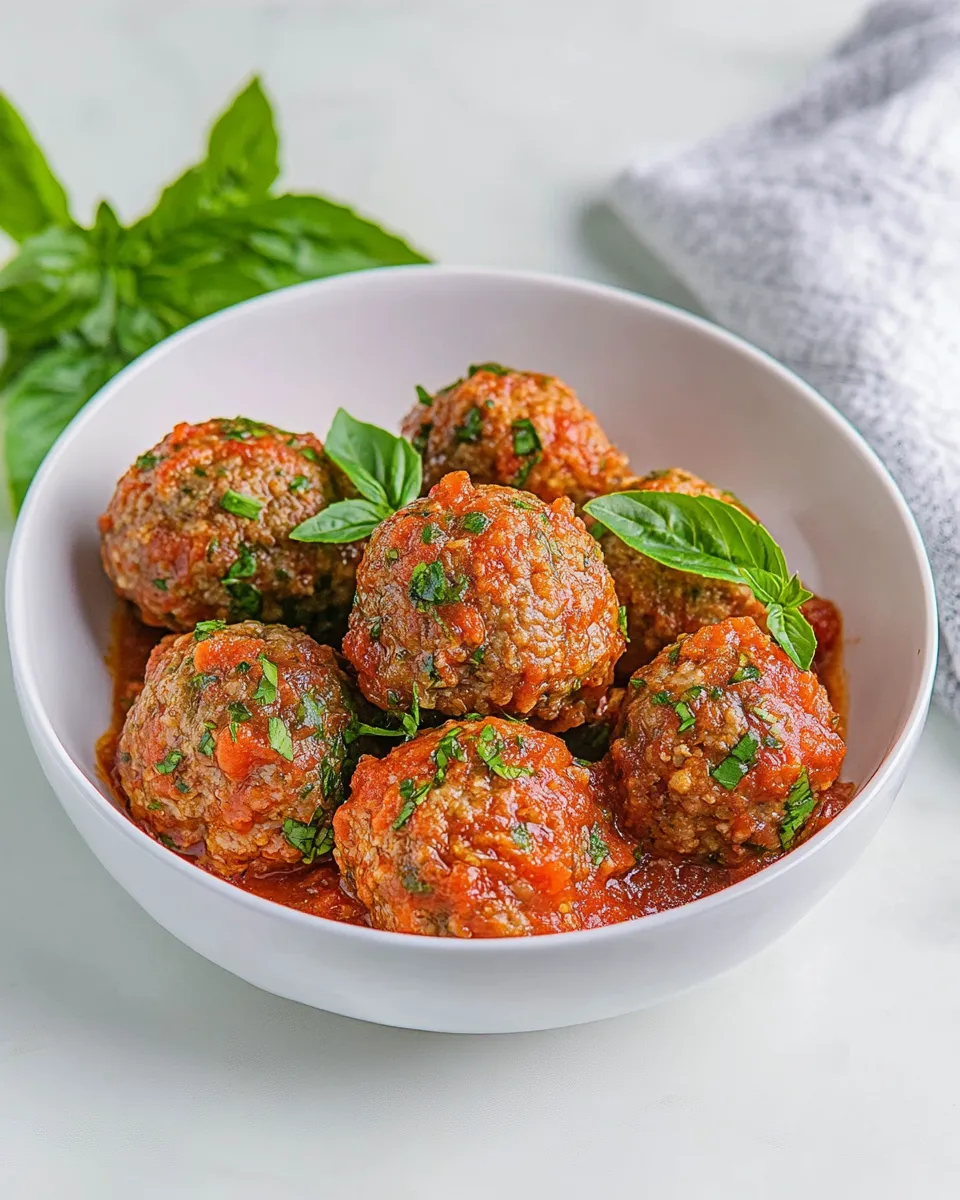
If you want to keep the spirit of these meatballs but go plant-based, you can. Keep in mind the texture and binders change, so you’ll need to adjust a little.
- Replace the ground beef with a firm cooked lentil or mashed chickpea base mixed with sautéed mushrooms or a commercial plant-based ground product. Squeeze excess moisture from cooked ingredients before mixing.
- Swap the egg with a flax or chia “egg” (1 tablespoon ground flaxseed or chia + 3 tablespoons water, let sit 5 minutes), or use a commercial egg replacer per package instructions.
- Replace Parmesan with nutritional yeast for that savory, cheesy note, or use a vegan grated cheese if you prefer a closer flavor match.
- Use gluten-free breadcrumbs as written, or substitute gluten-free oats processed into crumbs for a different texture.
These swaps will change the texture—expect a softer, more delicate bite from most vegan versions. I recommend chilling the formed balls for 20–30 minutes before baking to help them hold their shape.
Recommended Tools
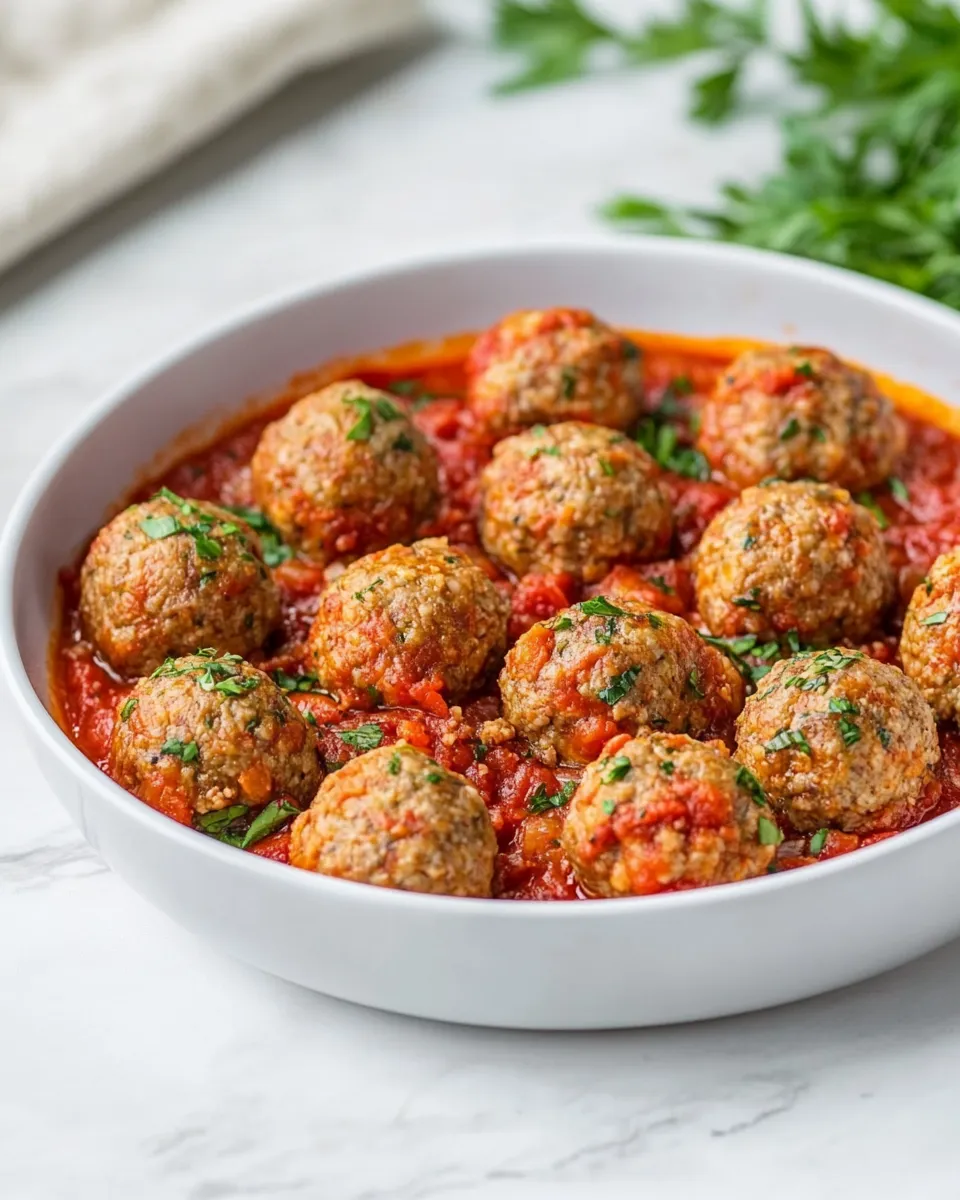
Must-haves
- Instant-read thermometer — the single best tool for reliable doneness without guessing.
- Rimmed baking sheet and parchment paper — prevents sticking and makes cleanup trivial.
- Mixing bowl — large enough to combine ingredients without spilling.
Nice-to-haves
- Scoop (1½-inch or #40 cookie scoop) — helps make uniform meatballs quickly.
- Kitchen scale — useful if you scale the recipe up or down and want exact portions.
- Cooling rack set on the baking sheet — for air-circulated browning underneath if you like a firmer exterior.
Learn from These Mistakes
Common issues are easy to avoid once you know what to look for. Overmixing is probably the most frequent mistake. Kneading or vigorously mixing develops the meat’s protein and leads to dense, tough meatballs. Mix until ingredients are just combined; little streaks of breadcrumb are fine.
Another pitfall is uneven sizes. If meatballs vary a lot, smaller ones will overcook while larger ones reach temperature later. Use a scoop or weigh portions for uniform results. Finally, skipping the thermometer leads to guesswork—165°F is the safe target for beef in this recipe. Don’t rely solely on time.
Tailor It to Your Diet
Small tweaks make this recipe fit more diets without breaking the method. For lower sodium, reduce salt to ¼ teaspoon and use a low-sodium Parmesan or omit it, then finish with a sprinkle of a robust hard cheese at the table if you like. For a richer meatball, use an 80/20 ground beef; for leaner, 90/10—both will work but expect some texture differences.
If you need nut-free options, ensure your gluten-free breadcrumbs are certified nut-free. For dairy-free, replace Parmesan with a dairy-free savory powder like yeast flakes or a commercial parmesan alternative. Keep the egg unless you need it replaced, in which case the flax or chia option described earlier works well.
Pro Perspective
Two pro tips that make a noticeable difference: first, use room-temperature egg and cheese. Cold ingredients can cause the fat in ground meat to firm up unevenly, which affects texture and browning. Second, don’t crowd the pan. Give each meatball space so oven heat circulates and they bake, not steam.
If you want better browning, you can briefly sear meatballs in a hot skillet for 30–60 seconds per side before finishing them in the oven. This step adds flavor, but it’s optional—the oven-only method is simpler and very reliable.
Storage & Reheat Guide
Cooked meatballs store well and reheat without much fuss. Cool them completely, then refrigerate in an airtight container for up to 4 days. For longer storage, freeze in a single layer on a sheet tray until solid, then transfer to a freezer-safe bag or container for up to 3 months.
To reheat from refrigerated: simmer gently in sauce over low heat until warmed through, or heat in the oven at 325°F for 10–12 minutes. From frozen: bake at 350°F for 20–25 minutes, or better—thaw in the fridge overnight and reheat as above. Avoid microwaving from frozen, which can create hot spots and dry meat.
Quick Q&A
- Can I make these ahead? — Yes. Shape and refrigerate the raw meatballs up to 24 hours before baking, or freeze them raw for longer storage. If baking from frozen, add a few extra minutes to cook time.
- Are they dry? — Not if you follow the recipe. The breadcrumbs, egg, and cheese help retain moisture. Choose lean beef but not extra-lean for the juiciest result.
- Can I use fresh garlic instead of garlic powder? — You can, but mince very fine and use about 1 clove; fresh garlic adds moisture and a stronger bite, so reduce other wet ingredients if needed.
- Do I need to flip them while baking? — No. Spacing them evenly allows hot air to circulate and cook them through without flipping.
In Closing
This Gluten-Free Meatballs recipe is a practical, dependable go-to. It respects dietary needs without complicated substitutions, and it’s flexible enough to adapt when you want to change proteins or go plant-based. Stick to the method the first time, check internal temperature, and then experiment—add a pinch of red pepper flakes for heat or swap herbs to match the sauce you’re serving.
Simple, honest cooking like this solves dinner problems without drama. Make a batch, freeze some, and you’ll have a reliable protein ready for pasta night, sandwiches, or a quick weeknight meal.

Gluten-Free Meatballs
Ingredients
Ingredients
- 1 poundlean ground beef
- 1/2 cupgluten-free breadcrumbs
- 1/4 cupgrated Parmesan cheese
- 1 large egg
- 2 tablespoonsfresh parsleyfinely chopped
- 1 teaspoongarlic powder
- 1 teaspoononion powder
- 1/2 teaspoonsalt
- 1/4 teaspoonblack pepper
- 1/4 teaspoondried oregano
Instructions
Instructions
- Preheat the oven to 400°F and line a baking sheet with parchment paper.
- In a large bowl add: 1 pound lean ground beef, ½ cup gluten-free breadcrumbs, ¼ cup grated Parmesan cheese, 1 large egg, 2 tablespoons fresh parsley (finely chopped), 1 teaspoon garlic powder, 1 teaspoon onion powder, ½ teaspoon salt, ¼ teaspoon black pepper, and ¼ teaspoon dried oregano.
- Gently mix the ingredients with clean hands or a spoon until just combined—do not overwork the meat.
- Form the mixture into 1½-inch meatballs by scooping or pinching portions and rolling them between your palms. Place the meatballs on the prepared baking sheet, spaced evenly apart.
- Bake in the preheated oven for 20–25 minutes, or until an instant-read thermometer inserted into the center of a meatball registers 165°F.
- Remove from the oven and let the meatballs sit briefly before serving.
Equipment
- Oven
- Baking Sheet
- Parchment Paper
- Large Bowl
- mixing spoon or hands
- Instant-read thermometer