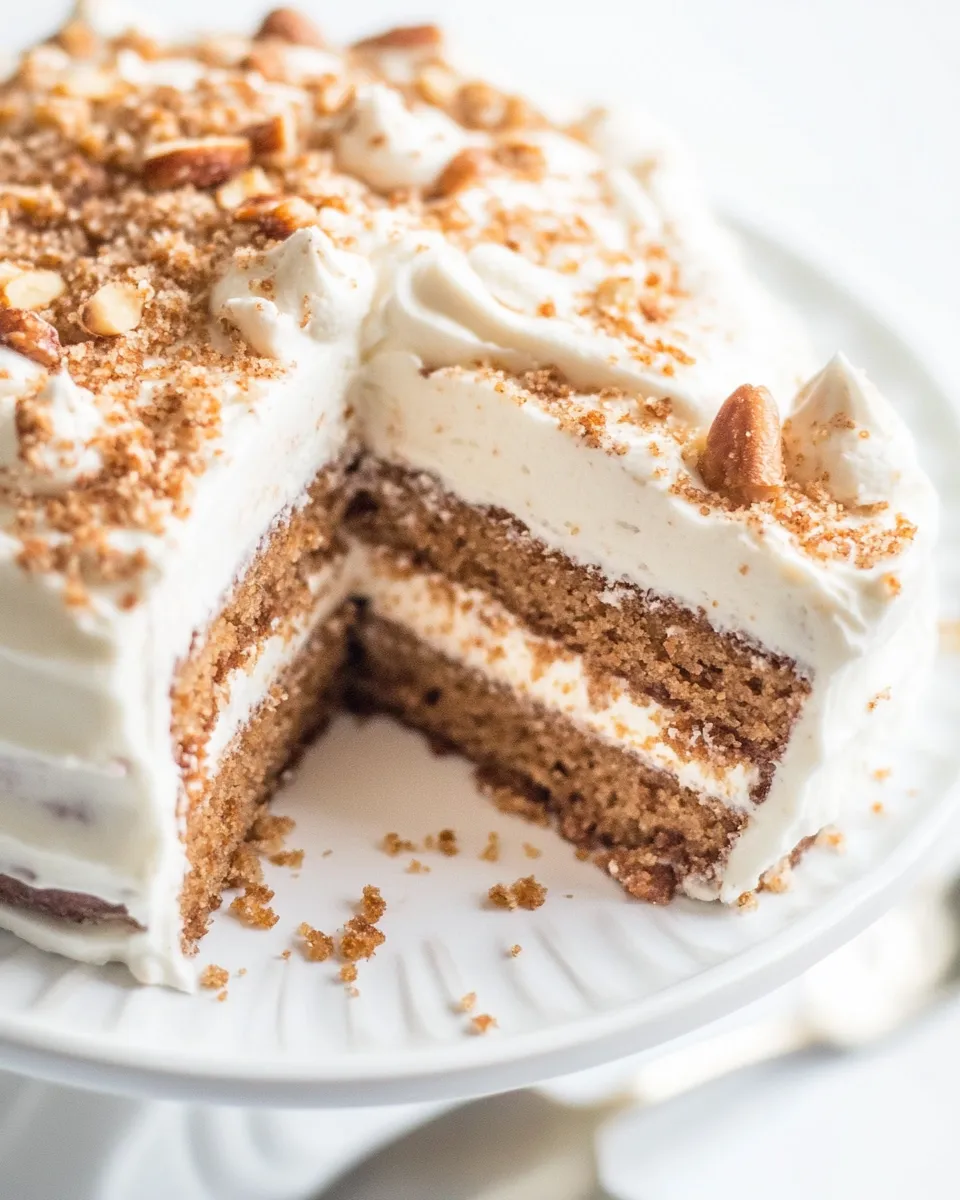
Gluten Free Carrot Cake
I bake a lot, but this Gluten Free Carrot Cake is one recipe I return to when I want something reliably tender, warmly spiced, and not fussy. It balances the natural sweetness of carrots with brown sugar and a light cream cheese frosting that isn’t overly sweet. The crumb comes from almond flour, which keeps the texture moist without any gluten tangles.
It’s practical: straightforward steps, common pantry spices, and no obscure ingredients. I’ll walk you through precise timing, sensible tips for handling almond flour batters, and how to get a clean slice every time. This is a cake that works for weeknight celebrations, gifts, and gatherings where someone needs—or prefers—gluten-free baking.
Read through the ingredients and method once before starting. Give yourself the small task of bringing eggs and cream cheese to room temperature an hour ahead. That one habit makes the frosting smooth and the cake bake more evenly.
Gather These Ingredients

Ingredients
- ?3 cups(290g)almond flour — The base of the cake; provides structure and a tender crumb.
- ?1teaspoonground cinnamon — Warm spice that complements the carrots.
- ?½teaspoonground ginger — Adds a gentle, zingy background note.
- ?¼teaspoonground nutmeg — Small amount gives depth without overpowering.
- ??teaspoonground cloves — Intense spice; a little goes a long way.
- ?½teaspoonsalt — Balances sweetness and enhances flavors.
- ?1teaspoonbaking powder — Provides lift in a dense almond-based batter.
- ?½teaspoonbaking soda — Helps with rise and texture.
- ?5eggsat room temperature — Eggs add structure and richness; bring to room temp for even mixing.
- ?2teaspoonspure vanilla extract — Rounds and sweetens the flavor profile.
- ?1 cup(160g)brown sugar — Moisture and caramel notes; use packed brown sugar.
- ?2 cups(180g)shredded carrot — Freshly shredded for moisture and texture; squeeze out excess only if very wet.
- ?1cupwalnutsor pecans, roughly chopped — Crunch and flavor contrast; toast briefly if you like.
- ?½cupsunflower oilvegetable, canola, corn, or sunflower — Keeps crumb moist; neutral oil lets the spices and carrot shine.
- ?8 ounces(225g)cream cheesesoftened to room temperature — Base for the frosting; softening prevents lumps.
- ?1tablespoonbuttersoftened to room temperature — Adds richness and body to the frosting.
- ?2½cupspowdered sugar — Sweetens and thickens the frosting; add in batches for smoothness.
- ?1teaspoonpure vanilla extract — Boosts frosting flavor.
- ?¼teaspoonsalt — Balances the frosting and keeps it from tasting flat.
The Method for Gluten Free Carrot Cake
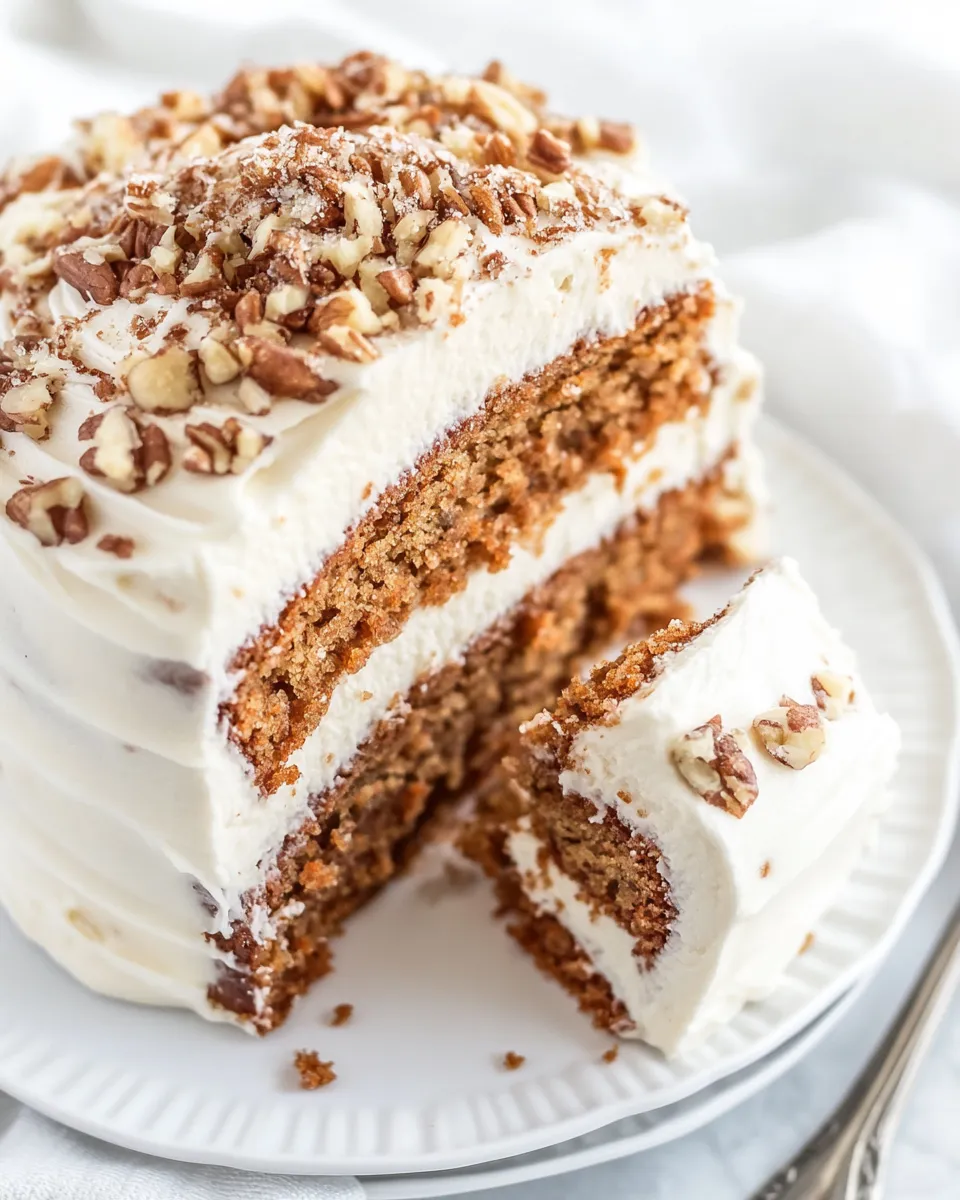
- Preheat the oven to 360°F (180°C / 160°C fan). Grease your cake pans with softened butter and line the bottoms with parchment paper. Make sure the eggs and cream cheese are at room temperature before you begin.
- In a large bowl, combine the almond flour with the ground cinnamon, ground ginger, ground nutmeg, ground cloves, salt, baking powder, and baking soda. Stir with a whisk or spatula until evenly mixed.
- In a separate large bowl, beat the eggs with the brown sugar for 4–5 minutes, until the mixture is noticeably lighter in color and slightly thickened. Mix in the vanilla extract and the sunflower (or other) oil until combined.
- Add the dry almond flour mixture to the egg mixture. Use a spatula to fold until combined and there are no pockets of dry flour. Fold in the shredded carrot and the roughly chopped walnuts or pecans until evenly distributed.
- Divide the batter evenly between 2 or 3 prepared cake pans. Bake until set: about 25–30 minutes if using 2 pans, or 20–22 minutes if using 3 pans. A toothpick inserted into the center should come out clean or with a few moist crumbs when done.
- Let the cakes cool in their pans for about 10–15 minutes. Turn the layers out onto a wire rack, remove the parchment, and let the layers cool completely before frosting.
- To make the frosting, beat the softened cream cheese with the softened butter, vanilla extract, and salt until very smooth. Add the powdered sugar in three additions, beating well (about 2–3 minutes) after each addition until the frosting is smooth and spreadable.
- Assemble the cake: place the first cooled cake layer upside down on your serving plate and spread some of the frosting on top. Add the next layer (also upside down). Apply a thin layer of frosting around the outside of the cake to seal in crumbs (crumb coat), then chill the cake in the refrigerator for 15–30 minutes to set the crumb coat.
- Remove the cake from the fridge and finish frosting with the remaining frosting, smoothing the sides and top as desired. Sprinkle with additional crushed walnuts or pecans if desired.
- Chill the finished cake briefly (about 20–30 minutes) to help the frosting set before slicing and serving.
Why This Gluten Free Carrot Cake Stands Out
This cake keeps a moist, satisfying crumb without gluten because almond flour behaves differently than wheat. It gives an almost tender, melt-in-your-mouth texture that feels indulgent rather than dense. The egg-to-flour ratio and the oil are tuned to avoid a heavy, gummy outcome.
Spices are subtle here—not meant to punch your palate but to complement the carrot’s sweetness and the toasted notes from the nuts. Brown sugar deepens the flavor and keeps the crumb softer than granulated sugar alone would.
The frosting is intentionally straightforward: cream cheese plus butter and powdered sugar, beaten until silky. It finishes the cake without overwhelming the nutty-almond base or the carrot’s freshness. That restrained frosting is one reason this cake slices cleanly and looks inviting.
Texture-Safe Substitutions
Almond flour is core to the texture. If someone in your household is allergic to nuts, this exact recipe won’t translate directly because the structural and moisture aspects change. That said, for small tweaks that keep texture intact:
- Oil swap — If you don’t have sunflower oil, use one of the listed alternatives: vegetable, canola, or corn oil. They behave the same in this recipe.
- Nuts — Swap walnuts for pecans or vice versa. Both provide similar texture and flavor. Toast them briefly for more depth.
- Sugar — Brown sugar is called for; you can use light or dark depending on how molasses-forward you want the cake. The quantity should remain the same.
Do not replace almond flour with all-purpose or other gluten-free blends without adjusting liquids and binders. That will change baking times and texture significantly.
Must-Have Equipment
Simple, dependable tools make this predictable:
- Mixing bowls — One large for dry, one for wet; you’ll fold by hand.
- Electric mixer or sturdy whisk — For beating eggs and later the frosting. An electric mixer saves time and gives consistent results.
- Spatula — Flexible bench spatula for folding and scraping the bowl clean.
- Cake pans (2 or 3) — Use same-sized pans so layers bake evenly. Line them with parchment for easy release.
- Wire rack — Critical for cooling layers to room temperature before frosting.
- Offset spatula — Makes frosting the cake and creating a crumb coat much easier.
Mistakes Even Pros Make
Here are common missteps that produce less-than-perfect results and how to avoid them.
Overbeating the dry mix into the wet
Stir until just combined. Almond flour doesn’t need long mixing; overworking can break down the air you’ve whipped into the eggs, leading to a heavier cake.
Frosting while layers are warm
If the layers are even slightly warm, the frosting will melt and slide. Cool completely on a wire rack. Patience here prevents a messy, weeping cake.
Skipping room-temperature ingredients
Cold cream cheese or cold eggs can leave lumps in the frosting and cause uneven batter texture. Take the time to bring them to room temperature.
In-Season Swaps
Carrot cake is naturally adaptable to seasonal flavors without changing the backbone of the recipe.
- Spring — Add a tablespoon of lemon zest to the batter for bright, fresh notes; keep the rest the same.
- Autumn — Sprinkle some extra nutmeg or replace a bit of the brown sugar with maple syrup (reduce other liquid slightly) to lean into fall flavors.
- Winter — Fold in 1/3 cup of finely chopped dried figs or dates with the nuts for a richer winter version.
Behind the Recipe
I developed this version after testing for texture and ease. Almond flour gives a tender, fine crumb but holds moisture differently than wheat, so the egg and oil ratio had to be higher than a standard carrot cake. That’s why there are five eggs and a half-cup of oil—both add lift and moisture without gluten.
The spices are modest on purpose. Too much clove or nutmeg quickly dominates the delicate almond and carrot flavors. The frosting is a classic cream cheese blend because it pairs so well with carrot cake; the butter gives it structure so it spreads cleanly and sets up after a short chill.
Best Ways to Store
For short-term storage, keep the cake in the refrigerator covered, ideally in a cake carrier or under a large overturned bowl. The cream cheese frosting needs refrigeration; it will stay best for 3–4 days. Before serving, let individual slices sit at room temperature for 20–30 minutes to soften the frosting slightly.
For longer storage, you can freeze uncut layers: wrap them tightly in plastic wrap and then foil. Freeze up to one month. Thaw overnight in the refrigerator, then bring to room temperature before frosting.
Popular Questions
Can I make this dairy-free?
The cake batter itself is dairy-free (except for the butter and cream cheese used in the frosting). Swap the cream cheese and butter for reputable dairy-free alternatives designed for baking, and check that their texture whips up similarly before committing to the whole batch.
Will this cake be dense?
Almond flour cakes are naturally different from wheat-based cakes; they are moist and slightly denser but still tender. The long egg beating step lightens the batter, so follow the timing for a lighter result.
Can I halve the recipe?
Yes, but keep an eye on bake time and pan sizes. Reduced volume changes bake dynamics; start checking a few minutes earlier and use a toothpick to test doneness.
Let’s Eat
Slice with a sharp, clean knife, wiping it between cuts for neat slices. Serve slightly chilled or at room temperature. A small dusting of extra powdered sugar or a sprinkle of chopped toasted nuts on top adds rustic charm.
This Gluten Free Carrot Cake is forgiving, rewarding, and practical—exactly what I look for in a reliable recipe. Make it for company or make it for yourself; either way, it holds up well and keeps beautifully. Enjoy a slice with coffee or a cup of spiced tea.
Gluten Free Carrot Cake
Ingredients
Ingredients
- ?3 cups 290 galmond flour
- ?1 teaspoonground cinnamon
- ?1/2 teaspoonground ginger
- ?1/4 teaspoonground nutmeg
- ??teaspoonground cloves
- ?1/2 teaspoonsalt
- ?1 teaspoonbaking powder
- ?1/2 teaspoonbaking soda
- ?5 eggsat room temperature
- ?2 teaspoonspure vanilla extract
- ?1 cup 160 gbrown sugar
- ?2 cups 180 gshredded carrot
- ?1 cupwalnutsor pecans roughly chopped
- ?1/2 cupsunflower oilvegetable canola, corn, or sunflower
- ?8 ounces 225 gcream cheesesoftened to room temperature
- ?1 tablespoonbuttersoftened to room temperature
- ?2 1/2 cupspowdered sugar
- ?1 teaspoonpure vanilla extract
- ?1/4 teaspoonsalt
Instructions
Instructions
- Preheat the oven to 360°F (180°C / 160°C fan). Grease your cake pans with softened butter and line the bottoms with parchment paper. Make sure the eggs and cream cheese are at room temperature before you begin.
- In a large bowl, combine the almond flour with the ground cinnamon, ground ginger, ground nutmeg, ground cloves, salt, baking powder, and baking soda. Stir with a whisk or spatula until evenly mixed.
- In a separate large bowl, beat the eggs with the brown sugar for 4–5 minutes, until the mixture is noticeably lighter in color and slightly thickened. Mix in the vanilla extract and the sunflower (or other) oil until combined.
- Add the dry almond flour mixture to the egg mixture. Use a spatula to fold until combined and there are no pockets of dry flour. Fold in the shredded carrot and the roughly chopped walnuts or pecans until evenly distributed.
- Divide the batter evenly between 2 or 3 prepared cake pans. Bake until set: about 25–30 minutes if using 2 pans, or 20–22 minutes if using 3 pans. A toothpick inserted into the center should come out clean or with a few moist crumbs when done.
- Let the cakes cool in their pans for about 10–15 minutes. Turn the layers out onto a wire rack, remove the parchment, and let the layers cool completely before frosting.
- To make the frosting, beat the softened cream cheese with the softened butter, vanilla extract, and salt until very smooth. Add the powdered sugar in three additions, beating well (about 2–3 minutes) after each addition until the frosting is smooth and spreadable.
- Assemble the cake: place the first cooled cake layer upside down on your serving plate and spread some of the frosting on top. Add the next layer (also upside down). Apply a thin layer of frosting around the outside of the cake to seal in crumbs (crumb coat), then chill the cake in the refrigerator for 15–30 minutes to set the crumb coat.
- Remove the cake from the fridge and finish frosting with the remaining frosting, smoothing the sides and top as desired. Sprinkle with additional crushed walnuts or pecans if desired.
- Chill the finished cake briefly (about 20–30 minutes) to help the frosting set before slicing and serving.
Equipment
- 2x 8-inch cake pans
Notes
Feel free to add fourth a cup of desiccated coconut to the batter.
The walnuts or pecans can be omitted, but they add a great crunch and flavor to the cake.
Make sure that the cream cheese that you’re using is softened to room temperature, I just take mine out of the fridge 30 minutes prior to baking.
To make this cake dairy-free, use dairy-free cream cheese for the frosting.
Slice the cake into 12 pieces, and serve at room temperature for the best result.
Nutrition value is calculated per serving including the frosting.
Make ahead:You can bake the cake layers 1-2 days in advance, and store them at room temperature wrapped in parchment paper then in plastic wrap. The cream cheese frosting can also be made 1-2 days in advance, and store in the fridge. If making a frosted cake ahead, it can be made up to 2-3 days in advance and stored in the fridge.
Fridge: Store the leftover cake covered in plastic wrap in the fridge for up to 7 days.
Freezer: Freeze individual slices in airtight containers in the freezer for up to 3 months, thaw in the fridge overnight before serving.