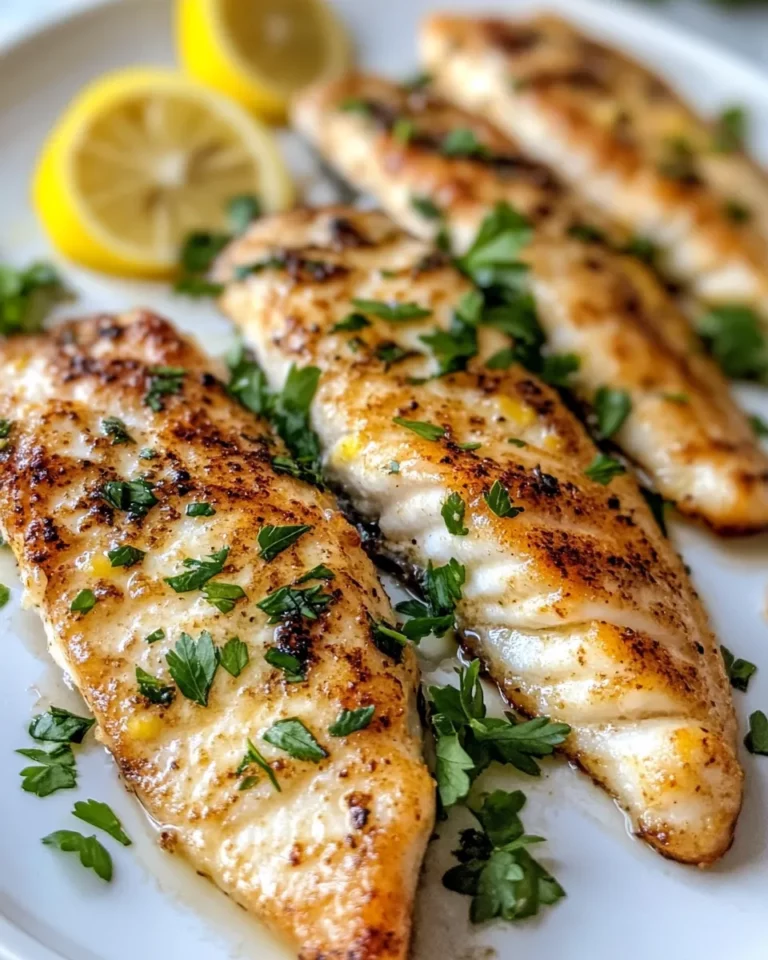
Easy Parmesan Crusted Chicken
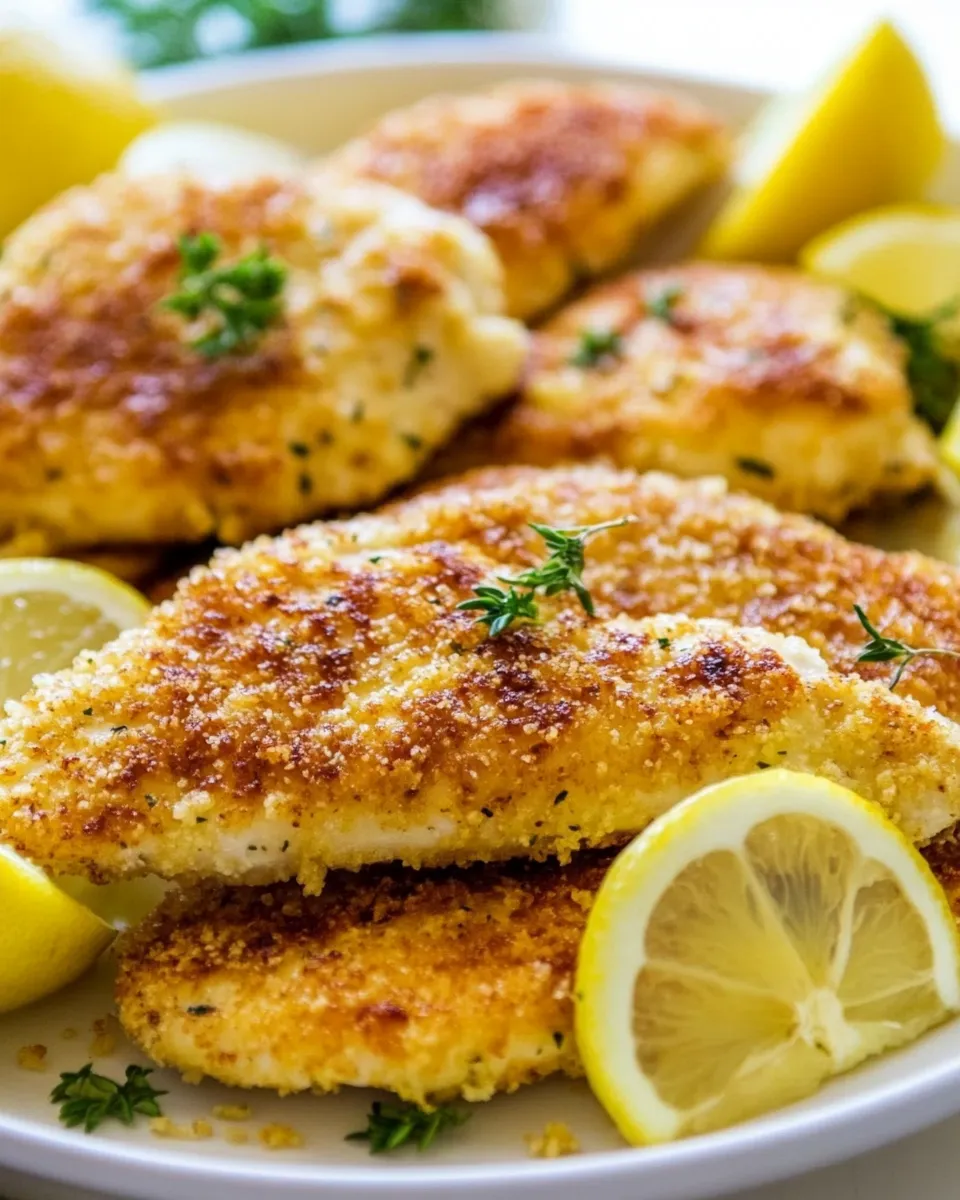
I make this Parmesan crusted chicken more than I should admit. It’s one of those dinners that arrives on the table looking like effort but tastes like comfort—crispy, savory, and impossibly simple. If you want a weekday dish that pleases everyone at the table and comes together without drama, this is it.
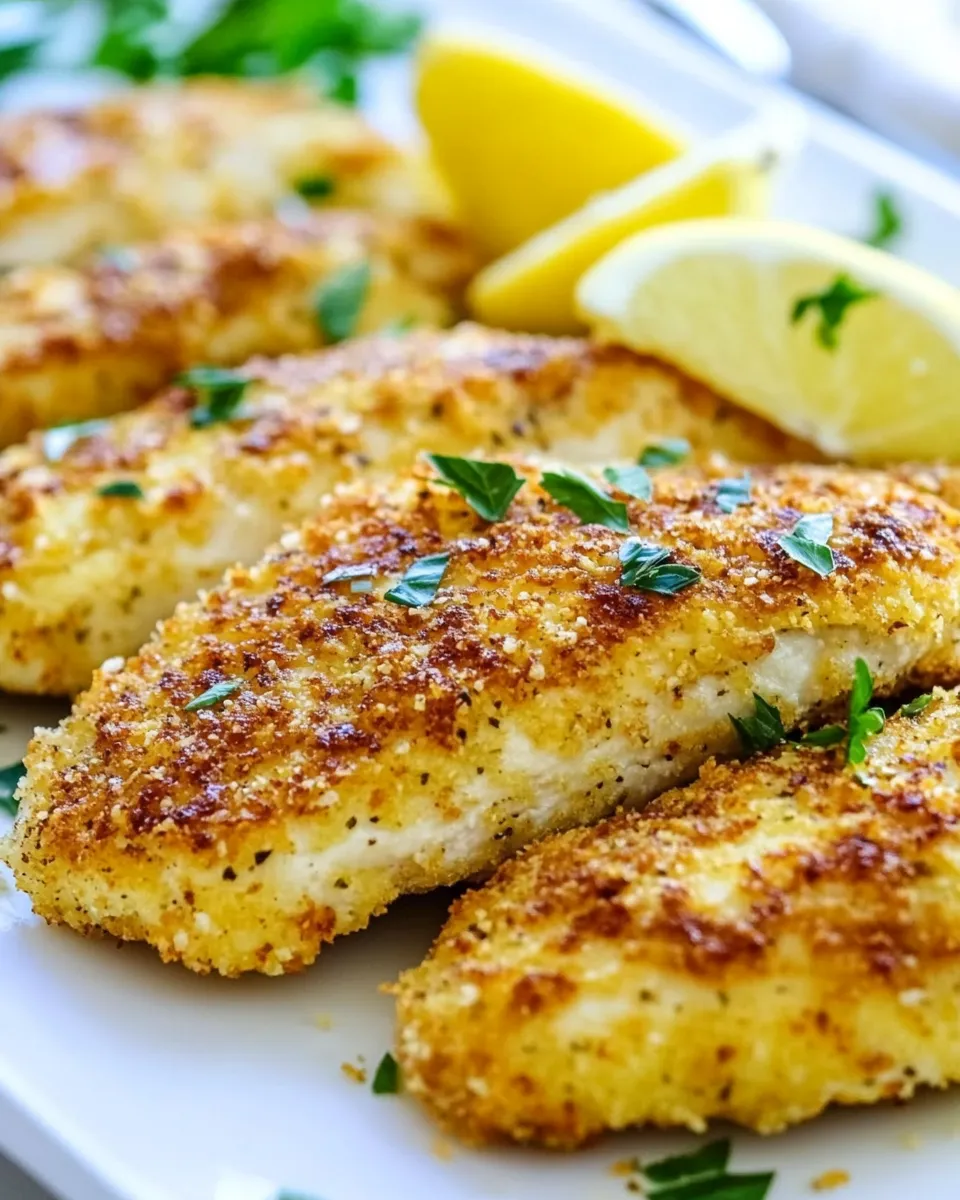
The method is straightforward: flour, egg, breadcrumb-and-Parmesan dredge, and a hot skillet. The real work is eating it. I love that the coating browns quickly and the chicken stays juicy because you slice the breasts thin into cutlets. You get golden edges, a crunchy crust, and a tender center every time.
Below I give the exact ingredient list and step-by-step directions, plus practical tips for getting the crust just right, vegetarian and vegan swap ideas (no quantities changed), storage notes, and ways to dress the dish for different seasons. No fuss, just reliable results.
Ingredients at a Glance

- 1 ½lb. boneless skinless chicken breast — slice thin so pieces cook quickly and evenly; this is the heart of the dish.
- ½cup all purpose flour, for dredging — gives the egg something to cling to and helps the crust adhere.
- 2 eggs, beaten — binds the breadcrumbs and Parmesan to the chicken for that crunchy coating.
- ⅔cup breadcrumbs (home-made or store bought) — provides texture; homemade gives more flavor, store-bought saves time.
- ½cup finely grated Parmigiano-Reggiano cheese — adds umami and helps the crust brown beautifully.
- salt and pepper — basic seasoning; season the chicken after slicing so every bite has flavor.
- vegetable oil for frying — use a neutral oil with a high smoke point to get an even golden crust.
Parmesan Crusted Chicken Made Stepwise
- Pat the 1 ½ lb. chicken breasts dry with paper towels, slice each breast into strips or cutlets about 1/4-inch thick, and season both sides with salt and pepper.
- Place ½ cup all-purpose flour in a shallow dish for dredging. Beat the 2 eggs in a second shallow dish. In a third shallow dish, combine ⅔ cup breadcrumbs and ½ cup finely grated Parmigiano-Reggiano cheese.
- Working with one piece at a time, lightly coat the chicken in the flour, shaking off any excess.
- Dip the floured chicken into the beaten eggs, allowing excess egg to drip off.
- Press the egg-coated chicken into the breadcrumb–Parmesan mixture so it is evenly coated on all sides.
- Heat a thin layer of vegetable oil in a large skillet over medium heat until shimmering. Fry the chicken in a single layer without crowding the pan, working in batches if needed.
- Cook the chicken 2–3 minutes per side, until the coating is golden and the chicken is cooked through (no pink inside or an instant-read thermometer registers 165°F).
- Transfer cooked pieces to a paper towel–lined plate or wire rack to drain and let rest for a couple of minutes before serving.
What You’ll Love About This Recipe
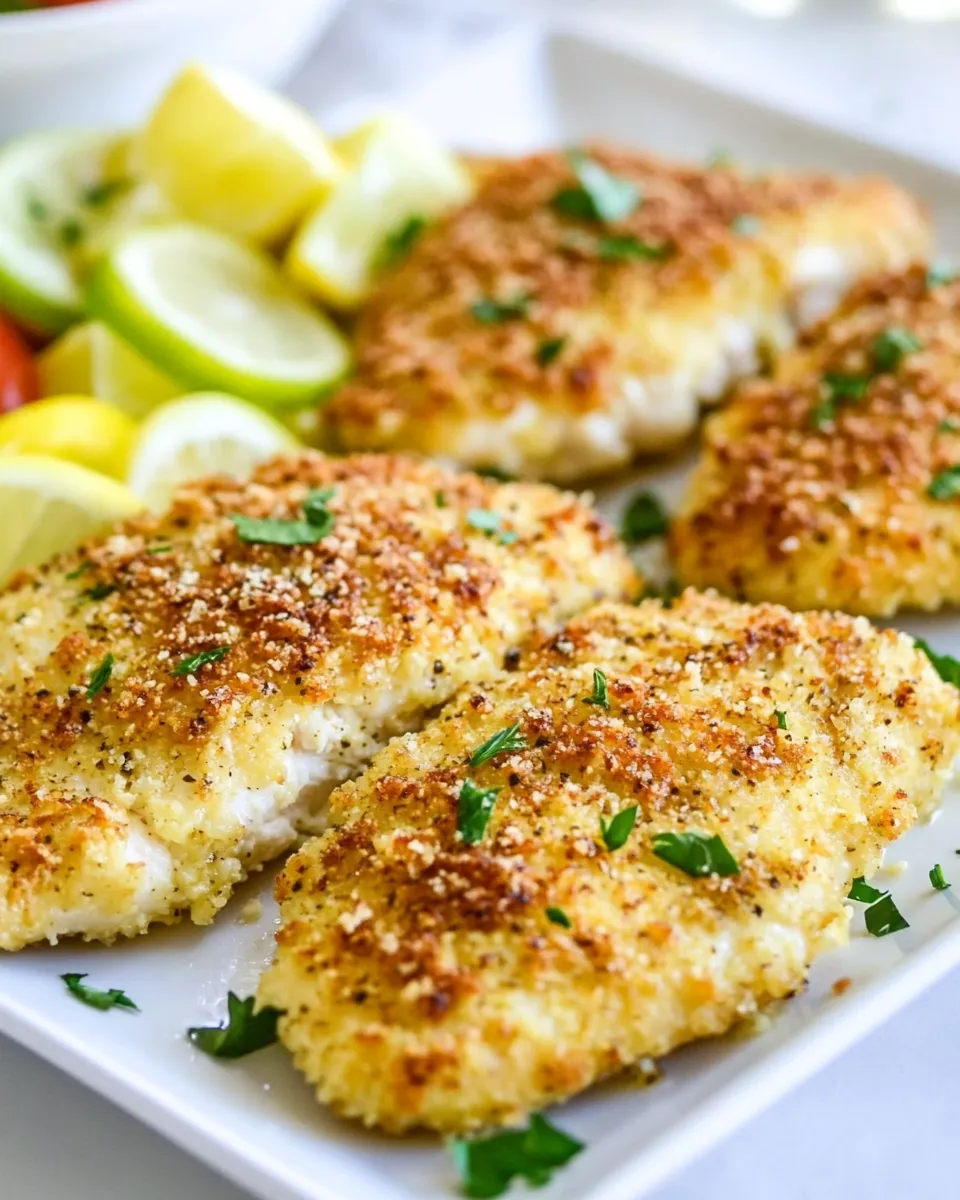
This recipe is dependable. It delivers a crisp, golden crust every time without needing fancy equipment. The Parmesan in the breadcrumb mix does two things: it seasons the crust and helps with browning, giving you that irresistible, slightly nutty edge. Slicing the breasts thinly shortens the cooking time and helps avoid overcooking—thin cutlets cook fast and stay tender.
It’s also adaptable. Use the breadcrumb mix as a topping for roasted vegetables, or switch up the seasoning in the crumbs for a different profile—garlic powder, lemon zest, or smoked paprika all work well if you want to experiment. And because the method is quick, it’s a great weeknight go-to that still feels special when guests arrive.
Vegan & Vegetarian Swaps
If you want a plant-based version, replace the chicken with a sturdy vegetable or vegan protein that can be sliced thin—large portobello caps, thick slices of eggplant, or firm tofu. For the egg wash, use a binder such as aquafaba (the liquid from a can of chickpeas) or a commercial egg replacer. Swap the Parmigiano-Reggiano for a store-bought vegan parmesan or nutritional yeast mixed with a little finely ground nuts for nuttiness. Use the same dredging sequence—flour, binder, and breadcrumb mixture—so the crust forms the same way.
For a vegetarian option that keeps some of the original flavors, you can use halloumi or thick-sliced, pressed tempeh in place of chicken. Pressing the tofu or tempeh removes excess moisture and helps the coating adhere and crisp up in the pan.
Must-Have Equipment
- Large skillet — large enough to fry the cutlets without crowding; cast iron or stainless steel both work well.
- Three shallow dishes or pie plates — for the flour, beaten eggs, and breadcrumb–Parmesan mix to keep the dredging line efficient.
- Paper towels or a wire rack — to drain excess oil and keep the crust crisp.
- Instant-read thermometer (optional but useful) — to check that the thickest part reaches 165°F without cutting into the chicken.
- Tongs or a spatula — to flip the cutlets gently and avoid damaging the crust.
Troubleshooting Tips
Coating falls off
If the crust slips during frying, the most common cause is skipping the flour stage or not shaking off excess flour. The light flour layer helps the egg adhere. Also, press the breadcrumb mixture into the egg-coated chicken firmly so it makes good contact before it hits the oil.
Crust burns before chicken cooks
If the coating browns too quickly, the pan is too hot. Lower the heat slightly and give the chicken a couple more minutes per side to reach internal temperature. Thinner cutlets cook quickly; if your pieces are thicker, reduce the heat and cook a bit longer.
Oily or soggy crust
A shallow layer of oil is all you need. Too much oil will make the crust greasy. Also drain cooked pieces on a wire rack rather than paper towels if you want to keep the bottom crisp—paper towels can trap steam and soften the crust.
Spring to Winter: Ideas
Spring: Serve the cutlets with a bright arugula salad dressed in lemon and olive oil, and a few halved cherry tomatoes for freshness. The peppery greens and citrus cut through the richness of the Parmesan crust.
Summer: Top the chicken with fresh tomato slices, basil, and a drizzle of balsamic reduction for a simple, caprese-style finish. Pair with grilled corn or a chilled orzo salad.
Fall: Add a warm roasted-apple and sage compote alongside the cutlets, or serve over a bed of sautéed wild mushrooms and spinach to bring earthier flavors to the plate.
Winter: Turn this into a cozy meal by serving the cutlets with creamy mashed potatoes, roasted root vegetables, and a pan sauce made from a bit of chicken stock and a splash of white wine reduced in the skillet after frying.
Chef’s Rationale
I keep this formula because it’s efficient and forgiving. The three-stage dredge (flour, egg, crumbs) is classic because it creates a reliable bond between the protein and the crust. The Parmesan does double duty—adding salt and rich flavor while promoting even browning because of its milk solids. Thin slicing the breasts is a purposeful choice: you reduce cook time, minimize the risk of drying out, and get more edge-to-crust ratio in every bite.
Frying in a single layer without crowding is an easy rule that matters. Overcrowding drops the pan temperature and leads to soggy coating. Working in batches may add a minute or two, but it preserves the texture you want. Finally, resting the chicken briefly after frying lets juices redistribute so the interior finishes tender—this small pause improves the final bite.
Storing Tips & Timelines
Cool the chicken to room temperature no longer than two hours after cooking and transfer to an airtight container. Stored in the refrigerator, the cutlets keep well for 3–4 days. Reheat in a warm oven (375°F) on a wire rack over a baking sheet for 8–12 minutes to refresh the crisp crust—microwaving will soften it.
For freezing, flash-cool the pieces on a wire rack, then wrap individually in plastic wrap and place in a freezer-safe container or bag. They’ll keep up to 2 months. Reheat from frozen in a preheated 375°F oven, turning once, until heated through and crisp—add a few extra minutes compared with refrigerated pieces.
Parmesan Crusted Chicken Q&A
Can I bake these instead of frying?
Yes. Arrange the coated cutlets on a lightly oiled baking sheet or a wire rack set over a sheet and bake at 400°F until golden and cooked through—timing will depend on thickness but expect about 12–18 minutes. Baking reduces oil use but won’t brown the same way as skillet frying unless you use a little spray oil on top.
Can I use panko instead of regular breadcrumbs?
Panko gives a lighter, airier crunch. Mix it with the Parmesan the same way. If you use coarse crumbs, press them into the chicken so they adhere well before frying.
How do I keep the chicken juicy?
Slice the breasts into thin cutlets so they cook rapidly. Use an instant-read thermometer to avoid overcooking; stop at 165°F. Rest briefly before serving to let juices settle.
Bring It to the Table
This Parmesan crusted chicken is exactly the kind of dish I reach for when I want a fast, satisfying meal that still feels made with care. Plate it simply with a wedge of lemon, a handful of chopped parsley, or a quick salad to add brightness. Leftovers are excellent cold in a sandwich or chopped into a salad for lunch the next day.
Make a double batch if you can—this recipe scales easily and reheats well. It’s a dependable, weeknight-friendly classic that becomes a favorite because of its straightforward technique and consistently delicious results. Enjoy the crackle of the crust and the ease of a great dinner.

Easy Parmesan Crusted Chicken
Ingredients
Ingredients
- 1 1/2 lb.boneless skinless chicken breast
- 1/2 cupall purpose flour for dredging
- 2 eggs beaten
- 2/3 cupbreadcrumbs home-made or store bought
- 1/2 cupfinely grated Parmigiano-Reggiano cheese
- salt and pepper
- vegetable oil for frying
Instructions
Instructions
- Pat the 1 ½ lb. chicken breasts dry with paper towels, slice each breast into strips or cutlets about 1/4-inch thick, and season both sides with salt and pepper.
- Place ½ cup all-purpose flour in a shallow dish for dredging. Beat the 2 eggs in a second shallow dish. In a third shallow dish, combine ⅔ cup breadcrumbs and ½ cup finely grated Parmigiano-Reggiano cheese.
- Working with one piece at a time, lightly coat the chicken in the flour, shaking off any excess.
- Dip the floured chicken into the beaten eggs, allowing excess egg to drip off.
- Press the egg-coated chicken into the breadcrumb–Parmesan mixture so it is evenly coated on all sides.
- Heat a thin layer of vegetable oil in a large skillet over medium heat until shimmering. Fry the chicken in a single layer without crowding the pan, working in batches if needed.
- Cook the chicken 2–3 minutes per side, until the coating is golden and the chicken is cooked through (no pink inside or an instant-read thermometer registers 165°F).
- Transfer cooked pieces to a paper towel–lined plate or wire rack to drain and let rest for a couple of minutes before serving.
Equipment
- Large Skillet
- Shallow dishes
- Paper Towels
- Wire Rack
- Instant-read thermometer