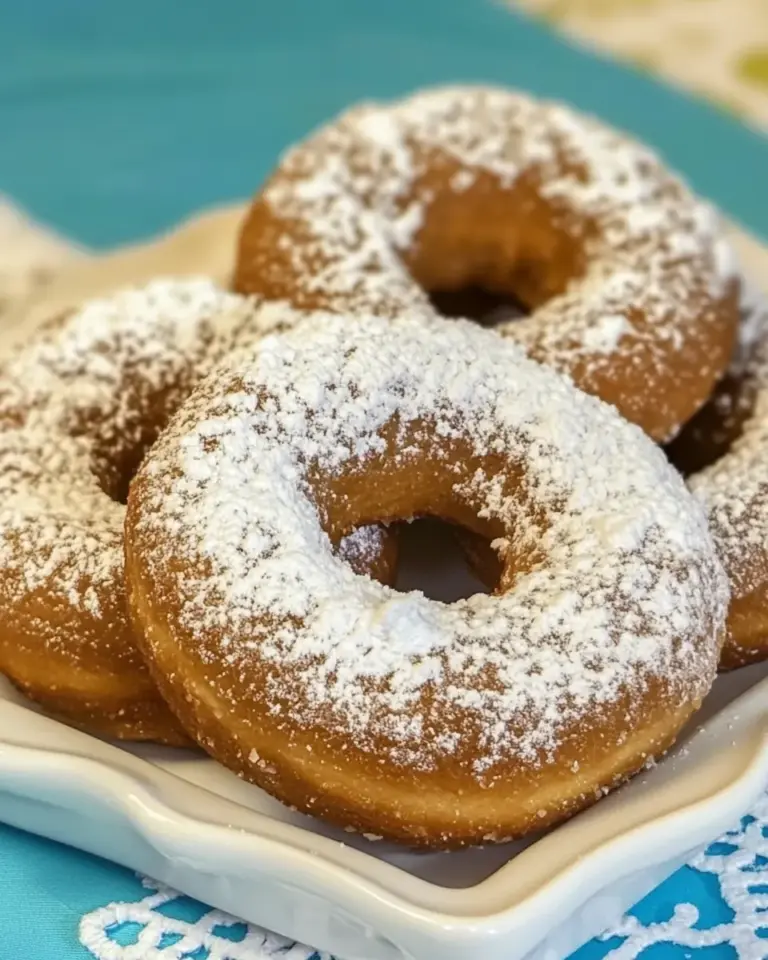

Easy Homemade Biscuits
These biscuits are the kind I reach for when I want something warm, flaky, and unfussy. They come together quickly with pantry staples, and the technique focuses on keeping the butter cold and folding the dough to build layers. You don’t need fancy tools — just a box grater, a spoon, and a little patience with the folds.
I test this method whenever I want consistent results: a tender crumb, golden tops, and biscuits that split easily for butter or whatever you like to pair with a fresh bake. The steps below are deliberate; follow them in order and you’ll be rewarded with biscuits that taste restaurant-level but take under 30 minutes from oven to table.
I’ll walk you through what to buy, every step of the bake (with the exact ingredients and amounts), what trips people up, simple variations that don’t complicate the recipe, and how to store or freeze leftovers. Practical, actionable, and written like I’m handing you the pan.
What to Buy

Stick to the items on the ingredient list below for the best, most predictable biscuits. If you have both whole milk and buttermilk, either one works per the recipe — choose based on the tang you prefer. Butter should be unsalted and frozen as directed; that cold butter is what creates flaky layers.
Here’s a short checklist for the shopping trip: all-purpose flour, baking powder, cane sugar, sea salt, unsalted butter (one stick), and whole milk or buttermilk.
Ingredients
- 2 cups all-purpose flour — spooned and leveled; gives structure and body to the biscuits.
- 1 tablespoon baking powder — the leavening agent; fresh baking powder is key.
- 1 tablespoon cane sugar — balances flavor and helps with browning.
- 1 teaspoon sea salt — seasons the dough; make sure it’s measured accurately.
- ½ cup unsalted butter — 1 stick, frozen for 1 hour; grated cold butter creates flaky layers.
- ¾ cup whole milk or buttermilk — adds moisture and tenderness; either option is included in the recipe.
Homemade Biscuits Cooking Guide
- Preheat the oven to 425°F (218°C) and line a baking sheet with parchment paper.
- In a large bowl, whisk together 2 cups all-purpose flour (spooned and leveled), 1 tablespoon baking powder, 1 tablespoon cane sugar, and 1 teaspoon sea salt.
- Grate ½ cup (1 stick) frozen unsalted butter on the large holes of a box grater. Add the grated butter to the flour mixture, toss to coat, then use your fingertips to rub the butter into the flour until the mixture resembles a coarse meal. Work quickly so the butter stays cold.
- Pour in ¾ cup whole milk or buttermilk and stir with a wooden spoon until a shaggy dough forms. Use your hands to gently knead the dough in the bowl just until any remaining dry flour is incorporated and the dough holds together.
- Turn the dough out onto a lightly floured work surface. Pat or roll the dough into a ½-inch-thick rectangle. Fold the rectangle into thirds (like a letter), then pat or roll it back out to a ½-inch thickness. Rotate the dough a quarter turn and repeat the fold-and-pat step three more times (for a total of four folds), dusting the surface with a little additional flour only if the dough sticks. After the fourth fold, pat or roll the dough one final time to a ½-inch-thick rectangle.
- Use a 3-inch biscuit cutter to cut out 6 biscuits, pressing straight down without twisting. Re-roll the scraps as necessary and cut additional biscuits if possible. Place the biscuits on the prepared baking sheet.
- Bake for 14 to 16 minutes, or until the tops are golden brown. Let the biscuits cool on the baking sheet for 5 minutes before serving.
Why This Recipe is a Keeper

This recipe balances simplicity with technique. The ingredient list is short and uses staples, but the method—grating frozen butter and folding the dough four times—creates layers without complicated lamination. Grating the butter distributes cold pieces evenly and speeds up the process compared to cutting cubes.
The bake time and temperature are tuned to get a quick oven spring and a golden top without drying the interior. The result is a biscuit that’s tender inside, flaky from the cold butter layers, and reliably consistent from batch to batch.
If You’re Out Of…

Here are practical, no-surprise options using ingredients already covered by the recipe:
- If you’re out of buttermilk — use whole milk; the recipe explicitly allows either, and the texture will remain tender.
- If you haven’t frozen your butter ahead of time — pop the stick in the freezer for 30–60 minutes before grating; cold butter is essential for flakiness.
- If you’re missing spooned-and-leveled measuring technique — spoon the flour into the cup and level it off with a straight edge to avoid over-measuring, which can make biscuits dense.
Equipment & Tools
- Oven — accurate preheating to 425°F (218°C) matters for oven spring.
- Baking sheet — lined with parchment for even browning and easy cleanup.
- Box grater — for grating the frozen butter on the large holes.
- Large bowl — to mix dry ingredients and combine the dough.
- Wooden spoon — sturdy for bringing the dough together without overworking.
- 3-inch biscuit cutter — for uniform biscuits; pressing straight down is important.
- Measuring cups and spoons — especially for flour (spoon and level) and the leavening.
- Lightly floured work surface — for rolling and folding the dough.
Easy-to-Miss Gotchas
- Butter temperature: If the butter warms while you work, the fat will smear into the flour and you’ll lose flakiness. Keep it grated and work quickly.
- Measuring flour: Scooping directly with the measuring cup packs flour and can make biscuits heavy. Spoon the flour into the cup and level it off.
- Pressing, not twisting the cutter: Twisting seals the edges and prevents rise. Press straight down and lift the cutter up cleanly.
- Overworking the dough: Knead only until the dough holds together. Over-kneading develops gluten and produces dense biscuits.
- Fold consistency: Folding builds layers—do four folds as written. Skipping or doing uneven folds reduces the layered effect.
Year-Round Variations
Because the recipe deliberately sticks to the basics, you can change how you serve the biscuits through the seasons without altering the dough:
- Serve warm as breakfast staples or as a side for dinners; the basic biscuit is a blank canvas that works any time of year.
- Change thickness: roll slightly thicker for a taller biscuit, or thinner for softer, quicker-baking rounds. Adjust baking time by a couple of minutes as needed.
- Turn scraps into mini biscuits or pull-apart pieces to serve family-style; same dough, different presentation.
Chef’s Rationale
Every step has purpose. Grating frozen butter gives evenly sized cold pieces so pockets of steam form in the oven and create layers. Folding the dough creates distinct strata without the need for butter laminations used in puff pastry. The oven temperature is high to produce a fast rise and browning before the interior dries out.
Keeping the wet and dry ingredients minimal and straightforward ensures tenderness while letting the butter do the work of flavor and flake. This approach favors technique over extra ingredients, which is why following the steps closely yields consistent results.
Storing, Freezing & Reheating
Cool the biscuits completely if you plan to store or freeze them. For short-term storage, keep them in an airtight container at room temperature for up to 2 days. For longer storage, freeze on a tray until solid, then transfer to a sealed freezer bag for up to 1 month.
To reheat: from frozen, warm in a 350°F (175°C) oven for 10–12 minutes until hot through. From room temperature, wrap in foil and warm at 300–325°F (150–160°C) for 5–8 minutes. Always let them sit for a minute before splitting so the crumb sets.
Your Top Questions
- Can I use salted butter? The recipe specifies unsalted butter. Using salted butter will add salt to the final dough and can make the biscuits too salty unless you reduce the measured sea salt. For predictable results, follow the ingredient list.
- What if my biscuits are dense? Check your flour measurement and folding steps. Over-measuring flour or skipping the cold-butter technique are the most common culprits. Also avoid overworking the dough.
- Why grate the butter instead of cutting it? Grating frozen butter is faster and produces uniformly small pieces that stay cold while you work, helping produce more reliable layers.
- Can I make the dough ahead? You can prepare the dough, shape it into a disk, wrap tightly, and chill for up to a day. Add a few minutes to the bake time if baking straight from chilled.
Hungry for More?
If you liked this straightforward biscuit method, try the same cold-butter technique with different shapes and thicknesses for various meals. Bookmark this page as your reliable “go-to” for flaky biscuits whenever you need a dependable, quick bake.
Pin or save the ingredients and the step-by-step guide so you’ll have it ready the next time you want biscuits that are both simple and satisfying.

Easy Homemade Biscuits
Ingredients
Ingredients
- 2 cupsall-purpose flour spooned and leveled
- 1 tablespoonbaking powder
- 1 tablespooncane sugar
- 1 teaspoonsea salt
- 1/2 cupunsalted butter 1 stick, frozen for 1 hour
- 3/4 cupwhole milk or buttermilk
Instructions
Instructions
- Preheat the oven to 425°F (218°C) and line a baking sheet with parchment paper.
- In a large bowl, whisk together 2 cups all-purpose flour (spooned and leveled), 1 tablespoon baking powder, 1 tablespoon cane sugar, and 1 teaspoon sea salt.
- Grate ½ cup (1 stick) frozen unsalted butter on the large holes of a box grater. Add the grated butter to the flour mixture, toss to coat, then use your fingertips to rub the butter into the flour until the mixture resembles a coarse meal. Work quickly so the butter stays cold.
- Pour in ¾ cup whole milk or buttermilk and stir with a wooden spoon until a shaggy dough forms. Use your hands to gently knead the dough in the bowl just until any remaining dry flour is incorporated and the dough holds together.
- Turn the dough out onto a lightly floured work surface. Pat or roll the dough into a ½-inch-thick rectangle. Fold the rectangle into thirds (like a letter), then pat or roll it back out to a ½-inch thickness. Rotate the dough a quarter turn and repeat the fold-and-pat step three more times (for a total of four folds), dusting the surface with a little additional flour only if the dough sticks. After the fourth fold, pat or roll the dough one final time to a ½-inch-thick rectangle.
- Use a 3-inch biscuit cutter to cut out 6 biscuits, pressing straight down without twisting. Re-roll the scraps as necessary and cut additional biscuits if possible. Place the biscuits on the prepared baking sheet.
- Bake for 14 to 16 minutes, or until the tops are golden brown. Let the biscuits cool on the baking sheet for 5 minutes before serving.
Equipment
- Baking Sheet
- Parchment Paper
- Large Bowl
- Box grater
- Wooden Spoon
- work surface
- 3-inch biscuit cutter