Easy Chicken Lo Mein
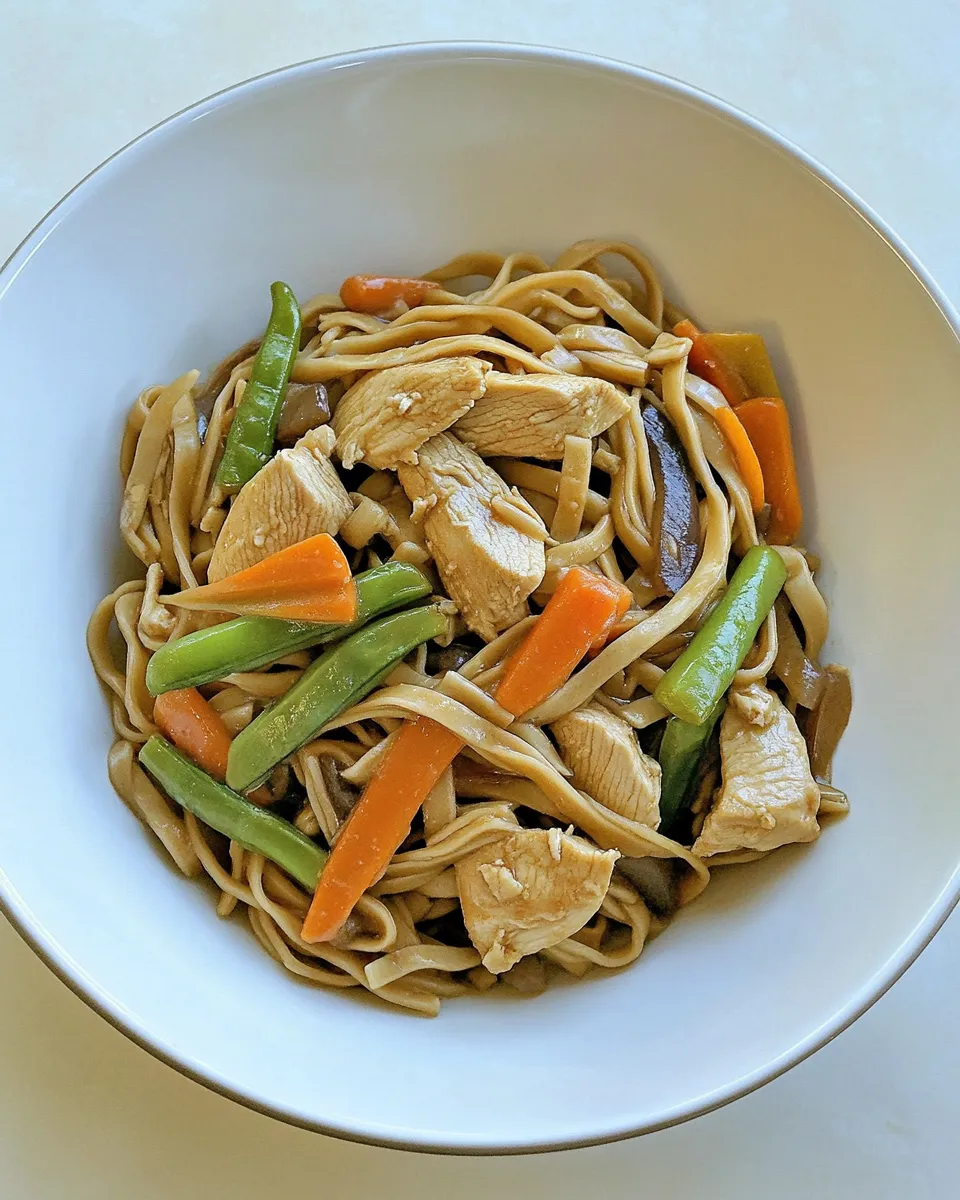
This Chicken Lo Mein is the kind of dinner I reach for when I want something fast, satisfying, and reliably crowd-pleasing. It’s built from pantry-friendly staples and a short, confident set of steps that deliver big flavor without drama. The texture balance—tender chicken, crisp-tender veggies, slippery noodles—makes it feel like a takeout classic made at home.
I aim for practical here: a simple marinade for the chicken, a quick sauce that ties everything together, and a high-heat stir-fry that keeps the vegetables bright. Little details—cutting carrots on the diagonal, letting the oil get shimmering before the chicken—make a real difference and are easy to follow.
What’s in the Bowl

- 8 ounces lo mein noodles — the base; cook according to package directions and drain so they’re ready to toss at the end.
- 2 tablespoons reduced-sodium soy sauce — used in the marinade to season the chicken.
- 1 teaspoon minced fresh ginger — bright aromatic in the marinade; fresh is best for a clean ginger note.
- 2 teaspoons minced garlic — minced garlic in the marinade helps build savory depth.
- 8 ounces chicken breast — cut into bite-sized pieces; could use boneless thigh meat for a juicier result.
- 1 tablespoon wok oil — high-heat oil to stir-fry; you can use vegetable oil if you don’t have wok oil.
- 3 teaspoons minced garlic — for the vegetables; adds a stronger garlic layer without overpowering.
- 8 ounces white button mushrooms, sliced — add meaty, earthy texture and soak up sauce.
- 1 cup sliced bell pepper — color and sweetness; slice uniformly so everything cooks evenly.
- 1 cup thinly sliced carrots — cut on the diagonal for nicer bite and quicker cooking.
- 1/2 cup sliced white onion — brings sharpness and sweetness when stir-fried.
- 2 tablespoons reduced-sodium soy sauce — part of the finishing sauce that coats the noodles.
- 2 teaspoons brown sugar — balances salt and rounds the sauce with a touch of sweetness.
- 2 teaspoons oyster sauce — gives umami weight and a glossy finish to the sauce.
- 1 teaspoon sesame oil — finishing flavor; use sparingly for nuttiness.
- 1/2 teaspoon minced ginger — a smaller amount in the sauce to echo the marinade.
- 1 teaspoon sriracha — adds a little heat; adjust or omit to taste.
Cooking (Chicken Lo Mein): The Process
- In a medium bowl combine 2 tablespoons reduced-sodium soy sauce, 1 teaspoon minced fresh ginger, and 2 teaspoons minced garlic. Stir to combine. Cut 8 ounces chicken breast into bite-sized pieces and add to the marinade; toss to coat and set aside while you prepare the rest of the ingredients.
- Cook 8 ounces lo mein noodles according to package directions; drain and set aside.
- In a small bowl combine 2 tablespoons reduced-sodium soy sauce, 2 teaspoons brown sugar, 2 teaspoons oyster sauce, 1 teaspoon sesame oil, 1/2 teaspoon minced ginger, and 1 teaspoon sriracha. Stir well and set the sauce aside.
- Heat a wok or large skillet over medium-high heat. Add 1 tablespoon wok oil and let it warm until shimmering.
- Remove the chicken from the marinade (discard the marinade) and add the chicken to the hot wok. Stir-fry the chicken, stirring frequently, until cooked through, about 5 minutes. Transfer the cooked chicken to a plate and leave any oil in the wok.
- Add 8 ounces sliced white button mushrooms, 1 cup sliced bell pepper, 1 cup thinly sliced carrots (cut on the diagonal), 1/2 cup sliced white onion, and 3 teaspoons minced garlic to the wok. Stir-fry the vegetables, stirring frequently, until they are tender-crisp, about 3–5 minutes.
- Return the cooked chicken to the wok and add the cooked noodles. Pour the prepared sauce over everything.
- Toss or stir-fry everything together until the noodles and chicken are heated through and the sauce evenly coats the ingredients, about 1–2 minutes. Serve immediately.
Reasons to Love (Chicken Lo Mein)
- Speed: From start to finish this comes together quickly—most of the work is prep, then a few minutes at the wok. Great for weeknights.
- Flexibility: It accepts swaps easily (different protein, other vegetables) while staying rewarding.
- Balanced texture: Soft noodles, tender chicken, and crisp-tender veggies make every bite interesting.
- Pantry-friendly sauce: You probably already have the core sauce components—soy, sugar, oyster sauce, sesame oil—so you can pull this together without a store run.
Substitutions by Category
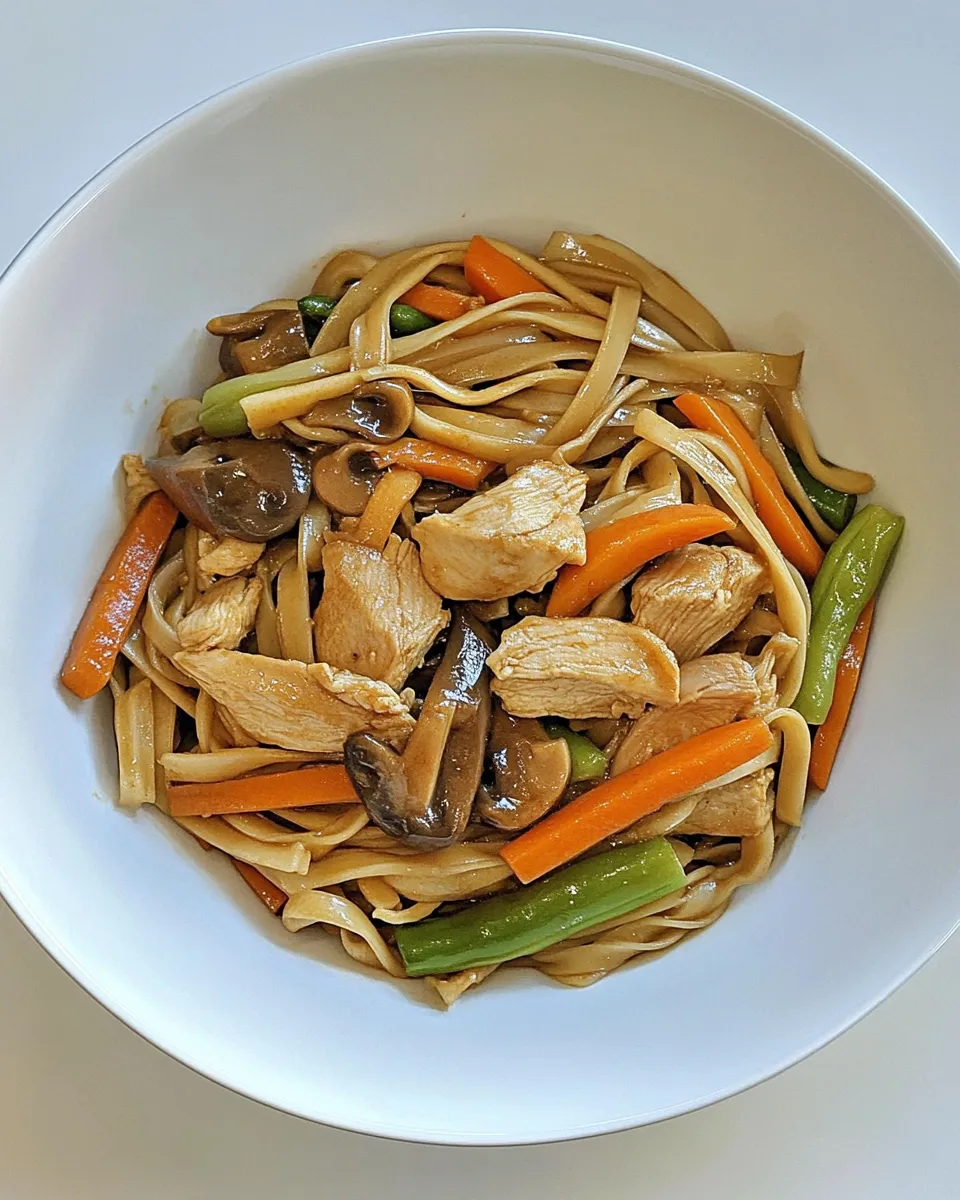
- Protein: Use boneless thigh meat instead of chicken breast for more fat and juiciness (this is already suggested in the ingredients).
- Noodles: If you don’t have lo mein noodles, use spaghetti or linguine cooked al dente; toss with a little oil to prevent sticking.
- Vegetables: Swap bell pepper for snow peas or snap peas; add bok choy or baby corn—anything that keeps a crunch.
- Sauce: If you need gluten-free, use tamari in place of reduced-sodium soy sauce and check the oyster sauce label or use a gluten-free mushroom-based alternative.
- Heat: Reduce sriracha for mild flavor or replace with chili paste for a different spicy profile.
Gear Up: What to Grab
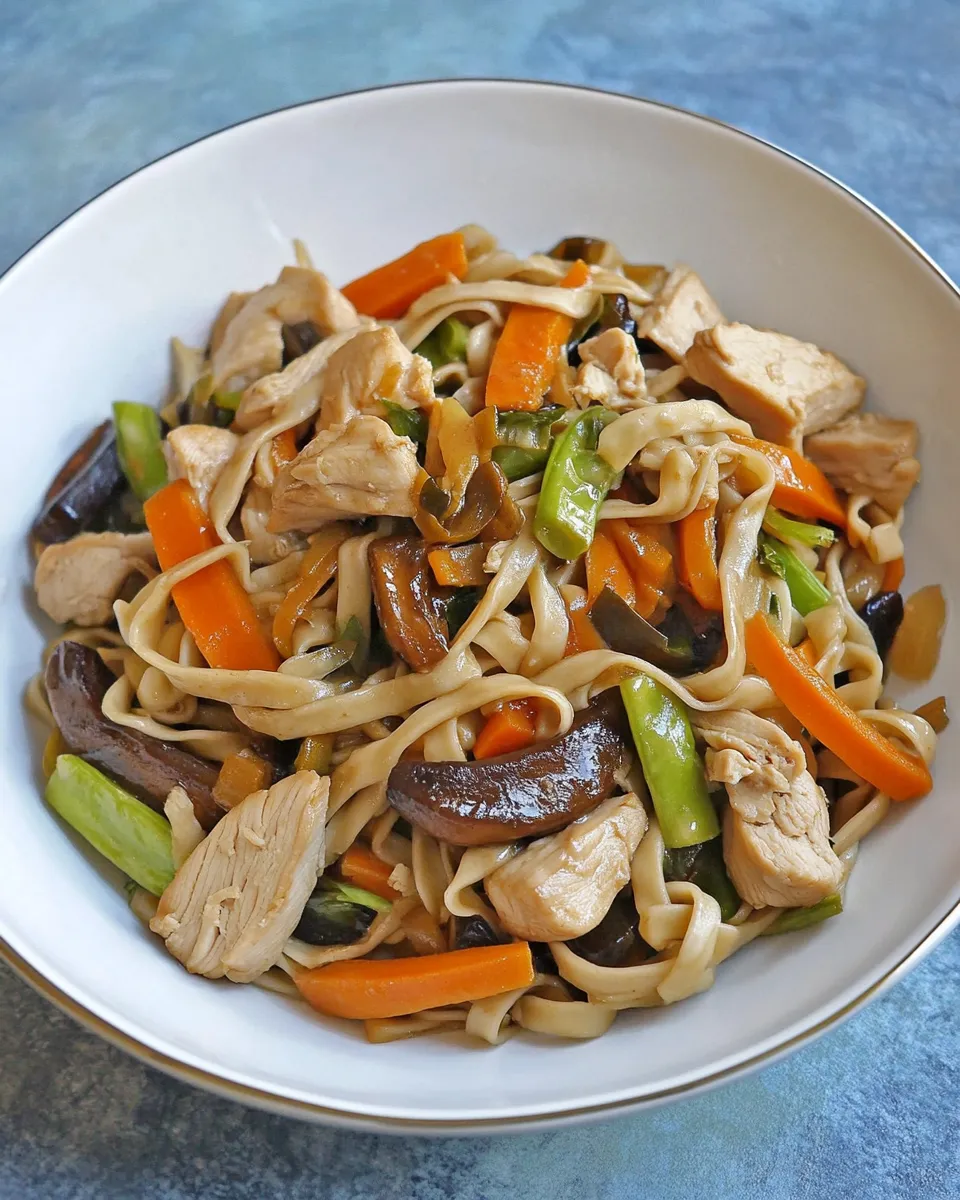
- Wok or large skillet — a wok gives the best toss and high-heat surface, but a roomy skillet works fine.
- Cutting board and a sharp knife — uniform cuts speed cooking and improve texture.
- Medium and small bowls — one for marinade, one for sauce, so everything is staged and ready.
- Spider or tongs — for lifting noodles and stirring while keeping everything intact.
- Colander — to drain cooked noodles thoroughly.
Common Errors (and Fixes)
- Overcrowding the wok — crowding cools the pan and steams rather than sears. Fix: work in batches or clear the pan between stages.
- Soggy vegetables — cooking too long makes them limp. Fix: stir-fry on high heat and pull them when they’re tender-crisp (about 3–5 minutes per recipe).
- Sticking or clumping noodles — if noodles clump, they weren’t drained well or were left to sit. Fix: toss cooked noodles with a teaspoon of oil and separate them with tongs before adding to the pan.
- Blah sauce — underseasoned sauce can make the whole dish flat. Fix: taste the sauce before adding and adjust with a bit more soy or a pinch of sugar if needed; remember the final toss will distribute flavors.
Dietary Swaps & Alternatives
- Vegetarian/Vegan: Replace chicken with firm tofu (pressed and pan-fried) and swap oyster sauce for a vegan mushroom-based stir-fry sauce or extra soy plus a splash of mushroom broth.
- Gluten-free: Use tamari instead of reduced-sodium soy sauce and seek a gluten-free oyster sauce or a mushroom umami substitute.
- Lower sodium: The recipe already specifies reduced-sodium soy sauce. You can further reduce salt by cutting soy sauce slightly and adding acidity (a splash of rice vinegar) to brighten the flavor.
- Low oil: Use a nonstick skillet and reduce oil slightly, but don’t eliminate it—oil carries flavor and helps sear the chicken and vegetables.
Method to the Madness
Why the steps are ordered this way
Marinating the chicken briefly gives it immediate seasoning and guarantees flavor inside each bite. Cooking noodles ahead lets you finish the dish quickly; the final toss is mostly heat-and-coat. High heat in a wok creates the right textural contrast—sear the protein, then flash the vegetables so they stay crisp. The sauce is mixed separately so it’s ready to hit the pan and coat everything uniformly in the last 1–2 minutes.
Quick technique tips
- Prep everything before you heat the pan. Stir-frying moves fast.
- Cut ingredients similarly sized so they finish at the same time.
- Keep the sauce nearby; pouring it in at the right moment is what ties the whole dish together.
Refrigerate, Freeze, Reheat
- Refrigerate: Store leftovers in an airtight container for up to 3–4 days. Noodles will absorb sauce and soften over time.
- Freeze: Not ideal—the texture of noodles and vegetables changes. If you must, freeze in a shallow container for up to 1 month; expect softer vegetables after thawing.
- Reheat: Reheat gently in a hot skillet with a teaspoon or two of oil or a splash of water to loosen the sauce. Microwave works in a pinch but can make noodles gummy; stir halfway through heating.
Chicken Lo Mein FAQs
- Can I make this ahead? You can prep the vegetables and the sauce ahead of time, but stir-fry and combine just before serving for the best texture.
- Can I use frozen chicken? Thaw fully and pat dry before marinating; frozen chicken will release water and prevent good searing.
- Why do my noodles stick together? Make sure they’re drained and tossed with a little oil after cooking. Separate them gently with tongs before adding to the wok.
- Is oyster sauce necessary? It adds umami and body. If you don’t have it, increase soy sauce slightly and add a splash of mushroom broth or a small pinch of anchovy paste if you keep pantry staples of that sort.
In Closing
This Chicken Lo Mein is dependable, quick, and friendly to swaps—everything I want from a weeknight meal. Follow the sequence: marinate, cook noodles, make the sauce, high heat in the wok, and finish with a fast toss. The technique is simple and the result feels like a treat.
Make the dish your own over time: swap in different vegetables, use thighs for added richness, or turn up the heat with more sriracha. It’s a practical, forgiving recipe that rewards small adjustments and honest execution. Enjoy it hot and fresh, and don’t be afraid to tweak it to your household’s tastes.
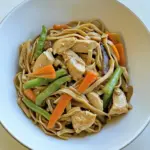
Easy Chicken Lo Mein
Ingredients
Ingredients
- 8 ounceslo mein noodles
- 2 tablespoonsreduced-sodium soy sauce
- 1 teaspoonminced fresh ginger
- 2 teaspoonsminced garlic
- 8 ounceschicken breastcould use boneless thigh meat
- 1 tablespoonwok oilyou can use vegetable oil
- 3 teaspoonsminced garlic
- 8 ounceswhite button mushrooms sliced
- 1 cupsliced bell pepper
- 1 cupthinly sliced carrotscut on the diagonal
- 1/2 cupsliced white onion
- 2 tablespoonsreduced-sodium soy sauce
- 2 teaspoonsbrown sugar
- 2 teaspoonsoyster sauce
- 1 teaspoonsesame oil
- 1/2 teaspoonminced ginger
- 1 teaspoonsriracha
Instructions
Instructions
- In a medium bowl combine 2 tablespoons reduced-sodium soy sauce, 1 teaspoon minced fresh ginger, and 2 teaspoons minced garlic. Stir to combine. Cut 8 ounces chicken breast into bite-sized pieces and add to the marinade; toss to coat and set aside while you prepare the rest of the ingredients.
- Cook 8 ounces lo mein noodles according to package directions; drain and set aside.
- In a small bowl combine 2 tablespoons reduced-sodium soy sauce, 2 teaspoons brown sugar, 2 teaspoons oyster sauce, 1 teaspoon sesame oil, 1/2 teaspoon minced ginger, and 1 teaspoon sriracha. Stir well and set the sauce aside.
- Heat a wok or large skillet over medium-high heat. Add 1 tablespoon wok oil and let it warm until shimmering.
- Remove the chicken from the marinade (discard the marinade) and add the chicken to the hot wok. Stir-fry the chicken, stirring frequently, until cooked through, about 5 minutes. Transfer the cooked chicken to a plate and leave any oil in the wok.
- Add 8 ounces sliced white button mushrooms, 1 cup sliced bell pepper, 1 cup thinly sliced carrots (cut on the diagonal), 1/2 cup sliced white onion, and 3 teaspoons minced garlic to the wok. Stir-fry the vegetables, stirring frequently, until they are tender-crisp, about 3–5 minutes.
- Return the cooked chicken to the wok and add the cooked noodles. Pour the prepared sauce over everything.
- Toss or stir-fry everything together until the noodles and chicken are heated through and the sauce evenly coats the ingredients, about 1–2 minutes. Serve immediately.
Equipment
- Equipment
- Mandoline (optional)
- Wok
- Sharp Knife
- 2 cutting boards
Notes
shitake mushrooms
snow peas
water chestnuts
bean sprouts
broccoli florets