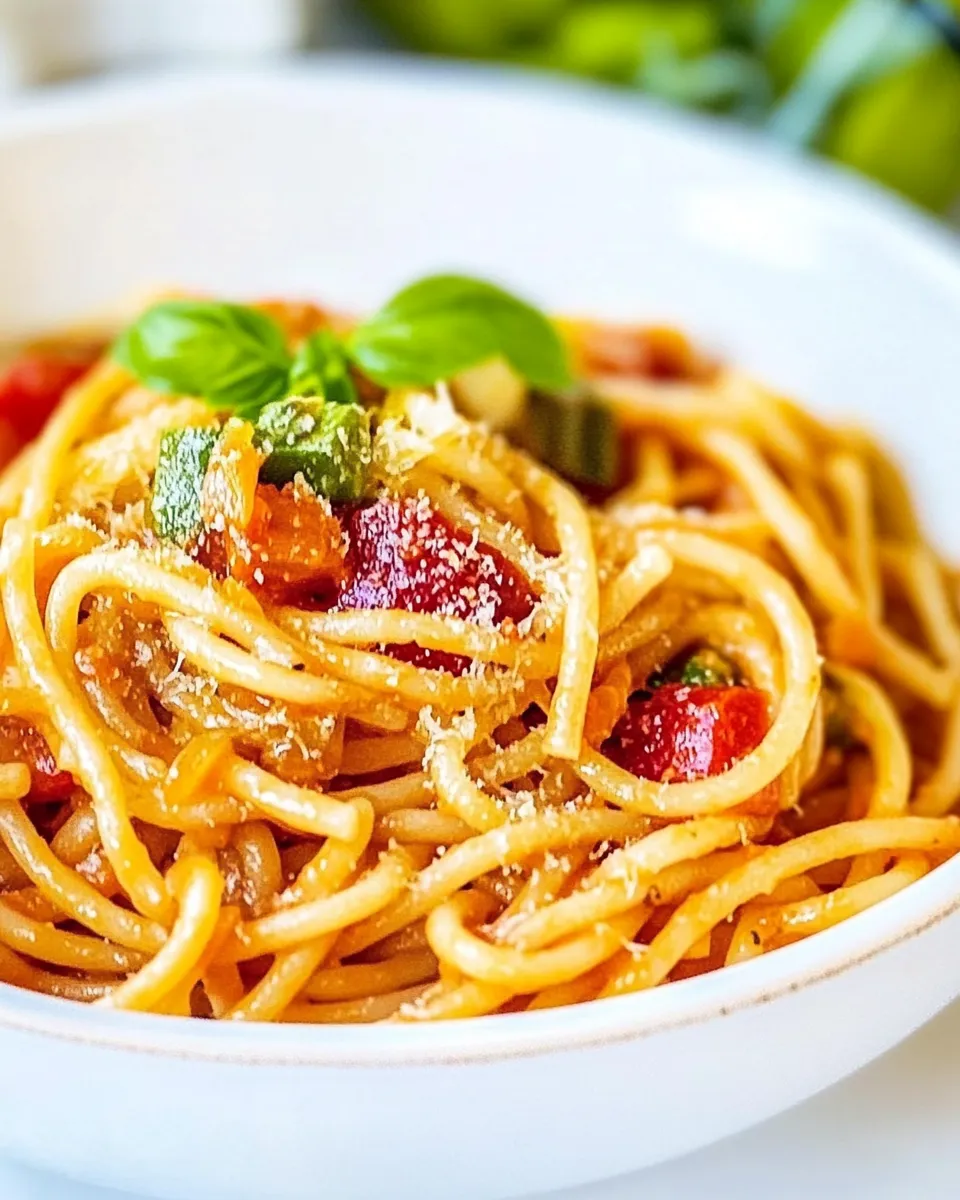
Dominican Spaghetti (Espaguetis)
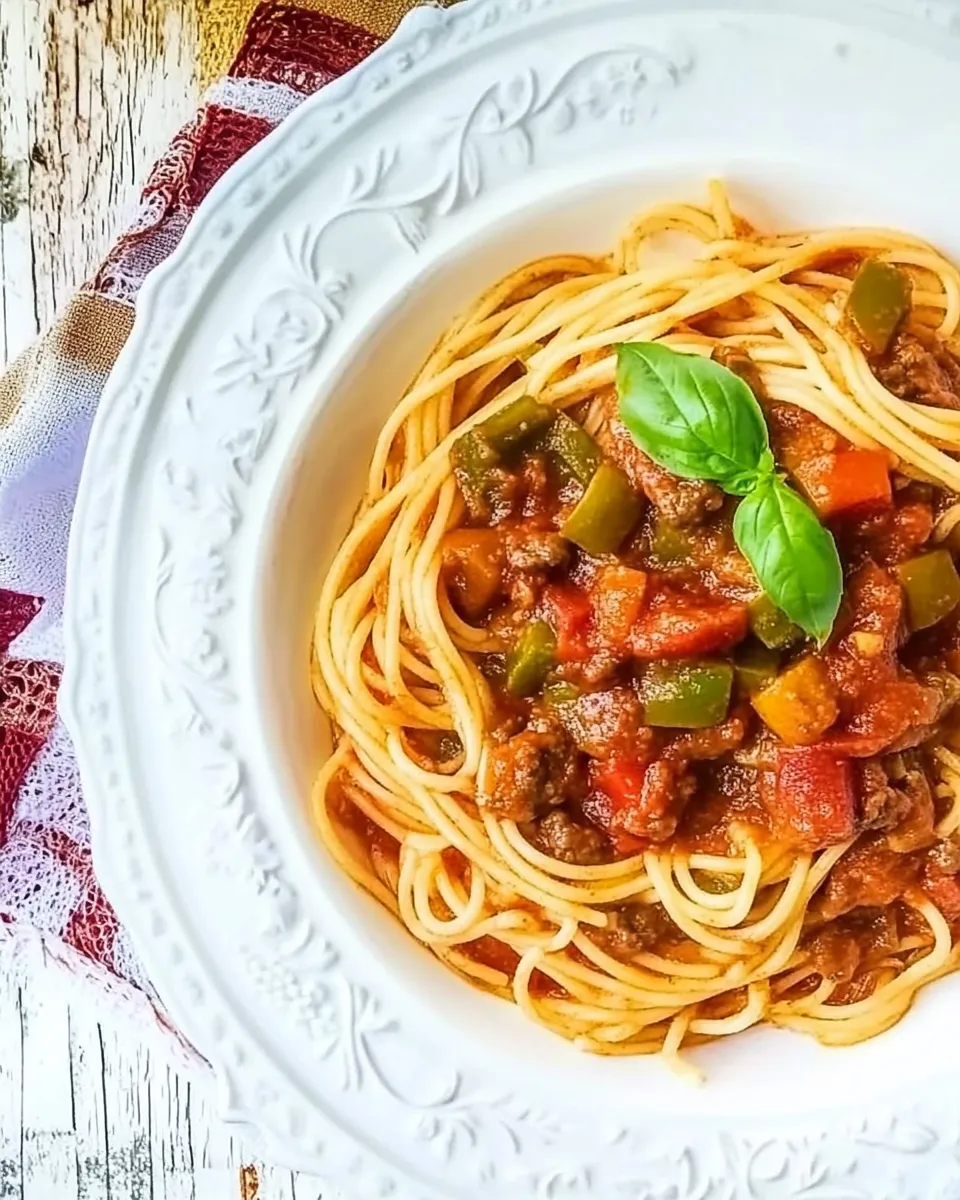
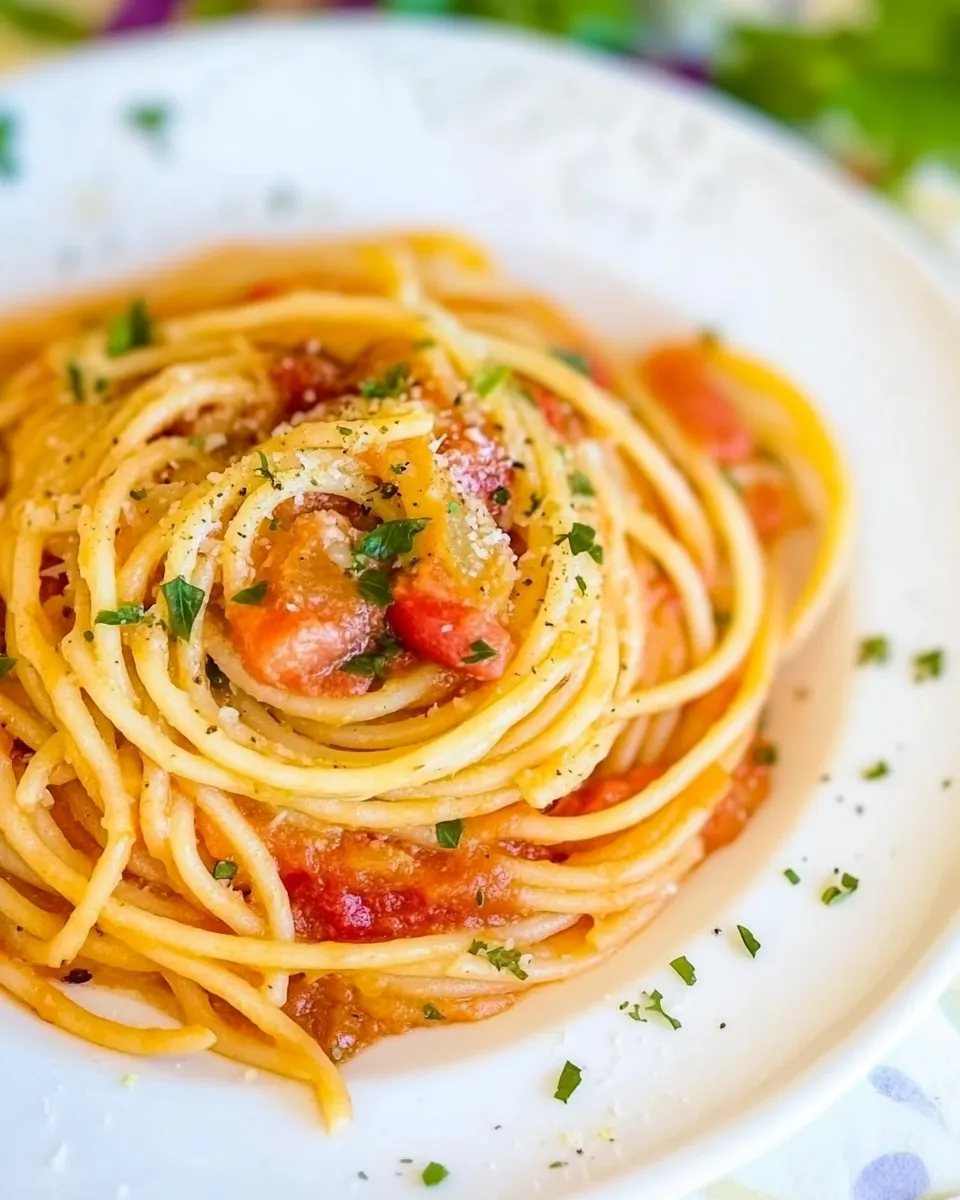
There’s a reason this version of Dominican Spaghetti (Espaguetis) turns up at family tables across the islands: it’s comforting, bright, and surprisingly quick to pull together. With tender pasta bathed in a vibrant tomato sauce, pockets of savory cured meat, briny olives and capers, and a whisper of creaminess from evaporated milk, every bite feels like home. I’ve kept the flavors honest and the steps simple, so you can make a weeknight dinner that tastes like a celebration.
Why you’ll love this recipe

This Dominican Spaghetti (Espaguetis) strikes a perfect balance between pantry-friendly and special-occasion. It uses simple, inexpensive ingredients but the combination of sautéed vegetables, salty cured meat, tomato sauce, and a little dairy creates a depth of flavor that belies how easy it is to make. The recipe scales well, reheats beautifully, and—best of all—comes together in one skillet plus a pot for pasta, making cleanup straightforward.
Ingredients
- ▢1 pound spaghetti, [0.43 kg]
- ▢1½ tablespoons salt
- ▢1 pound Dominican “salami”, [0.43 kg] (Amazon affiliate link)
- ▢2 tablespoon olive oil
- ▢1 red onion, large diced
- ▢1 green bell pepper, or red bell pepper cut into small cubes
- ▢¼ cup pitted green olives
- ▢2 garlic cloves, crushed
- ▢1 tablespoon capers, (optional)
- ▢4 plum tomato, cut into small cubes
- ▢¼ teaspoon oregano (dry, ground)
- ▢2 cups tomato sauce
- ▢¼ tablespoon vinegar, (optional)
- ▢½ cup evaporated milk, (optional)
- ▢¼ teaspoon pepper (freshly-cracked, or ground), or to taste
- ▢¼ cup grated Parmesan cheese, (optional)
Notes on ingredients and simple swaps
If you prefer a milder profile, use a red bell pepper instead of green. The Dominican “salami” in this dish brings a distinctive salty, slightly garlicky note—if you can’t locate a Dominican-style salami, use a similar fully-cooked, fully-cured pork-free alternative that matches the flavor and texture profile. The olives and capers are optional but they add a lovely briny lift that contrasts the tomato sauce. Evaporated milk softens the acidity of the tomatoes and delivers a silky mouthfeel; you can omit it for a lighter sauce.
Kitchen tools you’ll need
- Large pot for boiling spaghetti
- Large skillet or sauté pan
- Wooden spoon or spatula
- Knife and cutting board
- Colander
- Measuring cups and spoons
Prep work (5–10 minutes)
- Bring a large pot of water to a rolling boil. Add the full 1½ tablespoons of salt to the water so the spaghetti cooks seasoned through.
- Cut the Dominican “salami” into thin slices or small cubes, depending on the texture you prefer in the finished dish.
- Dice the red onion and the bell pepper into small, even pieces so they cook quickly and evenly.
- Cube the plum tomatoes and set aside the ¼ cup pitted green olives. Crush the 2 garlic cloves and measure the remaining ingredients.
Step-by-step directions
The directions below are rewritten clearly and sequentially to match the ingredient list and to make execution effortless. Follow them in order for the best results.
- Once the pot of salted water is boiling, add the 1 pound spaghetti. Cook according to package directions until al dente (usually 8–11 minutes). Stir occasionally to prevent the pasta from sticking.
- While the pasta cooks, heat a large skillet over medium heat and add the 2 tablespoon olive oil.
- Add the 1 pound Dominican “salami” (sliced or cubed) to the hot oil. Cook, stirring occasionally, until the salami is golden and slightly crisp around the edges—about 4–6 minutes. This renders flavor and oil into the pan, which will help form the base of the sauce.
- Add the large diced 1 red onion and the 1 green bell pepper (cut into small cubes) to the skillet with the salami. Sauté, stirring often, until the onion is translucent and the peppers have softened—about 4–5 minutes.
- Stir in the 2 crushed garlic cloves and the 1 tablespoon capers (if using). Cook for 30–60 seconds, until the garlic is fragrant. Be careful not to burn the garlic.
- Stir in the ¼ cup pitted green olives and the 4 plum tomato, cut into small cubes. Cook for 2–3 minutes to break down the tomato slightly and marry the ingredients.
- Sprinkle in the ¼ teaspoon oregano (dry, ground) and add the 2 cups tomato sauce. Stir thoroughly to combine all the elements in the skillet.
- If you like a little brightness, add the ¼ tablespoon vinegar (optional) now. Stir and let the sauce simmer gently for 5–7 minutes over medium-low heat so flavors meld and the sauce thickens slightly.
- When the pasta reaches al dente, reserve about ½ cup of the pasta cooking water, then drain the spaghetti in a colander.
- Add the drained spaghetti directly to the skillet with the sauce. Toss to combine, coating the pasta evenly. If the mixture looks too dry, add some of the reserved pasta water a splash at a time until you reach the desired consistency.
- Stir in the ½ cup evaporated milk (optional) to add creaminess and soften the tomato acidity. Heat through for 1–2 minutes so the milk warms but does not boil vigorously.
- Season with ¼ teaspoon pepper (freshly-cracked, or ground), adjusting to taste. Mix well to distribute the seasoning.
- If using, sprinkle the ¼ cup grated Parmesan cheese over the pasta and toss once more so the cheese melts into the sauce.
- Serve immediately, dividing the Dominican Spaghetti (Espaguetis) among plates. Add an extra grind of pepper or a few reserved olives on top if you like.
Serving suggestions
This Dominican Spaghetti (Espaguetis) is excellent with a simple green salad and crusty bread to mop up any remaining sauce. For a classic pairing, serve alongside fried plantains or a scoop of avocado for a creamy contrast. Leftovers reheat well in a skillet over medium heat with a splash of water or milk to loosen the sauce.
Recipe tips and troubleshooting
- Salted pasta water: Adding 1½ tablespoons of salt to the boiling water seasons the pasta from within. This is a key step for flavor.
- Salami texture: Cut the salami into thin slices for instant bites of salty richness, or cube it for more substantial pieces throughout the pasta.
- Balancing acidity: If the tomatoes taste too bright, the optional ½ cup evaporated milk softens the sauce beautifully without overpowering the dish.
- Consistency fix: If the sauce is too thin, simmer a few extra minutes uncovered. If it’s too thick, stir in reserved pasta water a tablespoon at a time.
- Make it milder: Omit the capers and lower the number of olives if you want a subtler briny note.
Make-ahead and storage
You can make the sauce up to 24 hours ahead and reheat it gently, then toss with freshly cooked pasta before serving. Store leftovers in an airtight container in the refrigerator for up to 3 days. Reheat covered in a skillet over medium-low heat with a splash of water or evaporated milk to restore creaminess.
Final thoughts
This Dominican Spaghetti (Espaguetis) is a celebration of straightforward ingredients and bold, simple flavors. The cured meat lends a satisfying savoriness while olives and capers bring brightness; tomato sauce and optional evaporated milk round everything into a silky, comforting plate of pasta. It’s the kind of recipe that becomes a weeknight staple and a guest favorite—reliable, delicious, and easy to adapt.
Printable checklist
- Gather ingredients
- Boil salted water for pasta
- Cook salami until golden
- Sauté onion and pepper
- Add garlic, capers, olives, and tomatoes
- Stir in oregano and tomato sauce, simmer
- Cook spaghetti al dente, drain and reserve water
- Toss spaghetti with sauce, add evaporated milk and cheese if using
- Season, serve, enjoy
Enjoy your homemade Dominican Spaghetti (Espaguetis)—a comforting, flavorful dish that’s quick enough for busy nights and tasty enough for special occasions.
Dominican Spaghetti (Espaguetis)
Ingredients
- 1 pound spaghetti
- 1½ tablespoons salt divided (add 1 tbsp to boiling water, reserve remaining to taste)
- 1 pound Dominican salami cut into cubes
- 2 tablespoons olive oil
- 1 red onion large, diced
- 1 green bell pepper or red bell pepper, cut into small cubes
- 1/4 cup pitted green olives
- 2 cloves garlic crushed
- 1 tablespoon capers optional
- 4 plum tomatoes cut into small cubes
- 1/4 teaspoon oregano dry, ground
- 2 cups tomato sauce
- 1/4 tablespoon vinegar optional (do not add if using milk)
- 1/2 cup evaporated milk optional (do not add if using vinegar)
- 1/4 teaspoon black pepper freshly cracked or ground, or to taste
- 1/4 cup grated Parmesan cheese optional, for garnish
Instructions
- Bring a large pot of water to a boil and add 1 tablespoon of salt. Add the spaghetti and cook until slightly softer than al dente (short of fully firm). Drain and set aside.
- While the pasta cooks, heat the olive oil in a large skillet or pot over medium heat.
- Add the cubed salami and cook, stirring, until the salami browns.
- Reduce heat to medium-low and add the diced onion, bell pepper, olives, crushed garlic, and capers (if using). Cook, stirring, until the onion is translucent, about 1–2 minutes.
- Stir in the diced tomatoes and oregano, cover, and simmer until the tomatoes are softened, about 3–5 minutes.
- Add the tomato sauce and vinegar (omit vinegar if using milk). Stir to combine and heat through.
- If using evaporated milk, stir it in now, then add the drained spaghetti and toss gently to coat. Do not let the mixture boil after adding milk to avoid curdling.
- Season with the remaining salt (to taste) and black pepper. Mix well and adjust seasoning as needed.
- Serve hot and garnish with grated Parmesan cheese, if desired.
Equipment
- Large Pot
- large skillet or pot
- Colander
- Knife
- Cutting Board
- Measuring Spoons
Notes
- Do not add vinegar if you are using milk.
- Both milk and vinegar are optional; versions vary by household.
- Use Dominican salami for the authentic flavor.
- Cook the spaghetti slightly less than al dente so it finishes in the sauce.