Creamy Garlic Mashed Cauliflower
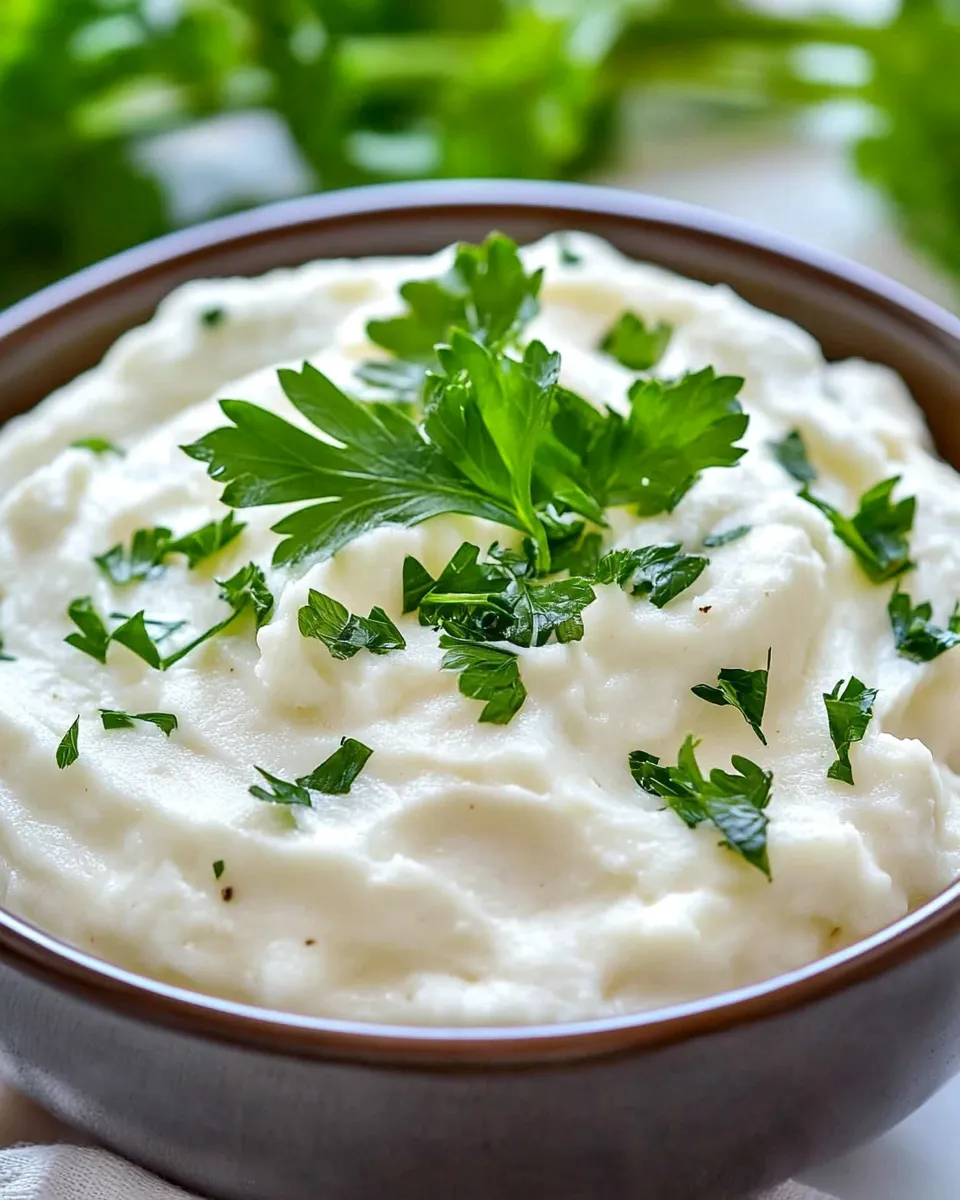
This is the mashed cauliflower I reach for when I want something comfortingly creamy without the heaviness of potatoes. It’s simple, honest, and comes together fast—perfect for weeknights or a low-carb side that won’t disappoint at the dinner table. The garlic is gently softened in olive oil before being folded in, so it gives a warm, mellow backbone rather than a sharp raw bite.
I like to keep the texture flexible: mash by hand for rustic, chunky bites or blend until silky for an elegant finish. Either way, a small amount of milk—or the reserved cooking liquid—pulls everything together and keeps the cauliflower luscious without adding unnecessary fat.
Below you’ll find an exact ingredient checklist, step-by-step directions taken from the tested method, and practical tips for swaps, storing, and troubleshooting. No fluff—just the reliable guidance I use every time I make this.
Ingredient Checklist

Ingredients
- 1 cauliflower — medium head, cut into florets; the base of the dish, provides structure and mild flavor.
- 1/4 cup milk — skim or reduced-fat; adds creaminess without extra richness; can be substituted (see note below).
- 1 tablespoon extra virgin olive oil — used to sauté the garlic and to add body and a hint of fruitiness.
- 2 garlic cloves — minced; the primary flavor lift, sautéed briefly so it becomes fragrant and mellow.
- 1/2 teaspoon salt — seasons the puree; start here and adjust to taste.
- black pepper — freshly ground, to taste; finishes the dish with subtle heat and aromatics.
Creamy Garlic Mashed Cauliflower: From Prep to Plate
- Bring a large pot of water to a boil. Add the cauliflower florets and cook until very tender, about 10 minutes.
- Before draining, remove and set aside 1/4 cup of the cooking liquid (this can be used instead of the milk). Drain the cauliflower thoroughly.
- While the cauliflower cooks, heat 1 tablespoon extra virgin olive oil in a small sauté pan over medium-low heat. Add 2 minced garlic cloves and sauté about 30 seconds, until just golden and fragrant. Remove the pan from the heat.
- Transfer the drained cauliflower to a large bowl (or to a food processor). Mash with a potato masher for a chunkier texture, or use an immersion/hand blender or food processor to puree until smooth.
- While mashing or blending, slowly add 1/4 cup milk (skim or reduced-fat) and continue mixing until you reach the desired consistency. If substituting, use the reserved 1/4 cup cooking liquid or 1/4 cup unsweetened non-dairy milk in place of the milk.
- Stir in the sautéed garlic and olive oil mixture.
- Add 1/2 teaspoon salt and freshly ground black pepper to taste; stir to combine.
- Serve warm.
Why Creamy Garlic Mashed Cauliflower is Worth Your Time
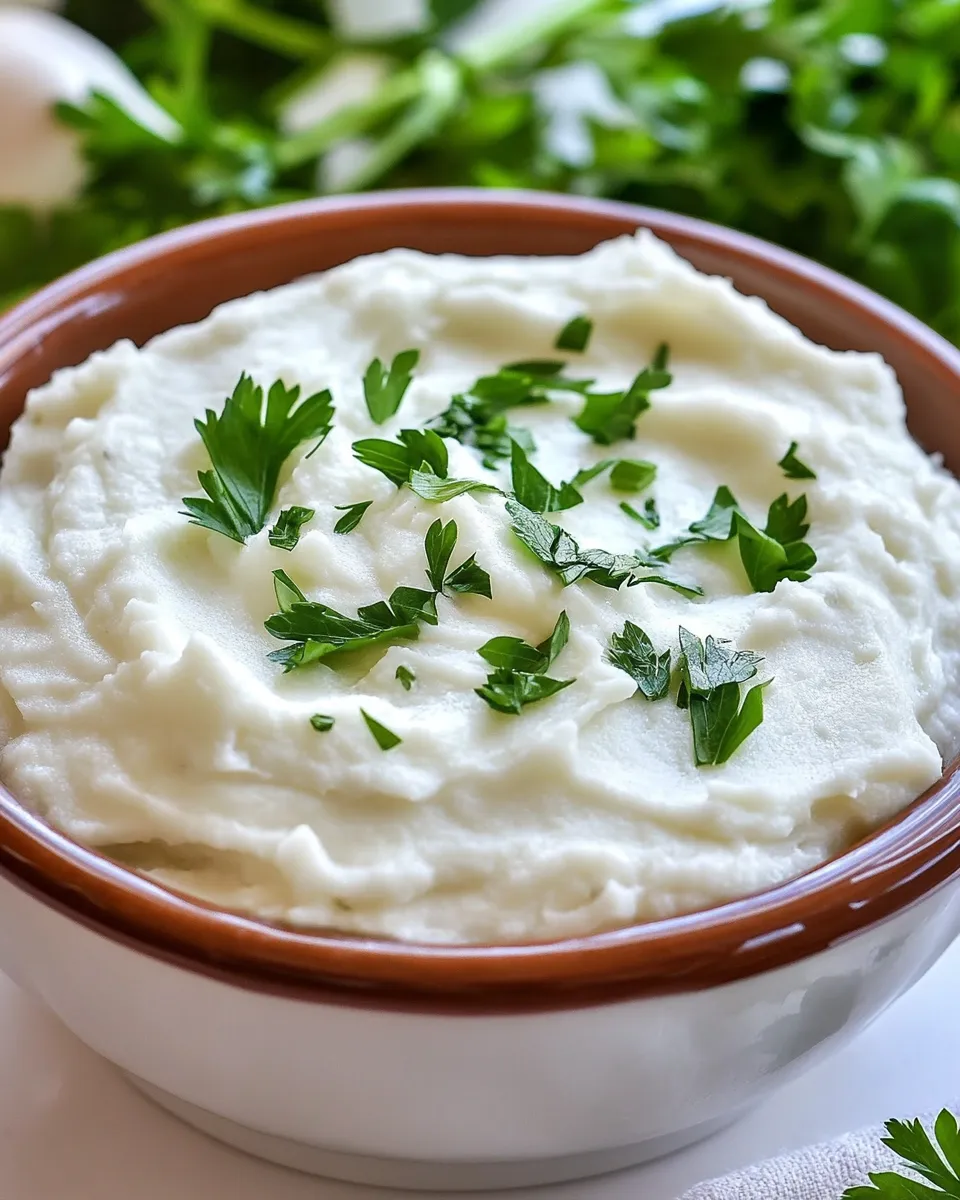
This is one of those side dishes that feels special but doesn’t demand a lot of attention. Ten minutes of boiling, a minute on the stove for the garlic, and a couple minutes to mash—done. The payoff is a bowl of rich, mellow flavor with a texture that can be tailored to the meal: fluffy and rustic next to braised meats, or smooth and silky as the star of a lighter plate.
Flavor-wise, the gentle sauté on the garlic matters. It removes the raw edge and gives a toasty, aromatic quality that permeates the cauliflower. Using a small amount of milk keeps things creamy without masking the vegetable’s natural sweetness. And the option to use the reserved cooking liquid is a smart shortcut that preserves flavor and avoids extra dairy if you want to keep it lighter.
Beyond taste and texture, mashed cauliflower is naturally lower in carbs and calories than mashed potatoes, and it’s a great way to increase vegetable intake without sacrificing comfort. It adapts well to seasonings and pairings, which makes it a reliable go-to for weeknight dinners or holiday spreads alike.
Vegan & Vegetarian Swaps
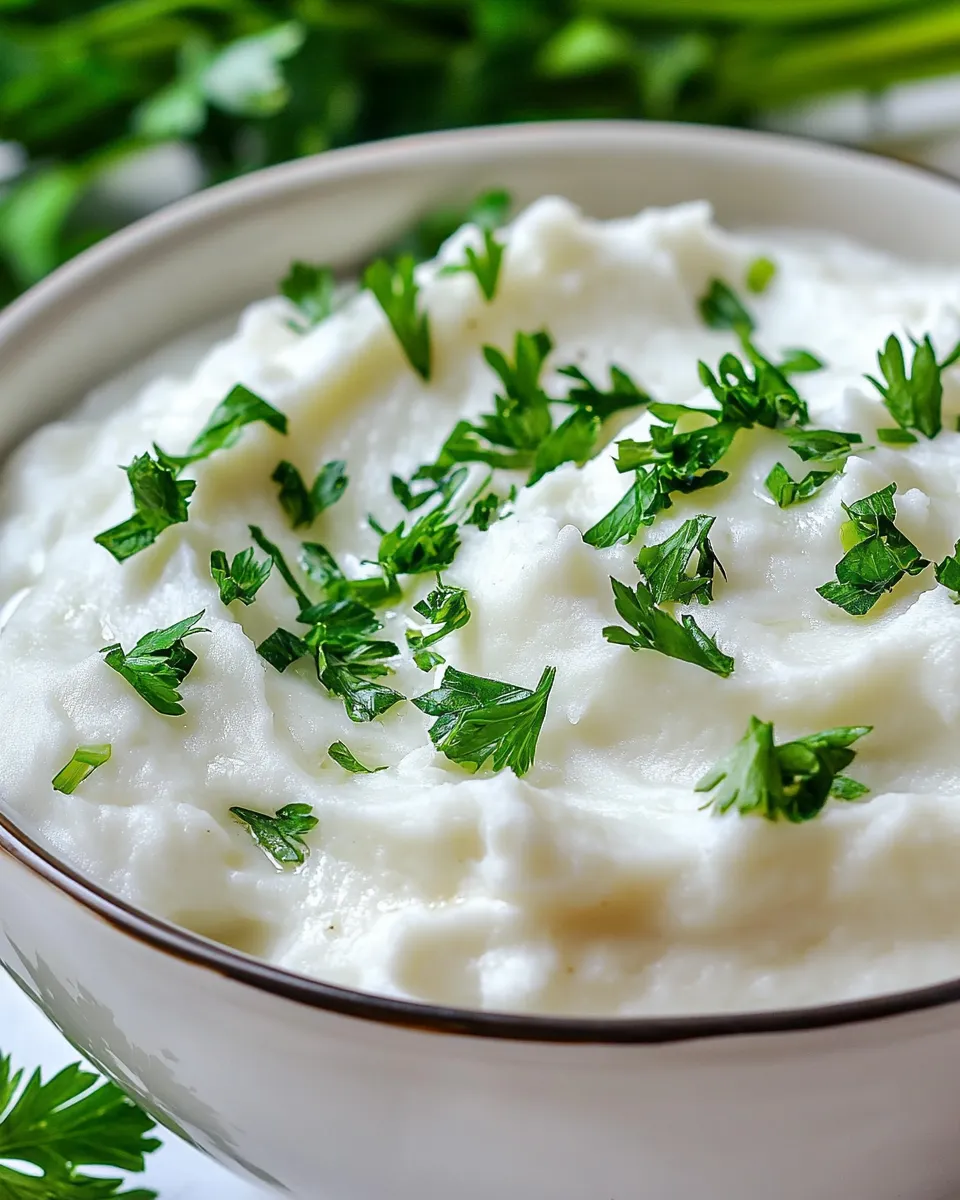
This recipe is already vegetarian. For a vegan version, use the substitution mentioned in the recipe: replace the 1/4 cup milk with 1/4 cup unsweetened non-dairy milk or the reserved 1/4 cup cooking liquid. That keeps the texture creamy while removing dairy. The olive oil provides the fat and mouthfeel you want, so there’s no need to add butter or cheese.
If you need a salt-free option, reduce or omit the 1/2 teaspoon salt and rely on freshly ground black pepper and a squeeze of lemon (optional) to brighten the flavors. The reserved cooking liquid can also concentrate cauliflower flavor and add a savory note if you’re cutting back on dairy or salt.
Equipment Breakdown
- Large pot — to boil the cauliflower florets; big enough for at least the head of cauliflower plus water.
- Colander or fine-mesh strainer — to drain the cooked cauliflower well and to catch the reserved cooking liquid.
- Small sauté pan — for gently cooking the minced garlic in olive oil.
- Potato masher — for a chunkier texture and rustic appeal.
- Immersion blender, hand blender, or food processor — to puree the cauliflower smooth if you prefer a silky finish.
- Large mixing bowl — if you aren’t processing directly in the pot or food processor.
Frequent Missteps to Avoid
Here are common slip-ups I see and how to prevent them:
- Undercooking the cauliflower — If it isn’t very tender, the texture will be grainy and unpleasant. Cook until very tender, roughly the 10 minutes stated.
- Skipping the reserved cooking liquid — Don’t forget to reserve 1/4 cup before draining. It’s a simple way to add body and flavor if you’re short on milk or avoiding dairy.
- Overcooking the garlic — Garlic cooks quickly; 30 seconds over medium-low is enough. Burnt garlic turns bitter and will take the dish in the wrong direction.
- Adding too much liquid at once — Add the 1/4 cup milk slowly while mashing or blending so you can control the final consistency. You can always add more, but it’s hard to reverse if it gets too loose.
- Poor draining — If cauliflower retains too much water, the mash will be thin. Drain thoroughly after reserving the cooking liquid.
Nutrition-Minded Tweaks
A few small choices make this dish leaner or more satiating depending on your goals:
- Lower fat — The recipe uses 1/4 cup skim or reduced-fat milk, which keeps calories down. Use the reserved cooking liquid in place of milk for an even lighter option.
- Lower sodium — Start with less than the 1/2 teaspoon salt and finish at the table. Freshly ground black pepper adds flavor without sodium.
- More fiber and bulk — Keep some texture by mashing rather than fully pureeing. That adds satiety and makes each spoonful feel more substantial.
Testing Timeline
Here’s a practical timeline for the recipe so you can plan your plate:
- Prep (cut cauliflower, mince garlic) — 5 to 10 minutes.
- Cook cauliflower — about 10 minutes until very tender.
- Sauté garlic — about 30 seconds while the cauliflower cooks.
- Mash/blend and finish — 2 to 5 minutes depending on desired texture.
- Total time — roughly 20 to 25 minutes from start to finish.
Store, Freeze & Reheat
Storage is straightforward. Cool the mash to room temperature, then transfer to an airtight container.
- Refrigerator — Keeps well for up to 3–4 days. Reheat gently on the stove over low heat, stirring in a splash of milk or the reserved cooking liquid to loosen if it has thickened.
- Freezer — Mashed cauliflower can be frozen, but note the texture will change slightly. Freeze in a freezer-safe container for up to 2 months. Thaw in the fridge overnight before reheating.
- Reheating tips — Reheat slowly over low heat on the stovetop or in short bursts in the microwave, stirring between intervals. Add 1–2 tablespoons of milk or cooking liquid as needed to restore creaminess.
Popular Questions
Can I use frozen cauliflower? Yes—you can, but frozen florets release more water when thawed. Cook them and be sure to drain thoroughly; consider reserving a little less of the cooking liquid if it’s watery.
How do I make it really smooth? Use a food processor or an immersion blender and process until silky, adding the 1/4 cup milk slowly as you go. A food processor will give the silkiest result.
Can I add cheese or butter? This recipe keeps things light and simple. While cheese or butter will add richness, I don’t include them here to stay faithful to the provided method. If you want to experiment later, add a small knob of butter or a sprinkle of grated cheese to taste.
Is the garlic strong? Not if you follow the brief sauté step. Sautéed garlic is fragrant and mellow rather than sharp; it blends into the cauliflower for warmth without overpowering.
Hungry for More?
If you liked this creamy, simple side, try swapping flavors next time—fold in chopped fresh herbs after mashing, or top with toasted nuts for crunch. Mashed cauliflower is versatile: treat it like a canvas and keep notes on what your family prefers. If you want more vegetable-forward sides that are quick and weeknight-friendly, I’ve got several recipes that follow the same principle of minimal fuss for maximum comfort.
Make this one tonight—the steps are straightforward, the result is reliably pleasing, and it pairs beautifully with roasted proteins, stews, or a simply dressed salad. Bon appétit.

Creamy Garlic Mashed Cauliflower
Ingredients
Ingredients
- 1 cauliflowermedium head cut into florets
- 1/4 cupmilkskim or reduced-fat; substitute with unsweetened non-dairy milk or 1/4 cup of the cooking liquid
- 1 tablespoonextra virgin olive oil
- 2 garlic clovesminced
- 1/2 teaspoonsalt
- black pepperfreshly ground to taste
Instructions
Instructions
- Bring a large pot of water to a boil. Add the cauliflower florets and cook until very tender, about 10 minutes.
- Before draining, remove and set aside 1/4 cup of the cooking liquid (this can be used instead of the milk). Drain the cauliflower thoroughly.
- While the cauliflower cooks, heat 1 tablespoon extra virgin olive oil in a small sauté pan over medium-low heat. Add 2 minced garlic cloves and sauté about 30 seconds, until just golden and fragrant. Remove the pan from the heat.
- Transfer the drained cauliflower to a large bowl (or to a food processor). Mash with a potato masher for a chunkier texture, or use an immersion/hand blender or food processor to puree until smooth.
- While mashing or blending, slowly add 1/4 cup milk (skim or reduced-fat) and continue mixing until you reach the desired consistency. If substituting, use the reserved 1/4 cup cooking liquid or 1/4 cup unsweetened non-dairy milk in place of the milk.
- Stir in the sautéed garlic and olive oil mixture.
- Add 1/2 teaspoon salt and freshly ground black pepper to taste; stir to combine.
- Serve warm.
Equipment
- Large Pot
- Sauté Pan
- Large Bowl
- Potato Masher
- Immersion Blender
- Food Processor