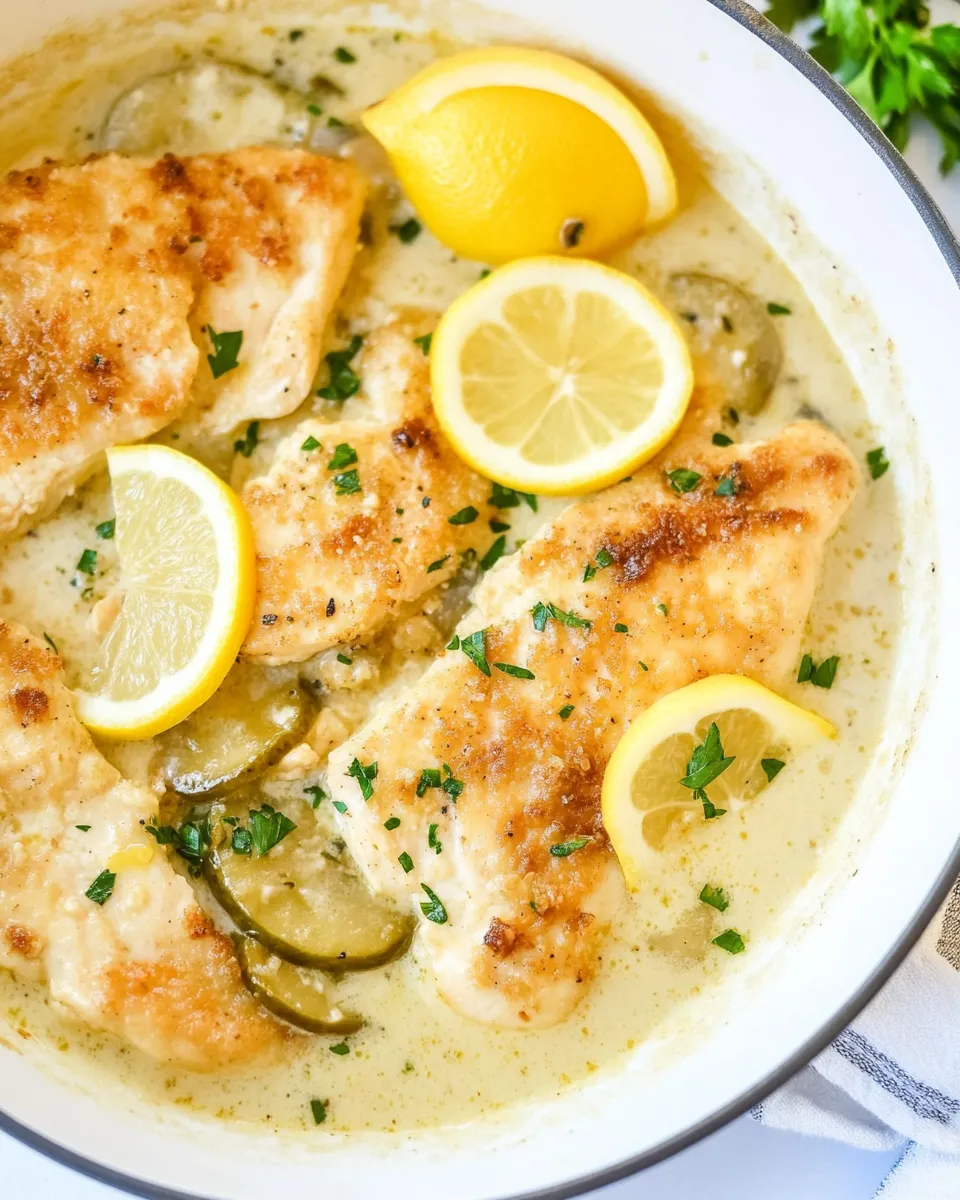
Creamy Chicken Piccata
This is the version of chicken piccata I reach for when I want something fast, satisfying, and reliably impressive. It has a bright lemon backbone, salty pop from brined capers, and a silky cream finish that makes it feel indulgent without fuss. The method is straightforward and forgiving, which is why I cook it often on weeknights and for friends who drop by unexpectedly.
I keep the technique tight: thin cutlets, a light dredge, quick sear, and a short sauce that comes together in the same pan. That pan fond is the flavor secret. No complicated steps, no long waiting. If you follow the order and respect the pan temperature you’ll have excellent results every time.
Below I list everything you need to shop for and the exact step-by-step directions. Read the Build section once before you start. Then cook with confidence. The dish scales well, and cleanup is simple — a single skillet plus whatever you used to flatten the chicken.
Shopping List

- 2 pounds chicken breast, cut or pounded into thin cutlets
- 1/3 cup flour
- 2 teaspoons garlic powder
- 1/2 teaspoon salt
- 1/2 teaspoon pepper
- 1 tablespoon olive oil
- 5 tablespoons butter
- 1/3 cup fresh lemon juice, about 3 lemons worth
- 1/2 cup chicken broth
- 1/4 cup brined capers, drained
- 1/2 cup heavy cream
Ingredients
- 2 pounds chicken breast, cut or pounded into thin cutlets — thin, even cutlets cook quickly and evenly; pound thicker pieces to match the thinnest ones.
- 1/3 cup flour — light dredge for a bit of crust and to help thicken the sauce.
- 2 teaspoons garlic powder — keeps the dredge simple while adding steady garlic flavor.
- 1/2 teaspoon salt — seasons the flour and the chicken; adjust later if needed.
- 1/2 teaspoon pepper — a touch of pepper in the dredge for balance.
- 1 tablespoon olive oil — used to sear and prevent sticking; heats quickly.
- 5 tablespoons butter — builds richness in the sauce and carries the browned bits.
- 1/3 cup fresh lemon juice, about 3 lemons worth — bright acid to cut the richness and define the flavor.
- 1/2 cup chicken broth — adds savory depth to the sauce and loosens browned bits.
- 1/4 cup brined capers, drained — salty, tangy pops that make the dish unmistakable.
- 1/2 cup heavy cream — gives the sauce its silky, creamy finish.
Build Creamy Chicken Piccata Step by Step
- If not already, cut or pound the 2 pounds chicken breast into thin cutlets. Pat dry if needed.
- In a shallow dish, combine 1/3 cup flour, 2 teaspoons garlic powder, 1/2 teaspoon salt, and 1/2 teaspoon pepper.
- Dredge each chicken cutlet in the flour mixture, coating both sides lightly; shake off excess flour.
- Heat 1 tablespoon olive oil in a large heavy skillet over medium heat until hot.
- Working in batches so you do not overcrowd the pan, lay cutlets flat in the skillet. Cook 3–4 minutes on the first side without flipping, then flip and cook about 3 minutes on the other side, until golden and almost cooked through. Transfer cooked cutlets to a plate and repeat with remaining chicken.
- Reduce heat to low. Add 5 tablespoons butter to the pan and stir, scraping any browned flour and chicken bits from the bottom. Cook about 1 minute, until the butter and bits are lightly golden.
- Add 1/2 cup chicken broth and 1/3 cup fresh lemon juice to the pan, stirring and scraping the browned bits until the sauce is smooth. Increase heat to bring the sauce to a simmer.
- Slowly stir in 1/2 cup heavy cream, then add 1/4 cup brined capers (drained); stir to combine.
- Keep the sauce at a gentle simmer and cook until it thickens slightly, about 2–3 minutes.
- Return the chicken to the skillet, spoon sauce over the cutlets, and simmer 4–8 minutes more, until chicken is cooked through (165° internal temperature). Remove from heat and serve.
Why It’s Crowd-Pleasing
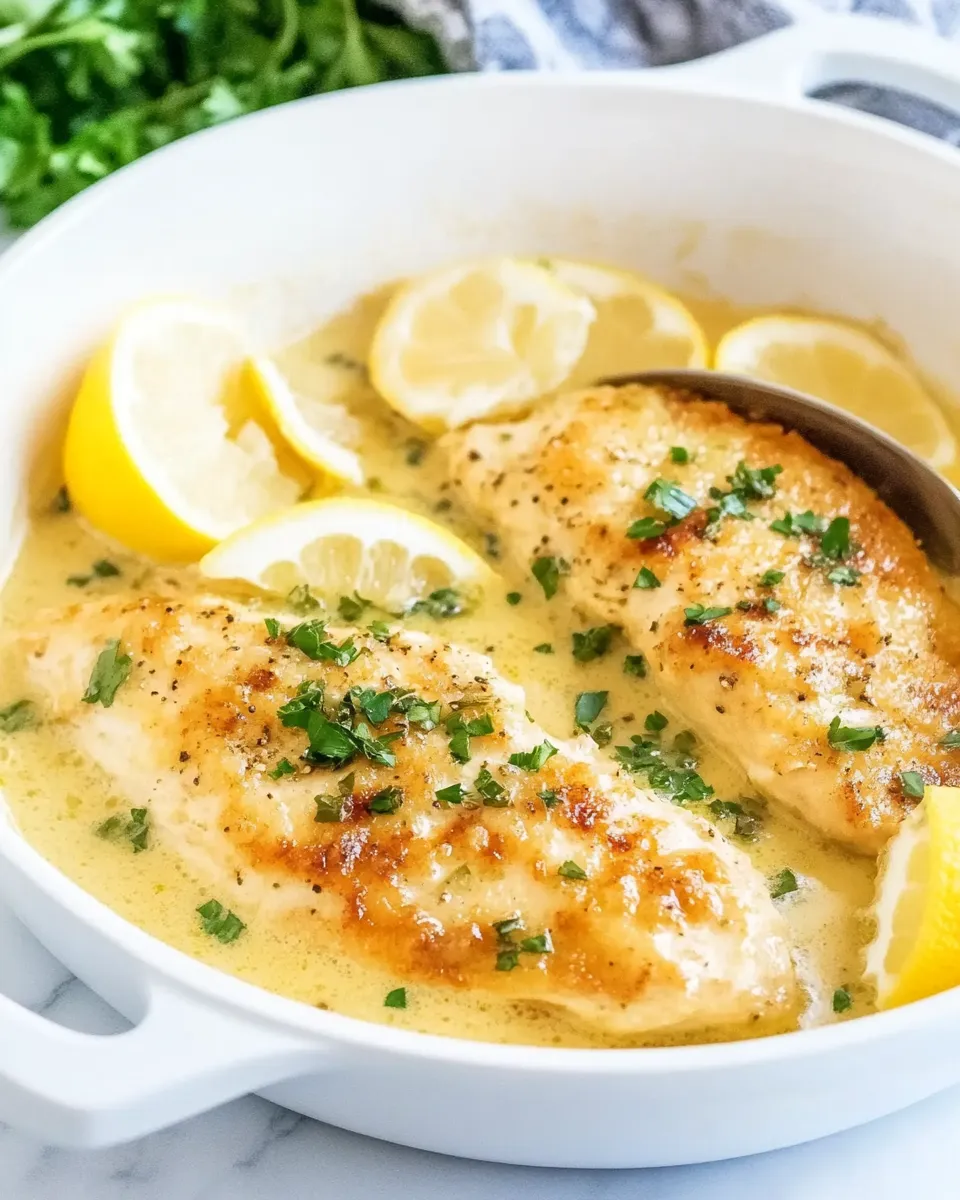
There are a few reasons people ask for this again. First, the lemon and caper combination is bright and familiar; it wakes the palate without being aggressive. Second, the cream smooths and rounds the edges so the sauce feels rich and satisfying — people notice that mouthfeel. Third, it looks and smells restaurant-worthy but comes together quickly.
The technique makes the difference. Thin cutlets cook rapidly so the chicken stays tender. The light dredge picks up color in the pan and helps the sauce cling. Finally, finishing the chicken in the sauce merges flavors and keeps the cutlets juicy. Those small steps add up to a dish everyone calls “really good.” You can serve it with simple sides and people still feel like it was a special meal.
Substitutions by Category
- Fats — use olive oil for searing and finish with butter as instructed; if you prefer less butter, omit some at step 6 and use the olive oil already in the pan.
- Acid — the recipe relies on fresh lemon juice; if you only have bottled lemon juice, it will work—fresh is brighter but bottled is acceptable.
- Savory base — if you want less sodium from the capers, drain and rinse them briefly before adding to reduce brine intensity.
- Thickening/creaminess — the heavy cream gives the sauce body; to reduce richness slightly, add the cream toward the end and simmer briefly to concentrate the flavors without eliminating it.
- Seasoning — the dredge uses garlic powder, salt, and pepper; you can adjust those to taste but keep the same categories to maintain the intended profile.
Gear Up: What to Grab
A few tools make this one easy. Use a heavy skillet — stainless steel or cast iron — large enough to lay the cutlets without crowding. That wide contact area gives a good sear. Have a shallow dish for the flour mixture to make dredging simple. A meat mallet or rolling pin helps pound uneven breasts to an even thickness.
Other helpful items: tongs for flipping the cutlets, a spatula for scraping the pan, and an instant-read thermometer if you want precise doneness. A small bowl or measuring cup for the lemon juice keeps things organized and prevents splashes when you add acid to a hot pan.
Troubles You Can Avoid
Overcrowding the Pan
When you add too many cutlets at once the pan temperature drops and you get steaming instead of a sear. Work in batches. The chicken will finish in the sauce, so it’s fine to keep a few on a plate while you finish the others.
Burning the Garlic in the Dredge
Garlic powder in the flour is fine, but watch the pan temperature. If butter turns very dark quickly, reduce heat. You want the browned bits, not charred residue, because they flavor the sauce.
Adding Lemon Too Early
Adding lemon juice to a very hot pan at full heat can taste sharp and metallic. Follow the steps: reduce heat when adding butter and bring the sauce to a simmer once the broth and lemon are combined. That integrates the acid more gently.
Undercooking or Overcooking Chicken
Thin cutlets cook fast. Follow the listed times as a guide, and use an instant-read thermometer for confidence. The goal is 165° internal temperature. Return the cutlets to the sauce to finish cooking gently; don’t let them simmer at a rolling boil.
Warm & Cool Weather Spins
In colder months, this dish pairs beautifully with creamy mashed potatoes or buttered noodles — the warm sides match the sauce’s comfort factor. Serve extra sauce over the starch for a homey plate.
When it’s warm, keep sides light: a simple green salad, steamed asparagus, or broad beans work well. The lemon and capers make the dish feel brighter, which pairs naturally with crisp, seasonal vegetables.
Insider Tips
- Prep mise en place — have your flour mix, lemon juice, and broth measured before you start searing. That way you can move quickly and avoid overcooking while you rummage for ingredients.
- Shake off excess flour — a light coating browns better; too much flour gives a gummy texture in the sauce.
- Scrape the fond — when you add butter, scrape the bottom of the pan to dissolve those browned bits. That’s where most of the savory flavor hides.
- Adjust heat — keep the sauce at a gentle simmer when reducing. High heat can break the sauce or reduce it too quickly.
- Finish with spooning — return chicken to the pan and spoon sauce over the cutlets; this helps build flavor and keeps the surface moist.
Refrigerate, Freeze, Reheat
Refrigerate leftover chicken in an airtight container for up to 3 days. The sauce will thicken in the fridge; loosen it with a splash of chicken broth or a small splash of water when reheating.
Freezing is possible but not ideal because cream-based sauces can separate on thawing. If you must freeze, cool completely and place in a freezer-safe container for up to 1 month. Thaw overnight in the refrigerator and reheat gently in a skillet over low heat, stirring to recombine the sauce; add a little broth if needed.
Reheat on the stovetop rather than the microwave when possible. Warm the sauce first, then add the chicken and heat through gently so it doesn’t seize up or dry out.
Popular Questions
Can I use bone-in chicken?
This recipe is written for thin cutlets. Bone-in pieces will take much longer to cook and will not brown the same way. If you prefer bone-in, expect a different timeline and consider finishing the sauce separately.
What if I don’t have heavy cream?
The heavy cream gives the sauce richness and body. Leaving it out will change the texture and mouthfeel. If you choose to reduce it, add less and simmer to taste, but be aware the final sauce will be lighter.
Are capers necessary?
Capers provide a distinctive briny counterpoint to the lemon and cream. You can reduce the amount if you’re cautious about brine, but the capers are a key component of the classic flavor profile.
Can I make this gluten-free?
The recipe uses flour for dredging. If you need gluten-free, use a gluten-free flour blend suitable for dredging and proceed the same way. Note that results can vary slightly by blend.
See You at the Table
This Creamy Chicken Piccata hits a sweet spot: quick to make, impressive to serve, and easy to adapt to what you have on hand. Follow the steps, watch the pan, and keep your mise en place tidy. You’ll get a bright, silky sauce and juicy chicken that looks and tastes like you put in more effort than you did. Make a pan, set out a simple side, and enjoy the compliments.

Creamy Chicken Piccata
Ingredients
Ingredients
- 2 poundschicken breast cut or pounded into thin cutlets
- 1/3 cupflour
- 2 teaspoonsgarlic powder
- 1/2 teaspoonsalt
- 1/2 teaspoonpepper
- 1 tablespoonsolive oil
- 5 tablespoonsbutter
- 1/3 cupfresh lemon juice about 3 lemons worth
- 1/2 cupchicken broth
- 1/4 cupbrined capers drained
- 1/2 cupheavy cream
Instructions
Instructions
- If not already, cut or pound the 2 pounds chicken breast into thin cutlets. Pat dry if needed.
- In a shallow dish, combine 1/3 cup flour, 2 teaspoons garlic powder, 1/2 teaspoon salt, and 1/2 teaspoon pepper.
- Dredge each chicken cutlet in the flour mixture, coating both sides lightly; shake off excess flour.
- Heat 1 tablespoon olive oil in a large heavy skillet over medium heat until hot.
- Working in batches so you do not overcrowd the pan, lay cutlets flat in the skillet. Cook 3–4 minutes on the first side without flipping, then flip and cook about 3 minutes on the other side, until golden and almost cooked through. Transfer cooked cutlets to a plate and repeat with remaining chicken.
- Reduce heat to low. Add 5 tablespoons butter to the pan and stir, scraping any browned flour and chicken bits from the bottom. Cook about 1 minute, until the butter and bits are lightly golden.
- Add 1/2 cup chicken broth and 1/3 cup fresh lemon juice to the pan, stirring and scraping the browned bits until the sauce is smooth. Increase heat to bring the sauce to a simmer.
- Slowly stir in 1/2 cup heavy cream, then add 1/4 cup brined capers (drained); stir to combine.
- Keep the sauce at a gentle simmer and cook until it thickens slightly, about 2–3 minutes.
- Return the chicken to the skillet, spoon sauce over the cutlets, and simmer 4–8 minutes more, until chicken is cooked through (165° internal temperature). Remove from heat and serve.
Equipment
- large heavy skillet
- Shallow Dish
- Plate