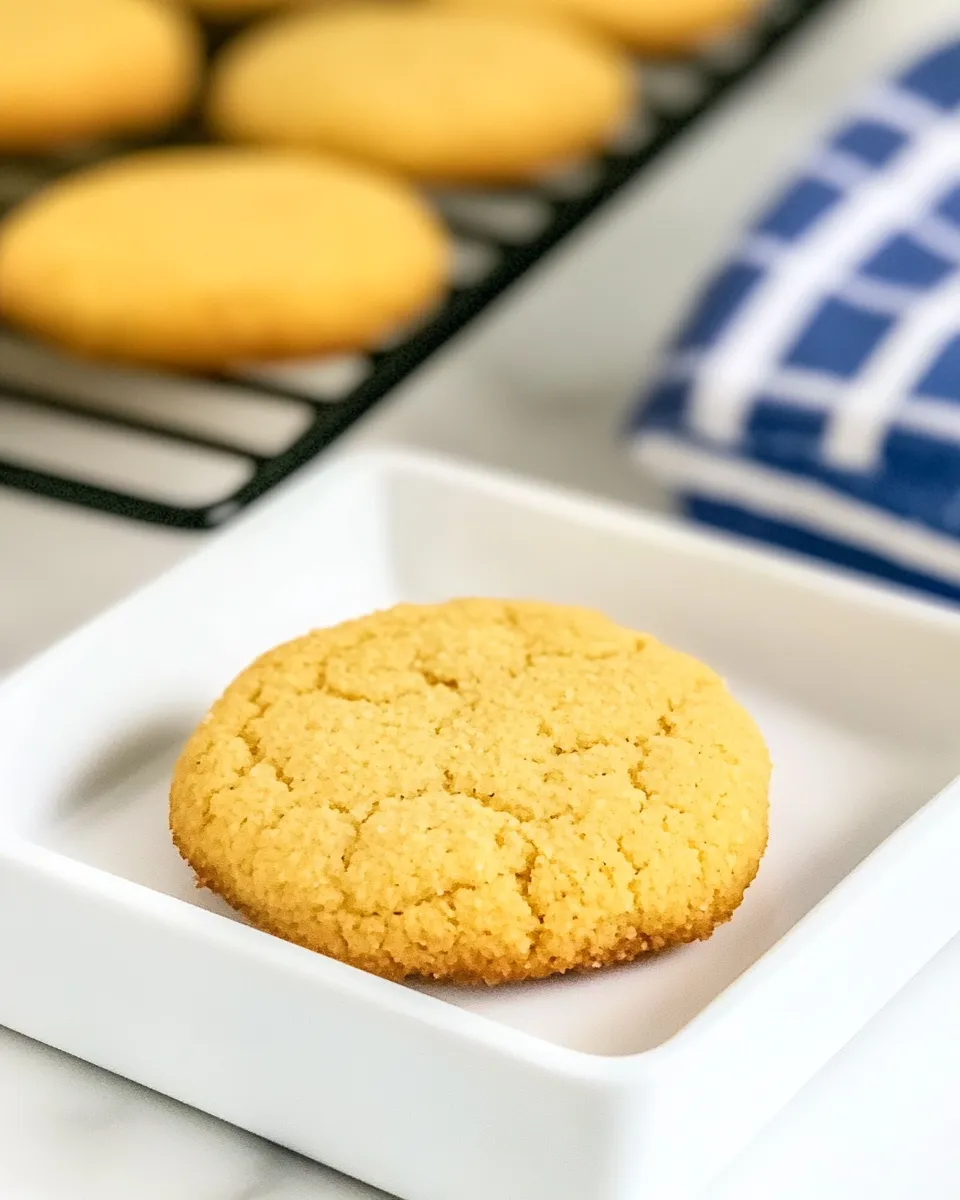
Cornmeal Cookies
These cornmeal cookies are one of those small, dependable recipes I reach for when I want something a little rustic, a little sweet, and no-fuss. They have a sandy texture from the cornmeal and a tender crumb from the butter and egg. The edges turn lightly golden while the centers stay soft. They’re sweet, not cloying, and the sugar crunch on top gives each bite a little extra lift.
I like to make a batch when I need cookies that travel well—wrap a few in a napkin and they hold up through a picnic or a coffee run. The technique is straightforward and forgiving: cream the butter and sugars, fold in the dry ingredients, and roll the dough in sugar before flattening. If you follow the step-by-step below, you’ll have consistent results.
No exotic ingredients or last-minute grocery runs. The list is short and pantry-friendly. These cookies work as a snack, a cookie plate filler, or a companion to tea. I’ll walk through the ingredients, method, tools, troubleshooting, storage, and a few swaps so you can make them reliably.
Gather These Ingredients

Ingredients
- ¾ cup (170 g) unsalted butter, softened — provides richness and the base for creaming; bring to room temperature so it creams smoothly.
- ½ cup (100 g) granulated sugar — helps with structure and surface crunch when used for rolling.
- ¼ cup (50 g) packed brown sugar — adds depth and a touch of chew.
- 1 large egg — binds the dough and adds tenderness.
- 1 teaspoon baking soda — leavens the cookies slightly and helps with spread.
- ½ teaspoon salt — balances sweetness and enhances flavors.
- 1 teaspoon vanilla extract — flavor foundation; use pure vanilla if you have it.
- ¾ cup yellow cornmeal — gives the cookies their characteristic sandy texture and corn flavor; use a medium grind for best texture.
- 1 ½ cups (186 g) all-purpose flour — provides structure; measure by weight when possible for consistency.
- Granulated sugar for rolling — creates a thin, sparkling crust on the outside.
Stepwise Method: Cornmeal Cookies
- Preheat the oven to 350°F. Line two cookie sheets with parchment paper or silicone baking mats.
- In a large bowl, cream ¾ cup (170 g) softened unsalted butter with ½ cup (100 g) granulated sugar and ¼ cup (50 g) packed brown sugar using an electric mixer on medium speed until light and fluffy, about 2–3 minutes. Scrape down the bowl as needed.
- Add 1 large egg, 1 teaspoon baking soda, ½ teaspoon salt, and 1 teaspoon vanilla extract to the butter-sugar mixture and beat until combined.
- Add ¾ cup yellow cornmeal and 1 ½ cups (186 g) all-purpose flour to the wet ingredients. Mix on low speed (or fold with a spatula) until the dough is uniform and no streaks of flour remain. Do not overmix.
- Pour a few tablespoons of granulated sugar into a small bowl for rolling.
- Use a 2-tablespoon scoop or two tablespoons measured with a spoon to portion dough. Roll each portion between your palms into a smooth ball.
- Roll each dough ball in the granulated sugar, then place the balls on the prepared cookie sheets about 2 inches apart.
- Flatten each sugared dough ball gently with the back of a measuring cup or a drinking glass to about ¼–½ inch thick. If the dough sticks to the cup or glass, lightly spray the surface with nonstick cooking spray before pressing.
- Bake one sheet at a time (or both if they fit) for 10–14 minutes, or until the edges are lightly golden. Rotate the pan halfway through baking if your oven bakes unevenly.
- Remove the cookies from the oven and let them cool on the cookie sheet for about 5 minutes, then transfer to a wire rack or plate to cool completely.
- Store cooled cookies in an airtight container for up to 3 days or freeze for up to 1 month.
Why This Recipe Belongs in Your Rotation
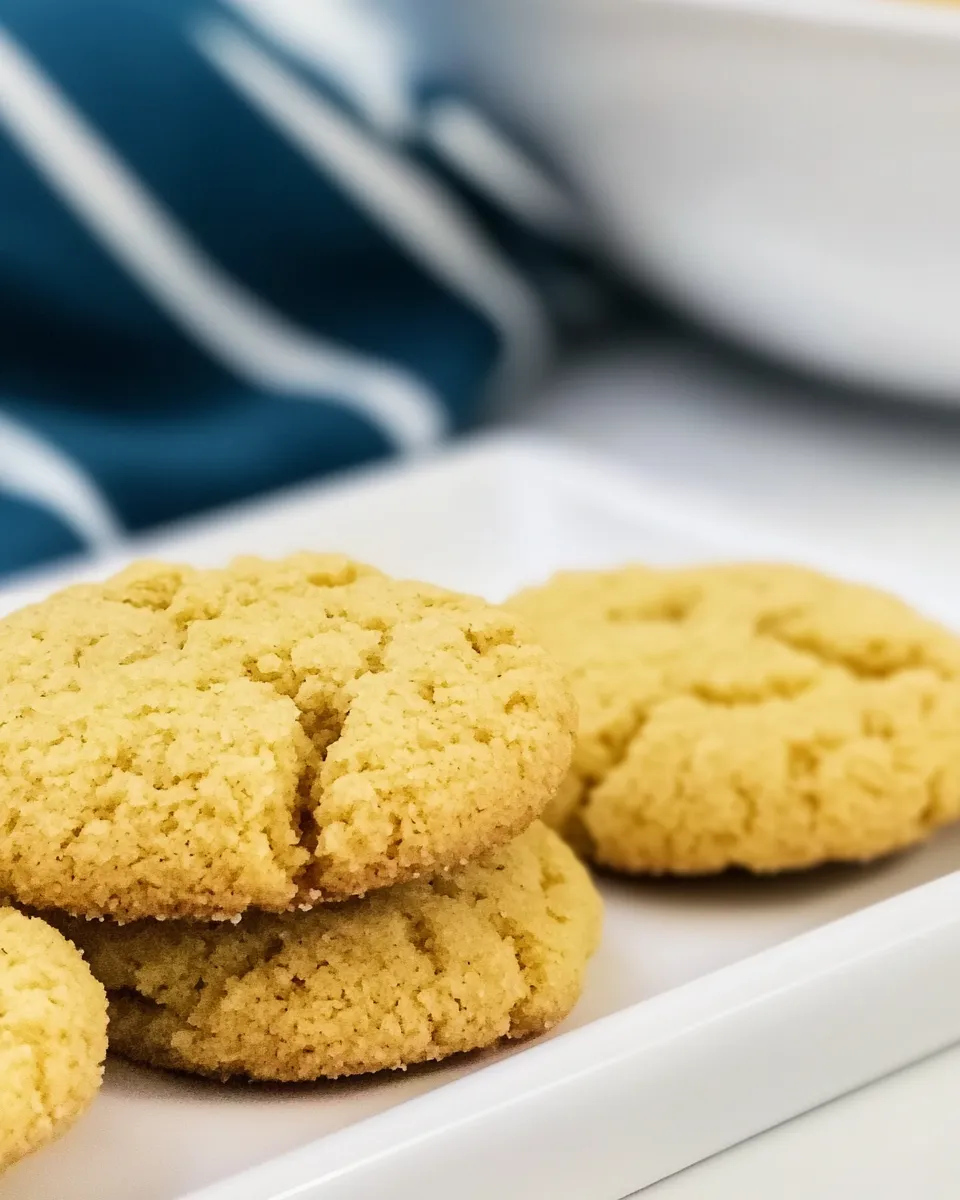
These cookies strike a great balance: not too sweet, pleasantly textured, and fast to assemble. They’re a little different from classic chocolate chip or sugar cookies, so they add variety to a cookie lineup without adding complexity. The cornmeal brings a warm, slightly nutty note that pairs well with coffee and tea.
They’re also forgiving. The dough isn’t fussy about slight variations in mixing times, and the rolling-and-flattening step is simple. If you bake in batches, the dough keeps its shape well on the tray and yields consistent cookies every time. If you like a cookie that’s both approachable and interesting, these belong in your core repertoire.
No-Store Runs Needed
This recipe relies on pantry basics: butter, sugar, flour, cornmeal, egg, baking soda, salt, and vanilla. If you already bake occasionally, you likely have everything on hand. The only item you might not have is yellow cornmeal, but it’s inexpensive and keeps well for future savory and sweet uses.
If you do need to improvise, you can skip the brown sugar (use an extra tablespoon of granulated sugar) in a pinch, though the flavor will be slightly different. But ideally, no last-minute store trips are required.
Equipment & Tools
- Electric mixer — for creaming the butter and sugars quickly and evenly; you can also use a sturdy whisk and elbow grease.
- Large mixing bowl — gives you space to cream and incorporate dry ingredients without messing the counter.
- Baking sheets (cookie sheets) — at least two so you can prepare and bake in batches.
- Parchment paper or silicone baking mats — prevents sticking and simplifies cleanup.
- 2-tablespoon scoop or measuring spoons — for consistent cookie size and even baking.
- Measuring cups and spoons — accuracy matters for texture; weigh flour when possible.
- Small bowl — for the rolling sugar.
- Measuring cup or drinking glass — to flatten the dough balls evenly.
- Wire rack — for cooling so cookies finish firming up without becoming soggy.
Troubleshooting Tips
Below are common issues and fixes. I’ve baked and tweaked these cookies enough to know where things can go off-track.
Too flat or too spread out
Possible causes: butter was too warm or you over-creamed. Chill the dough for 10–20 minutes before scooping next time, or let the butter be just softened, not oily. Also check your baking soda measurement—too much can increase spread.
Too dense or dry
Possible causes: overmixing after you add the flour or too much flour packed into the cup. Mix just until uniform and measure flour by spooning it into the cup and leveling, or weigh for accuracy.
Centers underbaked while edges brown
Rotate the pan halfway through baking and bake one sheet at a time in the center rack, unless both fit comfortably. If your oven has hot spots, consider lowering the rack a notch and monitoring the bake closely.
Dough sticks when flattening
Lightly spray the bottom of the glass or measuring cup with nonstick spray, or coat it with a dusting of sugar. Press gently to the thickness recommended: about ¼–½ inch.
Seasonal Ingredient Swaps
Keep the core structure intact—but swap a few things when appropriate:
- Warm spices for fall: Add ½ teaspoon cinnamon and a pinch of nutmeg to the dry ingredients for autumnal flavor.
- Citrus touch for spring: Add 1 teaspoon grated lemon or orange zest to the wet ingredients for a bright lift.
- Nutty additions for winter: Fold in ¼ cup toasted chopped nuts (walnuts or pecans) after mixing if you want crunch. Add them sparingly so the dough still handles well for rolling.
None of these swaps are required. The base cookie is lovely as written; these options let you nudge the flavor seasonally without changing texture much.
Testing Timeline
When developing and testing a recipe like this, consistency matters. For home bakers, here’s a simple timeline to get predictable results:
- Day 0 — Make the dough and bake a test sheet: Follow the recipe exactly for the first batch. Note how long they take in your oven and whether edges brown before centers set.
- Day 1 — Tweak if needed: If cookies spread too much, chill the remaining dough for 20 minutes and re-test. If they’re dry, check your flour measurement and reduce next batch slightly if you measured by packed cups.
- Subsequent attempts: Once you’ve dialed in oven time and any chilling needs, the recipe should reproduce reliably in your kitchen. Keep notes on oven temp adjustments and rack position.
Storage & Reheat Guide
Store cooled cookies in an airtight container at room temperature for up to 3 days. Place a sheet of parchment between layers if you stack them to prevent sticking. For longer storage, freeze cooled cookies in a single layer on a tray, then transfer to a freezer-safe bag for up to 1 month.
To thaw frozen cookies, set them at room temperature for about 30–60 minutes. If you prefer them slightly warm, reheat single cookies for 8–10 seconds in the microwave or 3–5 minutes in a 325°F oven on a baking sheet. Watch closely to avoid overbaking.
FAQ
Can I use stone-ground cornmeal? Yes, but it will create a grittier texture. Use medium-grind cornmeal for the best balance of texture and tenderness.
Can I use salted butter? You can, but reduce the added salt or omit it. The recipe calls for ½ teaspoon salt, so if you use salted butter, consider halving that amount and tasting as you go.
Can I make the dough ahead? Yes. Refrigerate the dough for up to 48 hours before scooping and baking. If chilled, allow a few minutes at room temperature so you can roll easily.
Why sugar for rolling? Rolling in granulated sugar gives a thin, sparkling crust and a slight crunch that contrasts nicely with the tender interior.
Before You Go
These cornmeal cookies are a small, satisfying project with big returns. They’re simple enough for a weeknight batch and interesting enough to add to a weekend cookie tray. Stick to the method, watch your oven, and enjoy the gentle corn flavor that sets these apart.
If you try them, tell me how you like the texture—firmer edges or softer centers—and whether you added any seasonal twists. I test recipes so you don’t have to, but hearing your tweaks is the best part.
Cornmeal Cookies
Ingredients
Ingredients
- 3/4 cup 170 g unsalted butter, softened
- 1/2 cup 100 g granulated sugar
- 1/4 cup 50 g packed brown sugar
- 1 large egg
- 1 teaspoonbaking soda
- 1/2 teaspoonsalt
- 1 teaspoonvanilla extract
- 3/4 cupyellow cornmeal
- 1 1/2 cups 186 g all-purpose flour
- Granulated sugarfor rolling
Instructions
Instructions
- Preheat the oven to 350°F. Line two cookie sheets with parchment paper or silicone baking mats.
- In a large bowl, cream ¾ cup (170 g) softened unsalted butter with ½ cup (100 g) granulated sugar and ¼ cup (50 g) packed brown sugar using an electric mixer on medium speed until light and fluffy, about 2–3 minutes. Scrape down the bowl as needed.
- Add 1 large egg, 1 teaspoon baking soda, ½ teaspoon salt, and 1 teaspoon vanilla extract to the butter-sugar mixture and beat until combined.
- Add ¾ cup yellow cornmeal and 1 ½ cups (186 g) all-purpose flour to the wet ingredients. Mix on low speed (or fold with a spatula) until the dough is uniform and no streaks of flour remain. Do not overmix.
- Pour a few tablespoons of granulated sugar into a small bowl for rolling.
- Use a 2-tablespoon scoop or two tablespoons measured with a spoon to portion dough. Roll each portion between your palms into a smooth ball.
- Roll each dough ball in the granulated sugar, then place the balls on the prepared cookie sheets about 2 inches apart.
- Flatten each sugared dough ball gently with the back of a measuring cup or a drinking glass to about ¼–½ inch thick. If the dough sticks to the cup or glass, lightly spray the surface with nonstick cooking spray before pressing.
- Bake one sheet at a time (or both if they fit) for 10–14 minutes, or until the edges are lightly golden. Rotate the pan halfway through baking if your oven bakes unevenly.
- Remove the cookies from the oven and let them cool on the cookie sheet for about 5 minutes, then transfer to a wire rack or plate to cool completely.
- Store cooled cookies in an airtight container for up to 3 days or freeze for up to 1 month.
Equipment
- Oven
- Large Bowl
- Electric Mixer
- Measuring Cups
- Measuring Spoons
- Small Bowl
- 2-tablespoon scoop or tablespoon
- measuring cup or drinking glass
- cookie sheet / baking sheet
- Parchment Paper
- Silicone Baking Mat
- Wire Rack