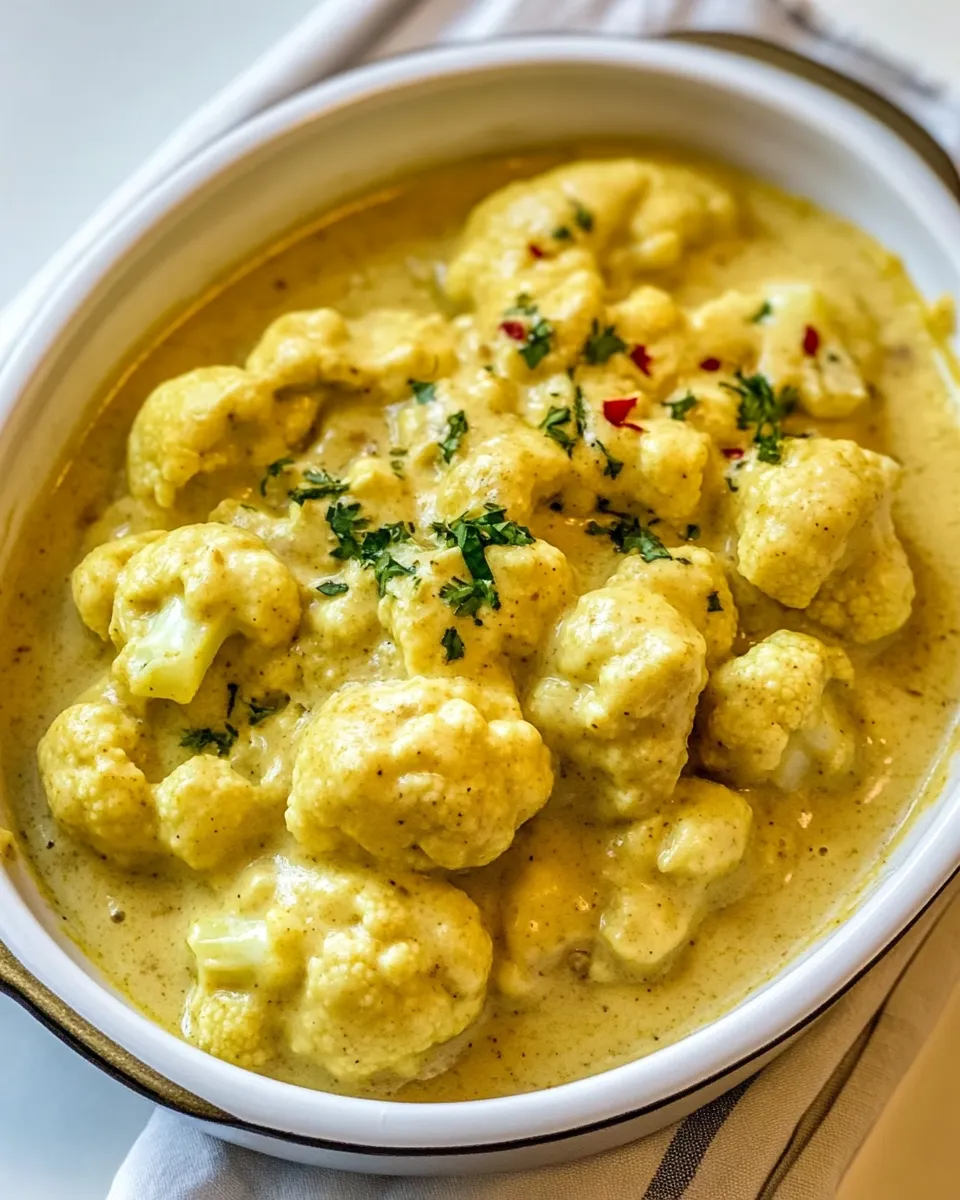
Coconut Curry Cauliflower
This is a straightforward weeknight recipe that turns humble cauliflower into a silky, fragrant side or light main. Coconut milk and curry powder do the heavy lifting: they create a saucy, aromatic coating that softens the florets and keeps everything cozy in the oven. The result is comforting, bright, and a little spicy — exactly what I reach for when I want something that feels special without fuss.
You’ll like this if you want a hands-off bake that still tastes layered and thoughtful. There’s a short stovetop step to bloom the garlic in olive oil, then everything goes into a casserole to finish in the oven. It’s an approachable dish that pairs well with rice, greens, or on its own.
Below I break down the ingredients, walk you through each step exactly as written, and offer practical swaps and tips so you can make it again and again with confidence.
Ingredient Breakdown

- 2 cloves garlic, minced — provides aromatic depth; sauté briefly to avoid browning and bitterness.
- 2 teaspoons extra-virgin olive oil — used to bloom the garlic and carry flavor into the coconut sauce.
- 4 cups cauliflower florets — the main ingredient; choose florets of similar size for even cooking.
- 2 cups light coconut milk, canned — makes the sauce creamy without being overly rich; canned is thicker and more reliable.
- 1 1/2 teaspoons curry powder (yellow recommended) — the primary spice note; yellow curry powder gives warmth and mild sweetness.
- 1/2 teaspoon black pepper — adds gentle heat and balance; freshly cracked if possible.
- 1/2 teaspoon crushed red pepper flakes — brings a touch of heat; adjust to taste.
- Kosher or sea salt to taste — essential for coaxing flavor from the cauliflower and coconut sauce; add gradually and taste.
Method: Coconut Curry Cauliflower
- Preheat the oven to 375°F.
- Heat a small skillet over medium-low heat. Add 2 teaspoons extra-virgin olive oil and the 2 cloves minced garlic; sauté about 1 minute, until fragrant and softened but not browned.
- In a medium bowl, combine 4 cups cauliflower florets, the sautéed garlic and oil, 2 cups light canned coconut milk, 1 1/2 teaspoons curry powder, 1/2 teaspoon black pepper, 1/2 teaspoon crushed red pepper flakes, and Kosher or sea salt to taste. Toss gently to coat the cauliflower evenly.
- Transfer the mixture to a medium casserole dish and spread into an even layer.
- Bake in the preheated oven until the cauliflower is tender and the sauce is slightly bubbling, about 25–30 minutes. Stir once about halfway through baking (after ~12–15 minutes) to redistribute the sauce and ensure even cooking.
- Remove from the oven and serve immediately.
Top Reasons to Make Coconut Curry Cauliflower
- Hands-off finish: after a quick sauté, the oven does most of the work. Great when you want active minutes now and low attention later.
- Comforting, yet light: coconut milk gives a creamy mouthfeel without heaviness when you use the light version.
- Flavor-packed with minimal ingredients: curry powder, garlic, and a pinch of red pepper go a long way.
- Flexible serving options: serve alongside grains, tuck into wraps, or eat as a warm salad topping.
- Vegetarian and easily vegan: no dairy, and naturally gluten-free if your curry powder is certified.
Ingredient Swaps & Substitutions
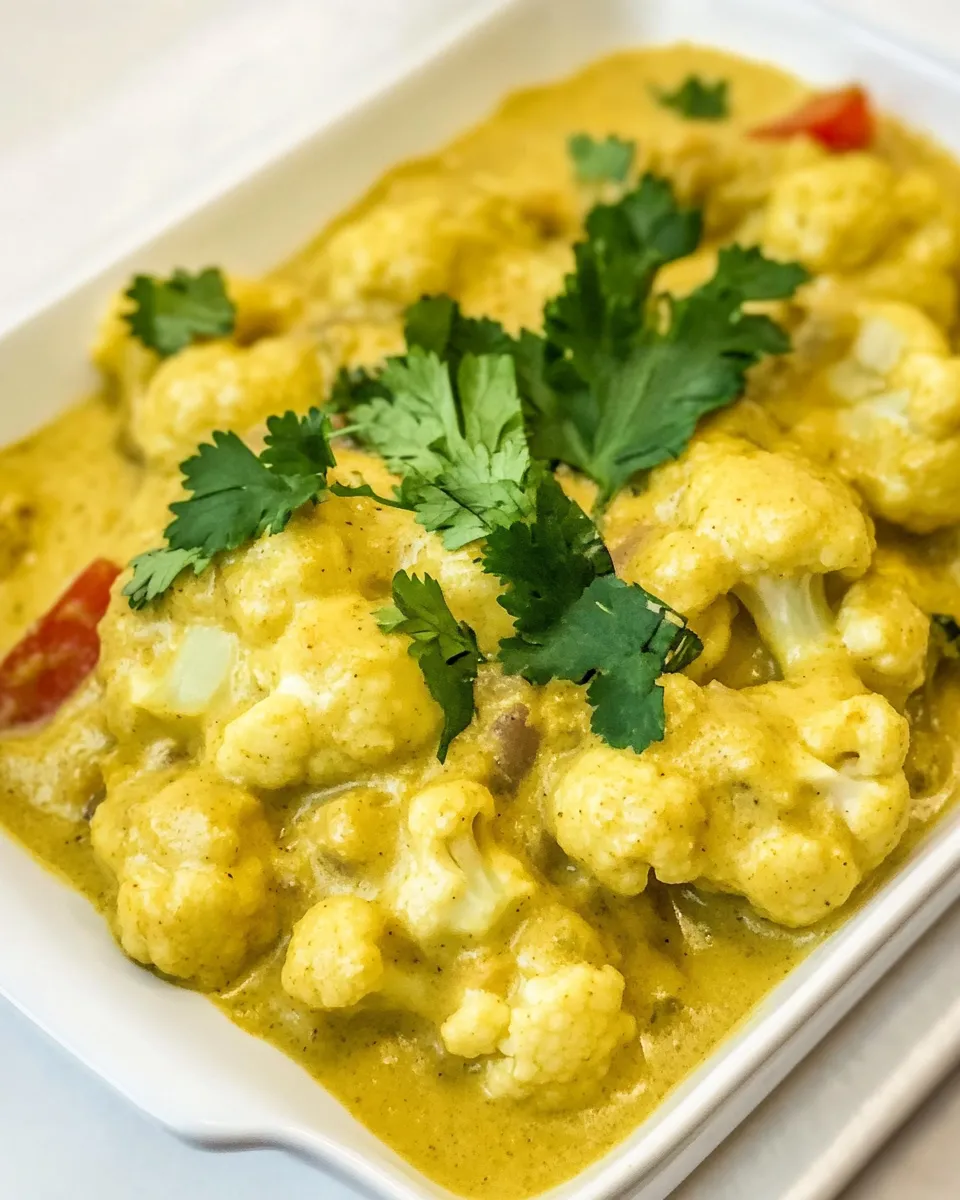
When you need to adapt, these swaps keep the spirit of the dish without changing the overall balance.
- Light coconut milk — substitute with full-fat canned coconut milk for a richer sauce. If you prefer a lower-fat option, thin unsweetened coconut milk or a mix of coconut milk and vegetable broth can work; expect a looser sauce.
- Extra-virgin olive oil — use neutral oil like avocado or light olive oil if you want a milder flavor. Ghee or butter adds a nuttier finish if you’re not avoiding dairy.
- Curry powder — if you only have garam masala, use it sparingly and consider adding a pinch of turmeric and ground coriander to mimic yellow curry character. Paste-based curries can be thinned with a tablespoon of coconut milk and used in place of the powder (no exact conversion given).
- Red pepper flakes — swap for a dash of cayenne or a few shakes of hot sauce to taste.
- Cauliflower — small broccoli florets will roast similarly and work well if you want a variation in texture and color.
Must-Have Equipment
- Small skillet — for gently sautéing the garlic.
- Medium bowl — to toss the cauliflower and sauce ingredients so everything is evenly coated.
- Medium casserole dish — for baking; choose a dish with a flat bottom so the cauliflower forms an even layer.
- Spatula or wooden spoon — for stirring halfway through baking and serving.
- Oven thermometer (optional) — handy if your oven runs hot or cool and you want precise results.
Errors to Dodge
- Skipping the garlic sauté: raw garlic can taste harsh when baked. Softening it briefly in oil mellows it and releases flavor into the sauce.
- Overcrowding the dish: pile the florets too high and they steam instead of roasting. Spread them into an even layer as directed.
- Letting the garlic brown: brown garlic will add bitterness. Keep the heat medium-low and watch closely while it cooks for about a minute.
- Not stirring halfway through baking: the sauce can bubble unevenly; a gentle stir ensures every piece gets saucy and cooks evenly.
- Under-seasoning: coconut milks can be bland on their own. Add Kosher or sea salt to taste and adjust at the end if needed.
Make It Your Way
Small tweaks let you tailor this to dinner needs.
- For a meal: serve the baked cauliflower over steamed rice, quinoa, or warm naan. Spoon extra sauce from the casserole over the grain.
- Add protein: fold in roasted chickpeas or cooked lentils after baking for a heartier plate. No extra cooking time required — just warm through.
- Brighten it up: finish with a squeeze of lime and a scattering of chopped cilantro or parsley to cut the richness.
- Crunch contrast: top with toasted cashews or sliced almonds for texture if you enjoy contrasts.
Method to the Madness
Why this sequence? Sautéing garlic first lets the oil capture its essence and distributes that flavor through the coconut milk. Tossing the cauliflower in a bowl ensures each floret gets an even coat so they all cook uniformly. Spreading the mixture in a single layer gives the florets space to soften and caramelize at the edges. The halfway stir redistributes the sauce and exposes all pieces to the oven’s dry heat briefly, which helps prevent soggy pockets and encourages a gentle browning. The time and temperature — 375°F for 25–30 minutes — are a sweet spot where the cauliflower becomes tender without collapsing and the coconut milk reduces enough to coat the pieces.
Shelf Life & Storage
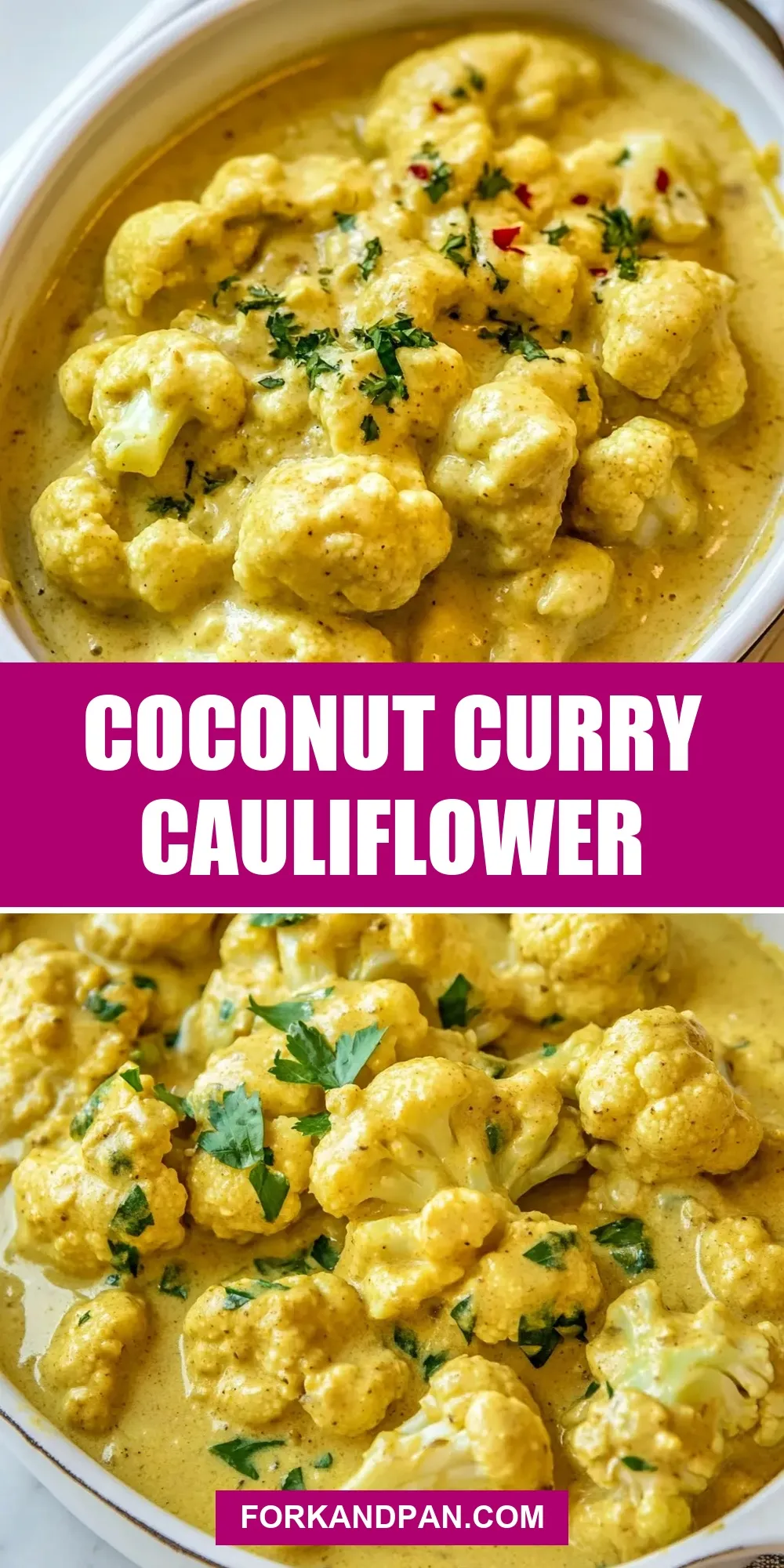
- Refrigerator: cool to room temperature, cover tightly, and store in an airtight container for 3–4 days. Reheat gently in the oven at 350°F or in a skillet over low heat to prevent the coconut from separating too much.
- Freezer: you can freeze for up to 1 month in a freezer-safe container, though texture may soften more upon thawing. Thaw overnight in the fridge and reheat; add a splash of coconut milk or water if the sauce seems dry.
- Make-ahead: assemble and toss the cauliflower with the sauce in the bowl, cover, and refrigerate up to 24 hours before baking. Bring to room temperature for 20 minutes before placing in the oven and follow baking time as directed, checking for doneness.
Questions People Ask
Can I make this oil-free?
Yes. Skip the olive oil and gently toss the minced garlic with a tablespoon of the coconut milk before combining with the cauliflower. Keep the heat low when heating the skillet so the garlic softens without burning.
Will the light coconut milk separate when reheating?
It can. Reheat slowly over low heat and stir; if the sauce separates slightly, add a splash of coconut milk or water and whisk until it comes back together. An immersion blender used briefly can also smooth it.
Can I use fresh curry paste instead of curry powder?
Yes, but use less paste since it’s more concentrated. Add a small spoonful, mix into the coconut milk, and taste before baking — there’s no exact one-to-one conversion, so adjust carefully.
Is this spicy?
Not overly. The crushed red pepper flakes provide a background heat. Reduce or omit them if you prefer mild dishes.
See You at the Table
This Coconut Curry Cauliflower is one of those dishes that feels composed but comes together quickly. It’s forgiving, adaptable, and lovely for both weeknights and a relaxed dinner when you want something satisfying without a long list of steps. If you try it, taste and adjust the seasoning before serving, and don’t be shy with a bright finishing squeeze of lime or a handful of herbs. Enjoy — and let me know how you served it.

Coconut Curry Cauliflower
Ingredients
Ingredients
- 2 clovesgarlicminced
- 2 teaspoonsolive oilextra-virgin
- 4 cupscauliflower florets
- 2 cupslight coconut milkcanned
- 1 1/2 teaspoonscurry powderyellow recommended
- 1/2 teaspoonblack pepper
- 1/2 teaspooncrushed red pepper flakes
- Kosher or sea salt to taste
Instructions
Instructions
- Preheat the oven to 375°F.
- Heat a small skillet over medium-low heat. Add 2 teaspoons extra-virgin olive oil and the 2 cloves minced garlic; sauté about 1 minute, until fragrant and softened but not browned.
- In a medium bowl, combine 4 cups cauliflower florets, the sautéed garlic and oil, 2 cups light canned coconut milk, 1 1/2 teaspoons curry powder, 1/2 teaspoon black pepper, 1/2 teaspoon crushed red pepper flakes, and Kosher or sea salt to taste. Toss gently to coat the cauliflower evenly.
- Transfer the mixture to a medium casserole dish and spread into an even layer.
- Bake in the preheated oven until the cauliflower is tender and the sauce is slightly bubbling, about 25–30 minutes. Stir once about halfway through baking (after ~12–15 minutes) to redistribute the sauce and ensure even cooking.
- Remove from the oven and serve immediately.
Equipment
- Oven
- Skillet
- Medium Bowl
- Casserole Dish
Notes
Enjoy Coconut Curry Cauliflower hot or cold--perfect for summer barbecues!