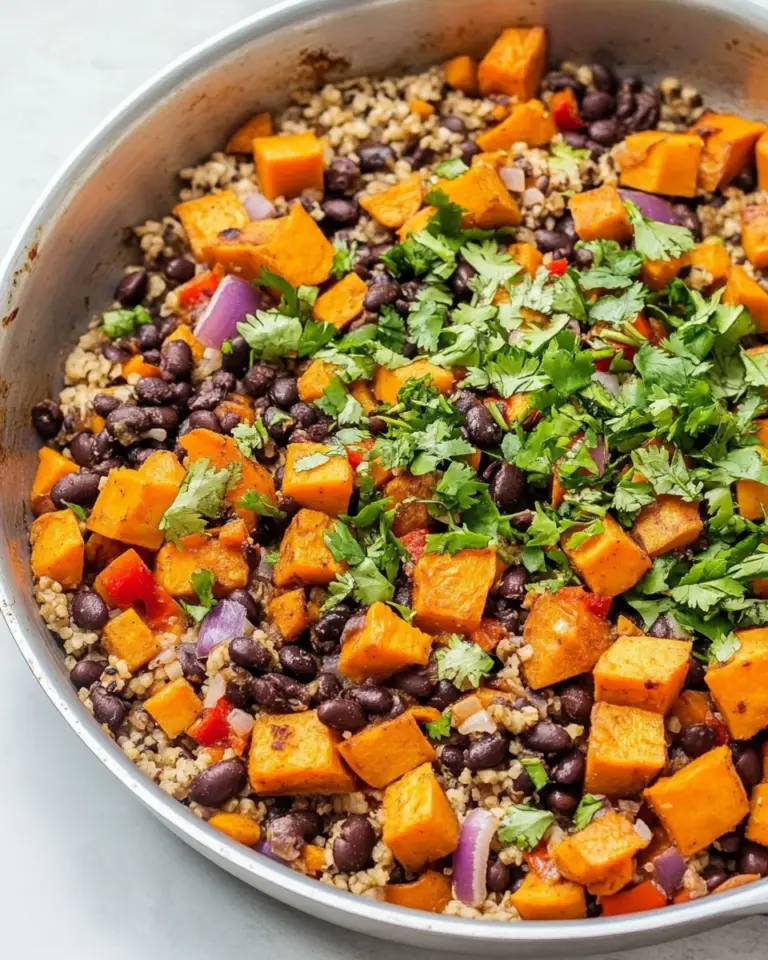

Cilantro Sauce
This cilantro sauce is that bright, green spoonful that wakes up everything from grilled fish to roasted vegetables. It’s unfussy, fast, and forgiving — exactly what I reach for when I want fresh flavor without fuss. The sauce balances cilantro’s herbaceous punch with lime’s lift, a touch of honey for roundness, and olive oil to carry it all.
It’s great as a drizzle, a dip, or a quick marinade. You’ll be done in minutes with a food processor or blender, and the result feels homemade in the best way: vibrant, clean, and versatile. I’ll walk you through the simple ingredients, step-by-step directions, and the small decisions that make this sauce sing.
Keep this post bookmarked. You’ll find swaps, troubleshooting, storage notes, and a few chef’s tips to adapt the sauce to your kitchen and taste. No complicated techniques. Just straightforward, dependable flavor.
Ingredient Rundown

Before you blend, it helps to know what each ingredient does. Cilantro gives the sauce its signature green, herbal edge. Lime juice brightens and balances the herb’s earthiness and the garlic’s bite. Olive oil smooths the texture and helps the sauce coat whatever it meets. A touch of honey softens the sharpness, and salt ties everything together.
These are pantry-friendly components. With one bunch of cilantro and a lemon- or lime-adjacent citrus on hand, you can pull this together in under five minutes. The formula is simple and forgiving — slightly more oil for a silkier texture, slightly more lime for zip, or a smidge of honey if cilantro tastes too grassy.
Ingredients
- 1 cup roughly chopped cilantro (about one bunch) — the herbaceous backbone; include some stems for extra flavor if they’re tender.
- 1/4 cup extra virgin olive oil — adds body and richness; use a good, fruity oil for the best flavor.
- 2 tablespoons lime juice — provides acidity and brightness; freshly squeezed is best.
- 1 clove garlic — gives a savory punch; peel before blending.
- 1 teaspoon honey (vegan: use agave syrup) — rounds sharp edges and balances acidity; swap for agave if vegan.
- 1/4 teaspoon salt — essential for flavor clarity; adjust to taste after blending.
From Start to Finish: Cilantro Sauce
- Place 1 cup roughly chopped cilantro (about one bunch), 1/4 cup extra virgin olive oil, 2 tablespoons lime juice, 1 peeled clove garlic, 1 teaspoon honey (or agave syrup for vegan), and 1/4 teaspoon salt into a small food processor or blender.
- Secure the lid and pulse or blend until the mixture is smooth and evenly combined, stopping once or twice to scrape down the sides with a spatula.
- Transfer the cilantro sauce to an airtight, non-reactive container and refrigerate until ready to use. Best eaten the same day or within 2 days; will keep for up to 5 days.
- Makes approximately 1/2 cup cilantro sauce.
Why This Recipe is a Keeper
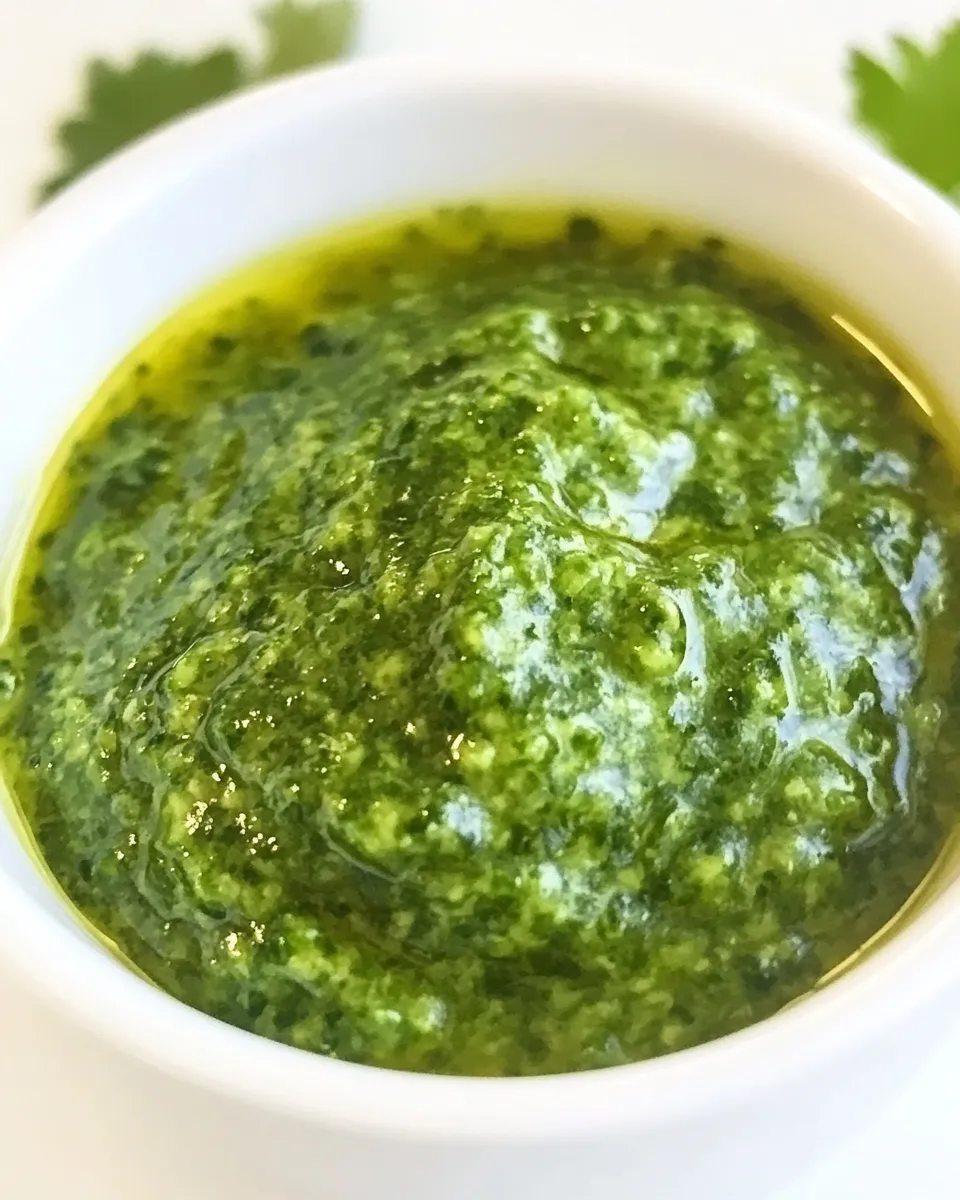
It’s fast. This sauce comes together in minutes with minimal cleanup. That’s a win for busy weeknights or last-minute entertaining. The ingredient list is short and recognizable, and each element pulls its weight — nothing is decorative. Cilantro, acid, oil, garlic, sweetener, and salt create a balanced, bright profile that enhances rather than overpowers food.
It’s versatile. Use it as a finishing drizzle for tacos, a spoonful over grilled chicken, a dip for crisp vegetables, or a vibrant boost for grain bowls. Because it’s emulsified, it clings well to proteins and vegetables, giving consistent flavor with every bite.
It’s adaptable. The recipe scales up easily, and small adjustments — more lime for tang, more oil for silkiness, or a little extra garlic for punch — let you mold the sauce to your taste. The base is reliable, and the outcome is consistently fresh.
Quick Replacement Ideas
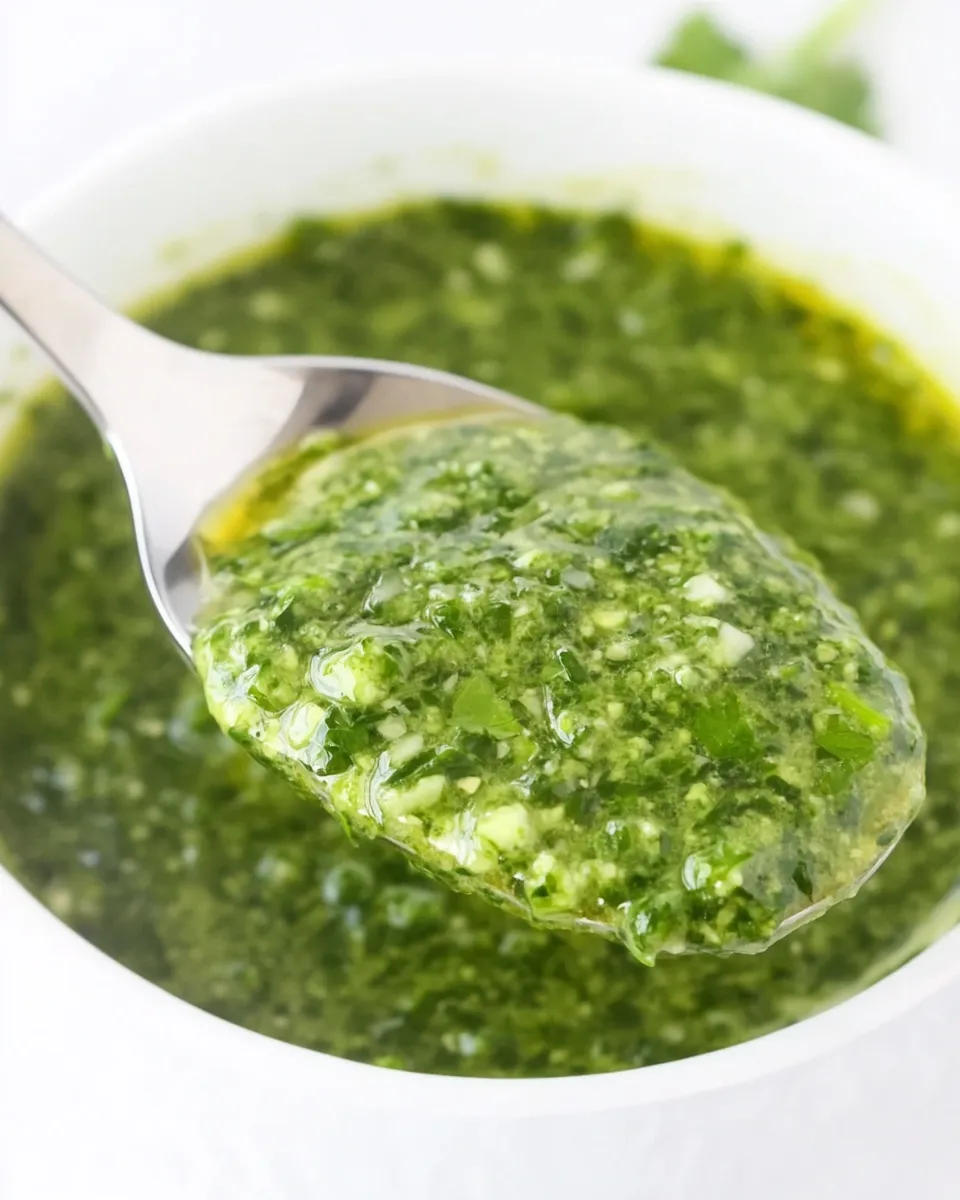
- Lime juice → Lemon juice — slightly less floral, a touch more tart; use if you don’t have limes.
- Extra virgin olive oil → Neutral oil (avocado or grapeseed) — for a milder, cleaner oil presence that lets the cilantro shine.
- Honey → Agave syrup — already noted in the recipe as the vegan substitute.
- Garlic → Roasted garlic or garlic powder (small pinch) — roasted garlic gives sweetness and depth; use powder sparingly if fresh garlic is unavailable.
- Thicker texture → Add a spoonful of plain yogurt or a small avocado — for creamy richness (introduces dairy or avocado if you want that body).
Setup & Equipment
Minimal tools get the job done. You need a small food processor or blender, a spatula to scrape the sides, and an airtight, non-reactive container for storage (glass jar is ideal). A citrus juicer or reamer helps get the most juice from limes quickly.
Helpful extras
- Microplane or garlic press: if you prefer the garlic fully integrated without big pieces.
- Measuring spoons/cups: for accuracy the first few times; after that you can eyeball.
- Fine-mesh sieve: optional, if you want an ultra-smooth sauce.
Mistakes That Ruin Cilantro Sauce
- Using old cilantro: Wilted or yellowing cilantro tastes dull. Use fresh, bright leaves for the best flavor.
- Over-blending at high speed: Heat from prolonged blending can dull the fresh flavor and darken the sauce. Pulse or blend briefly, and scrape down the sides when needed.
- Skipping the acid: Lime juice is not optional. Without acid, the sauce will taste flat and herbal but lacking lift.
- Adding too much salt early: Salt concentrates while ingredients sit; blend first, then adjust seasoning to avoid over-salting.
- Using bitter oil: A rancid or overly peppery olive oil will make the sauce taste off. Use a fresh, fruity extra virgin olive oil or a neutral oil.
Customize for Your Needs
Want heat? Add a small jalapeño or serrano (remove seeds for milder heat). Prefer a creamier sauce? Fold in a spoonful of Greek yogurt or a wedge of avocado after blending. Need it oil-free? Try replacing half the oil with a mild, neutral plant-based milk and blend until smooth — note the texture and flavor will change.
If you like texture, pulse the ingredients instead of blending until completely smooth for a chunkier, chimichurri-like finish. For a nuttier profile, pulse in a tablespoon of toasted pine nuts or blanched almonds — they’ll thicken the sauce and add body (use sparingly so they don’t overwhelm the cilantro).
Adjust seasoning at the end. A squeeze more lime, a pinch more salt, or another tiny drizzle of honey can transform the sauce. Taste as you go and trust your palate.
Chef’s Notes

Include some cilantro stems. Tender stems carry flavor and are perfectly fine to blend; save heavy, woody stems. When chopping cilantro, roughly chop — a food processor will finish the job.
Pulse instead of continuous blending. Short pulses give you control over texture and keep the sauce bright. If you want a velvety finish, blend briefly and stop to scrape the bowl at least once.
Temperature matters. Cold sauce straight from the fridge can mute flavors. If you refrigerate ahead, let it sit at room temperature for 10–15 minutes before serving to let the flavors come forward.
Storage & Reheat Guide
Store the sauce in an airtight, non-reactive container in the refrigerator. According to the recipe, it’s best eaten the same day or within 2 days, though it will keep up to 5 days. Because the sauce is fresh and herby, flavor and color degrade over time; plan to use it quickly for peak brightness.
Freezing is possible but changes texture and color. Freeze in ice cube trays for small portions; thaw in the fridge and stir well before using. Avoid reheating — this is a fresh, uncooked sauce best served cold or at room temperature.
Quick Q&A
Q: Can I make this nut-free and vegan?
A: Yes. The base recipe is nut-free. Use agave syrup instead of honey to keep it vegan.
Q: How do I prevent the sauce from turning dark?
A: Minimize exposure to heat while blending, store in an airtight container, and use within 2–5 days. Adding a little extra acid can also help slow oxidation.
Q: Is it safe to use cilantro stems?
A: Absolutely. Use tender stems for flavor; avoid thick, woody stems which can be bitter.
Q: What else can I add for complexity?
A: A splash of white wine vinegar, a pinch of cumin, or a small handful of parsley can change the profile subtly. Add sparingly and taste as you go.
That’s a Wrap
Simple, bright, and incredibly useful, this cilantro sauce is one of those recipes that pays for itself in flavor. Keep it on hand to lift plain proteins, brighten bowls, and add a quick finishing touch to weeknight plates. Start with the basic formula, then tweak oil, lime, or honey to match what you’re serving. Once you get the hang of the balance, you’ll reach for it all the time.
Make a small batch, taste, and adjust. You’ll be surprised how a little green sauce can turn a so-so dinner into something lively and memorable.
Cilantro Sauce
Ingredients
Ingredients
- 1 cuproughly chopped cilantro about one bunch
- 1/4 cupextra virgin olive oil
- 2 tablespoonslime juice
- 1 clovegarlic
- 1 teaspoonhoney vegan: use agave syrup
- 1/4 teaspoonsalt
Instructions
Instructions
- Place 1 cup roughly chopped cilantro (about one bunch), 1/4 cup extra virgin olive oil, 2 tablespoons lime juice, 1 peeled clove garlic, 1 teaspoon honey (or agave syrup for vegan), and 1/4 teaspoon salt into a small food processor or blender.
- Secure the lid and pulse or blend until the mixture is smooth and evenly combined, stopping once or twice to scrape down the sides with a spatula.
- Transfer the cilantro sauce to an airtight, non-reactive container and refrigerate until ready to use. Best eaten the same day or within 2 days; will keep for up to 5 days.
- Makes approximately 1/2 cup cilantro sauce.
Equipment
- Food processor or blender
- Spatula
- Airtight container