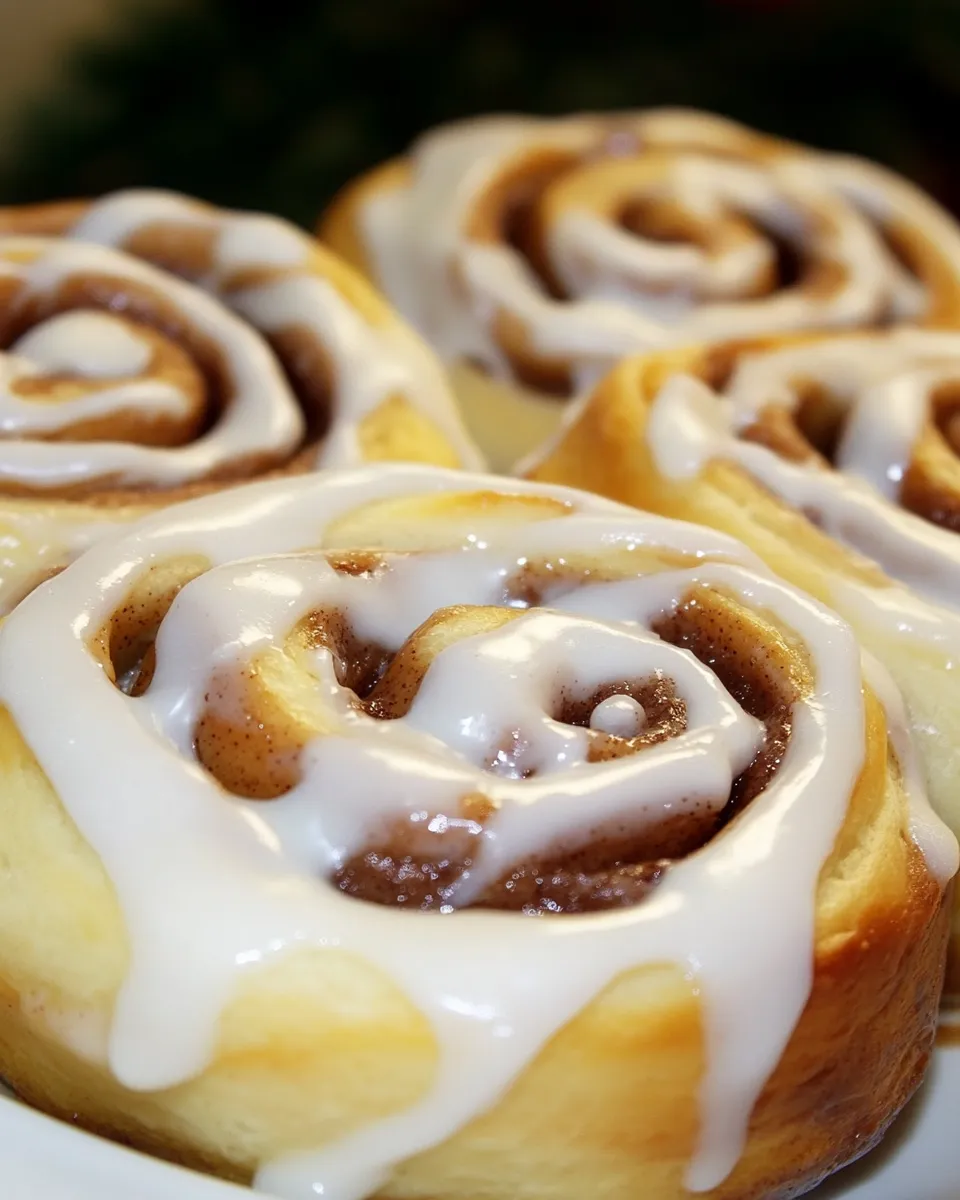
Christmas Morning Cinnamon Rolls
These cinnamon rolls are the kind of recipe you want ready to go before the kids tumble out of bed. They bake up soft, buttery, and warmly spiced — perfect for a holiday morning that should feel relaxed, not frantic. I’ll walk you through the exact steps so the dough behaves and the filling hits just the right balance between sweet and aromatic.
There are a few small checkpoints in the process — yeast activation, dough texture, and the short second rise — that make all the difference. Keep an eye on temperatures and timing, and you’ll be rewarded with golden rolls that stay tender after baking.
Below you’ll find a clear ingredient list tied to why each item matters, the step-by-step source-of-truth directions, and practical options if you need to adapt on the fly. No fluff — just what you need to get these on the table and loved.
Ingredient Breakdown

Ingredients
- 1 package (2 1/4 teaspoons) active dry yeast — leavening agent; proof it in warm water to confirm it’s alive.
- 1/2 cup warm water (105 to 115 degrees) — activates the yeast; keep it in the specified range to avoid killing or under-activating yeast.
- 1/2 cup lukewarm milk — adds fat and tenderness to the dough; not too hot or it will harm the yeast.
- 1/3 cup sugar — feeds the yeast early and sweetens the dough slightly.
- 1/3 cup butter — contributes richness and a soft crumb; measure softened butter for the dough.
- 1 teaspoon salt — balances sweetness and strengthens gluten for better structure.
- 1 egg — adds richness, color, and helps bind the dough.
- 3 1/2 to 4 cups all-purpose flour — builds structure; start with 3 1/2 cups and add up to 4 as needed for a soft, non-sticky dough.
- 1/2 cup brown sugar — main sweetener for the filling; adds moisture and a caramel note.
- 1/4 cup melted butter — used in the filling and a tablespoon reserved for brushing after baking to lock in softness.
- 2 teaspoons ground cinnamon — the primary spice in the filling; quality cinnamon makes a big difference.
- 1 teaspoon orange or almond extract — brightens and deepens the filling flavor; pick one and stick with it for a focused flavor profile.
Christmas Morning Cinnamon Rolls Cooking Guide
- In a large bowl, dissolve the yeast (2 1/4 tsp) in the warm water (1/2 cup, 105–115°F). Let sit about 5 minutes until foamy.
- Stir in the lukewarm milk (1/2 cup), sugar (1/3 cup), softened butter (1/3 cup), salt (1 tsp), and the egg (lightly beaten). Add 2 cups of the flour and beat until smooth.
- Gradually add 1 1/2 to 2 cups more all-purpose flour (use the total 3 1/2 to 4 cups as needed) until the dough is soft and easy to handle but not sticky.
- Turn the dough onto a lightly floured surface and knead about 5 minutes, until smooth and elastic.
- Place the dough in a lightly greased large bowl, turn to grease the top of the dough, cover, and let rise in a warm place until doubled, about 1 1/2 hours (dough is ready if an indentation remains when touched).
- Punch down the dough and divide it into 4 equal portions. Working with one portion at a time, roll each quarter into a flat rectangle about as thick as a flour tortilla.
- Prepare the filling: measure the 1/4 cup melted butter from the ingredient list and set aside 1 tablespoon of it for brushing after baking. In a small bowl combine the remaining 3 tablespoons melted butter, the brown sugar (1/2 cup), ground cinnamon (2 tsp), and the orange or almond extract (1 tsp). Mix until evenly combined.
- Spread about one quarter of the filling mixture evenly over each rolled rectangle, leaving a small (about 1/4-inch) border along one long edge. Roll each rectangle up jelly-roll style, pinching the seam to seal.
- Slice each roll into pieces of your preferred size (about 1 inch for standard rolls, about 1/2 inch for mini rolls). Arrange the slices cut-side down in a greased baking pan (leave a little space for rising).
- Cover the arranged rolls and let them rise about 35–40 minutes, until roughly doubled in size. About 10 minutes before baking, preheat the oven to 375°F.
- Bake at 375°F: about 10 minutes for mini rolls, or 20–30 minutes for standard-sized rolls, until golden brown and cooked through.
- As soon as the rolls come out of the oven, brush the tops with the reserved 1 tablespoon melted butter to seal in softness. Let cool a few minutes, then serve.
The Upside of Christmas Morning Cinnamon Rolls

These rolls are forgiving and scale-friendly. Dividing the dough into four portions makes rolling and shaping manageable — especially when you’re wrangling kids or gifts at the same time. The recipe’s separate measure for melted butter in the filling plus a reserved tablespoon for brushing is a small step that yields a noticeably softer crust.
Flavor-wise, the choice between orange and almond extract gives you quick customization: orange adds brightness and a holiday citrus note; almond brings a deep, marzipan-like warmth. Either one pairs beautifully with the brown sugar-cinnamon filling.
Finally, because the dough uses standard pantry ingredients and a modest rise schedule, you can make this the night before up to the point of rolling and slicing for a low-stress morning bake.
If You’re Out Of…

If you find yourself missing a single item, you can often work within what’s already listed here:
- Orange or almond extract — swap between these two as the recipe already permits either; they give different but equally festive profiles.
- 1/4 cup melted butter for the filling/brush — if you’ve already counted the 1/3 cup butter for the dough, melt a tablespoon from that portion for brushing and use the remainder as needed in the dough (keep track of total butter so the dough stays tender).
Avoid improvising with unfamiliar ingredients on your first attempt — small deviations in yeast doughs and fillings can change texture and flavor more than they do in simple batters. If you don’t have a listed ingredient and can’t substitute from what’s already in the recipe, it’s safer to pause and source it than to risk an unreliable outcome on a special morning.
Toolbox for This Recipe
- Large mixing bowl — for proofing the yeast and mixing the dough.
- Measuring cups and spoons — accurate liquid and dry measures keep the dough consistent.
- Rolling pin — roll each quarter into a rectangle as specified.
- Baking pan — size depends on roll size; a standard 9×13 works for most batches of standard rolls.
- Small bowl for filling — to mix melted butter, brown sugar, cinnamon, and extract.
- Sharp bench scraper or knife — for clean, even slices.
- Kitchen thermometer (optional) — handy to verify water is 105–115°F for yeast.
Steer Clear of These
There are a few pitfalls that will turn a good batch into a disappointing one:
- Water that’s too hot — above 115°F can kill the yeast and prevent rising.
- Over-flouring the dough — add flour only until the dough is soft and manageable; too much makes the rolls dense.
- Skipping the second rise — that 35–40 minute rise after shaping is essential for light, fluffy interiors.
- Not preheating the oven — bake into an oven at temperature so the rolls set and brown in the correct time window.
How to Make It Lighter
For airier rolls, focus on gluten development and gentle handling:
- Knead until the dough is smooth and elastic (about 5 minutes). This builds enough structure to hold air pockets without becoming tough.
- Avoid overworking the rolled rectangles; roll gently to the specified thinness and roll up without compressing the spiral too tightly.
- Let the rolls reach about doubled size during the second rise — underproofed rolls will be tight and dense after baking.
Testing Timeline
These are the practical checkpoints you’ll want to watch during the process:
- Yeast proof: 5 minutes — look for foamy activity after dissolving yeast in 105–115°F water.
- First rise: about 1 1/2 hours — dough should double; test by pressing gently to leave an indentation.
- Shaping and second rise: 35–40 minutes — rolls should look puffed and nearly doubled before they go into the oven.
- Bake time: 10 minutes (mini) or 20–30 minutes (standard) at 375°F — golden brown and cooked through.
- Finish: brush with reserved melted butter immediately out of the oven and let cool a few minutes before serving.
Storing Tips & Timelines

These rolls are best served the day they’re baked, but they store well with a little care:
- Short-term: Cover cooled rolls tightly with plastic wrap or store in an airtight container at room temperature for up to 2 days.
- Reheating: Warm individual rolls in a 300°F oven for 8–10 minutes, or microwave a single roll for 15–20 seconds to revive softness.
- Freezing: After baking and cooling, wrap tightly and freeze up to 1 month. Thaw overnight in the fridge and reheat as above.
Popular Questions
Q: Can I make the dough the night before?
A: Yes. After the first rise, you can punch down, shape the rolls, arrange them in the pan, then cover and refrigerate overnight. Let them come to room temperature and complete the second rise (35–40 minutes) before baking.
Q: My rolls browned on top but were doughy inside. What happened?
A: Either the rolls needed more time in the oven or they were too large for the bake time used. Verify oven temperature with an oven thermometer and use a slightly longer bake if the centers aren’t set. Also check that they doubled properly during the second rise.
Q: Can I use instant yeast instead?
A: If using instant yeast, you can generally reduce proofing time and add it directly to the dry ingredients. If you substitute, follow the instant yeast package guidelines — but be mindful that the recipe as written expects active dry yeast proofed in warm water.
See You at the Table
Make these rolls the night before if you want a calm morning. Otherwise, start early and let the dough do the work — the payoff is a tray of warm, fragrant rolls that turn a quiet morning into a small celebration. Serve them straight from the pan, brushed with that reserved tablespoon of butter, and enjoy the moment when everyone reaches for a sticky, spiraled piece.
Happy baking — and if you try a variation with orange or almond extract, tell me which one became your family’s favorite.

Christmas Morning Cinnamon Rolls
Ingredients
Ingredients
- 1 package 2 1/4 teaspoons active dry yeast
- 1/2 cup warm water 105 to 115 degrees
- 1/2 cup lukewarm milk
- 1/3 cup sugar
- 1/3 cup butter
- 1 teaspoon salt
- 1 egg
- 3 1/2 to 4 cups all-purpose flour
- 1/2 cup brown sugar
- 1/4 cup melted butter
- 2 teaspoons ground cinnamon
- 1 teaspoon orange or almond extract
Instructions
Instructions
- In a large bowl, dissolve the yeast (2 1/4 tsp) in the warm water (1/2 cup, 105–115°F). Let sit about 5 minutes until foamy.
- Stir in the lukewarm milk (1/2 cup), sugar (1/3 cup), softened butter (1/3 cup), salt (1 tsp), and the egg (lightly beaten). Add 2 cups of the flour and beat until smooth.
- Gradually add 1 1/2 to 2 cups more all-purpose flour (use the total 3 1/2 to 4 cups as needed) until the dough is soft and easy to handle but not sticky.
- Turn the dough onto a lightly floured surface and knead about 5 minutes, until smooth and elastic.
- Place the dough in a lightly greased large bowl, turn to grease the top of the dough, cover, and let rise in a warm place until doubled, about 1 1/2 hours (dough is ready if an indentation remains when touched).
- Punch down the dough and divide it into 4 equal portions. Working with one portion at a time, roll each quarter into a flat rectangle about as thick as a flour tortilla.
- Prepare the filling: measure the 1/4 cup melted butter from the ingredient list and set aside 1 tablespoon of it for brushing after baking. In a small bowl combine the remaining 3 tablespoons melted butter, the brown sugar (1/2 cup), ground cinnamon (2 tsp), and the orange or almond extract (1 tsp). Mix until evenly combined.
- Spread about one quarter of the filling mixture evenly over each rolled rectangle, leaving a small (about 1/4-inch) border along one long edge. Roll each rectangle up jelly-roll style, pinching the seam to seal.
- Slice each roll into pieces of your preferred size (about 1 inch for standard rolls, about 1/2 inch for mini rolls). Arrange the slices cut-side down in a greased baking pan (leave a little space for rising).
- Cover the arranged rolls and let them rise about 35–40 minutes, until roughly doubled in size. About 10 minutes before baking, preheat the oven to 375°F.
- Bake at 375°F: about 10 minutes for mini rolls, or 20–30 minutes for standard-sized rolls, until golden brown and cooked through.
- As soon as the rolls come out of the oven, brush the tops with the reserved 1 tablespoon melted butter to seal in softness. Let cool a few minutes, then serve.
Equipment
- Large Bowl
- Small Bowl
- Measuring Cups and Spoons
- Rolling Pin
- Baking Pan
- Oven
- Knife or bench scraper
- plastic wrap or clean towel