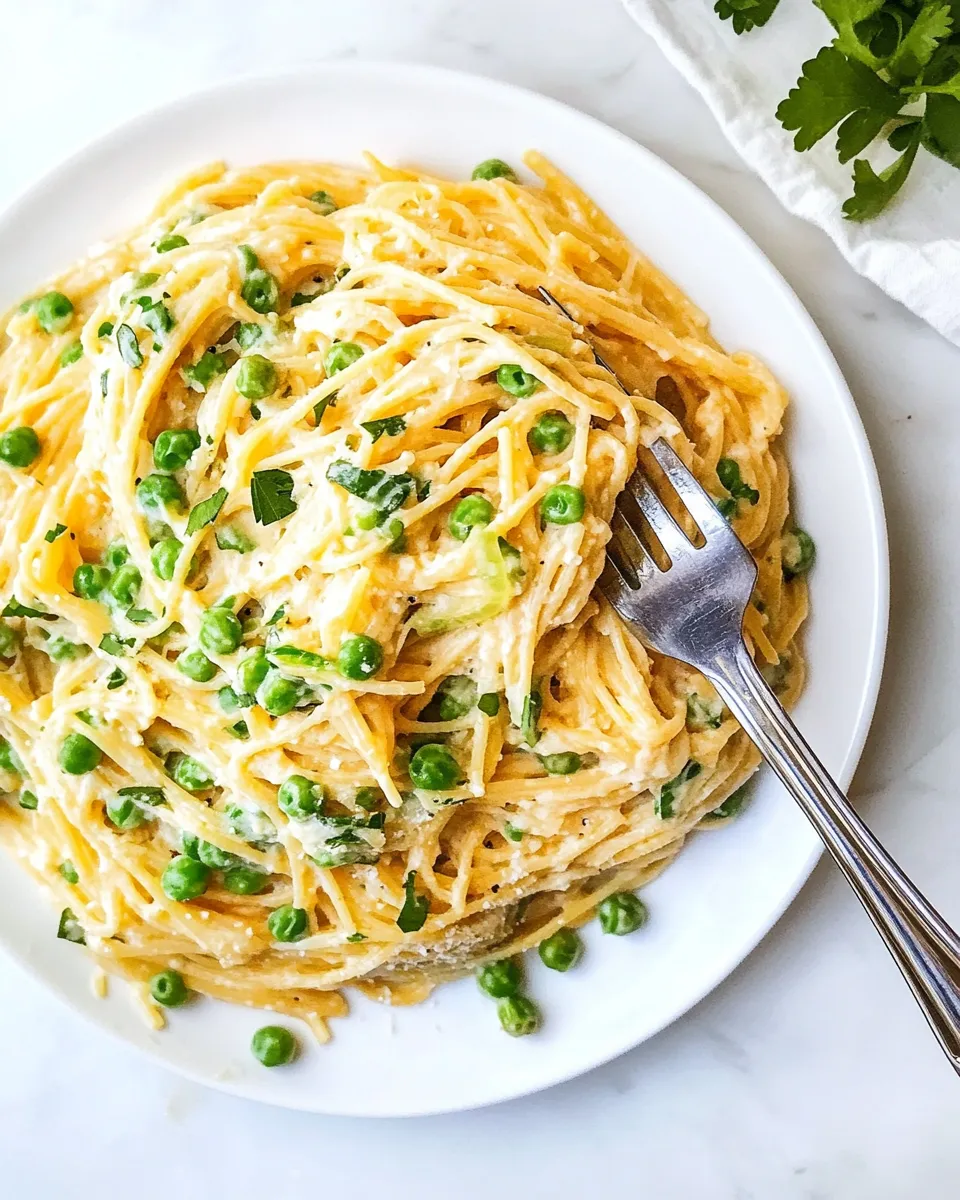
Cheesy Spaghetti
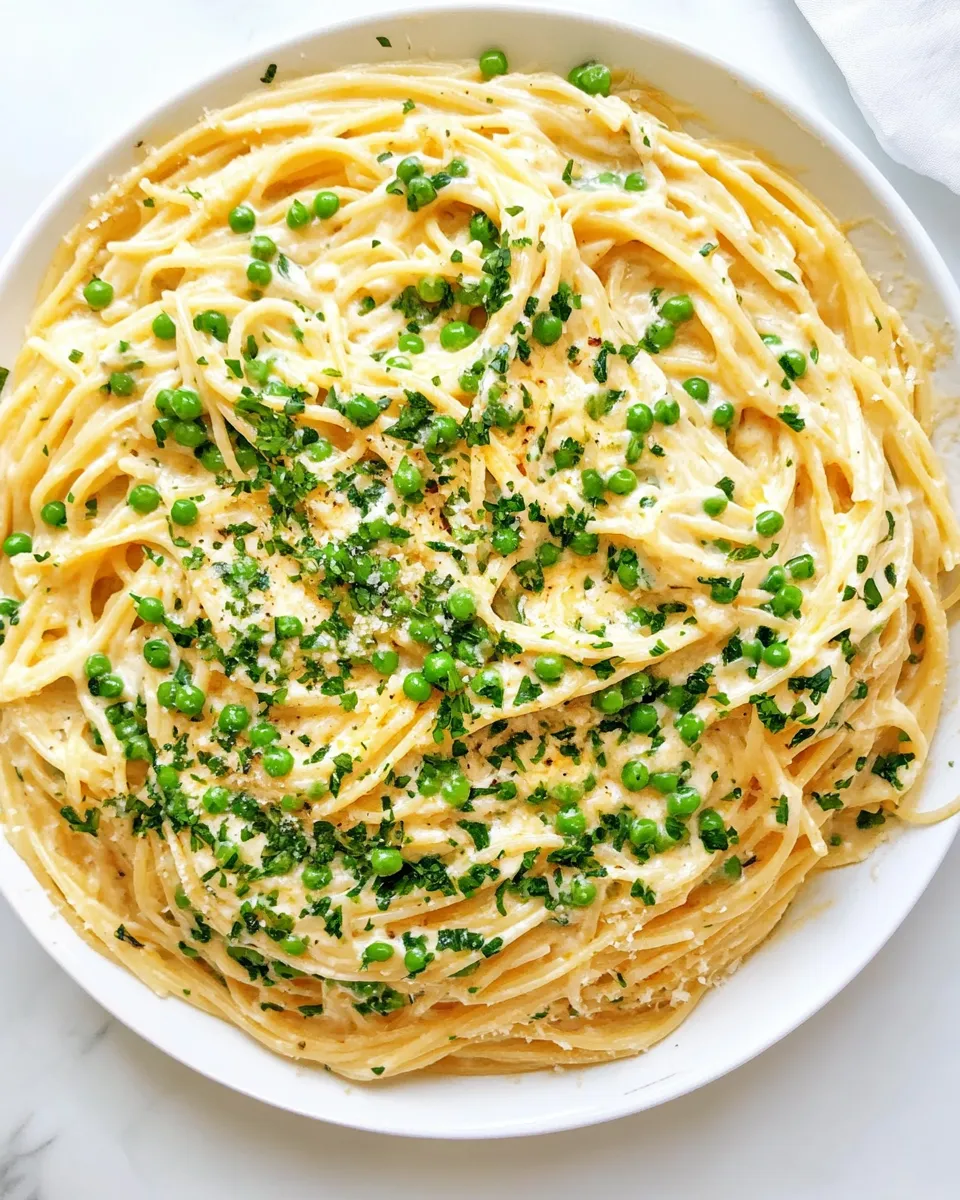
There’s something deeply comforting about a bowl of warm, creamy pasta that clings to each strand with cheesy goodness. This Cheesy Spaghetti recipe takes humble pantry staples and turns them into a cozy, weeknight-friendly meal with a little sparkle from sweet peas and a crisp shower of Parmesan on top. It’s creamy but not heavy, brightened by a touch of nuttiness from the mustard powder, and perfect for picky eaters and grown-up palates alike.
Why you’ll love this Cheesy Spaghetti

- Quick to make: ready in about 30 minutes from start to finish.
- Simple ingredients: everyday pantry staples and a package of shredded cheese.
- Comforting and creamy: a lush cheese sauce that coats the spaghetti perfectly.
- Easy to scale: double it for leftovers or halve it for two.
Ingredients
- ▢14 ounces spaghetti (see note 1)
- ▢1 cup pasta water — pull water out before draining
- ▢1 (10-ounce) package frozen peas
- ▢Salt and pepper
- ▢4 tablespoons unsalted butter
- ▢1/4 cup flour
- ▢1 cup whole milk
- ▢1 teaspoon garlic powder
- ▢1 teaspoon onion powder
- ▢1/2 teaspoon ground mustard
- ▢1 (8-ounce) package freshly shredded medium Cheddar cheese (see note 2)
- ▢Parmesan cheese for topping (see note 3)
Equipment
- Large pot for boiling pasta
- Measuring cups and spoons
- Large skillet or saucepan for the sauce
- Colander
- Wooden spoon or heatproof spatula
Step-by-step directions
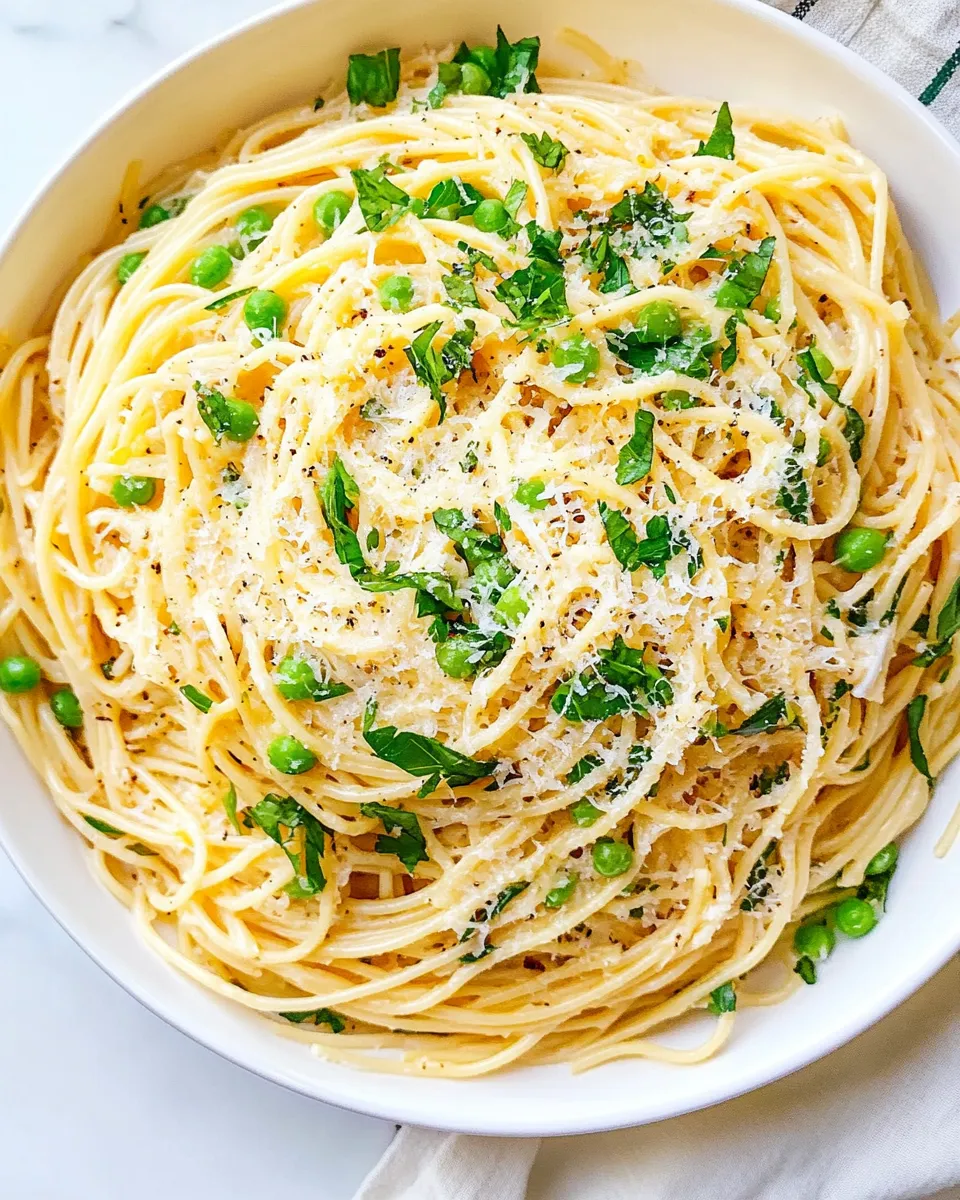
- Bring a large pot of salted water to a rolling boil. Add the 14 ounces spaghetti and cook according to the package instructions until just al dente. About 1 minute before the pasta is done, use a heatproof measuring cup to scoop out 1 cup of the starchy pasta water and set it aside. Drain the spaghetti in a colander and return it to the pot or keep it in the colander while you make the sauce.
- While the pasta cooks, heat a large skillet or medium saucepan over medium heat. Add the 4 tablespoons unsalted butter and let it melt completely, swirling the pan so it coats the bottom evenly.
- When the butter is melted and bubbling gently, sprinkle in the 1/4 cup flour. Whisk or stir constantly for about 1 to 2 minutes to cook the flour and form a light roux; this removes the raw flour taste and helps the sauce thicken.
- Slowly pour in the 1 cup whole milk while whisking or stirring to smooth out any lumps. Continue to cook the mixture, stirring frequently, until it begins to thicken and looks glossy, about 3 to 4 minutes.
- Once the sauce has thickened, add the seasonings: 1 teaspoon garlic powder, 1 teaspoon onion powder, and 1/2 teaspoon ground mustard. Stir well to combine and taste, then season with salt and pepper to your preference. Keep the heat at medium-low so the sauce stays hot but does not boil.
- Turn the heat to low. Add the 1 (8-ounce) package freshly shredded medium Cheddar cheese to the sauce in small handfuls, stirring after each addition until fully melted and smooth. Take care not to overheat the cheese; keep the sauce at a gentle low temperature so it stays velvety.
- Stir the reserved 1 cup pasta water into the cheese sauce a little at a time if needed to reach a smooth, saucy consistency that will coat the spaghetti. Use only as much pasta water as necessary; you may not need the entire cup depending on how thick you like the sauce.
- Add the drained spaghetti to the skillet with the cheese sauce. Toss gently and thoroughly so every strand gets coated. If the sauce feels too thick, add a splash more of the reserved pasta water and toss again until the texture is glossy and clingy.
- Fold in the 1 (10-ounce) package frozen peas directly into the hot pasta. The residual heat will thaw and warm the peas quickly. Continue tossing until the peas are evenly distributed and heated through. Taste and adjust salt and pepper as needed.
- Divide the Cheesy Spaghetti among bowls or plates. Finish each serving with a generous grate or sprinkle of Parmesan cheese on top for an added savory, salty lift. Serve immediately while hot and creamy.
Notes
- Note 1: For best texture, cook the 14 ounces spaghetti until just al dente so it holds up when tossed with the sauce. Reserving 1 cup of pasta water before draining is important because the starchy water helps loosen and bind the sauce to the pasta.
- Note 2: Freshly shredded medium Cheddar melts more smoothly than pre-shredded varieties, which often contain anti-caking agents. Use the 1 (8-ounce) package of freshly shredded cheese for a creamier sauce.
- Note 3: A finely grated aged hard cheese like Parmesan adds a sharp finish as a topping. Sprinkle to taste just before serving.
Troubleshooting & tips
- If your cheese sauce looks grainy, the heat was likely too high when the cheese melted. Remove from heat and whisk in a splash of pasta water to smooth it out.
- To make this lighter, swap whole milk for 2% milk, but the sauce will be slightly less rich.
- Want more veggies? Stir in baby spinach at the end so it wilts quickly, or roast chopped tomatoes and add them as a warm topping.
- Leftovers reheat well on the stove over low heat with a tablespoon or two of milk or reserved pasta water to restore creaminess.
Serving suggestions
Serve this Cheesy Spaghetti with a crisp green salad and a squeeze of lemon on the side to cut through the richness. A handful of toasted breadcrumbs or chopped fresh herbs like parsley add texture and brightness. For a heartier meal, pair with roasted chicken or a simple pan-seared fish.
Make-ahead and storage
Store leftovers in an airtight container in the refrigerator for up to 3 days. Reheat gently on the stovetop over low heat, adding a splash of milk or reserved pasta water to loosen the sauce as needed.
Final thoughts
This Cheesy Spaghetti is all about cozy simplicity: a silky, cheese-forward sauce clinging to perfectly cooked spaghetti with pops of sweet green peas. It’s an easy, satisfying dish that comes together quickly and feels like a warm hug on a plate. Keep the technique in mind—reserve that pasta water, melt the cheese gently, and season thoughtfully—and this recipe will be a reliable go-to for busy weeknights and comfort-food cravings alike.
Cheesy Spaghetti
Ingredients
- 14 ounces spaghetti
- 1 cup pasta water (reserved) scoop out before draining
- 10 ounces frozen peas
- Salt and pepper
- 4 tablespoons unsalted butter
- 1/4 cup all-purpose flour
- 1 cup whole milk
- 1 teaspoon garlic powder
- 1 teaspoon onion powder
- 1/2 teaspoon ground mustard
- 8 ounces freshly shredded medium Cheddar cheese add in handfuls off the heat
- Parmesan cheese for topping, grated
Instructions
- Bring 12 cups of water to a rolling boil in a large pot and add 1 tablespoon salt and the 14 ounces of spaghetti.
- Cook the pasta according to package instructions minus 1 minute; in the final minute add the frozen peas to the boiling water.
- Before draining, scoop out 1 cup of the hot pasta water and set aside, then drain the pasta and peas in a colander and shake off excess water.
- While the pasta cooks, melt the butter in a large skillet over medium heat.
- Sprinkle the flour over the melted butter and whisk until smooth; continue whisking for 1 minute to cook the flour.
- Gradually whisk in the milk until the sauce is smooth and has thickened, then whisk in the garlic powder, onion powder, ground mustard, and a pinch of salt and pepper.
- Remove the skillet from the heat and add the shredded Cheddar in handfuls, stirring after each addition until mostly melted.
- Add the drained pasta and peas to the skillet and use tongs to toss until the sauce evenly coats the pasta.
- If the sauce is too thick, gradually stir in reserved pasta water until you reach a creamy consistency; taste and adjust salt as needed.
- Serve immediately topped with freshly grated Parmesan cheese.
Equipment
- Large Pot
- Large Skillet
- Whisk
- Tongs
- Measuring Cups and Spoons
- Wooden Spoon
- Colander
Notes
- Use a food scale or remove 2 ounces from a 16-ounce box to get 14 ounces of pasta.
- Freshly shredded Cheddar melts more smoothly than pre-shredded cheese.
- Reserve pasta water to adjust sauce consistency.
- Season to taste—cheese may need additional salt.
- Grate Parmesan directly onto plates if desired.