Caprese Salad
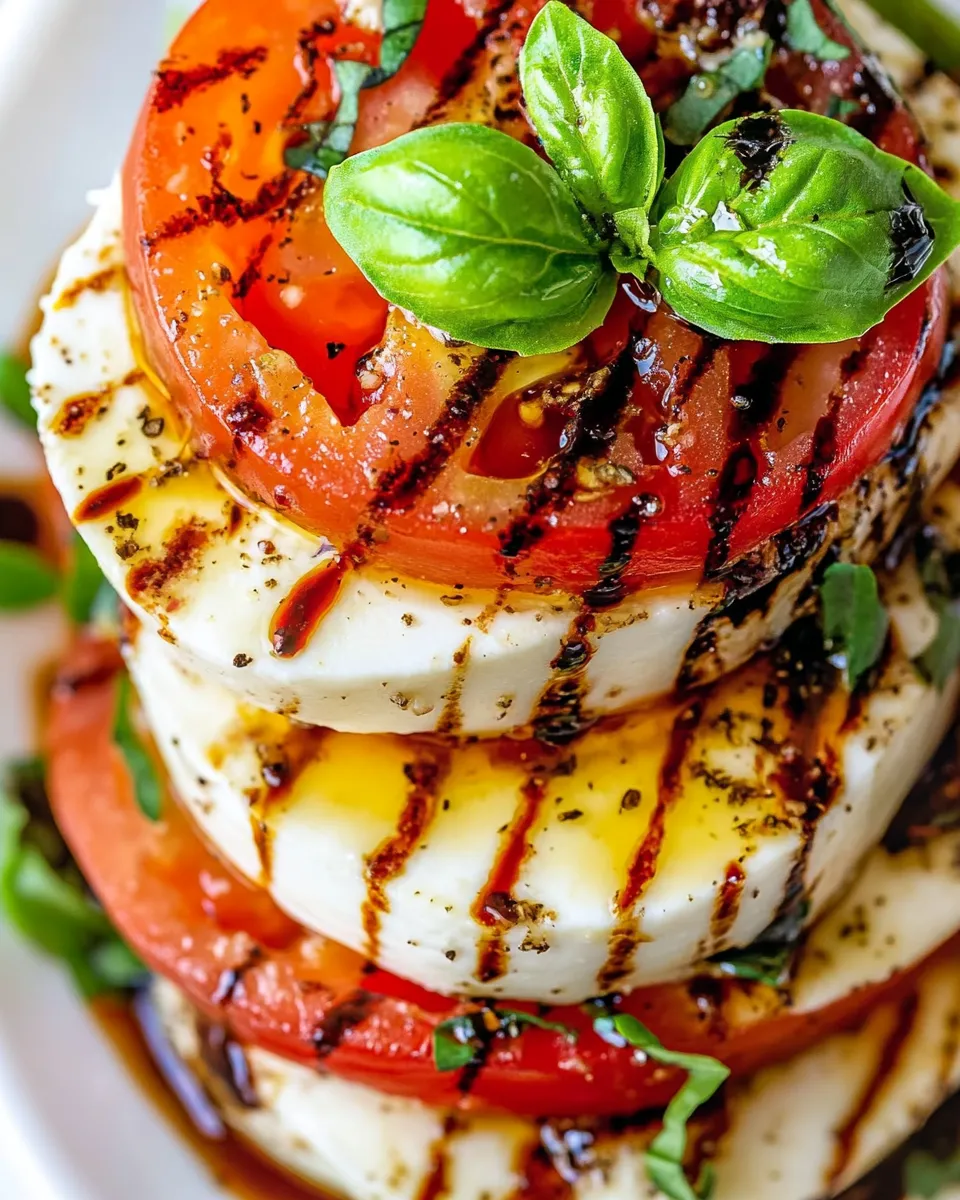
Caprese is one of those dishes that looks fancy but is astonishingly straightforward. It’s a salad that celebrates three things: ripe tomato, fresh mozzarella, and basil. When those three are at their best, you don’t need much else—just a good drizzle of olive oil, a pinch of salt and pepper, and the option of a sweet balsamic glaze.
I make this for weeknight dinners, summer lunches, and whenever guests arrive unexpectedly. The assembly takes minutes, but a few small choices—how you slice the tomatoes, whether you pat them dry, or how warm the room is when you serve it—change the result. Those tiny details are where a simple salad becomes reliably impressive.
Below I’ll walk you through the ingredients and exact steps I use, explain why it works, offer troubleshooting tips, and suggest subtle variations that respect the dish’s spirit. No fuss, just practical guidance so your Caprese Salad sings every time.
Ingredients at a Glance

- 3 larger ripe tomatoes sliced into ¼ inch thickness — Choose tomatoes that are fragrant and firm to the touch; even slices make for a prettier plate and consistent bite size.
- 12 ounces (350 g) fresh mozzarella cheese sliced into ¼ inch thickness — Fresh, milky mozzarella is the backbone of the salad; slice it to match the tomato thickness for balance.
- Fresh basil leaves — Aromatic and green, basil adds the defining herbal lift; tuck whole leaves between slices for texture and fragrance.
- 2 tablespoons extra virgin olive oil — Use a good, fruity oil and drizzle it evenly; it brings cohesion and silkiness.
- ½ teaspoon sea salt flakes — Coarse flakes provide bursts of seasoning and a nicer mouthfeel than finely ground salt.
- ¼ teaspoon ground black pepper — Freshly ground is preferable; it provides subtle heat without overpowering the other flavors.
- 2 tablespoons balsamic reduction/glaze optional — Sweet and tangy when used, but optional; add sparingly to avoid masking the fresh ingredients.
Caprese Salad in Steps
- Using a sharp knife, slice the 3 larger ripe tomatoes into 1/4-inch-thick slices. Pat slices dry with a paper towel if they are very wet.
- Slice the 12 ounces (350 g) fresh mozzarella into 1/4-inch-thick slices.
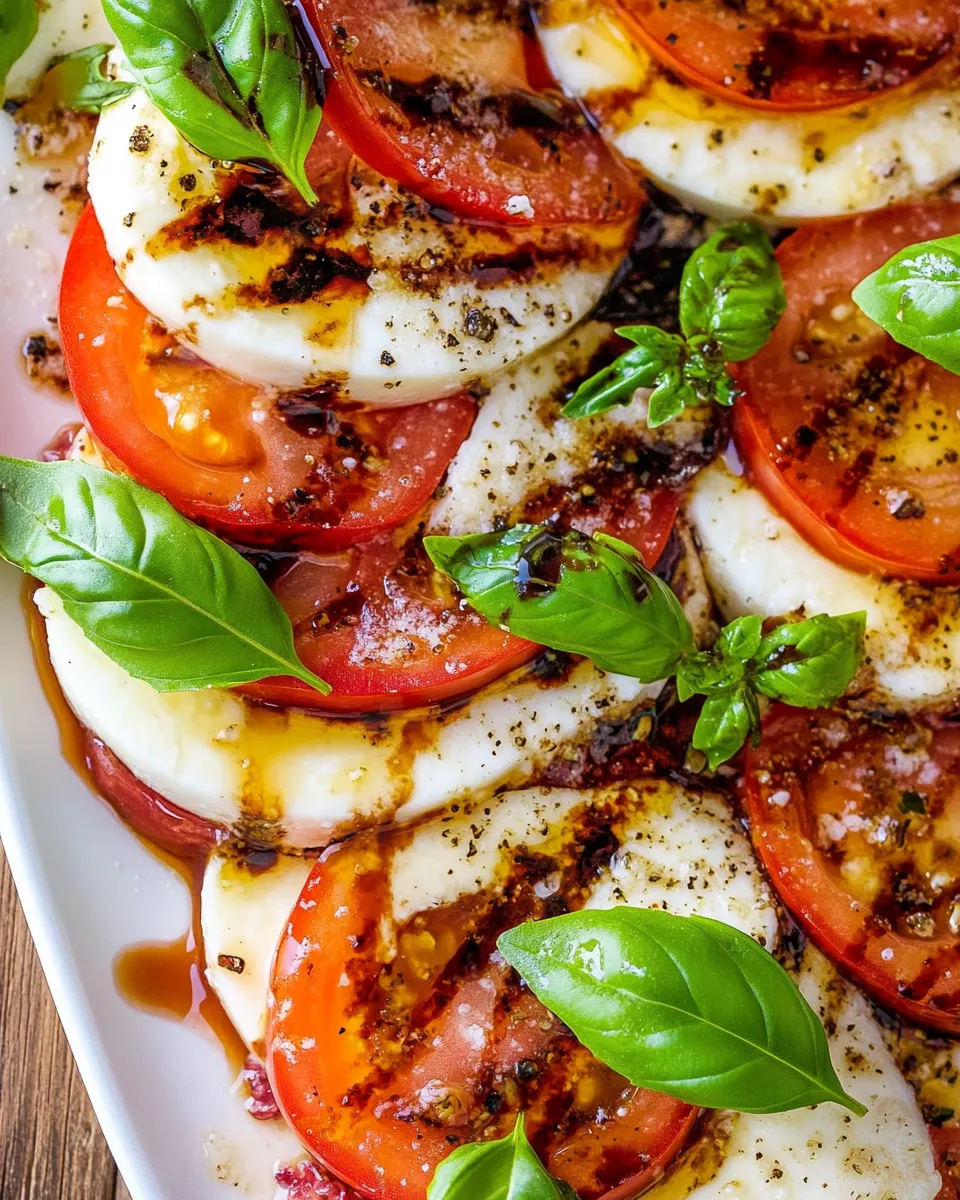
- On a large serving platter, arrange the tomato and mozzarella slices in an alternating pattern (tomato, mozzarella, tomato, mozzarella), overlapping each slice slightly so the layers are visible.
- Tuck fresh basil leaves between the tomato and mozzarella slices as you arrange them (place a leaf between each pair of slices).
- Drizzle all over with 2 tablespoons extra virgin olive oil, distributing it evenly.
- Sprinkle 1/2 teaspoon sea salt flakes and 1/4 teaspoon ground black pepper evenly over the salad.
- If using, drizzle up to 2 tablespoons balsamic reduction/glaze over the top.
- Serve immediately at room temperature.
Why Cooks Rave About It
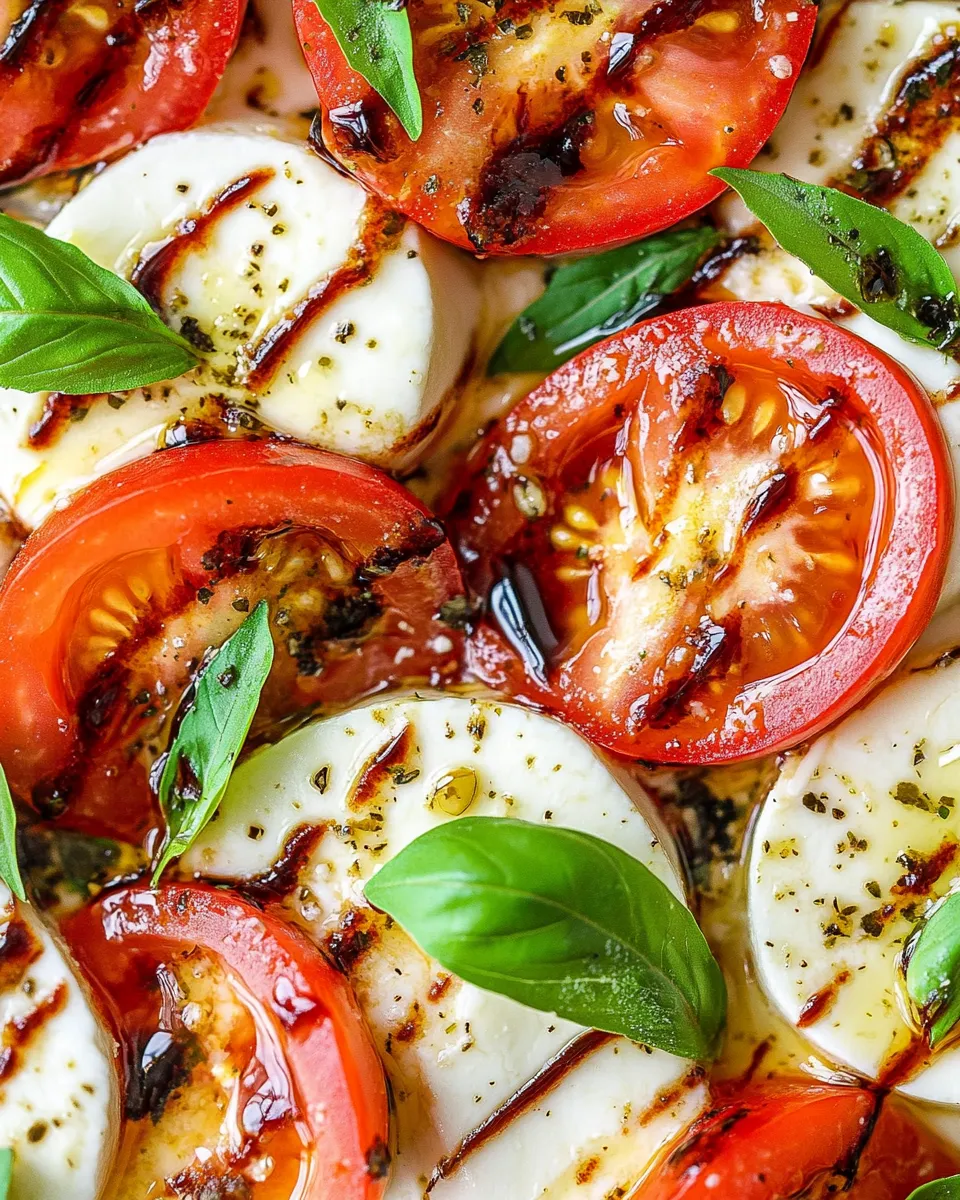
The Caprese Salad is a study in contrast and balance. You get the sweetness and slight acidity of a ripe tomato, the creamy, cooling texture of fresh mozzarella, and the bright, peppery lift from basil. Those elements alone create layers of flavor without competing for attention.
Texture matters. When the tomato is juicy and the mozzarella is tender, each forkful has both moisture and body. Olive oil binds the ingredients and carries flavor across the plate, while salt and pepper tune the overall profile. A little balsamic reduction, when used judiciously, adds a caramelized sweetness that highlights the tomato’s natural sugars.
It’s also forgiving. The method is straightforward, so you can scale it up for a crowd or keep it intimate for two. Because the ingredients are familiar, you learn how small changes—slightly thicker slices, a warmer serving temperature, or a different salt—immediately change the experience.
Low-Carb/Keto Alternatives
Caprese Salad is already very low in carbohydrates, so it fits naturally into low-carb and keto diets. The classic ingredients—tomato, mozzarella, basil, olive oil—are all acceptable. If you prefer to minimize carbs further, focus on portion size for tomatoes and use the balsamic reduction sparingly or omit it entirely.
For higher fat content without changing core ingredients, increase the olive oil a bit or serve alongside a protein that fits your plan. The salad’s composition makes it suitable as a starter, side, or light meal within a low-carb lifestyle.
Equipment & Tools
Keep this simple. A few small tools make the difference between a rushed plate and a clean, composed presentation.
- Sharp chef’s knife — Clean, even slices are easiest with a sharp blade; a serrated knife also works for very ripe tomatoes.
- Cutting board — A stable surface keeps slices uniform and safe.
- Large serving platter — A flat, neutral platter lets the alternating layers display nicely.
- Paper towels — For blotting very wet tomato slices so the salad doesn’t become watery.
- Spoon or small jug for oil — To distribute the olive oil evenly without puddles.
Problems & Prevention
Here are common issues and how to avoid them.
Watery or soggy salad
Problem: Water from tomatoes makes the mozzarella soggy and dilutes flavors. Prevention: Pat very wet tomato slices dry with a paper towel before arranging. Use tomatoes that are ripe but not crushed.
Uneven bites
Problem: Thick tomato slices with thin mozzarella make bites unbalanced. Prevention: Match slice thicknesses—both are sliced 1/4 inch in the recipe—and overlap them evenly on the platter.
Muted flavor
Problem: Ingredients taste bland or disconnected. Prevention: Serve at room temperature. Cold mozzarella and tomatoes straight from the fridge mute flavors; let them sit out for 15–20 minutes before serving.
Overpowering glaze
Problem: Balsamic reduction masks the fresh flavors. Prevention: Use the balsamic reduction sparingly—up to 2 tablespoons is suggested—and drizzle lightly. You can always add more at the table.
Year-Round Variations
Caprese is seasonal at heart, but you can adapt it intelligently when ingredients vary in quality.
Summer: Keep it classic. Use the ripest tomatoes you can find and serve simply with olive oil, salt, and basil.
Should ripe tomatoes be hard to find in the off-season, concentrate flavor by briefly roasting or broiling thicker slices to evoke sweetness. Pat them dry first and adjust salt after roasting. Serve warm or allow to cool slightly before assembling with mozzarella and basil.
Another subtle shift is presentation—arrange the slices in a circle, a straight row, or even in loose stacks for a composed, modern look. The method is the same; the plating changes the vibe.
Behind the Recipe
Caprese Salad originates from Italy and celebrates simple, regional produce. The recipe is less about technique and more about ingredient quality. Historically, it’s a way to showcase peak tomatoes and fresh cheese without heavy seasoning.
My version is faithful to that spirit: thin, matching slices; basil tucked between each layer; and a minimal finish of oil, salt, pepper, and an optional balsamic drizzle. Those steps keep the focus where it belongs—on the ingredients themselves.
Cooling, Storing & Rewarming
Because this salad relies on the fresh textures of tomato and mozzarella, it’s best eaten immediately. If you must store leftovers, follow these notes.
Short-term storage: Cover the platter or transfer to an airtight container and refrigerate for up to 24 hours. Expect the mozzarella to absorb some tomato juice and the texture to soften.
To serve leftovers: Let the salad come back to room temperature for 15–20 minutes; flavors lift when not stone cold. Re-drizzle a little fresh olive oil and re-season with a tiny pinch of sea salt if the tomatoes have lost brightness.
Avoid reheating. Heating eliminates the fresh contrast and changes the mozzarella’s texture. If you want a warm caprese-inspired dish, plan a different recipe that calls for grilling or baking.
Handy Q&A
Q: Can I use pre-sliced mozzarella? A: Yes, as long as slices are about 1/4 inch thick and the cheese is fresh. Fresh is the keyword.
Q: Is balsamic reduction necessary? A: No. It’s optional and can be left off to let the tomato-basil-mozzarella trio shine on its own.
Q: How many people does this serve? A: This assembly generally works as a side for 3–4 people or an appetizer for 4–6, depending on portion sizes.
Q: Can I add greens or other vegetables? A: You can, but traditional Caprese is deliberately simple. If you add anything, keep it minimal and complementary so the core flavors remain central.
Save & Share
If you enjoyed this walk-through, save or bookmark the page so you can return when tomatoes peak. Caprese Salad is one of those dishes that rewards attention to detail: a sharp knife, matched slices, and room temperature service will lift it from good to memorable.
Share it with friends who appreciate bright, fresh flavors. It’s a quick, elegant dish that fits picnics, casual dinners, and holiday spreads alike. When you make it, pause for a moment and inhale—the basil and ripe tomato aroma is the best sign that you did it right.
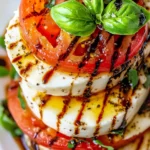
Caprese Salad
Ingredients
Ingredients
- ?3 largeripe tomatoessliced into 1/4 inch thickness
- ?12 ounces 350 gfresh mozzarella cheesesliced into 1/4 inch thickness
- ?Fresh basil leaves
- ?2 tablespoonsextra virgin olive oil
- ?1/2 teaspoonsea salt flakes
- ?1/4 teaspoonground black pepper
- ?2 tablespoonsbalsamic reduction/glazeoptional
Instructions
Instructions
- Using a sharp knife, slice the 3 larger ripe tomatoes into 1/4-inch-thick slices. Pat slices dry with a paper towel if they are very wet.
- Slice the 12 ounces (350 g) fresh mozzarella into 1/4-inch-thick slices.
- On a large serving platter, arrange the tomato and mozzarella slices in an alternating pattern (tomato, mozzarella, tomato, mozzarella), overlapping each slice slightly so the layers are visible.
- Tuck fresh basil leaves between the tomato and mozzarella slices as you arrange them (place a leaf between each pair of slices).
- Drizzle all over with 2 tablespoons extra virgin olive oil, distributing it evenly.
- Sprinkle 1/2 teaspoon sea salt flakes and 1/4 teaspoon ground black pepper evenly over the salad.
- If using, drizzle up to 2 tablespoons balsamic reduction/glaze over the top.
- Serve immediately at room temperature.
Equipment
- Sharp Knife
- Cutting Board
- Large Serving Platter
- Paper Towel
Notes
You can substitute the tomato with cherry tomatoes, and use baby mozzarella balls for the salad.
Drizzle withpestofor extra flavor.
I like to serve this salad with a piece of crusty bread on the side to soak up all the juices left in the platter after finishing the salad.