Brown Sugar Cookies
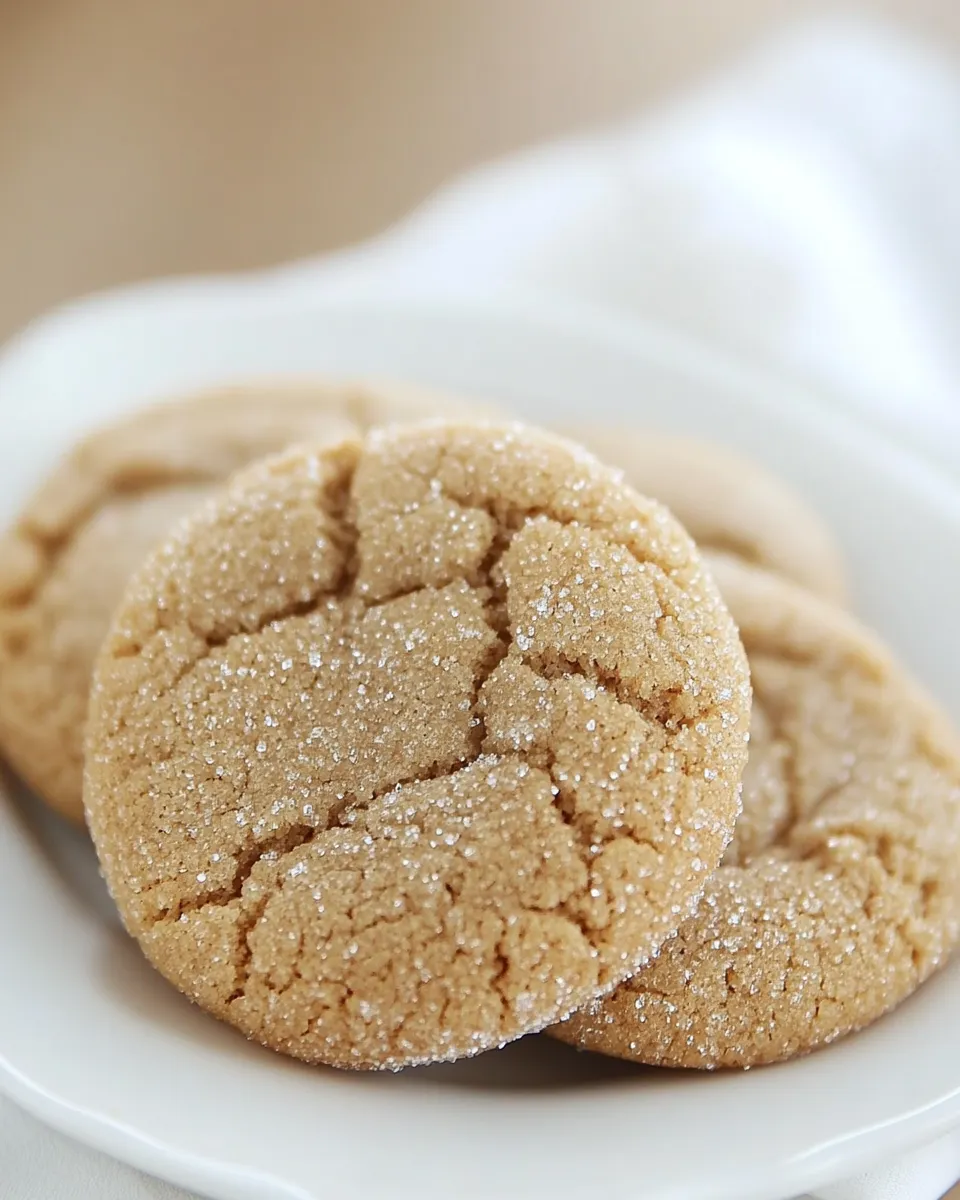
If you love cookies that are soft at the center with edges that give just enough, these Brown Sugar Cookies are for you. They’re straightforward to make, forgiving in texture, and have that deep, caramel-like note from the brown sugar that keeps people coming back for one more. I make them when I want a quick, satisfying bake without fuss.
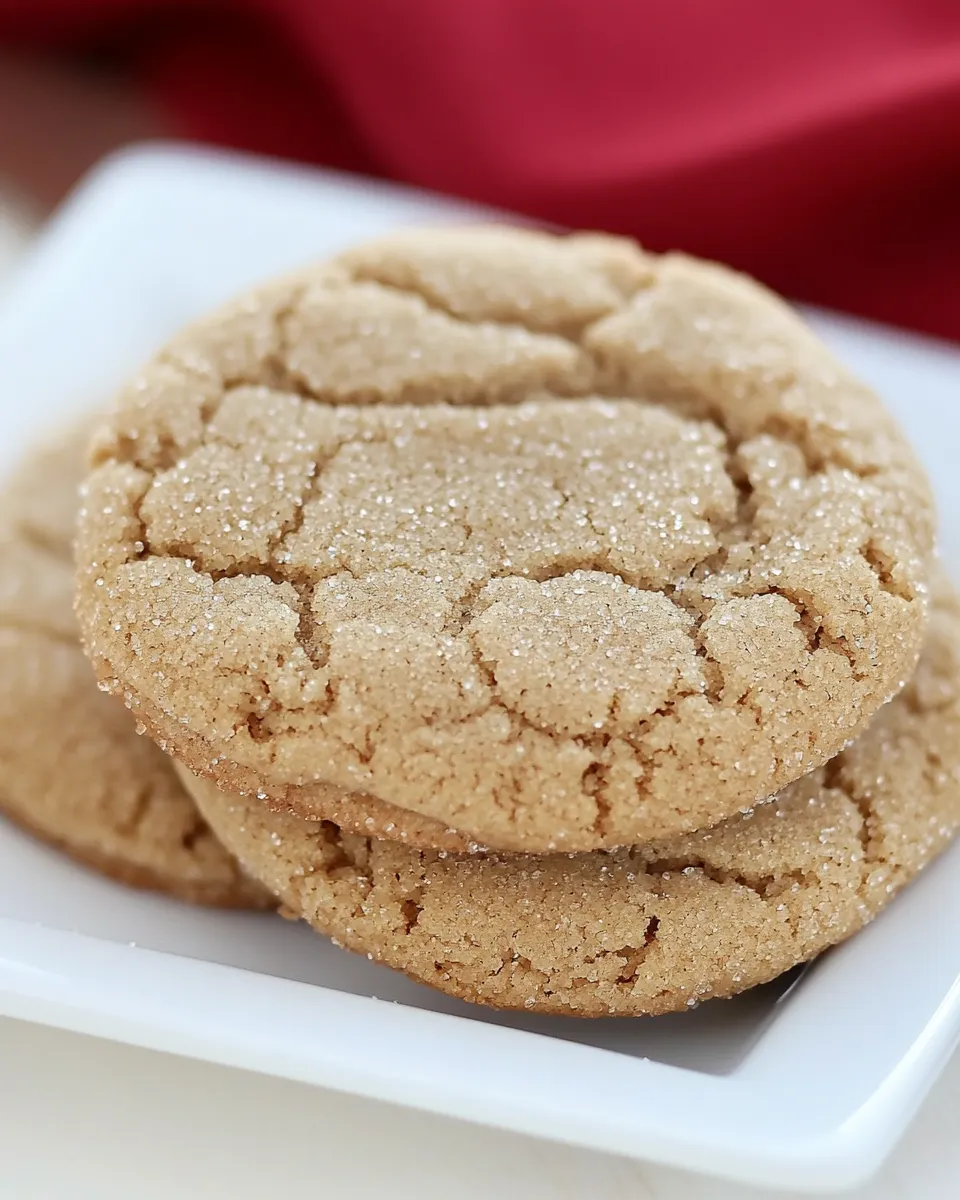
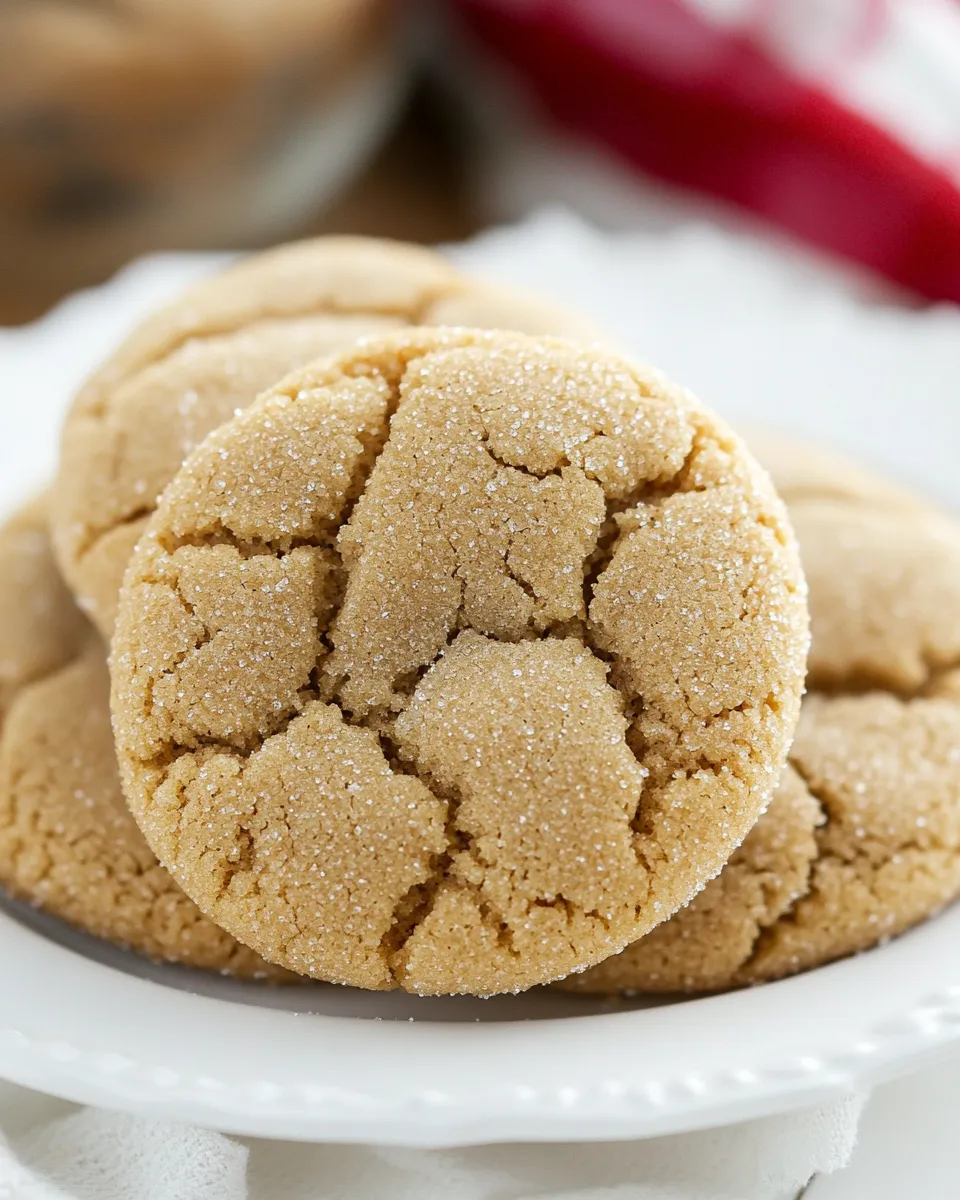
This recipe is practical: minimal ingredients, simple steps, and a short bake time. No chilling required unless you want a tighter spread. The dough comes together fast, and rolling the balls in white sugar gives them a thin, crackly exterior that contrasts nicely with a tender interior.
Below you’ll find everything you need — ingredients with quick tips, a step-by-step method (exactly as I use it), troubleshooting points, diet-friendly swaps, storage advice, and the small habits that make these cookies reliable every time. Ready? Let’s walk through this one together.
Ingredients at a Glance

- 2 c brown sugar — the primary sweetener and source of moist, caramel flavor; packed into the cup for accuracy.
- 1/2 c butter, softened — adds flavor and structure; make sure it’s soft enough to cream easily but not melted.
- 1/2 c vegetable oil — keeps the cookies soft and tender; it helps with shelf stability.
- 2 eggs — bind the dough and add lift; room temperature eggs mix more evenly.
- 1 tsp baking soda — helps with lightness and spread; use fresh for best rise.
- 1 tsp baking powder — gives additional lift and a tender crumb.
- 1 tsp salt — balances the sweetness and enhances flavors.
- 1 tsp vanilla extract — flavor enhancer; don’t skip if you want full depth.
- 3 c all purpose flour — structure for the dough; spoon and level for an accurate measure.
- white sugar in a bowl — used for rolling; creates a sparkly, slightly crisp surface.
Method: Brown Sugar Cookies
- Preheat oven to 350°F. Lightly grease baking sheets or line them with parchment. Put the white sugar in a shallow bowl for rolling.
- In a stand mixer fitted with the paddle attachment or in a large bowl with a hand mixer, cream the softened butter, vegetable oil, and brown sugar together until light and fluffy.
- Add the eggs one at a time, mixing until each is incorporated. Add the vanilla extract and mix until smooth.
- Add the baking soda, baking powder, salt, and all-purpose flour. Mix on low speed or fold with a spatula until just combined and a soft dough forms; do not overmix.
- Portion the dough into equal-sized balls (about 1 to 1½ tablespoons each, if desired).
- Roll each dough ball in the white sugar in the shallow bowl to coat, then place the coated balls on the prepared baking sheet, spacing them about 2 inches apart.
- Bake at 350°F for 9–11 minutes, until the edges are set and the centers still appear slightly soft.
- Cool the cookies on the baking sheet for 2–3 minutes, then transfer to a wire rack to cool completely.
Reasons to Love Brown Sugar Cookies
These cookies strike a balance between simplicity and comfort. You get a soft interior, lightly crisped edges, and a flavor profile that leans brown-sugary and slightly toffee-like. They don’t try to be complicated — no exotic spices, no tempering; just dependable, comforting bites.
They’re fast to mix and quick to bake, which means minimal active time. That makes them perfect for last-minute guests or an afternoon baking session with kids. The dough is forgiving: if you slightly overmix or under-measure, the result is still pleasant and cozy.
I also love the texture contrast: the outer white-sugar coating gives a subtle crunch and a pretty finish, while the center stays soft. They travel well for a picnic or a cookie exchange, and they pair beautifully with coffee or a glass of cold milk.
Budget & Availability Swaps
If you’re short on an ingredient or watching the budget, there are a few straightforward swaps you can make without altering the core recipe:
- Brown sugar: if you only have light or dark brown sugar, either works. Dark will be richer; light will be milder.
- Butter and oil: this recipe uses both for a tender texture. If you prefer, you can increase oil slightly to replace some butter, but keep in mind flavor will be milder.
- Vanilla extract: if you’re out, you can omit it and rely on brown sugar flavor; the cookies will still be good, but less aromatic.
- White sugar for rolling: granulated sugar from the pantry is fine; the purpose is a light exterior texture rather than sweetness control.
Setup & Equipment
Minimal gear is required, which is one reason I reach for this recipe so often. Set these items out before you start:
- Stand mixer with paddle attachment or hand mixer and a large bowl — for creaming efficiently.
- Measuring cups and spoons — for accuracy with flour and leaveners.
- Mixing spatula — to finish mixing and fold without overworking the dough.
- Baking sheets and parchment paper or a silicone mat — parchment helps even browning and easy cleanup.
- Wire rack — cool cookies completely for proper texture.
- Shallow bowl for the white sugar — makes rolling the dough quick and clean.
Easy-to-Miss Gotchas
Temperature and texture matters
Softened butter should be pliable but not oily. If it’s too warm or melted, the dough will spread too much in the oven. If it’s too cold, you’ll end up with a denser texture because it won’t cream properly.
Don’t overmix once flour is in
Mixing the flour too long develops gluten and will make the cookies tougher. Stop as soon as a soft dough forms. It’s okay if a few streaks of flour remain when you portion the dough; they’ll combine during gentle handling.
Watch the oven time
The recipe’s 9–11 minute window is short on purpose. Centers should look slightly soft when you pull the pan; they will firm as they cool. Overbaking yields a dry cookie.
Spacing on the pan
Give each cookie about 2 inches of space. These cookies spread; too-close placement leads to merging and irregular edges.
Substitutions by Diet
Below are sensible swaps for common dietary preferences. I’m focusing on small, practical changes so you can still expect a similar result.
- Egg-free: use a commercial egg replacer or two tablespoons of a neutral-tasting binder per egg (like applesauce or mashed banana) if you accept the change in texture and flavor. Expect softer, slightly denser cookies.
- Dairy-free: the recipe already includes vegetable oil. Use a dairy-free butter substitute labeled for baking in place of the butter to maintain flavor and structure.
- Gluten-free: replace the all-purpose flour with a 1:1 gluten-free baking blend that contains xanthan gum. Texture will vary by blend; handle gently and avoid overmixing.
- Lower sugar: you can reduce the white sugar used for rolling to reduce exterior sweetness. Reducing the brown sugar will change texture and moisture, so do that cautiously.
Notes from the Test Kitchen
I’ve made this recipe several times and adjusted small habits that consistently improved results. Here are the concise things that mattered.
Mixing order
Creaming the butter, oil, and brown sugar first gives the dough enough aeration for a light crumb. Adding eggs one at a time helps the mixture bind evenly.
Texture check
After you fold in the flour, the dough should be soft but not sticky. If it feels overly sticky, pop it in the fridge for 10–15 minutes — that makes portioning cleaner and reduces spread.
Baking variability
Ovens vary. The first time I baked these in a different oven, they needed the full 11 minutes. If your oven runs hot, check at 9 minutes. Cookie color is a good cue: golden edges and a slightly soft center mean “done.”
Store, Freeze & Reheat
Storage is simple and keeps the cookies enjoyable for days.
- Room temperature: store in an airtight container for up to 4 days. Place a sheet of parchment between layers to prevent sticking.
- Freeze baked cookies: cool completely, then freeze in a single layer on a tray. Once firm, transfer to a freezer bag or container for up to 3 months. Thaw at room temperature.
- Freeze dough balls: portion the dough, roll in white sugar, then freeze on a tray. Once solid, move to a bag and freeze for up to 3 months. Bake from frozen; add a minute or two to the bake time.
- Reheat: warm a cookie in a 300°F oven for about 5 minutes for a fresh-baked feel. Microwave briefly (5–8 seconds) for softness, but texture will differ slightly.
Quick Questions
Can I use only butter or only oil?
Yes. Only butter will give more flavor and slightly less tenderness; only oil will yield a softer, less flavorful cookie. The recipe balances both for tenderness and flavor.
Why both baking soda and baking powder?
Baking soda reacts with acidic components and gives initial lift, while baking powder provides additional leavening for a balanced rise and tender crumb. They work together to control texture and spread.
Can I add mix-ins like chocolate chips or nuts?
Yes. Fold them in at step 4 after the dough forms. Keep portions moderate so the dough portioning and baking remain predictable.
My cookies spread too much — what happened?
Likely one of these: butter was too warm, dough was too warm when placed on the pan, or the pan was too close to the oven’s heating element. Chill the dough briefly and use cooler baking sheets if needed.
Ready, Set, Cook
These Brown Sugar Cookies are reliable, quick, and forgiving. Work through the method as written, mind the little gotchas, and you’ll have a batch of tender, caramel-forward cookies in under 20 minutes of oven time. If you try them, let me know how you like the texture and any small tweaks you made. Happy baking — and enjoy that first warm bite.

Brown Sugar Cookies
Ingredients
Ingredients
- 2 cbrown sugar
- 1/2 cbuttersoftened
- 1/2 cvegetable oil
- 2 eggs
- 1 tspbaking soda
- 1 tspbaking powder
- 1 tspsalt
- 1 tspvanilla extract
- 3 call purpose flour
- white sugar in a bowl
Instructions
Instructions
- Preheat oven to 350°F. Lightly grease baking sheets or line them with parchment. Put the white sugar in a shallow bowl for rolling.
- In a stand mixer fitted with the paddle attachment or in a large bowl with a hand mixer, cream the softened butter, vegetable oil, and brown sugar together until light and fluffy.
- Add the eggs one at a time, mixing until each is incorporated. Add the vanilla extract and mix until smooth.
- Add the baking soda, baking powder, salt, and all-purpose flour. Mix on low speed or fold with a spatula until just combined and a soft dough forms; do not overmix.
- Portion the dough into equal-sized balls (about 1 to 1½ tablespoons each, if desired).
- Roll each dough ball in the white sugar in the shallow bowl to coat, then place the coated balls on the prepared baking sheet, spacing them about 2 inches apart.
- Bake at 350°F for 9–11 minutes, until the edges are set and the centers still appear slightly soft.
- Cool the cookies on the baking sheet for 2–3 minutes, then transfer to a wire rack to cool completely.
Equipment
- Stand mixer
- Paddle Attachment
- Hand Mixer
- Mixing Bowl
- Spatula
- Shallow Bowl
- Baking Sheet
- Parchment Paper
- Wire Rack