Brown Butter Snickerdoodle Cookie Recipe
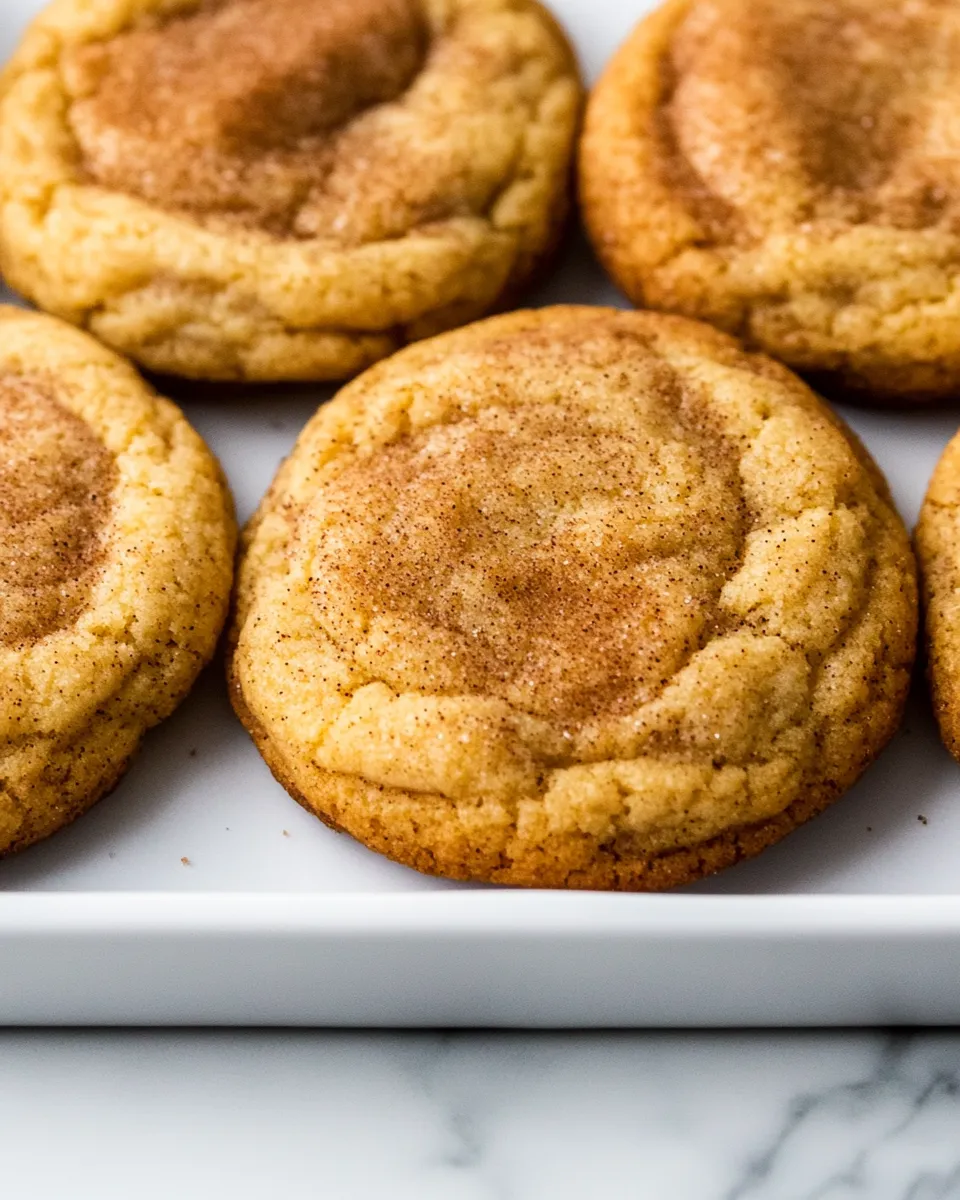
I love cookies that feel simple but taste like you’ve spent all afternoon on them. These brown butter snickerdoodles do exactly that: familiar, pillowy snickerdoodle texture, lifted by the deep, toasty flavor of browned butter. They bake up with golden edges, tender centers and that classic cinnamon-sugar crackle on top.
This recipe is practical and forgiving. There are clear steps for browning butter, mixing the dough, chilling, and rolling in cinnamon sugar. If you follow each stage, you’ll get dependable results every time—soft, slightly puffy cookies that hold their shape and have a rich, nutty background note from the brown butter.
Below you’ll find the ingredient list, exact step-by-step directions, troubleshooting pointers, tool recommendations, and ways to adapt the recipe without guessing measurements. Read through once, then bake with confidence.
What’s in the Bowl

Before you start, take a moment to gather the ingredients and tools. Browning the butter first is the defining step here; it changes the flavor profile without changing how the dough behaves. The rest of the recipe is classic snickerdoodle chemistry—cream of tartar and baking soda give that tang and lift while the cinnamon-sugar coating gives the familiar warm spice.
Ingredients
- 1 cup browned butter — the star: adds nutty, toasted flavor that layers into the dough.
- 1 cup white sugar — provides sweetness and helps with spreading and chew.
- ½ cup brown sugar — adds moisture and a hint of caramel depth.
- 2 eggs — binders that add structure and tenderize the dough.
- 2 teaspoons vanilla extract — rounds out flavors and enhances the brown butter notes.
- 2 3/4 cups all-purpose flour — the bulk of the dough; gives the cookies body.
- 2 teaspoons cream of tartar — classic snickerdoodle component for tang and bite.
- 1 teaspoon baking soda — reacts with cream of tartar to provide lift.
- 1/2 teaspoon salt — balances sweetness and brightens the flavors.
- 4 tablespoons white sugar — for rolling; gives the crisp, sweet coating.
- 1 tablespoon ground cinnamon — the warm spice in the roll coating.
Brown Butter Snickerdoodle Cookie, Made Easy
- Preheat the oven to 375°F.
- Brown the butter: place 1 cup butter in a heavy-bottomed saucepan over medium heat. Whisk or stir constantly as it melts so it browns evenly. The butter will foam, the foam will subside, and brown solids will form on the bottom. When the butter turns golden-brown and smells nutty, remove the pan from the heat and transfer the browned butter to a heatproof bowl. Allow it to cool until warm (not hot) before using.
- In a mixing bowl, combine the warm browned butter with 1 cup white sugar and ½ cup brown sugar. Beat or cream until the sugars are well incorporated and the mixture is smooth, scraping down the sides of the bowl as needed.
- Add 2 eggs and 2 teaspoons vanilla extract to the butter-sugar mixture. Continue to beat until the mixture is pale and slightly thickened.
- In a separate bowl, whisk together 2 3/4 cups all-purpose flour, 2 teaspoons cream of tartar, 1 teaspoon baking soda, and 1/2 teaspoon salt until evenly combined.
- Add the dry ingredients to the wet ingredients and mix just until the flour is incorporated and no large streaks remain. Do not overmix.
- Cover the dough and chill in the refrigerator for at least 45 minutes or up to overnight.
- When ready to bake, stir together 4 tablespoons white sugar and 1 tablespoon ground cinnamon in a shallow bowl.
- Portion the chilled dough into balls about 1.5 tablespoons each (a cookie scoop works well). Roll each ball in the cinnamon-sugar mixture to coat.
- Place the coated dough balls 2 inches apart on baking sheets lined with parchment paper or a silicone baking mat.
- Bake for 8 to 10 minutes, until the edges are set and golden and the centers are puffed.
- Remove the baking sheets from the oven and let the cookies sit on the sheet for about 2 minutes, then transfer the cookies to a wire rack to cool completely.
Why You’ll Keep Making It
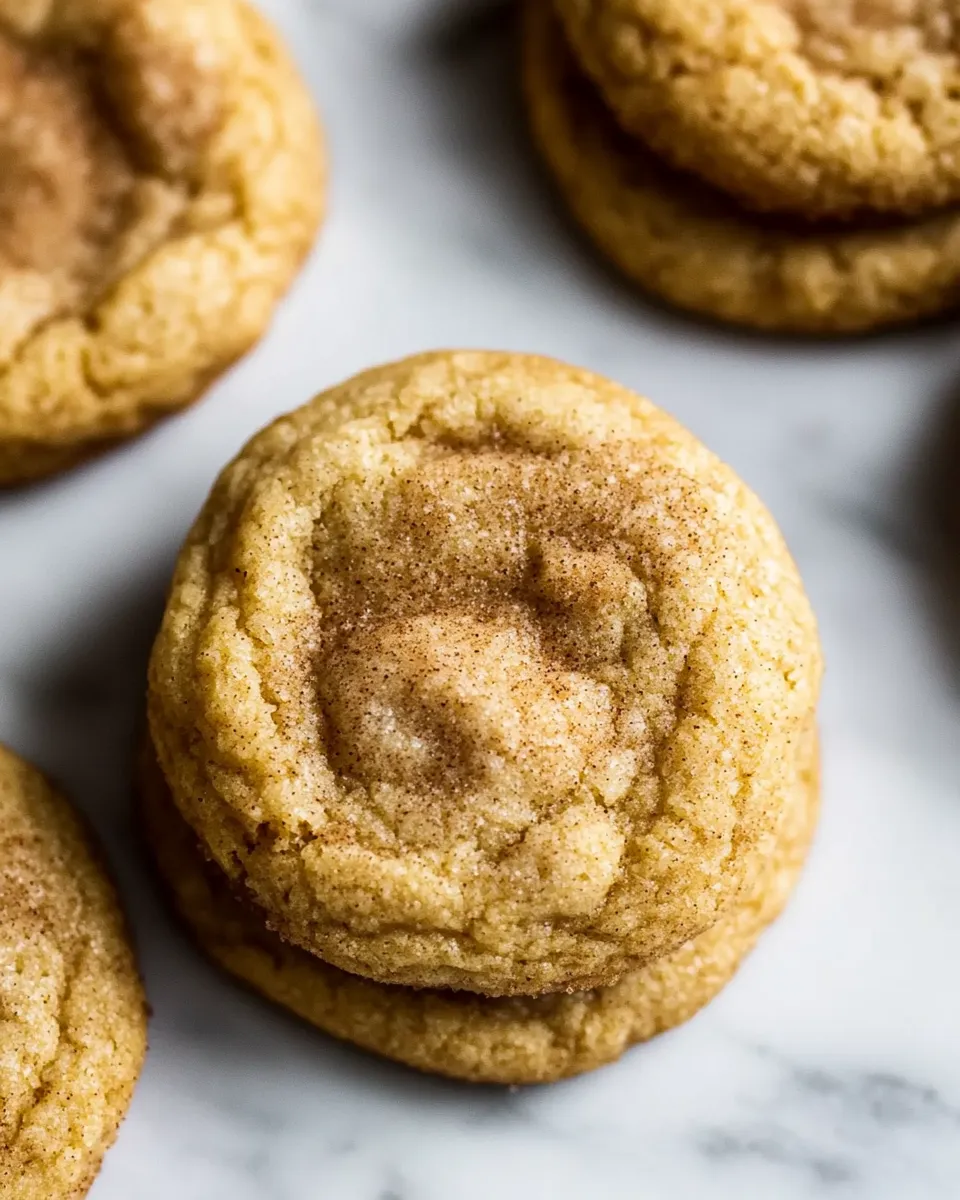
These cookies taste familiar and upgraded at the same time. The browned butter adds depth without extra work, and the cream of tartar gives that snickerdoodle tang many people crave. The method is straightforward: brown the butter, mix, chill, roll, and bake. That predictability makes this cookie one you’ll come back to for holidays, after-school snacks, or last-minute hosting.
The texture is forgiving: slightly crisp at the edges and soft in the centers. Even if your oven runs hot or you leave them in a minute longer than planned, the result will still be pleasant. And because the dough chills well, you can prepare it ahead and bake fresh batches on demand.
Flavor-Forward Alternatives
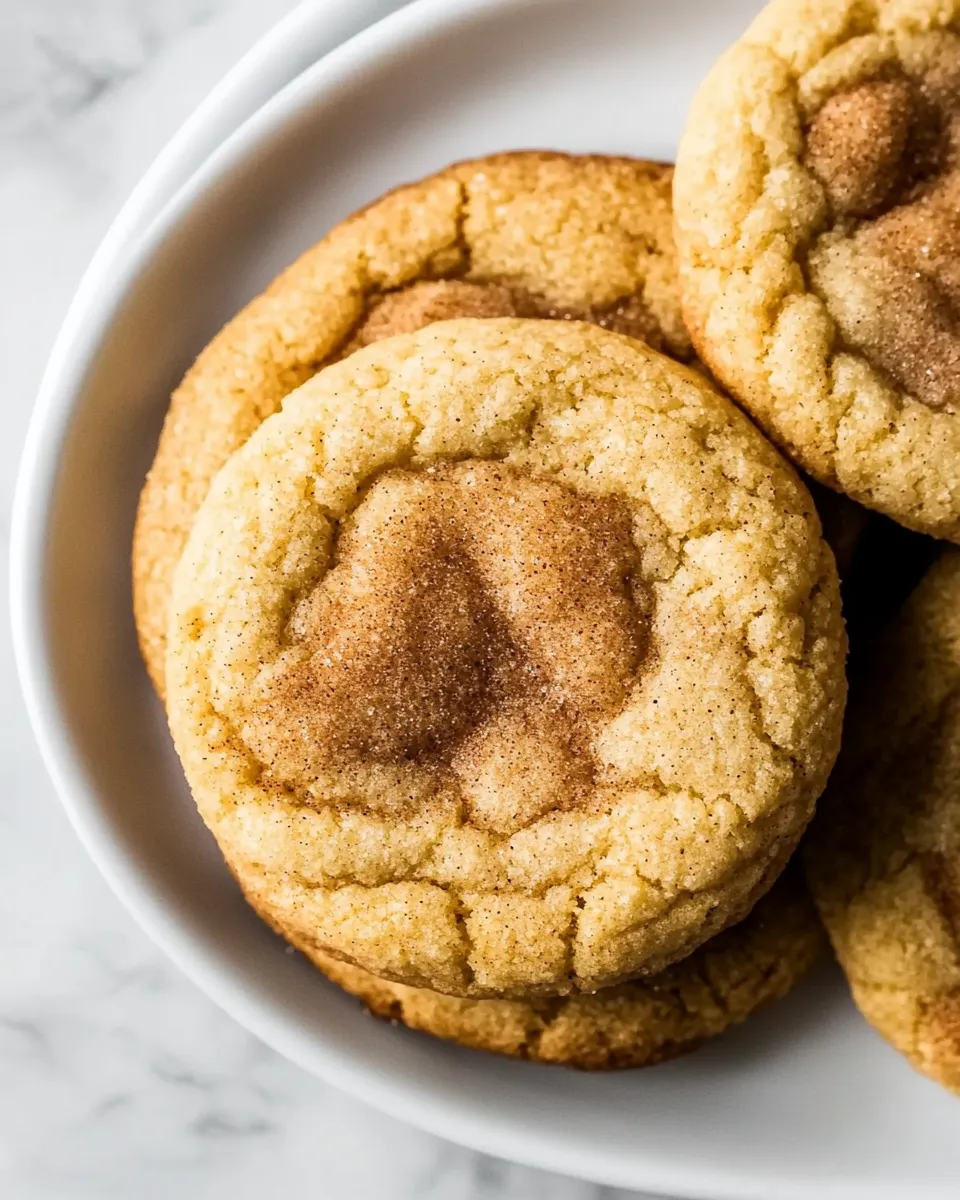
Want to riff on the base? Here are directionally safe ideas that don’t require changing the recipe’s amounts.
- Add bright accents: fold in a small amount of citrus zest (like orange or lemon) to the dough for a bright counterpoint to the brown butter.
- Spice it up: increase the warm spices in the roll—extra cinnamon or a pinch of ground nutmeg or cardamom—for a different aroma profile.
- Texture swaps: mix a few chopped toasted nuts or a sprinkle of flaky sea salt on top after baking for contrast. (Use your judgement on quantities; the base recipe stays the same.)
Toolbox for This Recipe
These tools will make the process smoother:
- Heavy-bottomed saucepan — for even browning of the butter.
- Heatproof bowl — to transfer the browned butter so it stops cooking and cools safely.
- Stand mixer or hand mixer — to cream the butter-sugar and incorporate eggs evenly.
- Mixing bowls — one for dry ingredients, one for wet.
- Cookie scoop (1.5 tablespoon size) — makes uniformly sized cookies and baking times consistent.
- Parchment paper or silicone baking mats — prevent sticking and promote even browning.
- Wire rack — for cooling so cookies finish setting without steaming underneath.
Troubleshooting Tips
Cookies spread too much: Make sure the dough is well chilled for at least 45 minutes. If your kitchen is warm, chill longer. Also confirm you measured the flour accurately—too little flour causes excess spread.
Cookies are flat and crisp: You may have overcreamed or overmixed once the flour was added. Mix just until incorporated. Also check your baking soda; if old, it can change rise behavior.
Centers are underbaked but edges are brown: Your oven may have hot edges or run unevenly. Rotate the baking sheet halfway through and check your oven temperature with an oven thermometer. Try baking on the middle rack for more even heat.
Browned butter turned bitter: That happens if you let the solids burn. When browning, watch closely and smell—the transition from toasty to burned happens fast. Transfer browned butter off the heat once it’s golden-brown and aromatic.
Make It Diet-Friendly
These suggestions are practical adjustments, not precise substitutions.
- Lower sugar approach: you can reduce the white sugar in the dough slightly and keep the cinnamon-sugar coating minimal or omitted—expect a modest change in texture and spread.
- Lower fat considerations: browning butter is central to flavor here. If you need less fat, consider using a smaller batch and freeze the rest of the dough for later rather than altering the amount in the recipe.
- Allergen notes: the recipe contains eggs and dairy. For egg-free or dairy-free versions, expect the texture and flavor to change noticeably; careful recipe testing will be required.
Cook’s Notes
Browning butter: do this in a heavy-bottomed pan, stirring constantly. Transfer it to a cool bowl as soon as it hits that golden stage—residual heat will continue to cook it, so moving it off the burner prevents burning.
Chilling the dough: this step firms the butter and controls spread. If you chill overnight, let the dough sit at room temperature for a few minutes before scooping so it’s scoopable but still cool.
Size matters: portioning dough at about 1.5 tablespoons gives the listed bake time and the texture described. Larger cookies will need more time; smaller ones will bake faster.
Freezer-Friendly Notes
Make ahead and freeze in two ways:
- Freeze the dough balls individually on a sheet until solid, then transfer to a freezer-safe bag. Bake from frozen—add 1–2 minutes to the bake time.
- Bake the cookies completely, cool, and then freeze in an airtight container with parchment layers. Thaw at room temperature or warm briefly in a low oven to refresh texture.
Label with a date; frozen cookie dough will keep well for a month or two without noticeable quality loss.
Common Questions
Can I brown the butter in advance?
Yes. You can brown the butter, cool it, and store it refrigerated for a couple of days. Rewarm to a warm (not hot) temperature before using so it blends with the sugars smoothly.
Why cream of tartar?
Cream of tartar gives snickerdoodles their classic tang and reactive lift when combined with baking soda. It also affects texture, helping the cookies keep a slightly chewy center.
How do I know when browned butter is done?
Watch the color and smell. The butter will foam, then the foam will subside and brown specks will form on the bottom. It should be a deep golden-brown with a nutty aroma. Transfer immediately to a cool bowl to stop the cooking.
Can I skip chilling?
Technically yes, but chilling improves texture and controls spread. If you skip it, expect flatter cookies and potentially uneven texture.
Bring It to the Table
These brown butter snickerdoodles arrive warm and approachable—great on a cookie platter, boxed for gifts, or served with coffee. For serving, place them on a simple plate or tiered tray; they don’t need embellishment. If you’re presenting them as a gift, stack with parchment between layers and tie with twine.
Final practical tip: bake a single test sheet first to dial in your oven and timing. Once you see how the first batch performs, the rest come together quickly and consistently. Enjoy the nutty aroma—the brown butter really makes these special.
Brown Butter Snickerdoodle Cookie Recipe
Ingredients
Ingredients
- 1 cupbrowned butter
- 1 cupswhite sugar
- 1/2 cupbrown sugar
- 2 eggs
- 2 teaspoonsvanilla extract
- 2 3/4 cupsall-purpose flour
- 2 teaspoonscream of tartar
- 1 teaspoonbaking soda
- 1/2 teaspoonsalt
- 4 tablespoonswhite sugar
- 1 tablespoonground cinnamon
Instructions
Instructions
- Preheat the oven to 375°F.
- Brown the butter: place 1 cup butter in a heavy-bottomed saucepan over medium heat. Whisk or stir constantly as it melts so it browns evenly. The butter will foam, the foam will subside, and brown solids will form on the bottom. When the butter turns golden-brown and smells nutty, remove the pan from the heat and transfer the browned butter to a heatproof bowl. Allow it to cool until warm (not hot) before using.
- In a mixing bowl, combine the warm browned butter with 1 cup white sugar and ½ cup brown sugar. Beat or cream until the sugars are well incorporated and the mixture is smooth, scraping down the sides of the bowl as needed.
- Add 2 eggs and 2 teaspoons vanilla extract to the butter-sugar mixture. Continue to beat until the mixture is pale and slightly thickened.
- In a separate bowl, whisk together 2 3/4 cups all-purpose flour, 2 teaspoons cream of tartar, 1 teaspoon baking soda, and 1/2 teaspoon salt until evenly combined.
- Add the dry ingredients to the wet ingredients and mix just until the flour is incorporated and no large streaks remain. Do not overmix.
- Cover the dough and chill in the refrigerator for at least 45 minutes or up to overnight.
- When ready to bake, stir together 4 tablespoons white sugar and 1 tablespoon ground cinnamon in a shallow bowl.
- Portion the chilled dough into balls about 1.5 tablespoons each (a cookie scoop works well). Roll each ball in the cinnamon-sugar mixture to coat.
- Place the coated dough balls 2 inches apart on baking sheets lined with parchment paper or a silicone baking mat.
- Bake for 8 to 10 minutes, until the edges are set and golden and the centers are puffed.
- Remove the baking sheets from the oven and let the cookies sit on the sheet for about 2 minutes, then transfer the cookies to a wire rack to cool completely.
Equipment
- Oven
- Heavy-bottomed saucepan
- Mixing Bowl
- Whisk
- Spoon
- Baking Sheet
- Parchment paper or silicone baking mat
- Wire Rack
- Cookie Scoop