Blood Orange Curd Brownies
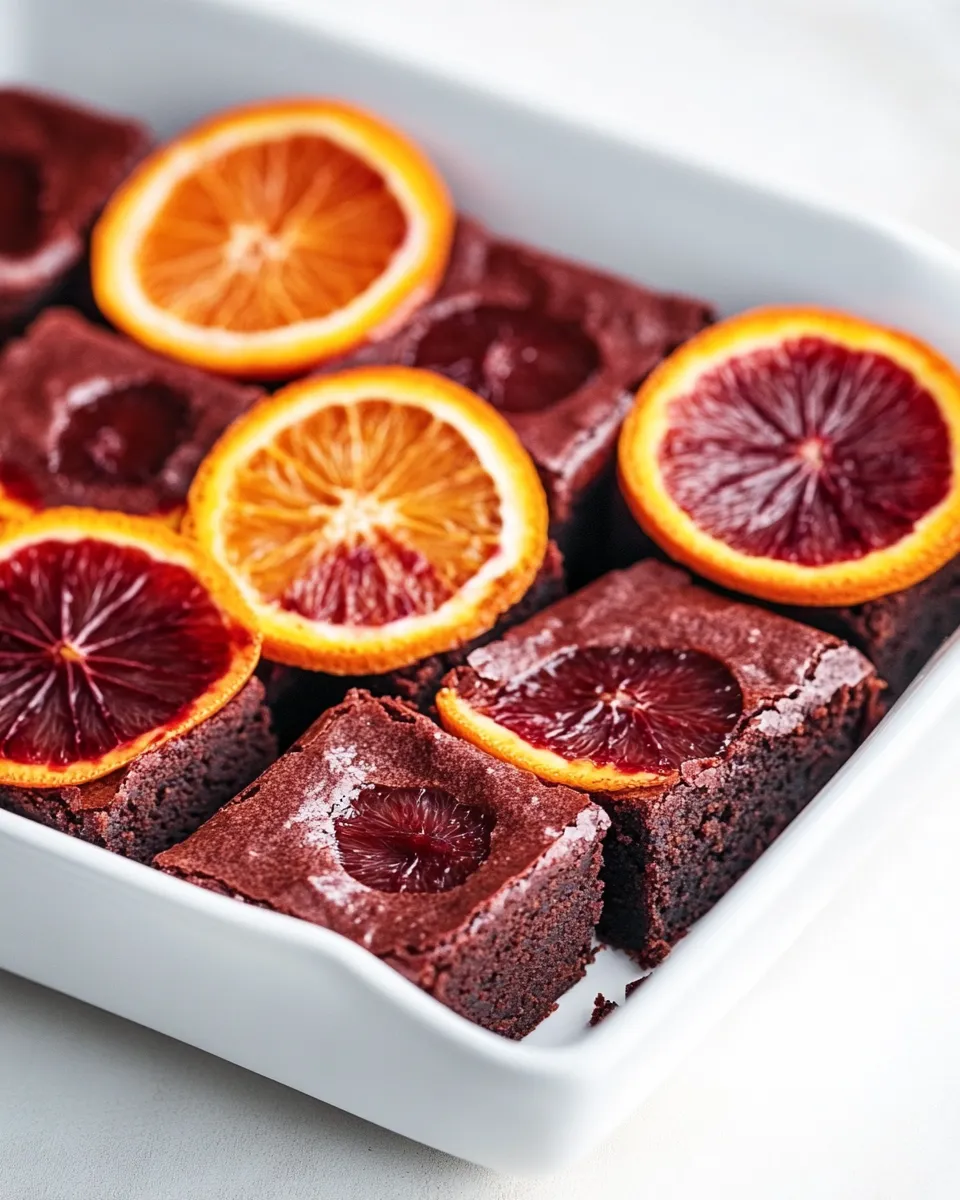
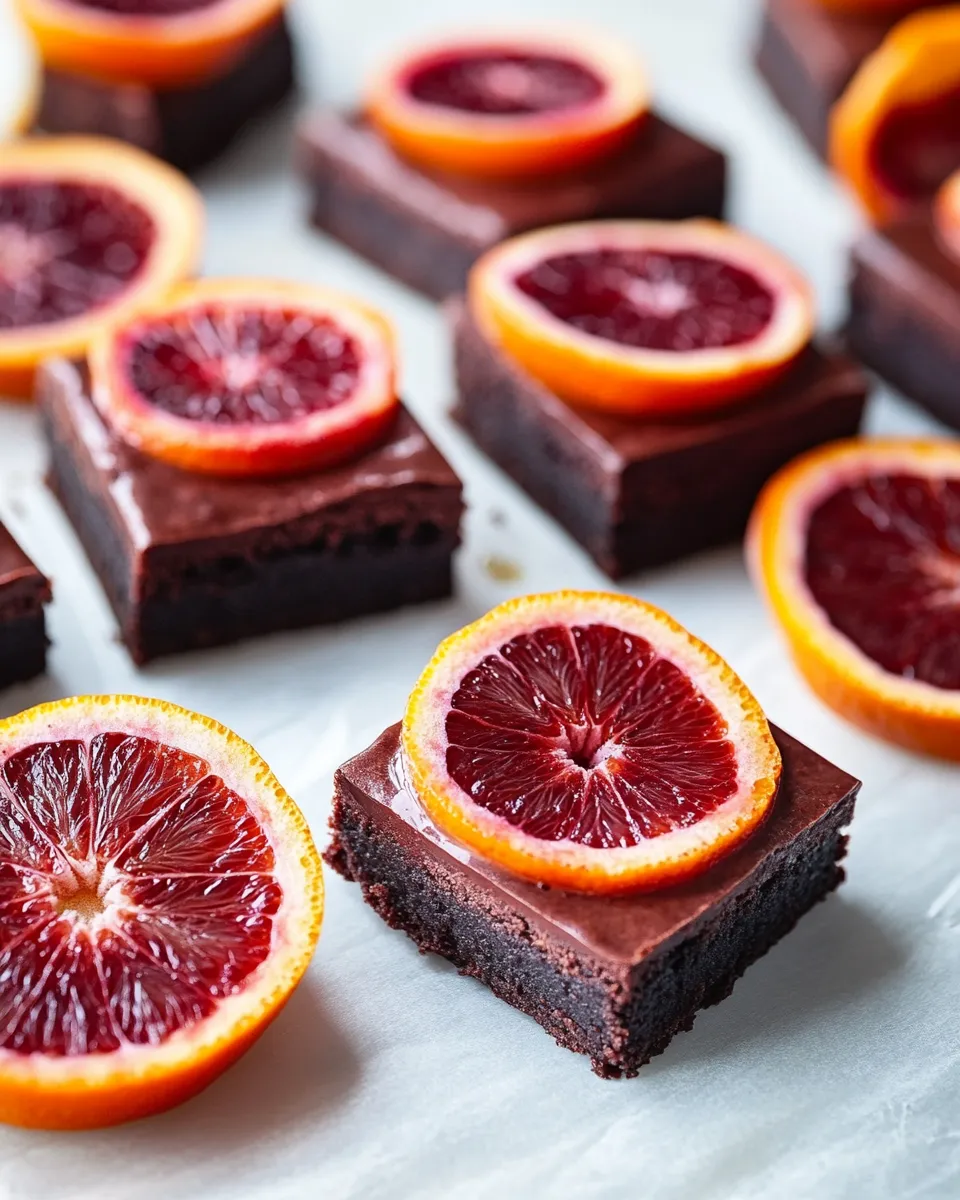
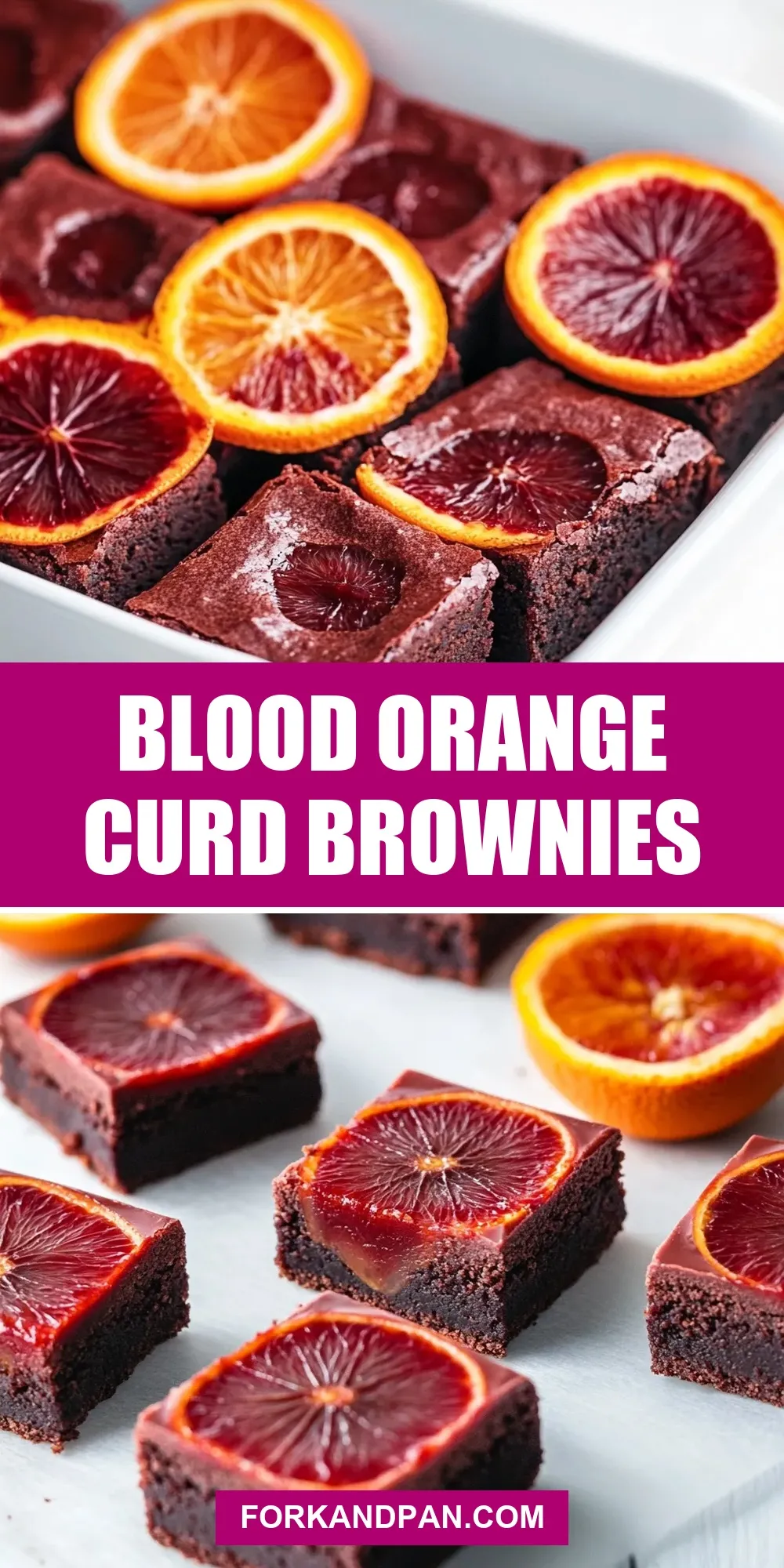
These brownies are the kind of dessert that makes people sit up. A dense, fudgy brownie base gets an unexpected pop from a glossy, tart blood orange curd. The curd is bright without being aggressively sweet, and the two layers together feel celebratory but totally approachable.
I test recipes the way I live: practical and without fuss. You don’t need exotic tools or fancy ingredients to make these. Follow the steps in order, measure what’s called for, and you’ll have a tray of elegant, slightly tangy brownies that slice cleanly and store well in the fridge.
Below I walk through the ingredients, method, troubleshooting, and a few sensible swaps. If you like citrus desserts with real chocolate heft, this is one you’ll return to again and again.
Ingredient Rundown

- 1 cup (240 g) freshly squeezed blood orange juice — the liquid base for the curd; strain to remove pith and flesh for the cleanest flavor and texture.
- ¼ teaspoon citric acid, or 2 tablespoons lemon juice — brightens the curd and stabilizes the acidity; use whichever you have on hand.
- 2 large eggs, at room temperature — provide structure and silkiness to the curd.
- 4 large egg yolks, at room temperature — intensify richness and help the curd set smoothly.
- 1 teaspoon blood orange zest, very finely grated — concentrated citrus aroma; grate finely so it disperses evenly.
- ½ cup (100 g) granulated sugar — sweetens the curd and balances the acidity.
- pinch fine sea salt — enhances all the flavors in both layers.
- ½ cup (113 g / 1 stick) unsalted butter — melted for the brownie batter; gives a fudgy texture.
- ¾ cup (150 g) granulated sugar — sweetens the brownie base and contributes to the glossy top.
- 1 tablespoon (14 g) vegetable oil — helps keep the brownie batter silky and tender.
- 1 large egg, at room temperature — adds lift and structure to the brownie layer.
- 1 large egg yolk, at room temperature — boosts fudginess and richness.
- 1 teaspoon vanilla extract — rounds and deepens the chocolate notes.
- ½ cup (50 g) Dutch-process cocoa powder, sifted — gives the base its deep chocolate flavor; sifting avoids lumps.
- ⅓ cup (42 g) all-purpose flour — minimal flour keeps these brownies dense and fudgy.
- ¼ teaspoon fine sea salt — balances sweetness and enhances chocolate.
The Method for Blood Orange Curd Brownies
- Zest enough blood oranges to get 1 teaspoon of very finely grated zest; set zest aside. Juice blood oranges and strain the juice through a fine-mesh sieve to remove pith and flesh. You need 1 cup (240 g) freshly squeezed, strained juice.
- Pour the 1 cup (240 g) strained orange juice into a medium saucepan and simmer over medium-high heat, stirring occasionally, until reduced by half (about 10–15 minutes). You should have about 1/2 cup of reduced juice. Remove from heat and stir in 1/4 teaspoon citric acid (or 2 tablespoons lemon juice) until dissolved. You can refrigerate this reduced juice if making ahead.
- Set up a double boiler: put 1–2 inches of water in a saucepan and bring to a gentle simmer. Use a medium heatproof bowl that will sit above the water without touching it.
- In the heatproof bowl, whisk together 2 large eggs, 4 large egg yolks, 1/2 cup (100 g) granulated sugar, and the 1 teaspoon blood orange zest until smooth. Whisk in 1/2 cup of the reduced orange juice.
- Place the bowl over the simmering water (water should be at a gentle simmer so it does not touch the bowl). Cook, whisking constantly or very regularly, and adjust the heat so the water remains a gentle simmer. Continue until the curd thickens and registers about 165°F (74°C) on an instant-read thermometer or coats the back of a spoon. Remove the bowl from the heat.
- If the curd has any cooked egg bits, press it through a fine-mesh sieve into a clean bowl to remove them. Set the curd aside to cool slightly while you make the brownie layer (it should be cool enough to handle but still pourable when you use it).
- Preheat the oven to 350°F (175°C). Lightly butter an 8-by-8-inch square baking pan, line it with parchment so the parchment overhangs two sides, and butter the parchment lightly to help it stay in place.
- Make the brownie batter: in a small saucepan over medium heat, melt 1/2 cup (113 g) unsalted butter. When melted and beginning to bubble, remove from heat. Stir in 3/4 cup (150 g) granulated sugar until smooth and paste-like.
- Whisk in 1 tablespoon (14 g) vegetable oil. Add 1 large egg and 1 large egg yolk and whisk vigorously for about 1 minute until combined and slightly aerated. Whisk in 1 teaspoon vanilla extract.
- Sift in 1/2 cup (50 g) Dutch-process cocoa powder. Add 1/3 cup (42 g) all-purpose flour and 1/4 teaspoon fine sea salt. Fold the dry ingredients into the wet until just incorporated; do not overmix.
- Transfer the thick batter to the prepared pan by dropping dollops around the pan, then use a thin offset spatula to spread the batter into an even layer.
- Bake the brownie base for 15–17 minutes, until the top appears uniformly set but the interior is still quite gooey.
- Remove the pan from the oven. Pour the warmed orange curd over the partially baked brownie layer and gently spread into an even layer, taking care not to disturb the brownie too much.
- Return the pan to the oven and bake 5–7 minutes more, until the curd layer appears evenly set.
- Remove the pan from the oven and place it on a wire rack. Cool at room temperature for about 1 hour, then refrigerate for at least 1 hour (or overnight) until fully set.
- Use the parchment overhang to lift the brownie slab from the pan. Cut into 16 squares. For the cleanest cuts, warm a large chef’s knife under hot water, dry it, wipe the blade with a little oil or butter, and re-warm/re-oil between cuts as needed.
- Store brownies refrigerated in an airtight container for up to 3 days.
What You’ll Love About This Recipe
The contrast is immediate: deep chocolate and a lively citrus curd. Texture plays a big role here — the brownie base stays fudgy while the curd sets glossy on top. That tart-sweet interplay makes every bite interesting.
It’s also a straightforward recipe. Nothing requires tempering chocolate or complicated technique. The curd cooks slowly in a double boiler to prevent scrambling, and the brownie batter is mixed in one pan. Perfect for an afternoon bake when you want something special without a big fuss.
Substitutions by Category
Because this recipe leans on a short ingredient list, substitutions are limited to what’s already referenced:
- Acid — use either ¼ teaspoon citric acid or the 2 tablespoons lemon juice specified; both are shown in the recipe as options for stabilizing and brightening the curd.
- Fats — the brownie calls for melted unsalted butter plus 1 tablespoon vegetable oil. If you prefer a slightly richer mouthfeel, rely on the butter as written; the oil’s role is to keep the texture tender and workable.
- Eggs — the recipe already separates yolks and whole eggs for specific texture. Follow the given egg counts for best results; the yolks add richness to the curd and brownie, while the whole eggs give structure.
- Chocolate component — the recipe specifies Dutch-process cocoa powder. Stick with it for the intended flavor and acidity balance in the brownie layer.
Tools & Equipment Needed

- Medium saucepan (for reducing juice and/or double boiler base)
- Heatproof bowl that fits over the saucepan for a double boiler
- Fine-mesh sieve (for straining juice and for sieving curd if needed)
- Instant-read thermometer (optional but helpful for curd temperature)
- 8-by-8-inch square baking pan and parchment (with overhang)
- Thin offset spatula for spreading batter and curd
- Wire rack for cooling
- Large chef’s knife and a towel for warming between cuts
Slip-Ups to Skip
Don’t rush the curd. If you crank the heat and the bowl touches the water, you risk scrambled eggs. Keep the simmer gentle and whisk steadily.
A common error with the brownie layer is overbaking. Pull it when the surface looks set but still glossy and slightly soft in the center. The curd needs to sit on a still-pliant base so it can adhere and finish baking without cracking.
Finally, don’t try to cut the brownies straight from the oven. Cooling at room temperature and then chilling ensures clean slices and a firm curd layer.
How to Make It Lighter
If you want a lighter-feeling dessert without changing the recipe drastically, serve smaller portions. The richness comes from egg yolks and butter, so smaller pieces retain flavor balance while reducing the per-person richness.
Another small change is to keep the curd slightly thinner — stop cooking when it just coats the back of a spoon. It will still set after refrigeration but feel less dense on the palate.
Testing Timeline
If you’re making this for a dinner or event, here’s a practical timeline:
- Day before or morning of: Juice and reduce the blood orange juice; finish the curd and refrigerate after cooling. The reduced juice keeps well and the curd can be made and chilled.
- 2 hours before serving: Bake the brownie base, add the curd, finish the short bake, then cool and refrigerate for at least 1 hour.
- 30 minutes before serving: Bring out the brownies to take the chill off slightly for best flavor and texture.
Storage & Reheat Guide
Store brownies refrigerated in an airtight container for up to 3 days as the recipe states. The curd-topped brownies hold their texture cold; warming them will soften the curd and the brownie.
To serve slightly warmed
If you prefer the brownie a touch warm, bring individual squares to room temperature for 20–30 minutes. For a faintly warm bite, microwave a single square for 5–7 seconds—test first as microwaves vary.
Freezing
Freezing curd-topped brownies is not ideal; the curd can change texture. If you must, freeze the plain brownie base separately, thaw completely, then add freshly made curd and finish the brief bake.
Blood Orange Curd Brownies FAQs
Can I make the curd in a regular saucepan instead of a double boiler?
You can, but cook it over the lowest heat possible and whisk continuously. The double boiler gives you more control and reduces the risk of curdling.
My curd has little cooked bits — what now?
Press it through a fine-mesh sieve into a clean bowl to remove any cooked egg fragments. The recipe calls for this as a step if needed.
Why reduce the juice first?
Reducing concentrates the blood orange flavor so the curd is intensely citrus without needing too much sugar. It also removes excess water that would thin the curd.
Can I make this in a larger pan?
The recipe is calibrated for an 8-by-8-inch pan. Scaling up requires adjusting bake times and ingredient ratios; if you must, use the same depth of batter as a guide rather than a larger flat pan.
How do I get clean slices?
Use the parchment overhang to lift the slab, warm a large knife under hot water, dry and oil the blade, and re-warm/re-oil between cuts for the cleanest edges.
Bring It Home
This recipe is one of those sweet-sour, elegant desserts that tastes like effort but is straightforward to execute. The method leans on technique rather than tricks: reduce the juice, temper the curd gently, and watch the brownie base closely in the oven.
Make it for a small dinner or a weekend treat. If you take one tip away: don’t skip the strain. Clear juice and a smooth curd are the difference between pretty, jewel-like squares and a messy finish. Happy baking.
Blood Orange Curd Brownies
Ingredients
Ingredients
- 1 cup/240 gfreshly squeezed blood orange juice
- 1/4 teaspooncitric acid or 2 tablespoons lemon juice
- 2 large eggs at room temperature
- 4 large egg yolks at room temperature
- 1 teaspoonblood orange zest very finely grated/chopped
- 1/2 cup/100 ggranulated sugar
- pinchfine sea salt
- 1/2 cup/113 g 1 stick unsalted butter
- 3/4 cup/150 ggranulated sugar
- 1 tablespoon/14 gvegetable oil
- 1 large egg at room temperature
- 1 large egg yolk at room temperature
- 1 teaspoonvanilla extract
- 1/2 cup/50 gDutch process cocoa powder sifted
- 1/3 cup/42 gall-purpose flour
- 1/4 teaspoonfine sea salt
Instructions
Instructions
- Zest enough blood oranges to get 1 teaspoon of very finely grated zest; set zest aside. Juice blood oranges and strain the juice through a fine-mesh sieve to remove pith and flesh. You need 1 cup (240 g) freshly squeezed, strained juice.
- Pour the 1 cup (240 g) strained orange juice into a medium saucepan and simmer over medium-high heat, stirring occasionally, until reduced by half (about 10–15 minutes). You should have about 1/2 cup of reduced juice. Remove from heat and stir in 1/4 teaspoon citric acid (or 2 tablespoons lemon juice) until dissolved. You can refrigerate this reduced juice if making ahead.
- Set up a double boiler: put 1–2 inches of water in a saucepan and bring to a gentle simmer. Use a medium heatproof bowl that will sit above the water without touching it.
- In the heatproof bowl, whisk together 2 large eggs, 4 large egg yolks, 1/2 cup (100 g) granulated sugar, and the 1 teaspoon blood orange zest until smooth. Whisk in 1/2 cup of the reduced orange juice.
- Place the bowl over the simmering water (water should be at a gentle simmer so it does not touch the bowl). Cook, whisking constantly or very regularly, and adjust the heat so the water remains a gentle simmer. Continue until the curd thickens and registers about 165°F (74°C) on an instant-read thermometer or coats the back of a spoon. Remove the bowl from the heat.
- If the curd has any cooked egg bits, press it through a fine-mesh sieve into a clean bowl to remove them. Set the curd aside to cool slightly while you make the brownie layer (it should be cool enough to handle but still pourable when you use it).
- Preheat the oven to 350°F (175°C). Lightly butter an 8-by-8-inch square baking pan, line it with parchment so the parchment overhangs two sides, and butter the parchment lightly to help it stay in place.
- Make the brownie batter: in a small saucepan over medium heat, melt 1/2 cup (113 g) unsalted butter. When melted and beginning to bubble, remove from heat. Stir in 3/4 cup (150 g) granulated sugar until smooth and paste-like.
- Whisk in 1 tablespoon (14 g) vegetable oil. Add 1 large egg and 1 large egg yolk and whisk vigorously for about 1 minute until combined and slightly aerated. Whisk in 1 teaspoon vanilla extract.
- Sift in 1/2 cup (50 g) Dutch-process cocoa powder. Add 1/3 cup (42 g) all-purpose flour and 1/4 teaspoon fine sea salt. Fold the dry ingredients into the wet until just incorporated; do not overmix.
- Transfer the thick batter to the prepared pan by dropping dollops around the pan, then use a thin offset spatula to spread the batter into an even layer.
- Bake the brownie base for 15–17 minutes, until the top appears uniformly set but the interior is still quite gooey.
- Remove the pan from the oven. Pour the warmed orange curd over the partially baked brownie layer and gently spread into an even layer, taking care not to disturb the brownie too much.
- Return the pan to the oven and bake 5–7 minutes more, until the curd layer appears evenly set.
- Remove the pan from the oven and place it on a wire rack. Cool at room temperature for about 1 hour, then refrigerate for at least 1 hour (or overnight) until fully set.
- Use the parchment overhang to lift the brownie slab from the pan. Cut into 16 squares. For the cleanest cuts, warm a large chef’s knife under hot water, dry it, wipe the blade with a little oil or butter, and re-warm/re-oil between cuts as needed.
- Store brownies refrigerated in an airtight container for up to 3 days.