Biscoff Cupcakes
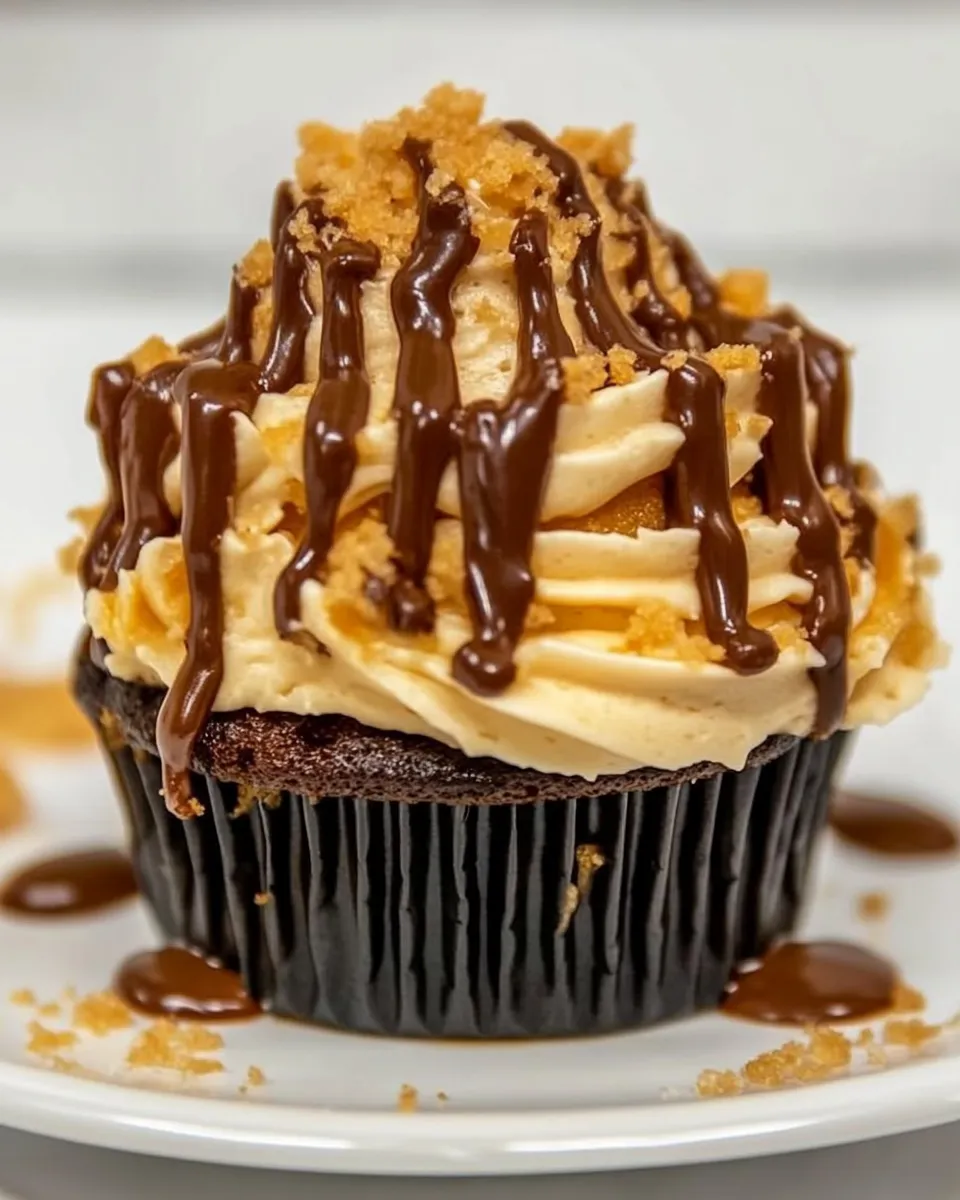
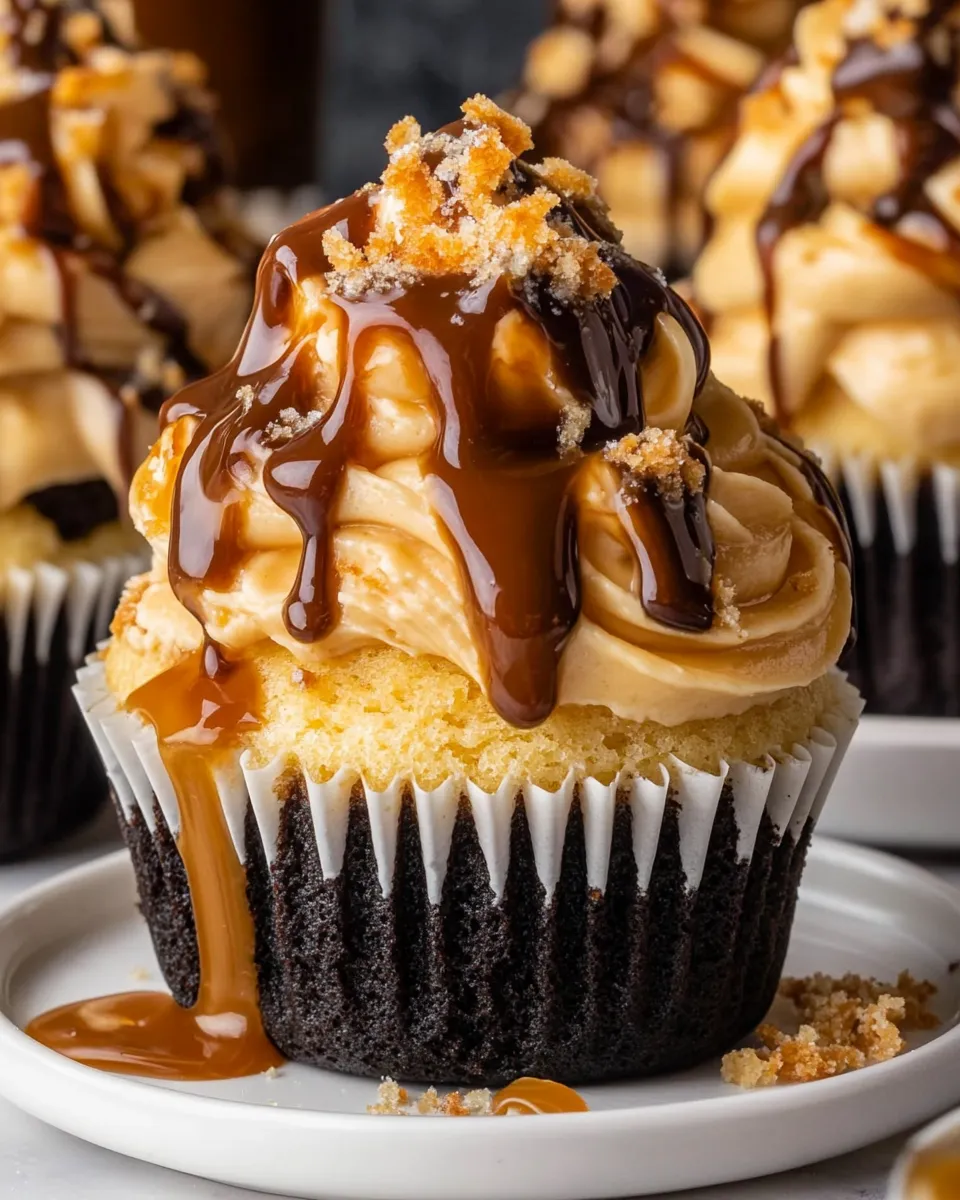
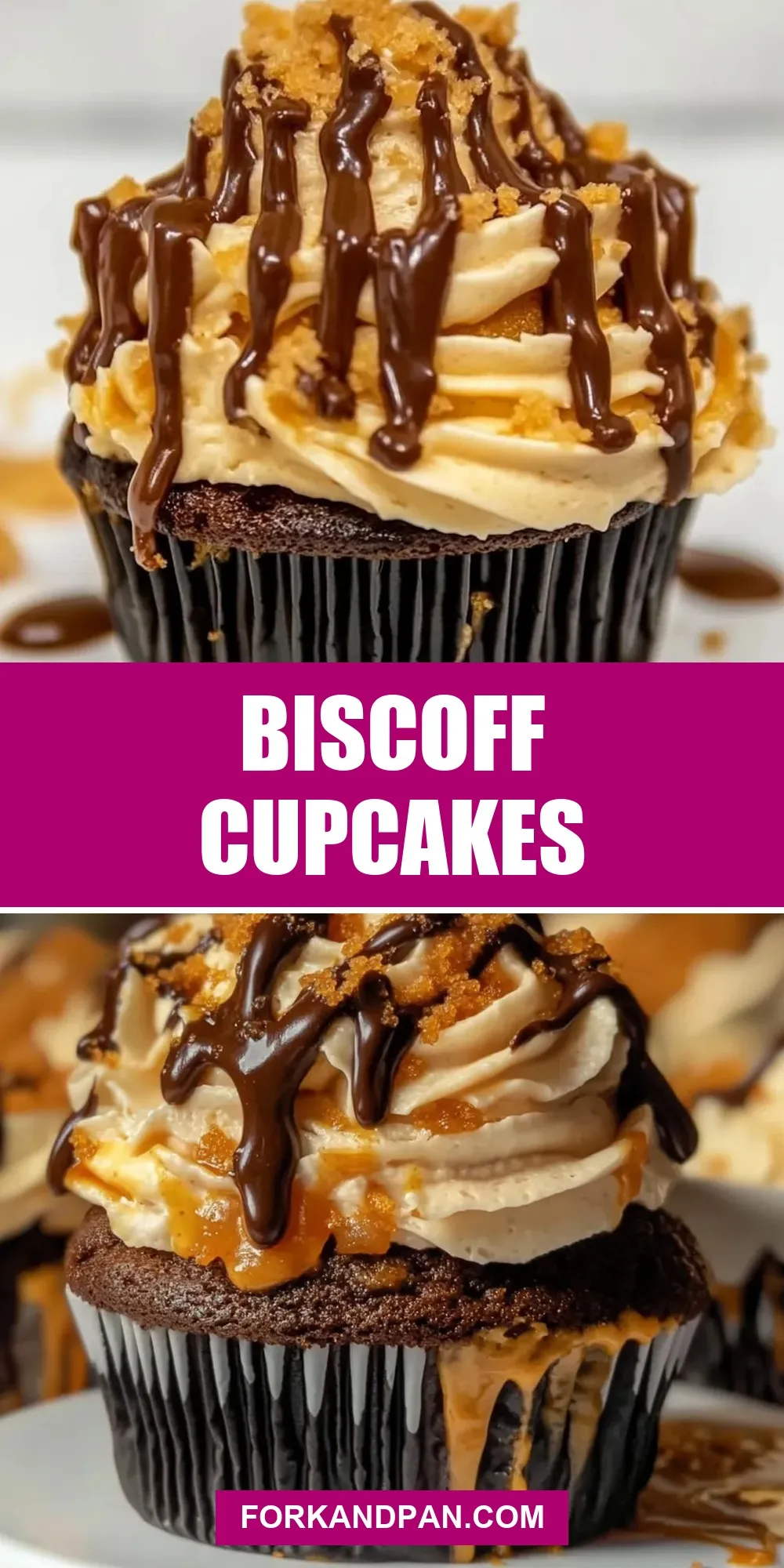
These Biscoff Cupcakes are the kind of recipe I keep coming back to when I want something impressive but not fussy. The cake itself is a simple, chocolate-lean batter that comes together in one bowl, and the real star is the Biscoff-forward frosting and a gooey caramel center. They look like bakery cupcakes, but they’re easy enough for a weekday bake.
I like this recipe because it relies on pantry staples and a single bowl method for the batter—no creaming, no separating eggs. That makes the process quick and foolproof, and the cupcakes bake fast. The frosting uses Biscoff spread for an unmistakable cookie-butter flavor that pairs perfectly with the chocolate cake and the caramel tucked into the center.
Below you’ll find the ingredient list, the exact step-by-step method, and practical notes for substitutions, storage, and common missteps. I’ve baked these dozens of times and included tips that save time and keep the texture right.
What Goes In

- 1 1/2 cups all purpose flour — provides structure for the cupcakes; measure by spooning into the cup and leveling for accuracy.
- 3 tablespoons cocoa powder — adds chocolate flavor and color; use unsweetened for best balance.
- 1 cup sugar — sweetens and helps with cake tenderness.
- 1 teaspoon baking soda — the leavening agent; reacts with the vinegar for lift.
- 1/2 teaspoon salt — balances sweetness and enhances flavor.
- 1 teaspoon vinegar — reacts with baking soda to aerate the batter; white or apple cider vinegar both work.
- 5 tablespoons oil — keeps the crumb moist; neutral oils like vegetable or canola are ideal.
- 1 cup water — hydrates the dry ingredients; room temperature is fine.
- 3/4 cup caramel — for the gooey filling; spooned into the cupcake centers for a sweet surprise.
- 1 cup butter, softened — the base for the Biscoff frosting; should be softened for smooth whipping.
- 3/4 cup Biscoff spread — gives the frosting that cookie-butter, spiced flavor note.
- 3 cups powdered sugar — sweetens and stabilizes the frosting; sift if lumpy.
- 3 tablespoon milk* See notes — loosens the frosting to a pipeable consistency; can be adjusted slightly as needed.
Cooking (Biscoff Cupcakes): The Process
- Preheat the oven to 180°C / 350°F. Grease and line a 12-count muffin tin with liners; set aside.
- In a large mixing bowl, whisk together the dry ingredients: 1 1/2 cups all purpose flour, 3 tablespoons cocoa powder, 1 cup sugar, 1 teaspoon baking soda, and 1/2 teaspoon salt.
- In a separate bowl, combine the wet ingredients: 1 teaspoon vinegar, 5 tablespoons oil, and 1 cup water; whisk briefly to combine.
- Pour the wet ingredients into the dry ingredients and mix until you have a smooth, lump-free batter. Do not overmix.
- Divide the batter evenly among the 12 liners, filling each about two-thirds full. Bake for 15–18 minutes, or until a skewer inserted into the center of a cupcake comes out clean.
- Remove the cupcakes from the oven and let them cool in the tin for 5–10 minutes, then transfer them to a wire rack to cool completely.
- Make the frosting: in a large bowl, beat 1 cup softened butter until smooth. Add 3/4 cup Biscoff spread and beat until combined. Gradually add 3 cups powdered sugar, then add 3 tablespoons milk and beat until the frosting is light and fluffy. If the frosting is too thick, add extra milk to reach the desired consistency.
- Use a small knife to cut a small hole or cone out of the top of each cooled cupcake, almost reaching the base, creating a small cavity.
- Spoon or pour 1 tablespoon of the 3/4 cup caramel into each cupcake cavity.
- Transfer the Biscoff frosting to a piping bag and pipe the frosting over each cupcake (or spread with a knife). Serve immediately.
What Sets This Recipe Apart
There are a few things that make these cupcakes stand out. First, the cake is an egg-free, oil-based batter that stays moist and keeps a fine crumb. The use of vinegar and baking soda gives reliable lift without eggs, which simplifies the recipe and makes it accessible to those avoiding eggs.
Second, the combination of Biscoff spread in the frosting and a caramel center brings layered sweetness and texture—soft cake, sticky caramel, and silky cookie-butter frosting. It’s a flavor profile that’s familiar and comforting but elevated by the deep Biscoff notes.
Finally, the whole recipe is fast: batter comes together in one go, the cupcakes bake quickly, and the frosting whips up in minutes. That makes it a good go-to for when you want something special without a long commitment.
If You’re Out Of…
If you don’t have an item on hand, here are practical swaps that keep the bake on track:
- Cocoa powder — if you’re low, you can reduce the cocoa slightly and rely more on a chocolate-flavored topping, but for best chocolate note keep the 3 tablespoons if possible.
- Biscoff spread — a similar cookie butter or speculoos-style spread will work in the frosting; the flavor will vary slightly but the texture remains the same.
- Caramel — any ready-made caramel sauce fills the cavity nicely; if you only have thicker caramel, warm it a touch so it pours easily.
- Milk — use a splash of water or a non-dairy milk if needed; the note in the ingredients flags this as adjustable.
- Oil — neutral oils are best, but light olive oil or melted coconut oil can be used if that’s what you have; the flavor will shift slightly with more characterful oils.
Before You Start: Equipment
- Muffin tin (12-count) and paper liners.
- Two mixing bowls — one for dry, one for wet.
- Whisk and a rubber spatula for folding the batter.
- Electric mixer or stand mixer for the frosting (hand whisking is possible but requires more work).
- Wire rack for cooling the cupcakes.
- Small knife or cupcake corer for removing the center.
- Piping bag and a nozzle (or simply use a zip-top bag with the corner snipped) to pipe the frosting.
Avoid These Traps
These are the common mistakes I see and how to prevent them:
Overmixing the batter. Once you combine wet and dry, mix just until smooth. Overworking the flour develops gluten and makes the cupcakes dense.
Filling liners too full. The recipe calls for about two-thirds full—too much batter can overflow or produce domed tops that crack.
Using cold butter for frosting. If the butter isn’t softened, the frosting will be lumpy and hard to pipe. Softened, not melted, is the right texture.
Adding too much powdered sugar at once. Gradually add it and stop when the frosting reaches a light, fluffy consistency; you can always add more to stiffen or a splash of milk to loosen.
Hot caramel in the cavity. If your caramel is piping hot it can melt the cupcake structure; warm to pourable, not hot to the touch.
Seasonal Ingredient Swaps
Small seasonal tweaks keep this recipe feeling fresh without altering technique:
- Fall: stir a pinch of cinnamon or a light dusting of pumpkin spice into the frosting for autumn warmth.
- Winter: add a tiny bit of orange zest to the frosting for a bright counterpoint to the caramel and cookie-butter notes.
- Spring/Summer: serve the cupcakes with a lightly macerated berry on the side to cut the richness when berries are at their best.
Chef’s Notes
Frosting consistency: start with the 3 tablespoons of milk and add more, 1 teaspoon at a time, if the frosting seems too thick to pipe. Conversely, add a touch more powdered sugar to stiffen it for taller swirls.
Filling the cavity: cut a cone-shaped hole rather than a cylindrical plug so the caramel nests neatly without removing too much cake. Save the trimmed cake bits for snacking or mix into yogurt for no-waste snacking.
Temperatures: let the cupcakes cool completely before frosting. If the cake is warm, the frosting will melt and lose shape.
Milk note: the ingredient list includes a “* See notes” beside the milk. That’s your cue that the milk amount is adjustable—use what you need to reach a pleasing texture. Non-dairy milks work fine here.
Shelf Life & Storage
Room temperature: unfrosted cupcakes keep well for 1–2 days in an airtight container at room temperature.
Refrigeration: once frosted and filled, store in the fridge in an airtight container for up to 4 days. Bring to room temperature before serving so the frosting softens and the caramel is gooey.
Freezing: you can freeze unfrosted cupcakes (baked and cooled) in a single layer on a tray, then transfer to a freezer-safe bag for up to 2 months. Thaw at room temperature, then fill and frost as directed. Frosted cupcakes freeze best if the frosting is firm—flash-freeze them on a tray first, then wrap tightly.
Helpful Q&A
Q: Can I make these cupcake batter ahead of time?
A: Prepare the batter and refrigerate for up to 24 hours before baking. Give it a gentle stir before scooping—do not overmix.
Q: Why is vinegar used?
A: The vinegar reacts with baking soda to produce carbon dioxide, giving the cupcakes lift even without eggs. It’s an old-school trick that works reliably.
Q: Can I reduce the sugar?
A: You can reduce the sugar slightly, but keep in mind both the cake and the frosting rely on sugar for texture and structure; a modest reduction may change the balance and crumb.
Q: Can these be made gluten-free?
A: Substitute a 1:1 gluten-free flour blend that contains xanthan gum or similar stabilizers. Texture will differ slightly; follow the same method and monitor baking time.
Bring It to the Table
These cupcakes shine on a simple dessert platter—no extravagant garnish needed. Pipe the frosting in swirls, finish with a small drizzle of extra caramel from the jar if you like, and serve with strong coffee or a milky tea to balance the sweetness.
If you’re bringing them to a potluck, keep them in a covered tin or a shallow boxed container so the frosting isn’t smudged. For casual serving at home, arrange them on a cake stand and let guests see the caramel oozing at the center when they bite in—it’s the best part.
Biscoff Cupcakes
Ingredients
Ingredients
- 1 1/2 cupsall purpose flour
- 3 tablespooncocoa powder
- 1 cupsugar
- 1 teaspoonbaking soda
- 1/2 teaspoonsalt
- 1 teaspoonvinegar
- 5 tablespoonoil
- 1 cupwater
- 3/4 cupcaramel
- 1 cupbuttersoftened
- 3/4 cupBiscoff spread
- 3 cupspowdered sugar
- 3 tablespoonmilk* See notes
Instructions
Instructions
- Preheat the oven to 180°C / 350°F. Grease and line a 12-count muffin tin with liners; set aside.
- In a large mixing bowl, whisk together the dry ingredients: 1 1/2 cups all purpose flour, 3 tablespoons cocoa powder, 1 cup sugar, 1 teaspoon baking soda, and 1/2 teaspoon salt.
- In a separate bowl, combine the wet ingredients: 1 teaspoon vinegar, 5 tablespoons oil, and 1 cup water; whisk briefly to combine.
- Pour the wet ingredients into the dry ingredients and mix until you have a smooth, lump-free batter. Do not overmix.
- Divide the batter evenly among the 12 liners, filling each about two-thirds full. Bake for 15–18 minutes, or until a skewer inserted into the center of a cupcake comes out clean.
- Remove the cupcakes from the oven and let them cool in the tin for 5–10 minutes, then transfer them to a wire rack to cool completely.
- Make the frosting: in a large bowl, beat 1 cup softened butter until smooth. Add 3/4 cup Biscoff spread and beat until combined. Gradually add 3 cups powdered sugar, then add 3 tablespoons milk and beat until the frosting is light and fluffy. If the frosting is too thick, add extra milk to reach the desired consistency.
- Use a small knife to cut a small hole or cone out of the top of each cooled cupcake, almost reaching the base, creating a small cavity.
- Spoon or pour 1 tablespoon of the 3/4 cup caramel into each cupcake cavity.
- Transfer the Biscoff frosting to a piping bag and pipe the frosting over each cupcake (or spread with a knife). Serve immediately.
Equipment
- 12-count muffin tin
- Muffin liners
- Mixing Bowls
- Wire Rack
- Piping Bag
- small knife
- skewer
Notes
TO STORE
: Cupcakes will keep at room temperature, in a sealable container, for up to 3 days. If you’d like them to keep longer, store them in the refrigerator and they will last for at least a week.
TO FREEZE
: Place cupcakes in a ziplock bag or shallow container and store them in the freezer for up to 6 months.