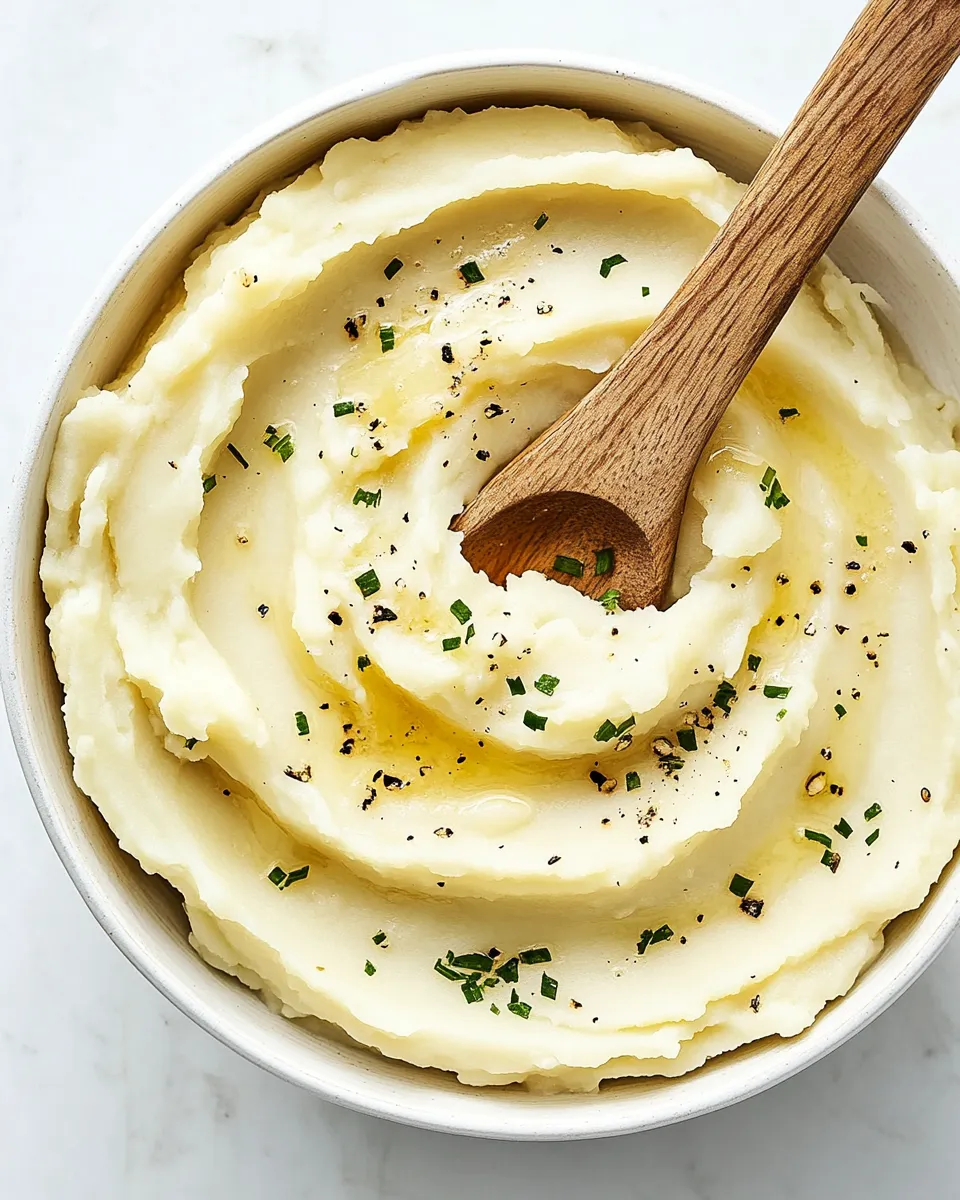
Best Mashed Potatoes Recipe
I grew up watching my grandmother mash potatoes by hand, a rhythm of fork and elbow that felt like comfort translated into food. Over the years I’ve tightened the technique, dropped unnecessary steps, and learned which little choices make the difference between “good” and “make-this-every-week” mashed potatoes. This is the version I reach for at holiday dinners and quiet weeknight sides alike.
There’s nothing fussy here—no special gadgets, no long waits, just honest technique and a few reliable ingredients. You don’t need to overwork the potatoes, and you don’t need to chase complicated ratios. Follow a few straightforward steps and you’ll have creamy, well-seasoned mashed potatoes that hold up on the plate and pair beautifully with roast meat or a simple sautéed green.
Below I’ll walk you through the essentials, list the exact ingredients, give step-by-step instructions, and share practical tips I use in the kitchen every time. Think of this as a practical, warm guide you can bookmark and return to whenever you want dependable mashed potatoes.
The Essentials

Start by treating potatoes and garlic as a team: they cook together, mash together, and season together. Using cold water to bring the potatoes to a boil helps them cook evenly from the inside out, which keeps the texture consistent. Salt the cooking water so the potatoes are seasoned through rather than just on the surface.
Don’t overwork the potatoes. Mash until they’re broken down and silky, not gluey. The butter and whole milk add richness and body; add them while the potatoes are hot so they absorb the fats and become smooth. If you like a tangy lift, the optional sour cream folds in at the end to brighten the flavor and soften the mouthfeel.
Ingredients
- 3 pounds potatoes (russet potatoes, Yukon Golds, or a mix), peeled and cut into large chunks — provides the base texture; russets give fluff, Yukons give creaminess, and a mix balances both.
- 3 garlic cloves — cooks with the potatoes to mellow the garlic flavor; mash together for a gentle garlicky finish.
- ½ cup unsalted butter (1 stick), plus more for serving — adds richness and a glossy finish; add while hot so it melts through.
- 1 cup whole milk — provides creaminess and thins the mash to the right consistency; warm slightly if you can so it doesn’t cool the potatoes.
- 1½ teaspoons sea salt, plus more for the cooking water — seasons both cooking water and finished mash; adjust to taste.
- Freshly ground black pepper — adds mild heat and aroma; several grinds in the mash and a little more to finish.
- ¼ to ½ cup sour cream, optional — optional but recommended for a tangy, velvety texture; fold in last if used.
- Chopped fresh chives, for garnish — adds color and a mild onion note; sprinkle just before serving.
Mashed Potatoes, Made Easy
- Place the peeled and chunked potatoes and the garlic cloves in a large pot. Cover with cold water by about 1 inch and season the cooking water with salt.
- Bring the water to a boil over high heat, then reduce the heat to medium and simmer gently for 15 to 20 minutes, or until the potatoes are fork-tender.
- Drain the potatoes and garlic in a colander, then return them to the empty pot.
- Begin mashing the potatoes and garlic with a potato masher until they are partially broken down.
- Add 1/2 cup (1 stick) unsalted butter, 1 cup whole milk, 1½ teaspoons sea salt, and freshly ground black pepper (several grinds). Continue mashing until the potatoes reach your desired consistency.
- If using, fold in 1/4 to 1/2 cup sour cream with a spatula or wooden spoon until evenly incorporated.
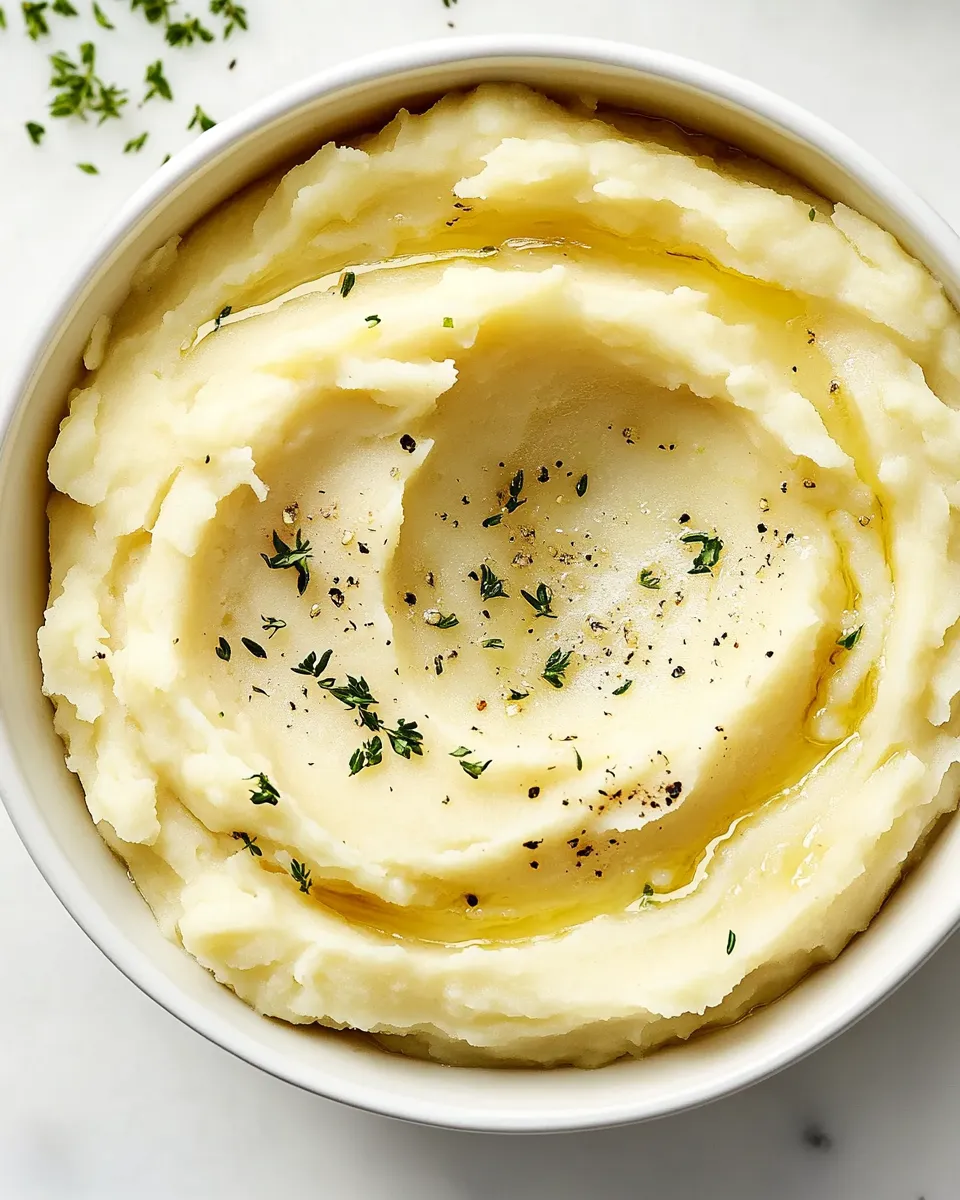
- Taste and adjust seasoning as needed. Serve topped with additional butter and chopped fresh chives.
What You’ll Love About This Recipe
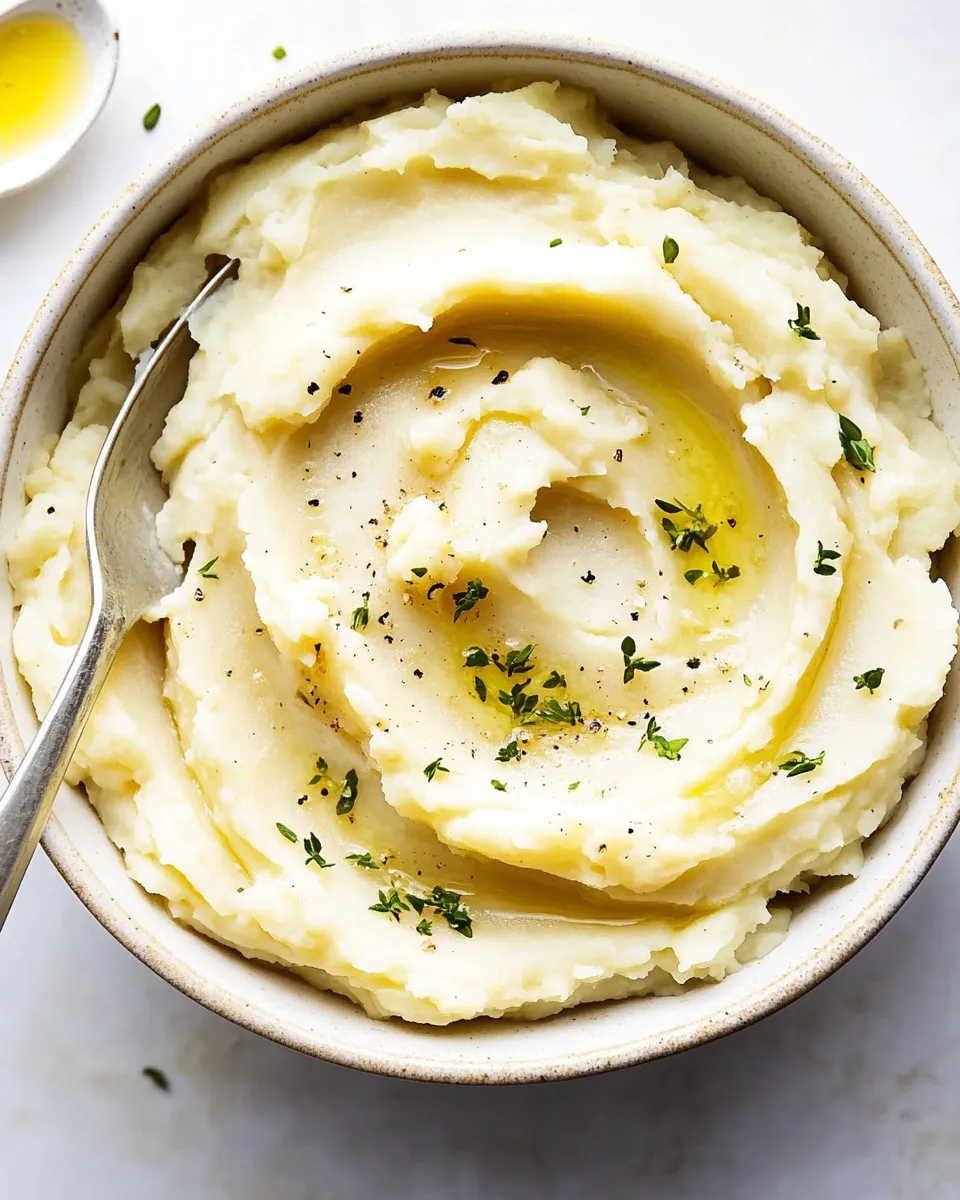
This version hits a great balance of creaminess, seasoning, and texture without relying on any special tools. It’s flexible: the potato type you choose nudges the final mouthfeel toward either cloudlike fluff or rich creaminess. The garlic simmers gently with the potatoes so it loses its raw edge and melts into the mash, giving a soft, aromatic background.
The method is forgiving. If you prefer a slightly looser mash, add a splash more milk; if you like a firmer spoonable side, stop mashing a touch earlier. The optional sour cream is the secret handshake for people who want a tangy lift—use it if you want a silkier, brighter finish.
International Equivalents
For readers using metric measurements, 3 pounds of potatoes equals roughly 1.36 kilograms. If you use grams, plan on about 1,350 grams of potatoes. For the butter, 1 stick (1/2 cup) equals 113 grams. One cup of whole milk is approximately 240 milliliters. If a recipe elsewhere calls for slightly different measures, focus on texture—potatoes should be mashed to your preference and adjusted with milk or butter.
Essential Tools for Success
- Large, heavy-bottomed pot — holds the potatoes and water comfortably so they cook evenly.
- Colander — for a quick, complete drain so no excess water thins the mash.
- Potato masher — gives control over texture; a ricer is optional if you want an ultra-smooth finish.
- Wooden spoon or spatula — handy for folding in sour cream without overworking.
- Measuring spoons and cups — to keep salt, milk, and butter consistent each time.
Troubles You Can Avoid
Gummy potatoes: this happens when starchy cells are overworked or when a ricer/food processor is used incorrectly. Use a masher and mash gently; stop once the potatoes break down and feel silky. Also avoid overheating the potatoes in the drain—returning them to the warm pot helps them dry slightly and absorb butter more readily.
Undersalted potatoes: if you skip salting the cooking water, the potatoes can taste flat. Season the boiling water with salt—potatoes absorb it as they cook. Finally, cold milk or butter straight from the fridge can cool the mash and make it gluey; warm the milk if you have a moment, and add the butter while the potatoes are hot.
Tailor It to Your Diet
If you’re watching richness, use the lower end of the sour cream amount or omit it entirely and reduce the butter slightly. For a more indulgent finish, use the full ½ cup sour cream and an extra pat of butter on top at service. Season to preference—start with the listed 1½ teaspoons sea salt and increase in small increments until it sings to your palate.
Little Things that Matter
Cut potatoes into large, even chunks so they cook at the same rate. Starting in cold water prevents the outside from overcooking while the center catches up. When mashing, work in stages: break down the potatoes first, add butter and milk, then finish to the exact consistency you want. A final resting minute in a warm pot with the lid on lets the flavors meld.
Garnish makes a difference: a pat of butter that melts on top and a sprinkle of chopped chives give the dish a nicer presentation and a fresh note. If you prepare the potatoes ahead, keep them covered and warm, and reheat gently with a little extra milk or butter to restore creaminess.
Save It for Later
Leftovers store well in an airtight container in the refrigerator for 3–4 days. Reheat gently on the stovetop over low heat, stirring in a splash of milk and a pat of butter to restore creaminess. For baking, spread leftovers in a buttered dish, add a little extra butter on top, and warm in a 350°F (175°C) oven until heated through and slightly golden.
Quick Q&A
- Can I make this ahead? Yes. Keep it covered and refrigerated for up to 4 days, then reheat gently with milk.
- Are skins okay? You can leave skins on for a more rustic texture, but this recipe expects peeled potatoes for smoothness.
- Can I use a ricer? A ricer gives an ultra-smooth texture—use it if you prefer that finish but mashers give a classic, tender result.
- How do I fix thin mash? Stir in a bit more mashed potato (reserved) or a touch less milk; heat gently to thicken and evaporate excess moisture.
Bring It Home
Mashed potatoes are a quiet star—simple, forgiving, and endlessly adaptable. This method keeps things straightforward: the right potato choice, a properly salted boil, and gentle mashing. Follow the steps, trust your taste, and you’ll have a comforting side that’s ready for weeknights and holidays alike. Serve warm, top with butter and chives, and enjoy the kind of comfort that only a spoonful of well-made mashed potatoes can deliver.
Best Mashed Potatoes Recipe
Ingredients
Ingredients
- 3 poundspotatoes russet potatoes, Yukon Golds, or a mix, peeled and cut into large chunks
- 3 garlic cloves
- 1/2 cupunsalted butter 1 stick, plus more for serving
- 1 cupwhole milk
- 1 1/2 teaspoonssea salt plus more for the cooking water
- Freshly ground black pepper
- 1/4 to 1/2 cupsour cream optional
- Chopped fresh chives for garnish
Instructions
Instructions
- Place the peeled and chunked potatoes and the garlic cloves in a large pot. Cover with cold water by about 1 inch and season the cooking water with salt.
- Bring the water to a boil over high heat, then reduce the heat to medium and simmer gently for 15 to 20 minutes, or until the potatoes are fork-tender.
- Drain the potatoes and garlic in a colander, then return them to the empty pot.
- Begin mashing the potatoes and garlic with a potato masher until they are partially broken down.
- Add 1/2 cup (1 stick) unsalted butter, 1 cup whole milk, 1½ teaspoons sea salt, and freshly ground black pepper (several grinds). Continue mashing until the potatoes reach your desired consistency.
- If using, fold in 1/4 to 1/2 cup sour cream with a spatula or wooden spoon until evenly incorporated.
- Taste and adjust seasoning as needed. Serve topped with additional butter and chopped fresh chives.
Equipment
- Large Pot
- Potato Masher