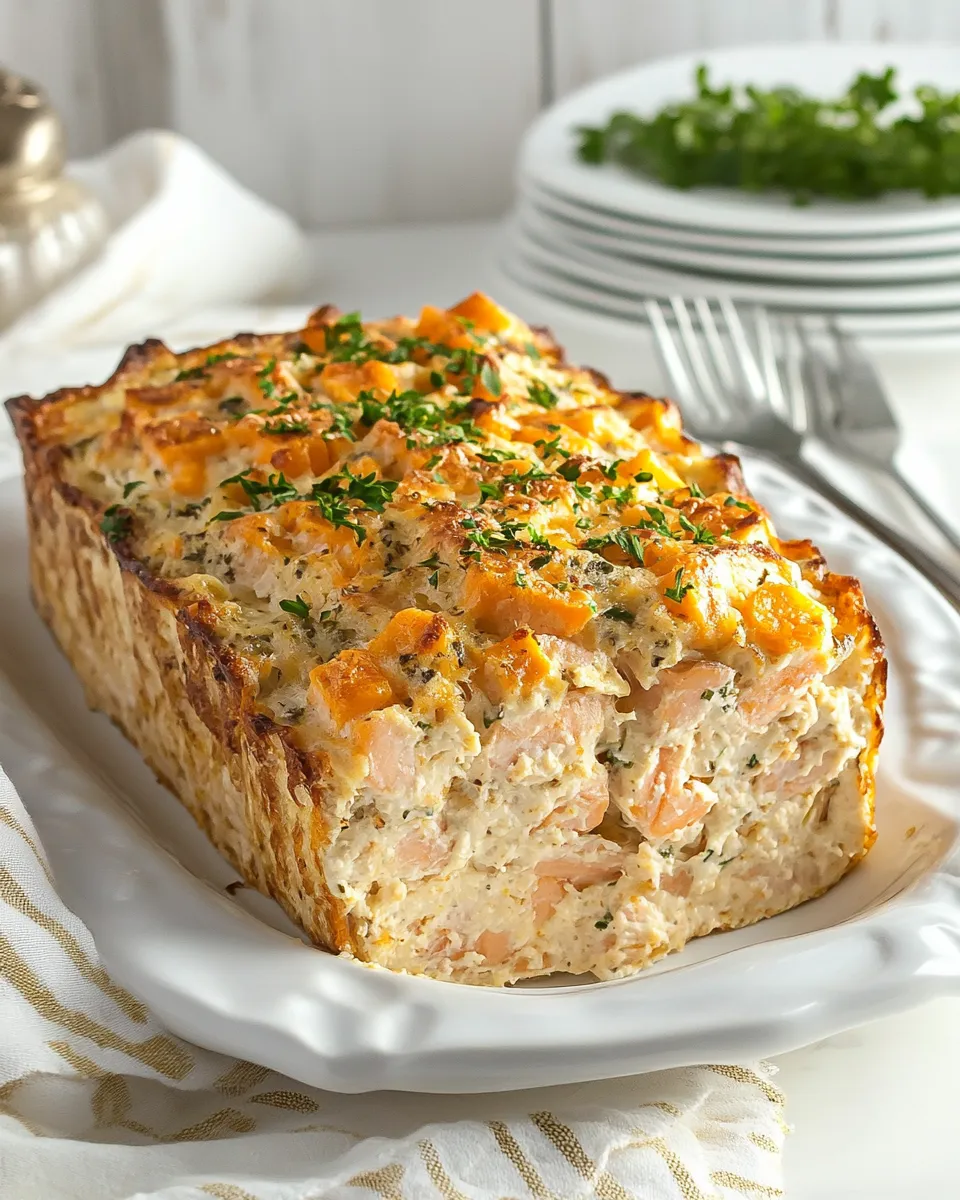
Baked Salmon Loaf
I first tasted a simple salmon loaf at a neighborhood potluck years ago, and it stuck with me because it was humble, comforting, and endlessly adaptable. This version uses canned red salmon and soft bread to create a moist, sliceable loaf you can serve warm with a lemony sauce or cool on a sandwich. It’s the sort of dish that feels special without needing a lot of fuss.
There’s something satisfying about turning pantry staples into a substantial main. Two eggs, a pat of melted butter, some milk, and a single can of salmon come together with cubed bread to make a loaf that holds together and slices neatly. It’s forgiving, which makes it perfect for busy weeknights or when you want to prep ahead.
I’ll walk you through every step: what goes in the bowl, how to assemble and bake, small tricks that keep the loaf tender, and ways to serve it so it feels fresh each time. Expect clear, practical notes—no fluff—so you can get a dependable result the first time.
What’s in the Bowl

Ingredients
- 2 eggs — bind the loaf and add structure.
- ¼ cup melted butter — adds richness and keeps the crumb tender.
- 1 ½ cups milk — hydrates the bread and creates a custardy texture.
- 1 teaspoon salt — brings out the salmon’s flavor; adjust later if needed.
- 1 can (15 ounces) red salmon, bones and skin removed — the main protein; flaked for texture.
- 3 slices of soft bread, cubed — soaks up the liquid and forms the body of the loaf.
Cook Baked Salmon Loaf Like This
- Preheat the oven to 350°F. Grease a loaf pan and set it aside.
- In a medium bowl, whisk the 2 eggs until blended.
- Whisk in the ¼ cup melted butter, 1 ½ cups milk, and 1 teaspoon salt until combined.
- Break the canned salmon into bite-sized pieces or flake it with a fork.
- Add the 3 cubed slices of soft bread and the flaked salmon to the bowl with the egg mixture. Gently toss or fold until the bread is evenly moistened and the salmon is distributed.
- Scrape the mixture into the prepared loaf pan and smooth the top or press lightly to even it.
- Bake for 45–60 minutes, until the loaf is puffed, lightly browned on top, and the center is set (a knife inserted near the center should come out mostly clean).
- Remove from the oven and let the loaf rest in the pan for about 10 minutes before slicing and serving.
Why This Recipe Belongs in Your Rotation
This salmon loaf is a brilliant bridge between pantry cooking and homey comfort food. It’s fast to pull together—no chopping herbs for ages or careful shaping, just a few folds and into the oven. The loaf slices beautifully, so you can present it as a main with sides, stuff it into sandwiches, or serve chilled on a buffet.
The cost-per-serving is low and the flavor is straightforward: salmon-forward, buttery, and savory without being heavy. If you value meals that you can prep quickly and eat across several lunches or dinners, this belongs in your weekly plan. It’s also great for feeding a crowd with minimal extra work.
Healthier Substitutions
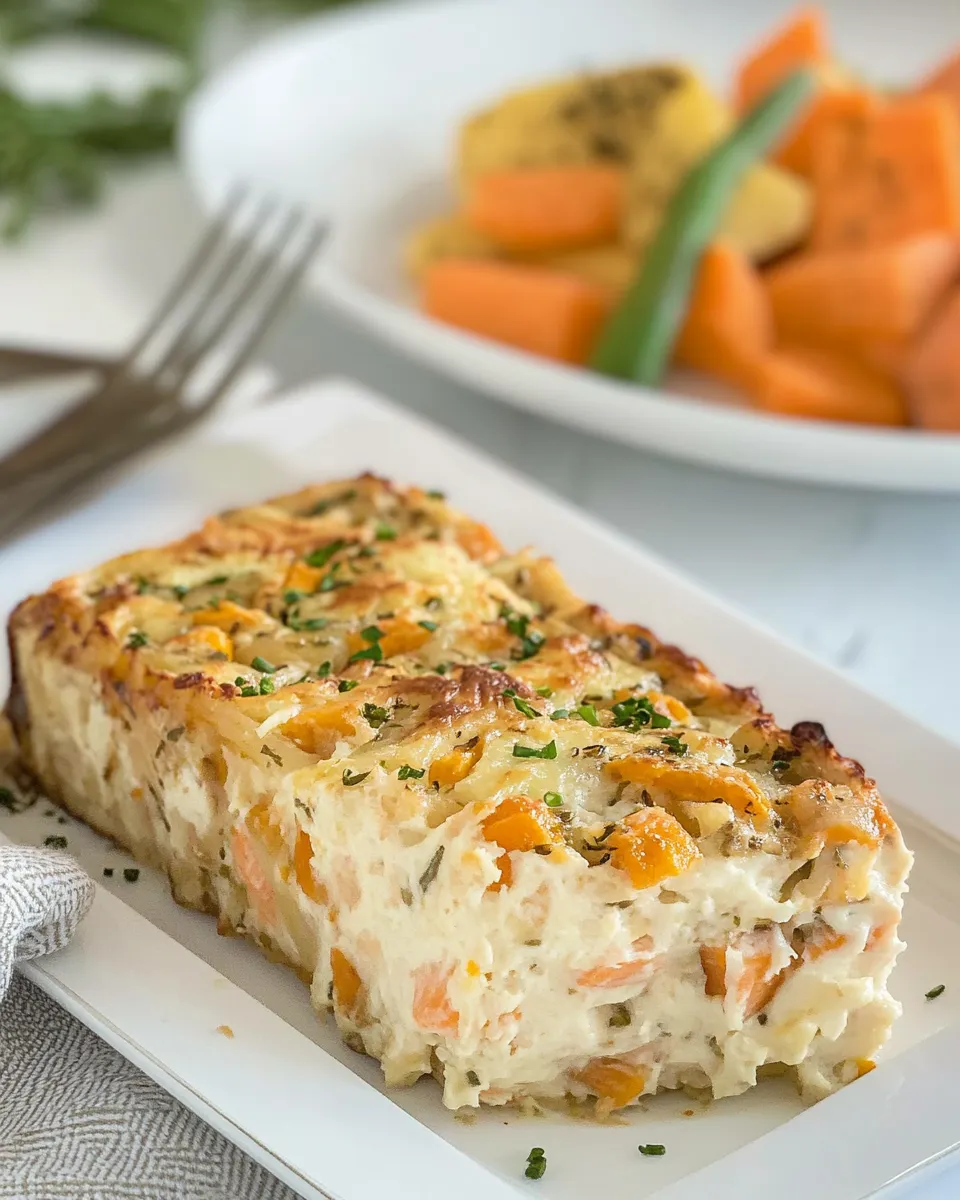
If you want to nudge this loaf toward lighter eating, there are simple swaps that keep the spirit of the dish intact. Use a lower-fat milk or a milk alternative to cut calories. Reduce the butter a bit and add a spoonful of plain Greek yogurt for some tang and moisture in place of some butter. Swap white bread for a whole-grain soft loaf to increase fiber and keep the texture soft.
Another option: reduce the salt slightly and serve the loaf with lemon wedges and fresh herbs to brighten flavors instead of relying on seasoning alone. These choices change the nutrition profile but won’t dramatically alter how the loaf behaves in the pan.
What You’ll Need (Gear)
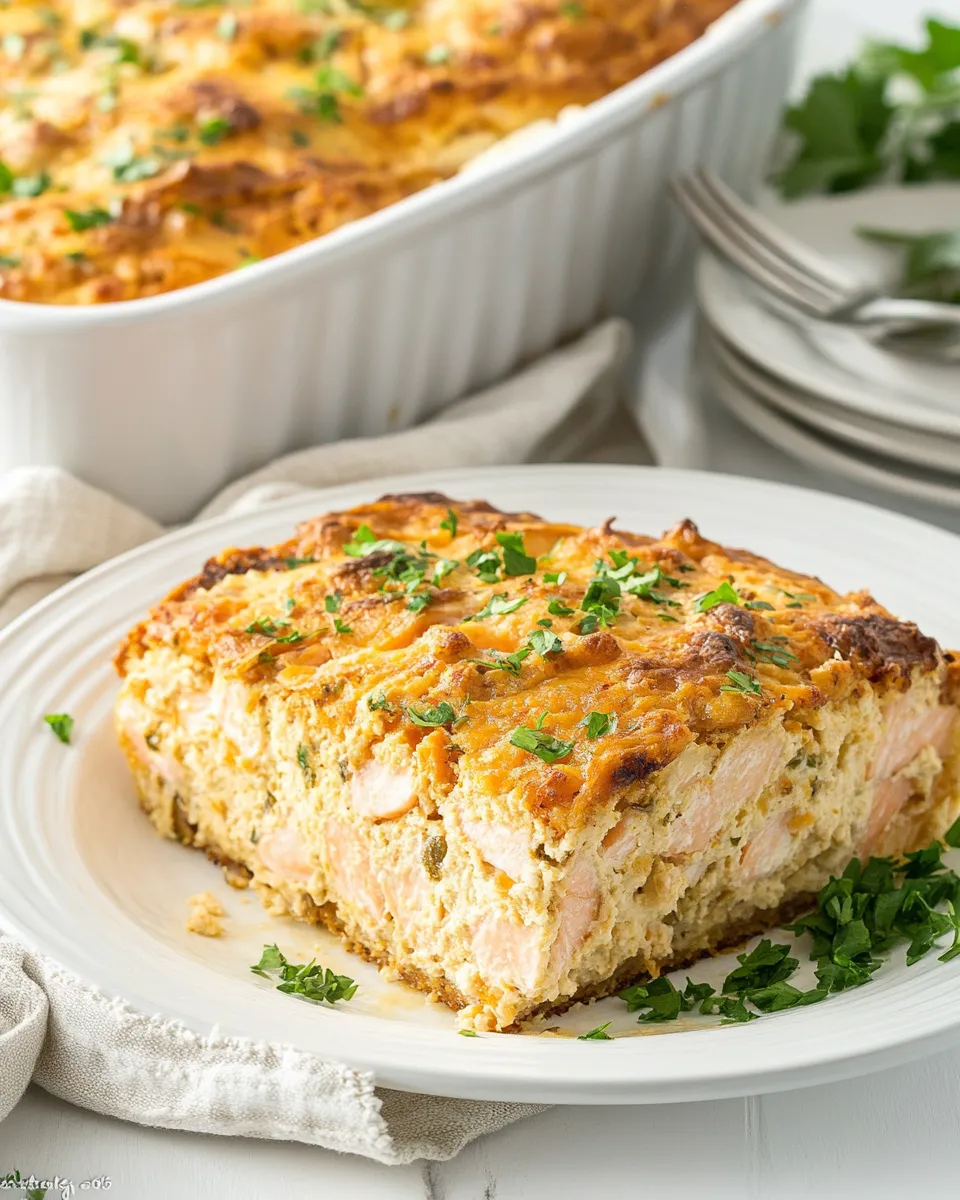
Simple gear is all you need. A standard 9×5-inch loaf pan works well; if you only have a smaller or larger pan, baking time will vary. A medium mixing bowl and a whisk are needed to blend the eggs and liquids. Use a fork to flake the salmon and a rubber spatula to transfer the mixture into the pan. An oven mitt and a sharp knife for slicing finish the set.
If you bake often, investing in a nonstick loaf pan or lining a pan with parchment that overhangs the edges makes removal and cleanup easier. Otherwise, a well-greased pan does the job perfectly.
Troubles You Can Avoid
There are a few predictable hiccups and quick fixes to keep the loaf coming out right. If the center is wet after the minimum baking time, bake longer in 5–10 minute increments until a knife comes out mostly clean. Loaves with too much liquid will be underdone; that usually stems from packing the bread too loosely or using bread that’s extremely fresh and dense—loosely torn or slightly stale bread absorbs better.
If the top browns too quickly while the center is still unset, tent the loaf with foil after 30–35 minutes to prevent over-browning. Letting the loaf rest for the full 10 minutes before slicing reduces crumbling; it gives the interior time to finish setting and makes cleaner slices.
Adaptations for Special Diets
Gluten-free: Use gluten-free soft sandwich bread in place of the regular bread. The texture will differ slightly, but the loaf will still hold together if the bread soaks properly.
Dairy-free: Replace the ¼ cup melted butter with a neutral-tasting oil and use a plant-based milk. The final texture will be a touch less rich but still moist.
Low-salt: Omit or reduce the teaspoon of salt and rely on citrus, herbs, or a low-sodium condiment at the table to boost flavor. The canned salmon will contribute some salt naturally, so taste mindfully.
Little Things that Matter
Small habits make a noticeable difference. Cube or tear the bread into fairly uniform pieces so it soaks evenly. When folding the bread and salmon into the egg mixture, be gentle; overworking can make the bread break down too much and produce a denser loaf. Flaking the salmon into bite-sized pieces gives you pleasant texture rather than long ribbons.
Grease the pan well, or use a bit of parchment with an overhang to lift the loaf out cleanly. And don’t skip the brief rest after baking—cutting too early causes the loaf to fall apart more than necessary.
Freezer-Friendly Notes
This loaf freezes well, which makes it a smart make-ahead option. Cool the baked loaf completely, then wrap tightly in plastic wrap followed by aluminum foil, or place slices in a freezer-safe container with parchment between layers. For best quality, use within 2–3 months.
To reheat, thaw in the refrigerator overnight and warm in a 325°F oven until heated through, or microwave slices on a lower power setting to avoid drying. If you freeze slices, toast them briefly to refresh the exterior texture.
Top Questions & Answers
Q: Can I use fresh salmon instead of canned?
A: Yes. If using cooked fresh salmon, flake it and fold in as you would the canned salmon. If using raw fresh salmon, cook it first (pan-seared or baked) and cool slightly before adding. Adjust moisture if your cooked salmon is particularly juicy.
Q: My loaf is crumbly—what happened?
A: Likely it needed a longer rest or slightly more binding from the eggs. Make sure the bread soaked evenly in the egg mixture and let the loaf rest for the full 10 minutes before slicing. If you repeatedly get crumbly results, try using bread that’s a touch drier or increasing the egg by one small egg only after considering texture changes.
Q: How can I add more flavor without overpowering the salmon?
A: Fresh herbs like dill or parsley, a squeeze of lemon, or a light smear of mustard on the side work well. Mix-ins like finely diced onion or celery add texture and aromatic interest; keep quantities modest so the salmon remains the star.
Serve & Enjoy
Slice the loaf into thick or thin pieces depending on how you plan to serve it. For a dinner plate, serve warm with a crisp green salad, steamed vegetables, or buttery new potatoes. For a lighter meal, let it cool and slice for sandwiches with lettuce, thinly sliced cucumber, and a smear of tart yogurt sauce or tartar.
Leftovers are excellent cold or gently reheated. Pack slices into lunch boxes with pickles and a crisp roll, or turn them into open-faced bites with a bright herb yogurt on top. Simple, sturdy, and surprisingly versatile—this salmon loaf is a small recipe that gives back plenty.
Baked Salmon Loaf
Ingredients
Ingredients
- 2 eggs
- 1/4 cup melted butter
- 1 1/2 cups milk
- 1 teaspoon salt
- 1 can 15 ounces red salmon, bones and skin removed
- 3 slices of soft bread cubed
Instructions
Instructions
- Preheat the oven to 350°F. Grease a loaf pan and set it aside.
- In a medium bowl, whisk the 2 eggs until blended.
- Whisk in the ¼ cup melted butter, 1 ½ cups milk, and 1 teaspoon salt until combined.
- Break the canned salmon into bite-sized pieces or flake it with a fork.
- Add the 3 cubed slices of soft bread and the flaked salmon to the bowl with the egg mixture. Gently toss or fold until the bread is evenly moistened and the salmon is distributed.
- Scrape the mixture into the prepared loaf pan and smooth the top or press lightly to even it.
- Bake for 45–60 minutes, until the loaf is puffed, lightly browned on top, and the center is set (a knife inserted near the center should come out mostly clean).
- Remove from the oven and let the loaf rest in the pan for about 10 minutes before slicing and serving.
Equipment
- Oven
- Loaf Pan
- Mixing Bowl
- Whisk