Baked Haddock
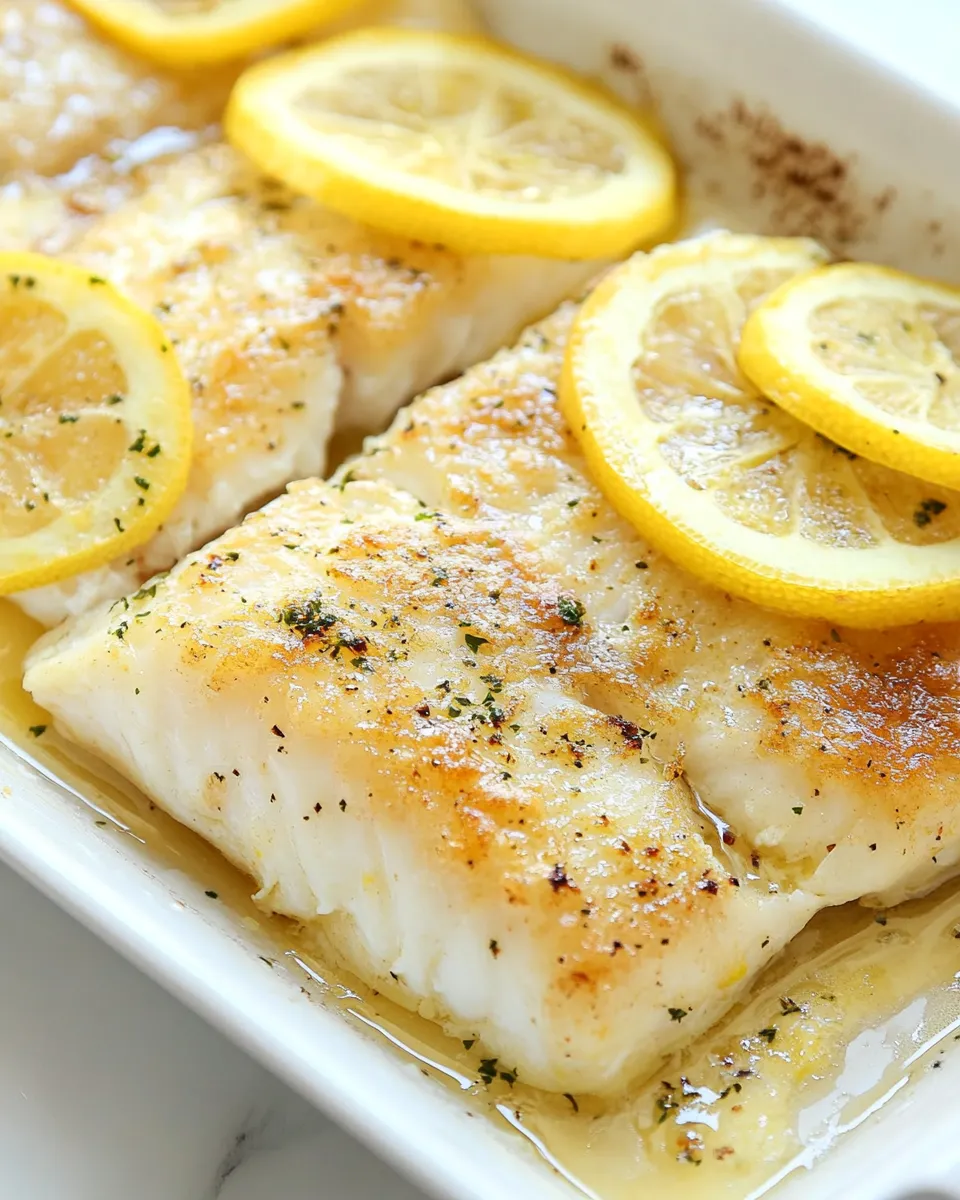
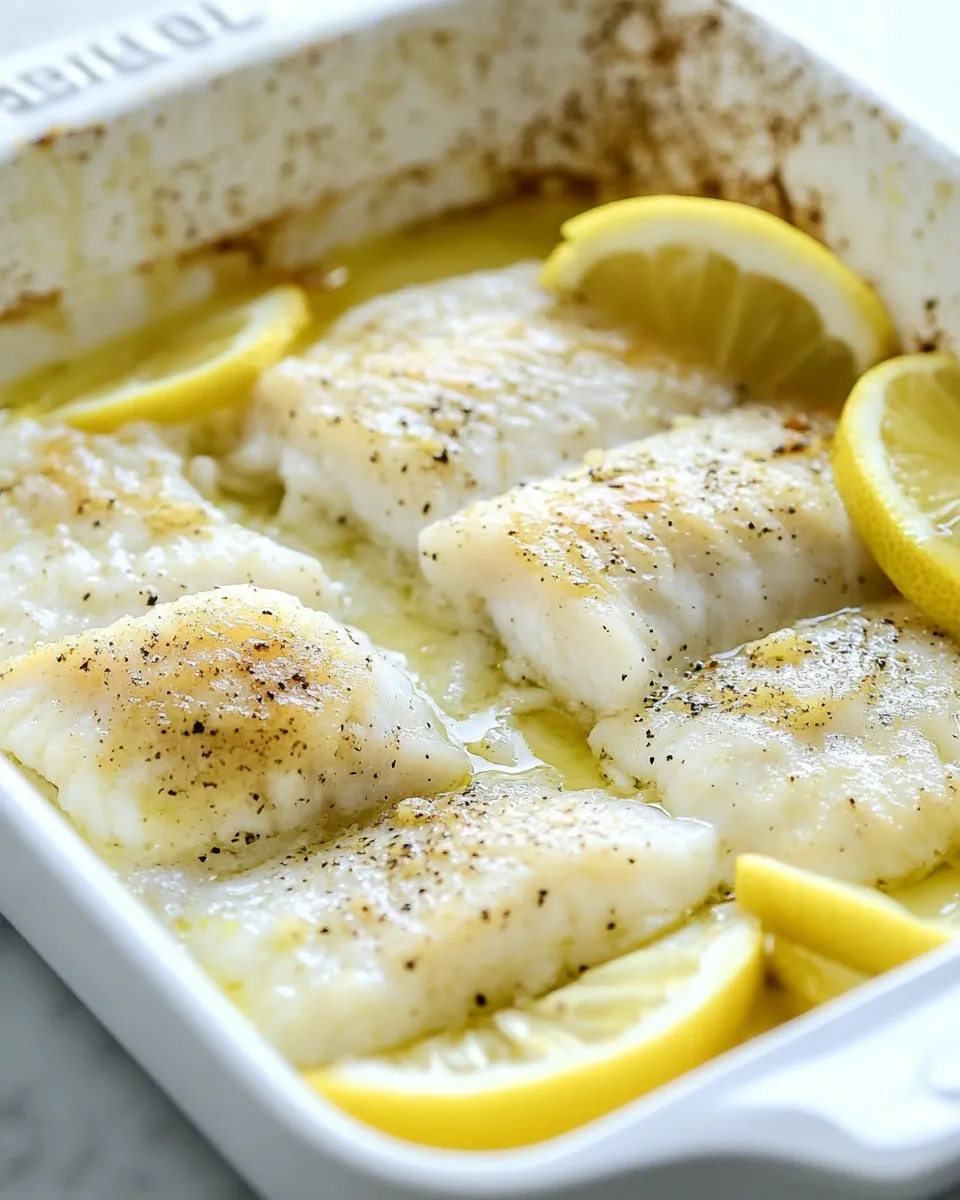
This baked haddock recipe is the kind I turn to when I want dinner that feels special but doesn’t require babysitting. Simple steps, straightforward ingredients, dependable results. The cheese gives the surface a little golden top while the fish stays tender and flaky beneath it.
I love it because it fits into weeknights and small dinner parties alike. It comes together quickly, uses pantry staples, and the cleanup is minimal. A few little tips will keep the fish juicy and let the Parmesan add flavor without drying everything out.
Below you’ll find the ingredient breakdown, the step-by-step directions exactly as I use them, troubleshooting notes, swaps, storage guidance, and answers to the questions I get most often. No fuss — just a reliable, tasty Baked Haddock.
Gather These Ingredients

Ingredients
- 4 haddock fillets (about 6 ounces each) — the star of the dish; look for firm, translucent fillets without a strong fishy smell.
- 1 tablespoon olive oil — used to grease the dish and to lightly coat the fish for browning and moisture.
- 1/2 teaspoon kosher salt — seasons the fish simply; adjust to taste if you use a different salt.
- 1/4 teaspoon black pepper — adds a touch of heat and balance to the salt and cheese.
- 1/4 cup grated Parmesan cheese — creates a savory crust and a golden finish when baked.
- 1 lemon, sliced for garnish — brightens the final plate; squeeze a slice over the fish before eating if you like.
Baked Haddock, Made Easy
- Preheat the oven to 400°F (200°C).
- Pour the 1 tablespoon olive oil into a small bowl. Use a little of it to lightly grease a baking dish and keep the rest for the fish.
- Pat the 4 haddock fillets (about 6 ounces each) dry with paper towels.
- Place the fillets in a single layer in the prepared baking dish, leaving a small space between each fillet.
- Drizzle the remaining olive oil over the fillets, then evenly sprinkle 1/2 teaspoon kosher salt and 1/4 teaspoon black pepper over them.
- Sprinkle 1/4 cup grated Parmesan cheese evenly over the tops of the fillets.
- Bake in the preheated oven for 15 minutes, or until the fish flakes easily with a fork and the cheese is slightly golden.
- Serve hot, garnished with the lemon slices.
Why It’s Crowd-Pleasing
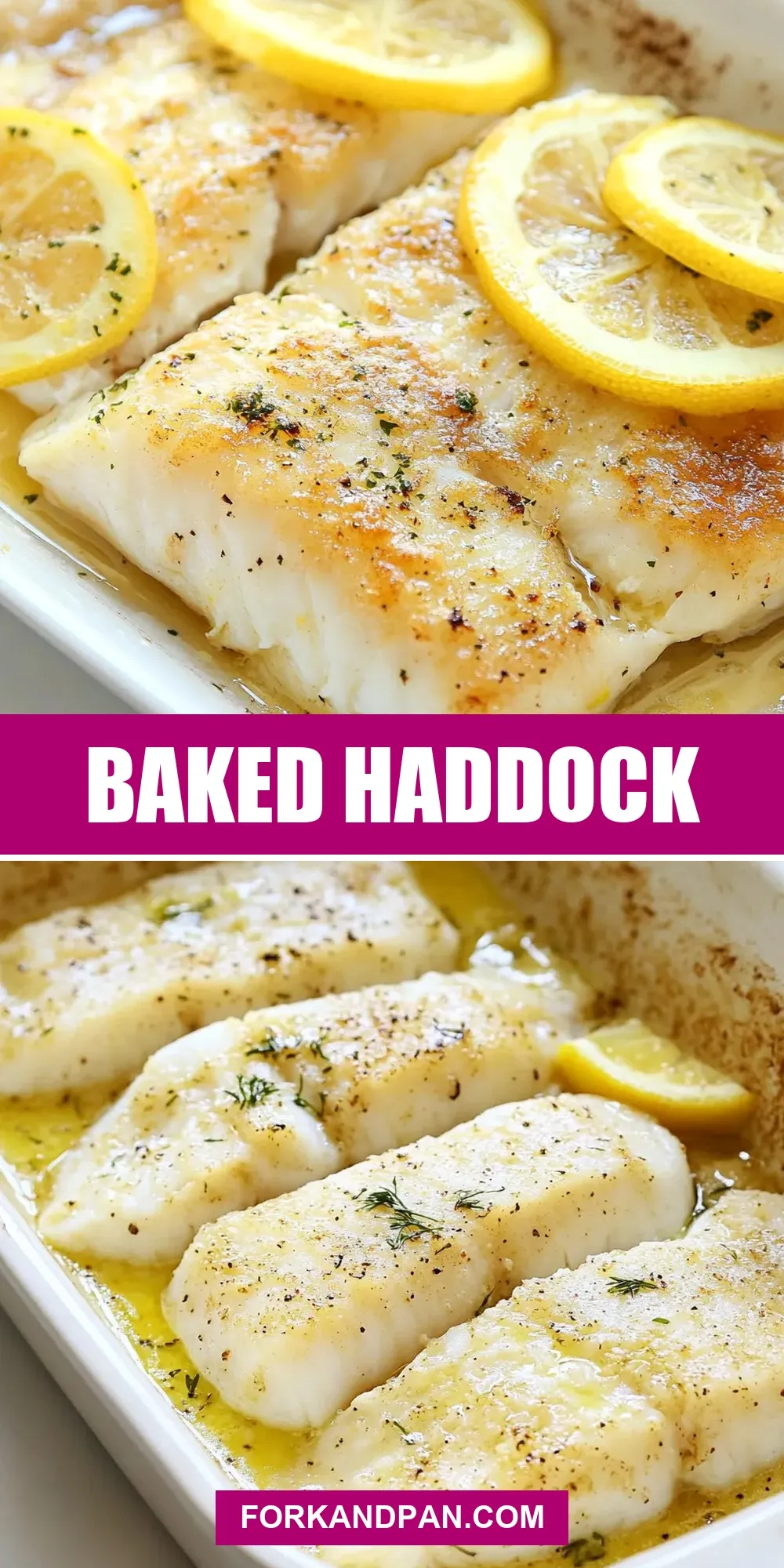
This recipe wins because it balances comfort and freshness. The fish is mild and approachable, and the Parmesan gives it a familiar, savory touch that many guests enjoy. The presentation is simple: golden-topped fillets with lemon slices look intentional without being fussy.
Texture matters here. The lightly crisped cheese contrasts with the flaky, moist haddock beneath. That contrast makes each bite satisfying. Also, the short bake time means the fish rarely overcooks, which keeps even skeptical eaters coming back for seconds.
What to Use Instead
- Cod — a close substitute in texture and flavor for haddock; cooks in a similar time frame.
- Pollock or tilapia — milder and budget-friendly options; watch cooking time as thinner fillets may finish sooner.
- Grated Pecorino Romano — if you want a sharper, saltier crust in place of Parmesan; use sparingly due to higher saltiness.
Equipment at a Glance
- Baking dish — large enough to arrange four fillets in a single layer with room between them.
- Small bowl — for the olive oil so you can reserve some to grease the dish.
- Paper towels — for patting the fillets dry; this is key for a better crust.
- Measuring spoons and cup — to keep the salt, pepper, oil, and cheese consistent.
- Oven and timer — set and monitor; a reliable oven temperature makes the difference between tender and overcooked fish.
- Fork — to test doneness; fish should flake easily.
Problems & Prevention
- Problem: Dry, chalky fish. Prevention: Don’t overbake. Start checking at 12 minutes if your fillets are thin; the fish should flake easily but remain moist.
- Problem: Soggy cheese topping. Prevention: Pat fillets dry before oiling and sprinkling cheese; that helps the cheese brown rather than steam.
- Problem: Sticking to the dish. Prevention: Use a little of the olive oil to lightly grease the baking dish as directed so the fillets release cleanly.
- Problem: Uneven cooking. Prevention: Arrange fillets with space between them and use a single layer so hot air can circulate around each piece.
Better Choices & Swaps
- Use freshly grated Parmesan rather than pre-shredded for better melting and flavor. Freshly grated creates a finer, more cohesive crust.
- If you prefer a crust with more texture, add a tablespoon of panko to the Parmesan and toss with a little olive oil before sprinkling.
- For less salt, reduce kosher salt to 1/4 teaspoon and rely on lemon to lift the flavors.
- To add herbs without overwhelming the delicate fish, sprinkle chopped parsley or chives after baking rather than before, to preserve color and freshness.
Behind the Recipe
This is a straightforward baked-fish approach: oil for moisture, a touch of seasoning, and a finishing cheese for flavor and color. The method echoes classic home-cooking techniques — simple seasoning, brief high-heat baking — that showcase the fish rather than masking it.
Haddock is a delicate white fish with a mild flavor and fine flakes. It responds well to short, hot cooking that sets the surface while keeping the interior tender. The Parmesan contributes an umami note and a pleasing golden crust without needing heavy batters or long preparations.
Storage & Reheat Guide
Store leftovers in an airtight container in the refrigerator for up to 2 days. Keep the fish and any accompanying sauces or garnishes separate if possible to preserve texture.
To reheat, preheat the oven to 300°F (150°C). Place fillets on a baking sheet, cover loosely with foil, and warm for 8–12 minutes until heated through. This gentle reheating protects the fish from drying out. Avoid microwaving if you can; it heats unevenly and can make the fish rubbery.
Popular Questions
- Can I cook frozen haddock? — Thaw completely before following the recipe for even cooking; pat dry thoroughly first.
- How do I know when it’s done? — The fish flakes easily with a fork and the center is opaque; internal temperature should read around 145°F if you use a thermometer.
- Can I double the recipe? — Yes; use a larger baking dish or separate dishes to keep fillets in a single layer.
- Is the Parmesan necessary? — It’s key to the texture and flavor of this version. You can omit it for a simpler preparation but expect a milder finish.
Ready, Set, Cook
Quick checklist before you start: preheat the oven to 400°F, pat the fillets dry, grease the dish with a little of the 1 tablespoon olive oil, have your measured salt, pepper, and 1/4 cup grated Parmesan ready, and slice the lemon for garnish.
Then follow the steps: oil the dish, season the fillets, sprinkle the Parmesan, bake 15 minutes, and serve with lemon slices. Simple, dependable, and flavorful — oven dinner done well.
Baked Haddock
Ingredients
Ingredients
- 4 haddock filletsabout 6 ounces each
- 1 tablespoonolive oil
- 1/2 teaspoonkosher salt
- 1/4 teaspoonblack pepper
- 1/4 cupgrated Parmesan cheese
- 1 lemonsliced for garnish
Instructions
Instructions
- Preheat the oven to 400°F (200°C).
- Pour the 1 tablespoon olive oil into a small bowl. Use a little of it to lightly grease a baking dish and keep the rest for the fish.
- Pat the 4 haddock fillets (about 6 ounces each) dry with paper towels.
- Place the fillets in a single layer in the prepared baking dish, leaving a small space between each fillet.
- Drizzle the remaining olive oil over the fillets, then evenly sprinkle 1/2 teaspoon kosher salt and 1/4 teaspoon black pepper over them.
- Sprinkle 1/4 cup grated Parmesan cheese evenly over the tops of the fillets.
- Bake in the preheated oven for 15 minutes, or until the fish flakes easily with a fork and the cheese is slightly golden.
- Serve hot, garnished with the lemon slices.
Equipment
- Oven
- Baking Dish
- Small Bowl
- Paper Towels
- Fork