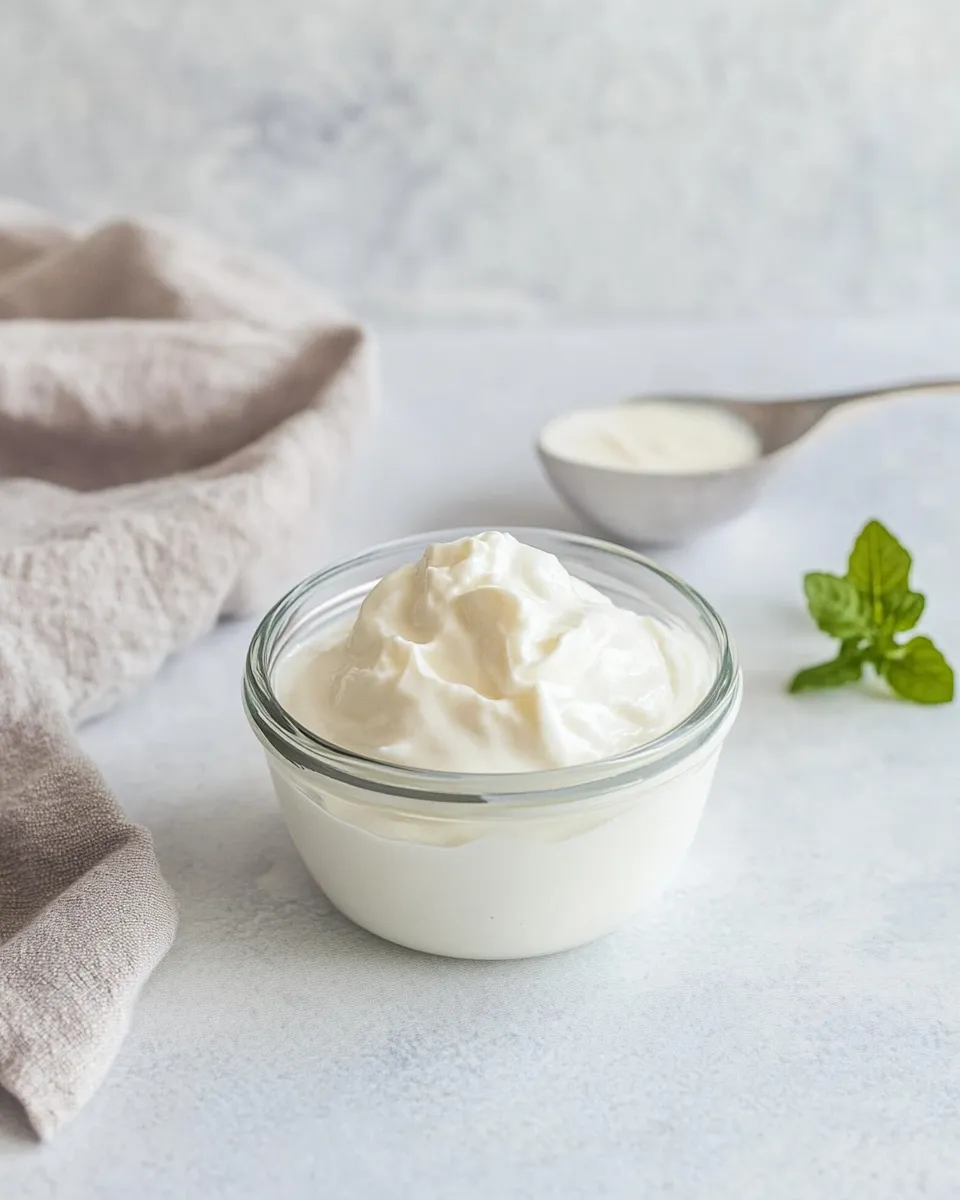
Almond Milk Yogurt
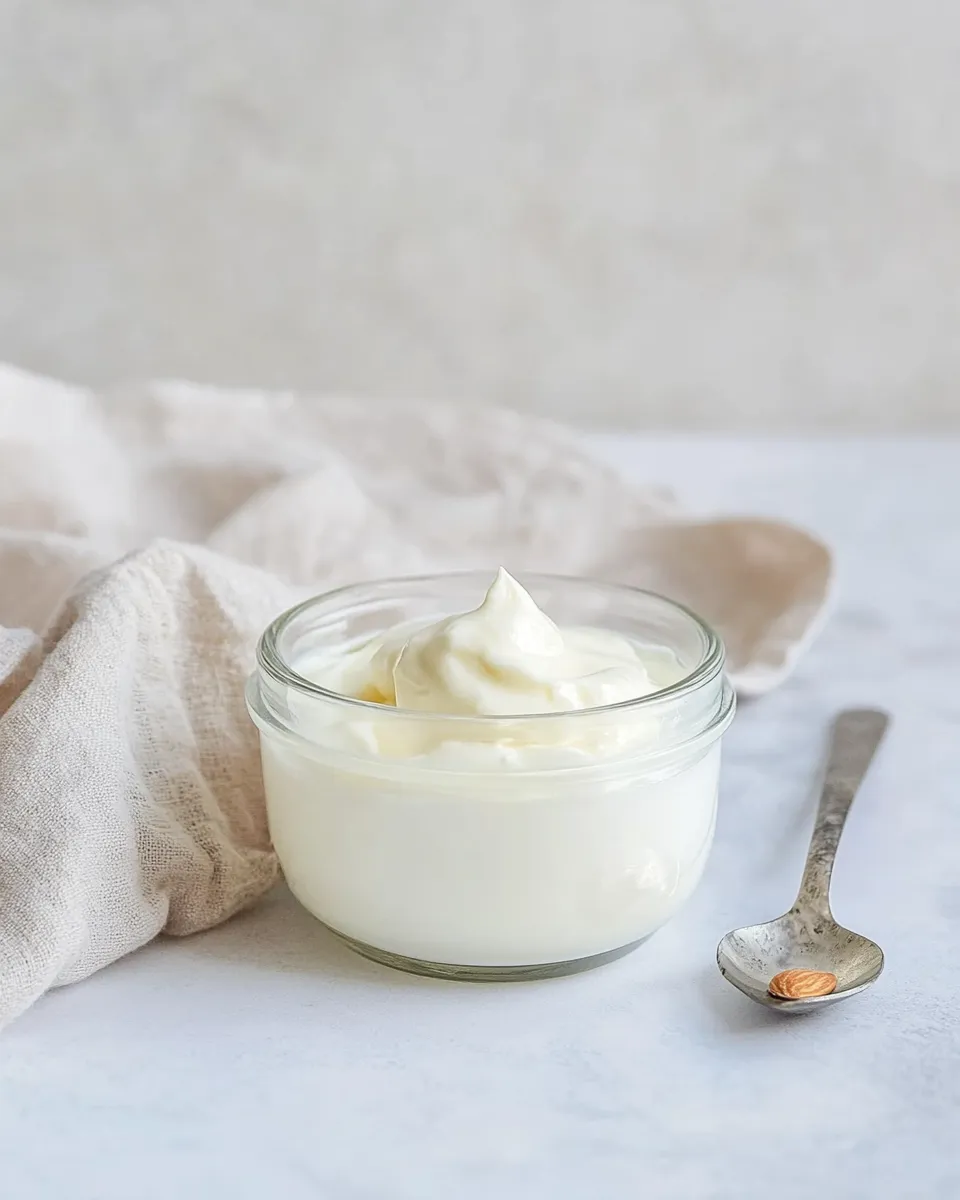
This almond milk yogurt is the kind of recipe I turn to when I want a smooth, tangy dairy-free yogurt that behaves like the real thing. It’s simple, predictable, and forgiving—perfect for weekday breakfasts and recipe testing. You’ll get a creamy, slightly tart yogurt with a clean almond flavor that pairs well with fruit, granola, or a drizzle of maple.
I developed this method to avoid slimy textures and weak set. The combination of arrowroot and a touch of agar-agar gives body without the chewiness some thickeners create. A vegan probiotic capsule does the fermenting heavy lifting; a small amount of maple syrup or honey feeds the culture so it gets going reliably.
Read through the equipment list and the pitfalls section before you begin. The steps are short and specific, so once you have everything measured the process moves fast. Keep an instant-read thermometer handy and a warm, draft-free spot for incubation, and you’ll be rewarded with consistent results.
Ingredients

- 4 cups almond milk — the base; use unsweetened, plain almond milk for the cleanest flavor and best fermentation environment.
- 2 tablespoons arrowroot starch — thickener that helps the yogurt body up without a gummy texture.
- 1/2 teaspoon agar-agar — plant-based gelling agent that improves set and stability in the fridge.
- 1 vegan probiotic capsule — the culture source; make sure it lists live strains and no dairy additives.
- 2 teaspoons pure maple syrup or organic honey — feed for the probiotic; choose maple if you need fully vegan yogurt, honey if you prefer its flavor.
Build Almond Milk Yogurt Step by Step
- In a non-reactive saucepan, combine all 4 cups almond milk, 2 tablespoons arrowroot starch, and 1/2 teaspoon agar-agar; whisk or stir until the arrowroot and agar-agar are evenly dispersed and no dry clumps remain.
- Heat the mixture over medium heat, stirring constantly, until it reaches a gentle boil (small bubbles form around the edges) and continue stirring for about 30–60 seconds so the agar-agar and arrowroot fully dissolve and the liquid begins to thicken slightly.
- Remove the pan from heat and allow the mixture to cool to 100°F–110°F (use an instant-read thermometer or wait until it feels warm but not hot to the touch).
- Open 1 vegan probiotic capsule and sprinkle the powder into the cooled milk; add 2 teaspoons pure maple syrup or organic honey and stir gently but thoroughly to combine.
- Pour the mixture into clean glass jars, cover, and place the jars in a warm, draft-free location to incubate for 10–12 hours, or until the yogurt has set to your desired firmness.
- Transfer the jars to the refrigerator and chill for at least 6 hours before serving.
Why This Recipe Is Reliable
There are three reasons this method works consistently: measured thickener, controlled heat, and a clean food-safe environment. Arrowroot plus agar-agar creates structure without the elastic mouthfeel of some gums. Heating dissolves those thickeners properly, and cooling to 100–110°F prevents scorching the probiotic while giving it the temperature range it likes to colonize.
The incubation window (10–12 hours) is deliberately broad. Shorter times yield milder yogurt; longer times produce tangier results. Because you chill for at least six hours after incubation, the curd firms and the flavors mellow predictably. If you follow the order and the temperatures, the same outcome shows up every time.
Dairy-Free/Gluten-Free Swaps
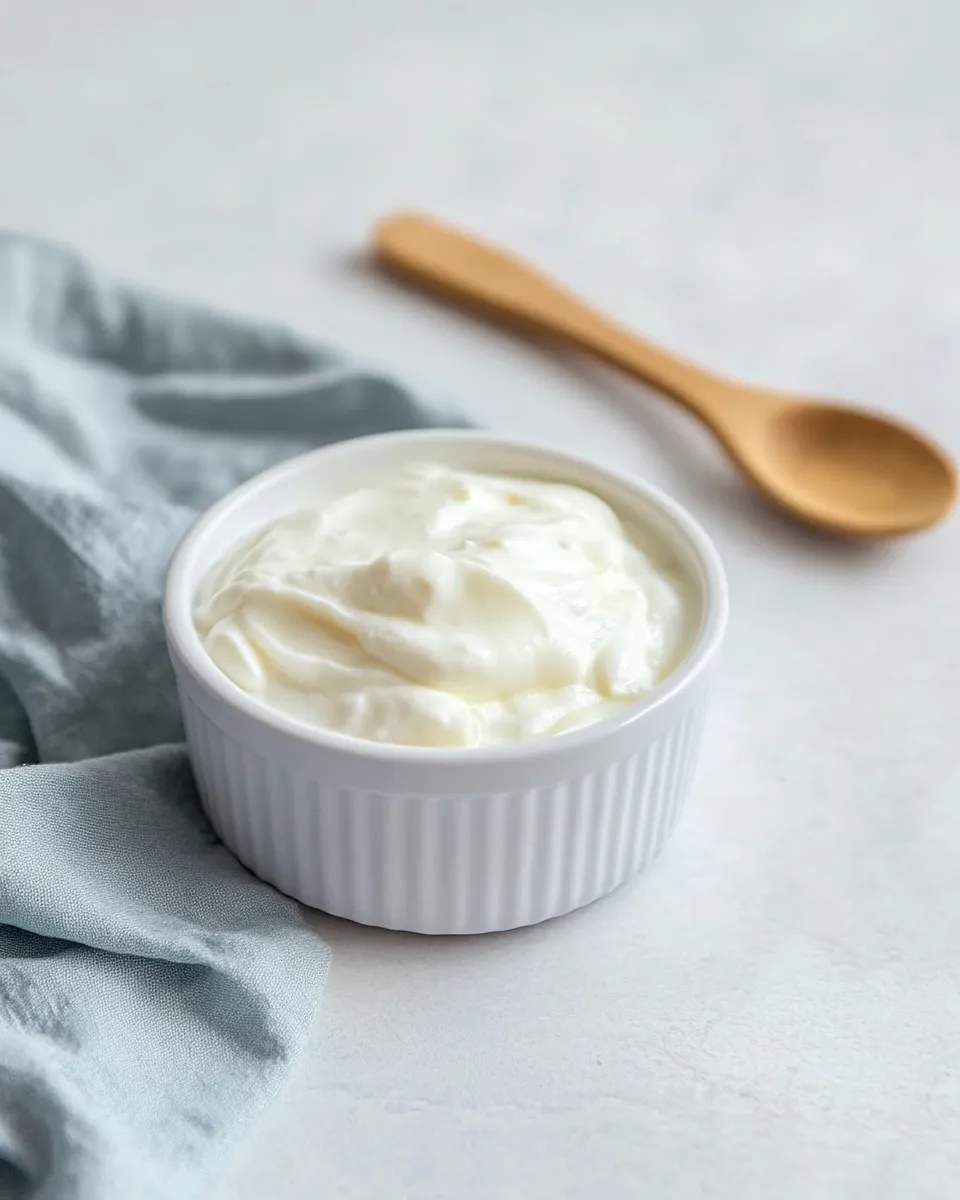
This recipe is already dairy-free and gluten-free when you use the ingredients listed. If you need alternative nut milks, be aware texture and protein content vary. Here are practical swap notes:
- Other plant milks: Oat or soy milks will behave differently—soy has more protein and may set firmer; oat tends to be thinner and may need a touch more arrowroot for comparable thickness.
- Sweetener: Maple syrup keeps the yogurt vegan. If you use honey for flavor, it’s not vegan but fine otherwise.
- Thickeners: I don’t recommend replacing arrowroot and agar-agar with xanthan gum or cornstarch without testing. Arrowroot gives a clean mouthfeel that pairs well with almond milk.
Before You Start: Equipment
- Instant-read thermometer — essential. Fermentation temperature is the single most important control.
- Non-reactive saucepan — stainless steel or enamel; avoid aluminum which can react with acids.
- Whisk or heatproof spatula — to dissolve arrowroot and agar-agar smoothly.
- Clean glass jars with lids — jars for incubating and storing; sterilize them with hot water or run through the dishwasher.
- Warm place for incubation — an oven with the light on, a proofing box, or an insulated cooler with a warm water bottle will work fine.
Pitfalls & How to Prevent Them
Several things can go wrong, but each has a straightforward fix.
- Weak set: If your yogurt stays very runny, the thickeners may not have dissolved fully or incubation was too short. Make sure the mix reaches a gentle boil and stir for the full 30–60 seconds so agar and arrowroot activate.
- Bitter or off flavors: Overheating the milk or cooling too slowly can stress the probiotics. Remove from heat promptly and cool to the specified range before adding the culture.
- No fermentation: Check your probiotic. Capsules lose potency over time—buy fresh, store as directed, and verify they are suitable for dairy-free fermentation.
- Grainy texture: This can happen from uneven dispersion of starch. Whisk well at the start and strain if necessary before incubating.
- Contamination: Use clean utensils and jars. Avoid introducing any flavored or acidic residues into the jars before incubating.
Nutrition-Minded Tweaks
If you’re watching calories or macronutrients, here are targeted adjustments you can make without breaking the method.
- Lower calories: Use unsweetened almond milk and stick with maple syrup or honey only as required to feed the culture; you can reduce the maple/honey slightly if you accept a slower fermentation.
- Higher protein: If you want more protein, use a high-protein soy milk in place of almond milk, or gently blend in a scoop of neutral-flavored plant protein after incubation for better solubility.
- Less sugar: The 2 teaspoons of maple syrup/honey are mainly for the culture. You can experiment reducing to 1 teaspoon, but expect a slower set and milder fermentation.
Chef’s Notes
A few practical, experience-based notes:
- Texture preference: For a thicker, spoonable yogurt, increase refrigeration time rather than incubation time; chilling always firms things up.
- Flavoring: Add vanilla extract or fruit purée after chilling. Adding acidic fruit before incubation can inhibit fermentation.
- Batch scaling: This formula scales linearly. If you double the recipe, use a larger pot and ensure consistent heating and cooling times.
- Stirring: Don’t agitate the jars during incubation; stillness helps a clean set.
Cooling, Storing & Rewarming
After incubation you must chill the yogurt to finish the set. Move jars into the refrigerator and leave them undisturbed for at least six hours. This resting period lets the texture stabilize and the flavors round out.
Store the yogurt in sealed jars for up to 7 days. Stir before serving if the whey separates slightly—this is normal. If you want single-serve portions, incubate and chill in those jars directly to avoid transfers.
Rewarming: this yogurt is best eaten cold or at room temperature. Avoid reheating it as heat will break down the set and can kill any remaining live cultures.
Top Questions & Answers
Can I use homemade almond milk?
Yes, but homemade almond milk can be lower in protein and have variable water content, which may affect set. If you use homemade, consider adding a teaspoon more arrowroot or testing a small batch first.
Do I need to add sweetener if the probiotic capsule contains prebiotics?
Some probiotic blends contain prebiotics, but the small amount of maple or honey ensures a consistent food source. I recommend keeping the 2 teaspoons unless you know your culture reliably ferments without it.
Why agar-agar and not gelatin?
Agar-agar is plant-based and works at room temperature once set. Gelatin is animal-derived and melts at higher temperatures. Agar gives a more stable set in a dairy-free yogurt.
Can I use a yogurt starter instead of a probiotic capsule?
Yes, but make sure the starter is dairy-free or specifically labeled for plant-based milks. Starters vary in strain composition and can yield different textures and tang levels.
Before You Go
Almond Milk Yogurt is straightforward once you respect the tiny technical details: dissolve the thickeners fully, cool to the correct temperature, and keep the environment warm and still for incubation. Follow those rules and you’ll have reliable, creamy results.
If you try a variation—different milk, longer incubation, or a new probiotic—write down times and temperatures. A little note beside the jar will save you time on the next batch. Enjoy your yogurt with fresh fruit, granola, or straight from the jar.
Almond Milk Yogurt
Ingredients
Ingredients
- 4 cupsalmond milk
- 2 tablespoonsarrowroot starch
- 1/2 teaspoonagar-agar
- 1 vegan probiotic capsule
- 2 teaspoonspure maple syrup or organic honey
Instructions
Instructions
- In a non-reactive saucepan, combine all 4 cups almond milk, 2 tablespoons arrowroot starch, and 1/2 teaspoon agar-agar; whisk or stir until the arrowroot and agar-agar are evenly dispersed and no dry clumps remain.
- Heat the mixture over medium heat, stirring constantly, until it reaches a gentle boil (small bubbles form around the edges) and continue stirring for about 30–60 seconds so the agar-agar and arrowroot fully dissolve and the liquid begins to thicken slightly.
- Remove the pan from heat and allow the mixture to cool to 100°F–110°F (use an instant-read thermometer or wait until it feels warm but not hot to the touch).
- Open 1 vegan probiotic capsule and sprinkle the powder into the cooled milk; add 2 teaspoons pure maple syrup or organic honey and stir gently but thoroughly to combine.
- Pour the mixture into clean glass jars, cover, and place the jars in a warm, draft-free location to incubate for 10–12 hours, or until the yogurt has set to your desired firmness.
- Transfer the jars to the refrigerator and chill for at least 6 hours before serving.
Equipment
- non-reactive saucepan
- Whisk or Spoon
- Instant-read thermometer
- clean glass jars