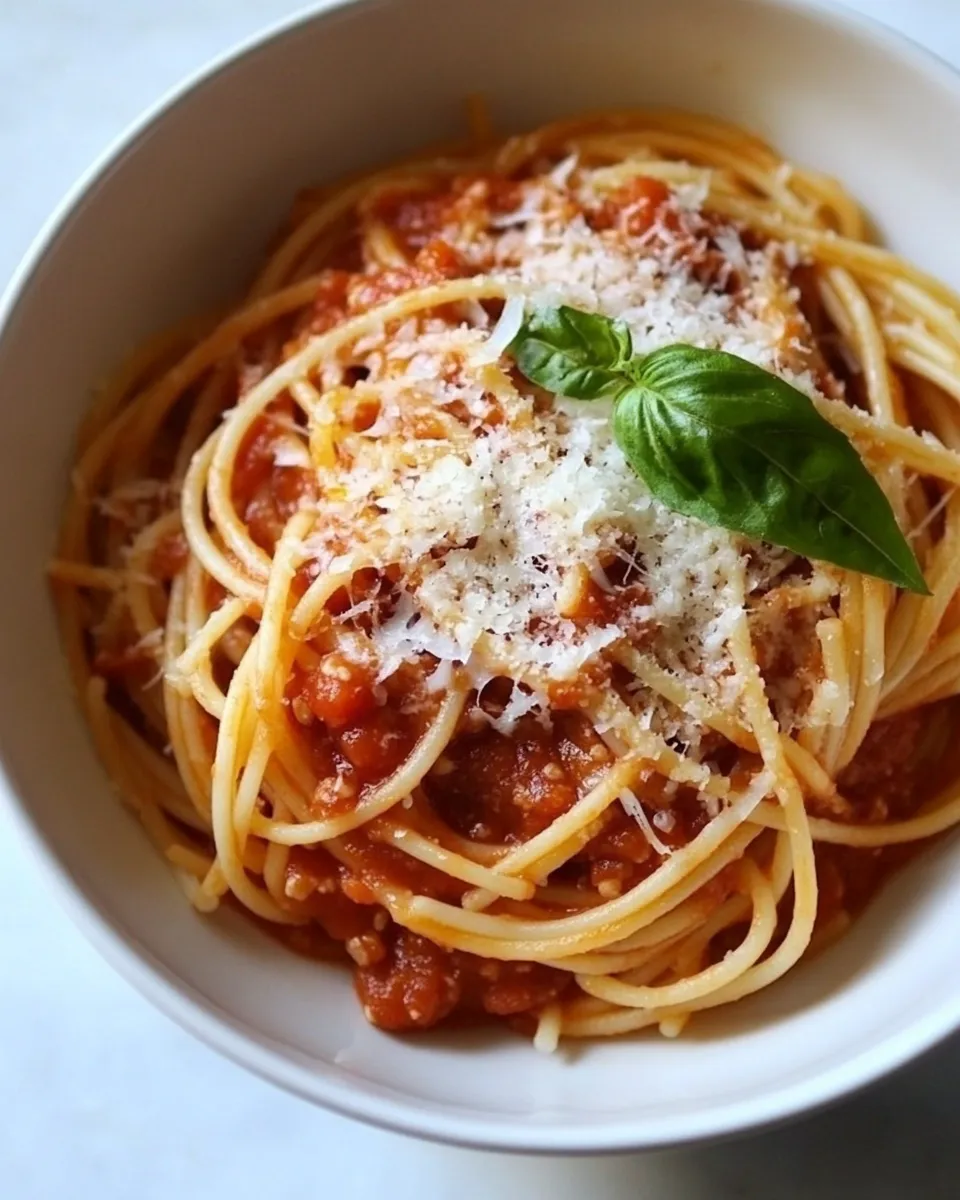
Vegetarian Spaghetti Sauce
There are few things as comforting as a big pot of simmered tomato sauce. This Vegetarian Spaghetti Sauce is bright, textured, and built on simple pantry staples and fresh veg. It’s the kind of recipe that feels both cozy and intentional: a chunky, aromatic red sauce that clings to pasta, fills lunchboxes, and stretches across busy weeknights with ease. The flavors are layered—sweet grated carrot, tender zucchini, and bell pepper mingling with garlic, onion, and a hint of bay leaf—so every spoonful tastes homey and complete.
If you like sauces that are not overly processed, with visible bites of vegetables and a natural sweetness that doesn’t rely on heavy sugar, this one will quickly become a staple. It’s forgiving, easy to scale, and makes excellent leftovers. The ingredient list reads like a friendly shop run: olive oil, onion, garlic, a few garden vegetables, canned tomatoes and paste, V8 juice for body, and classic dried herbs. Below I walk you through everything you need to know to make this Vegetarian Spaghetti Sauce sing, plus tips for serving, storing, and small variations to suit your pantry.
Why this sauce works

This Vegetarian Spaghetti Sauce balances texture and depth without complicated techniques. The onion and garlic form an aromatic base. Grated carrot adds natural sweetness and silkiness as it melts into the sauce. Diced zucchini and a bit of green pepper give structure and a fresh presence so the sauce feels substantial rather than purely puréed. Two tomato products—a can of diced tomatoes and a can of tomato paste—provide both chunk and concentrated tomato flavor. V8 juice replaces some of the water you might otherwise use, supplying additional vegetable depth and a pleasant savory note. A bay leaf, dried basil, and oregano finish the sauce with familiar Italian flavors, while a touch of sugar smooths the acidity. Salt and pepper are adjusted to taste so you control the final balance.
Ingredients
- 2 tablespoons olive oil
- 1 small onion, diced
- 2 cloves garlic, minced
- 1/2 cup carrot, grated
- 1 small zucchini, diced
- 1/4 green pepper, diced
- 14.5 oz. diced tomatoes, 1 can
- 1 can tomato paste
- 2 cups V8 juice (I used low sodium)
- 1 tablespoon dried basil
- 1 teaspoon dried oregano
- 1 large bay leaf
- 1 1/2 tablespoons sugar
- salt & pepper to taste
Equipment
- Large heavy-bottomed saucepan or Dutch oven
- Wooden spoon or heatproof spatula
- Box grater for the carrot (or a food processor)
- Knife and cutting board
- Measuring spoons and cups
Step-by-step instructions
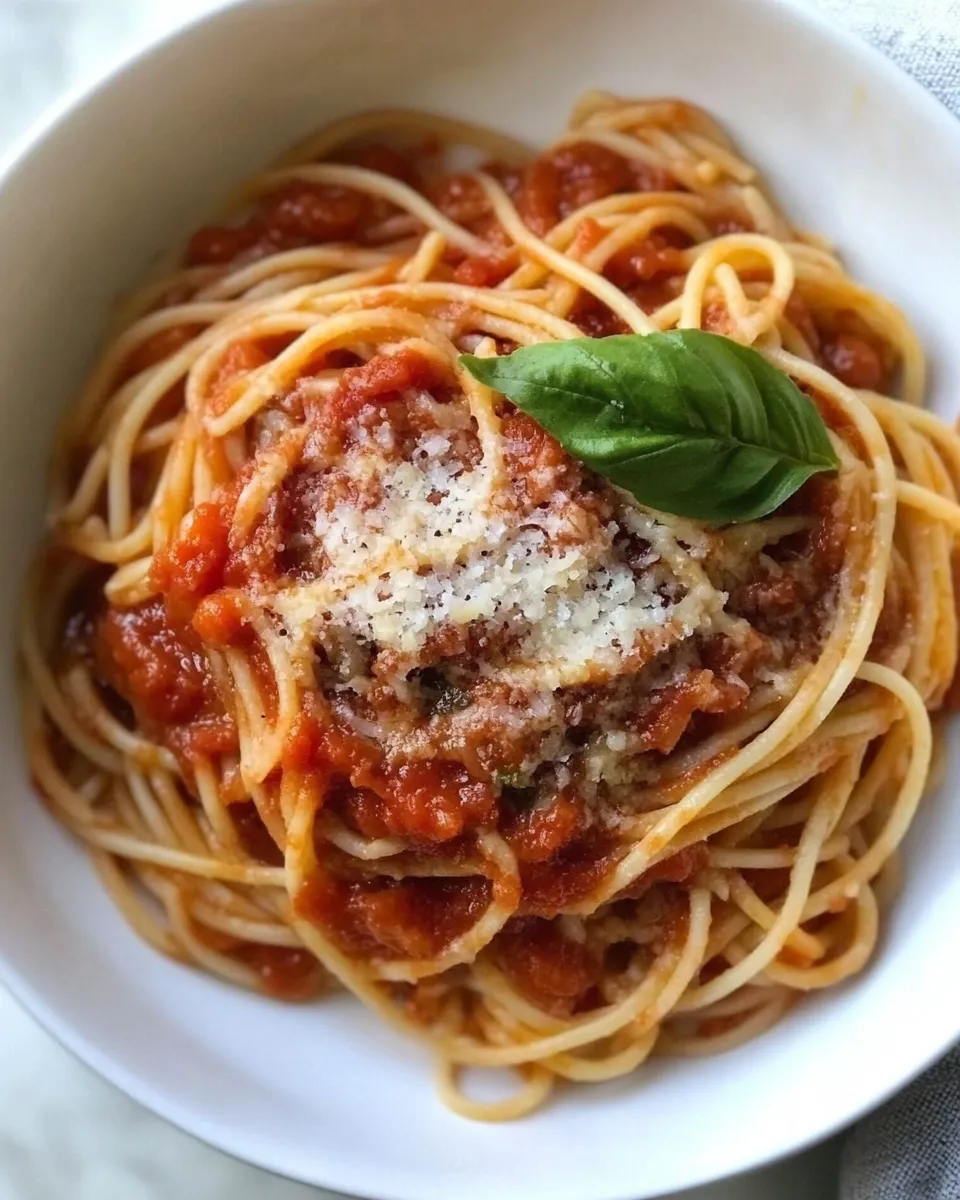
Follow these steps in order. The method is straightforward and designed to coax the most flavor from each ingredient without any complicated prep.
- Heat the oil: Place a large saucepan or Dutch oven over medium heat. Add 2 tablespoons olive oil and let it warm until it shimmers but does not smoke.
- Sauté the onion: Add the 1 small onion, diced, to the pan. Cook, stirring occasionally, until the onion softens and becomes translucent, about 5 minutes. This builds the aromatic base of the sauce.
- Add the garlic: Stir in 2 cloves garlic, minced, and cook for about 30 to 60 seconds, until fragrant. Be careful not to brown the garlic; you want it to release its aroma without turning bitter.
- Add grated carrot: Mix in 1/2 cup carrot, grated. Cook for 2 to 3 minutes, stirring occasionally, until the carrot begins to soften. The carrot will add natural sweetness and body as it breaks down during simmering.
- Add diced vegetables: Add 1 small zucchini, diced, and 1/4 green pepper, diced. Stir to combine and cook for another 3 to 4 minutes, until the vegetables start to soften but still hold some shape.
- Add tomatoes and paste: Pour in 14.5 oz. diced tomatoes (one can) and add 1 can tomato paste. Stir thoroughly so the paste dissolves into the tomato bits and coats the vegetables evenly.
- Add V8 juice and herbs: Pour in 2 cups V8 juice (low sodium recommended). Add 1 tablespoon dried basil, 1 teaspoon dried oregano, and 1 large bay leaf. Stir to incorporate. The V8 juice gives body, while the dried herbs and bay leaf add savory layers.
- Sweeten and season: Stir in 1 1/2 tablespoons sugar. Taste and season with salt and pepper to your preference, remembering that low-sodium V8 may need a little extra salt. Start with a small amount and adjust as the sauce simmers.
- Bring to a simmer: Increase the heat slightly to bring the sauce to a gentle simmer, then reduce the heat to low. Let the sauce simmer, uncovered, for 25 to 35 minutes, stirring occasionally so it doesn’t stick. Simmering melds flavors and reduces some of the liquid so the sauce thickens and deepens in taste.
- Final check: About five minutes before you finish cooking, remove the bay leaf and taste the sauce. Adjust salt, pepper, or sugar if needed. If you want a smoother sauce, use an immersion blender to pulse a little, but be careful to leave some chunkiness if you prefer texture.
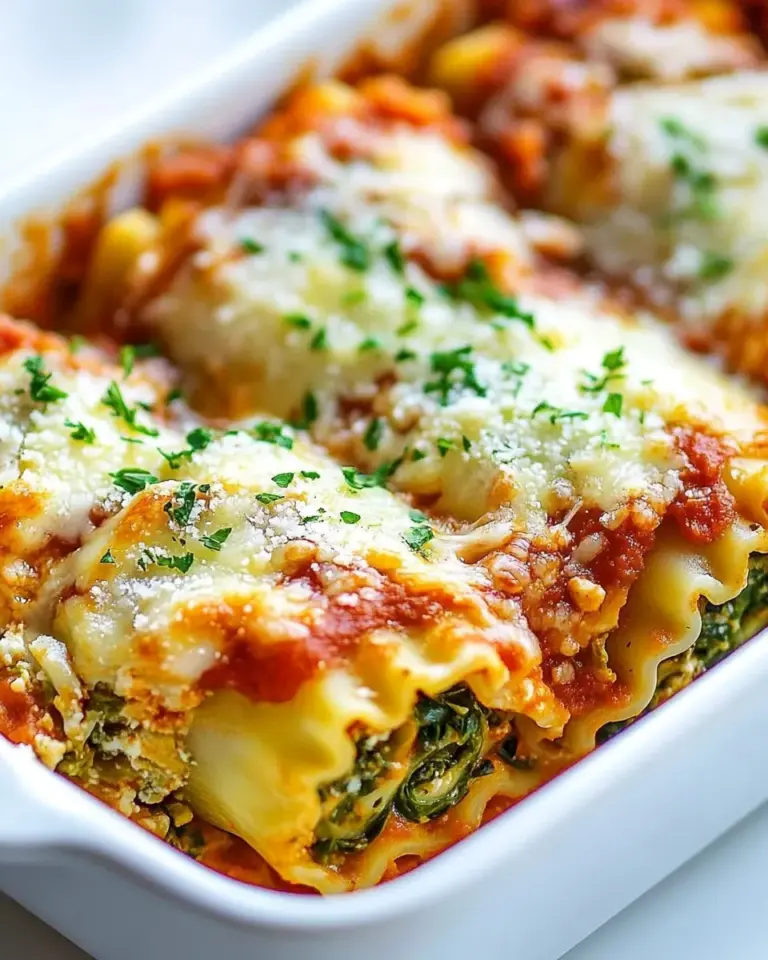
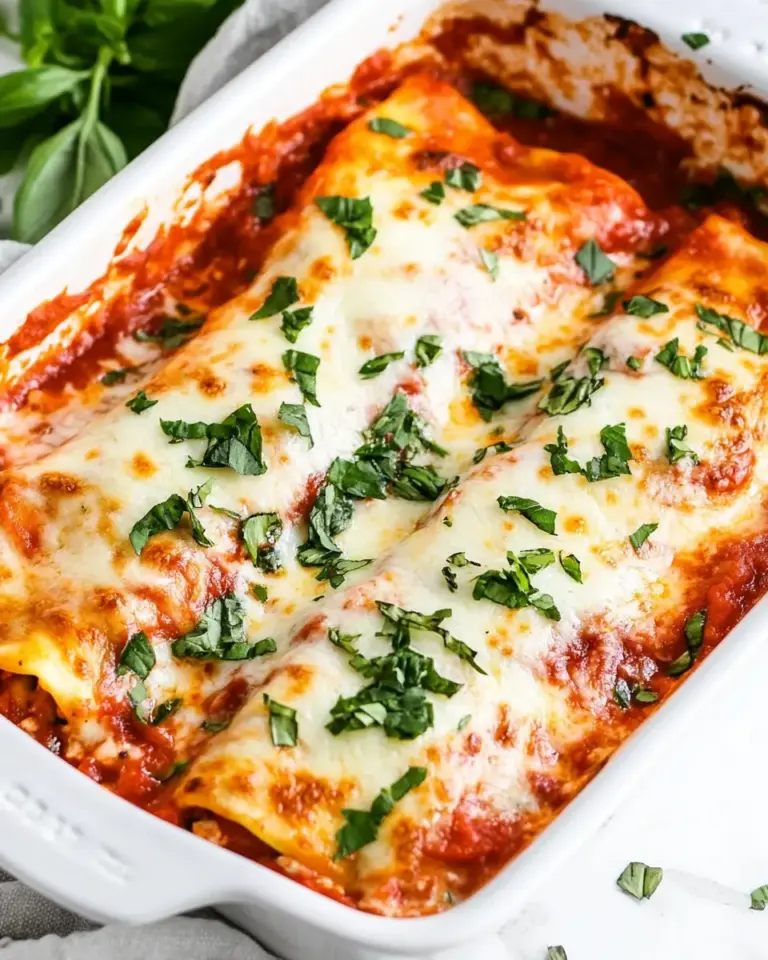
- Serve: Toss with freshly boiled pasta, spoon over roasted vegetables, or use as a base for a lasagna or baked pasta. Garnish with fresh basil or a sprinkle of grated cheese if desired.
Troubleshooting and tips
If your sauce tastes a little flat: Let it simmer a bit longer to concentrate the flavors and then re-taste, adjusting salt or sugar in small increments. If it’s too acidic, a touch more sugar will balance it. If it’s too thick, stir in a splash of water or more V8 juice until it reaches the desired consistency.
For smoother texture: Stir the can of tomato paste in completely and, if needed, pulse briefly with an immersion blender after removing the bay leaf. For chunkier sauce: Keep the vegetables in visible pieces and avoid blending.
Make it spicier: Add a pinch of red pepper flakes when you add the garlic.
Make it richer: A tablespoon of butter stirred in at the end adds silkiness, or finish with a drizzle of extra virgin olive oil.
Serving suggestions
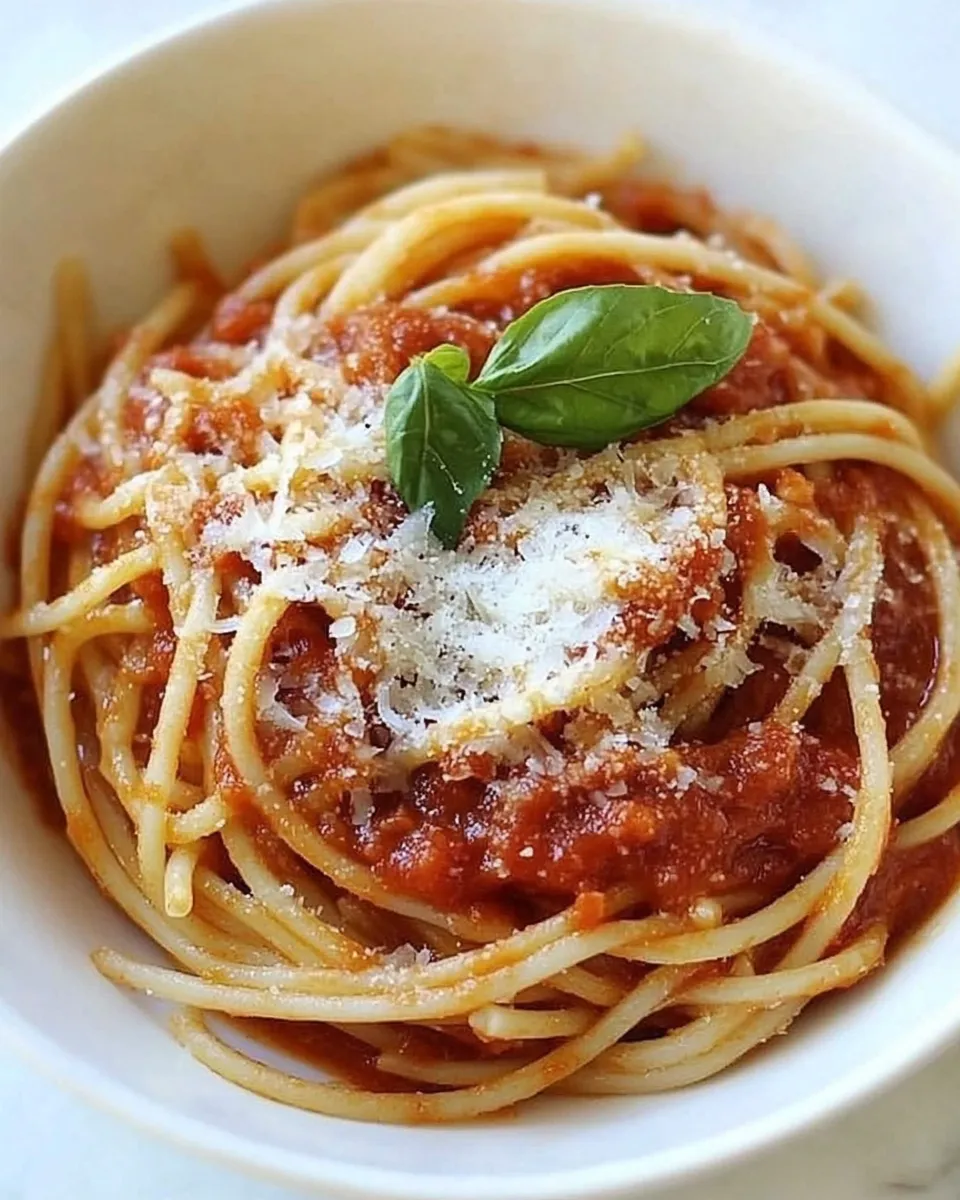
- Traditional: Toss 4 to 6 servings of cooked spaghetti with the hot sauce and serve with grated cheese and fresh basil.
- Vegetable-forward: Spoon the sauce over roasted eggplant or polenta for a hearty vegetarian main.
- Baked dishes: Use as a sauce layer in baked ziti or lasagna.
- Meal prep: Serve over cooked grains like farro or brown rice for quick lunches.
Storing and reheating
Refrigerate: Cool the sauce to room temperature and store in an airtight container for up to 4 days. Reheat gently on the stovetop over low heat, stirring occasionally. Add a splash of V8 or water if the sauce has thickened too much.
Freeze: This sauce freezes well. Divide into portions, label, and freeze for up to 3 months. Thaw overnight in the fridge and reheat on the stove. If frozen in ice cube trays, individual portions can be dropped into soups or sauces while cooking.
Variations
Chunky mushroom variation: Stir in 1 to 2 cups of sliced cremini or button mushrooms with the diced vegetables and sauté until they release their moisture.
Lentil boost (for extra protein and fiber): Add 1 to 1 1/2 cups cooked brown or green lentils during the last 10 minutes of simmering so they warm through and absorb flavor.
Herb-forward: Fold in 1/2 cup chopped fresh parsley or basil just before serving for a garden-fresh lift.
Notes on ingredients
Olive oil: Use a good-quality extra virgin or regular olive oil for the initial sauté. It provides flavor and mouthfeel.
Vegetables: The carrot, zucchini, and green pepper add both nutrition and texture; grate and dice as listed to keep the same balance between silkiness and bite.
Canned products: The 14.5 oz. diced tomatoes and the can of tomato paste are essential for the tomato backbone. The V8 juice helps round the sauce without watering it down; low-sodium is a smart choice so you can control the salt level.
Herbs and bay leaf: Dried basil and oregano give an Italian aroma while the bay leaf provides subtle background complexity. Remove the bay leaf before serving.
Why I love making this sauce
This Vegetarian Spaghetti Sauce hits a sweet spot: it’s easy but layered, vegetable-forward without being fussy, and adaptable to what’s in your fridge. It doesn’t require long prep, and it rewards a short simmer with a rich, layered flavor. Whether you’re making a simple weeknight pasta or building a lasagna, this sauce is a reliable foundation that tastes like care and time without demanding either in large amounts.
Final thoughts
Simple food done well is one of life’s true pleasures. This Vegetarian Spaghetti Sauce is practical, satisfying, and approachable. It’s built out of common pantry items and little fresh produce, and it scales beautifully if you need more. Try making a double batch and freezing half for a future evening when you want a homemade dinner without the effort. Enjoy its warmth and texture spooned over pasta, tucked into layered bakes, or ladled onto bowls of grain and greens.
Vegetarian Spaghetti Sauce
Ingredients
- 2 tablespoons olive oil
- 1 small onion diced
- 2 cloves garlic minced
- 1/2 cup carrot grated
- 1 small zucchini diced
- 1/4 green pepper (bell pepper) diced
- 14.5 oz diced tomatoes 1 can
- 1 can tomato paste
- 2 cups V8 juice low sodium if desired
- 1 tablespoon dried basil
- 1 teaspoon dried oregano
- 1 bay leaf large
- 1 1/2 tablespoons sugar
- salt to taste
- black pepper to taste
Instructions
- Heat 2 tablespoons olive oil in a large nonstick skillet over medium heat.
- Sauté the diced onion for about 2 minutes, until slightly softened.
- Add the diced zucchini, grated carrot, and diced green pepper; sauté another 5–7 minutes until vegetables are tender.
- Stir in the minced garlic and cook about 1 minute until fragrant.
- Mix the tomato paste into the sautéed vegetables until well combined.
- Add the diced tomatoes (14.5 oz can), 1 can tomato paste (if separate), 2 cups V8 juice, dried basil, dried oregano, bay leaf, and 1 1/2 tablespoons sugar; stir to combine.
- Bring the sauce to a boil, then reduce heat to a simmer.
- Cover and simmer for about 30 minutes, stirring occasionally; add a little water if you prefer a thinner sauce.
- Season with salt and pepper to taste, remove and discard the bay leaf, and serve over hot spaghetti with parmesan if desired.
Equipment
- large nonstick skillet
- Spoon or Spatula
- Can opener
- Grater
- Knife
- Cutting Board
Notes
- Use low-sodium V8 to reduce sodium.
- Simmer longer for a thicker, more developed flavor.
- Adjust sugar to balance acidity if desired.