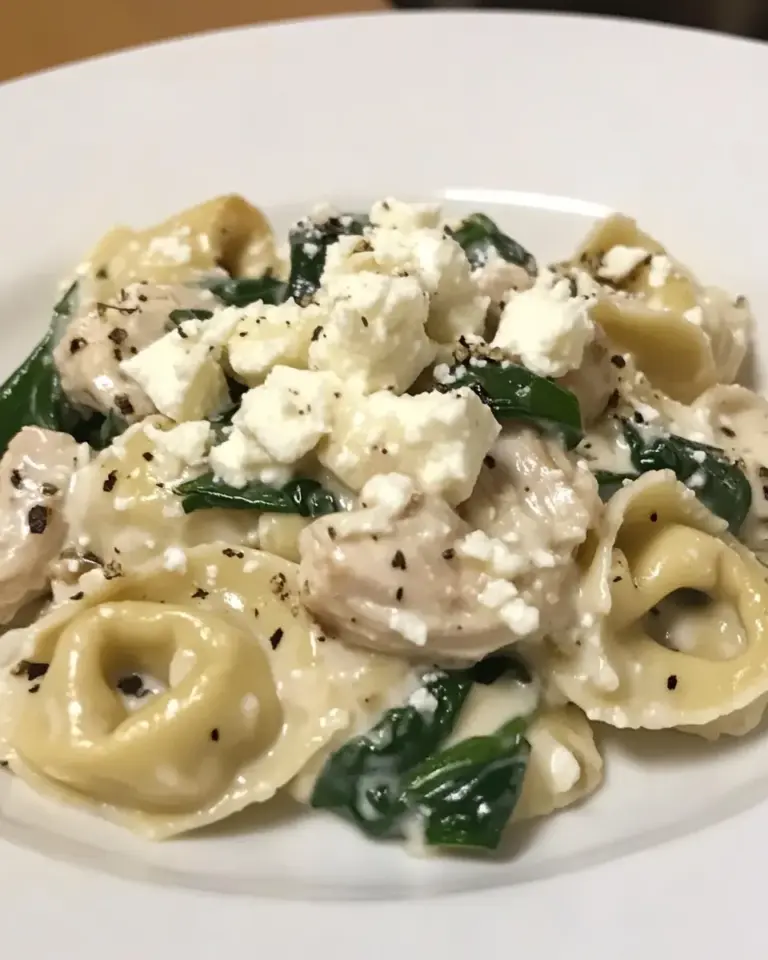
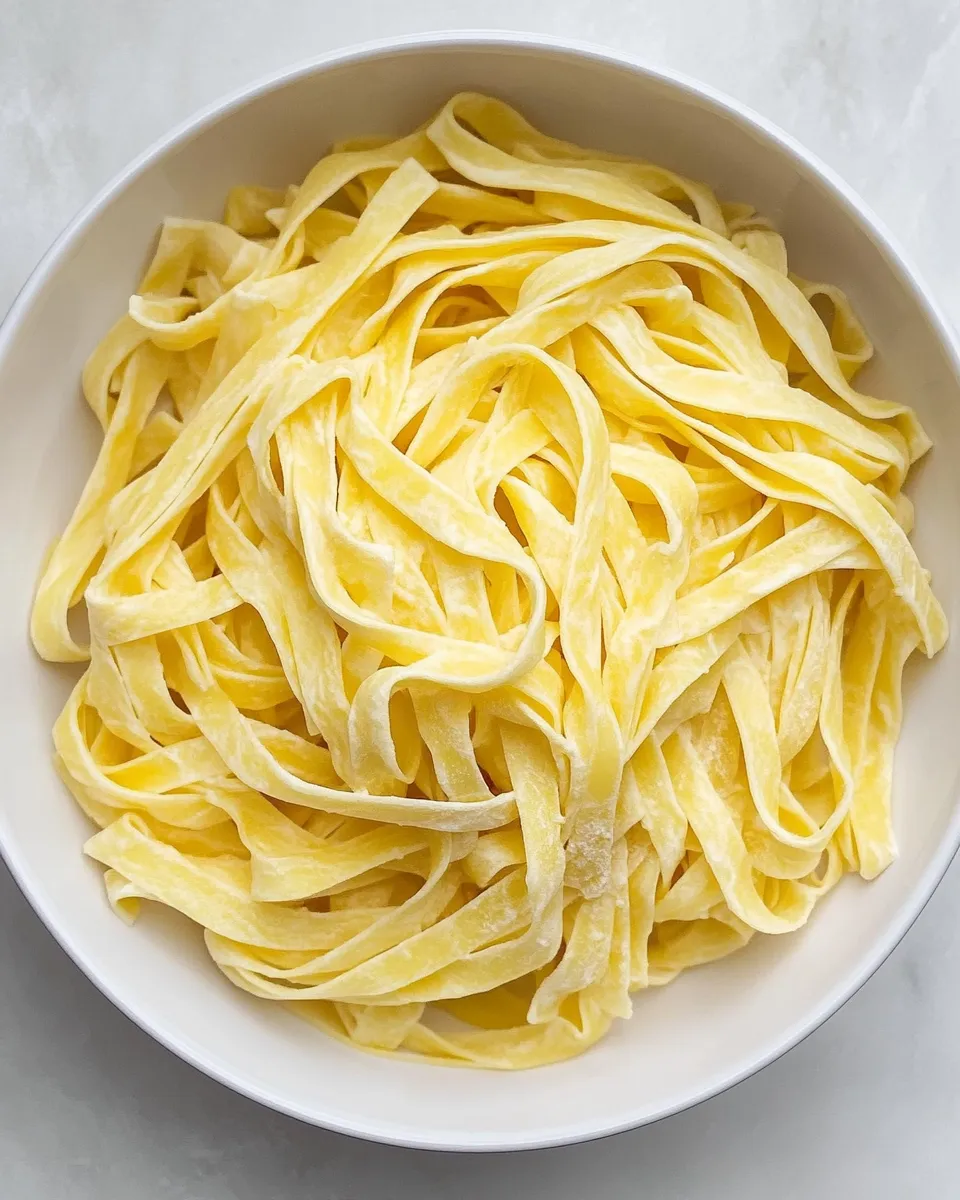
Tagliatelle Pasta
Comfort on a fork, plain and simple — that’s the promise of a great plate of Tagliatelle Pasta. Thin ribbons of egg-free, long-cooked pasta tossed in a simple sauce or finished with a few bright ingredients have the power to feel both luxurious and utterly homey. In this article, I’ll walk you through a straightforward, pantry-friendly approach that yields perfectly cooked noodles every time using only the ingredients listed: ▢6cupswater and ▢10ouncestagliatelle pasta. The aim is to keep things approachable, reliable, and tasty, with tips and observations to make your next bowl sing.
Before we dive into the cooking, let’s set expectations: this is about technique and timing. When you can confidently cook pasta, you can riff on sauces, mix-ins, and finishes. The recipe below keeps the ingredient list intentionally short, which is perfect for busy weeknights or when you want to highlight the texture and flavor of the pasta itself. Read on for the step-by-step method, troubleshooting tips, serving ideas, and storage notes.
Why this method works

Boiling pasta in a large volume of water keeps the temperature from dropping too far when the noodles go in, which prevents sticking and encourages an even al dente texture. Salting the water seasons the noodles from the inside out. Using the right timing—and tasting along the way—lets you decide exactly how firm or tender you prefer your Tagliatelle Pasta.
Ingredients
- ▢6cupswater
- ▢10ouncestagliatelle pasta
Equipment
- Large pot (big enough to hold at least 6 cups of water comfortably)
- Colander or strainer
- Wooden spoon or tongs
- Timer
- Serving bowls or plates
Prep tips before you start
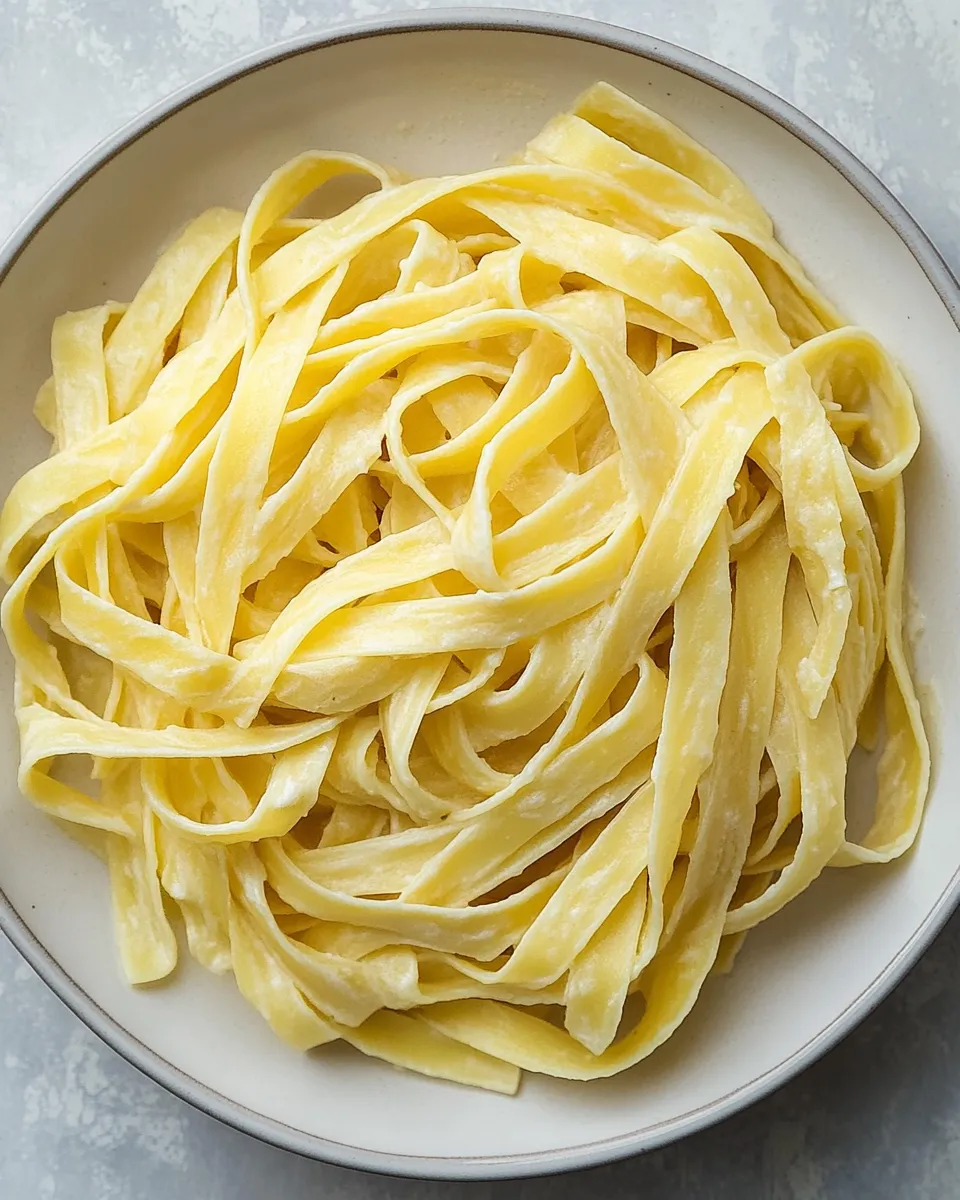
Have everything ready: a lid for the pot, a bowl for draining, and a splatter mat for a hot stove. Although the ingredient list is small, timing is everything. Start heating your water well before you want to eat so that everything moves quickly once the pasta goes in.
Step-by-step instructions
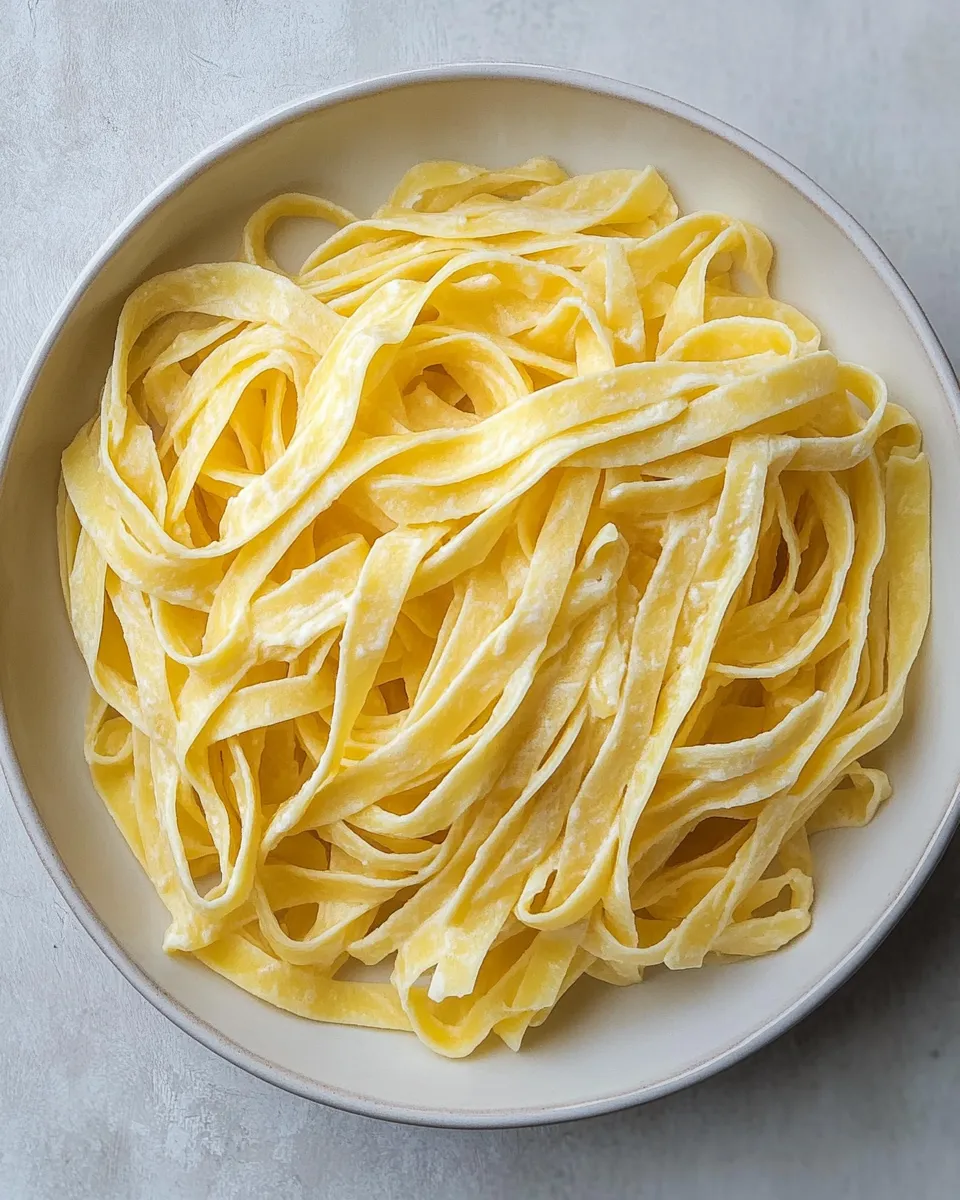
Below is a rewritten, step-by-step version of the cooking directions that follows the original ingredient list exactly. The order matches the natural flow of the recipe, and each step is clear and actionable so you can cook with confidence.
- Place a large pot on the stove and pour in ▢6cupswater. Set the pot over high heat and bring the water to a rolling boil. Using plenty of water helps the Tagliatelle Pasta cook evenly and prevents the strands from clumping together.
- Once the water reaches a full boil, add the ▢10ouncestagliatelle pasta to the pot. Gently stir the pasta immediately with a wooden spoon or tongs to separate the ribbons and prevent sticking.
- Allow the water to return to a boil, then reduce the heat slightly if the pot is at risk of boiling over. Keep the water at a steady, vigorous simmer so the pasta moves freely and cooks evenly. Set a timer according to the package timing for al dente, then subtract one minute to begin tasting early; cooking times can vary depending on the exact pasta thickness and brand.
- During the last minute of cooking, test a strand of the Tagliatelle Pasta for doneness. It should be tender with a slight bite in the center (al dente). If you prefer a softer texture, cook an additional 30–60 seconds, checking frequently.
- When the pasta reaches your preferred texture, immediately remove the pot from the heat. Pour the contents into a colander to drain, giving the pot a quick shake to remove excess water. Avoid rinsing the pasta unless a recipe explicitly calls for it; rinsing washes away surface starches that help sauces adhere.
- Return the drained pasta to the pot or transfer it to a warm serving bowl. Toss gently to separate any strands that may have stuck together as the pasta cooled. Serve immediately while hot to enjoy the best texture.
Serving ideas
This simple preparation showcases the noodle itself, so the finishing is up to you. Although the ingredient list here is minimal, think of the cooked Tagliatelle Pasta as a blank canvas. Here are a few quick serving ideas to inspire you:
- Butter and pepper: Toss hot pasta with a generous knob of butter and freshly cracked black pepper. Finish with a sprinkle of grated hard cheese if you like.
- Olive oil and herbs: Drizzle good-quality olive oil over the drained pasta and fold in chopped fresh herbs like parsley or basil for brightness.
- Garlic and chili: Sauté thinly sliced garlic and red chili flakes in oil, then toss with the cooked noodles for a simple aglio e olio-style finish.
- Light tomato: Stir in a simple tomato sauce or diced tomatoes warmed with garlic and olive oil for a bright, acidic counterpoint to the pasta.
Troubleshooting and tips
- If the noodles stick together, it usually means the water was not boiling vigorously enough when the pasta was added or you did not stir early on. When in doubt, stir gently right after adding the pasta and again a minute or two into cooking.
- Undercooked center? Simmer for another 30–60 seconds and taste again. Because the recipe uses only water and pasta, small adjustments in time are the easiest control you have.
- If the pasta is too soft, aim for a shorter cooking time next time and check earlier. Different brands and thicknesses of Tagliatelle Pasta vary in cooking time.
- Reserve a small cup of the starchy cooking water before draining if you plan to add a sauce. That water helps loosen and marry sauces to the noodles without diluting flavor.
Make ahead and storage
Cooked pasta is best eaten right away, but you can refrigerate leftovers for later. Place cooled, drained pasta in an airtight container with a light drizzle of oil to prevent sticking. Use within 2–3 days. To reheat, warm in a skillet with a splash of water or oil and toss until heated through; this restores some of the original texture better than microwaving alone.
Variations and creative swaps
Because this recipe includes only water and pasta, variations revolve around how you finish and season the cooked noodles. Try folding in roasted vegetables, pan-seared proteins, or a simple lemon and herb vinaigrette. If you prefer a heartier dish, a light cream or tomato-based sauce pairs beautifully with wide tagliatelle ribbons.
Flavor pairings
Tagliatelle likes sauces that coat its broad surface: classic ragù, rich cream sauces with mushrooms, or a light garlic-olive oil dressing. Fresh herbs, toasted nuts, bright citrus, and grated hard cheeses all add complementary textures and flavors. Adjust the final seasoning to taste before serving.
How to tell when it’s done
Taste is the ultimate test. Al dente means you should feel a gentle resistance in the center of the strand without a hard, chalky core. Start tasting about one minute before the shortest time listed on the pasta packaging and then every 30 seconds until it reaches your desired tenderness.
Why keep it simple?
Simplicity highlights quality. With just water and Tagliatelle Pasta, you can practice technique and truly appreciate the pasta’s texture. This bare-bones approach also makes it easier to build a meal from whatever you have in the fridge or pantry without stressing about complex instructions.
Common mistakes to avoid
- Using too little water—crowded water cools down and makes pasta gummy.
- Not stirring at the beginning—this encourages strands to stick into clumps.
- Rinsing the pasta after draining unless required by the recipe—this removes starch that helps sauces cling.
- Leaving cooked pasta to sit in the colander—serve immediately or toss with a little oil and transfer to a bowl so it doesn’t clump as it cools.
Final thoughts
There’s something deeply satisfying about mastering the basics. With just ▢6cupswater and ▢10ouncestagliatelle pasta, you can create a deceptively simple meal that serves as a foundation for countless weeknight dinners or elevated weekend feasts. Focus on boiling water, timely stirring, and tasting toward the end of the cook time. From there, the world of sauces and add-ins is yours to explore.
Cook it confidently, dress it simply, and enjoy every forkful of that tender, ribboned comfort. Whether you plate it with a light drizzle of oil and herbs or pair it with an elaborate sauce, these fundamental steps ensure your Tagliatelle Pasta will come out perfectly every time.
Quick checklist
- Bring ▢6cupswater to a rolling boil.
- Add ▢10ouncestagliatelle pasta and stir immediately.
- Maintain a steady boil; set timer based on package timing and begin tasting one minute early.
- Drain when al dente, do not rinse, and serve immediately or toss with a little oil for storage.
Happy cooking — may your next bowl be exactly how you like it: perfectly tender, simple, and utterly satisfying.
Tagliatelle Pasta
Ingredients
- 6 cups water
- 10 ounces tagliatelle pasta (dry)
Instructions
- Fill a large pot with 6 cups water and bring to a rolling boil over medium-high heat.
- Add 10 ounces dry tagliatelle to the boiling water and stir to separate the strands.
- Cook the pasta according to the package instructions and test for doneness; the example took about 5–6 minutes—do not overcook.
- Drain the pasta in a colander and return to the pot or plate to serve with your preferred sauce.
Equipment
- Large Pot
- Colander
- stove
Notes
- Timing may vary by brand; check package instructions.
- Reserve some pasta water if you plan to finish the sauce with it.