Buttermilk Roast Chicken
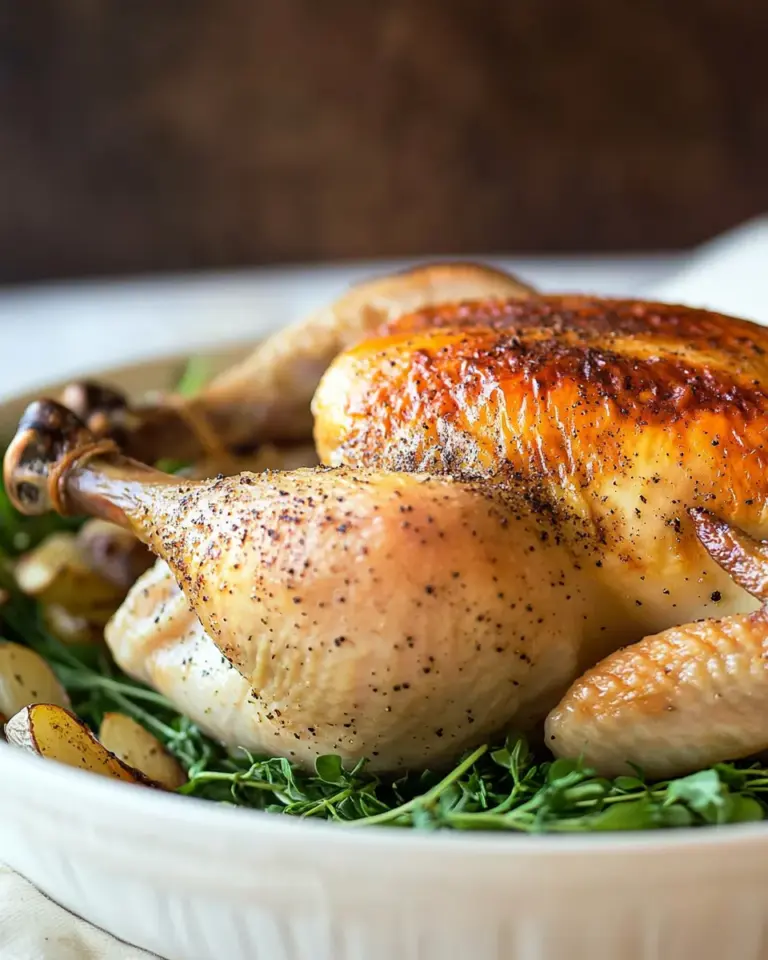
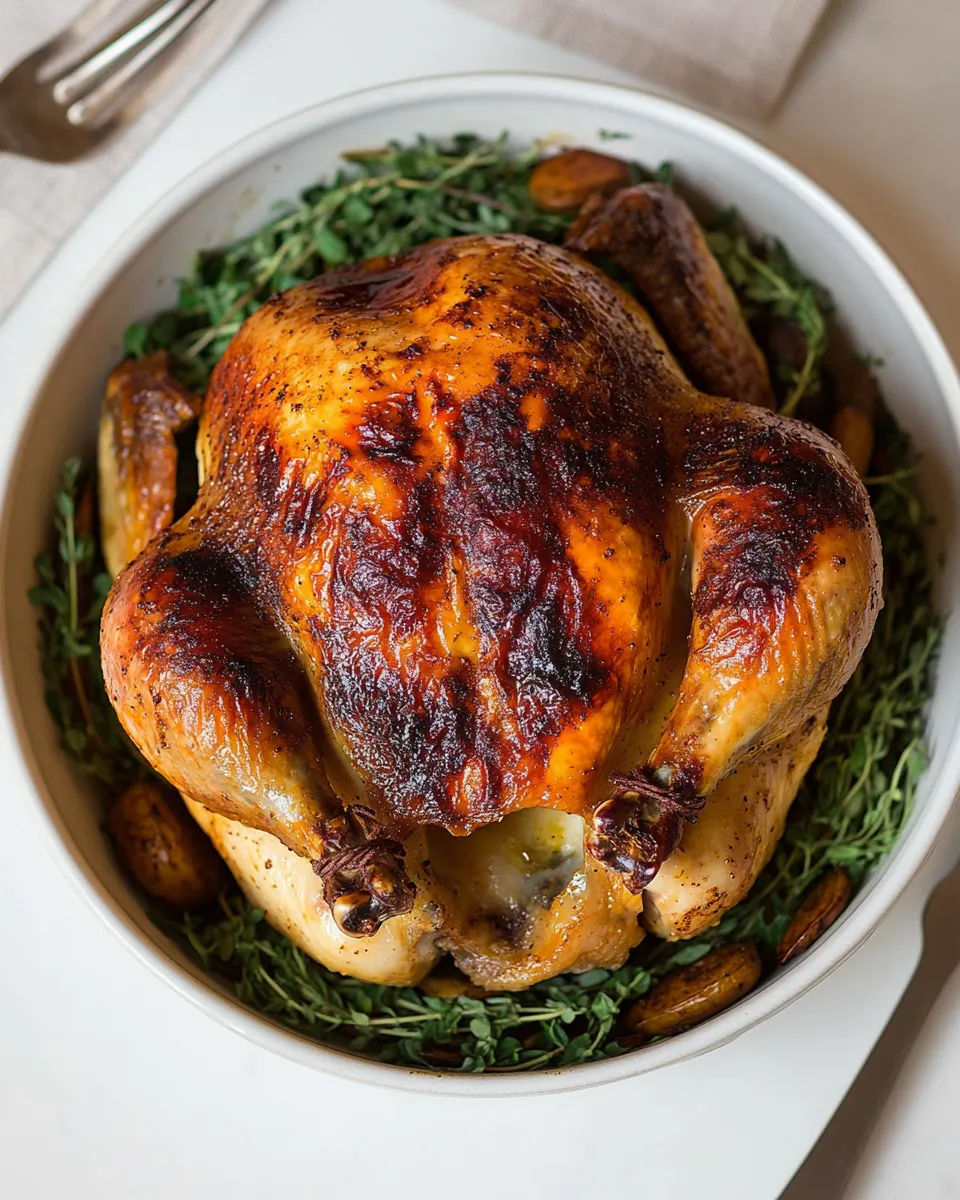
This Buttermilk Roast Chicken is a simple, flavor-forward weekday centerpiece that feels indulgent without a fuss. A 4 to 4.5 pound whole chicken soaks in tangy buttermilk brine, seasoned with cracked black pepper, kosher salt, garlic, rosemary, and thyme. The buttermilk gently tenderizes the meat and gives the skin a beautiful, caramelized finish during roasting. The method is forgiving, the ingredient list is short, and the results are a golden, juicy bird with fragrant herb notes—perfect for a rustic Sunday dinner or a special weeknight meal.
Why this method works

The acid in the buttermilk slightly breaks down muscle fibers, which helps produce a more tender bite and ensures the meat stays moist. Kosher salt and fresh cracked black pepper provide core seasoning, while minced garlic and fresh rosemary and thyme add bright aromatics that roast into the skin and cavity. Leaving the whole bird intact keeps cooking straightforward and reduces the need for hands-on attention—just chill, roast, and rest.
Ingredients
- 1 whole chicken, 4 to 4.5 lb (preferably organic or free range)
- 2 cups buttermilk
- 2 Tbsp kosher salt
- 2 tsp fresh cracked black pepper
- 2 Tbsp minced garlic
- 1 Tbsp minced fresh rosemary leaves
- 1 Tbsp minced fresh thyme leaves
Prep and equipment
Plan ahead: the chicken benefits from at least 4 to 8 hours of buttermilk contact, and overnight is even better. You’ll need a bowl or resealable bag large enough to hold the chicken and marinade, a roasting pan or rimmed baking sheet with a rack, kitchen twine (optional), a meat thermometer, and foil for resting. Have your herbs minced and garlic ready before combining with the buttermilk so the marinade is quick to assemble.
Step-by-step instructions
- Trim and pat dry: Remove the chicken from its packaging. Check the cavity for any gizzards or neck pieces and remove them. If present, set them aside for another use or discard. Trim any excess skin or fat around the cavity opening. Using paper towels, gently pat the exterior and cavity of the chicken dry. Drying the chicken first helps the buttermilk adhere and promotes even seasoning.
- Mix the buttermilk marinade: In a medium bowl, whisk together 2 cups buttermilk, 2 Tbsp minced garlic, 1 Tbsp minced fresh rosemary leaves, and 1 Tbsp minced fresh thyme leaves. Add 2 Tbsp kosher salt and 2 tsp fresh cracked black pepper. Stir until the salt is mostly dissolved and the aromatics are evenly distributed. Taste a small amount of the marinade (spoon only) to confirm seasoning—remember the chicken will absorb the flavors.
- Submerge the chicken: Place the whole chicken into a large resealable bag or a shallow bowl. Pour the buttermilk mixture over the chicken, making sure the marinade surrounds the bird and reaches into the cavity. If using a bag, press out excess air and seal. If using a bowl, cover tightly with plastic wrap. Tilt and turn the container so the marinade coats as much surface area as possible.
- Chill to marinate: Refrigerate the chicken for a minimum of 4 hours and up to 24 hours. For best texture and flavor penetration, marinate overnight. During marination, turn the bag or rotate the bird once or twice so the buttermilk distributes evenly over the skin and into the cavity.
- Preheat the oven: Remove the chicken from the refrigerator about 30 minutes before roasting so it can come closer to room temperature; this promotes more even cooking. Preheat your oven to 425°F (220°C). Position a rack in the center of the oven. Line a rimmed baking sheet with foil and set a roasting rack on top; the rack elevates the chicken so air circulates and the skin crisps.
- Prepare the bird for roasting: Take the chicken out of the marinade. Let excess buttermilk drip back into the bowl or bag—do not rinse the chicken. Transfer the chicken to the roasting rack, breast-side up. Tuck the wing tips under the body to prevent burning. Optionally, tie the legs together with kitchen twine to create a compact shape for even cooking.
- Season the exterior: Lightly brush any remaining buttermilk bits onto the skin and sprinkle a scant pinch of kosher salt and cracked black pepper over the surface if you prefer slightly more seasoning on the skin. The internal marinade has already seasoned the bird well, so this is optional and should be modest.
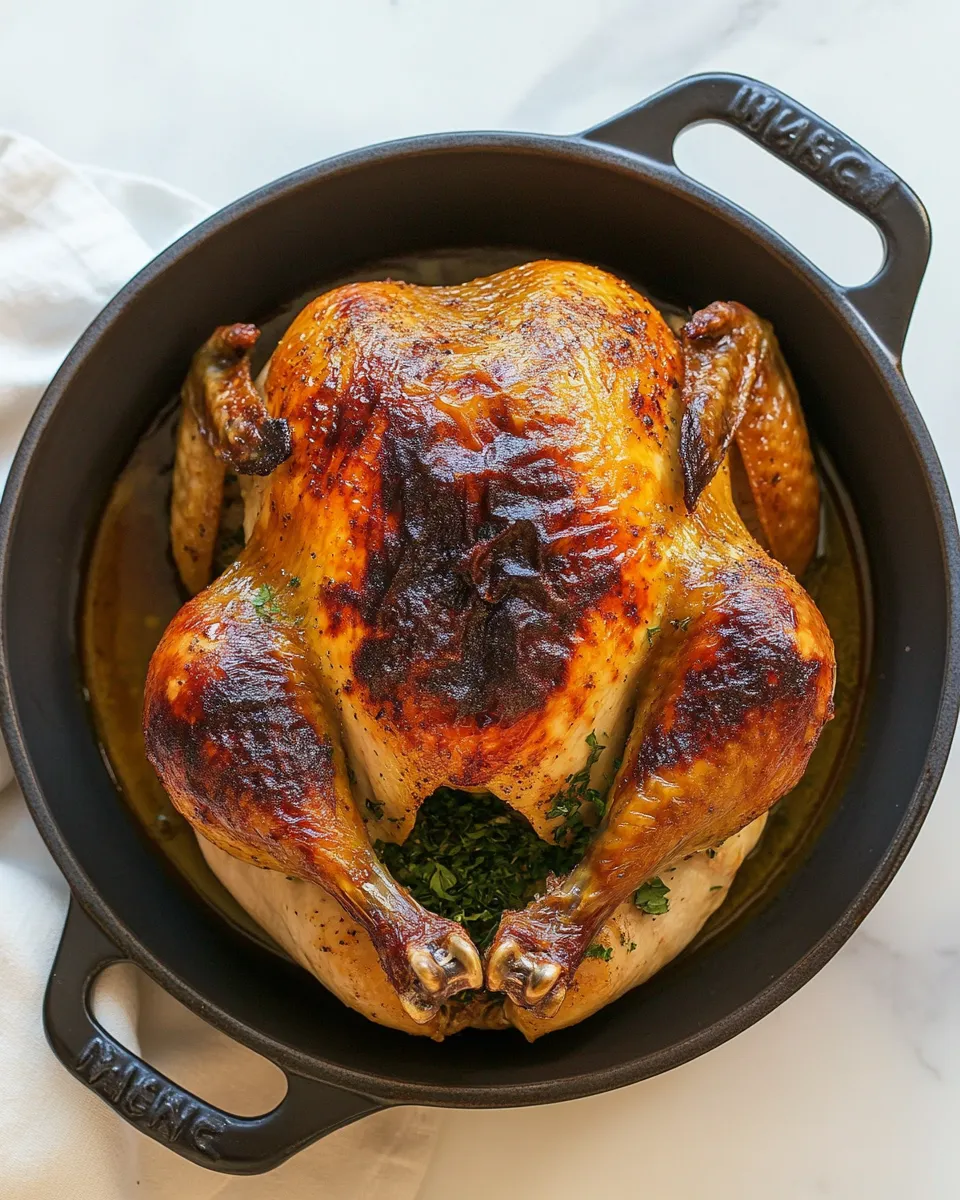
- Roast until golden: Place the chicken on the center rack and roast at 425°F (220°C). Roast approximately 1 hour to 1 hour and 15 minutes for a 4 to 4.5 lb chicken, but start checking earlier to avoid overcooking. The best indicator of doneness is an instant-read thermometer: insert it into the thickest part of the thigh without touching bone. The chicken is done at 165°F (74°C). The skin should be deep golden brown and the juices should run clear from the thigh when pierced.
- Rest the chicken: Remove the chicken from the oven and transfer it to a cutting board. Tent loosely with aluminum foil and let it rest for 15 to 20 minutes. Resting allows the juices to redistribute, making the meat juicier when you carve.
- Carve and serve: After resting, remove any kitchen twine. Start by cutting through the skin between the leg and the body and remove the legs and thighs using a sharp knife. Separate the drumsticks from the thighs at the joint. Slice the breasts crosswise or lengthwise, depending on your preference. Arrange on a platter and spoon any pan juices over the meat. Serve with roasted vegetables, a crisp salad, or mashed potatoes for a complete meal.
Timing and temperature tips
- Marinate at least 4 hours; overnight yields the most tender results.
- Bring the chicken closer to room temperature before roasting—about 20–30 minutes—to promote even cooking.
- High initial heat at 425°F helps crisp the skin while keeping the meat juicy. If the skin is browning too quickly, tent loosely with foil during the last 10–15 minutes.
- Use an instant-read thermometer inserted into the thickest part of the thigh; 165°F indicates safe doneness.
Serving ideas
This Buttermilk Roast Chicken pairs beautifully with simple sides that soak up the savory juices. Try roasted carrots and parsnips tossed with olive oil and thyme; buttery mashed potatoes with a splash of warm milk; a bright chopped salad with lemon vinaigrette; or a tray of oven-roasted potatoes and Brussels sprouts. For something cozy, spoon the pan juices over mashed potatoes and serve the chicken on top. Leftovers make excellent sandwiches with a smear of mustard and crisp lettuce.
Make-ahead and storage
Make the marinade and refrigerate the chicken overnight for convenience; then roast the next day. Cooked chicken can be stored in an airtight container in the refrigerator for up to 4 days. Reheat gently in a 350°F oven, covered with foil, until warmed through to avoid drying. Shred leftover meat for salads, tacos, or quick pasta dishes.
Flavor variations
If you want to tweak the herb profile, swap rosemary or thyme with equal amounts of minced oregano, sage, or tarragon for a different aromatic character. A teaspoon of smoked paprika mixed into the buttermilk gives a subtle smokiness and deeper color. For a citrus note, add 1 tablespoon of lemon zest to the marinade—add it right before roasting rather than during long marination to preserve brightness.
Common mistakes to avoid
- Do not rinse the chicken after marinating; rinsing washes away seasoning and can spread bacteria in the kitchen. Let excess marinade drip off instead.
- Avoid under-seasoning: the buttermilk carries salt into the meat, so measure carefully. Conversely, avoid over-salting the skin during the final toss; a light sprinkle is enough.
- Resist cutting into the bird immediately after roasting. Resting is essential for juicy meat.
- Don’t rely solely on time—use a thermometer to confirm doneness for accuracy.
Why fresh herbs matter
Minced fresh rosemary and thyme release essential oils during marination and roasting that canned or dried herbs can’t replicate. Fresh herbs provide a bright, immediate herbal note that complements the tang of buttermilk without overpowering the chicken’s natural flavor. If using dried herbs as a last resort, reduce the amount by about one-third since dried herbs are more concentrated, but fresh will always yield the best result in this preparation.
Final notes
This Buttermilk Roast Chicken recipe is uncomplicated, reliably delicious, and built around a simple marinade that transforms a whole bird into a tender, flavorful centerpiece. Follow the clarified, step-by-step directions and allow the chicken time to rest and you’ll be rewarded with golden skin and moist, aromatic meat. Whether you serve it for family dinner or a small gathering, it’s one of those recipes that looks special but is truly easy to execute.
Buttermilk Roast Chicken
Ingredients
- 4 to 4.5 lb whole chicken (preferably organic or free-range)
- 2 cups buttermilk
- 2 Tbsp kosher salt
- 2 tsp freshly cracked black pepper
- 2 Tbsp minced garlic
- 1 Tbsp minced fresh rosemary leaves
- 1 Tbsp minced fresh thyme leaves
Instructions
- Remove the neck and any giblets from the chicken cavity; reserve or discard them.
- Place a gallon resealable bag in a large bowl and set the chicken into the bag breast toward the bottom and legs toward the opening.
- In a mixing bowl whisk together the buttermilk, kosher salt, cracked black pepper, minced garlic, minced rosemary, and minced thyme until combined, about 30 seconds.
- Pour the buttermilk mixture over the chicken, pouring some into the cavity as well, then seal the bag after pressing out excess air and rub the marinade over the chicken.
- Refrigerate and marinate at least 12 hours and up to 24 hours, turning the chicken once halfway through if possible (otherwise marinate breast side down).
- When ready to roast, preheat the oven to 400°F (200°C). Remove the chicken from the marinade, pour out and discard marinade from the cavity, and scrape off excess buttermilk mixture.
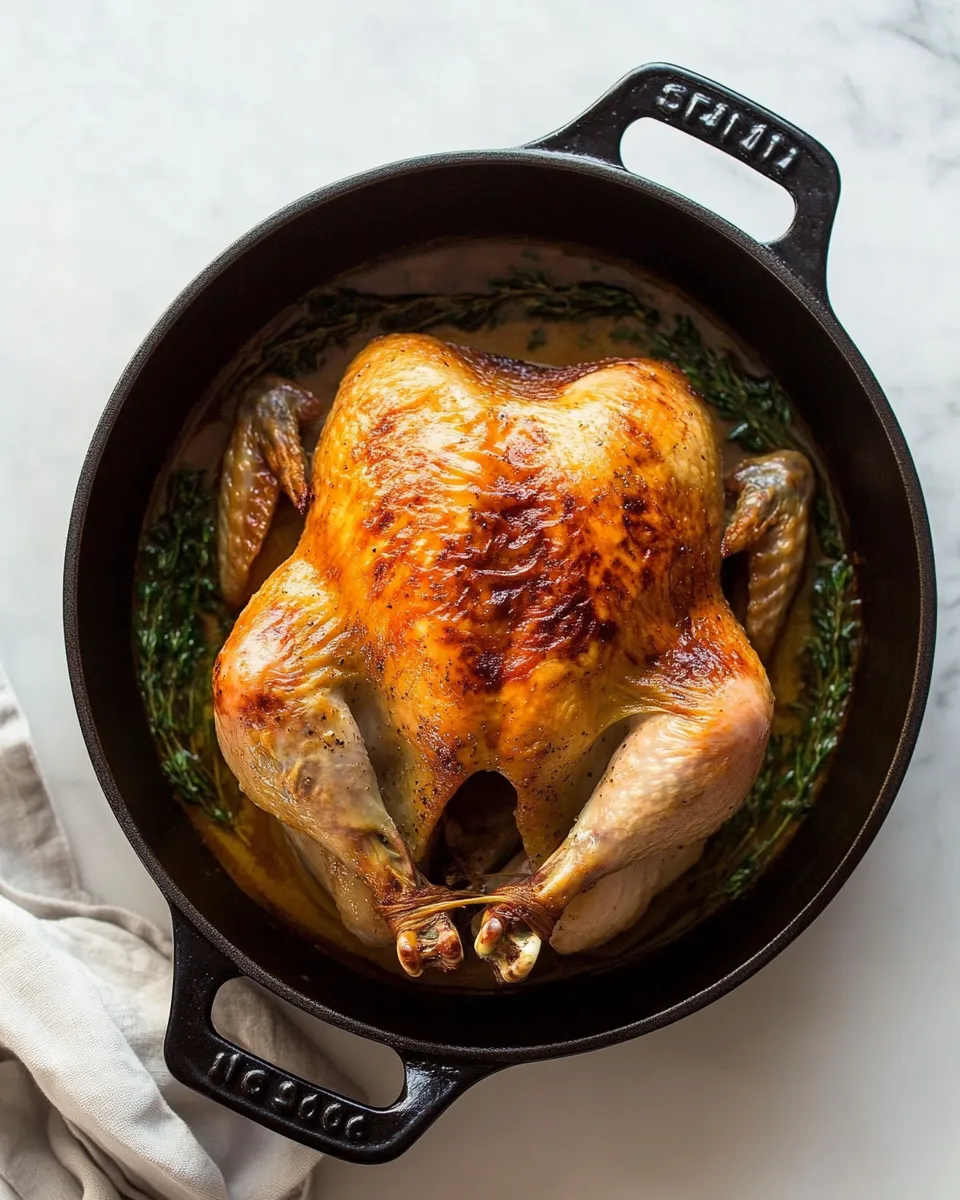
- Transfer the chicken to a 12-inch cast iron skillet or small roasting pan. Tuck the wings underneath and optionally truss the legs with kitchen twine for presentation.
- Place the pan in the center of the oven and roast for 40 minutes, then rotate the pan to the opposite side for even browning.
- Continue roasting until the thigh reaches 175°F and the breast 160°F in their thickest parts, about 30 to 45 minutes more; tent with foil if the skin is browning too quickly.
- Transfer the chicken to a cutting board and let rest 15 minutes, then carve and sprinkle slices with a little salt if desired.
Equipment
- gallon resealable bag
- Large Bowl
- Mixing Bowl
- Whisk
- 12-inch cast iron skillet or small roasting pan
- kitchen twine (optional)
- Meat Thermometer
- Cutting Board
Notes
- Marinate at least 12 hours for best flavor and tenderness.
- Turn the chicken once during marinating for more even flavor.
- Use a meat thermometer to ensure correct doneness.
- Tent with foil to prevent over-browning if needed.