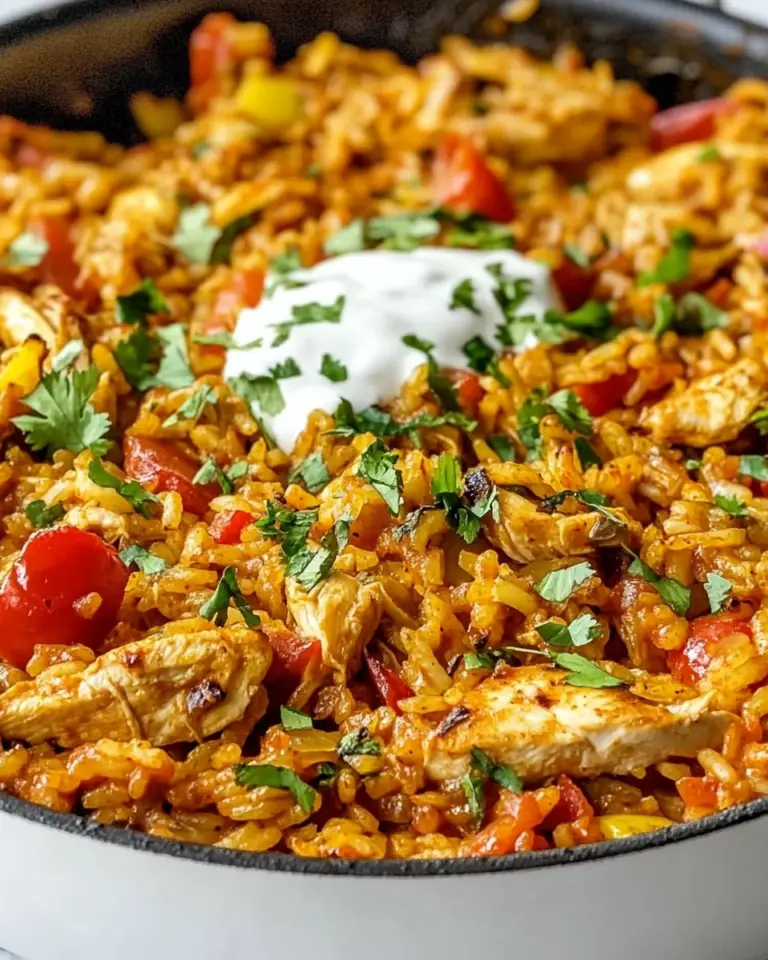
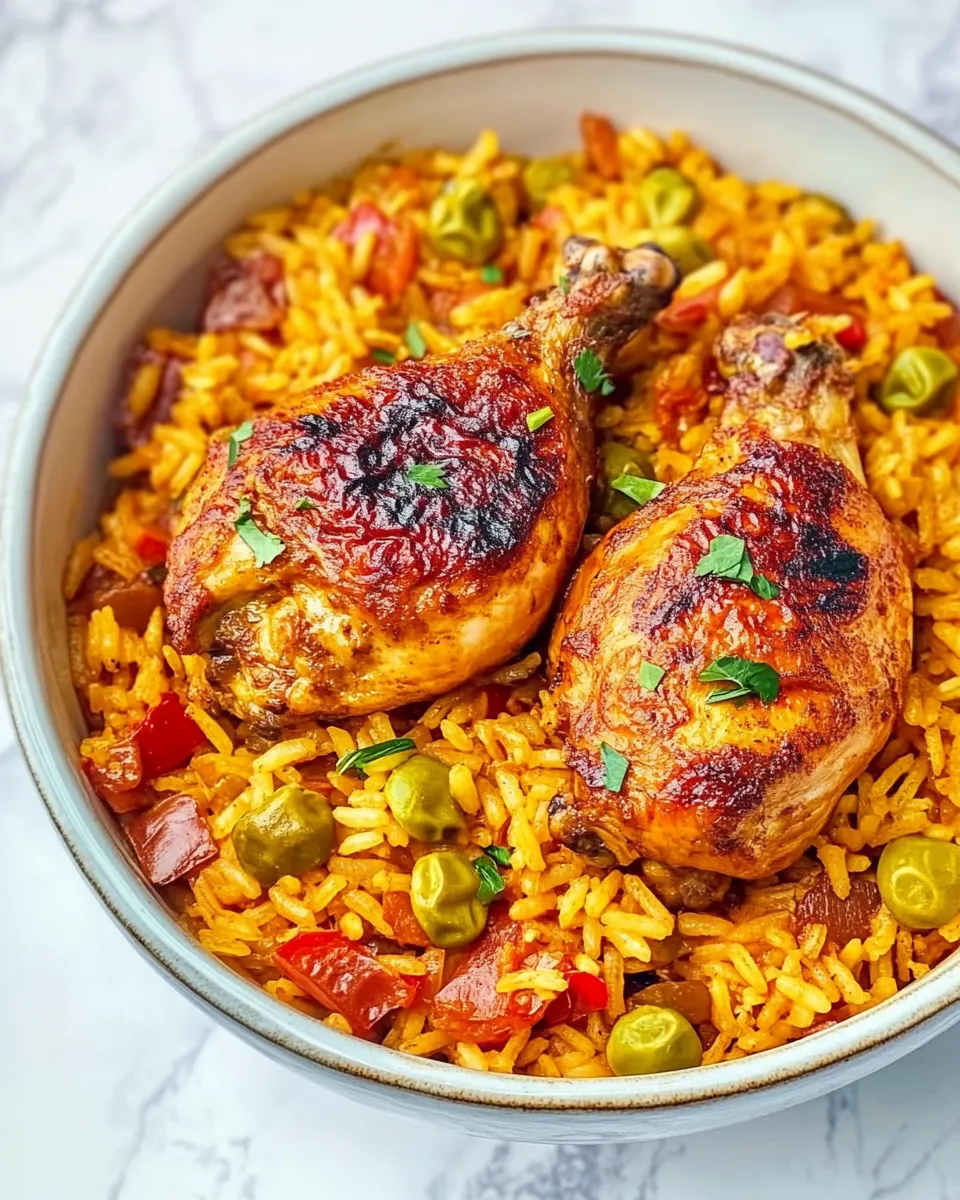
Locrio de Pollo (Dominican Chicken and Rice)
There is something deeply comforting about a one-pot meal that carries a country’s flavors in every forkful. Locrio de Pollo (Dominican Chicken and Rice) is exactly that: aromatic, colorful, and utterly satisfying. Bright notes of lime and olives meet warm, earthy rice and tender, well-seasoned chicken. This version keeps the ingredient list straightforward and approachable, and it follows a clear, step-by-step method so you can get reliably delicious results at home.
Why you’ll love this Locrio de Pollo (Dominican Chicken and Rice)
- Everything cooks together in one pot, making cleanup easier and flavor deeper.
- Balanced savory, tangy, and slightly sweet flavors from capers, olives, lime juice, and a touch of brown sugar.
- Flexible: add auyama (kabocha squash) or carrot if you want extra texture and color.
- Kid-friendly and crowd-pleasing—perfect for weeknights or relaxed weekend dinners.
Ingredients
- 3 pound bone-in chicken, [1.8 kg], cut into small pieces
- 1½ teaspoon salt, (or r more, to taste) divided
- 1 teaspoon oregano (dry, ground)
- 1 sprig of fresh coriander
- ¼ teaspoon pepper (freshly-cracked, or ground), or to taste
- 1 bell pepper, (or cubanelle pepper) chopped
- 1 small red onion, minced
- ¼ cup chopped celery
- 1 teaspoon mashed garlic
- ⅛ cup capers
- ⅛ cup pitted green olives, halved
- Juice of 1 lime
- 3 tablespoons vegetable oil
- 1 teaspoon brown sugar
- 1 cup diced auyama (kabocha squash), or carrot (both optional)
- 1 cup tomato sauce
- 2 cups rice
Make-ahead and swaps
If you’re prepping in advance, you can cut the chicken and chop the veg the night before and store them separately in the fridge. If auyama (kabocha) isn’t available, diced carrot is a fine swap that keeps the dish colorful and slightly sweet. If you prefer a little more tang, add another squeeze of lime at the end, but keep the listed lime juice in the cooking process so the rice and chicken absorb that brightness while they cook.
Equipment suggested
- Large heavy-bottomed pot or Dutch oven with a lid
- Wooden spoon or spatula
- Sharp knife and cutting board
- Measuring cups and spoons
Flavor tips
- Sear the chicken well. Those browned bits on the bottom of the pot are flavor gold.
- Taste as you go for salt. The capers and olives bring salt, so split the listed salt amount and adjust near the end.
- Use long-grain white rice for a fluffy finish; rinse it if you prefer a lighter texture.
Step-by-step recipe

Below is a clear, rewritten version of the cooking directions that stays faithful to the ingredient amounts and order while presenting them in precise steps.
- Pat the chicken pieces dry with paper towels. Season them evenly with 1 teaspoon of the salt, the ¼ teaspoon pepper, and the 1 teaspoon oregano. Place the sprig of fresh coriander aside to add later while simmering.
- Heat 3 tablespoons vegetable oil in a large heavy-bottomed pot or Dutch oven over medium-high heat until shimmering. Add the chicken pieces in a single layer, working in batches if necessary so they brown without crowding. Sear the chicken on all sides until golden brown, about 4–5 minutes per side; transfer the browned pieces to a plate and set aside.
- Reduce the heat to medium. In the same pot, add the minced red onion, chopped bell pepper, and ¼ cup chopped celery. Cook, stirring frequently, until the vegetables soften and the onion becomes translucent, about 3–4 minutes. If the pot is dry, add a splash more oil.
- Add 1 teaspoon mashed garlic to the softened vegetables and cook for 30 seconds until fragrant, stirring constantly so the garlic doesn’t burn.
- Stir in the 1 cup tomato sauce, 1 teaspoon brown sugar, the ⅛ cup capers, and the ⅛ cup pitted green olives (halved). Mix well, scraping up any browned bits from the bottom of the pot so their flavor blends into the sauce.
- Add the 1 cup diced auyama (kabocha squash) or carrot now if you’re including it. Return the seared chicken pieces to the pot, nestling them into the sauce and vegetables. Pour in the juice of 1 lime and tuck the reserved sprig of fresh coriander into the mixture to release its aroma while cooking.
- Add the remaining ½ teaspoon salt (or adjust to taste) distributed across the pot, then pour in the 2 cups rice. Stir gently just to submerge the rice and distribute the other ingredients. Taste a small spoonful of the sauce (or a tiny bit of the sauce on a clean spoon) and adjust salt or pepper now if needed; remember that the capers and olives already bring some saltiness.
- Add enough water to the pot to cover the rice and chicken by about ½ inch—this usually means adding approximately 2 to 2½ cups of water depending on your pot and rice type. Increase heat to bring the mixture to a gentle boil. Once boiling, reduce heat to low, cover the pot tightly with a lid, and simmer undisturbed for 18–22 minutes, or until the rice is tender and the chicken is cooked through. If you used auyama (kabocha) or carrot, they should be tender at this point.
- When the rice is done, remove the pot from heat and let it rest, covered, for 5–8 minutes. This resting time lets the steam finish cooking the rice and allows flavors to meld. Remove and discard the coriander sprig.
- Fluff the rice gently with a fork, mixing the chicken and vegetables through so each scoop gets a bit of everything. Taste again and adjust seasoning if needed—add the remaining salt to taste if you’d like more. Serve hot, straight from the pot, with extra lime wedges on the side if you like a brighter finish.
Serving suggestions
Locrio de Pollo (Dominican Chicken and Rice) is a full meal on its own, but it pairs beautifully with a few simple sides:
- Green salad with a tangy vinaigrette to cut the richness
- Fried plantains or tostones for a crunchy-sweet contrast
- Pickled red onions or a simple slaw for brightness
- Hot sauce on the side for anyone who likes some heat
Storage and reheating
Leftovers keep well. Store cooled Locrio de Pollo (Dominican Chicken and Rice) in an airtight container in the refrigerator for up to 3–4 days. Reheat gently in a covered skillet over low heat with a splash of water to loosen the rice, or microwave covered in 30-second bursts until warmed through. If the chicken pieces are large, they’re easiest to reheat after shredding or cutting into smaller portions first.
Notes on protein and ingredient integrity
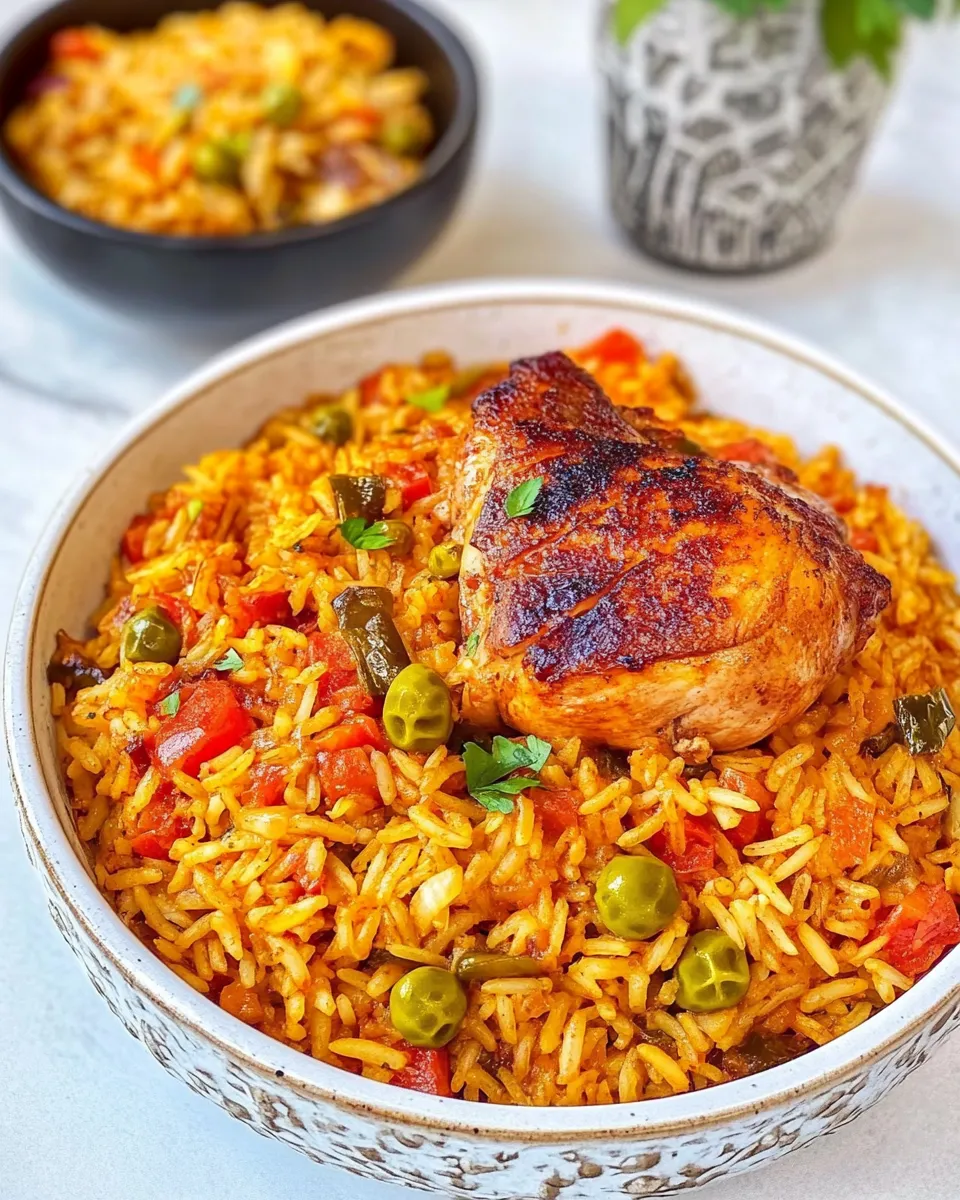
This recipe uses bone-in chicken pieces, which deepen the flavor of the rice as they cook. The capers and olives provide briny complexity, while the tomato sauce and brown sugar add a rounded base note. The amounts listed in the ingredient list are designed to balance the dish—if you prefer a bolder olive or caper presence, add a tablespoon extra of either, but reduce the added salt accordingly.
Frequently asked questions
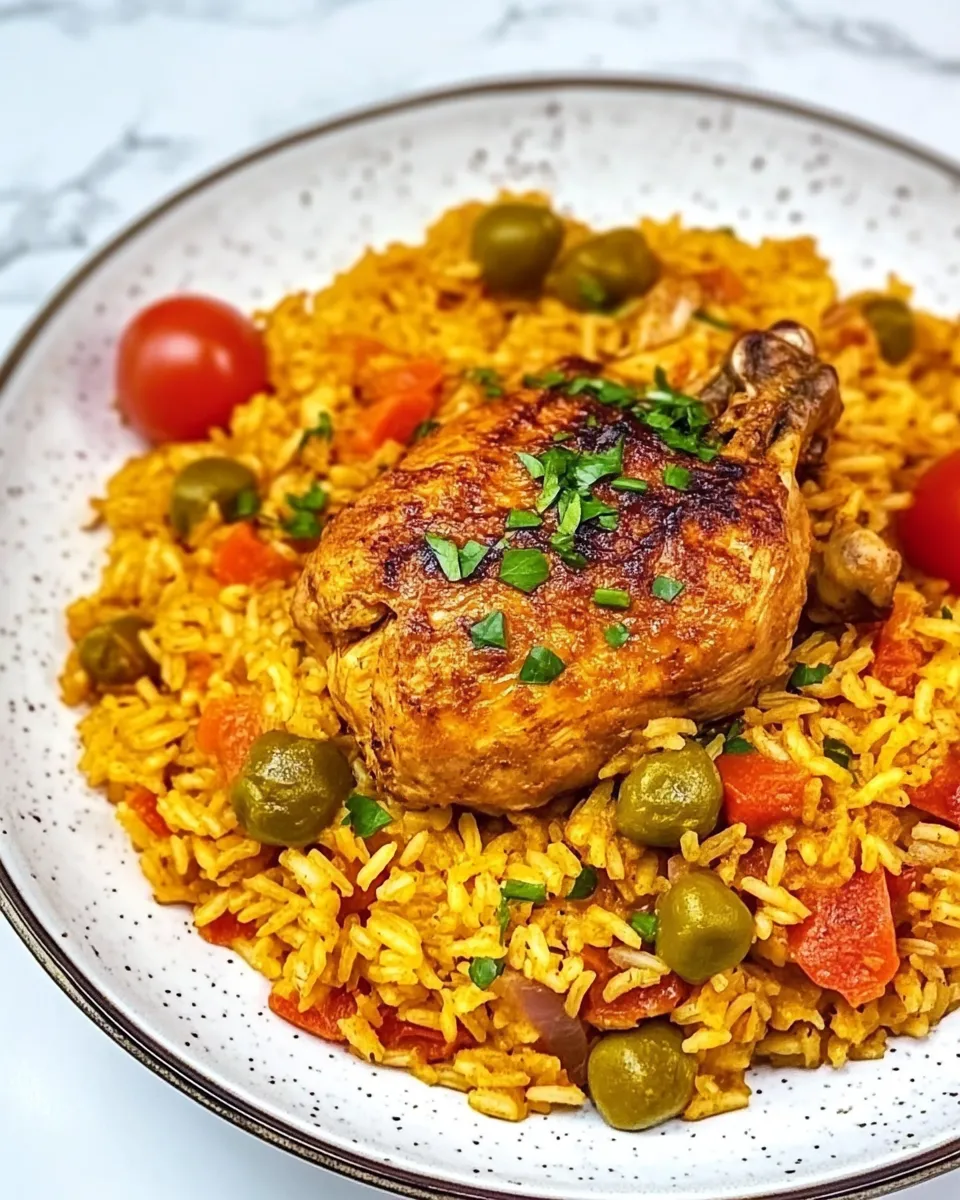
Can I make this with boneless chicken? Yes. If you choose boneless chicken, reduce searing time slightly so it doesn’t overcook, and check doneness earlier while simmering.
Can I use brown rice? You can, but brown rice needs more liquid and a longer cooking time—plan for about 45 minutes of simmering with roughly 2½ times the water. For best results, cook brown rice separately and combine it with the chicken and sauce.
Do I have to use tomato sauce? Tomato sauce adds depth and color. If you prefer a lighter version, substitute with 1 cup of broth plus a tablespoon of tomato paste to maintain the savory backbone without as much tomato prominence.
Final thoughts
Locrio de Pollo (Dominican Chicken and Rice) is the kind of dish that becomes a household favorite for its warmth, simplicity, and the way it gathers people to the table. The method here prioritizes clear steps so home cooks can reproduce those authentic flavors without fuss. Brown the chicken, build a fragrant base, and let the rice finish everything in the same pot—then enjoy the humble magic of a classic Caribbean comfort meal.

Locrio de Pollo (Dominican Chicken and Rice)
Ingredients
- 3 pound bone-in chicken cut into small pieces
- 1½ teaspoons salt divided, or more to taste
- 1 teaspoon dried oregano
- 1 sprig fresh cilantro (coriander)
- 1/4 teaspoon black pepper freshly cracked or ground, or to taste
- 1 bell pepper or cubanelle, chopped
- 1 small red onion minced
- 1/4 cup celery chopped
- 1 teaspoon garlic mashed
- 1/8 cup capers
- 1/8 cup pitted green olives halved
- 1 lime juice of
- 3 tablespoons vegetable oil plus 2 tablespoons reserved
- 1 teaspoon brown sugar
- 1 cup diced auyama (kabocha) or carrot (optional)
- 1 cup tomato sauce
- 2 cups rice
Instructions
- In a large bowl, combine the chicken pieces with 1½ teaspoons salt, oregano, cilantro, black pepper, chopped bell pepper, minced red onion, chopped celery, mashed garlic, capers, halved olives, and the lime juice; mix well and let marinate for 30 minutes.
- Heat a large heavy pot or Dutch oven over medium-high heat and add 3 tablespoons vegetable oil, reserving 2 tablespoons for later.
- Add the brown sugar to the hot oil and cook until the sugar turns dark brown (carefully watch to avoid burning).
- Carefully add the chicken to the pot (reserve the vegetables and herbs from the marinade while adding the chicken), stirring for about 1 minute to sear the pieces and coat with the caramelized sugar.
- Add the reserved vegetables and herbs from the marinade, the diced auyama or carrot (if using), and the tomato sauce; stir to combine.
- Add 2 cups of water, bring to a boil, then taste and adjust salt as needed.
- Stir in the rice and stir frequently at first to prevent sticking. When the water has mostly evaporated, reduce heat to low, cover with a tight-fitting lid, and cook 15 minutes.
- Uncover, gently stir to lift rice from the bottom, then cover and cook an additional 5 minutes. Check for doneness; if still firm, cover and cook another 5 minutes until rice is tender but not mushy.
- Remove from heat and let rest briefly before serving.
Equipment
- large heavy pot or Dutch oven with tight-fitting lid
- Mixing Bowl
- Measuring Cups and Spoons
- Wooden spoon or spatula
- Knife and cutting board
Notes
- The darker you let the sugar caramelize, the darker the chicken will become.
- Adjust salt after adding the water to taste.
- Reserve a little oil before searing to control browning.