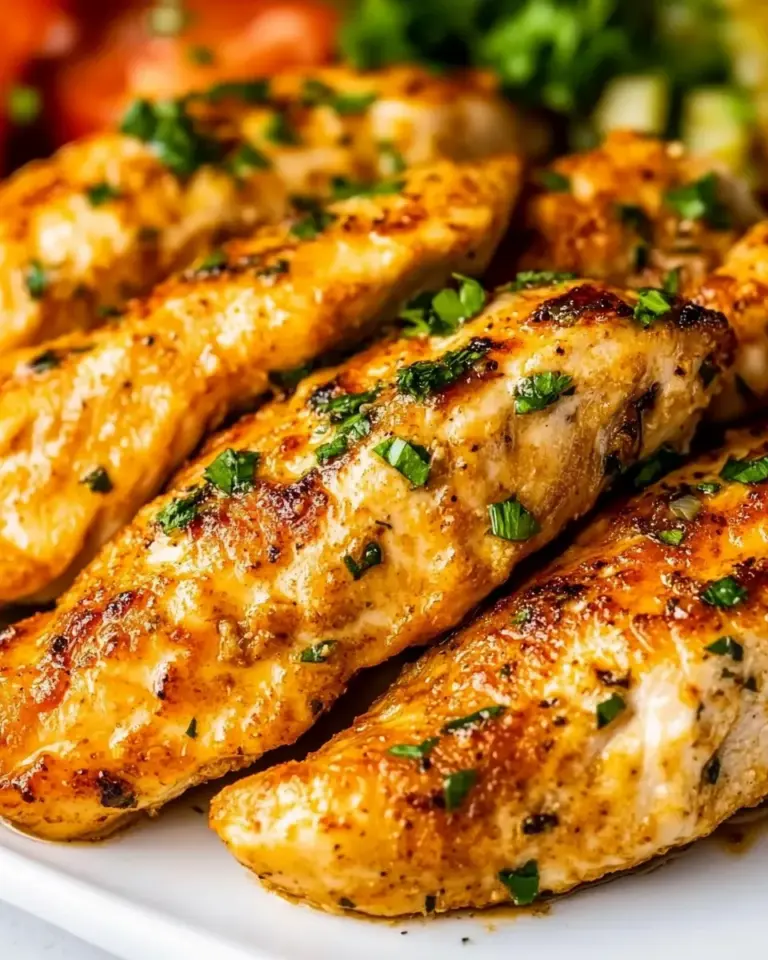
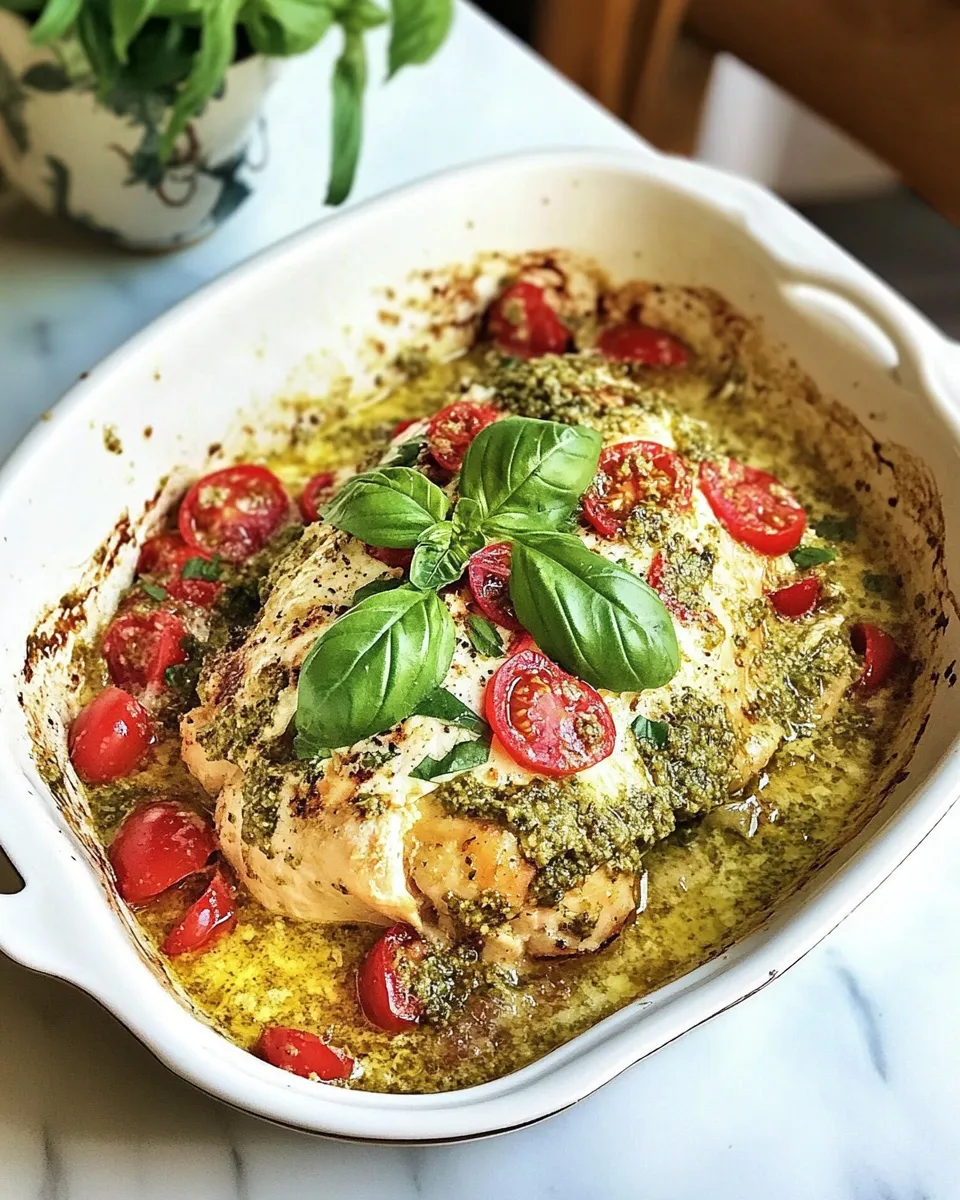
Basil Pesto Chicken
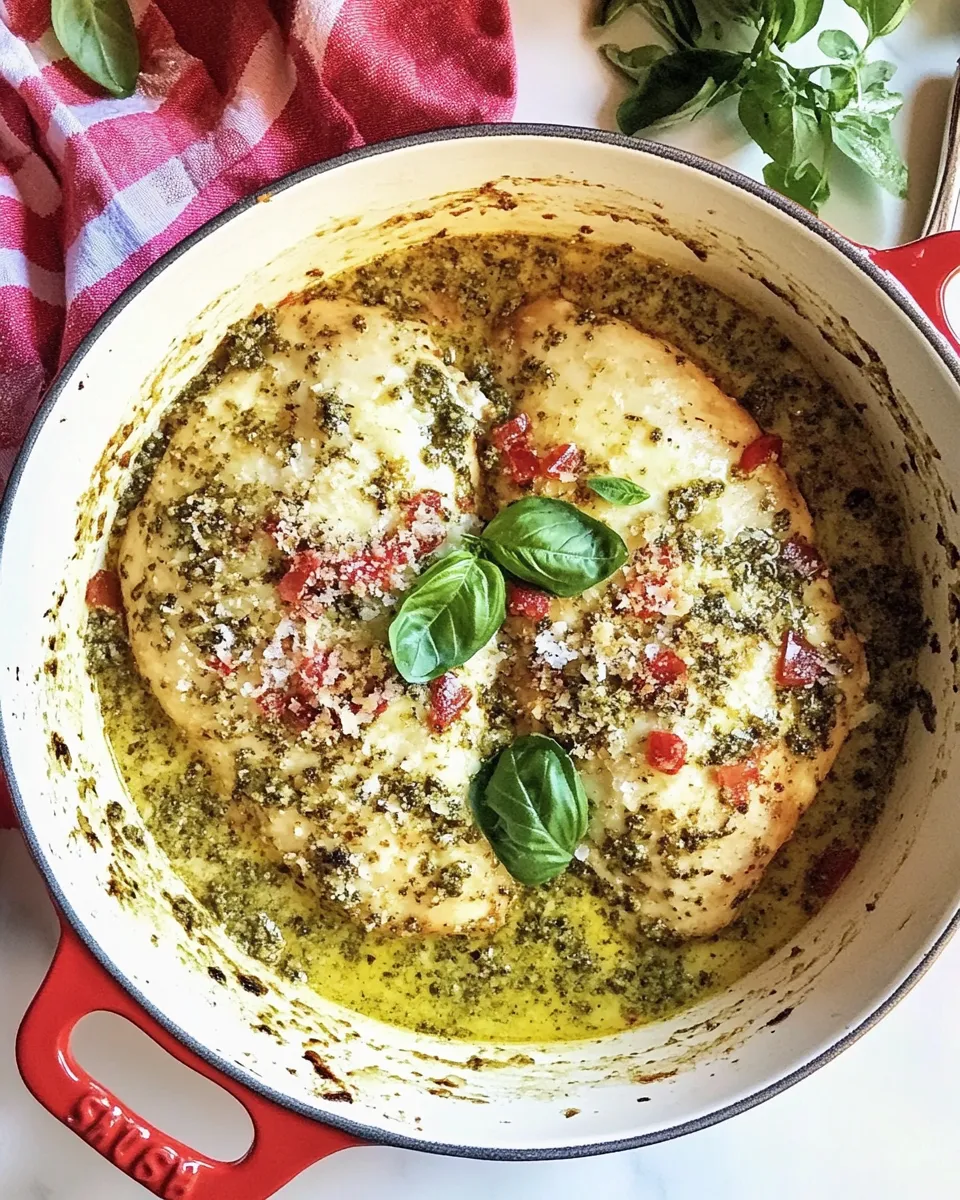
This Basil Pesto Chicken is everything you want from a weeknight dinner: comforting, bright, and ridiculously easy. Tender chicken breasts get coated in store-bought pesto, pan-seared in butter, and finished with a silky Parmesan-cream cheese sauce that clings to every bite. A splash of balsamic and a chiffonade of fresh basil add brightness and balance, making this a meal that feels special but comes together in under 30 minutes. Serve it over rice, pasta, or a bed of greens for a simple, satisfying plate.
The recipe is written for 4 lb chicken breast, skinless and boneless, and uses straightforward pantry ingredients. You’ll be surprised how a few quality components—good Parmesan, fresh basil, and a jar of pesto—can elevate plain chicken into something restaurant-worthy. Below you’ll find a clear ingredient list, helpful tips, and step-by-step directions rewritten for clarity so you can get dinner on the table without guessing.
Why this Basil Pesto Chicken works

- Pesto brings herbaceous depth instantly; using a store-bought jar keeps this recipe fast without sacrificing flavor.
- Butter and cream cheese create a rich, silky pan sauce that makes the chicken feel indulgent.
- Parmesan adds savory umami and helps thicken the sauce slightly while contributing a nutty finish.
- Balsamic vinegar brightens and balances the richness with a faint touch of acidity.
Ingredients
- 4 lb chicken breast, skinless/boneless
- ½ Cup Pesto, store bought is fine
- ½ Cup Parmesan cheese, grated
- 4 Tbs Butter
- 2 oz cream cheese
- 1 tbs minced garlic
- ½ cup parmesan cheese
- 4 leaves Basil, chiffonade
- 1 tbs balsamic vinegar
Notes on the ingredients
Use a good-quality jar of pesto for the best results; the flavor of the pesto carries through the dish. The recipe lists Parmesan cheese twice—one measurement is ½ Cup grated and the other is ½ cup; use them both as stated for a rich, cheesy sauce and a cheese finish. Fresh basil leaves are chiffonaded (thin ribbons) and stirred in at the end for a fresh pop of color and aroma. No substitutions are required unless you want to tailor the dish to what you have on hand.
Equipment
- Large skillet or frying pan (at least 12 inches)
- Tongs or spatula
- Measuring cups and spoons
- Sharp knife and cutting board
- Small bowl for mixing (optional)
Step-by-step directions
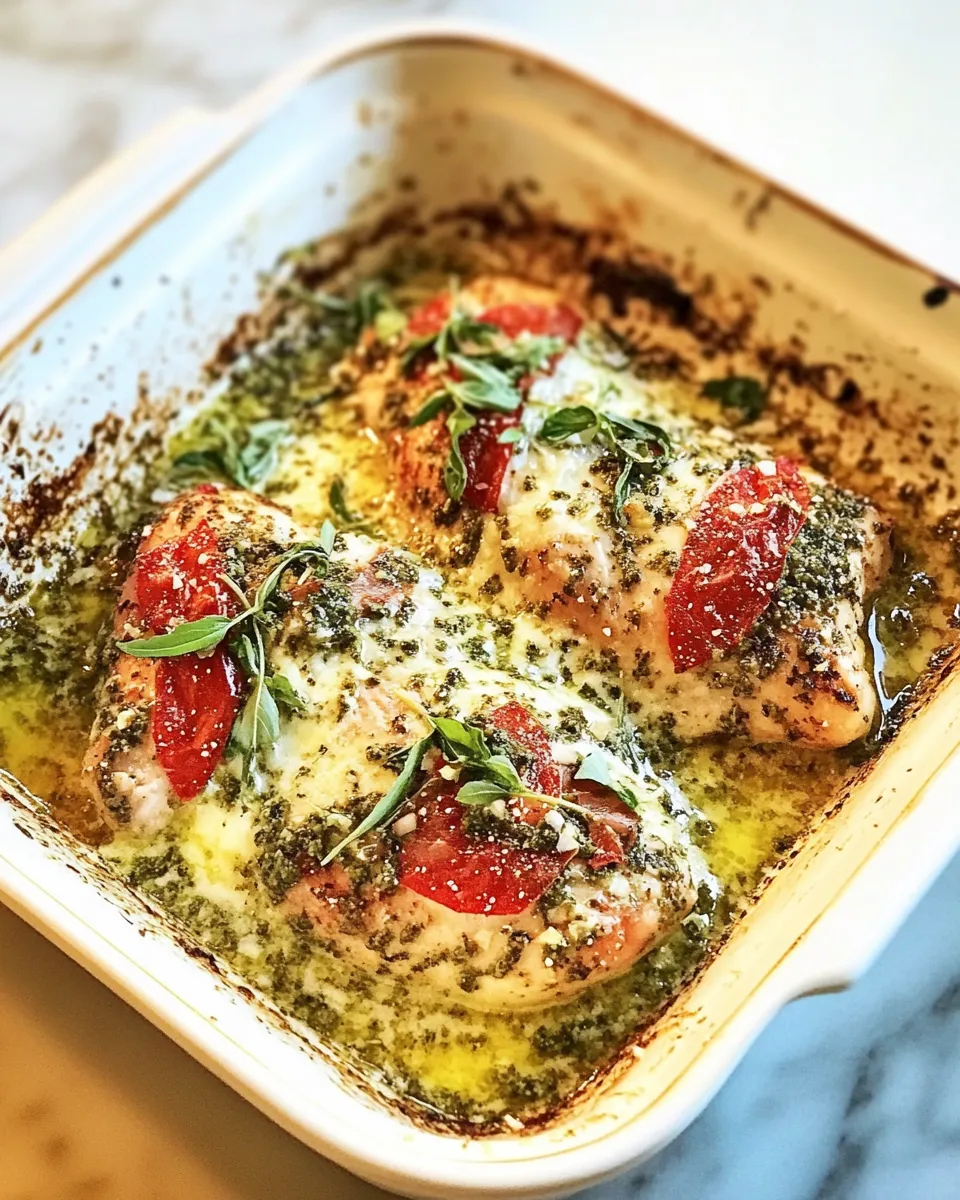
Follow these rewritten directions, which maintain the ingredient amounts and order from the source but clarify each action so the recipe is easy to execute.
- Prepare the chicken: Pat the 4 lb chicken breasts dry with paper towels. If the breasts are very thick, slice them horizontally to create even pieces or pound gently to an even thickness so they cook uniformly.
- Coat the chicken in pesto: Spread ½ Cup Pesto over both sides of each chicken breast, using your hands or a spoon to ensure an even layer. The pesto will season the chicken and help form a flavorful crust when seared.
- Heat the pan and butter: Place a large skillet over medium heat and add 4 Tbs Butter. Allow the butter to melt and heat until it foams but does not brown. The butter creates a savory base for searing and enriches the sauce later.
- Sear the chicken: Add the pesto-coated chicken breasts to the hot butter in a single layer, leaving space between pieces. Cook without moving for about 5–7 minutes, until the underside is golden brown. Flip each breast and cook the second side for another 5–7 minutes, or until an instant-read thermometer inserted into the thickest part reads 165°F (74°C). Cooking time will vary with thickness; adjust as needed.
- Remove chicken to rest: Transfer the cooked chicken to a plate and tent loosely with foil. Resting allows the juices to redistribute and keeps the meat moist while you finish the sauce.
- Start the sauce: Keep the skillet on medium-low heat and add 1 tbs minced garlic to the remaining butter and browned bits in the pan. Sauté the garlic for 30–45 seconds, stirring constantly, until fragrant but not browned.
- Add cream cheese: Add 2 oz cream cheese to the skillet. Stir or whisk it into the warm butter and garlic until it melts and begins to form a smooth base for the sauce. Maintain gentle heat to avoid separating the dairy.
- Incorporate Parmesan: Stir in both measures of cheese listed in the ingredients—½ Cup Parmesan cheese, grated, and the additional ½ cup parmesan cheese—so that the sauce becomes creamy and slightly thickened. Continue stirring until the cheeses melt completely into a cohesive sauce. If the sauce feels too thick, add a splash of water, chicken broth, or milk (not listed in the ingredients) a teaspoon at a time to loosen it, though this step is optional.
- Finish with balsamic: Pour in 1 tbs balsamic vinegar and stir to combine. The vinegar adds a bright, tangy note that balances the richness of the butter and cheeses.
- Return the chicken to the pan: Nestle the rested chicken breasts back into the skillet, spooning sauce over each piece so they are coated. Allow the chicken to warm through for 1–2 minutes so that flavors meld and the sauce clings to the meat.
- Stir in basil: Remove the pan from heat and sprinkle 4 leaves Basil chiffonade over the chicken and sauce. Gently toss or spoon the sauce so the basil lightly wilts and disperses its aroma throughout the dish.
- Serve and garnish: Transfer the chicken to a serving platter, spoon extra sauce on top, and, if desired, finish with a light grating of additional Parmesan for presentation. Serve immediately.
Serving suggestions
- Over pasta: Toss cooked pasta with a little olive oil or reserved sauce, then top with a sliced chicken breast and extra Parmesan for a quick Italian-style dinner.
- With rice or quinoa: The creamy sauce pairs beautifully with fluffy rice or nutty quinoa to soak up every last drop.
- On a salad: Slice the chicken and serve it warm over a bed of mixed greens for a hearty, protein-rich salad.
- With roasted vegetables: Roasted asparagus, cherry tomatoes, or zucchini are excellent side options that keep the plate bright and seasonal.
Make-ahead and leftovers
You can prepare the pesto-coated chicken up to the point of searing and store it in the refrigerator for 24 hours. When ready, sear and complete the sauce as directed. Leftover cooked Basil Pesto Chicken keeps well in an airtight container in the refrigerator for 3–4 days. Reheat gently in a skillet over low heat, adding a splash of water or milk if needed to loosen the sauce. For meal prep, portion the chicken over cooked grains and vegetables for quick lunches.
Tips for success
- Even thickness is key: Pound or slice thicker breasts so they cook evenly and stay juicy.
- Don’t overcrowd the pan: Cook in batches if necessary so each piece sears rather than steams.
- Watch the garlic closely: Garlic can turn bitter if it browns, so sauté only until fragrant.
- Use room-temperature cream cheese: It will melt into the sauce faster and more smoothly.
- Quality Parmesan matters: Freshly grated cheese melts better and delivers brighter flavor than pre-shredded varieties with anti-caking agents.
Flavor variations
- Add lemon: A squeeze of lemon juice at the end brightens the sauce even more.
- Spicy pesto: Use a pesto with red pepper flakes or stir a pinch of crushed red pepper into the sauce for heat.
- Sun-dried tomatoes: Chop a few sun-dried tomatoes and stir them into the sauce for a sweet-tart contrast.
Nutrition snapshot
This dish is protein-forward thanks to the 4 lb chicken breast and is rich from the butter, cream cheese, and Parmesan. Serve alongside a vegetable forward side to balance the plate with fiber and micronutrients.
Final thoughts
Basil Pesto Chicken is a straightforward recipe that transforms simple ingredients into a memorable meal. The pesto adds instant herb flavor, while the butter-cream cheese-Parmesan trio creates a luscious sauce that finishes the chicken beautifully. It’s perfect for weeknight dinners when you want something fast but still impressive. Make it your own with a few pantry swaps or serve it as-is for a reliably delicious meal.
Ready to cook? Gather your ingredients, heat your pan, and get ready to enjoy a comforting, flavorful dish that feels like a treat but comes together quickly.
Basil Pesto Chicken
Ingredients
- 4 lb chicken breast, skinless and boneless
- 1/2 cup pesto store-bought or homemade
- 1/2 cup Parmesan cheese grated (for inside and topping)
- 4 tbsp butter
- 2 oz cream cheese
- 1 tbsp minced garlic
- 4 leaves basil chiffonade, for garnish
- 1 tbsp balsamic vinegar for drizzling
Instructions
- Preheat the oven to 350°F (175°C) and spray a 9x13-inch baking dish with nonstick spray.
- Trim the chicken breasts. Cut each large breast in half crosswise. Then butterfly each half by slicing nearly through the thickest side so it opens like a book, leaving about 1/2 inch uncut so it stays attached.
- Spoon about 2 heaping teaspoons of pesto onto the inside of each butterflied chicken piece, then sprinkle roughly 2 teaspoons of grated Parmesan over the pesto.
- Fold the top half of each chicken piece over the filling and place the stuffed breasts seam-side down in the prepared baking dish.
- If you have any remaining pesto or Parmesan, sprinkle it over the arranged chicken in the baking dish.
- In a saucepan over medium heat, combine the butter, cream cheese, minced garlic, and the remaining 1/2 cup grated Parmesan. Stir and whisk as it heats until the mixture melts into a smooth sauce and any lumps are gone.
- Pour the warm cheese sauce evenly over the stuffed chicken in the baking dish.
- Bake uncovered for about 35 minutes, or until the chicken is cooked through and no longer pink in the center (internal temperature 165°F/74°C).
- Remove from the oven, sprinkle with the chiffonade basil, and drizzle with balsamic vinegar. Serve hot.
Equipment
- 9x13 inch Baking Dish
- nonstick spray
- Saucepan
- Whisk
- Cutting board and sharp knife
- Measuring Cups and Spoons
Notes
- For a lighter version, omit the cheese sauce and top with fresh mozzarella slices.
- You can place mozzarella slices inside the chicken along with the pesto.
- Sprinkle fresh basil over the top before serving.
- Use multiple baking dishes if needed to avoid overcrowding.
- Leave about 1/2 inch uncut when butterflying to keep the chicken attached.
- If breasts are very large, cut them in half before butterflying.