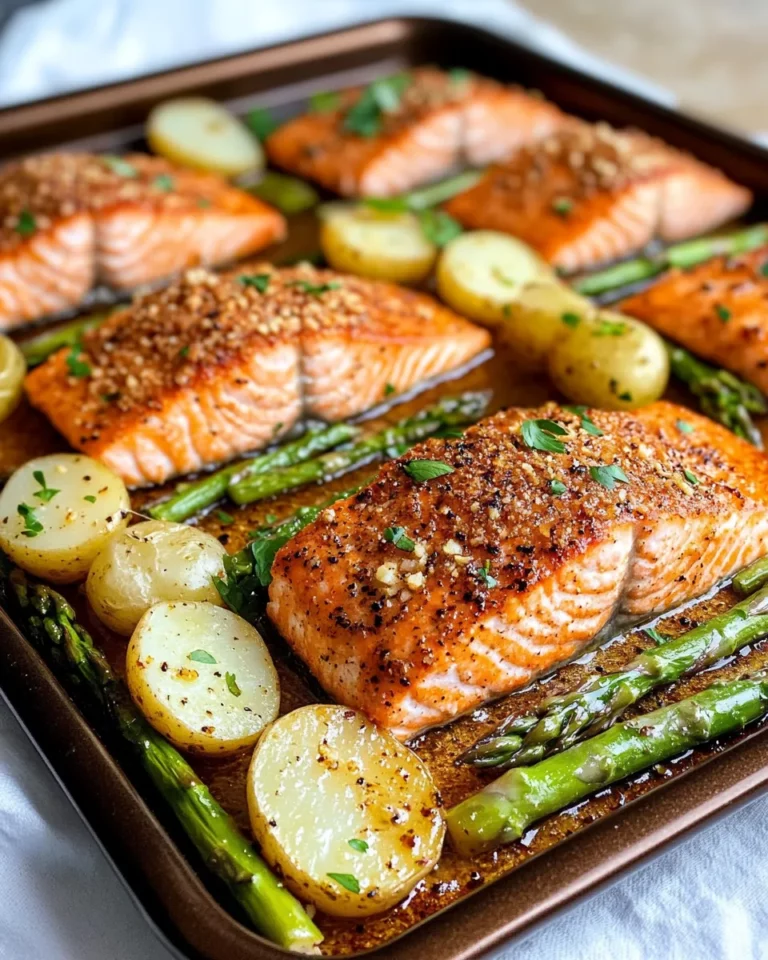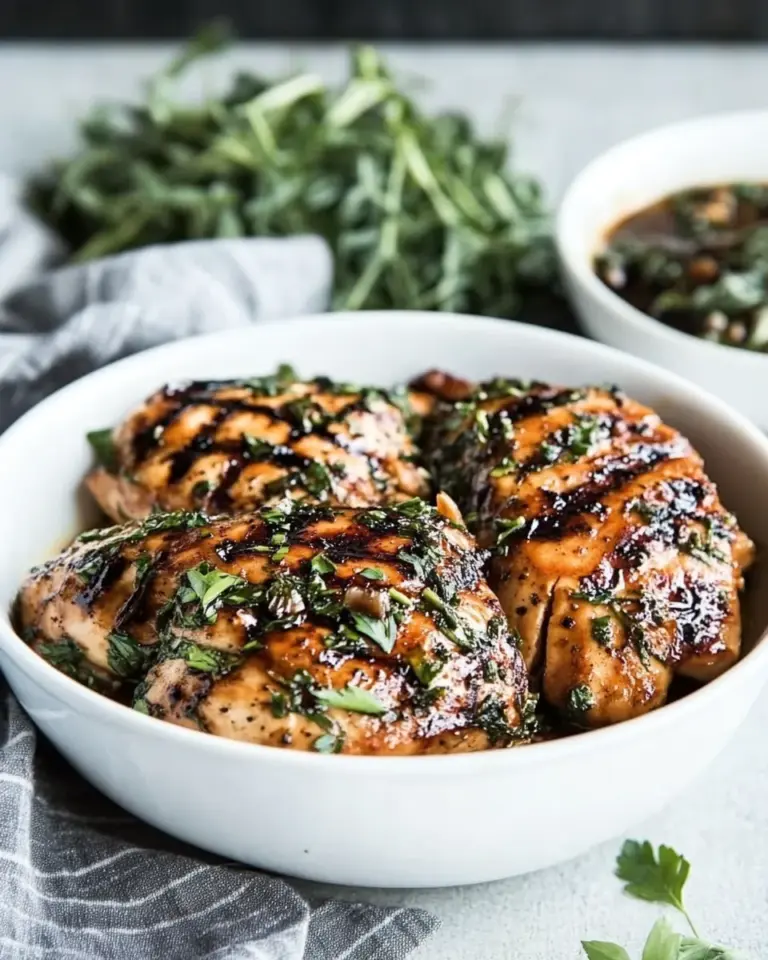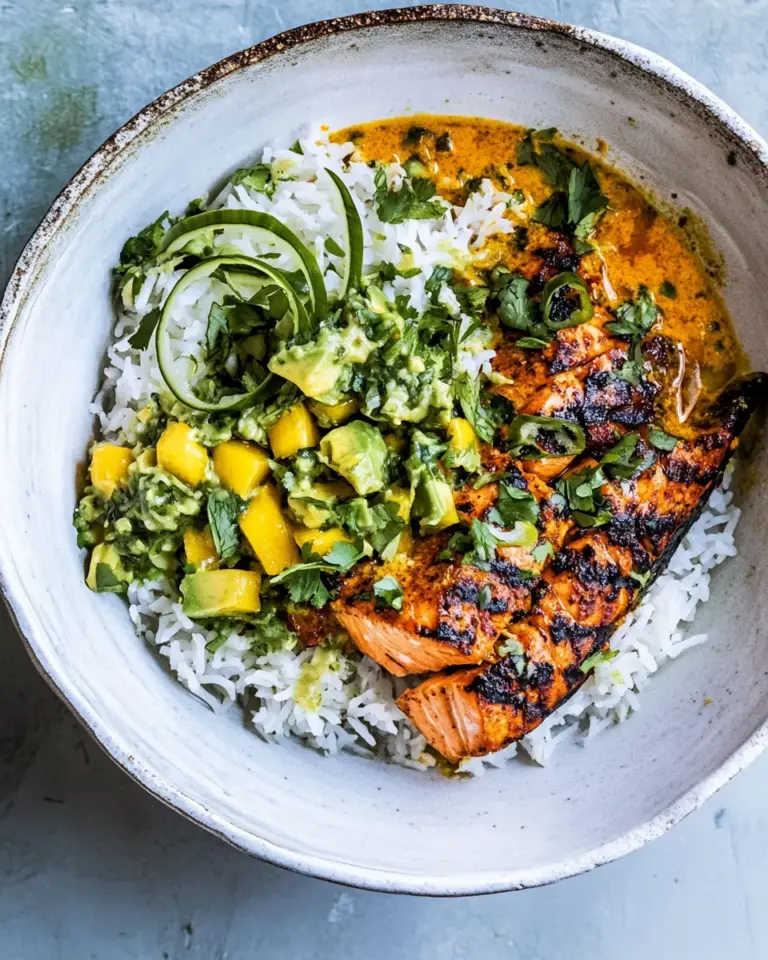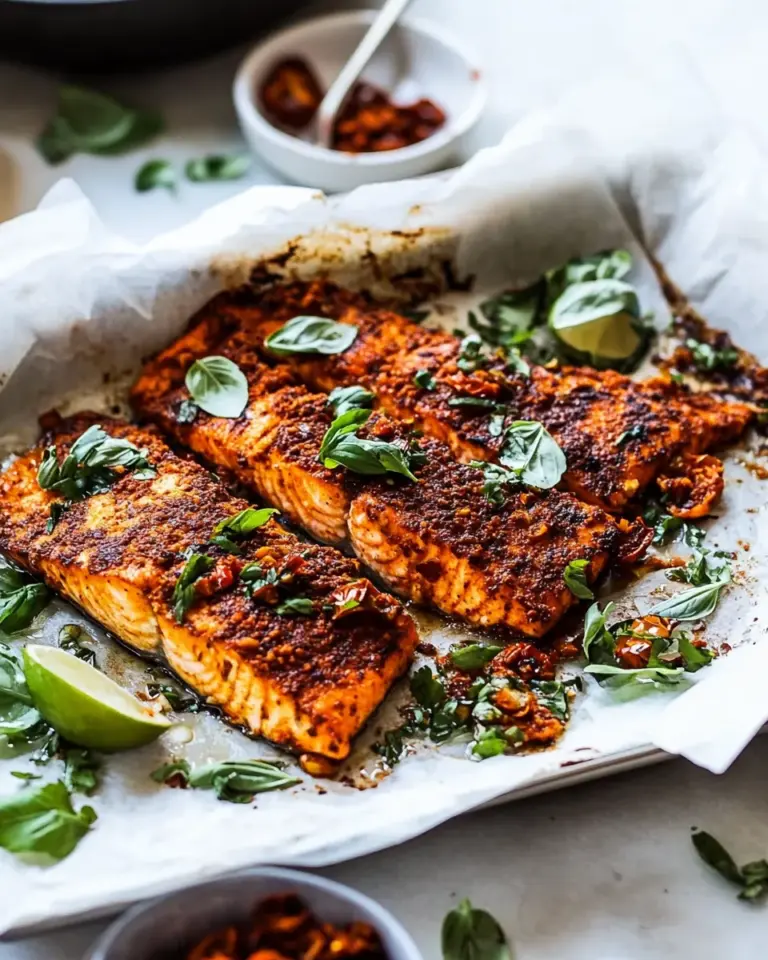
Maple Soy Glazed Salmon
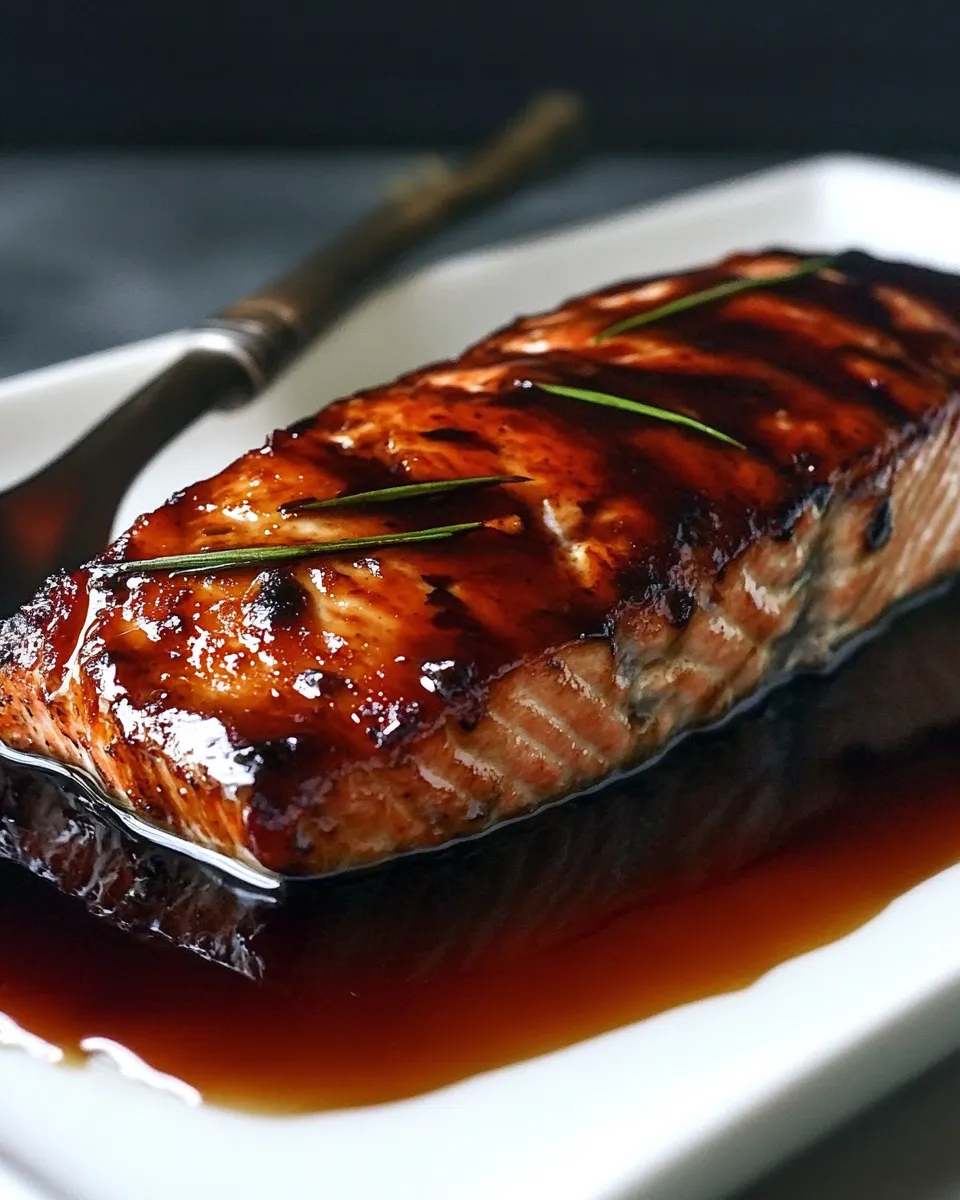
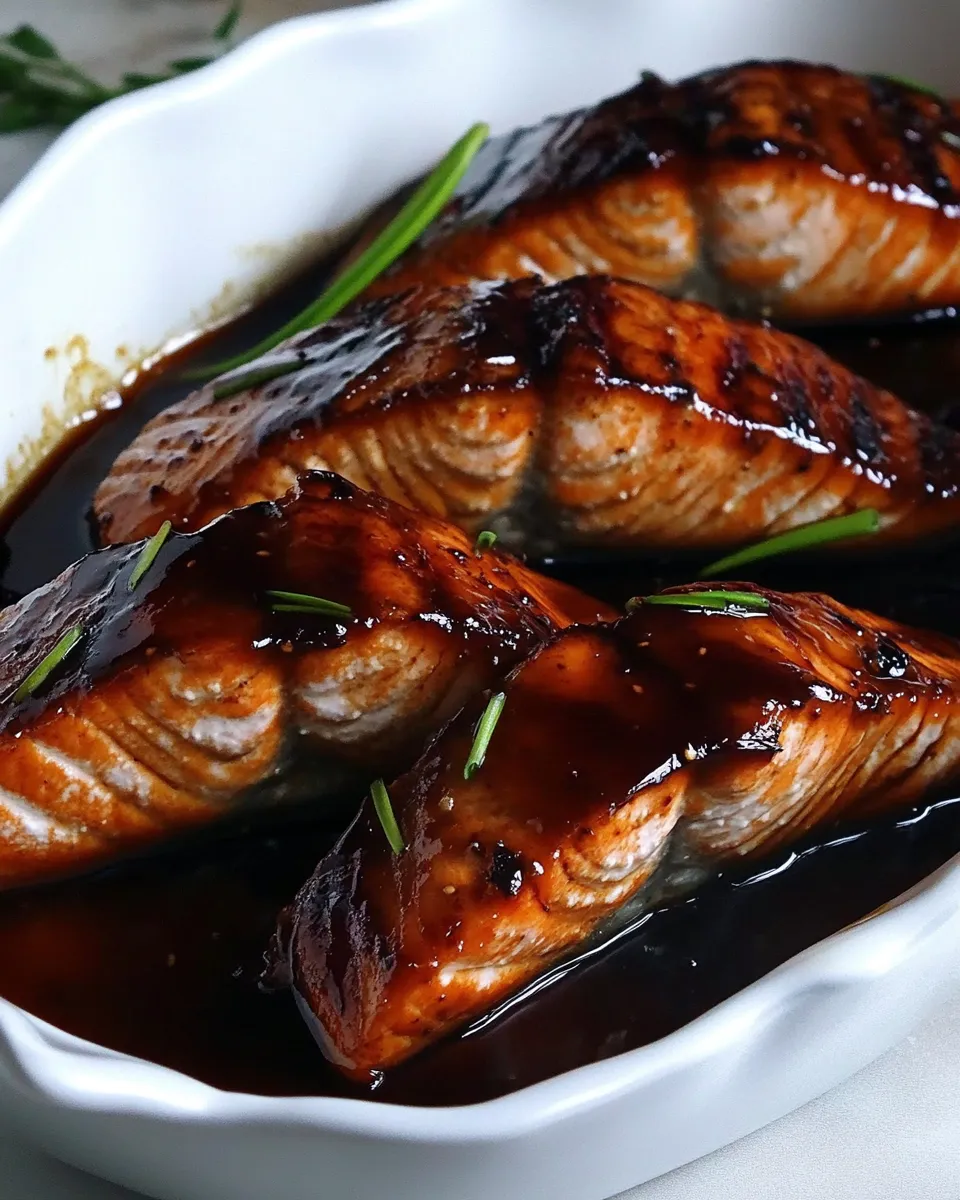
This maple-soy glazed salmon is one of those weeknight wins I go back to when I want something fast, flavorful, and reliably impressive. The sweet maple and salty soy create a glossy glaze that clings to the salmon, while a touch of sriracha wakes everything up. It reads fancy at the table but comes together in under an hour from start to finish.
I keep the method straightforward: a short marinade, a hot oven, and a quick reduction of the leftover marinade into a glaze. The keys are patience with the brief marinating window, a hot baking temperature to lock in juices, and cooking the reserved marinade so it’s safe to spoon over the fish. Little details make a big difference—patting the fillets dry, turning the bag once during marinating, and spooning the glaze on just before serving.
Ingredients

- 3 tbsp pure maple syrup — provides the primary sweetness and helps form the glossy glaze when reduced.
- 3 tbsp reduced sodium soy sauce, or gluten-free soy sauce — adds savory depth and saltiness; reduced sodium lets the maple shine without over-salting.
- 1 tbsp sriracha hot sauce — brings a gentle heat and an extra layer of umami.
- 1 clove garlic, smashed — gives a fragrant background note; smashing releases more flavor than mincing for a short marinade.
- 46 oz wild salmon fillets, skinless — the main ingredient; skinless fillets roast evenly and take on the glaze beautifully.
What to Buy
When you’re shopping, prioritize the salmon. Wild-caught fillets give a cleaner flavor and firmer texture that hold up well under a sweet glaze. Ask your fishmonger for skinless portions if you prefer the texture and appearance; if skin-on is what’s available, that will work too (see Quick Q&A).
For pantry items, use a real pure maple syrup rather than pancake syrup—it makes a noticeable difference in flavor and caramelization. If you need a gluten-free version, pick a tamari or gluten-free soy sauce. Keep sriracha on hand for the right balance of heat; if your household prefers milder food, you can reduce it or serve extra at the table.
How to Prepare Maple Soy Glazed Salmon
Marinate, bake, and glaze
- In a small bowl combine 3 tbsp pure maple syrup, 3 tbsp reduced sodium soy sauce (or gluten-free soy sauce), 1 tbsp sriracha hot sauce, and 1 clove garlic (smashed).
- Pour the mixture into a gallon-sized resealable bag, add the 46 oz wild salmon fillets, skinless, seal the bag, and refrigerate to marinate for 20 to 60 minutes, turning the bag once halfway through the marinating time.
- Preheat the oven to 425°F. Lightly grease a baking sheet with nonstick spray.
- Remove the salmon from the bag and place the bagged marinade into a small saucepan. Pat the salmon dry with paper towels and arrange the fillets on the prepared baking sheet.
- Bake the salmon in the preheated oven for 8 to 10 minutes, or until the fish is opaque and flakes easily with a fork.
- While the salmon is baking, bring the reserved marinade in the saucepan to a simmer over medium heat. Cook, stirring occasionally, until it reduces and thickens to a glaze consistency, about 3–5 minutes (this cooks the raw marinade).
- Spoon the hot glaze over the cooked salmon just before serving. Discard any unused marinade that was not cooked.
Why It Works Every Time
There are a few reliable techniques in this recipe that keep the results consistent. First, the short marinade window (20 to 60 minutes) allows the maple-soy-sriracha mixture to flavor the surface without curing or over-salting the fish. Salmon benefits from short contact with soy-based marinades; too long and the texture can become firmer and less delicate.
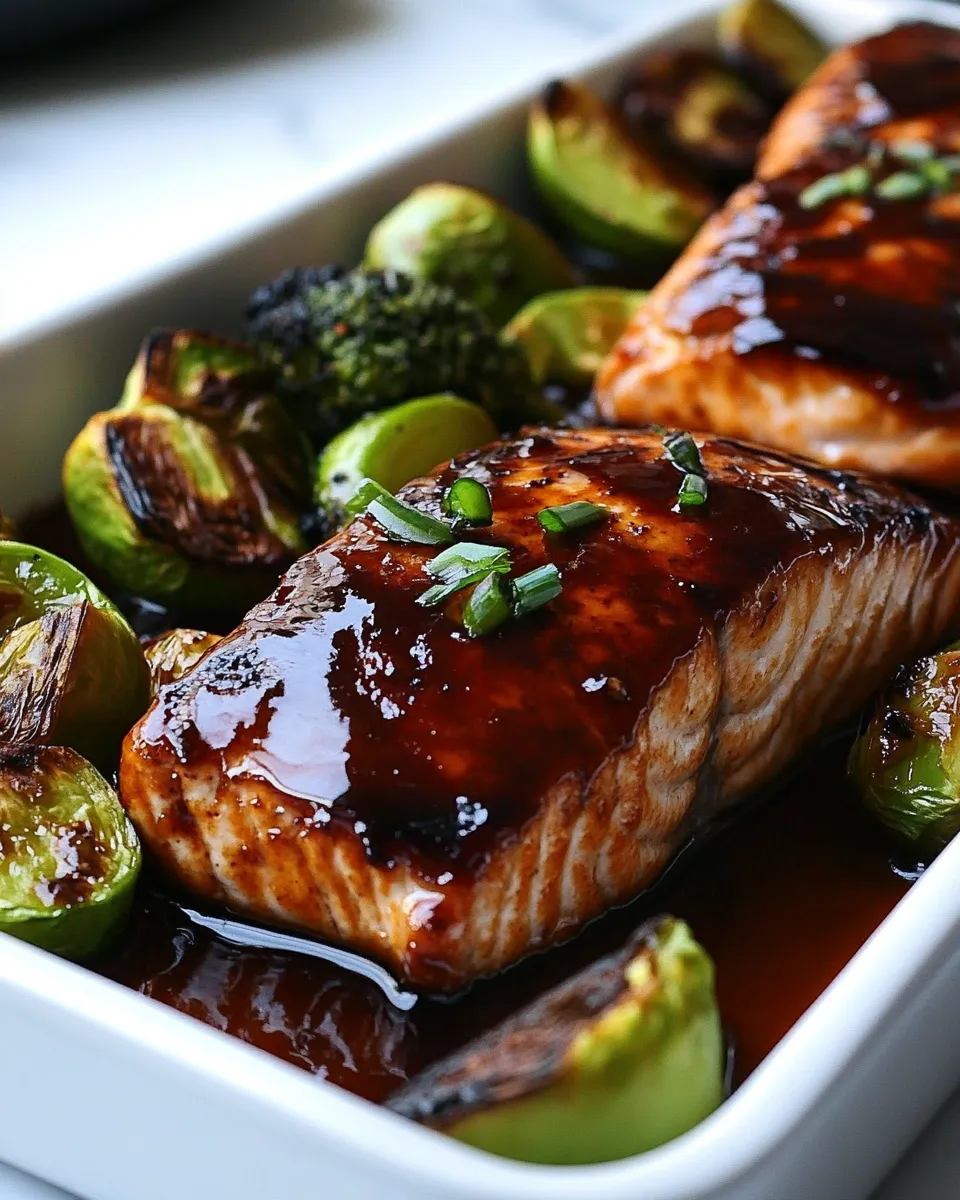
Baking at a high temperature gives the salmon a quick cook that locks in moisture. The glaze is made by reducing the reserved marinade after removing the raw fish, so you get a concentrated sauce without the safety risk of pouring raw marinade over cooked fish. The final spooning of hot glaze adds shine and a fresh burst of flavor without cooking the salmon further.
Vegan & Vegetarian Swaps
If you want to keep the flavor profile but skip fish, use a firm, meaty plant protein that holds up to a brief marinade and high heat. Firm tofu or thick-cut tempeh slices take on the maple-soy-sriracha balance well; press tofu briefly to remove excess water before marinating. Large oyster mushrooms or portobello caps can also be brushed with the marinade and roasted until tender.
When swapping, adjust handling: plant proteins don’t need the same food-safety steps as raw fish, but you should still cook any reserved marinade you plan to use as a sauce. The glaze technique translates directly—reduce the marinade until glossy and spoon over just before serving.
Equipment at a Glance
- Small bowl — to mix the marinade ingredients.
- Gallon-sized resealable bag — for an easy, no-mess marinade.
- Small saucepan — to cook and reduce the reserved marinade into a glaze.
- Baking sheet — for roasting the salmon evenly.
- Paper towels — to pat the salmon dry before baking.
- Nonstick spray — to lightly grease the baking sheet and prevent sticking.
- Oven — preheated to 425°F for quick, even roasting.
Don’t Do This
- Don’t pour raw marinade over the finished salmon without cooking it first — the recipe calls for simmering the reserved marinade so it’s safe to eat.
- Don’t skip patting the salmon dry. Excess surface moisture prevents proper browning and dilutes the glaze’s ability to cling.
- Don’t over-marinate. Letting the salmon rest in the salty-sweet mixture for too long will change the texture and can make the exterior overly seasoned.
- Don’t crowd the baking sheet. Give fillets a little breathing room so they roast instead of steam.
Spring–Summer–Fall–Winter Ideas
Spring: Serve the salmon with lightly dressed greens or asparagus tossed with lemon for brightness—fresh herbs like dill or chives complement the maple-soy notes.
Summer: Pair with a simple cucumber salad or cold grain salad that includes crunchy vegetables and a light vinaigrette to contrast the warm, sticky glaze.
Fall: Roast root vegetables alongside the salmon or serve over buttery mashed potatoes to make the meal cozy and substantial.
Winter: Add braised greens or a warm grain like farro or barley; a scattering of toasted seeds or nuts adds texture and keeps the plate balanced.
Little Things that Matter
Use reduced sodium soy sauce as called for—the recipe balances sweet and salty, and full-sodium soy can overpower the maple. Smash the garlic instead of finely mincing if you want a milder, background garlic note that’s easier to remove if needed. Turning the bag once during marinating ensures even exposure to the flavors, and patting the fillets dry guarantees better roasting and glaze adhesion.
When reducing the marinade, keep an eye on the saucepan. A quick simmer concentrates flavor fast; stirring a few times prevents burning and helps you judge when the glaze reaches the right sheen.
Save It for Later
Leftover salmon keeps well when cooled and stored in an airtight container in the refrigerator. Reheat gently so the glaze warms without drying the fish—brief, low, and monitored reheating preserves texture. If you expect to keep it longer, consider using the salmon cold in salads or bowls where the glaze acts as a dressing.
Quick Q&A
- Can I use skin-on salmon? Yes. If you keep the skin on, place the fillets skin-side down and roast as directed; the skin will help protect the flesh and can be removed before serving if preferred.
- What if I don’t have sriracha? You can omit it for a milder glaze or substitute a different chili sauce you already like; the sriracha provides heat and a touch of tang.
- Why cook the reserved marinade? It contains raw fish juices and must be simmered to make it safe to eat. Cooking also concentrates and transforms it into a glossy glaze.
- Can I make the glaze ahead? You can reduce the marinade ahead of time and warm it briefly before spooning over the cooked salmon; just make sure any reserved marinade that touched raw fish is fully cooked.
Serve & Enjoy
Plate the salmon simply: a bed of grains or a mound of tender greens, a spoonful of hot glaze across the top, and a finishing sprinkle of fresh herbs for color and lift. The glaze shines best when spooned at the last moment, giving the fish a lacquered finish that looks as good as it tastes.
This is a recipe that rewards straightforward execution. Follow the steps, mind the little details, and you’ll have a weeknight main that feels special enough for guests. Enjoy—the maple adds warmth, the soy keeps things grounded, and the balance makes this a repeat-worthy staple in my kitchen.
Maple Soy Glazed Salmon
Ingredients
Ingredients
- 3 tbsppure maple syrup
- 3 tbspreduced sodium soy sauce or gluten-free soy sauce
- 1 tbspsriracha hot sauce
- 1 clovegarlic smashed
- 46 oz wild salmon fillets skinless
Instructions
Instructions
- In a small bowl combine 3 tbsp pure maple syrup, 3 tbsp reduced sodium soy sauce (or gluten-free soy sauce), 1 tbsp sriracha hot sauce, and 1 clove garlic (smashed).
- Pour the mixture into a gallon-sized resealable bag, add the 46 oz wild salmon fillets, skinless, seal the bag, and refrigerate to marinate for 20 to 60 minutes, turning the bag once halfway through the marinating time.
- Preheat the oven to 425°F. Lightly grease a baking sheet with nonstick spray.
- Remove the salmon from the bag and place the bagged marinade into a small saucepan. Pat the salmon dry with paper towels and arrange the fillets on the prepared baking sheet.
- Bake the salmon in the preheated oven for 8 to 10 minutes, or until the fish is opaque and flakes easily with a fork.
- While the salmon is baking, bring the reserved marinade in the saucepan to a simmer over medium heat. Cook, stirring occasionally, until it reduces and thickens to a glaze consistency, about 3–5 minutes (this cooks the raw marinade).
- Spoon the hot glaze over the cooked salmon just before serving. Discard any unused marinade that was not cooked.
Equipment
- Small Bowl
- gallon-sized resealable bag
- Baking Sheet
- nonstick spray
- Small Saucepan
- Paper Towels
- Oven
Notes
Slightly adapted from
The Gourmet Kitchen
cookbook (affilate link).