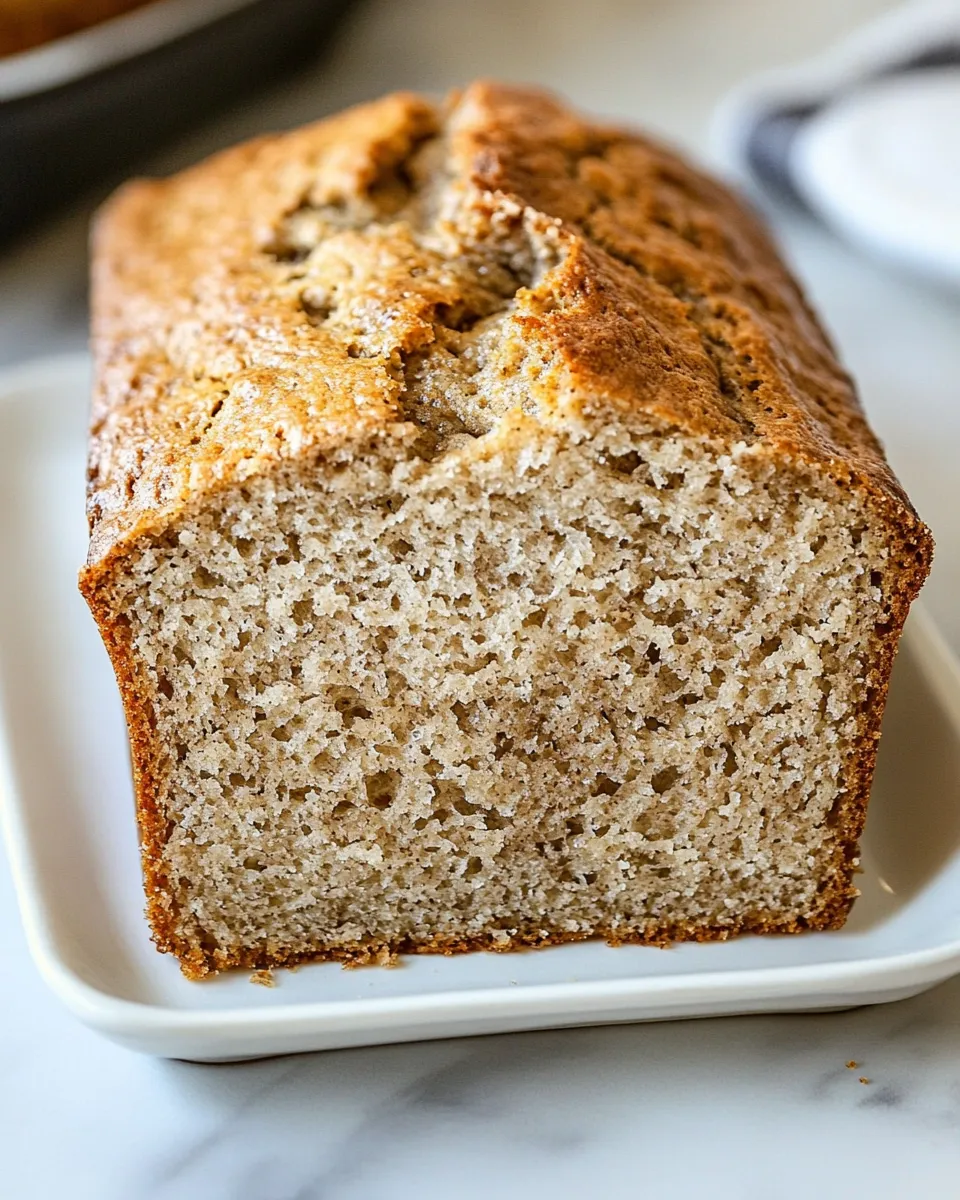
Sourdough Banana Bread
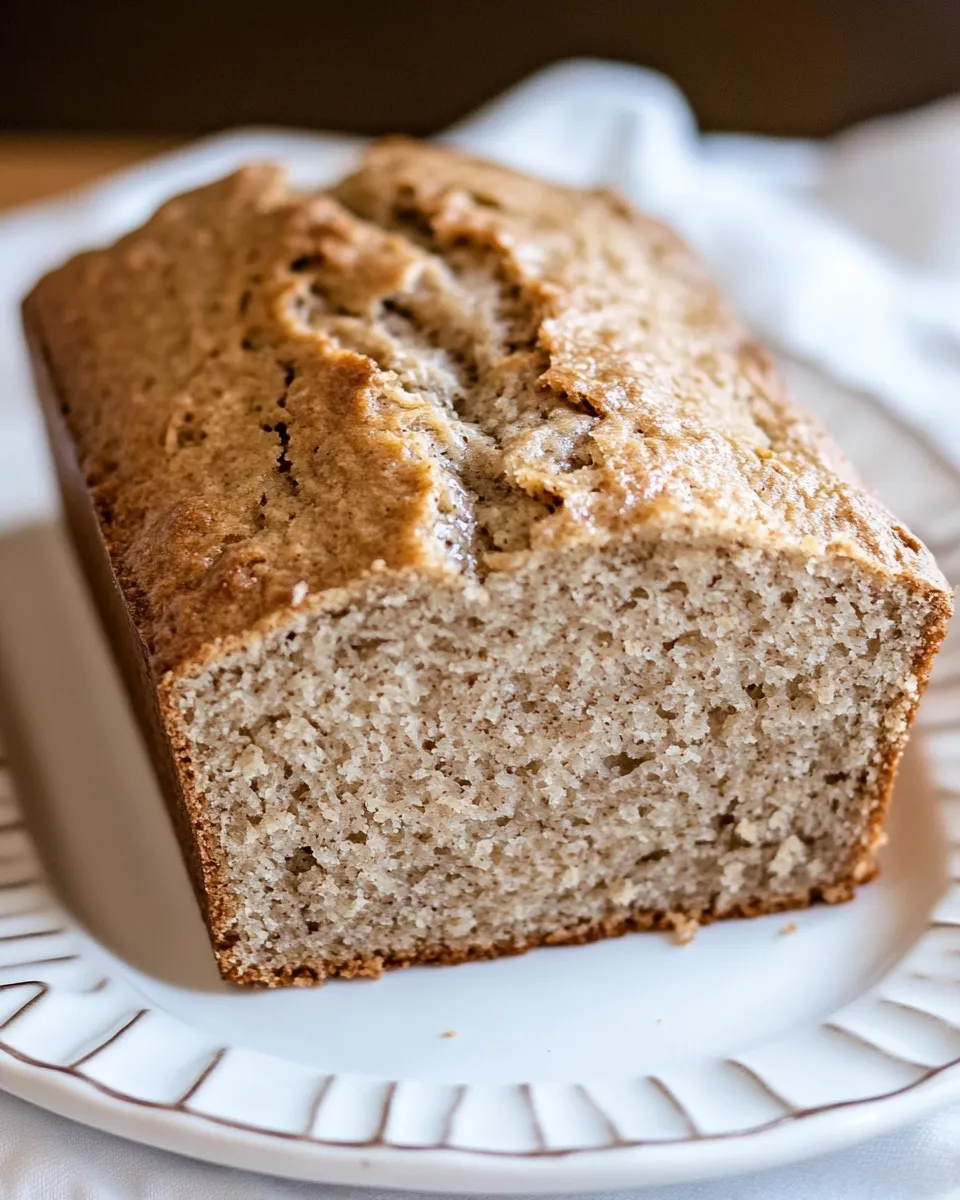
This banana bread is the kind I reach for when the bananas on the counter have passed the point of looking pretty but are perfect for baking. It uses unfed sourdough starter discard, which adds a gentle tang and depth without any extra work or active fermentation. The texture is tender, the crust is golden, and it makes the whole kitchen smell like comfort.
I like recipes that don’t require thinking in thirds or babysitting. This one moves from bowl to oven in under 15 minutes of hands-on time and bakes into a loaf you can slice for breakfast, snacks, or to share. It keeps its shape, slices cleanly once cooled, and freezes well.
Below you’ll find everything you need: the exact ingredients, step-by-step directions taken straight from the recipe source, troubleshooting notes, and practical swaps if you didn’t plan ahead. Read the short tips, then pop it in the oven.
What You’ll Need

Pantry staples and a jar of sourdough discard are the only special requirements here. You don’t need an active starter or any overnight bakes—this uses unfed starter discard, so it’s a great way to use what would otherwise be thrown out. Measure the flour by weight if you can; it makes a noticeable difference in the crumb.
Have a 9×5-inch loaf pan on hand, nonstick spray, and a mixer (or a good hand mixer). Ripe bananas are essential—they should be very soft and spotted for maximum sweetness and moisture.
Ingredients
- 1-1/2 cups (170 g) all-purpose flour — provides the structure for the loaf; weigh it for consistency.
- 1 teaspoon baking soda — the leavening that gives lift and a soft crumb.
- 1 teaspoon kosher salt — balances sweetness and enhances flavor.
- 1 teaspoon ground cinnamon — warm spice that complements banana.
- 3/4 cup (160 g) brown sugar — adds moisture and caramel notes.
- 1/2 cup (113 g) unsalted butter, room temperature — for richness and tenderness; do not use melted butter here.
- 1 large egg — binds ingredients and helps with structure.
- 1 cup unfed sourdough starter discard (227 g) — adds tang, depth, and extra moisture.
- 1 cup mashed ripe banana (227 g) — primary source of banana flavor and moisture.
- 2 teaspoons vanilla bean paste, or vanilla extract — rounds flavors and enhances sweetness.
Sourdough Banana Bread, Made Easy
- Preheat the oven to 350°F (175°C). Spray a 9×5-inch loaf pan with nonstick spray and set it aside.
- In a medium bowl, whisk together 1-1/2 cups (170 g) all-purpose flour, 1 teaspoon baking soda, 1 teaspoon kosher salt, and 1 teaspoon ground cinnamon. Set the dry mixture aside.
- In the bowl of an electric mixer fitted with the paddle attachment (or in a large bowl with a hand mixer), place 3/4 cup (160 g) brown sugar and 1/2 cup (113 g) unsalted butter at room temperature.
- Cream the brown sugar and butter on medium speed until the mixture is lighter in color and fluffy in texture, about 2–3 minutes. Stop once it’s light and aerated.
- Scrape down the sides and bottom of the bowl with a spatula. Add 1 large egg, 1 cup (227 g) unfed sourdough starter discard, 1 cup (227 g) mashed ripe banana, and 2 teaspoons vanilla bean paste (or vanilla extract).
- Mix on low speed just until the wet ingredients are combined and uniform in color—do not overmix.
- With the mixer on low, gradually add the flour mixture to the wet mixture. Mix only until the batter comes together and no streaks of flour remain. Stop as soon as combined.
- Pour or scrape the batter into the prepared 9×5-inch loaf pan and smooth the top with a spatula.
- Bake in the preheated oven for 60–75 minutes, until a toothpick inserted in the center comes out clean or an instant-read thermometer inserted into the center reads 200–205°F (93–96°C).
- Remove the loaf from the oven and let it cool in the pan on a wire rack for about 10–15 minutes. Then remove the bread from the pan and allow it to cool completely on the rack before slicing.
Notes on timing: ovens vary. Start checking at 60 minutes. If the top is browning too fast, tent with foil after 30–40 minutes. The internal temperature target (200–205°F) is a reliable way to avoid underbaking without overcooking.
Why It’s My Go-To
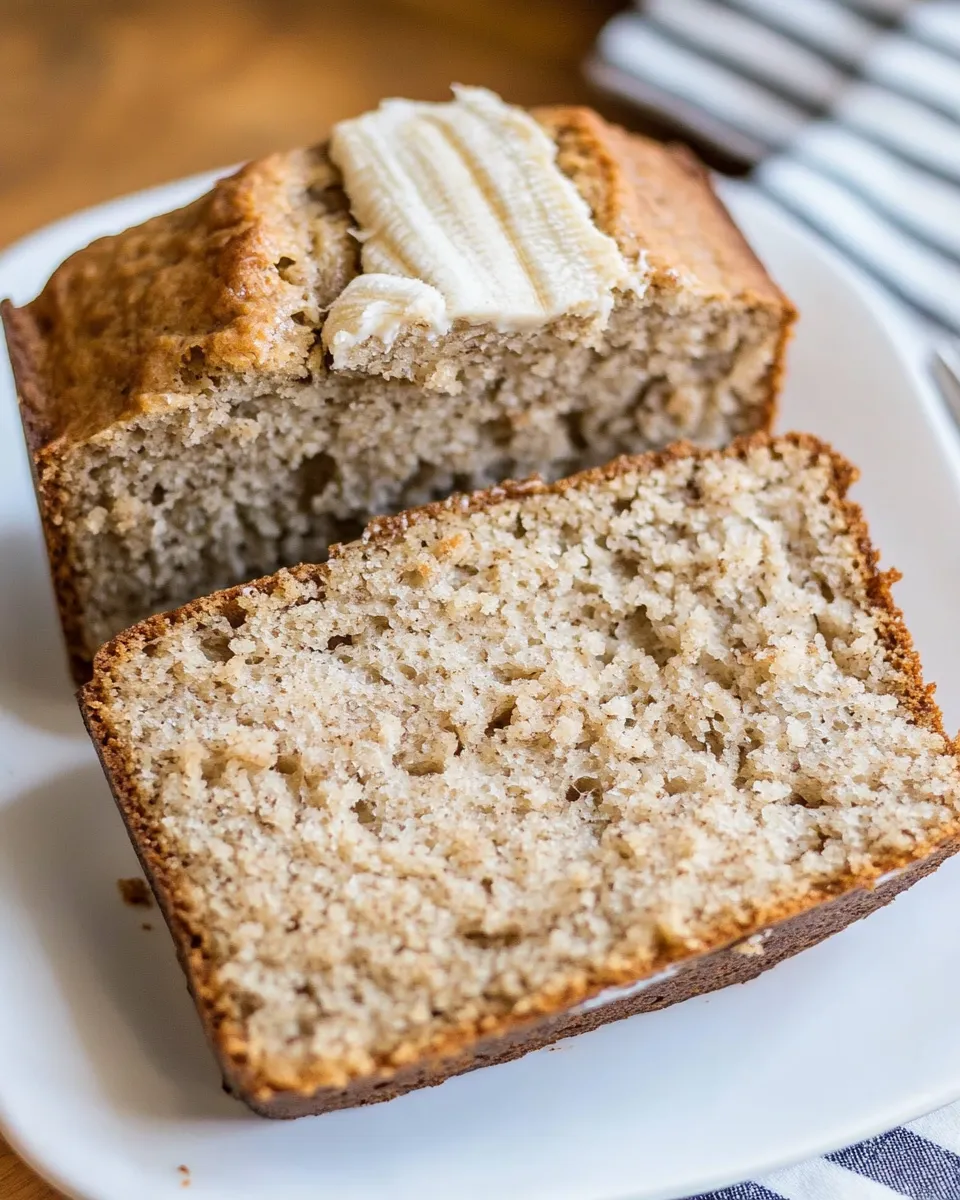
This recipe is reliable and forgiving. The unfed starter discard adds a subtle tang and extra moisture, which keeps the crumb tender for days. I love it because it’s both an ingredient recycler and a crowd-pleaser—people assume there’s something more complicated behind its flavor, but it’s mostly simple technique.
Hands-on time is minimal: cream, mix, loaf. You don’t need to fuss with multiple mixing bowls or advanced timing. It also travels well. Take slices to a neighbor, or wrap and freeze portions for busy mornings.
What to Use Instead
Short on something? Here are practical swaps that keep the loaf honest while working with what you have.
If you don’t have vanilla bean paste, plain vanilla extract is fine—same flavor intent. If you prefer less tang, you can use an equal weight of plain yogurt in place of the discard, but note the flavor will shift. For butter, do not substitute vegetable oil at full measure; butter contributes to texture and flavor here. If you must use oil, reduce by 1–2 tablespoons and expect a slightly different crumb.
Don’t invent other dry flours without adjusting quantities—this loaf is scaled for all-purpose flour. If you want whole wheat, replace up to half the flour and expect a denser loaf; add a tablespoon of extra liquid if it looks dry.
Equipment & Tools
You don’t need fancy gear. The essentials are a 9×5-inch loaf pan, a mixer (stand or hand) with paddle or beaters, measuring tools (a scale is best), and a wire rack for cooling. Nonstick spray helps unmold the loaf cleanly.
An instant-read thermometer is one of my best shortcuts—it takes the guesswork out of doneness. If you don’t have one, the toothpick test is the fallback: a clean or only slightly crumb-covered toothpick means done.
Don’t Do This
Don’t overmix once you add the flour. That creates a tough crumb. Mix only until the batter comes together and no streaks of flour remain. Stop there.
Don’t use unripe bananas. They won’t provide enough sweetness or moisture, and you’ll compensate with extra sugar that throws off texture. Also, don’t underbake. The center needs to hit the temperature range or the loaf will be gummy.
Fit It to Your Goals
Want a loaf for breakfast that’s less sweet? Reduce the brown sugar by 2–3 tablespoons and serve with a smear of butter and a sprinkle of salt. Want an indulgent dessert loaf? Stir in 1/2 cup of chopped chocolate or toasted nuts before transferring to the pan.
For portion control, slice thinly and wrap individual slices for on-the-go breakfasts. For gifting, cool completely, wrap in parchment, and tie with twine—keeps up to three days at room temperature and looks homey.
Cook’s Notes
Texture & Timing
The mix of butter and sugar creamed first gives lift and a tender texture. The discard contributes moisture and a faint tang, so don’t expect the sour flavor of an active starter—it’s subtle. If the top browns but the center isn’t done, lower the oven by 25°F and continue baking until the thermometer reads 200–205°F.
Banana Prep
Mash bananas until mostly smooth; a few small lumps are fine. Measure by weight if you can—1 cup or 227 grams of mashed banana is what this recipe expects.
Storing Tips & Timelines
Cool completely before storing. At room temperature, wrap in plastic or keep in an airtight container for up to 3 days. If you want it to stay moist longer, refrigerate for up to 7 days—bring slices to room temperature or warm briefly before serving to soften the butter and aromas.
Freezing works great. Slice the loaf, flash-freeze slices on a tray, then transfer to a freezer bag for up to 3 months. Thaw overnight in the fridge or warm slices in a toaster oven for a minute or two.
Ask & Learn
Questions I get most often: Can I add mix-ins? Yes, but keep them moderate—about 1/2 cup to avoid weighing the batter down. How ripe should bananas be? Very ripe: brown-spotted or mostly brown is ideal. Can I make this without mixer? Yes. Cream the butter and sugar by hand with a sturdy whisk or wooden spoon—expect a bit more elbow grease and slightly different texture.
If something goes wrong, jot down what you changed. Small tweaks add up, and keeping notes lets you repeat the great results or fix the off ones next time.
Ready to Cook?
Preheat the oven. Spray the pan. Mash the bananas. Follow the steps in the exact order above and trust the temperature guide. This loaf is forgiving, efficient, and a lovely way to turn discard into something delicious. Bake it, slice it, and enjoy—maybe with butter, maybe with coffee, definitely with good company.
Sourdough Banana Bread
Ingredients
Ingredients
- 1-1/2 cupsall-purpose flour 170 grams
- 1 teaspoonbaking soda
- 1 teaspoonkosher salt
- 1 teaspoonground cinnamon
- 3/4 cupbrown sugar 160 grams
- 1/2 cupunsalted butter room temperature, 113 grams
- 1 largeegg
- 1 cupunfed sourdough starter discard 227 grams
- 1 cupmashed ripe banana 227 grams
- 2 teaspoonsvanilla bean paste or vanilla extract
Instructions
Instructions
- Preheat the oven to 350°F (175°C). Spray a 9×5-inch loaf pan with nonstick spray and set it aside.
- In a medium bowl, whisk together 1-1/2 cups (170 g) all-purpose flour, 1 teaspoon baking soda, 1 teaspoon kosher salt, and 1 teaspoon ground cinnamon. Set the dry mixture aside.
- In the bowl of an electric mixer fitted with the paddle attachment (or in a large bowl with a hand mixer), place 3/4 cup (160 g) brown sugar and 1/2 cup (113 g) unsalted butter at room temperature.
- Cream the brown sugar and butter on medium speed until the mixture is lighter in color and fluffy in texture, about 2–3 minutes. Stop once it's light and aerated.
- Scrape down the sides and bottom of the bowl with a spatula. Add 1 large egg, 1 cup (227 g) unfed sourdough starter discard, 1 cup (227 g) mashed ripe banana, and 2 teaspoons vanilla bean paste (or vanilla extract).
- Mix on low speed just until the wet ingredients are combined and uniform in color—do not overmix.
- With the mixer on low, gradually add the flour mixture to the wet mixture. Mix only until the batter comes together and no streaks of flour remain. Stop as soon as combined.
- Pour or scrape the batter into the prepared 9×5-inch loaf pan and smooth the top with a spatula.
- Bake in the preheated oven for 60–75 minutes, until a toothpick inserted in the center comes out clean or an instant-read thermometer inserted into the center reads 200–205°F (93–96°C).
- Remove the loaf from the oven and let it cool in the pan on a wire rack for about 10–15 minutes. Then remove the bread from the pan and allow it to cool completely on the rack before slicing.
Equipment
- 9×5 Loaf Pan
- Sourdough Starter
- Vanilla Bean Paste