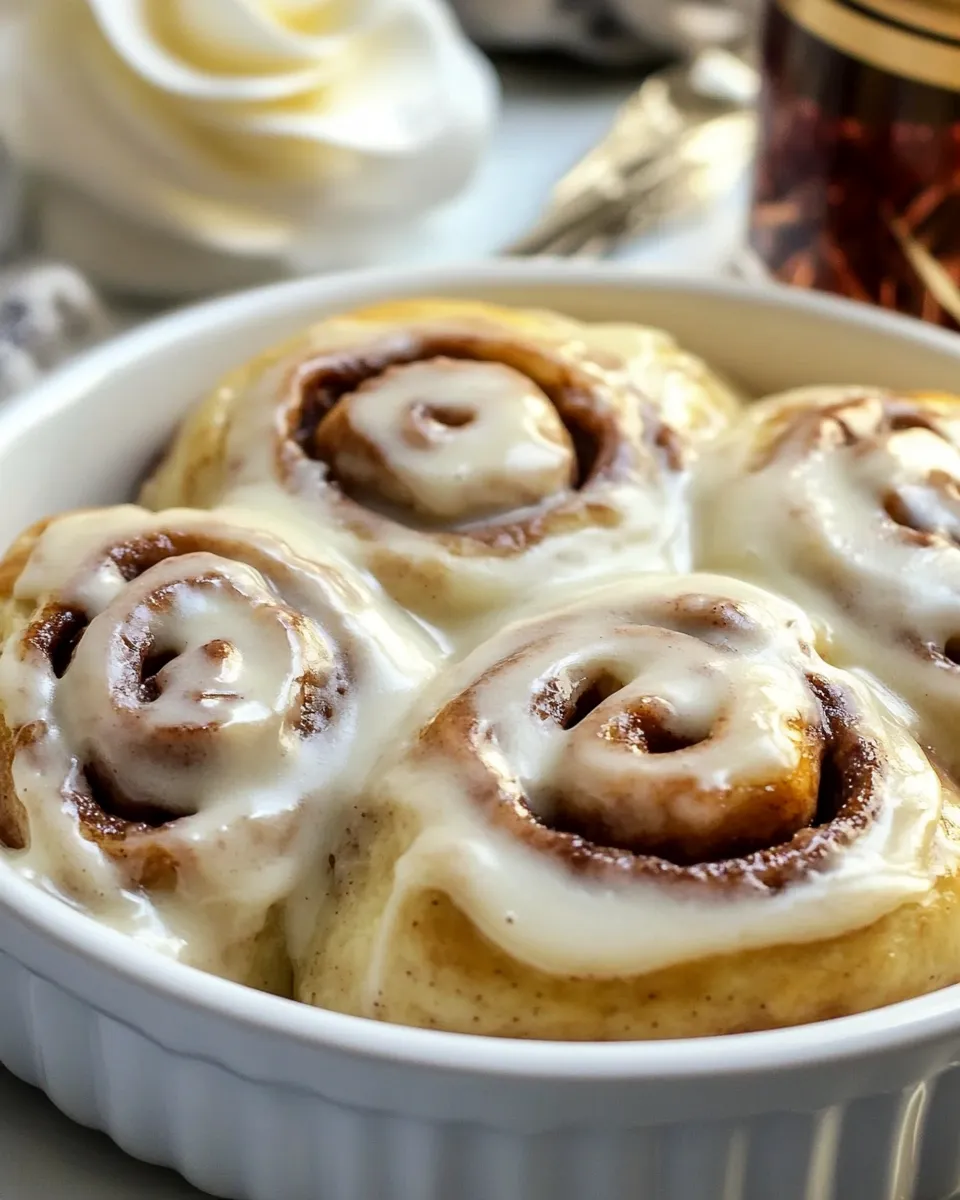
Old Fashioned Cinnamon Rolls
These cinnamon rolls are the kind of recipe I reach for when I want something reliable, comforting, and genuinely delicious. They’re not fussy, they don’t rely on exotic ingredients, and they reward a little patience with tender, pillowy spirals full of butter and cinnamon. If you bake a batch, your kitchen will smell like a small bakery for hours.
I like to keep the approach practical: follow the steps, give the dough time to work, and don’t rush the final rise. The method uses mashed potatoes in the dough — yes, mashed potatoes — which helps keep the interior soft for longer, and a mix of all-purpose and bread flour to get a dough that’s easy to roll but has structure.
Below you’ll find everything you need: ingredient notes, the step-by-step directions from our tested recipe, equipment suggestions, troubleshooting tips, and ideas for serving throughout the year. I’ve baked these enough times to know where people stumble, and I’ll point those spots out so your batch comes out great.
What You’ll Need

Before you start, gather your ingredients and tools. Read the full instructions once so you know the flow — there are two rises and a simple rolling step. Time-wise, plan for about 3 to 4 hours from start to finish (including rises), though most of that is hands-off.
Ingredients
- 1-½ cups warm water, about 120º — activates the yeast; keep it warm but not hot.
- ½ cup sugar — feeds the yeast and sweetens the dough.
- ½ cup vegetable oil — adds tenderness and keeps the dough soft.
- ½ cup mashed potatoes, unseasoned, no milk — adds moisture and keeps rolls tender; use cooled, plain mashed potatoes.
- 1 egg — binds and enriches the dough.
- 2 teaspoons salt — balances flavor and controls yeast activity.
- 3 envelopes active dry yeast (6 3/4 teaspoons), I use Red Star Yeast — leavening; make sure yeast is fresh.
- 3 tablespoons nonfat dry milk powder — improves browning and adds a touch of richness.
- 3 cups all-purpose flour — the base of the dough.
- 2-1/2 to 3 cups bread flour — added for structure; use enough to make a workable dough.
- ⅓ cup butter, at room temperature — for spreading over the rolled dough; softened, not melted.
- ¾ cup brown sugar — mixes with cinnamon to form the filling.
- 1½ tablespoons cinnamon — the defining spice; adjust slightly to taste if you like it stronger.
Old Fashioned Cinnamon Rolls, Made Easy
- In a large bowl or the bowl of a stand mixer, combine 1-1/2 cups warm water (about 120ºF), 1/2 cup sugar, 1/2 cup vegetable oil, 1/2 cup unseasoned mashed potatoes (no milk), 1 egg, and 3 envelopes active dry yeast (6 3/4 teaspoons). Mix until evenly combined.
- Add 2 teaspoons salt and mix briefly to incorporate.
- Add 3 tablespoons nonfat dry milk powder and 3 cups all-purpose flour. Beat or mix for 3 minutes (if using a stand mixer use the paddle or low speed; if mixing by hand stir until well combined).
- Gradually add 2-1/2 to 3 cups bread flour, a little at a time, using only as much as needed to make a workable dough that is slightly tacky but not sticky. If using a stand mixer switch to a dough hook, or transfer to a lightly floured surface.
- Knead the dough for 10 minutes (with the mixer dough hook on medium-low, or by hand on a lightly floured surface) until smooth and elastic.
- Lightly grease a large, deep bowl with oil. Form the dough into a smooth ball, place it in the greased bowl, and lightly grease the top of the dough. Cover the bowl with plastic wrap and/or a towel and place it in a warm, draft-free spot to rise until doubled in size, about 1 to 1 3/4 hours.
- Punch down the dough to release the air. Form it into a smooth ball, turn it in the bowl once so the underside is greased, cover again, and let it rise a second time for 1 hour.
- After the second rise, punch the dough down again and transfer it to a lightly floured surface. Roll the dough into a rectangle approximately 15 inches by 12 inches, about 1 inch thick, squaring the corners as you go.
- Spread 1/3 cup room-temperature butter evenly over the dough, leaving about a 1-inch strip along the top long edge free of butter.
- In a small bowl, mix 3/4 cup brown sugar with 1 1/2 tablespoons cinnamon. Sprinkle the cinnamon–brown sugar mixture evenly over the buttered surface.
- Starting at the bottom long side, tightly roll the dough up toward the top edge to form a log. Pinch the seam and ends to seal; press the ends gently to make them square. Using a serrated knife (or unflavored floss), cut the log into even rounds and place the rolls cut side up on greased baking sheets or into the greased 9 x 13 and 9 x 9 baking dishes, leaving space for expansion.
- Cover the arranged rolls with a towel and let them rise in a warm, draft-free spot for 1 hour.
- Preheat the oven to 325ºF. Bake the rolls at 325ºF for 10 minutes, then increase the oven temperature to 350ºF and bake an additional 5 minutes. Check that the rolls are done—an internal temperature of about 190ºF is a good indicator; if needed, bake a few minutes longer until fully baked.
- Remove the rolls from the oven and transfer them to a wire rack to cool completely before serving.
Top Reasons to Make Old Fashioned Cinnamon Rolls
- Reliable texture: the combination of all-purpose and bread flour plus the mashed potato keeps the crumb soft without collapsing.
- Simple pantry ingredients: no fancy dairy or specialty flours required.
- Bakes into a classic, nostalgic flavor that works for breakfast, brunch, or dessert.
- Scales well: the dough makes multiple pans, so you can freeze extras or share with neighbors.
- Hands-off time is generous: two long rises mean most work is waiting, not active labor.
Budget & Availability Swaps
- If you don’t have bread flour, you can use additional all-purpose flour; add it gradually until the dough reaches the right feel.
- If you’re out of brown sugar, you can use white sugar with a tablespoon of molasses where available, or simply extra white sugar if needed.
- Unsalted butter works fine for the filling; if you only have salted butter, reduce any extra added salt elsewhere (this recipe uses a set salt amount in the dough).
- Any standard active dry yeast works — Red Star was used in testing, but substitute another brand if that’s what you have.
Equipment & Tools
- Large mixing bowl or stand mixer — stand mixer makes kneading easier but isn’t required.
- Dough hook (if using a mixer) — useful for the 10-minute knead.
- Rolling pin and lightly floured surface — for rolling the dough into the rectangle.
- Greased baking sheets and/or greased 9 x 13 and 9 x 9 baking dishes — arrange rolls with room to expand.
- Serrated knife or unflavored floss — for cleanly cutting the log into even rounds.
- Plastic wrap or towel — to cover dough during rises and keep drafts away.
- Instant-read thermometer (optional) — useful for checking the internal temperature around 190ºF.
Pitfalls & How to Prevent Them
- Dense rolls from over- or under-kneading — knead for the full 10 minutes until the dough is smooth and elastic. If kneading by hand, watch for elasticity and a clean surface pull.
- Flat rolls from weak yeast — ensure the water is about 120ºF, not hot. Use fresh yeast; if in doubt, proof a small amount first.
- Dough too sticky or dry — add bread flour gradually (step 4) and stop when the dough feels slightly tacky but not sticky. Better to err on slightly tacky than too dry.
- Uneven spirals — roll the dough tightly and evenly from the bottom long side, keeping the filling spread all the way to the edges except the 1-inch strip at the top.
- Overbrowning or underbaking — follow the two-stage bake temperature. If unsure, use an instant-read thermometer; target about 190ºF internal temp.
- Soggy bottoms — make sure pans are greased but not overly oiled; cool on a wire rack to prevent steam buildup under the rolls.
Seasonal Serving Ideas
- Autumn: warm a roll and drizzle a simple glaze made with powdered sugar and a dash of apple cider or milk; top with toasted pecans.
- Winter holidays: add a pinch of nutmeg to the filling or swap half the cinnamon for pumpkin pie spice for a seasonal twist.
- Spring brunch: serve with whipped cream cheese frosting and fresh berries on the side.
- Summer: chill leftover rolls and serve lightly warmed with a scoop of vanilla ice cream for an easy dessert.
Notes from the Test Kitchen
We tested these over a range of kitchen temperatures and with slight variations in flour types. The two rises are purposeful: the first gives the dough its strength and bubble structure, the second lets you shape and relax the gluten so rolling is easy. Don’t skip the second rise — it’s the difference between tight, heavy spirals and soft, airy rolls.
Mashed Potato Tip
Use plain, unseasoned mashed potatoes without milk (as called for). Leftover baked potato mashed with a fork works well. The quantity is small but impactful: it lends moisture and a softer crumb that stays fresh longer.
Mixing Notes
If you have a stand mixer, start with the paddle for the initial mixing, then switch to the dough hook when you add the bread flour. If mixing by hand, be patient and keep a light dusting of flour nearby for the surface during kneading.
Store, Freeze & Reheat
- To store at room temperature: once cooled, keep rolls in an airtight container for up to 2 days.
- To refrigerate: place cooled rolls in an airtight container for up to 5 days. Warm gently before serving.
- To freeze: place cooled rolls in a single layer on a tray to freeze until firm, then transfer to a freezer-safe bag or container. Freeze for up to 2 months. Thaw in the fridge or at room temperature, then warm in a low oven.
- To reheat: warm individual rolls in the microwave for 15–20 seconds or in a 325ºF oven for 8–10 minutes until warmed through. Cover loosely with foil if reheating from frozen to prevent over-browning.
Common Questions
- Can I make the dough the night before? Yes. After the first rise, you can punch down the dough, refrigerate it overnight, then let it come to room temperature and complete the second rise and shaping in the morning.
- Do I need to proof the yeast separately? The recipe mixes the yeast directly with warm water and other wet ingredients. If your kitchen is cool or your yeast is older, you can proof a small portion in warm water with a pinch of sugar first to ensure it’s active.
- Why mashed potatoes? The mashed potatoes add moisture and a little starch that keeps the interior tender and slows staling. Use plain, unseasoned mashed potatoes as the recipe specifies.
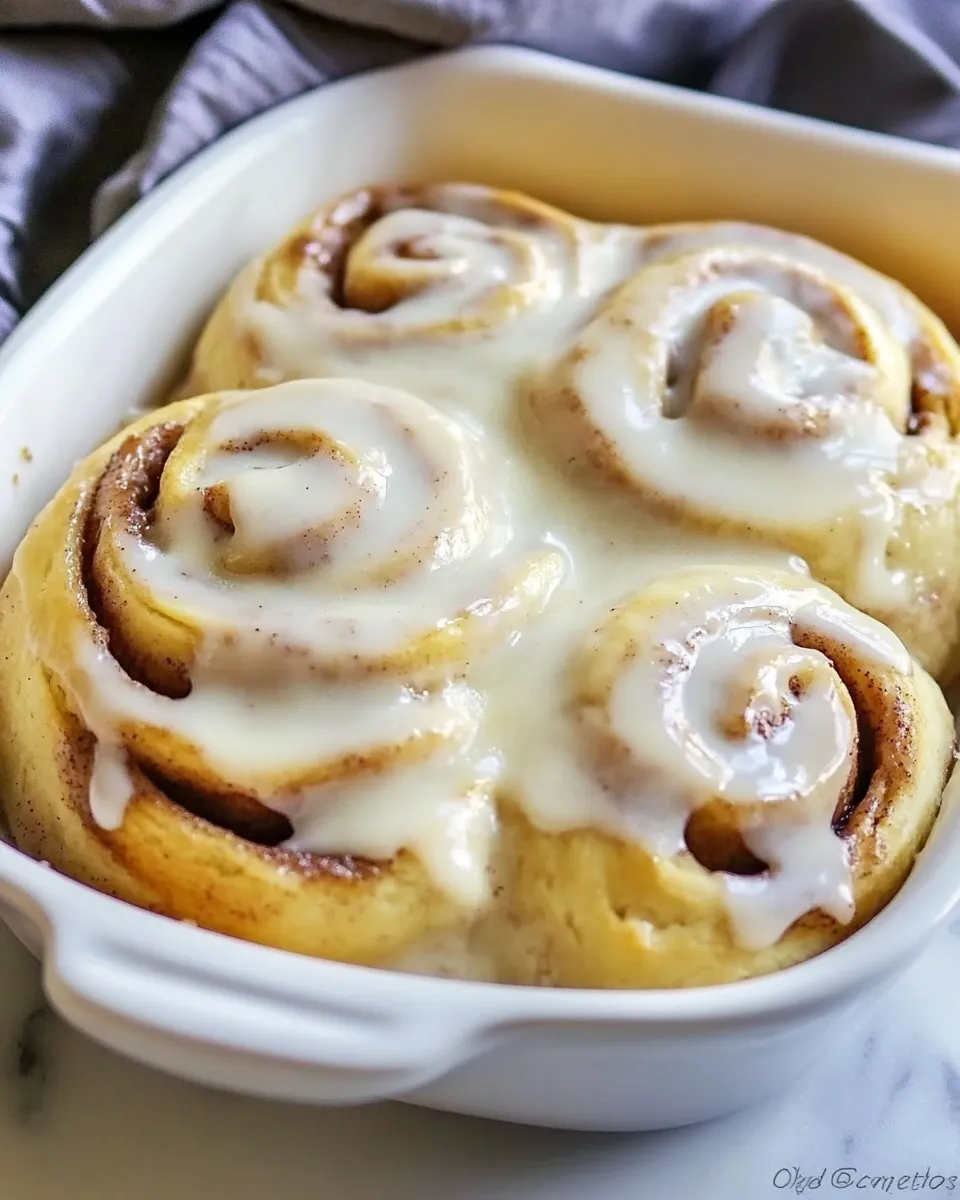
- Can I add icing? Yes. A cream cheese or simple powdered sugar glaze can be added once rolls are cooled. The recipe recommends cooling completely before serving.
- How do I get perfectly even slices? Use unflavored floss or a sharp serrated knife and work in one steady motion. Chilling the log briefly (10–15 minutes) can help if the dough is too soft to slice cleanly.
Final Bite
These Old Fashioned Cinnamon Rolls are straightforward to make and forgiving if you watch the key touchpoints: water temperature, dough feel, and rise times. They reward a little time and attention with classic flavor and a texture that keeps people coming back. Bake a pan for a weekend breakfast, freeze a tray for quick treats later, and don’t be surprised if they become the thing everyone asks for.

Old Fashioned Cinnamon Rolls
Ingredients
Ingredients
- 1-1/2 cups warm water about 120º
- 1/2 cup sugar
- 1/2 cup vegetable oil
- 1/2 cup mashed potatoes unseasoned, no milk
- 1 egg
- 2 teaspoons salt
- 3 envelopes active dry yeast 6 3/4 teaspoons, I use Red Star Yeast
- 3 tablespoons nonfat dry milk powder
- 3 cups all-purpose flour
- 2-1/2 to 3 cups bread flour
- 1/3 cup butter at room temperature
- 3/4 cup brown sugar
- 1 1/2 tablespoons cinnamon
Instructions
Instructions
- In a large bowl or the bowl of a stand mixer, combine 1-1/2 cups warm water (about 120ºF), 1/2 cup sugar, 1/2 cup vegetable oil, 1/2 cup unseasoned mashed potatoes (no milk), 1 egg, and 3 envelopes active dry yeast (6 3/4 teaspoons). Mix until evenly combined.
- Add 2 teaspoons salt and mix briefly to incorporate.
- Add 3 tablespoons nonfat dry milk powder and 3 cups all-purpose flour. Beat or mix for 3 minutes (if using a stand mixer use the paddle or low speed; if mixing by hand stir until well combined).
- Gradually add 2-1/2 to 3 cups bread flour, a little at a time, using only as much as needed to make a workable dough that is slightly tacky but not sticky. If using a stand mixer switch to a dough hook, or transfer to a lightly floured surface.
- Knead the dough for 10 minutes (with the mixer dough hook on medium-low, or by hand on a lightly floured surface) until smooth and elastic.
- Lightly grease a large, deep bowl with oil. Form the dough into a smooth ball, place it in the greased bowl, and lightly grease the top of the dough. Cover the bowl with plastic wrap and/or a towel and place it in a warm, draft-free spot to rise until doubled in size, about 1 to 1 3/4 hours.
- Punch down the dough to release the air. Form it into a smooth ball, turn it in the bowl once so the underside is greased, cover again, and let it rise a second time for 1 hour.
- After the second rise, punch the dough down again and transfer it to a lightly floured surface. Roll the dough into a rectangle approximately 15 inches by 12 inches, about 1 inch thick, squaring the corners as you go.
- Spread 1/3 cup room-temperature butter evenly over the dough, leaving about a 1-inch strip along the top long edge free of butter.
- In a small bowl, mix 3/4 cup brown sugar with 1 1/2 tablespoons cinnamon. Sprinkle the cinnamon–brown sugar mixture evenly over the buttered surface.
- Starting at the bottom long side, tightly roll the dough up toward the top edge to form a log. Pinch the seam and ends to seal; press the ends gently to make them square. Using a serrated knife (or unflavored floss), cut the log into even rounds and place the rolls cut side up on greased baking sheets or into the greased 9 x 13 and 9 x 9 baking dishes, leaving space for expansion.
- Cover the arranged rolls with a towel and let them rise in a warm, draft-free spot for 1 hour.
- Preheat the oven to 325ºF. Bake the rolls at 325ºF for 10 minutes, then increase the oven temperature to 350ºF and bake an additional 5 minutes. Check that the rolls are done—an internal temperature of about 190ºF is a good indicator; if needed, bake a few minutes longer until fully baked.
- Remove the rolls from the oven and transfer them to a wire rack to cool completely before serving.
Equipment
- Large Bowl
- Stand mixer
- dough hook
- Paddle Attachment
- Rolling Pin
- Serrated Knife
- unflavored floss
- Baking Sheet
- 9 x 13 baking dish
- 9 x 9 baking dish
- Wire Rack
- Plastic Wrap