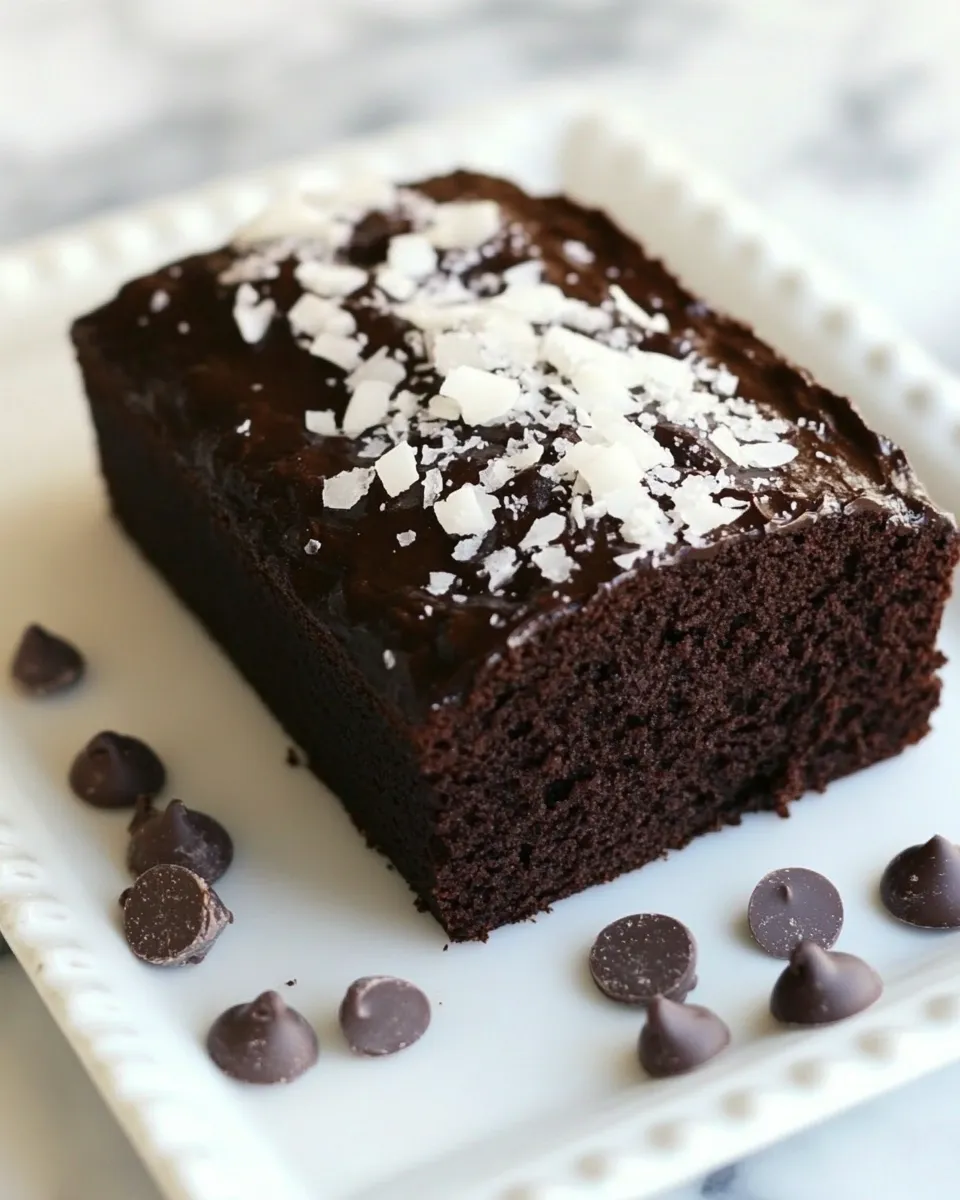
Double Chocolate Loaf Cake
This double chocolate loaf cake is the kind of recipe I turn to when I want something reliably chocolatey, dense but tender, and easy to slice for friends. It doesn’t require tempering chocolate or fancy techniques—just a few bowls, a stand mixer, and patience while the oven does its work. The result is a moist, deeply chocolate loaf studded with coarsely chopped dark chocolate that melts into pockets of bittersweet richness.
I’m practical about baking: I want clear steps, dependable timing, and a handful of tips so the cake comes out the same way every time. Below I lay out the ingredients straight from the recipe, the exact method you should follow, and a series of troubleshooting tips and sensible swaps that keep this loaf approachable for busy home bakers. No fluff—just the tried-and-true steps that make a great chocolate loaf.
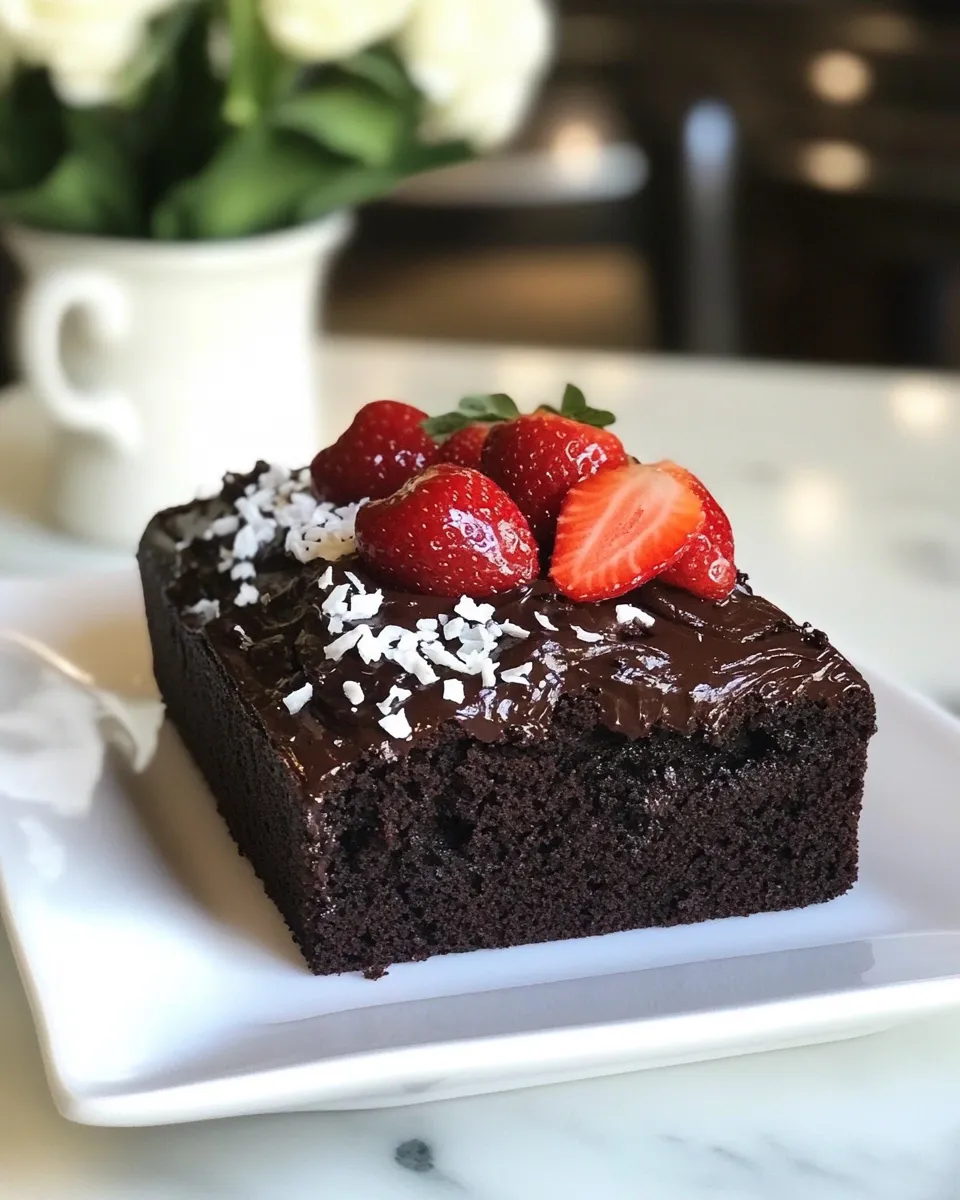
If you’re serving this for a casual dessert, it pairs perfectly with lightly whipped cream and fresh strawberries. If you’re making it to gift, slice it while it’s cool and pack in parchment. Read on for the ingredient rundown, the step-by-step directions, and a practical guide to storing and tweaking the loaf to suit your needs.
Ingredient Rundown

Ingredients
- 3/4 cup firmly packed dark brown sugar — Adds moisture, depth, and a subtle molasses note; pack it firmly when measuring for accuracy.
- 1 cup dark unsweetened cocoa powder, sifted — Provides the main chocolate flavor; sifting prevents clumps and ensures even mixing.
- 1 1/2 cups all-purpose flour — Structure for the loaf; measure by spooning into the cup and leveling for best results.
- 3/4 cup granulated sugar — Balances bitterness from the cocoa and dark chocolate; keep this amount for the intended sweetness.
- 1 1/2 teaspoons baking soda — Leavening that reacts with the buttermilk; fresh baking soda helps the loaf rise properly.
- 3/4 teaspoon baking powder — Adds lift and lightens texture a bit in combination with the baking soda.
- 1 teaspoon salt — Enhances the chocolate flavor; don’t skip it.
- 2 large eggs — Provide structure, richness, and moisture.
- 1 large egg yolk — Extra fat for tenderness and a silkier crumb.
- 3/4 cup buttermilk — Adds tang and activates the baking soda; room temperature is best.
- 1/2 cup vegetable oil — Keeps the loaf moist and tender; a neutral oil is used so chocolate flavor can shine.
- 1 teaspoon pure vanilla extract — Rounds out the chocolate and balances sweetness.
- 8 ounces good-quality dark chocolate, 60–72%, coarsely chopped — Chunky pockets of chocolate throughout the loaf; higher cocoa percentages give a more sophisticated bitterness.
- Whipped cream and strawberries — For serving, if desired; optional but a lovely fresh contrast to the rich loaf.
Double Chocolate Loaf Cake — Do This Next
- Preheat the oven to 350°F and place a rack in the center. Lightly grease a 9×5-inch loaf pan with a small amount of the 1/2 cup vegetable oil, then dust the pan with all-purpose flour and tap out the excess.
- Put the 3/4 cup firmly packed dark brown sugar into the bowl of a stand mixer fitted with the paddle attachment. Press out any lumps with the back of a spoon.
- Sift the 1 cup dark unsweetened cocoa powder directly into the mixer bowl. Add the 1 1/2 cups all-purpose flour, 3/4 cup granulated sugar, 1 1/2 teaspoons baking soda, 3/4 teaspoon baking powder, and 1 teaspoon salt. Mix on low just until the dry ingredients are evenly distributed, then scrape down the sides and bottom of the bowl.
- In a separate bowl, whisk the 2 large eggs and 1 large egg yolk until blended. Add the 3/4 cup buttermilk, the remaining 1/2 cup vegetable oil, and 1 teaspoon pure vanilla extract; whisk until combined.
- With the mixer running on low speed, slowly stream the wet mixture into the dry mixture. Mix only until the batter is just combined and no large streaks of flour remain—do not overmix.
- Using a spatula, fold in the 8 ounces coarsely chopped dark chocolate (60–72%) by hand until evenly distributed.
- Pour the batter into the prepared loaf pan and smooth the top with a spatula.
- Bake for 1 hour to 1 hour and 10 minutes, or until a toothpick inserted into the center comes out clean or with a few moist crumbs.
- Let the loaf cool in the pan on a wire rack for 15 minutes. Run a knife around the edges, invert the loaf onto the rack, and let it cool completely.
- Slice and serve with whipped cream and strawberries, if desired.
What Sets This Recipe Apart

This loaf hits a sweet spot: it’s not a cakey layer cake, and it’s not a fudgy brownie—it’s in-between. The combination of dark cocoa powder and large chunks of 60–72% dark chocolate creates layered chocolate intensity. The oil plus egg yolk combination keeps the crumb moist longer than butter-only loaf cakes. Buttermilk gives a subtle tang that prevents the chocolate from tasting flat and helps the baking soda lift the loaf without making it dry.
The simplicity of the method—combining dry ingredients in the mixer, whisking wet ingredients separately, then finishing by hand—reduces the risk of overmixing while still producing an even batter. The coarse chop of the dark chocolate ensures pockets of melted chocolate rather than an entirely uniform batter, which is what gives each slice a pleasant texture contrast.
Healthier Substitutions
- Reduce sugar: Cut the granulated sugar by up to 25% if you prefer less sweetness; keep the brown sugar for moisture and flavor. Expect a slightly denser texture.
- Swap oil: Use light olive oil or avocado oil 1:1 for vegetable oil for a small boost of monounsaturated fats. The flavor difference is subtle with strong cocoa.
- Lower-fat option: Replace half the oil with unsweetened applesauce for fewer calories and less fat; the loaf will be slightly less tender but still tasty.
- Dairy alternatives: Use a cultured plant-based milk plus 1/4 teaspoon white vinegar to mimic buttermilk if you need dairy-free. The acidity helps the leavening react.
- Gluten-free: Try a 1:1 gluten-free flour blend that includes xanthan gum; expect texture differences and possibly a shorter bake time.
Tools of the Trade
- Stand mixer with paddle attachment — Makes combining dry ingredients and incorporating wet mix effortless and even; a hand mixer works too.
- Sifter or fine mesh sieve — For the cocoa powder; prevents lumps and helps distribution.
- 9×5-inch loaf pan — The specified size controls bake time and loaf shape.
- Spatula — For folding chocolate and smoothing the batter in the pan.
- Whisk and medium bowl — To blend the eggs, buttermilk, oil, and vanilla.
- Wire rack — For cooling; helps prevent soggy bottoms by allowing air to circulate.
- Sharp knife or bench scraper — To run around the edges before inverting the pan.
- Toothpick or cake tester — To check for doneness without overbaking.
Common Errors (and Fixes)
- Dense, gummy center: Often caused by underbaking or overmixing. Fix: follow the bake time range and test with a toothpick; stop mixing when large streaks of flour disappear.
- Loaf collapses: Opening the oven door too early or using old leavening can cause collapse. Fix: avoid opening the door for the first 40–50 minutes and use fresh baking soda/powder.
- Dry crumb: Overbaking or too much flour can dry it out. Fix: measure flour correctly (spoon and level), and check for doneness toward the earlier end of the time range.
- Uneven texture or pockets of dry flour: Not scraping the bowl or mixing too fast. Fix: scrape the bowl after the dry mix stage and fold wet ingredients in slowly on low.
- Chocolate sinks to the bottom: If chocolate pieces are too fine or batter too thin, they can sink. Fix: use coarsely chopped chocolate and fold it in gently.
Make It Diet-Friendly
To fit specific dietary needs without changing the loaf’s character too much, focus on simple swaps: halving the oil is possible if you replace the rest with plain unsweetened applesauce, or use a light oil with a heart-healthy profile. For gluten-free eaters, an appropriate 1:1 flour blend is the straightforward route, but expect a slight change in crumb and possibly a need to adjust bake time. Vegan adjustments (eggs and dairy) require reliable egg replacers and a buttermilk substitute—these will alter texture, so test in small batches first.
Method to the Madness
There’s a little science behind every comforting loaf. Cocoa powder contributes flavor but no fat, so the chopped dark chocolate melts and provides richness where needed. The balance between baking soda and the acidity in buttermilk creates lift without making the crumb cake-like. The oil keeps the loaf more tender and moist over several days than a butter-based loaf would.
Technique matters: sifting cocoa prevents bitter clumps and ensures the dry mix incorporates smoothly. Slow streaming of the wet mixture into dry keeps the batter uniform and minimizes gluten development. Folding in the chocolate by hand protects the chocolate pieces from breaking down and helps keep the crumb airy.
Keep It Fresh: Storage Guide
- Room temperature: Store wrapped tightly in plastic wrap or in an airtight container for up to 3 days. A slice can be warmed briefly before serving.
- Refrigeration: Refrigerate up to 5 days if you’ve added perishable toppings like whipped cream; bring to room temperature before serving to regain softness.
- Freezing: Wrap the cooled loaf tightly in plastic and then foil, or freeze individual slices in freezer bags for up to 3 months. Thaw overnight in the fridge or at room temperature for a few hours; warm briefly if desired.
Quick Q&A
- Q: Can I use milk instead of buttermilk? A: Regular milk can be used with 1 tablespoon vinegar or lemon juice added to 3/4 cup to sour it and mimic buttermilk’s acidity.
- Q: How do I know when it’s done? A: A toothpick should come out clean or with a few moist crumbs; avoid waiting for a completely dry toothpick, which can mean overbaking.
- Q: Can I add nuts or chips? A: Yes—fold them in with the chopped chocolate, but don’t overfill or the loaf may not rise evenly.
- Q: Oven temperature seems off—should I trust my oven? A: Use an oven thermometer. Many home ovens run hot or cold, which affects bake time and final texture.
Wrap-Up
This Double Chocolate Loaf Cake is a dependable recipe that rewards simple, careful technique: sift the cocoa, keep an eye on mixing, and allow the oven to do its job. The loaf balances moistness, chocolate intensity, and easy make-ahead convenience. Whether you’re serving it warm with whipped cream and strawberries or slicing it for a coffee-side treat, it’s a crowd-pleasing option that’s flexible enough for small adjustments.
Make it as written the first time. After you’ve baked it once, you’ll know how your oven behaves and can experiment with the healthier swaps or add-ins I suggested. Happy baking—and enjoy every chocolatey slice.
Double Chocolate Loaf Cake
Ingredients
Ingredients
- 3/4 cupfirmly packed dark brown sugar
- 1 cupdark unsweetened cocoa powdersifted
- 1 1/2 cupsall purpose flour
- 3/4 cupgranulated sugar
- 1 1/2 teaspoonsbaking soda
- 3/4 teaspoonbaking powder
- 1 teaspoonsalt
- 2 large eggs
- 1 large egg yolk
- 3/4 cupbuttermilk
- 1/2 cupvegetable oil
- 1 teaspoonpure vanilla extract
- 8 ouncesgood-quality dark chocolate60-72% coarsely chopped
- Whipped cream and strawberriesfor serving if desired
Instructions
Instructions
- Preheat the oven to 350°F and place a rack in the center. Lightly grease a 9x5-inch loaf pan with a small amount of the 1/2 cup vegetable oil, then dust the pan with all-purpose flour and tap out the excess.
- Put the 3/4 cup firmly packed dark brown sugar into the bowl of a stand mixer fitted with the paddle attachment. Press out any lumps with the back of a spoon.
- Sift the 1 cup dark unsweetened cocoa powder directly into the mixer bowl. Add the 1 1/2 cups all-purpose flour, 3/4 cup granulated sugar, 1 1/2 teaspoons baking soda, 3/4 teaspoon baking powder, and 1 teaspoon salt. Mix on low just until the dry ingredients are evenly distributed, then scrape down the sides and bottom of the bowl.
- In a separate bowl, whisk the 2 large eggs and 1 large egg yolk until blended. Add the 3/4 cup buttermilk, the remaining 1/2 cup vegetable oil, and 1 teaspoon pure vanilla extract; whisk until combined.
- With the mixer running on low speed, slowly stream the wet mixture into the dry mixture. Mix only until the batter is just combined and no large streaks of flour remain—do not overmix.
- Using a spatula, fold in the 8 ounces coarsely chopped dark chocolate (60–72%) by hand until evenly distributed.
- Pour the batter into the prepared loaf pan and smooth the top with a spatula.
- Bake for 1 hour to 1 hour and 10 minutes, or until a toothpick inserted into the center comes out clean or with a few moist crumbs.
- Let the loaf cool in the pan on a wire rack for 15 minutes. Run a knife around the edges, invert the loaf onto the rack, and let it cool completely.
- Slice and serve with whipped cream and strawberries, if desired.
Equipment
- 9x5-inch loaf pan
- Stand mixer
- Paddle Attachment
- Mixing Bowl
- Sifter
- Whisk
- Spatula
- Wire Rack
- Knife
- toothpick