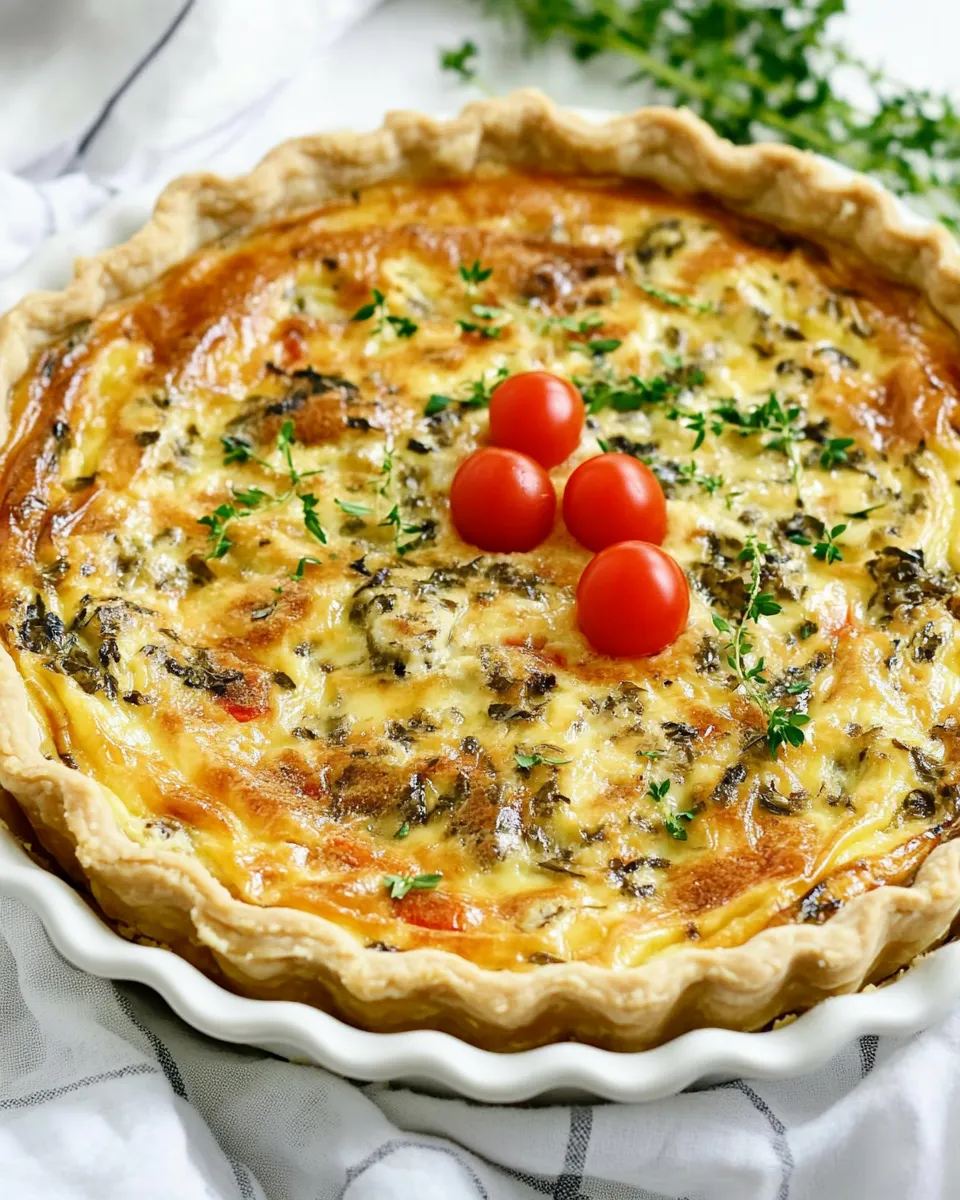
How to Make the Best Quiche
Quiche is one of those dishes that feels indulgent but is actually forgiving. It’s a simple custard baked in a crisp shell, and with the right technique you get a golden, set center and a flaky crust every single time. I make quiche when I need a reliable dinner, a portable brunch, or a show-stopping lunch to bring to friends.
Over the years I’ve learned to focus on three things: a solid crust, a properly mixed custard, and sensible handling of add-ins so they don’t release moisture into the filling. This recipe is built on those principles and the straightforward instructions below. Read through the tips and notes—small details make a big difference.
Ingredients at a Glance

- 1 Pie Crust (homemade or store-bought) — The base of the quiche; use a 9- or 10-inch crust that fits your pie dish snugly.
- 6 large Eggs — The primary structure for the custard; whisk well to incorporate air for a lighter texture.
- 2 cups Heavy Cream — Provides richness and silkiness to the filling; heavy cream yields a luxurious custard.
- 1 cup Whole Milk — Cuts the heaviness of the cream so the quiche isn’t overly dense.
- 1½ teaspoons Salt — Essential for seasoning; distribute evenly through the custard for balanced flavor.
- 1 teaspoon Ground Pepper — Adds gentle spice and seasoning; freshly ground is best if you have it.
Cook Quiche Like This
- Preheat the oven to 350°F (175°C).
- Prepare the pie crust according to your recipe or package directions and fit it into a pie dish. Crimp or flute the edges as desired.
- In a large bowl, whisk together 6 large eggs, 2 cups heavy cream, 1 cup whole milk, 1½ teaspoons salt, and 1 teaspoon ground pepper until well combined and slightly frothy.
- If you are adding any meats or vegetables, cook them first: brown or sauté in a skillet until fully cooked and any excess moisture or grease is removed, then let them cool slightly.
- If using add-ins, spread them evenly in the bottom of the prepared crust. Pour the egg and cream mixture over the crust (and over the add-ins, if using), pouring slowly to avoid overflow.
- Place the pie dish on a baking sheet and put it in the preheated oven. Bake for 45 to 55 minutes, until the center is set — it should no longer be liquid and will have a slight jiggle in the very center.
- If the crust edges begin to brown too much during baking, cover the edges with a pie shield or strips of foil for the remainder of the bake time.
- Remove the quiche from the oven and let it sit undisturbed for 15 minutes before slicing and serving.
Why It’s My Go-To
Quiche is flexible, forgiving, and endlessly useful. With just a few pantry staples—eggs, cream, milk, and a crust—you have a full meal that travels well and suits many occasions. I keep a pie crust in the freezer and a carton of cream on hand, so a quiche can come together quickly.
It’s also a crowd-pleaser. The texture balances creamy and firm, and it slices cleanly when rested properly. Once you master the basic custard ratio here, you can adapt fillings without worrying that you’ll ruin the base. That’s why I reach for quiche more than I reach for complicated baked dishes.
Dairy-Free/Gluten-Free Swaps
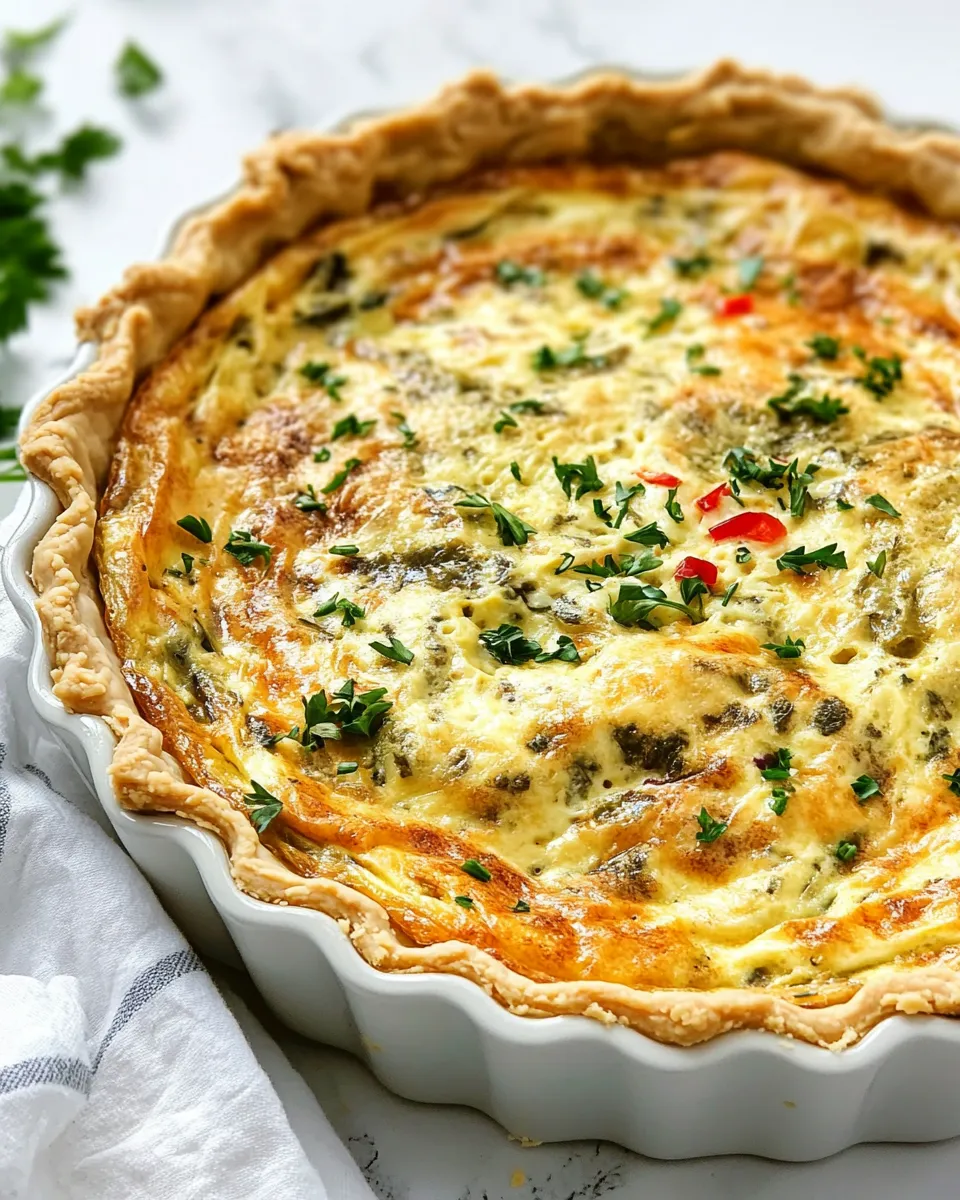
If you need to adapt the recipe, keep in mind that the source custard relies on fat and protein from eggs and dairy to set and taste right. Swap suggestions below aim to preserve texture while accommodating restrictions.
- Dairy-free: Use full-fat coconut milk or a blend of coconut cream and unsweetened oat milk in place of the heavy cream and whole milk. The flavor will shift; add a pinch more salt to brighten it.
- Gluten-free crust: Use a commercially available gluten-free pie crust or a homemade one based on almond flour mixed with a neutral binder. Par-bake briefly to reduce sogginess from the filling.
- Egg-free: There’s no easy one-to-one replacement for eggs in a traditional quiche; for truly egg-free diets, consider a tofu-based savory tart (a different technique altogether).
Toolbox for This Recipe
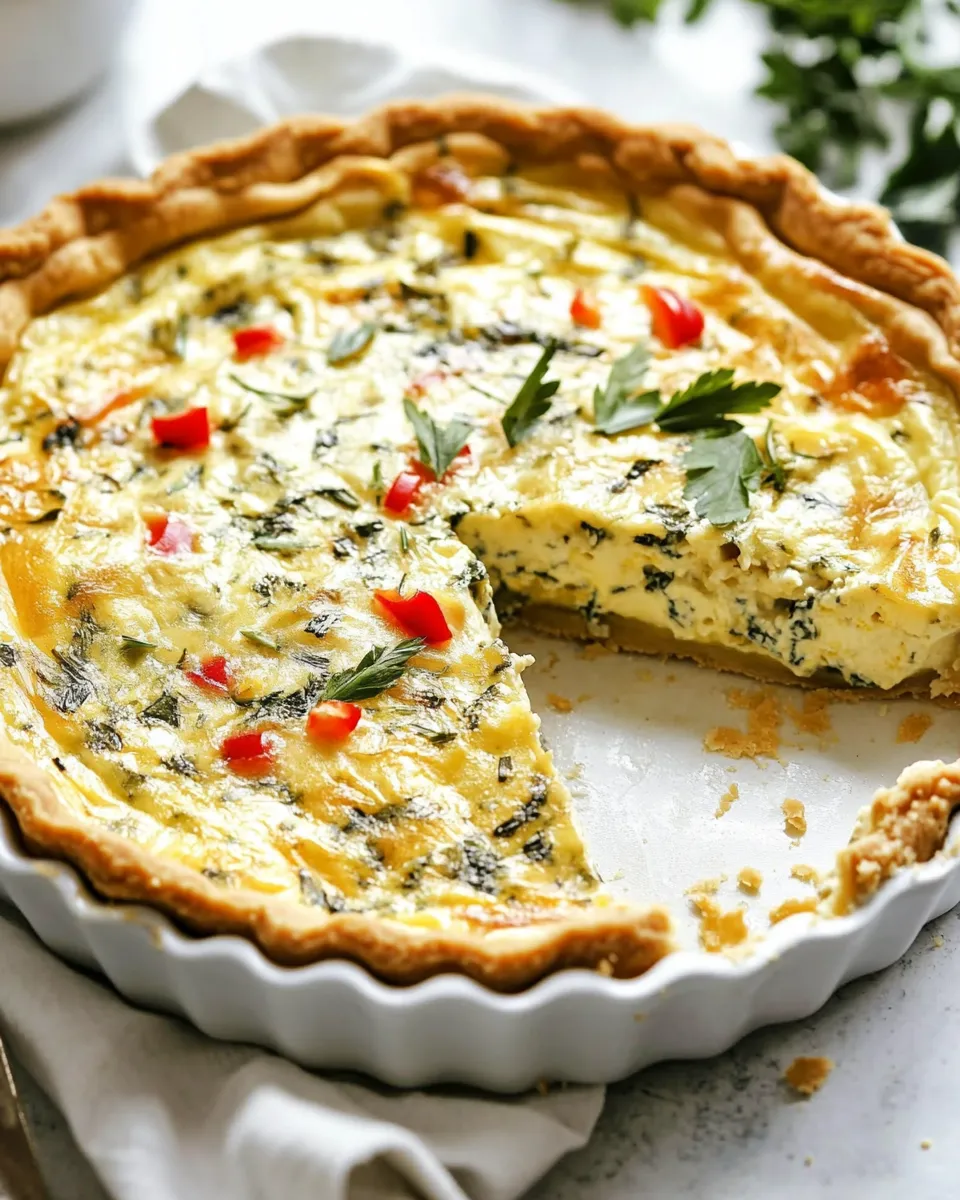
Good tools make this easier and cleaner. Here’s what I use regularly.
- 9- or 10-inch pie dish — for even baking and the right depth of filling.
- Large mixing bowl and a whisk — to blend the eggs and dairy until slightly frothy.
- Skillet — to cook any vegetables or proteins before adding.
- Baking sheet — prevents spills from making an oven mess and helps with heat distribution.
- Pie shield or foil strips — protects the crust edges from over-browning.
- Sharp knife — for clean slices once the quiche has rested.
Avoid These Traps
Here are the common mistakes I’ve learned to avoid:
- Skipping pre-cooking for add-ins: Raw vegetables release moisture as they cook in the oven, which can make the quiche watery. Sauté or roast them first.
- Overfilling the crust: Pour slowly. The custard expands a bit while baking; leave some headroom to prevent overflow.
- Baking at too high a temperature: The center needs gentle, even heat. 350°F lets the custard set without becoming rubbery or cracking dramatically.
- Slicing immediately: Cutting while too hot causes the custard to weep and fall apart. Rest for the full 15 minutes.
Seasonal Flavor Boosts
Quiche is a great canvas for seasonal produce. Match fillings to what’s at its peak.
- Spring: Ramp up with tender asparagus tips and fresh herbs like chives or tarragon.
- Summer: Use sweet cherry tomatoes, basil, or sautéed summer squash—cook well to remove excess moisture.
- Fall: Roast root vegetables, caramelized onions, or thinly sliced apples for a sweeter edge.
- Winter: Braised greens, mushrooms, and roasted squash pair well with the rich custard.
Recipe Notes & Chef’s Commentary
Custard ratio and texture
The egg-to-dairy ratio here (6 eggs to 3 cups total dairy) gives a custard that’s rich but still sliceable. If you prefer an extra-silky custard, increase the cream slightly and reduce milk, but be mindful—all dairy changes affect texture and richness.
Crust considerations
If you like a crisp bottom, blind-bake the crust for 8–10 minutes before adding add-ins and custard. Keep an eye on edges: pre-baking concentrates browning early, so you may need to shield edges sooner in the final bake.
On salt and seasoning
The listed 1½ teaspoons of salt seasons the custard itself. If your add-ins are salty (like cured meats or aged cheeses), taste and reduce the salt slightly to avoid an overly salty final dish.
Cooling, Storing & Rewarming
Let the quiche rest for 15 minutes after baking so the custard finishes setting. This step is crucial for clean slices.
- Storing: Refrigerate leftover slices in an airtight container for up to 3–4 days. The texture softens slightly but remains delicious.
- Freezing: You can freeze whole quiches or slices. Wrap tightly in plastic then foil. Freeze up to 1 month. Thaw in the fridge overnight before reheating.
- Rewarming: Reheat slices in a 325°F oven for 12–20 minutes, until warmed through. A quick 1–2 minute zap in the microwave works in a pinch but can make the custard a bit rubbery; reheating in the oven preserves texture.
Popular Questions
- Can I make this ahead? Yes. Assemble and refrigerate up to 24 hours before baking. If chilled, give it a few extra minutes in the oven since it starts colder.
- Why did my quiche crack? Rapid temperature changes or overbaking can cause cracks. Bake gently and remove when the center just sets with a slight jiggle.
- How do I stop the crust from getting soggy? Pre-cook wet add-ins and consider a quick blind-bake or brushing the crust with a thin egg wash before adding the filling.
- Is it supposed to jiggle? Yes. A slight jiggle in the very center indicates the custard is set but not overbaked. It will continue to firm up as it cools.
Bring It to the Table
Serve quiche warm or at room temperature. It pairs beautifully with a crisp green salad dressed simply with lemon and olive oil, or a handful of lightly dressed seasonal greens. For brunch, add a platter of fresh fruit and a loaf of crusty bread. If bringing it to a gathering, slice it after the 15-minute rest and set out a cheese knife—the slices travel and serve well.
This quiche formula is dependable and adaptable. Follow the steps closely, respect the resting time, and treat the fillings so they don’t weep. Do that and you’ll end up with a quiche that looks and tastes like you put in far more effort than you actually did.

How to Make the Best Quiche
Ingredients
Ingredients
- 1 Pie Crusthomemade or store-bought
- 6 largeEggs
- 2 cupsHeavy Cream
- 1 cupWhole Milk
- 1 1/2 teaspoonsSalt
- 1 teaspoonGround Pepper
Instructions
Instructions
- Preheat the oven to 350°F (175°C).
- Prepare the pie crust according to your recipe or package directions and fit it into a pie dish. Crimp or flute the edges as desired.
- In a large bowl, whisk together 6 large eggs, 2 cups heavy cream, 1 cup whole milk, 1½ teaspoons salt, and 1 teaspoon ground pepper until well combined and slightly frothy.
- If you are adding any meats or vegetables, cook them first: brown or sauté in a skillet until fully cooked and any excess moisture or grease is removed, then let them cool slightly.
- If using add-ins, spread them evenly in the bottom of the prepared crust. Pour the egg and cream mixture over the crust (and over the add-ins, if using), pouring slowly to avoid overflow.
- Place the pie dish on a baking sheet and put it in the preheated oven. Bake for 45 to 55 minutes, until the center is set — it should no longer be liquid and will have a slight jiggle in the very center.
- If the crust edges begin to brown too much during baking, cover the edges with a pie shield or strips of foil for the remainder of the bake time.
- Remove the quiche from the oven and let it sit undisturbed for 15 minutes before slicing and serving.
Equipment
- Oven
- Pie Dish
- Mixing Bowl
- Whisk
- Skillet
- Baking Sheet
- foil or pie shield
Notes
Updated on September 27, 2021
Originally Posted on December 6, 2019