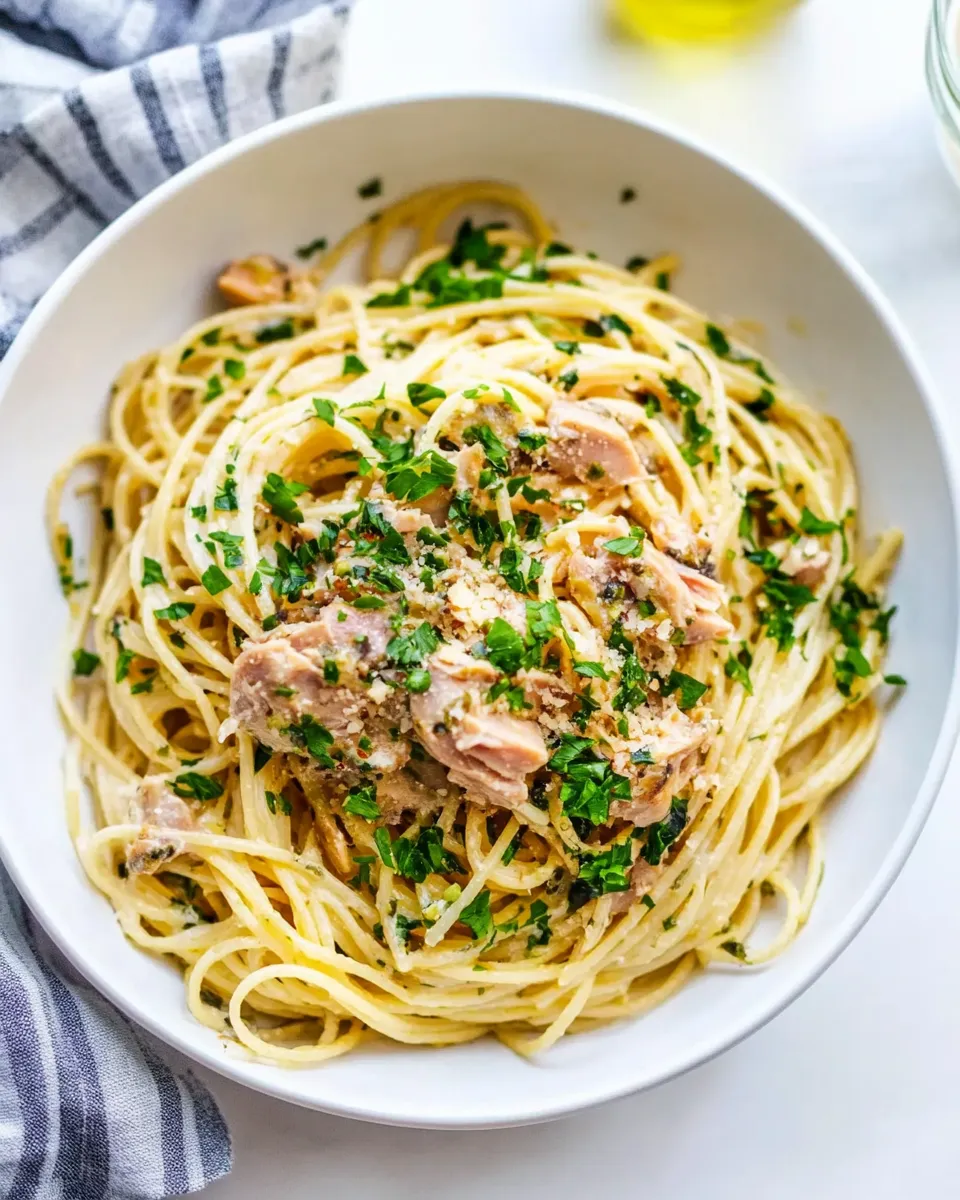
Tuna Pasta
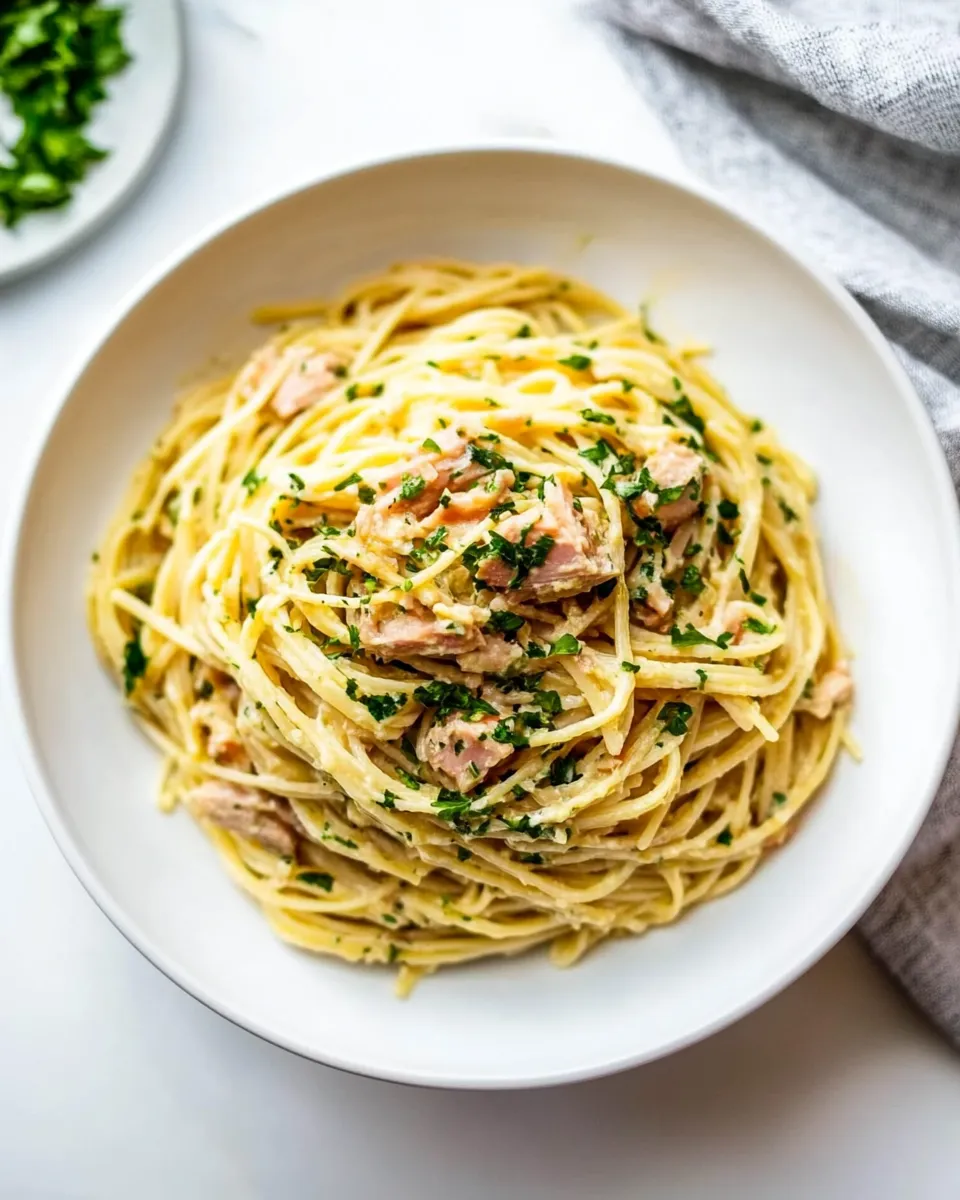
This is a tidy, weeknight-friendly pasta that comes together with pantry staples and a bright lemon finish. It’s the kind of recipe I reach for when I want dinner on the table fast without sacrificing a clean, fresh flavor. One can of tuna transforms into a saucy, savory topping that plays beautifully with capers and lemon.
The steps are straightforward and unforgiving in the best way: don’t overcook the garlic, keep some pasta water on hand, and fold the tuna in gently so you still see nice flakes. It’s satisfying, economical, and adaptable—perfect for a quick solo dinner or a low-effort midweek family meal.
I’ll walk you through exactly what goes in the bowl, the precise steps, helpful swaps, troubleshooting, storage tips, and a few variations for holidays or a slightly more dressed-up table. Let’s get to it.
What’s in the Bowl

This dish is driven by bright lemon, salty capers, and the savory depth of tuna packed in oil. Olive oil forms the base of the sauce, garlic and red pepper flakes add a little heat, and parsley brings freshness. It’s light, briny, and simple—the kind of flavor profile that makes pantry ingredients taste intentional.
Ingredients
- 6 oz tuna albacore, packed in oil — drain the oil and flake; provides the protein and meaty texture.
- 8 oz spaghetti — the pasta carries the sauce; use spaghetti for classic texture.
- 1 clove garlic, minced — aromatic base; don’t let it brown.
- 2 tbsp lemon juice — brightens and balances the oil and salt.
- the zest of one lemon — concentrated lemon flavor; adds freshness and aroma.
- 3 tbsp olive oil — sauce base and coating for the pasta; good-quality extra-virgin if possible.
- 1/2 tsp kosher salt — seasons the sauce; adjust to taste after combining.
- 2 tbsp capers — salty and tangy; a small amount goes a long way.
- 1/4 tsp red pepper flakes — gentle heat; increase slightly if you like more spice.
- 2 tbsp chopped parsley — fresh herb finish; adds color and a bright note.
How to Prepare Tuna Pasta
- Cook the spaghetti according to package instructions until al dente. Before draining, reserve 1/2 cup of the pasta cooking water, then drain the pasta and set aside.
- Open the 6 oz can of tuna and drain the oil. Transfer the tuna to a bowl and break it into flakes with a fork; set aside.
- In a cold sauté pan add the 3 tbsp olive oil, the minced garlic, and the 1/4 tsp red pepper flakes. Place the pan over medium heat and warm gently, stirring occasionally, until the garlic is fragrant and just begins to sizzle (about 30–60 seconds). Avoid letting the garlic brown.
- Add the 2 tbsp capers, the lemon zest, the 2 tbsp lemon juice, the 1/2 tsp kosher salt, and the 2 tbsp chopped parsley to the pan. Cook, stirring, for about 2 minutes so the flavors combine.
- Remove the pan from the heat and add the flaked tuna. Stir gently to coat the tuna with the sauce, keeping some larger pieces intact.
- Add the drained spaghetti to the pan and toss to combine. If the mixture seems dry, add reserved pasta water 1–2 tablespoons at a time until the sauce coats the pasta evenly.
- Taste and adjust seasoning if needed. Serve immediately.
Why You’ll Love This Recipe
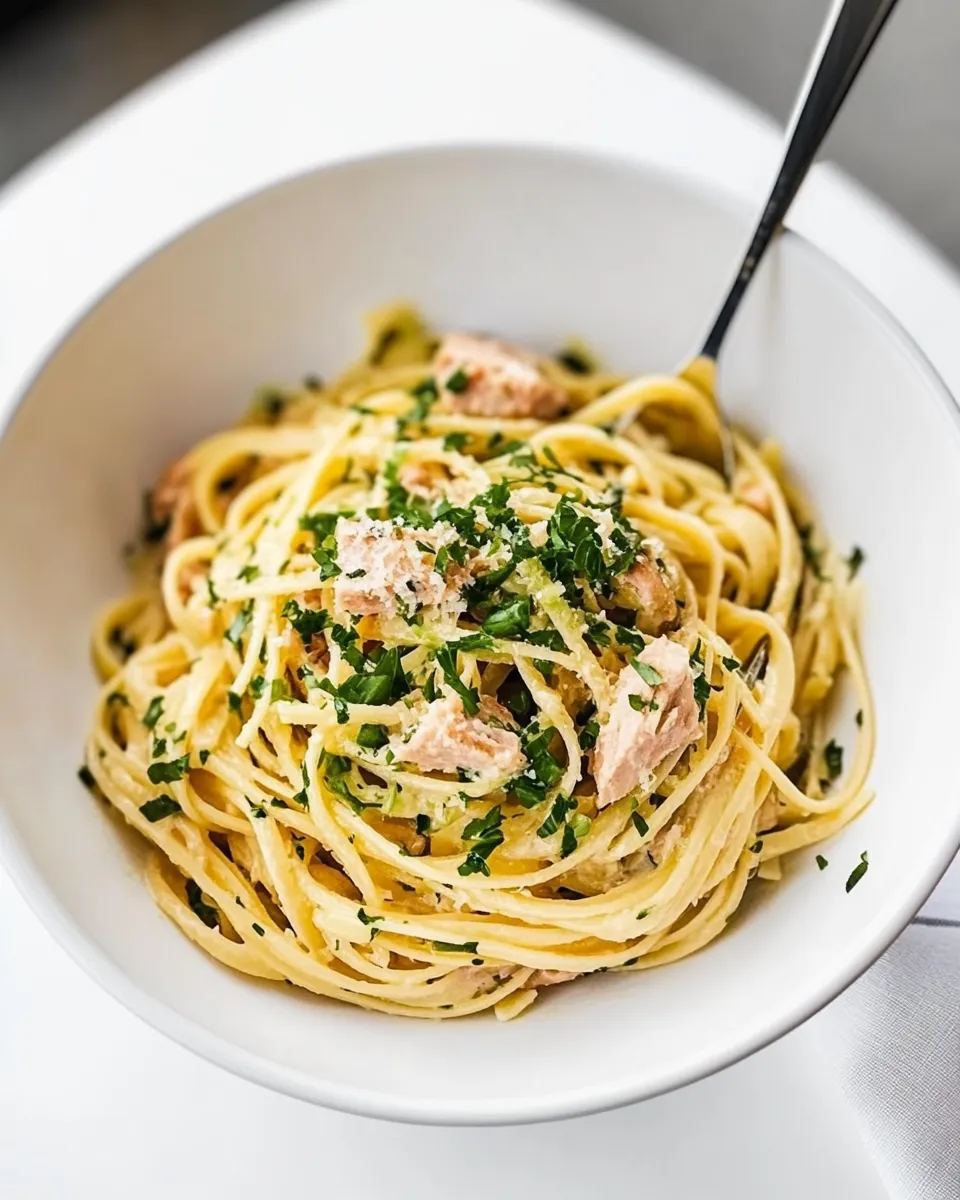
It’s fast. Pasta is cooked while you prep the rest, and the sauce is assembled in under five minutes on the stovetop. It’s also forgiving: the reserved pasta water lets you rescue the texture easily, and ingredients are flexible.
Flavor-wise, it hits smart contrasts—fatty tuna and olive oil against bright lemon and sharp capers, with garlic and red pepper flakes giving the background a gentle kick. It feels composed without elaborate steps.
Finally, this recipe uses inexpensive pantry items that keep well, so it’s a reliable go-to when fresh proteins aren’t available or when you want something low-effort but more interesting than a jarred sauce.
Substitutions by Category
Protein
- Chicken (leftover or rotisserie, shredded) — keep the lemon and capers; reduces the briny profile but keeps the overall structure.
- Sardines or smoked mackerel — for a stronger, oilier fish flavor; drain and flake like the tuna.
- Chickpeas — for a vegetarian option; toss in at the same stage you add the tuna to heat through.
Pasta
- Spaghetti alternatives (linguine, bucatini, or penne) — any long or short shape will work; adjust toss time so sauce clings well.
Acid & Brightness
- White wine (1–2 tbsp) — swap for part of the lemon juice for a softer acid profile; cook briefly to reduce.
- Vinegar (capers’ brine or a splash of white wine vinegar) — use sparingly if you want a tauter tang.
Herbs & Aromatics
- Fresh basil or dill instead of parsley — changes the herbal note; add at the end to preserve freshness.
Hardware & Gadgets
- Large pot for boiling pasta — big enough so the spaghetti moves freely and you can reserve cooking water.
- Shallow sauté pan — wide surface helps the sauce coat the noodles evenly.
- Fine grater or zester — for the lemon zest; fresh zest brightens the whole dish.
- Tongs — easiest tool to toss pasta with the sauce and distribute tuna without breaking it up too much.
- Measuring spoons/cup — keep the lemon, oil, and caper ratios consistent.
Problems & Prevention
- Problem: Garlic browns and tastes bitter. — Prevention: Keep the heat to medium and watch the pan; you only want the garlic fragrant and just sizzling for ~30–60 seconds.
- Problem: Sauce is dry or clumpy. — Prevention: Use the reserved pasta water, 1–2 tablespoons at a time, to emulsify the oil into a glossy sauce.
- Problem: Tuna breaks into very small pieces. — Prevention: Flake the tuna gently with a fork and fold it in off the heat to preserve larger flakes.
- Problem: Dish tastes flat. — Prevention: Add a pinch more salt, a squeeze more lemon juice, or an extra tablespoon of capers to lift the flavors.
Holiday-Friendly Variations
If you want to elevate this for a holiday table, think about adding texture, color, and a little richness without overcomplicating the original profile.
- Roasted cherry tomatoes and toasted breadcrumbs — roast halved tomatoes briefly and scatter toasted garlic breadcrumbs over the plated pasta for crunch.
- Olive and preserved lemon finish — chop a few Kalamata olives and a small bit of preserved lemon peel to layer in extra briny complexity.
- Lemon-herb gremolata — mix extra lemon zest with finely chopped parsley and garlic; sprinkle on top right before serving for a bright garnish.
- Serve family-style with a simple green salad and slices of crusty bread to make it feel more celebratory.
Pro Tips & Notes
- Use the oil from the tuna only if it’s good-tasting; if it’s particularly fishy, drain and use fresh olive oil instead.
- Always reserve pasta water before draining—this dish relies on that starchy water to form a silky coating.
- Add the tuna off the heat to avoid overcooking the flakes; you want to warm and coat them, not break them down.
- If you prefer a looser sauce, incorporate more of the reserved water; for a silkier, oilier finish, add an extra tablespoon of olive oil off the heat and whisk gently.
- Adjust salt at the end; capers and tuna bring saltiness, so taste before adding more.
How to Store & Reheat
Store leftover Tuna Pasta in an airtight container in the refrigerator for up to 3 days. The texture will soften as the pasta absorbs the sauce, so plan to refresh it when reheating.
To reheat on the stovetop: warm gently over low heat with a splash of water or a drizzle of olive oil to loosen the sauce, tossing until warmed through. In the microwave: add a tablespoon of water or oil, cover loosely, and heat in 30-second intervals, stirring between bursts to distribute heat evenly. Freezing is not recommended—the pasta will become mushy and the tuna’s texture will degrade.
Tuna Pasta FAQs
- Q: Can I use tuna packed in water instead of oil? — A: Yes. Drain it well; add 1 tbsp extra olive oil to the pan to replace the richness you lose from not using oil-packed tuna.
- Q: Is this safe for kids? — A: Yes. Reduce or omit the red pepper flakes for a milder dish and check for any tuna allergies beforehand.
- Q: Can I make this ahead? — A: Partially. Cook the pasta and store separately from the sauce. Reheat and combine just before serving to maintain texture.
- Q: How can I make this creamier? — A: Stir in a tablespoon of crème fraîche or a splash of cream off the heat, but be mindful that it will change the bright, briny character of the original recipe.
- Q: What wine pairs well? — A: A crisp, unoaked white like Pinot Grigio or Vermentino cuts through the oil and complements the lemon and capers.
Wrap-Up
Tuna Pasta is a compact, reliable dish that balances pantry convenience with fresh, bright flavors. It’s quick enough for a weeknight but flexible enough to dress up for guests. Keep the key steps in your head: don’t brown the garlic, save pasta water, and fold the tuna in gently. Those small moves make a big difference.
Save this recipe for nights when you want something that feels put-together with minimal fuss. If you try any of the variations, I’d love to hear which one became your new favorite—lemon zest is non-negotiable in my book.
Tuna Pasta
Ingredients
Ingredients
- 6 oztunaalbacore packed in oil
- 8 ozspaghetti
- 1 clovegarlicminced
- 2 Tbsplemon juice
- the zest of one lemon
- 3 tbspolive oil
- 1/2 tspkosher salt
- 2 tbspcapers
- 1/4 tspRed pepper flakes
- 2 TBSPChopped parsley
Instructions
Instructions
- Cook the spaghetti according to package instructions until al dente. Before draining, reserve 1/2 cup of the pasta cooking water, then drain the pasta and set aside.
- Open the 6 oz can of tuna and drain the oil. Transfer the tuna to a bowl and break it into flakes with a fork; set aside.
- In a cold sauté pan add the 3 tbsp olive oil, the minced garlic, and the 1/4 tsp red pepper flakes. Place the pan over medium heat and warm gently, stirring occasionally, until the garlic is fragrant and just begins to sizzle (about 30–60 seconds). Avoid letting the garlic brown.
- Add the 2 tbsp capers, the lemon zest, the 2 tbsp lemon juice, the 1/2 tsp kosher salt, and the 2 tbsp chopped parsley to the pan. Cook, stirring, for about 2 minutes so the flavors combine.
- Remove the pan from the heat and add the flaked tuna. Stir gently to coat the tuna with the sauce, keeping some larger pieces intact.
- Add the drained spaghetti to the pan and toss to combine. If the mixture seems dry, add reserved pasta water 1–2 tablespoons at a time until the sauce coats the pasta evenly.
- Taste and adjust seasoning if needed. Serve immediately.