
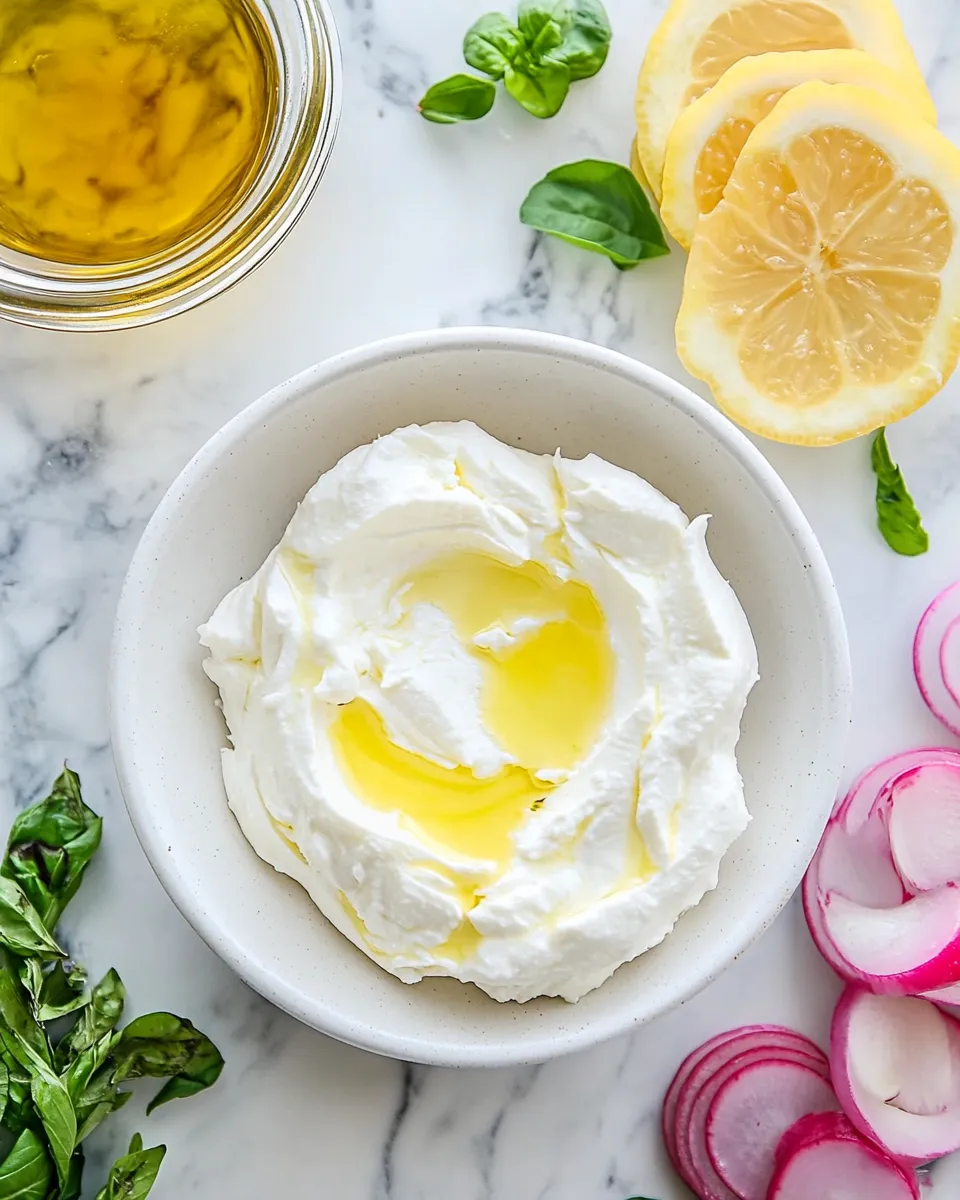
Homemade Labneh Recipe
Labneh is the kind of recipe that feels like a small kitchen miracle: simple ingredients, a little patience, and you get a silky, tangy spread that’s infinitely useful. I make a batch each week and use it on everything from toast to roasted vegetables. It’s forgiving and reliable, which makes it a favorite for both weeknight cooking and when I’m hosting guests.
This post walks you through a straightforward method that yields consistent results. No special dairy skills required—just full‑fat yogurt, a pinch of salt if you like, and a lined colander. I’ll cover the exact steps, common mistakes, substitutions, storage, and easy ways to serve Labneh so you can confidently make it and tailor it to your tastes.
What You’ll Need

Ingredients
- 2 pounds (900 g) full-fat whole-milk yogurt — Greek or natural; this is the base that will transform into creamy Labneh. Full-fat gives the best texture.
- ½ teaspoon salt — optional, if needed; balances the tang and brings the flavor forward. Add to taste.
The Method for Labneh
- In a medium bowl, combine 2 pounds (900 g) full-fat whole-milk yogurt and ½ teaspoon salt (optional). Stir until smooth and evenly blended.
- Place a colander over a larger bowl to catch the whey. Line the colander with a double layer of cheesecloth.
- Transfer the yogurt mixture into the cheesecloth-lined colander. Gather the cheesecloth edges up around the yogurt and secure them to form a closed pouch (tie with kitchen twine or secure with a rubber band).
- Place a gentle weight on top of the wrapped yogurt (for example, 2 cans). Ensure the weight sits on the cloth and does not puncture it.
- Refrigerate the setup and allow the yogurt to drain: at least overnight (about 8–12 hours) and up to 2 days, depending on how thick you want the labneh.
- When the yogurt has reached your desired thickness and whey has separated, remove the pouch from the colander, unwrap, and transfer the labneh to a clean jar or container. Cover and store in the refrigerator for up to 7 days.
Why It’s Crowd-Pleasing
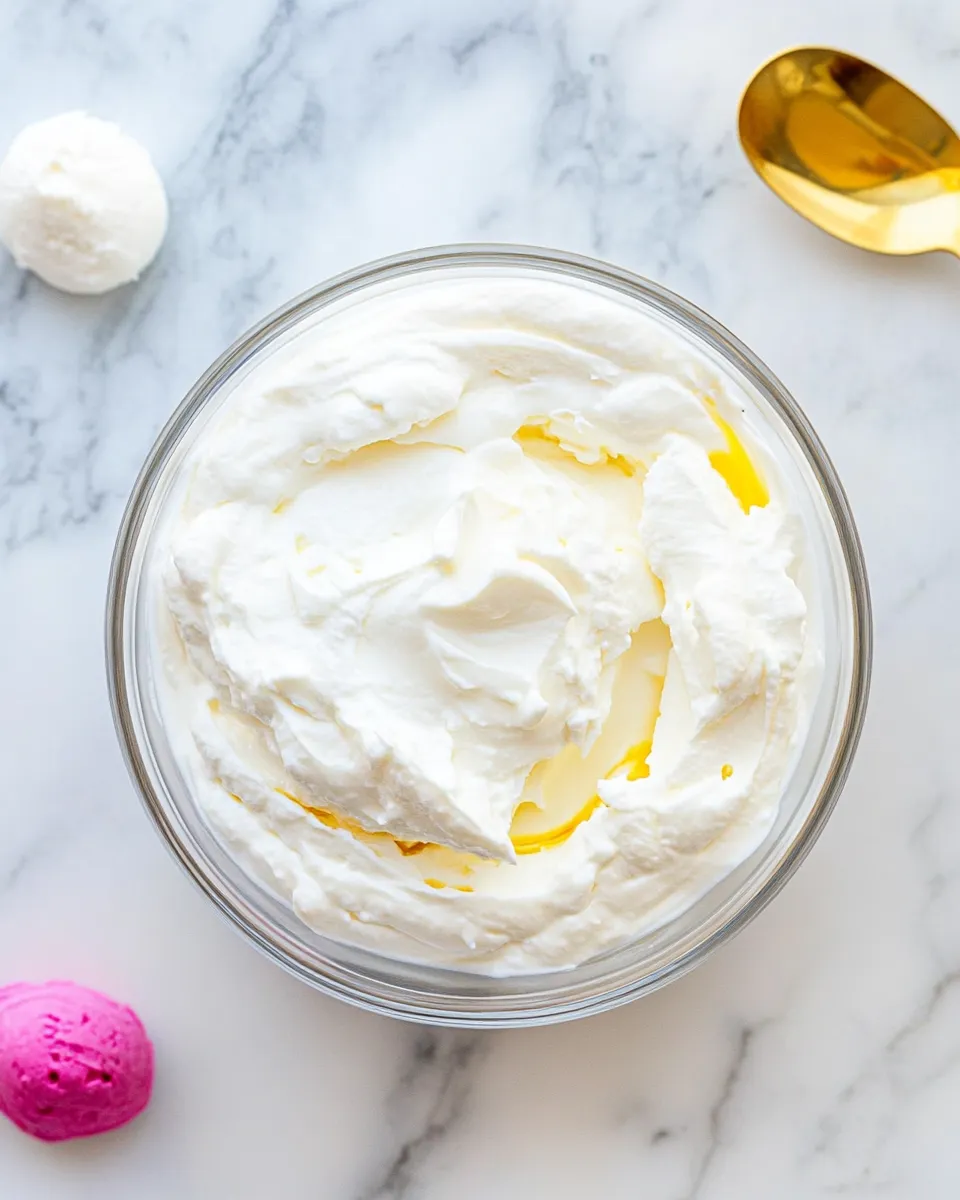
Labneh hits a sweet spot: it’s rich but fresh, creamy but tangy. People notice the texture first—the same velvety mouthfeel as a good soft cheese but with a bright yogurt tang that pairs beautifully with bold flavors. It’s versatile; serve it as a dip, a spread, a base for dressings, or a component in a composed plate.
The contrast is part of the appeal. The mild, plush Labneh balances salty olives, bright herbs, and spicy oils. It’s instantly familiar (everyone recognizes yogurt), yet elevated and homemade, which makes it feel special without being fussy. Guests appreciate the flavor and the simple beauty of a jar of Labneh drizzled with good oil or scattered with za’atar.
Substitutions by Category
When you need to adapt, keep categories simple: dairy, seasoning, and thickness method.
- Yogurt: Use what you have—but expect textural differences. Full-fat yields the creamiest, most spreadable result; lower-fat yogurts will be firmer and less silky.
- Salt: The ½ teaspoon is optional. If your yogurt is already salted or tangy enough, skip it. If you want a herb-forward spread, wait to salt until after draining and then adjust to taste.
- Draining time: For spreadable Labneh, drain 8–12 hours. For thicker spoonable “cheese,” extend to 24–48 hours. The method stays the same; only the time changes.
Hardware & Gadgets
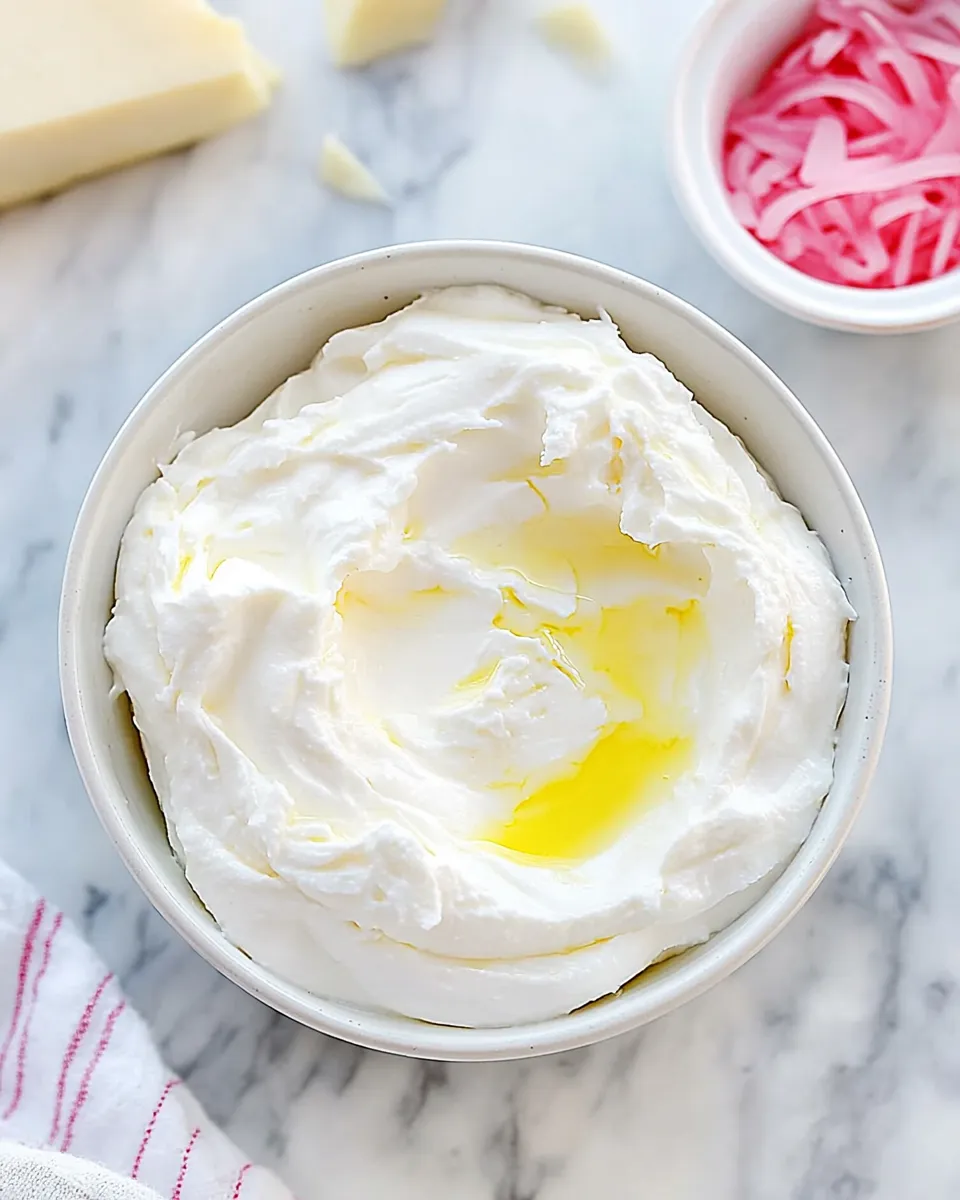
You don’t need specialized equipment—just the basics you likely already own. A few specific items make the process tidy and predictable:
- Medium mixing bowl — to combine yogurt and salt.
- Large bowl — to catch the whey under the colander.
- Colander — supports the cheesecloth and allows whey to drain freely.
- Cheesecloth (double layer) — the finer weave captures the curd while letting whey escape. A clean kitchen towel can work in a pinch but is less ideal.
- Kitchen twine or a rubber band — to secure the cheesecloth pouch.
- Gentle weight (cans, a small pot, or a jar) — applies even pressure so whey drains without breaking the cloth.
- Clean jar or airtight container — for storing the finished Labneh in the fridge.
Mistakes That Ruin Labneh
Here are the missteps I see most often so you can avoid them.
- Using thin yogurt: If your yogurt is very loose, the result will be grainy or take much longer to thicken. Full-fat, thicker yogurts give the best texture.
- Applying too much pressure: Weights should be gentle. Heavy pressure can force whey through the cloth and make the Labneh overly dry or break the pouch.
- Draining at room temperature: Always drain in the fridge. Leaving yogurt at room temperature for extended periods can lead to undesirable fermentation and off flavors.
- Skipping the double-layer cheesecloth: One layer can tear or let curds escape. Double-layer keeps the texture intact and the process clean.
- Not catching the whey: Place the setup over a bowl and empty the whey if it builds up. If whey pools around the pouch, drainage slows and results are inconsistent.
Tailor It to Your Diet
Labneh is inherently flexible. A few adjustments let you fit it into different dietary needs without changing the basic technique.
- Lower-fat diets: Use lower-fat yogurt, but expect a firmer, less lush texture. Increase draining time slightly for a creamier mouthfeel if desired.
- Lactose sensitivity: Many people with mild lactose intolerance tolerate strained yogurt better because some lactose leaves with the whey. If symptoms are severe, consult products labeled lactose-free.
- Sodium control: Omit the ½ teaspoon salt during mixing and season each serving lightly so individuals can control their intake.
Cook’s Notes
Small choices now change the end result in subtle but meaningful ways.
- Salt timing: Adding salt to the yogurt before draining seasons the entire batch. If you prefer precise finishing salt, leave it out and salt portions to taste after draining.
- Thickness targets: For a spread that holds its shape, aim for 24 hours of draining. For a softer spread, 8–12 hours is enough.
- Whey use: Don’t throw it away. Whey is great in smoothies, soups, or to sour bread dough slightly. It’s a useful byproduct.
- Flavoring: After draining, mix in chopped herbs, garlic, or a touch of honey to create flavored Labneh. Add-ins are best incorporated at the end so they don’t affect drainage.
Refrigerate, Freeze, Reheat
The recipe’s instructions specify storage: cover and store Labneh in the refrigerator for up to 7 days. Keep it airtight to prevent refrigerator odors from influencing the delicate flavor. Use within a week for best texture and taste.
Freezing isn’t ideal—freezing and thawing can change the creamy texture, making it grainy. If you must freeze, expect some separation; use thawed Labneh in cooked dishes or blended preparations where texture is less critical. Reheat is generally unnecessary; Labneh is served cold or at room temperature.
Ask the Chef
Q: My Labneh is too runny. What went wrong?
A: Either the yogurt was too thin, or it didn’t drain long enough. Try a thicker yogurt next time and extend draining time. Make sure the setup stays in the fridge and the whey can flow away from the pouch.
Q: Can I flavor Labneh during draining?
A: I don’t recommend adding flavorings until after draining. Herbs, garlic, and oils can affect the drainage and sometimes encourage unwanted fermentation. Mix in flavorings once the Labneh is finished and stored in a jar.
Q: How do I get super-smooth Labneh?
A: Start with a very smooth yogurt, strain for the desired time, and then whip gently with a spoon or small whisk before transferring to the jar. A short, careful whisk will make the texture silkier without thinning it.
Bring It to the Table
Serving Labneh is easy and forgiving. Scoop it into a shallow bowl, create a small well in the center, and finish however you like. A drizzle of oil and a scattering of fresh herbs or spices makes it beautiful and inviting.
Use it as a spread on warm flatbread, a creamy topping for grilled vegetables, or as the base for a composed breakfast bowl with fruit and nuts. It pairs well with bright acids (lemon, pickles), salty components (olives, preserved vegetables), and anything herbal. Simple presentation—clean jar, a spoonful on a plate, a drizzle of oil—goes a long way.
Make a batch, play with small flavor additions after draining, and you’ll find Labneh quickly becomes a staple in your fridge. It’s one of those recipes where small investments of time yield a big payoff at the table.

Homemade Labneh Recipe
Ingredients
Ingredients
- ?2 poundspounds 900 gFull fat whole milk yogurtGreek or natural
- ?1/2 teaspoonsaltoptional if needed
Instructions
Instructions
- In a medium bowl, combine 2 pounds (900 g) full-fat whole-milk yogurt and ½ teaspoon salt (optional). Stir until smooth and evenly blended.
- Place a colander over a larger bowl to catch the whey. Line the colander with a double layer of cheesecloth.
- Transfer the yogurt mixture into the cheesecloth-lined colander. Gather the cheesecloth edges up around the yogurt and secure them to form a closed pouch (tie with kitchen twine or secure with a rubber band).
- Place a gentle weight on top of the wrapped yogurt (for example, 2 cans). Ensure the weight sits on the cloth and does not puncture it.
- Refrigerate the setup and allow the yogurt to drain: at least overnight (about 8–12 hours) and up to 2 days, depending on how thick you want the labneh.
- When the yogurt has reached your desired thickness and whey has separated, remove the pouch from the colander, unwrap, and transfer the labneh to a clean jar or container. Cover and store in the refrigerator for up to 7 days.
Equipment
- cheesecloth
- Colander
Notes
Season the labneh! I like to add fine sea salt to make labneh a savory dip even if I’m serving it with berries or honey. You can also add about ¼-½ of a teaspoon of lemon juice to make it tangy.
Store with a layer of olive oil to seal it in– the best way to store labneh is in a sealed glass jar in the fridge with a thin layer of extra virgin olive oil.