Vegetable Stir Fry
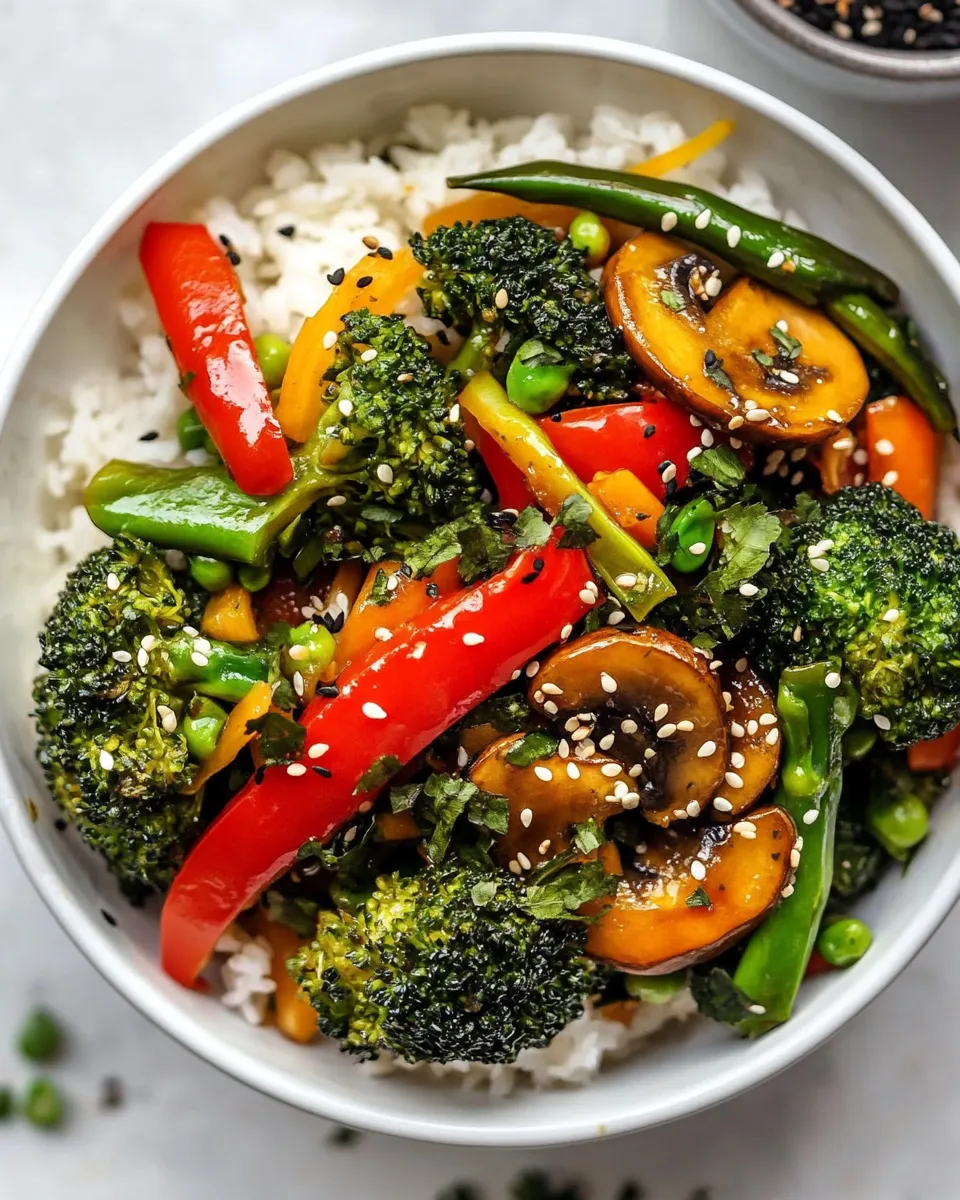
There’s something magical about a well-prepared vegetable stir fry. It can be colorful, vibrant, and packed with flavors that bring the best out of seasonal produce. Perfect for a quick dinner or a satisfying lunch, this dish is flexible, healthy, and can easily cater to your taste buds. Whether you’re a fan of crispy snap peas or tender broccoli florets, this recipe covers all bases.
This Vegetable Stir Fry incorporates a medley of fresh vegetables, coated in a savory sauce that’s easy to whip up. The balance of soy sauce, oyster sauce, and a hint of sweetness from brown sugar adds depth. Not only is it delicious, but it’s also a fantastic way to get in a variety of nutrients while enjoying simple cooking techniques. Plus, the whole dish is ready in just about a half-hour, making it ideal for busy weeknights.
Let’s dive into this recipe and learn how to create a stir fry that bursts with life and flavor!
Ingredient Breakdown

- 3 tablespoons low-sodium soy sauce — Use low-sodium to keep the dish heart-healthy and let the vegetables shine through.
- 2 tablespoons oyster sauce — This adds a rich umami flavor that elevates the stir fry.
- 1 tablespoon brown sugar — A touch of sweetness balances the savory elements beautifully.
- 1 tablespoon cornstarch — Helps to thicken the sauce and gives it a nice glossy finish.
- 1 teaspoon sesame oil — Adds a distinct, nutty flavor that enhances the overall taste.
- 3 cloves garlic, minced — Brings a fragrant, savory depth to the dish.
- 1 inch fresh ginger, minced — Adds warmth and a zingy freshness that complements the garlic.
- 1 tablespoon olive oil — Used for sautéing the vegetables; choose a high-quality one for the best flavor.
- ½ onion, sliced — Sweet and slightly tangy, it adds texture and flavor.
- 1 bell pepper, any color, sliced — A pop of color and crunch; use your favorite variety!
- 2 carrots, sliced into coins — Sweetness and crisp texture contribute to the dish’s appeal.
- ½ teaspoon kosher salt — Enhances all the natural flavors of the vegetables.
- 8 ounces mushrooms, sliced — Earthy flavor and a meaty texture without the meat.
- 2 cups snap peas — Crunchy and sweet, they add a delightful bite.
- 2 cups broccoli florets — Nutrient-dense and add a satisfying texture.
- 1 cup white rice, cooked according to package — Serves as the perfect base for the stir fry.
- Sesame seeds, optional, for garnish — Adds a nutty crunch and enhances the visual appeal.
- Chopped green onion, optional, for garnish — Fresh and sharp flavor that brightens the dish.
Build Vegetable Stir Fry Step by Step
- In a mason jar or bowl, combine 3 tablespoons of low-sodium soy sauce, 2 tablespoons of oyster sauce, 1 tablespoon of brown sugar, 1 tablespoon of cornstarch, 1 teaspoon of sesame oil, 3 minced cloves of garlic, and 1 inch of minced fresh ginger. Shake or whisk until well combined and set aside.
- Heat 1 tablespoon of olive oil in a large skillet or wok over medium heat.
- Add ½ sliced onion, 1 sliced bell pepper, 2 sliced carrots, and ½ teaspoon of kosher salt to the skillet. Cook for 2-3 minutes, stirring occasionally.
- Stir in 8 ounces of sliced mushrooms and cook for an additional 2 minutes.
- Pour the prepared sauce over the vegetables in the skillet and stir to evenly coat the veggies.
- Once the sauce has thickened, reduce the heat to low.
- Add 2 cups of snap peas and 2 cups of broccoli florets to the skillet. Cook on low for an additional 2-3 minutes until the vegetables are tender.
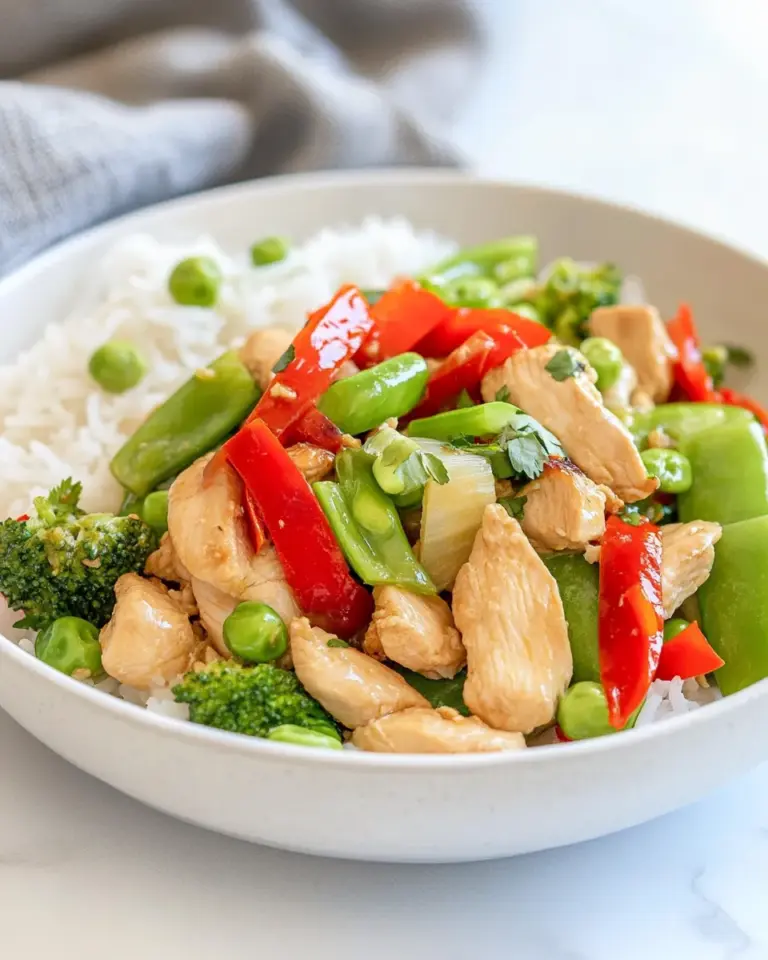
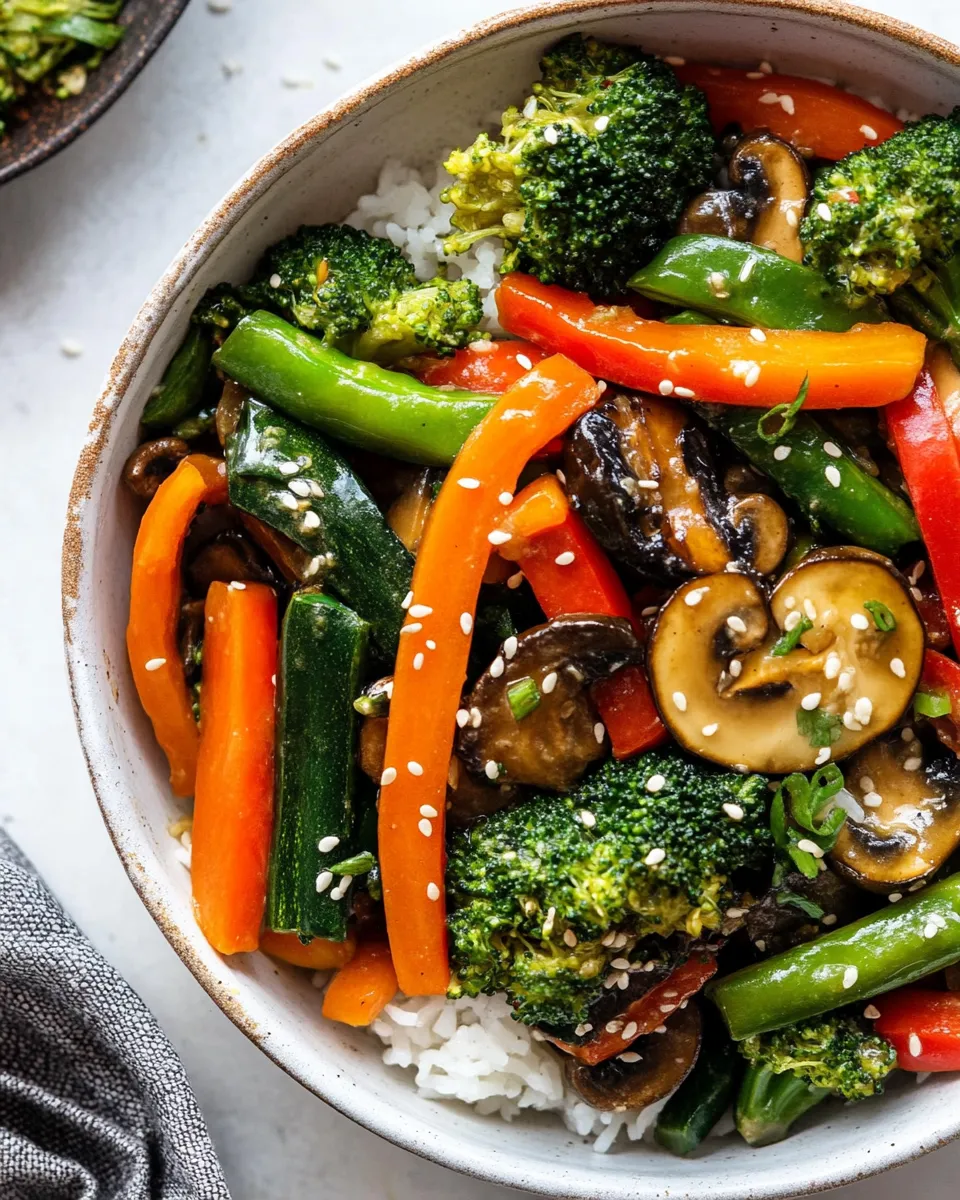
- Serve the vegetable stir fry over 1 cup of cooked white rice. Optionally, garnish with sesame seeds and chopped green onion before serving.
What Sets This Recipe Apart
What makes this Vegetable Stir Fry stand out is its versatility and the perfect harmony of flavors. The combination of soy sauce and oyster sauce creates a unique savory profile, while the addition of brown sugar adds a hint of sweetness, making this dish irresistible. Each vegetable contributes its own taste and texture, ensuring that every bite is different. You can also customize it based on what you have on hand or your preferences.
Moreover, the use of cornstarch to thicken the sauce sets it apart from many traditional stir fries, providing a glossy finish that clings beautifully to the vegetables. This method ensures that each piece remains distinct rather than drowning in sauce.
Healthier Substitutions
If you’re looking to make this dish even healthier or accommodate dietary preferences, here are some great substitutions:
- Replace olive oil with avocado oil for a higher smoke point and beneficial fats.
- Use tamari instead of soy sauce for a gluten-free option.
- Experiment with different sugars like coconut sugar for a lower glycemic index option.
- Try adding bean sprouts or zucchini noodles for more crunch or lower-carb alternatives.
- For extra protein, add tofu, tempeh, or edamame to round out the meal.
Equipment Breakdown
To achieve the best results with your Vegetable Stir Fry, you’ll need the right tools. Here’s what I recommend:
- Large Skillet or Wok — A large, flat surface helps to evenly cook the vegetables and allows moisture to escape, keeping them crispy.
- Mason Jar or Bowl — For mixing the sauce. A mason jar is especially handy for shaking.
- Sharp Knife — Essential for slicing vegetables quickly and efficiently.
- Cutting Board — Choose one large enough to accommodate all your chopping.
Troubles You Can Avoid
Stir fries can easily go wrong if you aren’t careful. Here are common pitfalls to avoid:
- Don’t overcrowd the pan — This can lead to steaming, rather than stir-frying. Cook in batches if needed.
- Make sure your oil is hot enough before adding vegetables — This helps achieve that perfect sear.
- Be mindful of cooking times for different vegetables — Start with heartier veggies like carrots and bell peppers, adding delicate ones later.
In-Season Swaps
Using seasonal vegetables not only elevates flavor but also supports local agriculture. Here are some suggestions for seasonal swaps:
- Spring — Add asparagus or green beans for a fresh touch.
- Summer — Incorporate zucchini or bell peppers for more color.
- Fall — Consider using Brussels sprouts or pumpkin for a hearty option.
- Winter — Kale or bok choy can add a refreshing crunch during the colder months.
What Could Go Wrong
Even the best recipes can face challenges. Here’s what to watch out for:
- Overcooking the vegetables can lead to a mushy texture. Cook just until they are tender-crisp.
- Not balancing flavors can lead to a bland stir fry — adjust seasoning as required during cooking.
- Using too much sauce can overpower the dish. Keep the ratio of sauce to vegetables in check.
Keep-It-Fresh Plan
To keep your Vegetable Stir Fry fresh, consider the following tips:
- Store any leftovers in an airtight container in the fridge for up to three days.
- Reheat gently in a skillet to maintain texture, avoiding sogginess.
- If possible, store the sauce separately and add to fresh vegetables when reheating.
Vegetable Stir Fry FAQs
Can I add protein to this Vegetable Stir Fry?
Absolutely! Adding chicken, shrimp, tofu, or beef can turn this into a more substantial meal. Just make sure to adjust cooking times accordingly.
What can I serve with this stir fry?
While the stir fry is delightful over rice, it also pairs well with quinoa, noodles, or even just on its own as a vibrant salad.
Can I freeze leftovers?
While you can freeze it, be aware that vegetables may lose texture. It’s best enjoyed fresh but if you must, freeze for up to a month in a freezer-safe container.
Serve & Enjoy
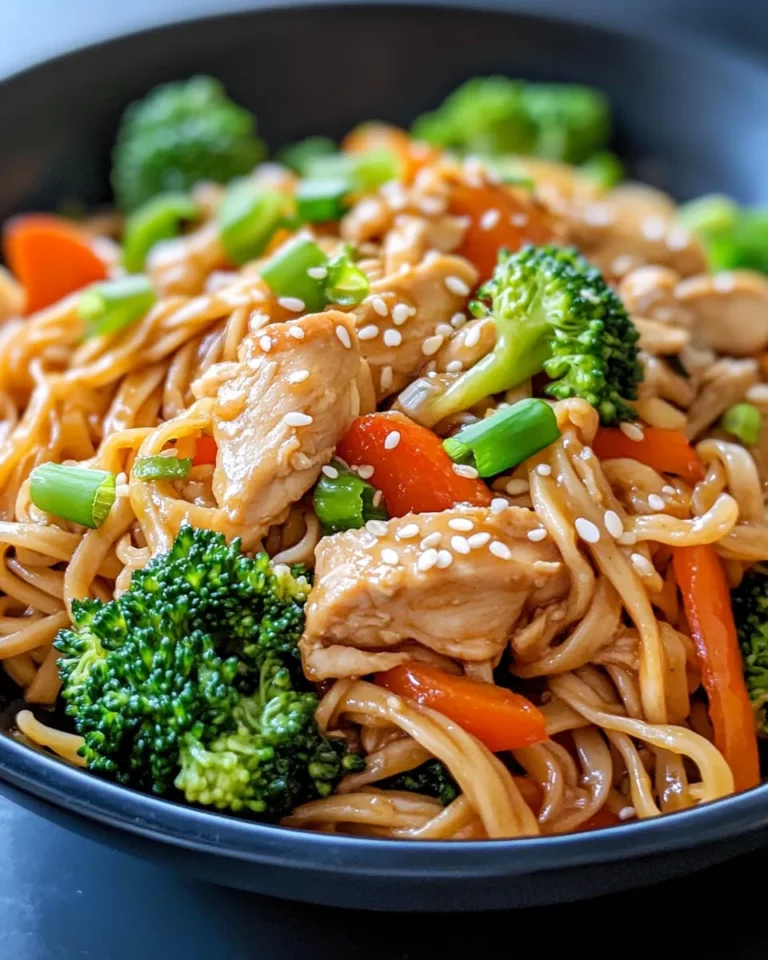
Your Vegetable Stir Fry is now ready to enjoy! Serve it hot over a bed of white rice, and don’t forget those optional garnishes of sesame seeds and chopped green onion for that extra flair. Whether it’s a weeknight dinner or a meal prep solution, this recipe is sure to become a favorite in your kitchen. Relish in the colors, the flavors, and the delightful crunch of your home-cooked stir fry!

Vegetable Stir Fry
Ingredients
Ingredients
- 3 tablespoonslow-sodium soy sauce see note
- 2 tablespoonsoyster sauce
- 1 tablespoonbrown sugar
- 1 tablespooncornstarch
- 1 teaspoonsesame oil
- 3 clovesgarlicminced
- 1 inchfresh gingerminced
- 1 tablespoonolive oil
- 1/2 onionsliced
- 1 bell pepperany color sliced
- 2 carrotssliced into coins
- 1/2 teaspoonkosher salt
- 8 ouncesmushroomssliced
- 2 cupssnap peas
- 2 cupsbroccoli florets
- 1 cupwhite ricecooked according to package
- Sesame seedsoptional for garnish
- Chopped green onionoptional for garnish
Instructions
Instructions
- In a mason jar or bowl, combine 3 tablespoons of low-sodium soy sauce, 2 tablespoons of oyster sauce, 1 tablespoon of brown sugar, 1 tablespoon of cornstarch, 1 teaspoon of sesame oil, 3 minced cloves of garlic, and 1 inch of minced fresh ginger. Shake or whisk until well combined and set aside.
- Heat 1 tablespoon of olive oil in a large skillet or wok over medium heat.
- Add ½ sliced onion, 1 sliced bell pepper, 2 sliced carrots, and ½ teaspoon of kosher salt to the skillet. Cook for 2-3 minutes, stirring occasionally.
- Stir in 8 ounces of sliced mushrooms and cook for an additional 2 minutes.
- Pour the prepared sauce over the vegetables in the skillet and stir to evenly coat the veggies.
- Once the sauce has thickened, reduce the heat to low.
- Add 2 cups of snap peas and 2 cups of broccoli florets to the skillet. Cook on low for an additional 2-3 minutes until the vegetables are tender.
- Serve the vegetable stir fry over 1 cup of cooked white rice. Optionally, garnish with sesame seeds and chopped green onion before serving.
Notes
Cut the vegetables into similarly-sized pieces so that they cook evenly.
Sauté the vegetables until crisp-tender, not soft. This will prevent a mushy stir fry.
Let the sauce come to a simmer after adding it in order to allow the cornstarch to activate and thicken.